

Introduction: A Luminous Craft Trail Through Türkiye
Türkiye has long been a crossroads of craft, where artisans shape glass into objects of breathtaking beauty. From the intricate Ottoman art of çeşm-i bülbül (nightingale's eye) to contemporary stained-glass panels that splash color across modern interiors, the country's glassblowing and stained-glass workshops offer travelers a rare chance to step into the heart of creation. This guide invites you to follow a colorful trail through Istanbul, İzmir, and Eskişehir, where you can watch masters at the furnace, join a beginner workshop, and leave with a handmade piece that becomes a luminous souvenir.
What makes this trail special is its hands-on, family-friendly nature. You don't need to be an artist to participate; you just need curiosity and a willingness to get a little warm. The warmth of Turkish studio hospitality—often accompanied by glasses of çay and lively conversation—turns a simple visit into a memorable cultural exchange. Whether you're traveling with kids, a partner, or solo, these workshops welcome you to touch, try, and take home a piece of Türkiye's glowing heritage.
So pack your sense of wonder, and let's explore the studios, techniques, and stories that make Turkish glass art a must for any craft traveler.
Istanbul: The Historic Heart of Turkish Glass Art
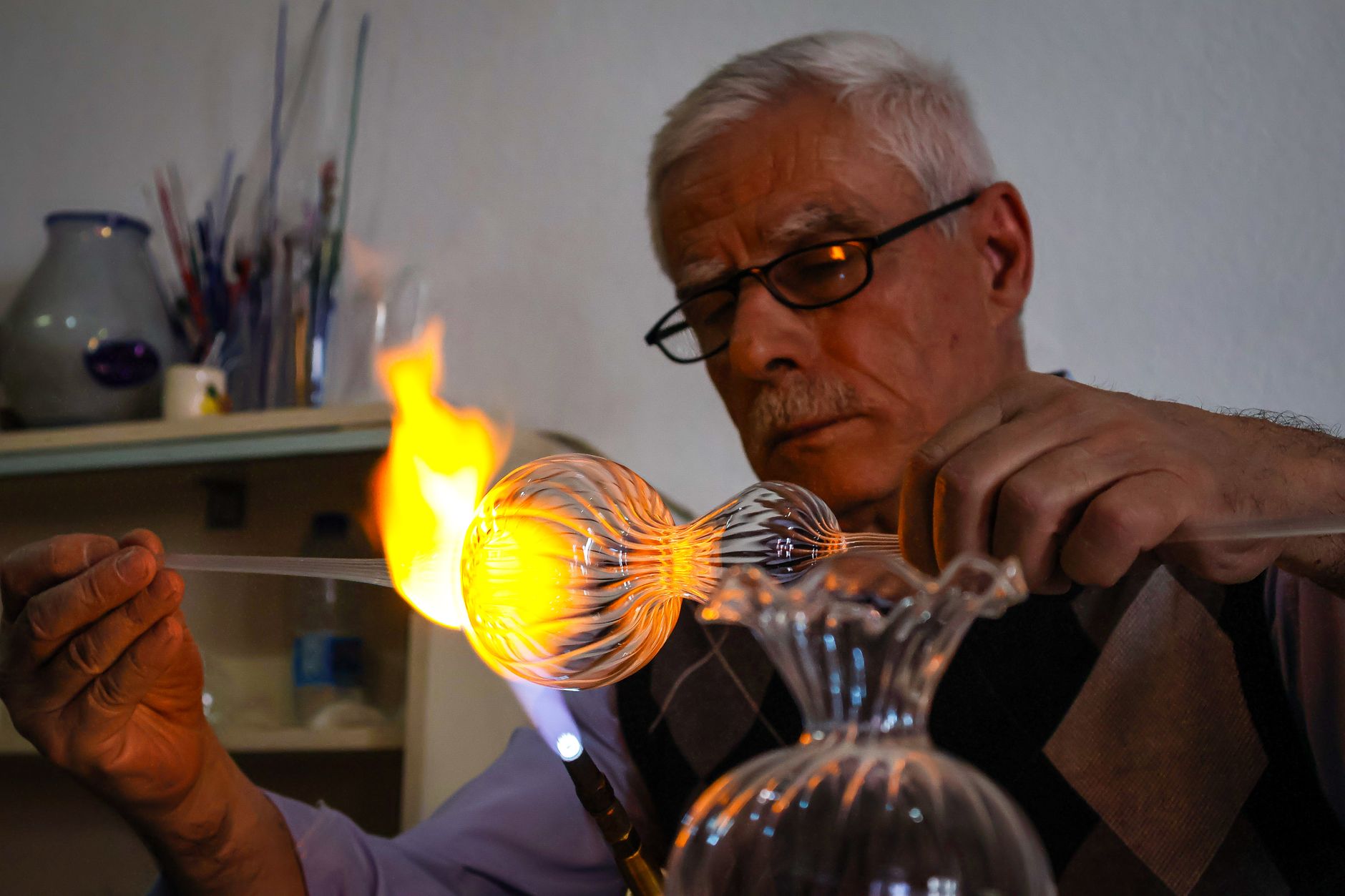
Istanbul, the city that bridges continents, is also a bridge between past and present in glassmaking. The Ottoman court once prized glass vessels as symbols of status, and today the city's workshops keep those traditions alive while embracing modern design. In the bustling district of Beyoğlu, you'll find small ateliers where artisans blow glass using techniques passed down through generations. A visit here feels like time travel: the roar of the furnace, the glow of molten glass, and the delicate dance of the craftsman's breath.
One of the most iconic styles you'll encounter is çeşm-i bülbül, characterized by its swirling, filigree patterns in blue and white. Legend says the name comes from the resemblance to a nightingale's eye, and the effect is indeed mesmerizing. Many Istanbul workshops offer demonstrations where you can watch a master shape a goblet or vase in minutes, then try your own hand at basic glassblowing or bead-making. For families, the shorter sessions are perfect: children can create colorful glass beads or small paperweights, while parents may attempt a simple bowl.
Beyond Beyoğlu, the historic area of Kuzguncuk on the Asian side is home to a growing community of glass artists who blend traditional Ottoman motifs with contemporary aesthetics. Studios here often host weekend workshops, and the neighborhood's charming streets, cafés, and antique shops make for a delightful day out. Don't miss the chance to browse the Grand Bazaar's glassware section, where you can see finished pieces and perhaps purchase a souvenir to complement your own creation.
For a deeper dive, consider booking a full-day glassblowing experience that includes a visit to a glass factory, a demonstration of çeşm-i bülbül, and a hands-on session where you'll make your own Turkish tea glass or vase. The instructors are patient and encouraging, ensuring that even first-timers leave with a piece they're proud of. And the studio hospitality? Expect plenty of tea, simit, and warm smiles.
İzmir: Contemporary Stained Glass and Coastal Creativity
On Türkiye's Aegean coast, İzmir offers a fresh, contemporary take on glass art. While the city is famous for its kordon promenade and vibrant bazaar, its stained-glass scene is a hidden gem. In the neighborhood of Alsancak, converted warehouses now house spacious studios where artists craft intricate stained-glass panels, often inspired by the sea, sun, and local flora. The light in İzmir is famously clear, making it an ideal place for stained glass to shine.
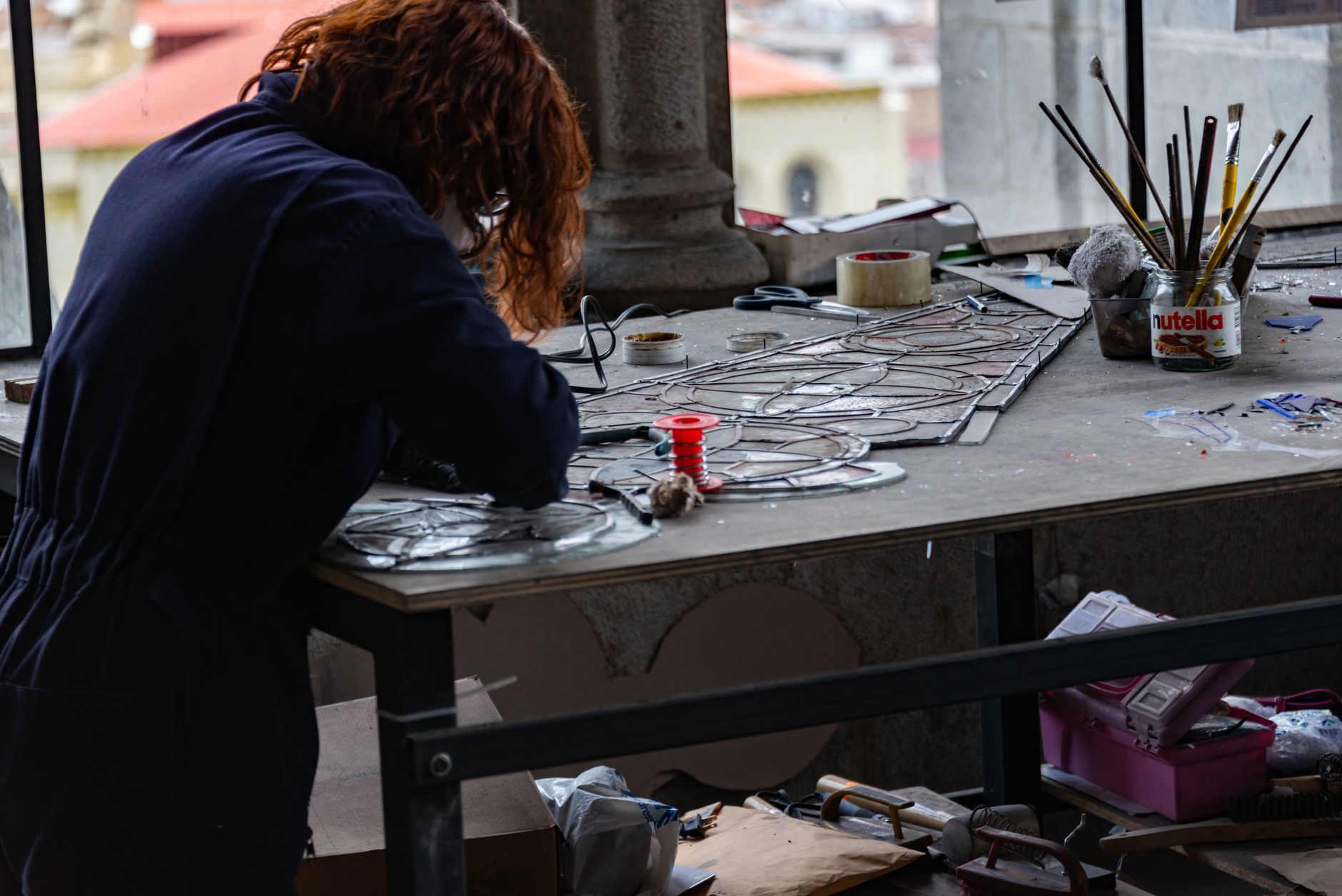
Stained-glass workshops in İzmir typically focus on the copper foil and lead came techniques, allowing you to create small suncatchers, picture frames, or decorative panels. Classes are often designed for beginners and families, with pre-cut glass pieces and safety equipment provided. You'll learn to cut, grind, foil, and solder, guided by friendly artisans who share the history of the craft and its modern applications. The process is meditative and rewarding, and the finished piece catches the Aegean sun in dazzling ways.
Many studios also collaborate with local glassblowers, so you can combine both crafts in a single visit. For example, a morning glassblowing session where you make a glass bubble, followed by an afternoon stained-glass workshop to frame it. The juxtaposition of hot and cold glass techniques gives you a comprehensive understanding of the medium. Additionally, İzmir's proximity to the ancient city of Ephesus and the charming town of Çeşme makes it easy to pair your craft adventure with historical and coastal exploration.
Family-friendly highlights include the İzmir Glass and Stained Glass Festival (usually held in spring), where studios open their doors for demonstrations, kid-friendly workshops, and exhibitions. The festival atmosphere is lively, with street food and music, making it a perfect outing for all ages. And of course, the warmth of Turkish hospitality means you'll never be far from a cup of tea and a friendly chat.
Eskişehir: A Hidden Gem for Glass Art in Anatolia
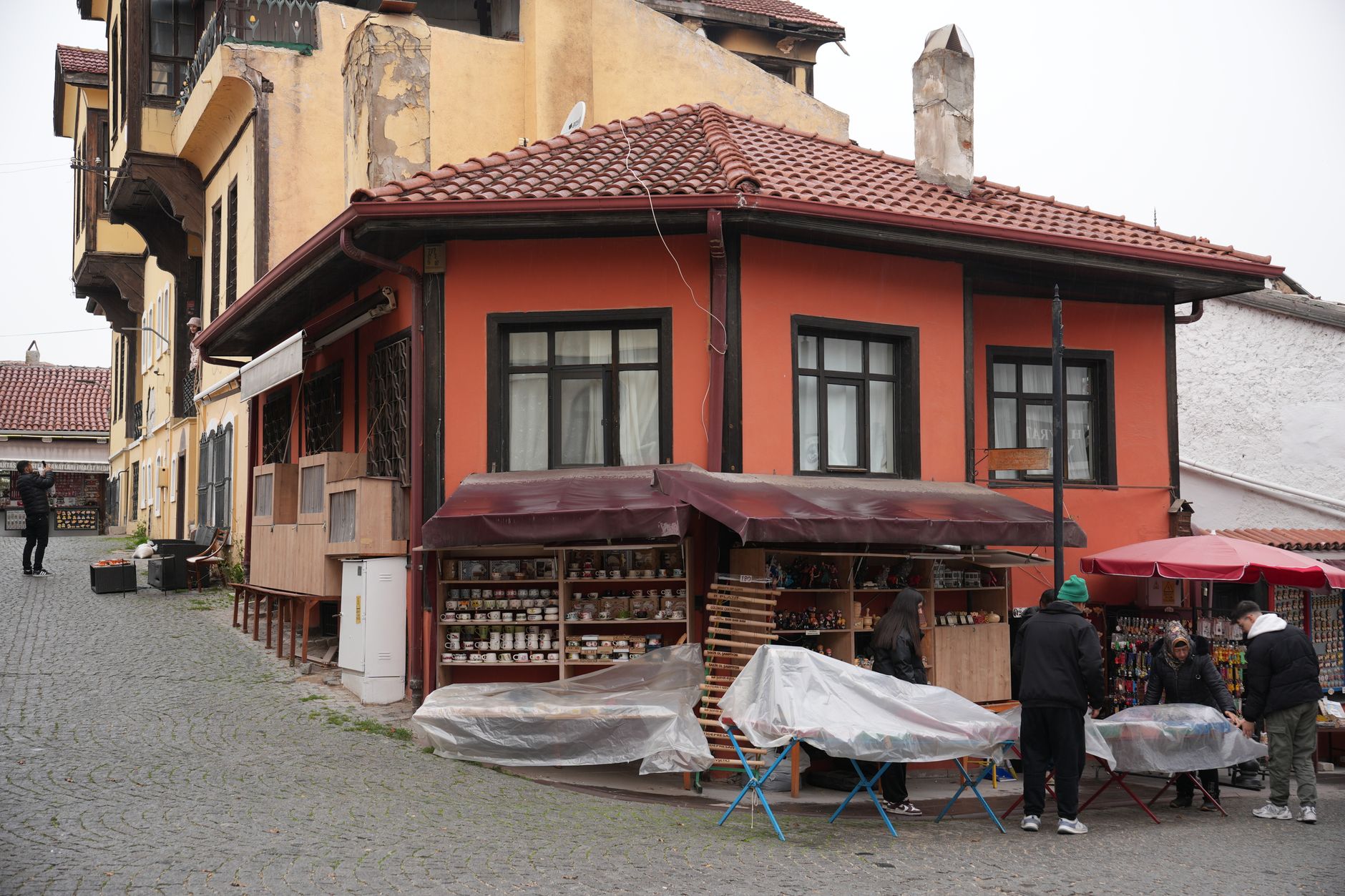
Eskişehir, a lively university city in central Anatolia, might not be the first place you think of for glass art, but it has emerged as a surprising hub for contemporary glassblowing and stained glass. The city's youthful energy and support for the arts have fostered a community of makers who push boundaries. In the Odunpazarı historic district, with its colorful Ottoman houses, you'll find studios tucked into restored buildings, where artists blend traditional Anatolian motifs with modern design.
Eskişehir is particularly known for its glassblowing workshops that cater to tourists and families. Many offer short introductory sessions where you can blow your own glass ornament or tumble. The furnaces here are often smaller and more intimate than in Istanbul, allowing for closer interaction with the artist. You'll learn about the importance of timing and temperature, and the thrill of shaping a molten blob into a finished piece is unforgettable. For those interested in stained glass, several studios specialize in architectural panels and lamps, and some offer weekend courses.
What sets Eskişehir apart is its accessibility and affordability. Workshop prices are generally lower than in major cities, and the city itself is easy to navigate with public transport. After your class, explore the quirky Porsuk River promenade, visit the Yılmaz Büyükerşen Wax Museum, or enjoy a traditional Turkish bath. The city's vibrant arts scene also includes glass exhibitions at the Contemporary Glass Museum, which showcases works by Turkish and international artists.
For a truly immersive experience, plan your visit during the Eskişehir Glass Festival in September, when the city celebrates all things glass with workshops, demonstrations, and a glass market. It's a fantastic opportunity to meet artisans, learn new techniques, and purchase unique pieces directly from the makers. The festival is family-friendly, with activities for children and plenty of food stalls.
Hands-On Workshops: What to Expect and How to Choose
Choosing the right workshop can make or break your glass adventure. Here are key factors to consider: duration (1-hour taster vs. full-day intensive), group size (small groups offer more personalized attention), technique (glassblowing, stained glass, beadmaking, fusing), and language (many workshops in tourist areas offer English instruction). For families with young children, look for studios that offer safe, supervised activities like beadmaking or glass painting. For teens and adults, glassblowing or stained-glass workshops provide a more challenging yet rewarding experience.
When you arrive, you'll typically be greeted with a safety briefing and an overview of the tools. Glassblowing involves a furnace, a blowpipe, and various shaping tools. You'll gather molten glass on the end of a pipe, blow air into it, and shape it using heat and gravity. It's physically demanding but exhilarating. Stained glass, by contrast, is a cooler process: you cut colored glass, grind the edges, wrap them in copper foil or lead, and solder them together. Both require patience and precision, but instructors guide you step by step.
Most workshops include all materials and safety gear, and you'll take home your creation (sometimes after a cooling period, so you may need to pick it up later or have it shipped). Prices vary: a 1-hour glassblowing taster might cost 300-600 TL, while a half-day stained-glass workshop ranges from 800-1500 TL. Many studios offer family discounts or combo packages. It's advisable to book in advance, especially during peak tourist seasons.
Beyond the technical skills, these workshops offer a window into Turkish culture. You'll likely share tea with your instructor, hear stories about the craft's history, and maybe learn a few Turkish phrases. The hospitality is genuine, and the connections you make are as valuable as the object you create.
Studio Hospitality: The Warmth Behind the Craft
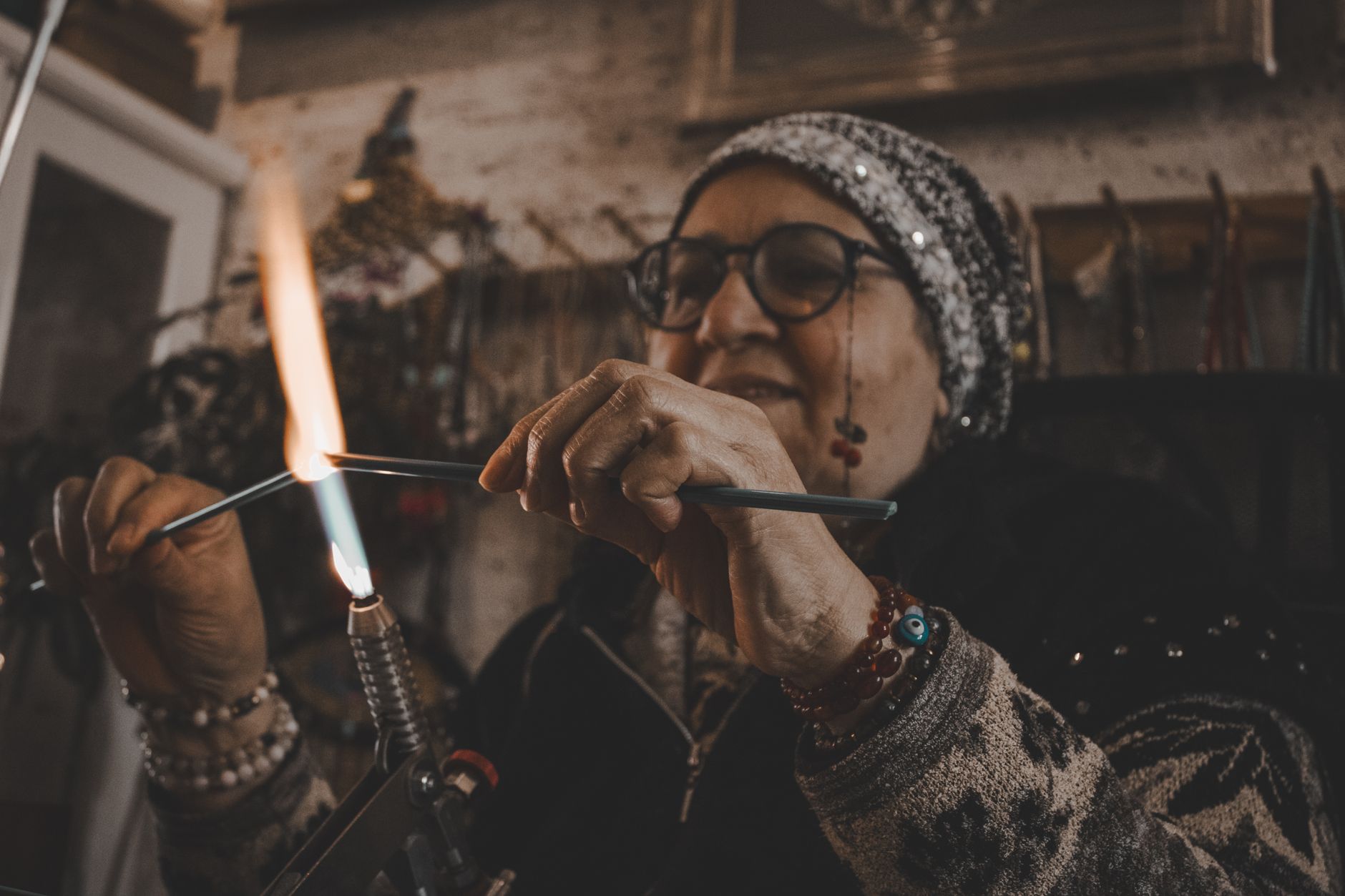
Turkish studio hospitality is legendary. As soon as you step into a workshop, you're likely to be offered a glass of çay (tea) and a seat while the artisans finish their current piece. This isn't just politeness; it's a way of welcoming you into their world. Conversations flow easily, and you'll often find that the master craftsmen are eager to share their knowledge and stories. For travelers, this personal interaction adds a layer of depth to the experience that you won't find in a museum.
Many studios are family-run, with skills passed down from generation to generation. You might meet a grandfather who learned çeşm-i bülbül from his father, and his granddaughter who now experiments with modern stained-glass designs. This blend of tradition and innovation is what keeps Turkish glass art vibrant. The hospitality extends to the workshop itself: you're encouraged to ask questions, take photos (with permission), and even try techniques beyond the basic lesson if you're up for it.
For families, this warmth is particularly welcoming. Children are often given extra attention, and instructors are skilled at making the experience fun and safe. Many studios have a corner with toys or coloring books for younger siblings, and the atmosphere is relaxed. The shared tea breaks become a highlight, where you can chat with other travelers and compare your creations.
Ultimately, the hospitality transforms a craft lesson into a cultural exchange. You leave not just with a handmade souvenir, but with a memory of human connection and the warmth of Turkish generosity.
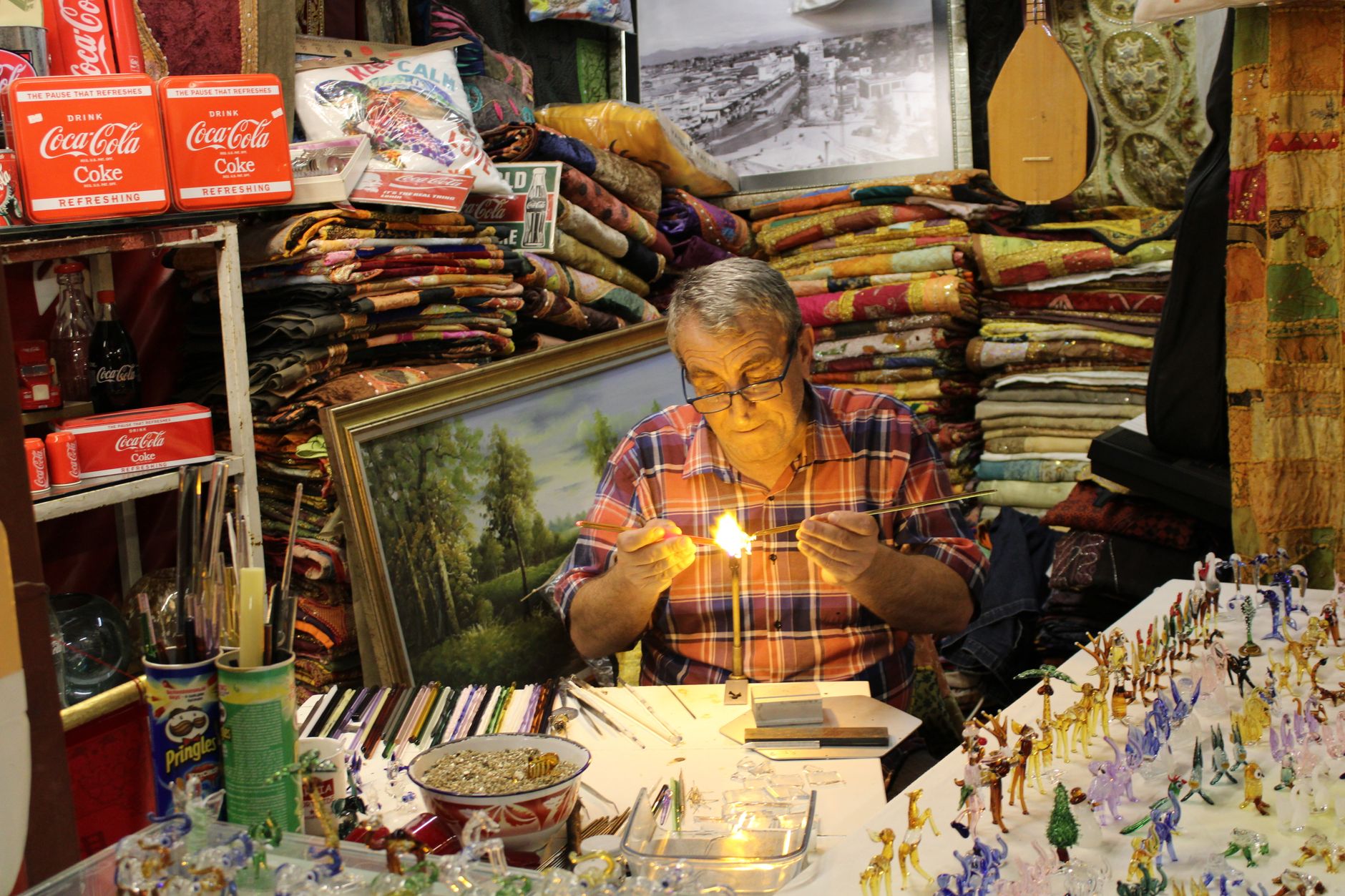
A Handmade Souvenir: Taking Home a Luminous Memory
There's nothing quite like the feeling of holding a piece of glass you shaped with your own hands. Whether it's a small glass bead, a colorful suncatcher, or a wobbly but charming vase, it carries the story of your travel and the skill of the artisan who guided you. Unlike mass-produced souvenirs, your handmade piece is unique and imbued with personal meaning. It will catch the light in your home and remind you of the glow of the furnace and the warmth of the studio.
When packing, remember that glass needs careful handling. Most studios provide bubble wrap and sturdy boxes, and for larger items, they can arrange shipping. If you're traveling by air, consider carrying your piece in your hand luggage to avoid breakage. And don't forget to ask for a certificate of authenticity or a note about the technique, which adds to the story you can share with friends and family.
Beyond the physical object, you take home new skills and a deeper appreciation for glass art. You might find yourself noticing stained-glass windows in your hometown with fresh eyes, or even seeking out local glassblowing classes to continue your new hobby. The experience can be transformative, sparking a lifelong interest in craft.
Finally, consider documenting your journey: take photos of the workshop, your instructor, and your creation in progress. These images, along with your souvenir, will keep the memories alive. And who knows? You might return to Türkiye to explore more of its glass trail, perhaps visiting other cities like Ankara or Antalya, which also have growing glass scenes.
Practical Tips for Your Glass Craft Adventure
Best time to visit: Spring (April-May) and autumn (September-October) offer pleasant weather and fewer crowds. Summer can be hot in the studios, but many have air conditioning. Winter is quieter but still magical, especially in Istanbul.
What to wear: Comfortable, cotton clothing that you don't mind getting dirty. Avoid loose sleeves or synthetic fabrics near the furnace. Closed-toe shoes are essential. Long hair should be tied back.
Booking: Reserve workshops at least a week in advance, especially for English-language sessions. Check reviews on platforms like TripAdvisor or Google, and confirm the cancellation policy.
Accessibility: Many studios are in historic buildings with stairs, so inquire about wheelchair access if needed. Some workshops can accommodate mobility challenges with advance notice.
Combining with other activities: Pair your workshop with visits to nearby historical sites, bazaars, or museums. In Istanbul, the Grand Bazaar and Topkapı Palace are close to many glass studios. In İzmir, the Kemeraltı Bazaar is a must. In Eskişehir, explore the Odunpazarı district.
Budget: Expect to spend 300-1500 TL per person for a workshop, plus materials. Family packages often offer savings. Keep some cash for purchasing additional pieces from the studio shop.
Language: While many instructors speak some English, learning a few Turkish phrases like teşekkürler (thank you) and merhaba (hello) goes a long way.
With these tips, you're ready to embark on a colorful, hands-on journey through Türkiye's glass workshops. The trail awaits, glowing with possibility.
Thinking about a trip to Turkey?
Share your contact details and a vetted local expert will follow up with a plan built around you — free, no obligation.