

Introduction: The Bazaar as a Living Treasure
Step into any Turkish bazaar and you step into the beating heart of a community. While Istanbul's Grand Bazaar and Spice Bazaar often steal the spotlight, the true essence of Türkiye's market culture thrives in regional towns and cities, where locals gather to buy everything from fresh produce and spices to handcrafted textiles and copperware. These bazaars are not merely shopping destinations; they are living museums, social hubs, and culinary wonderlands rolled into one.
In this guide, we'll journey beyond Istanbul to explore two of Türkiye's most captivating bazaars: Kemeraltı in İzmir and Gaziantep's bustling market district. Along the way, we'll uncover the art of the market day, from timing your visit to mastering the delicate dance of bargaining, and we'll celebrate the rich tapestry of goods, flavors, and stories that make each bazaar a cultural treasure.
Whether you're a seasoned traveler or a curious first-timer, prepare to be enchanted by the sights, sounds, and smells of Türkiye's regional bazaars. Let's dive in.
Kemeraltı Bazaar: İzmir's Historic Heart
Stretching from the waterfront of Konak Square into a labyrinth of cobblestone streets, Kemeraltı Bazaar is one of the oldest and largest open-air markets in the world. Founded in the 17th century, it remains İzmir's commercial and social epicenter, offering a dizzying array of goods and experiences.
Wander through its covered passages and you'll encounter everything from traditional coffee houses and spice stalls to modern boutiques and antique shops. The bazaar is a microcosm of İzmir's diverse heritage, where Ottoman, Greek, Jewish, and Levantine influences blend seamlessly. Don't miss the Kızlarağası Hanı, a restored 18th-century caravanserai where you can sip Turkish tea amid artisans selling jewelry and textiles.
Kemeraltı is also a food lover's paradise. Sample local delicacies like boyoz (a flaky pastry), kumru (a sandwich with cheese and tomato), and fresh seafood at one of the many eateries tucked into its alleys. The bazaar is particularly lively on Saturdays, when farmers from surrounding villages bring their produce to the open-air section.
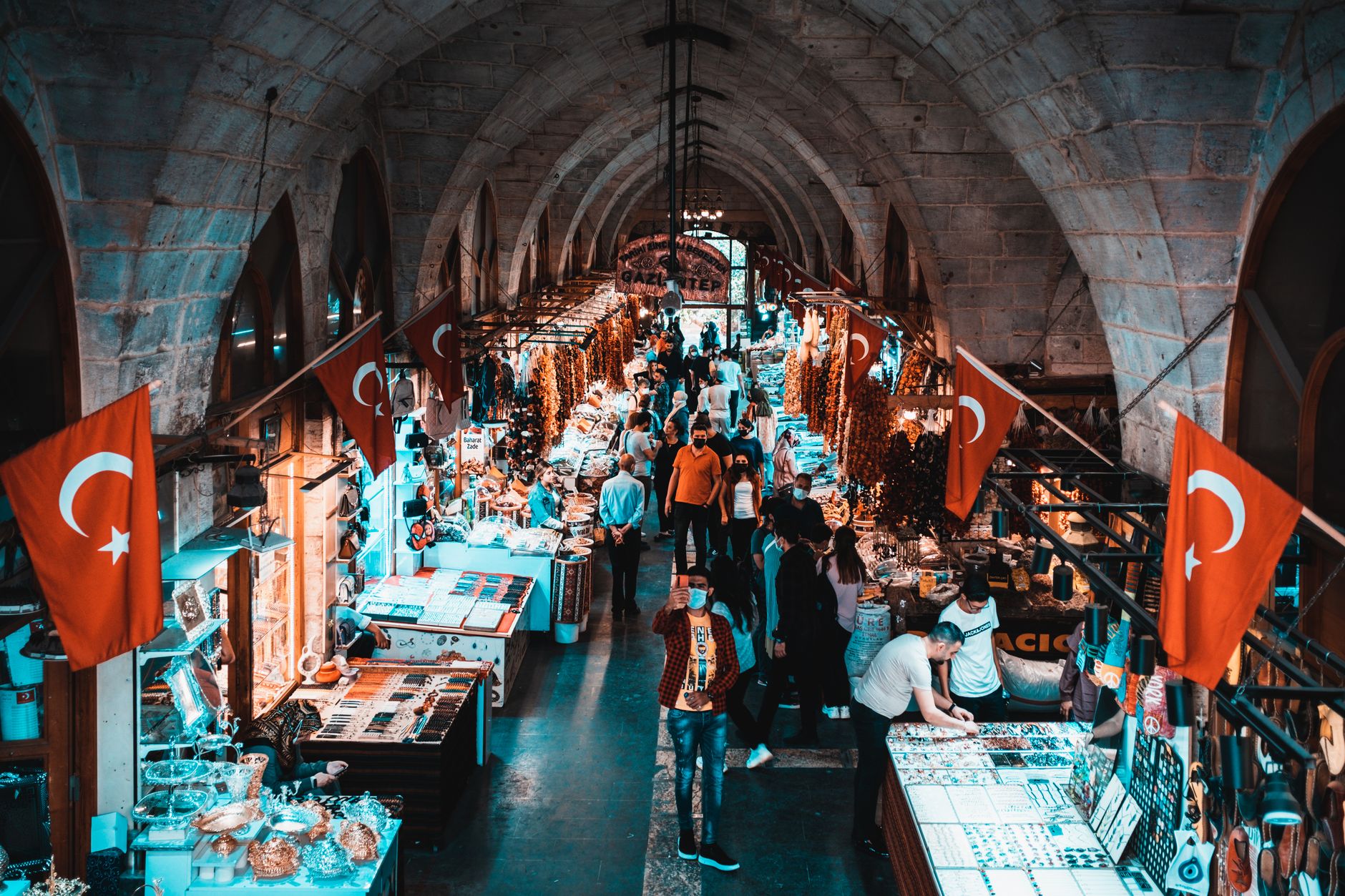
Gaziantep: A Symphony of Spices and Sweets
In southeastern Türkiye, Gaziantep is renowned for its culinary prowess, and its bazaars are the ultimate expression of this gastronomic heritage. The city's main market area, centered around the historic Elmacı Pazarı and the Almacı Pazarı, is a sensory overload in the best possible way.
Gaziantep is the birthplace of baklava, and no visit is complete without tasting the real thing. At markets like Koçak Baklava, you can watch masters layer paper-thin phyllo with locally sourced pistachios and syrup. The spice bazaar is equally compelling, with mounds of vibrant red pul biber (Aleppo pepper), cumin, sumac, and dried mint filling the air with intoxicating aromas.
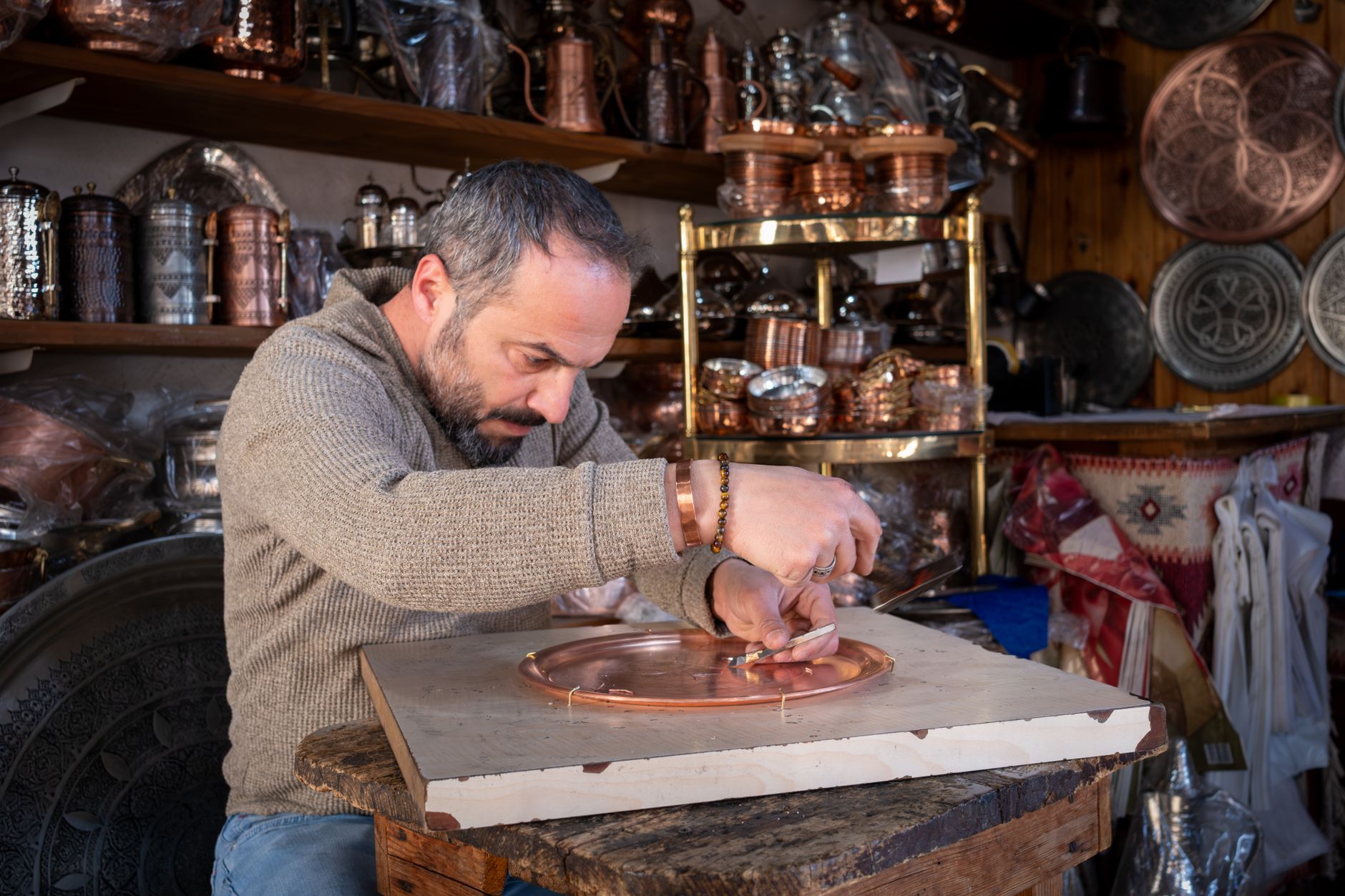
Beyond food, Gaziantep's bazaars are known for their copperware and textiles. The city has a long tradition of copper smithing, and you can still find artisans hammering intricate designs into trays, pots, and coffee sets. In the textile section, look for handwoven kilims and colorful scarves that reflect the region's Kurdish, Arab, and Turkish influences.
The Art of the Market Day: Timing and Etiquette
To truly experience a Turkish bazaar, you need to understand its rhythms. Most bazaars are busiest in the morning, when locals do their daily shopping, and again in the late afternoon. For the freshest produce, arrive early; for the best atmosphere, go on a weekend when entire families descend to shop and socialize.
Each bazaar has its own market day. In Kemeraltı, the open-air section peaks on Saturdays, while Gaziantep's spice bazaar is vibrant every day but especially lively on Fridays. Check local listings or ask your hotel for the exact days, as they can vary seasonally.
Etiquette is simple: be respectful, patient, and friendly. Dress modestly, especially in more conservative neighborhoods. Always ask before taking photos of people or stalls. A smile and a few words of Turkish—like "Merhaba" (hello) and "Teşekkür ederim" (thank you)—go a long way.
Bargaining: A Friendly Dance, Not a Battle
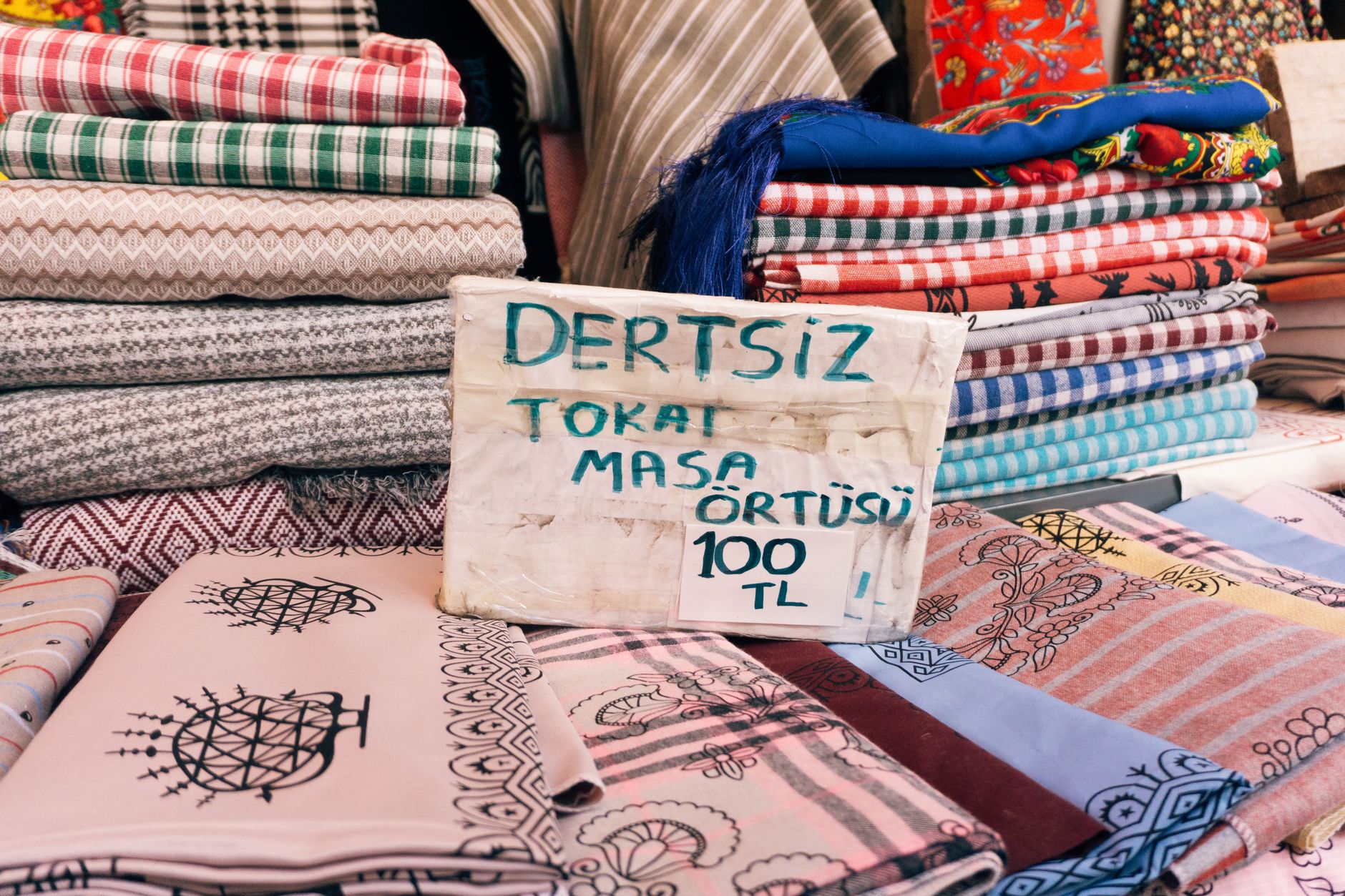
Bargaining is expected in most bazaars, but it's important to approach it as a friendly negotiation rather than a confrontation. The key is to remain polite and good-humored. Start by asking the price, then counter with a lower offer—typically 20-30% less. The vendor may counter, and you'll meet somewhere in the middle.
Remember that the goal is not to get the lowest price at any cost, but to find a fair deal that respects the vendor's livelihood. If you're not interested, a simple "No, thank you" suffices. Once you agree on a price, the deal is sealed; walking away after that is considered rude.
In tourist-heavy areas, bargaining may be less flexible, but in local markets like Kemeraltı and Gaziantep, it's part of the culture. Enjoy the process—it's a chance to connect with locals and learn their stories.
What to Buy: Treasures to Take Home
Türkiye's bazaars are treasure troves of unique, high-quality goods. In Kemeraltı, look for handwoven textiles, olive oil soaps, and local wines. Gaziantep is famous for its pistachios, baklava, and copperware. Here are some must-buy items:
- Spices: Pul biber, sumac, cumin, and dried mint are staples. Buy them fresh from spice stalls, where you can smell and taste before purchasing.
- Textiles: Turkish towels (peshtemal), kilims, and silk scarves make beautiful, functional souvenirs.
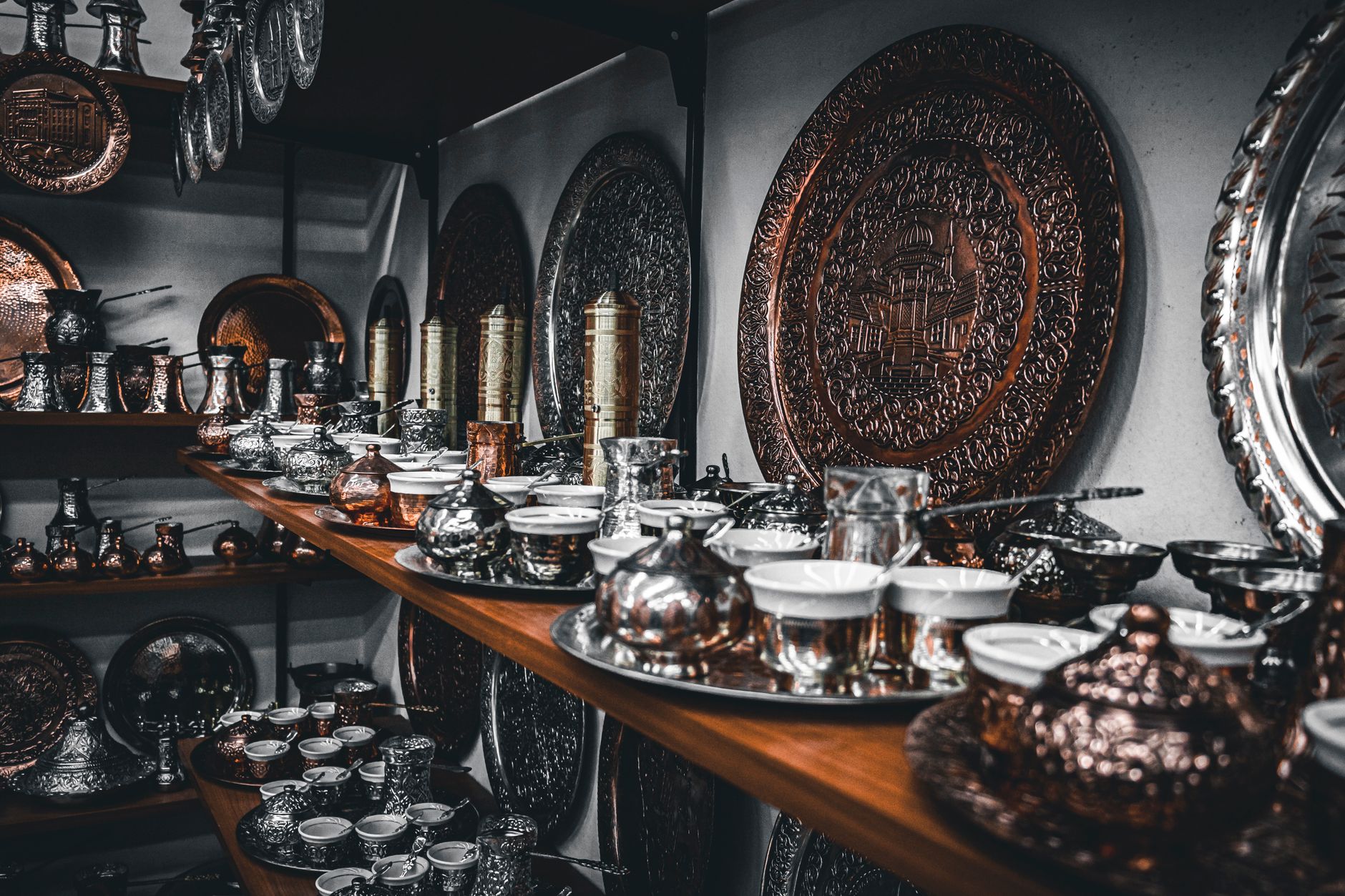
- Copperware: Hand-hammered trays, coffee pots, and bowls are both decorative and useful.
- Edible delights: Baklava, Turkish delight (lokum), and dried fruits and nuts are perfect for gifts.
- Ceramics: Hand-painted tiles and pottery from İznik and Kütahya are timeless.
When buying, check for quality and authenticity. Ask about the origin and craftsmanship. Many vendors are happy to share the story behind their goods.
Beyond Shopping: The Bazaar as a Cultural Experience
The bazaar is more than a place to buy things; it's a living cultural institution. It's where news is exchanged, friendships are forged, and traditions are passed down through generations. Take time to sit in a local coffee house, sip a Turkish coffee, and watch the world go by. Listen to the calls of the street vendors, the clinking of copper smiths, and the laughter of children running through the alleys.
In Kemeraltı, visit the Hisar Mosque and the ancient Agora of Smyrna nearby. In Gaziantep, explore the Zeugma Mosaic Museum, home to stunning Roman mosaics, and the Gaziantep Castle. These attractions add depth to your bazaar experience, connecting the present-day commerce to millennia of history.
Many bazaars also host cultural events, from traditional music performances to art exhibitions. Check local schedules or ask at the tourist information desk.
Practical Tips for Your Bazaar Adventure
To make the most of your bazaar visit, keep these practical tips in mind:
- Wear comfortable shoes: You'll be walking on uneven cobblestones for hours.
- Bring cash: While some stalls accept cards, many small vendors prefer cash. Turkish lira is essential.
- Stay hydrated: Carry a water bottle, especially in summer. Tea is offered everywhere, but water is key.
- Learn basic Turkish phrases: "Ne kadar?" (How much?), "Çok güzel" (Very beautiful), and "İndirim yapar mısınız?" (Can you give a discount?) are useful.
- Be mindful of your belongings: As in any crowded place, watch out for pickpockets.
- Plan your visit: Bazaars can be overwhelming. Pick a few sections to focus on, and allow time for breaks.
For an immersive experience, consider hiring a local guide who can introduce you to artisans and explain the cultural significance of the goods.
Conclusion: Celebrating the Bazaar Spirit
Türkiye's regional bazaars are not just places to shop—they are vibrant, living embodiments of Turkish culture. From the historic lanes of Kemeraltı to the spice-scented stalls of Gaziantep, each bazaar tells a story of community, craftsmanship, and continuity. By embracing the art of the market day, you not only bring home unique treasures but also unforgettable memories and a deeper connection to this beautiful land.
So next time you're in Türkiye, venture beyond Istanbul and lose yourself in the bustling, colorful, and utterly enchanting world of its grand bazaars. You'll discover that the true heart of Türkiye beats in its markets.
Thinking about a trip to Turkey?
Share your contact details and a vetted local expert will follow up with a plan built around you — free, no obligation.