

Why Türkiye Feels Like a Second Home for Gulf Travelers
For visitors from the Gulf and the wider Middle East, Türkiye is not simply a holiday destination — it is a neighbor, a friend, and a centuries-old partner. From the Ottoman era to today, Turkish cities have welcomed traders, pilgrims, and families from across the region, and that familiarity shows in everything from the food to the way guests are treated. You will hear Arabic spoken in the grand bazaars of Istanbul, find halal restaurants on nearly every street corner, and discover hotels that understand exactly what makes a family from Riyadh, Dubai, Doha, or Kuwait feel at ease.
Türkiye's hospitality culture is legendary. The Turkish concept of misafirperverlik — roughly, 'guest-friendliness' — means a visitor is treated as a gift. Expect tea offered before you can finish a sentence, shopkeepers who insist you sit and rest, and hotel staff who go out of their way to make sure prayer times and family needs are respected without you ever having to ask twice.
This guide covers the practical essentials: Arabic-friendly and halal-conscious hotels, dining, family beaches, prayer facilities, and direct flights to Istanbul, Antalya, and Trabzon. It also offers seasonal advice — summer versus spring — and tips on shopping for gold and textiles, two of Türkiye's greatest specialties.
Getting There: Direct Flights to Istanbul, Antalya, and Trabzon
Türkiye is exceptionally well connected to the Gulf. Turkish Airlines, Emirates, Qatar Airways, Etihad, flydubai, Air Arabia, Jazeera Airways, Saudia, and Kuwait Airways all operate direct or one-stop services to Istanbul, with flight times typically between three and five hours from the Gulf. Istanbul Airport (IST) and Sabiha Gökçen (SAW) are the main gateways, and both have prayer rooms, halal food courts, and Arabic-speaking staff.
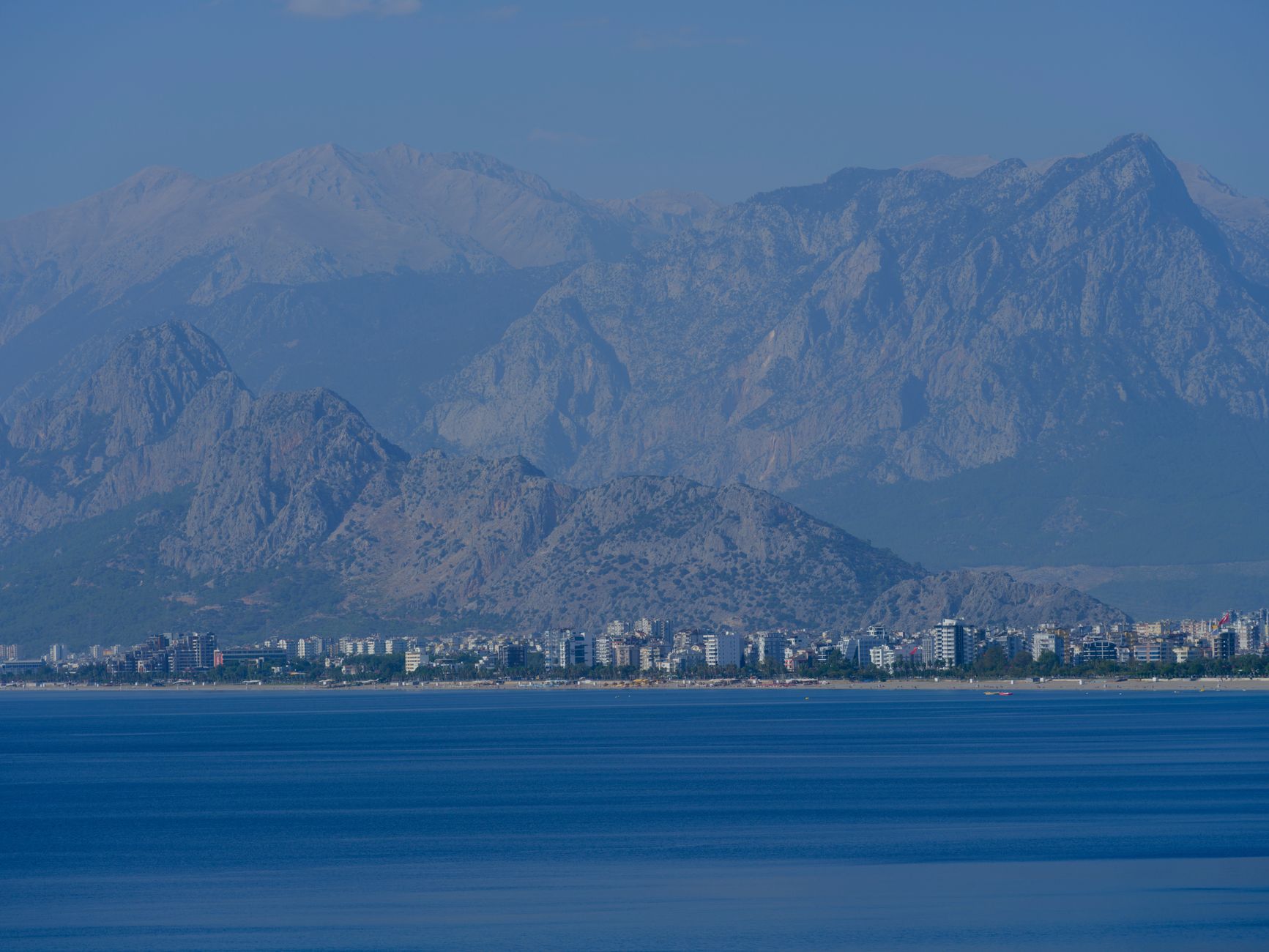
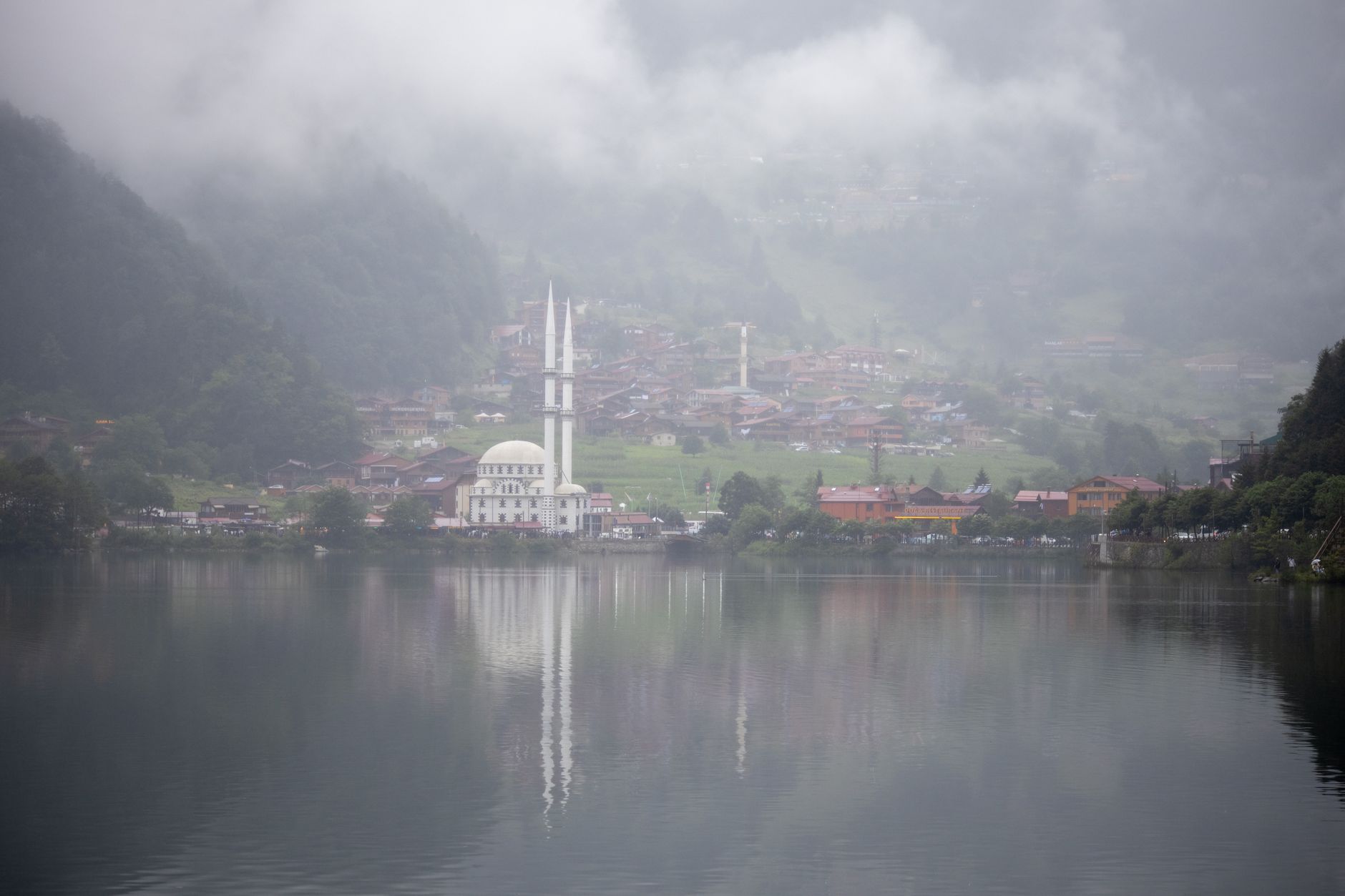
For beach and resort holidays, Antalya Airport (AYT) receives direct flights from Dubai, Doha, Kuwait, Riyadh, and Jeddah, especially during the summer season. Antalya's combination of Mediterranean sea, all-inclusive resorts, and family-friendly beaches makes it a favorite for Gulf families. For a cooler, greener escape, Trabzon Airport (TZX) in the Black Sea region is served directly from several Gulf cities, particularly in summer. Trabzon offers mountains, lakes, waterfalls, and the famous Uzungöl — a favorite among Saudi and Emirati travelers who come for the misty scenery and halal-friendly village restaurants.
When booking, look for airlines that offer Arabic-language customer service and generous baggage allowances, since shopping for gold and textiles often means bringing home more than you arrived with. Many Gulf travelers also choose multi-city itineraries — for example, Istanbul for culture and shopping, then a domestic flight to Antalya or Trabzon for relaxation.
Arabic-Friendly and Halal-Conscious Hotels
Türkiye has become a leader in Muslim-friendly tourism, and many hotels now cater specifically to Gulf guests. In Istanbul, areas such as Sultanahmet (near the Blue Mosque and Hagia Sophia), Fatih, and the Bosphorus waterfront offer hotels with prayer rooms, halal-certified kitchens, and alcohol-free options. Brands like Elite World, Barceló Istanbul, and numerous boutique Ottoman-style hotels provide Arabic-speaking reception staff and family suites.
In Antalya, the all-inclusive resort belt of Lara, Belek, and Kemer is packed with properties that offer halal buffets, separate swimming pools and beach areas for women, and prayer facilities on site. Many resorts also schedule shuttle services to nearby mosques and provide in-room prayer mats and Qibla direction indicators.
Trabzon, though smaller, has a growing number of halal-friendly hotels and guesthouses, particularly in Uzungöl, where Gulf families often rent entire villas. Wherever you stay, it is wise to confirm specific needs — halal menu, prayer room, women-only pool hours — directly with the hotel, as standards vary. Turkish hospitality means most requests are met with a warm 'of course'.
Halal Dining and Familiar Flavors
Food is one of the great joys of visiting Türkiye, and for Gulf travelers, halal options are everywhere. The majority of restaurants in Türkiye serve halal meat, and many are certified. Istanbul's Fatih district is a hub of halal and alcohol-free dining, with Turkish, Syrian, and even Gulf-style restaurants. Look for signs reading 'helal' and don't hesitate to ask — Turks are used to the question and will answer honestly. In fact, many restaurants in tourist areas now display halal certificates prominently.
You will find familiar flavors: kebabs, grilled meats, rice pilaf, stuffed vegetables, and sweets like baklava and künefe. Turkish breakfast — a lavish spread of cheeses, olives, honey, jams, eggs, and fresh bread — is a highlight and easily shared family-style. In Antalya, seafood restaurants along the old harbor offer grilled fish and mezze, while in Trabzon, try the local hamsi (Black Sea anchovy) when in season, along with the region's famous kuymak (a cheesy cornmeal dish).
For those who prefer Gulf or international cuisine, major cities have Lebanese, Syrian, and Gulf restaurants, plus global chains. During Ramadan, many hotels and restaurants offer iftar buffets, and the atmosphere in Istanbul and other cities is particularly festive.
Family Beaches and Resorts
Türkiye's Mediterranean coast is a paradise for families. In Antalya, Lara Beach and Konyaaltı are popular for their calm waters and sandy shores. Many resorts in Belek and Side offer private beaches with shallow entries, lifeguards, and separate sections for women. The Aegean coast, including Bodrum and Marmaris, is also family-friendly, with gently shelving beaches and plenty of water sports.
For Gulf families seeking privacy, several hotels offer women-only beach areas and pools, sometimes with extended hours. It's always best to check in advance. In Trabzon, the Black Sea beaches are pebbly rather than sandy, but the region's mountain lakes and the famous Uzungöl offer a different kind of family fun — boat rides, picnics, and cool fresh air even in midsummer.
Beyond the beach, Türkiye is packed with family attractions: theme parks in Istanbul and Antalya, cable cars, aquariums, and historical sites that bring stories to life for children. The Turkish people adore children, so you'll find your little ones welcomed warmly wherever you go.
Prayer Facilities and Religious Comfort
Prayer is easy in Türkiye. Mosques are everywhere, and most are open for daily prayers, with clean ablution areas. Istanbul alone has thousands of mosques, including the magnificent Blue Mosque and Süleymaniye. Shopping malls, airports, highway rest stops, and many hotels have dedicated prayer rooms (mescit). In tourist areas, you'll often find prayer rooms in restaurants and attractions.
For Gulf travelers, the call to prayer is a familiar and comforting sound. Many hotels provide prayer mats, and some offer Qibla direction stickers. During Ramadan, hotels often provide suhoor and iftar, and mosques hold special Taraweeh prayers. If you need a prayer room, simply ask — Turks will point you in the right direction with a smile.
Islamic heritage tourism is also popular: visit the tombs of companions of the Prophet in Istanbul, the Eyüp Sultan Mosque, and the historic mosques of Bursa, Konya, and Edirne. These sites hold deep significance for Muslim visitors from around the world.
When to Go: Summer vs. Spring
Choosing the right season can make or break your trip. Summer (June to August) is peak season for beach destinations like Antalya, Bodrum, and the Aegean coast. Expect hot, dry weather and busy resorts. This is also when Gulf families flock to Türkiye, so book early. Istanbul can be hot and humid, but the evenings are pleasant, and the city buzzes with life.
Spring (April to May) and autumn (September to October) are ideal for sightseeing. The weather is mild, the crowds are thinner, and prices are often lower. Spring brings blooming flowers and perfect conditions for exploring Istanbul's historical sites, Cappadocia's valleys, and the Black Sea highlands. Autumn is harvest season, with delicious fresh produce and golden landscapes.
For those seeking snow, winter (December to February) is great for ski resorts like Uludağ and Palandoken, and Istanbul occasionally sees snow — a magical sight. If you're combining beach and culture, late spring or early autumn offers the best of both worlds.
Shopping for Gold and Textiles
Türkiye is a shopper's paradise, especially for gold and textiles. Istanbul's Grand Bazaar and the Spice Bazaar are iconic, but for gold, head to the Egyptian Bazaar (Mısır Çarşısı) area or the Kapalıçarşı's gold street. Turkish gold is often 22 or 24 karat, and designs range from traditional to modern. Always check the hallmark and negotiate politely — bargaining is part of the experience. In Antalya, the old town (Kaleiçi) has many jewelers, and Trabzon offers local silver and gold filigree.
Textiles are another Turkish specialty: carpets, kilims, towels (pestemal), silk, and cotton. The Grand Bazaar and Sultanahmet area are famous for carpets, but for quality, ask for recommendations or visit reputable galleries. In Trabzon, look for linen and local weaves. Turkish towels are lightweight and make excellent gifts.
When shopping, remember to ask for a receipt for customs, and be aware of export regulations for antiques. Many shops accept credit cards, but cash (Turkish lira or major currencies) can get you a better price. Shipping services are available for large items like carpets.
Practical Tips for a Smooth Trip
Language: While Turkish is the official language, English is widely spoken in tourist areas, and you'll often find Arabic-speaking staff in hotels and shops. Learning a few Turkish phrases — merhaba (hello), teşekkürler (thank you) — goes a long way.
Currency: The Turkish lira (TRY) is the local currency. Exchange rates are favorable for Gulf currencies, and you can exchange money at airports, banks, or exchange offices (döviz). ATMs are everywhere, but carry some cash for small purchases.
Transport: Istanbul has an excellent metro, tram, and ferry network. Taxis and ride-hailing apps like BiTaksi are available. For intercity travel, domestic flights are quick and affordable, while buses are comfortable for shorter journeys.
Dress: Türkiye is a Muslim-majority country but secular. Dress modestly when visiting mosques (women should cover their heads; scarves are provided at major mosques). Beachwear is fine at resorts, but outside, modest clothing is respectful and common.
Health: Tap water is generally not recommended for drinking; bottled water is cheap and widely available. Pharmacies are common, and medical care in major cities is high-quality.
Above all, relax and enjoy the warmth of Turkish hospitality. Whether you're sipping tea in a carpet shop, sailing the Bosphorus, or building sandcastles with your children in Antalya, you'll feel the deep bond between Türkiye and the Gulf — a bond built on shared history, faith, and friendship.
Thinking about a trip to Turkey?
Share your contact details and a vetted local expert will follow up with a plan built around you — free, no obligation.