

The Living Art of Turkish Çini
Few travel souvenirs carry the soul of a place like a hand-painted Turkish ceramic plate. The art of çini — named after the legendary workshops of İznik — has flourished for over five centuries, adorning the palaces of sultans and the mosques of master architects. Today, in the tile-lined towns of İznik and Kütahya, and in the hidden ateliers of Istanbul, artisans still mix quartz, shape clay by hand, and paint each motif with a fine squirrel-hair brush. To commission a bespoke piece is to take home not just an object, but a piece of this living heritage.
What sets Turkish ceramics apart is the breathtaking dialogue between color and pattern. The iconic cobalt blue, turquoise, and tomato red of İznik ware — the latter achieved with a rare iron-rich slip — are unmistakable. Kütahya, meanwhile, is celebrated for its playful floral sprigs and figural scenes. Both traditions reward the traveler who seeks out the maker, not just the market stall.
In this guide, we'll walk you through commissioning a personalized plate or bowl directly from artisan studios. You'll learn where to go, what to ask, how long it takes, what it costs, and how to design a motif that honors Turkish tradition while telling your own story. The value is superb: a hand-painted, one-of-a-kind piece often costs less than a mass-produced designer bowl back home.
İznik: The Cradle of Ottoman Tile Art
İznik, a tranquil lakeside town southeast of Istanbul, was the ceramic capital of the Ottoman Empire. Its workshops produced the tiles that clad the Blue Mosque and Topkapı Palace. After a centuries-long decline, a dedicated revival in the late 20th century brought the art back to life. Today, several family-run ateliers — such as those associated with the İznik Foundation — produce museum-quality pieces using traditional methods: 85% quartz, hand-shaped, and fired in wood or electric kilns.
Commissioning here feels like stepping into history. You can visit a studio, watch the nakkaş (decorator) outline a carnation or tulip in black, then fill it with layers of translucent color. Many ateliers welcome visitors to discuss custom orders. Because production is slow and meticulous, lead times are longer than in Kütahya — but the result is a genuinely heirloom piece.
Design ideas rooted in İznik tradition include the hatayi (stylized floral) motif, the rumi (split-leaf) border, and the classic lale (tulip) or karanfil (carnation). You might ask for a plate featuring your family initial woven into a central rosette, or a bowl rimmed with a wave pattern (çintemani) in cobalt and turquoise.
“In İznik, we don't just paint; we continue a conversation with the 16th century,” says one master. “Every line must breathe.”
Kütahya: Playful, Colorful, and Prolific
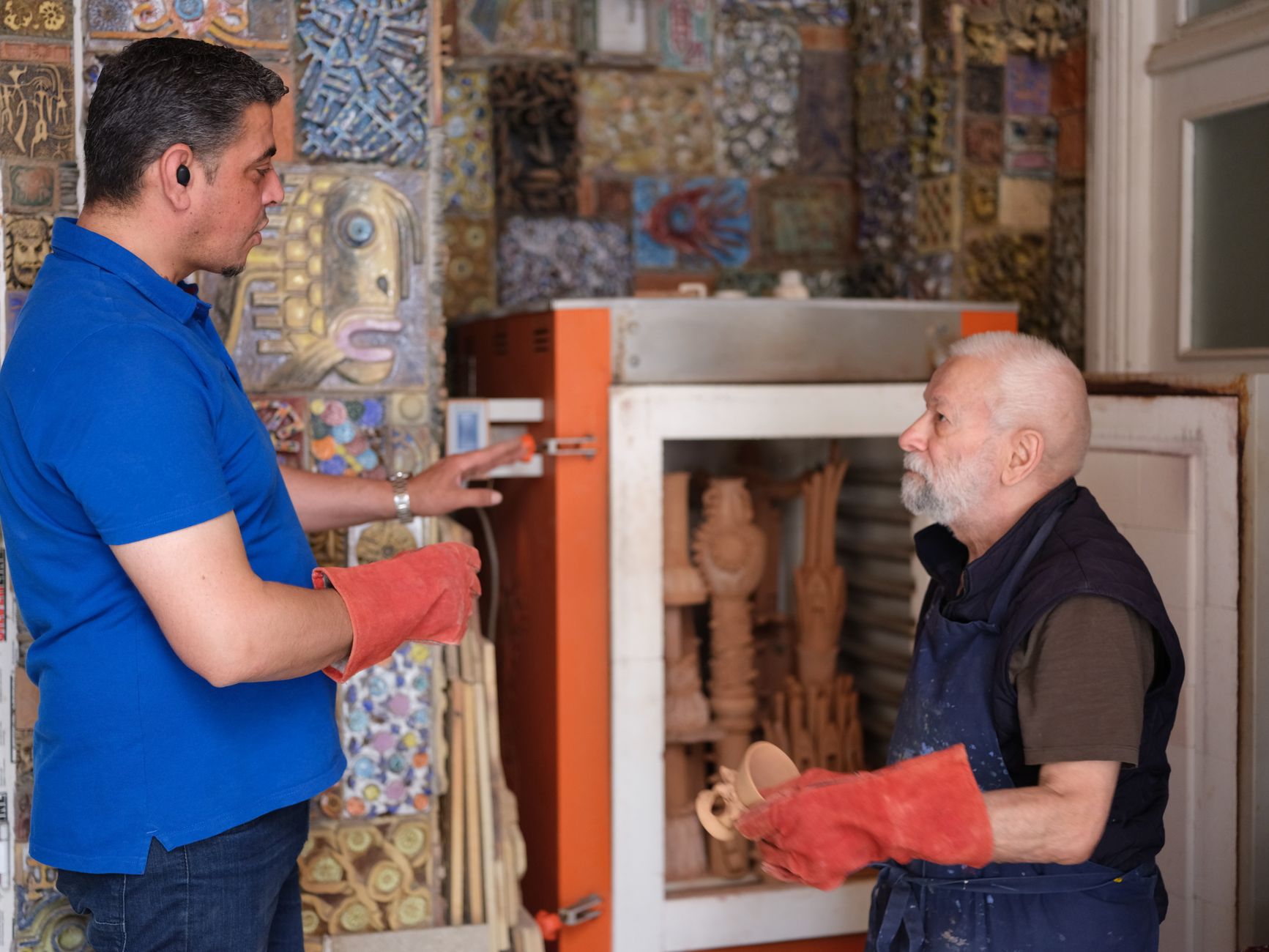
Kütahya, in western Anatolia, has been a ceramic center since the Phrygians. Its Ottoman-era potters developed a distinct style: lively, slightly looser brushwork and a palette that includes yellows, greens, and aubergine. Unlike the strictly codified İznik repertoire, Kütahya artists often paint figures, animals, and whimsical scenes alongside florals.
The city is home to dozens of ateliers, from large workshops to tiny family studios. Because production is more distributed, commissioning a custom piece here can be faster and slightly more affordable. Many workshops are accustomed to tourist requests and can handle English correspondence. You can often choose a blank plate or bowl from their stock and specify the decoration.
Kütahya is ideal if you want a more personal, narrative design. Imagine a bowl painted with a scene from your travels — a hot-air balloon over Cappadocia, the simits of Istanbul, or a pair of lycian rock tombs. The artists are remarkably skilled at adapting to customer ideas while keeping the piece authentically Turkish. Prices for a custom 30 cm plate typically range from 1,500 to 4,000 Turkish lira (roughly $50–$130 USD), depending on complexity and artist reputation. Shipping to Europe or North America adds 300–800 TL.
Istanbul: Ateliers of the Grand Bazaar and Beyond
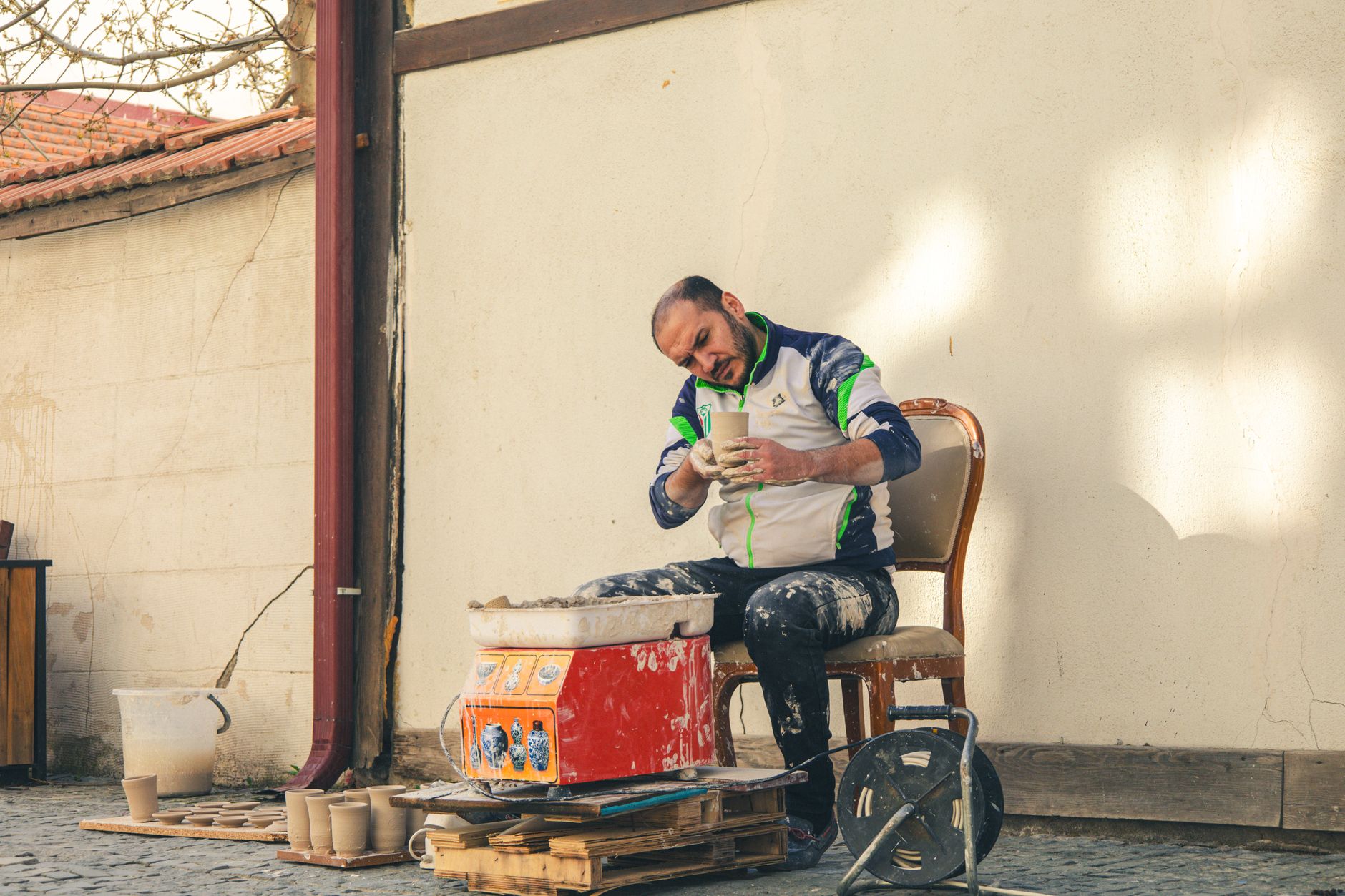
Istanbul is the most convenient place to commission a piece if you're short on time. The Grand Bazaar (Kapalıçarşı) and the nearby Arasta Bazaar are lined with ceramic shops, but for bespoke work you need to look deeper. Several ateliers in the bazaar — some family-run for generations — will take custom orders and can arrange international shipping.
Beyond the bazaar, neighborhoods like Balat, Beyoğlu, and Kadıköy hide contemporary ceramic studios where artists blend traditional motifs with modern design. These studios often have websites and Instagram accounts, making it easy to discuss a commission before you arrive. Lead times in Istanbul can be as short as one to two weeks for a simple plate, though truly elaborate pieces may take longer.
Istanbul ateliers are also your best bet for bespoke tableware sets — dinner plates, serving platters, and bowls — that coordinate but aren't identical. The city's cosmopolitan energy means you'll find artists open to unusual requests, from monograms to architectural motifs like the Hagia Sophia's domes. Expect to pay a premium for the convenience, but the quality can be exceptional.
How to Commission: A Step-by-Step Guide
1. Choose your style and studio. Decide whether you want the classic İznik look, the playful Kütahya style, or a contemporary Istanbul interpretation. Research studios online, read reviews, and look at photos of past commissions. Instagram is a goldmine for discovering artists.
2. Reach out early. Contact the studio at least 4–8 weeks before your trip if you want to pick up the piece in person, or 8–12 weeks if you need it shipped. Discuss your idea, size, and budget. Most artisans will send sketches or a digital mockup for approval.
3. Provide clear design references. Send images of motifs you love, and be specific about colors and dimensions. If you want text, provide it exactly (including Turkish characters). Remember that traditional motifs have names — mentioning lale or hatayi shows respect for the craft.
4. Agree on price, timeline, and shipping. Get a written quote that includes packing and shipping. Ask about insurance and tracking. For high-value pieces, consider using a professional art shipping service.
5. Approve the final piece. If you're in town, ask to see the piece before it's fired or before shipping. If not, request photos. A reputable studio will happily provide updates.
Pricing, Lead Times, and Shipping
Prices vary widely based on size, complexity, and the artist's fame. As a rough guide:
- Small bowl (12–15 cm): 400–1,200 TL ($15–$40)
- Medium plate (20–25 cm): 800–2,500 TL ($30–$85)
- Large plate (30–40 cm): 1,500–6,000 TL ($50–$200)
- Custom tableware set (4–6 pieces): 4,000–15,000 TL ($130–$500)
Lead times: simple pieces in Kütahya or Istanbul can be ready in 1–2 weeks; intricate İznik commissions may take 4–8 weeks. Always add buffer time for firing and shipping.
Shipping: Most studios ship via DHL, FedEx, or Turkish PTT. Costs range from 300 TL for small items within Europe to 1,500 TL for large sets to the US. Insist on professional packing — double-boxed with foam. Customs duties may apply; check your country's rules.
Design Ideas That Honor Turkish Motifs
When designing your commission, draw from Turkey's rich visual vocabulary. Here are some ideas:
- Tulip (lale) and carnation (karanfil): Classic Ottoman florals, perfect for a central medallion.
- Çintemani: The triple-dot and wavy-line motif symbolizing power and eternity — elegant as a border.
- Tree of Life: A universal symbol in Anatolian art, often depicted with stylized branches and birds.
- Your travel map: A subtle outline of Turkey or a favorite city skyline integrated into a floral frame.
- Monogram: Your initials or a family name in Ottoman-style calligraphy, encircled by rumi leaves.
- Personal narrative: A Kütahya-style scene of your honeymoon in Cappadocia or your first Turkish tea.
Remember: the most beautiful commissions respect tradition while adding a personal touch. The artisans themselves are often delighted to collaborate on something new.
Bringing Your Keepsake Home
If you carry the piece yourself, wrap it in clothing and place it in your carry-on — never checked luggage. For larger sets, shipping is safer. Once home, display your piece away from direct sunlight to preserve the colors. Hand-wash only, and avoid harsh detergents. With care, your çini will last for generations.
Commissioning a hand-painted ceramic in Turkey is more than a transaction; it's a collaboration with a master, a connection to centuries of artistry, and a story you'll tell every time you set the table. The value — in beauty, meaning, and craftsmanship — is unmatched. So next time you're in İznik, Kütahya, or Istanbul, step into a studio, share your idea, and let the artists create a keepsake that is uniquely yours.
Thinking about a trip to Turkey?
Share your contact details and a vetted local expert will follow up with a plan built around you — free, no obligation.