

Two Towns, One Glorious Tradition
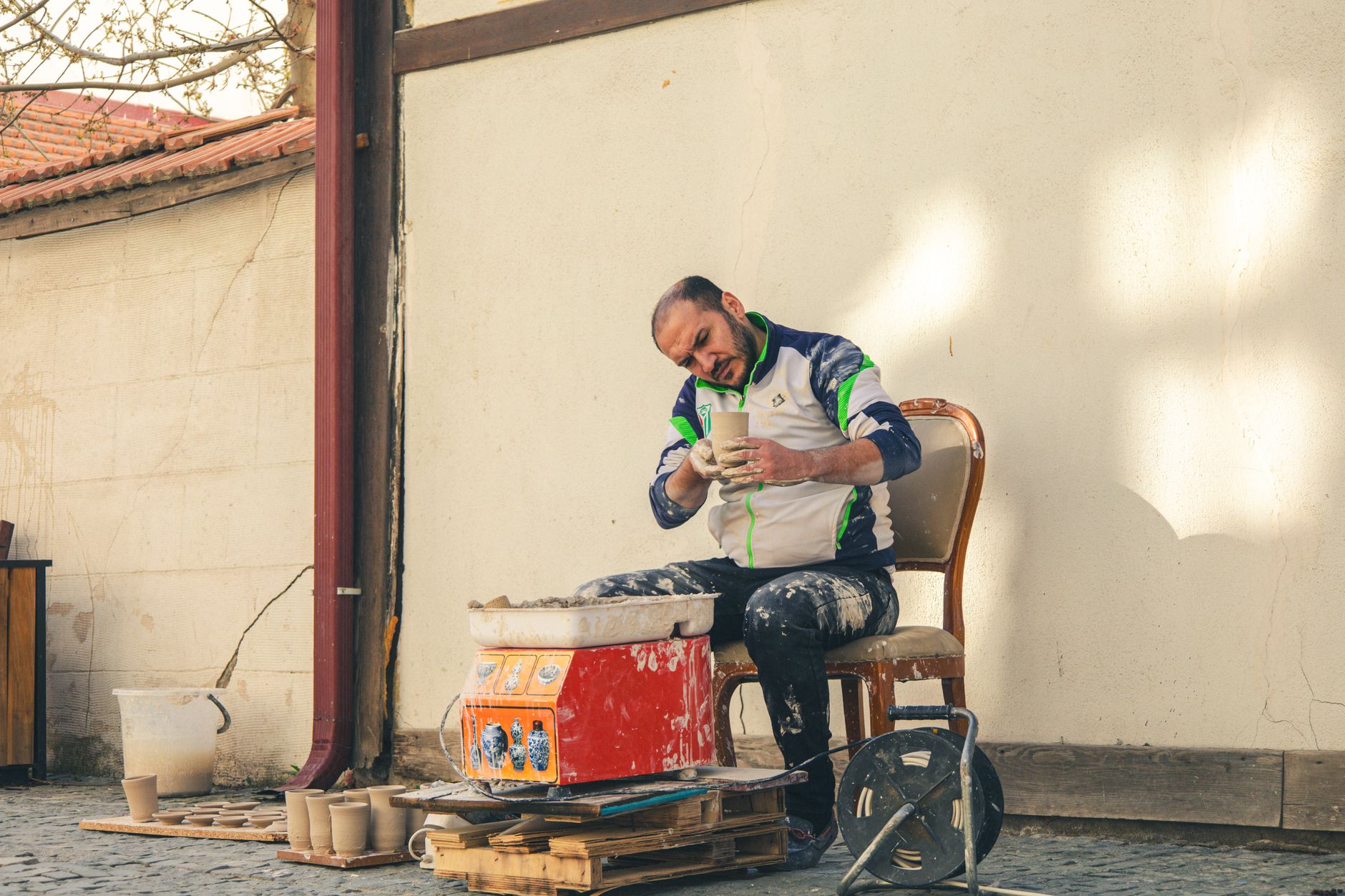
If you love crafts, Türkiye is a paradise — and nowhere is that more true than in the twin capitals of Turkish ceramics: İznik and Kütahya. Between them, these two towns have shaped the story of hand-painted tiles and pottery for centuries, and today their workshops are living, breathing places where artisans still mix clay, throw vessels on kick wheels, and paint each motif by hand with brushes made from a few strands of hair.
İznik, a small lakeside town southeast of Istanbul, is the legendary home of the classic blue-and-white Ottoman tile. Its name is literally synonymous with the craft — “İznik ware” is a term used by museums worldwide. Kütahya, farther east in the Aegean interior, is the country's largest producer of ceramics and a city where tile-making is not just heritage but daily life, taught in schools and passed down through families.
Visiting both in a single trip is a craft lover's dream. You'll watch masters at work, learn the meaning behind the motifs, try your own hand at painting, and — best of all — bring home a piece of genuine handmade art that supports the people who keep this tradition alive.
İznik: Where the Blue-and-White Legend Lives
İznik's golden age was the 16th century, when Ottoman sultans commissioned its tiles to decorate palaces and mosques, including the stunning interior of Istanbul's Blue Mosque and the Topkapı Palace. The tiles were celebrated for their brilliant white quartz body and their cobalt blue, turquoise, and later tomato-red pigments. When the workshops declined in the 18th century, the craft nearly vanished — but in recent decades, a determined revival has brought artisans back to the town.
Today you can wander the compact center and find several working ateliers, often housed in old stone buildings. Most welcome visitors, and many offer short demonstrations or workshops. The İznik Museum is the perfect first stop to understand the history before you see the techniques up close.
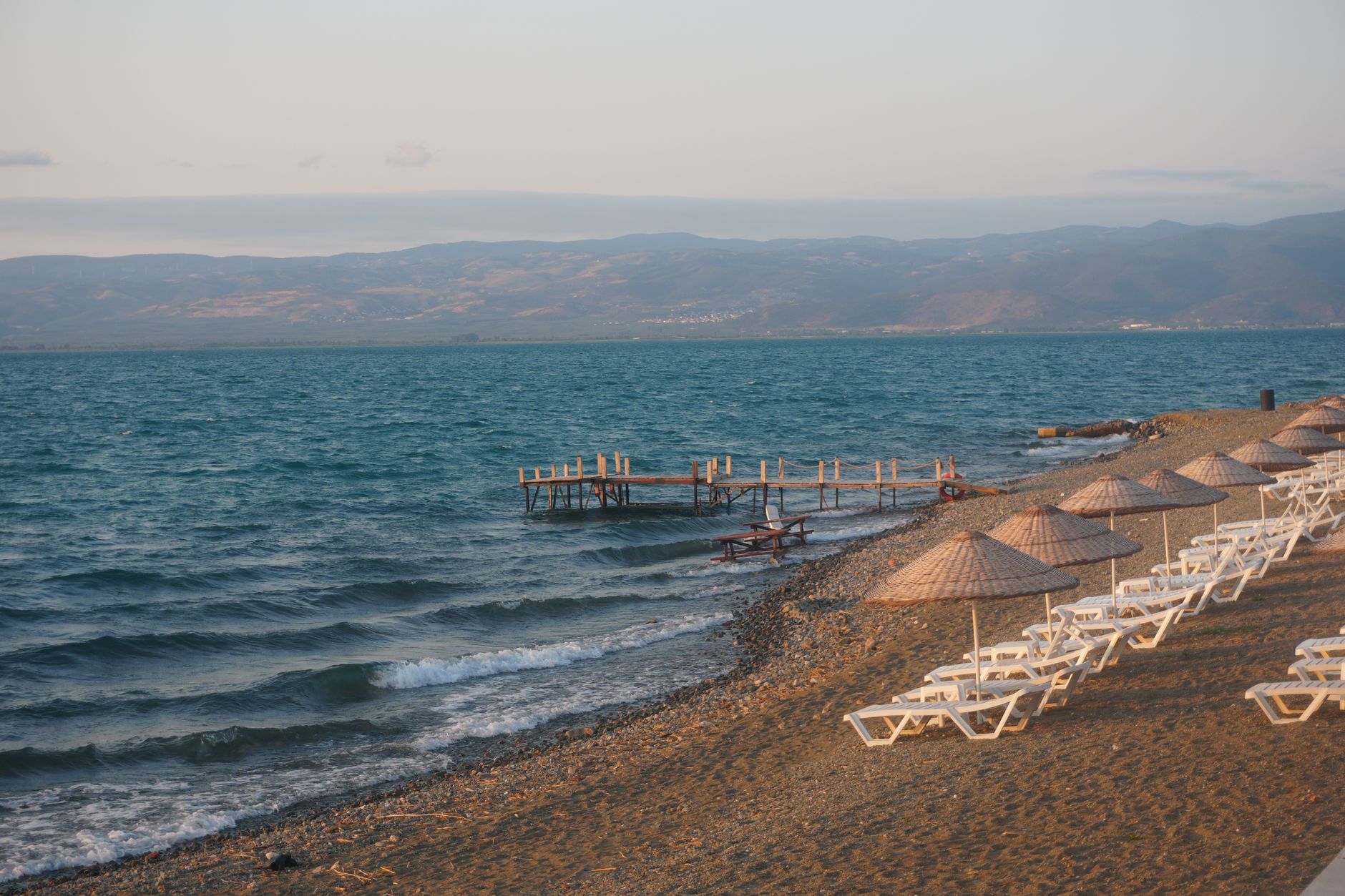
The town itself is charming and relaxed, set on the shore of Lake İznik with its ancient walls and tranquil parks. It's an easy day trip from Istanbul, but staying overnight lets you enjoy the lake at sunset and visit workshops without rushing.
What to See and Do in İznik
- İznik Museum: Home to archaeological finds and a fine collection of historic tiles. Open daily (closed Mondays), roughly 8:30am–5:30pm in summer; check locally for seasonal changes.
- Tile workshops in the center: Look for ateliers around the museum and along the main street. Many offer free demonstrations; workshops typically last 1–3 hours and cost around 300–800 TL depending on the piece you paint.
- Hagia Sophia of İznik (Ayasofya): A historic church-turned-mosque with traces of its original mosaic floor, just a short walk from the workshops.
- Lake İznik: Stroll the promenade, rent a bike, or take a boat trip to see the submerged basilica from the surface.
Kütahya: The City That Paints Its Soul
Kütahya has been a ceramic center since the 14th century and remains the beating heart of Turkish tile production. Unlike İznik, where the industry is a revival, Kütahya's craft never died — it evolved. Here you'll find large factories, family ateliers, and a dedicated ceramics museum in a beautifully restored historic building.
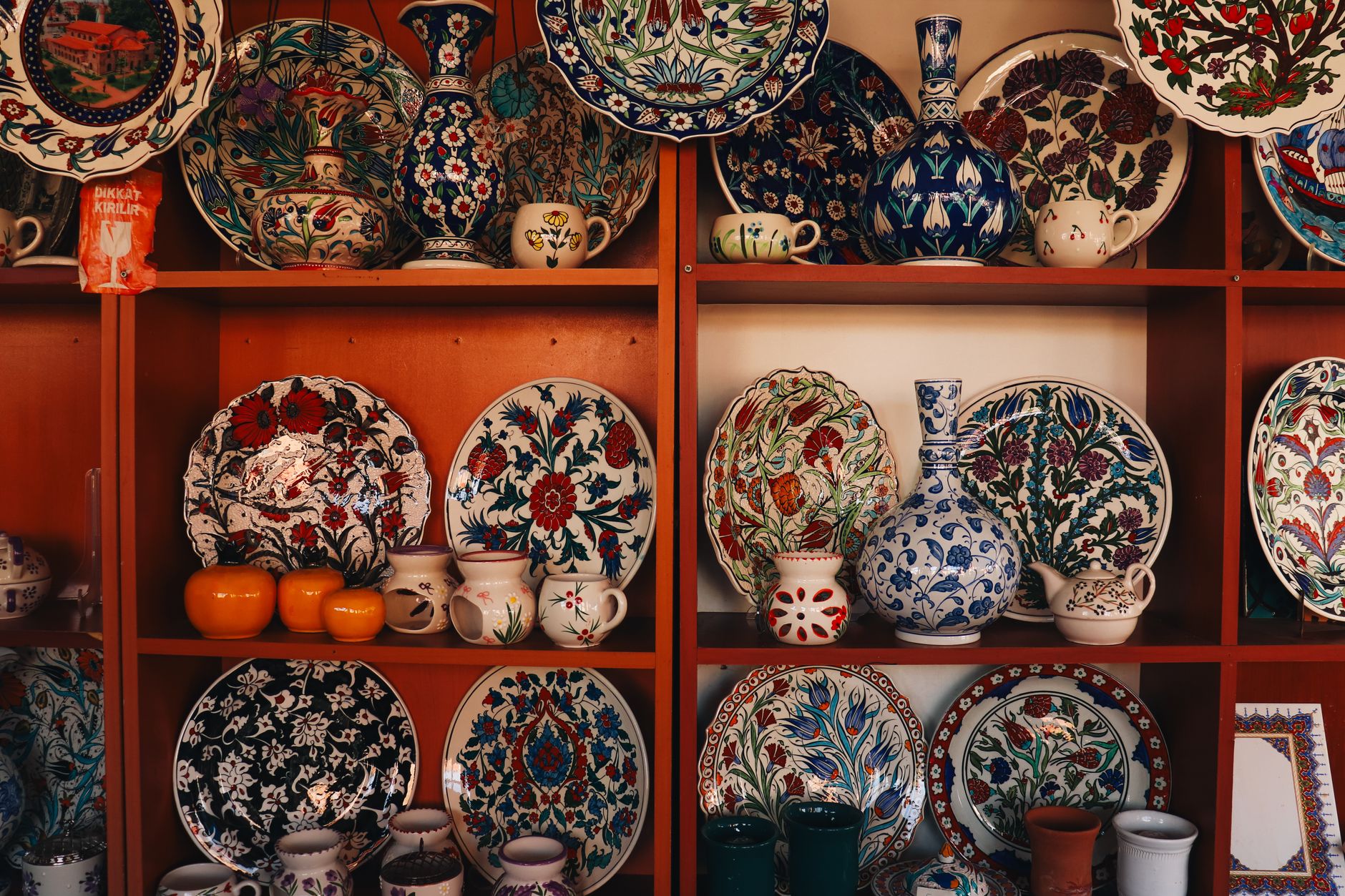
The style is distinctive: Kütahya ware often features bright, cheerful colors — sunny yellows, vivid greens, and deep blues — with floral motifs like tulips, carnations, and roses. The city is proud of its craft, and locals will happily tell you which family has been painting for generations.
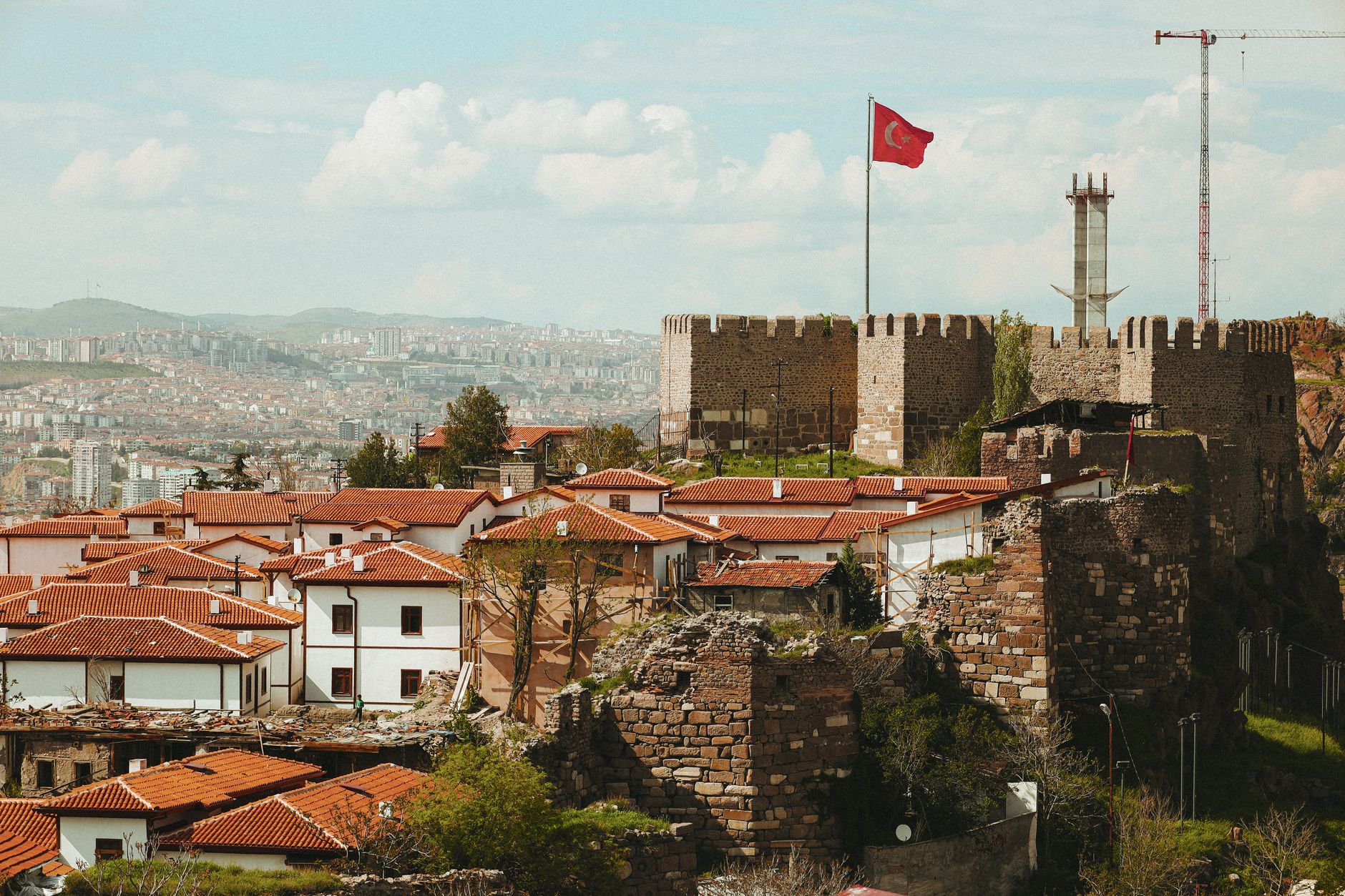
Kütahya is also a lovely city in its own right, with a historic quarter, a castle, and a lively bazaar where you can watch the entire process from clay to finished plate. Plan at least a full day here, ideally two.
Workshops and Etiquette
Both İznik and Kütahya have workshops that welcome visitors, but it's important to remember that these are working studios, not theme parks. Here are a few guidelines to make your visit respectful and rewarding:
- Ask before photographing: A simple “Fotoğraf çekebilir miyim?” (May I take a photo?) goes a long way. Some artisans are happy to be filmed; others prefer not to be interrupted.
- Don't touch unfinished pieces: Wet clay and freshly painted tiles are fragile. Keep your hands to yourself unless invited.
- Observe quietly: Painting requires intense concentration. Watch, ask questions when there's a natural pause, and avoid loud conversations.
- Dress modestly: These are family workplaces; covered shoulders and knees are appreciated, especially in more traditional studios.
- Book workshops in advance: Many ateliers offer hands-on sessions, but they need time to prepare materials. A day's notice is usually enough.
- Tipping: Not mandatory, but if a master spends an hour teaching you, a small tip or a purchase is a gracious gesture.
Try It Yourself: Painting a Tile or Plate
One of the great joys of visiting İznik and Kütahya is that you don't just watch — you can paint. Most workshops offer beginner-friendly sessions where you choose a blank tile, plate, or bowl and decorate it with traditional motifs under the guidance of an artisan. You'll use special underglaze paints and fine brushes, and the piece is then glazed and fired.
Don't worry if you're not artistic. The masters will show you how to draw a simple tulip or carnation using a template, and they'll gently correct your brushstrokes. The atmosphere is warm and encouraging, and the pride on your face when you see your finished piece is part of the experience.
Workshops usually last between one and three hours. Prices vary by the size of the piece and the complexity of the design — expect to pay from around 400 TL for a small tile to over 1,500 TL for a large plate. Many studios can ship your finished piece to your home address, so you don't have to carry it.
“Every tile has a story,” one master in Kütahya told me. “When you paint, you add your story to it. That's why no two are ever the same.”
Shipping Your Treasures Home
Hand-painted ceramics are fragile, but artisans are experts at packing. Most workshops will wrap your purchase in bubble wrap and foam, then box it securely. For larger or multiple pieces, they can arrange international shipping via cargo companies. Ask for a tracking number and keep the receipt.
If you're carrying items in your luggage, pack them in your hand luggage if possible, wrapped in clothing for extra protection. Remember that some airlines have weight limits, and customs in your home country may charge import duties on high-value items.
For peace of mind, consider buying from established ateliers that regularly ship abroad — they know the paperwork and can advise on customs declarations. It's also worth asking if the piece can be marked as a gift or personal effect, though rules vary by country.
Nearby Sights to Round Out Your Trip
İznik and Kütahya are both within reach of other fascinating destinations. From İznik, you can easily visit Bursa, the first Ottoman capital, with its Grand Mosque, Green Tomb, and silk bazaar — about 1.5 hours by car. Istanbul is roughly 2 hours away, making İznik a perfect side trip from the city.
Kütahya sits in the Aegean interior, close to the beautiful old town of Kütahya Castle and the Germiyan Street with its restored Ottoman houses. Farther afield, the surreal landscapes of Phrygia (including the rock formations of Frig Vadisi) and the thermal spas of Yalova are within a few hours' drive. The ancient city of Aizanoi with its remarkably preserved Temple of Zeus is about an hour from Kütahya and well worth the detour.
If you're planning a broader itinerary, our routes section can help you link these craft towns with other highlights. And for timing your visit, check our best time to travel guide — spring and autumn are ideal for exploring without the summer heat.
Practical Tips for Craft Lovers
- Best time to visit: April–June and September–November offer mild weather and fewer crowds. Avoid the height of summer if you plan to walk between workshops.
- Opening hours: Most workshops open around 9am and close between 6pm and 8pm, sometimes with a lunch break. Museums are typically closed on Mondays.
- Language: English is spoken in many tourist-oriented workshops, but learning a few Turkish phrases — “merhaba” (hello), “teşekkürler” (thanks), “ne kadar?” (how much?) — will endear you to artisans.
- Cash: While credit cards are accepted in larger ateliers, smaller family workshops may prefer cash. ATMs are available in both towns.
- What to buy: Look for pieces with the artist's signature or the workshop's stamp. A small tile or bowl makes a wonderful, lightweight souvenir; larger plates are stunning but require careful shipping.
- Support the craft: Buy directly from the artisan when possible. Your purchase helps keep these traditions alive for the next generation.
For more inspiration on cultural travel in Türkiye, explore our guides and destinations pages. And if you'd like a tailor-made craft-focused itinerary, our local experts can help you plan every detail.
Why This Journey Matters
Visiting İznik and Kütahya is more than a shopping trip — it's a chance to connect with people who have devoted their lives to beauty. You'll see the patience in their hands, the pride in their eyes, and the joy they take in sharing their art. You'll learn that a single tile can take days to complete, that a brush is often just a few hairs, and that the difference between a factory print and a hand-painted piece is the human touch.
In a world of mass production, these towns are a reminder that handmade things carry a soul. When you bring home a tile from İznik or a plate from Kütahya, you're not just buying a souvenir — you're carrying a piece of Türkiye's heart, and you're helping to write the next chapter of a story that began centuries ago.
So pack your curiosity, bring a camera, and leave a little space in your suitcase. The artisans of İznik and Kütahya are waiting to welcome you into their colorful world.
Thinking about a trip to Turkey?
Share your contact details and a vetted local expert will follow up with a plan built around you — free, no obligation.