

Introduction: The Living Legacy of Ottoman Recipe Notebooks
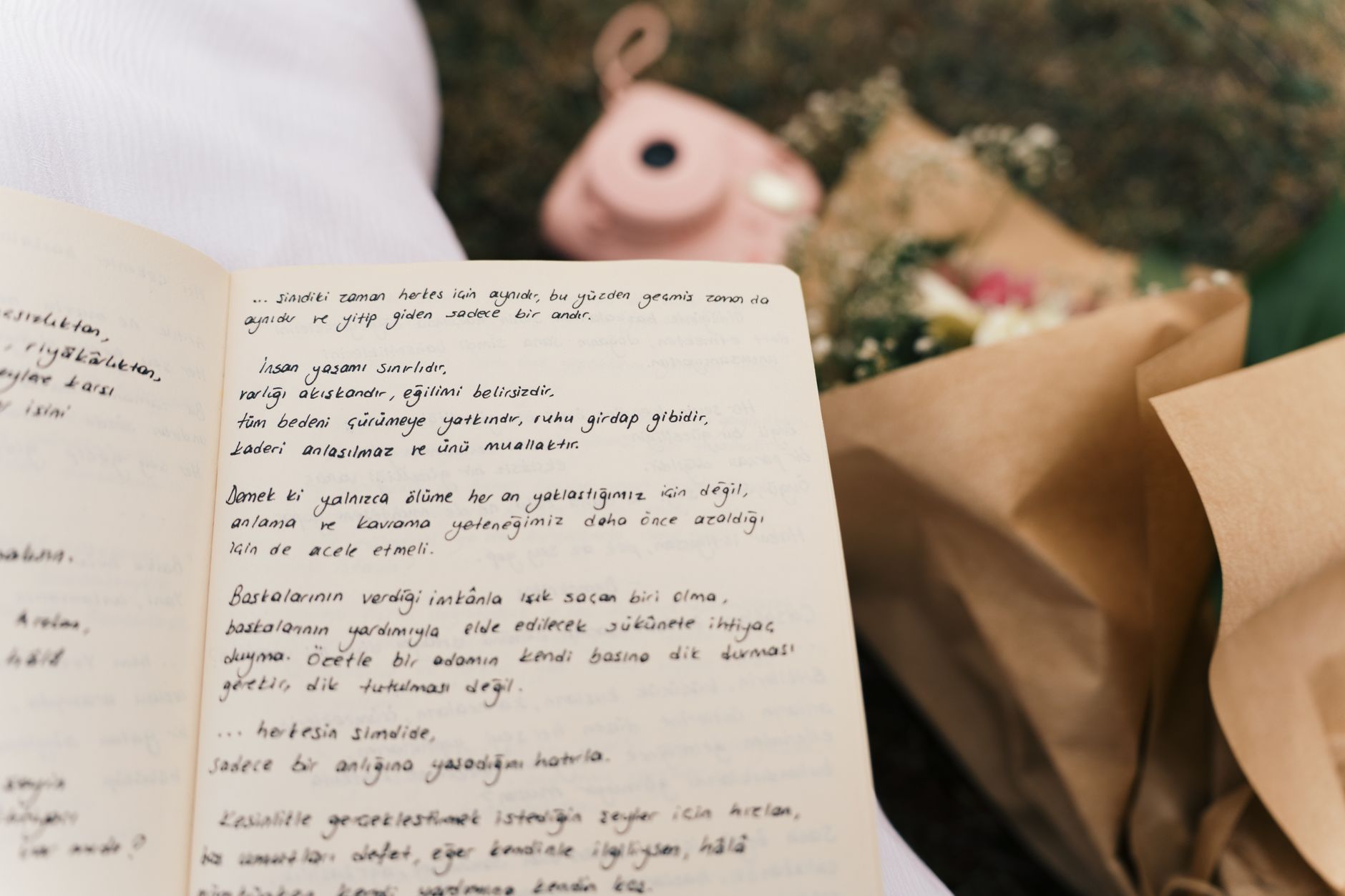
In the heart of Türkiye, tucked away in dusty wooden chests and modern kitchen drawers alike, lie handwritten notebooks—yemek defterleri—that hold centuries of culinary wisdom. These are not printed cookbooks but personal journals, passed down through generations, filled with faded ink, marginal notes, and stains from decades of use. They contain recipes for dishes that never appear on restaurant menus: hearty village stews, delicate Ottoman palace desserts, and fermented specialties that require patience and local knowledge.
For travelers seeking more than a typical cooking class, Türkiye offers a unique opportunity: immersive sessions built around these very notebooks. You don't just learn to cook; you become part of a family's culinary lineage. You'll sit in village kitchens, decipher grandmother's handwriting, and taste dishes that exist only in these pages. This guide will show you how to find and join these experiences, what to expect, and why they represent the soul of Turkish hospitality.
From the Aegean olive groves to the Black Sea highlands, each region has its own notebook traditions. The recipes reflect local ingredients, Ottoman palace influences, and the ingenuity of Anatolian households. By cooking from these notebooks, you're not just making food—you're preserving a living heritage.
Why These Notebooks Matter: A Taste of History
Handwritten recipe notebooks are more than mere instructions; they are historical documents. During the Ottoman era, literate women and professional cooks recorded recipes in Ottoman Turkish script, often using Arabic letters. These notebooks included not only ingredients and methods but also notes on seasonal availability, medicinal properties, and serving suggestions for special occasions.
After the 1928 alphabet reform, many notebooks were transliterated into Latin script, but the oral tradition continued. In villages, recipes were still passed down by word of mouth, while city families kept written records. Today, these notebooks bridge the gap between the Ottoman past and modern Turkish cuisine.
What makes them special is their individuality. A notebook from Gaziantep might feature pistachio-laden desserts, while one from the Black Sea coast lists cornbread and anchovy dishes. Some include Ottoman palace favorites like mutancana (lamb with dried fruits) or ballı börek (honey pastry). Others are purely regional, such as kuru bamya (dried okra stew) from the Aegean.
By joining a cooking session based on these notebooks, you gain access to dishes that have never been standardized for restaurants. You'll taste the true diversity of Turkish home cooking.
How to Join a Notebook-Based Cooking Session
These experiences are not typically found on mainstream booking platforms. They are often organized by cultural associations, boutique guesthouses, or through word-of-mouth. Here are the most reliable ways to find them:
- Local cultural centers and halk eğitim merkezleri (public education centers): Many offer courses on traditional cooking, sometimes incorporating family notebooks. Check in cities like İzmir, Antalya, and Gaziantep.
- Village homestays: Platforms like Airbnb and local agencies offer stays that include cooking with the host family. Ask specifically if they use family recipes.
- Specialized tour operators: Companies like Istanbul Culinary Institute or Turkish Flavours sometimes run off-the-beaten-path workshops with village cooks.
- Social media and community groups: Facebook groups such as "Türk Mutfağı" or "Anadolu Yemekleri" often post about local workshops. Instagram accounts of village cooks sometimes advertise sessions.
- Direct contact with authors of recipe notebooks: If you come across a published notebook (e.g., "Antakya Mutfağı" by Filiz Çağdaş), reach out to the family or publisher; they may know of sessions.
Once you find a session, expect a full-day commitment. Most start early in the morning with a market visit or garden harvest, followed by cooking and a long, leisurely meal. Prices range from $50 to $150 per person, depending on the region and inclusions.
Be prepared to communicate in Turkish or via a translator. Many village hosts speak limited English, but the language of food is universal. Bring a notebook of your own—you'll want to record every detail.
Realistic Class Options Across Türkiye
Here are some concrete examples of notebook-based cooking experiences you can seek out, categorized by region:
Aegean Region: Olive Oil and Herbs
In the village of Şirince near İzmir, several families offer cooking sessions based on their grandmothers' notebooks. You might learn zeytinyağlı enginar (artichoke in olive oil) or oturtma (layered vegetable and meat bake). The notebook often includes notes on which wild greens to pick in spring.
Gaziantep: Ottoman Palace Influence
Gaziantep is a UNESCO Creative City of Gastronomy. Here, you can join workshops that use notebooks from the early 20th century. Dishes include yuvalama (tiny meatballs in yogurt soup) and şiveydiz (lamb with fresh garlic and yogurt). The notebooks often list exact spice blends, like baharat with cinnamon and cloves.
Black Sea: Corn, Anchovies, and Greens
In the highlands of Rize or Trabzon, families cook from notebooks that feature kuymak (cornmeal and cheese fondue) and hamsi tava (fried anchovies). You might also make muhlama, a similar dish, and learn about foraging for kara lahana (black cabbage).
South Eastern Anatolia: Spicy and Slow-Cooked
In Mardin or Şanlıurfa, notebooks contain recipes for kebab variations and dolma (stuffed vegetables). A session might focus on içli köfte (bulgur balls with meat filling), with the notebook specifying the ratio of bulgur to meat.
Istanbul: Ottoman Palace Cuisine
Some cooking schools in Istanbul, like those in the historic district, offer workshops based on notebooks from the Topkapı Palace kitchens. You might make hünkar beğendi (lamb on eggplant puree) or kadayıf dessert. These sessions are more structured but still draw from handwritten sources.
Key Ingredients Translated: A Glossary for Notebook Cooking
When cooking from an Ottoman notebook, you'll encounter ingredients that may be unfamiliar. Here's a translation guide to help you navigate:
- Zeytinyağı – Olive oil (often specified as "sızma" for extra virgin)
- Salça – Tomato or pepper paste (a staple; notebook may say "ev salçası" for homemade)
- Bulgur – Cracked wheat (fine, medium, or coarse)
- Nohut – Chickpeas
- Kuru soğan – Dry onion
- Sarımsak – Garlic
- Karabiber – Black pepper
- Pul biber – Red pepper flakes
- Tarçın – Cinnamon
- Karanfil – Clove
- Yenibahar – Allspice
- Sumak – Sumac
- Nane – Mint (fresh or dried)
- Maydanoz – Parsley
- Dereotu – Dill
- Kuzu eti – Lamb meat
- Kıyma – Ground meat
- Tavuk – Chicken
- Balık – Fish (often hamsi in Black Sea)
- Yoğurt – Yogurt (often "süzme" for strained)
- Kaymak – Clotted cream
- Bal – Honey
- Ceviz – Walnut
- Fıstık – Pistachio (Antep fıstığı)
- Badem – Almond
- Kuru üzüm – Raisins
- Kuru kayısı – Dried apricots
- Pirinç – Rice
- Un – Flour
- Yumurta – Egg
- Süt – Milk
- Tereyağı – Butter
Notebooks often use Ottoman terms: şeker for sugar, tuz for salt, and su for water. Measurements are imprecise—"bir tutam" (a pinch), "göz kararı" (by eye). This is part of the charm; you learn to cook by feel.
What to Expect in a Village Kitchen
Village kitchens are the heart of the home. They are often simple but functional: a wood-burning stove (soba), a large wooden table, and shelves lined with jars of preserved vegetables and spices. The kitchen may open onto a courtyard where herbs dry in the sun.
When you arrive, you'll be greeted with tea (çay) and perhaps a light snack. The host will bring out the notebook—sometimes wrapped in a cloth—and together you'll choose recipes. Expect to be involved in every step: washing greens, kneading dough, and stirring pots. The pace is slow; cooking is a social activity, interspersed with stories and laughter.
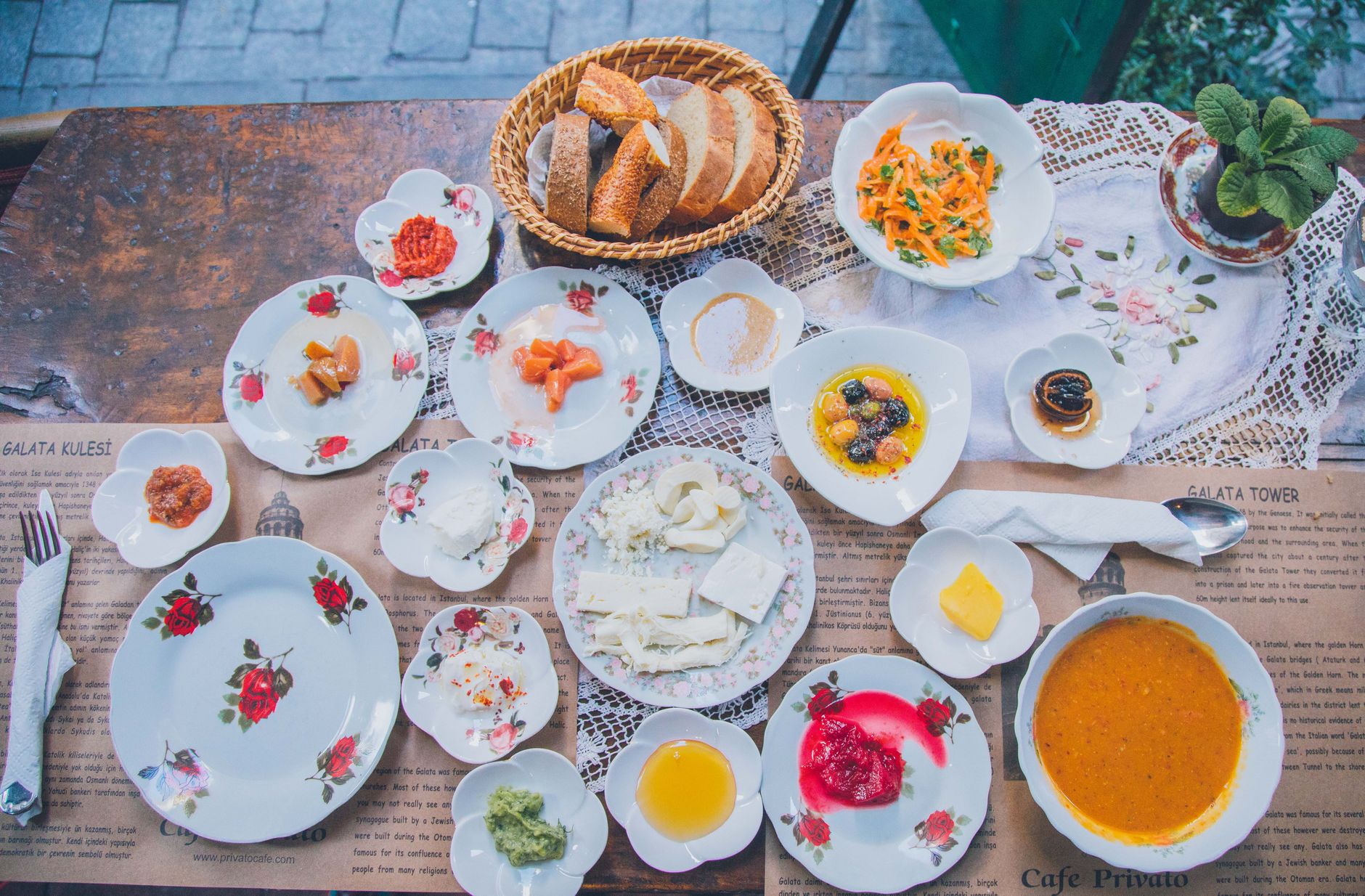
You'll likely cook over an open fire or a gas burner. The host will show you how to adjust heat by moving coals or turning a knob. You'll learn to taste and adjust seasoning constantly. The meal is usually eaten on a floor table (yer sofrası) or a low table, with everyone sharing from communal plates.
Be prepared for generous portions. Hospitality is sacred; your host will insist you eat more. Complimenting the food is a must—say "eline sağlık" (health to your hands). At the end, you may be offered a small gift, like a jar of homemade jam or a handwritten recipe card.

The Generosity of Turkish Hosts: Learning by Doing
Turkish hospitality is legendary, and in the context of cooking sessions, it reaches its peak. Hosts don't just teach; they welcome you as family. They share stories of their grandmothers, the hardships and joys tied to each recipe, and the pride of keeping traditions alive.
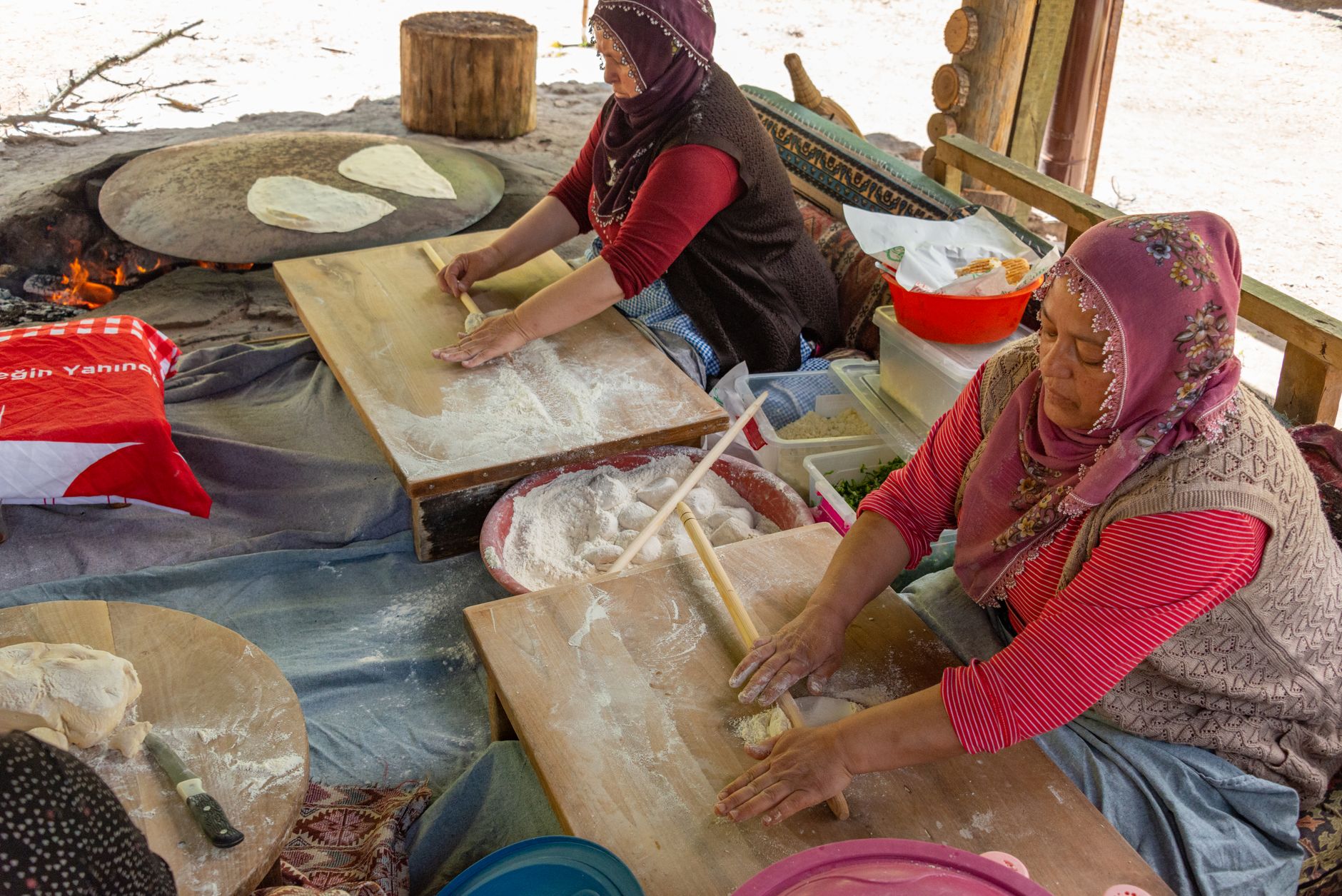
Learning by doing is the core method. You won't just watch—you'll get your hands dirty. You'll knead dough until your arms ache, roll yufka (thin flatbread) until it's translucent, and stuff vegetables with a spoon. Mistakes are met with encouragement, not criticism. The host will guide your hands and share tricks, like adding a pinch of sugar to tomato sauce or soaking bulgur in hot water.
This generosity extends beyond the kitchen. You might be invited to stay for dinner, meet the extended family, or join a village event. Many travelers form lasting bonds with their hosts, returning year after year. The experience is deeply human—a reminder that food is about connection.
As you cook, you'll realize that these notebooks are not just recipes; they are love letters to future generations. By participating, you become part of that chain. You'll leave with new skills, a full stomach, and a heart full of gratitude.
Practical Tips for Your Notebook Cooking Experience
To make the most of your session, consider these tips:
- Learn basic Turkish phrases: "Merhaba" (hello), "Teşekkür ederim" (thank you), "Çok lezzetli" (very delicious).
- Bring a notebook and pen: You'll want to jot down recipes and techniques. Ask if you can photograph the original notebook pages.
- Dress appropriately: Comfortable clothes that can get stained. An apron is useful.
- Be open-minded: Ingredients may be unfamiliar, and methods may differ from what you know. Embrace the process.
- Respect dietary restrictions: If you're vegetarian or have allergies, inform the host in advance. Many dishes can be adapted, but some are meat-based.
- Bring a small gift: Something from your country, like a specialty tea or sweets, is appreciated.
- Be patient: Cooking from scratch takes time. Enjoy the slower pace.
- Ask about the notebook's history: Who wrote it? When? What are the family's favorite recipes? This deepens your understanding.
- Share your experience: Post photos and tag the host (with permission). Help spread the word about these authentic experiences.
Finally, consider extending your stay in the village. Many hosts offer accommodation, allowing you to fully immerse in daily life. You might help with the garden, visit the local market, or learn other crafts like cheese-making or bread baking.
These experiences are not just about cooking; they're about cultural exchange. By the time you leave, you'll have a deeper appreciation for Türkiye's culinary heritage and the people who keep it alive.
Thinking about a trip to Turkey?
Share your contact details and a vetted local expert will follow up with a plan built around you — free, no obligation.