

An Invitation to Slow Down in the Highlands
Eastern Türkiye is a land of wide skies, snow-dusted peaks, and water that rises warm from deep beneath the earth. Here in the highlands around Van and Erzurum, thermal springs have been cherished for centuries — by Urartian kings, Silk Road travelers, and generations of villagers who still consider a soak a simple, essential pleasure. This is not a region of glossy resort spas. It is a place of honest, mineral-rich waters, often framed by steppe grass and distant volcanoes, where a bath costs little and the welcome costs nothing at all.
Travelers who make the journey east discover a slower rhythm. Mornings begin with tea and the call to prayer echoing across stone streets; afternoons invite a long soak; evenings are for lamb stew and conversation. The thermal trail here is less a single destination than a constellation of springs, hamams, and small spa hotels scattered across the plateaus between Lake Van and the Erzurum plain.
This guide gathers the most rewarding stops along that trail, with practical notes on what is developed for visitors, how far each spring sits from the nearest city center, and how to enjoy these waters with the ease and courtesy that local bathers do.
Erzurum: A City of Cold Air and Warm Springs
Erzurum sits at roughly 1,900 meters, one of the highest provincial capitals in Türkiye, and its winters are famously bitter. That cold makes the region's hot springs feel all the more miraculous. The most celebrated is Ilıca, a well-developed thermal district about 15–17 kilometers west of the city center, easily reached by dolmuş or taxi in around 25 minutes. Here, several hotels and bathhouses tap into sulfurous, mineral-laden water that emerges at roughly 40–45°C, reputed to ease rheumatism, skin complaints, and weary joints.
Ilıca is genuinely set up for visitors: you will find thermal hotels with indoor pools, private bathing cabins, and modern hamam facilities alongside older, more modest establishments. It is a comfortable introduction to eastern thermal culture, and the local staff are accustomed to helping first-timers understand the routine.
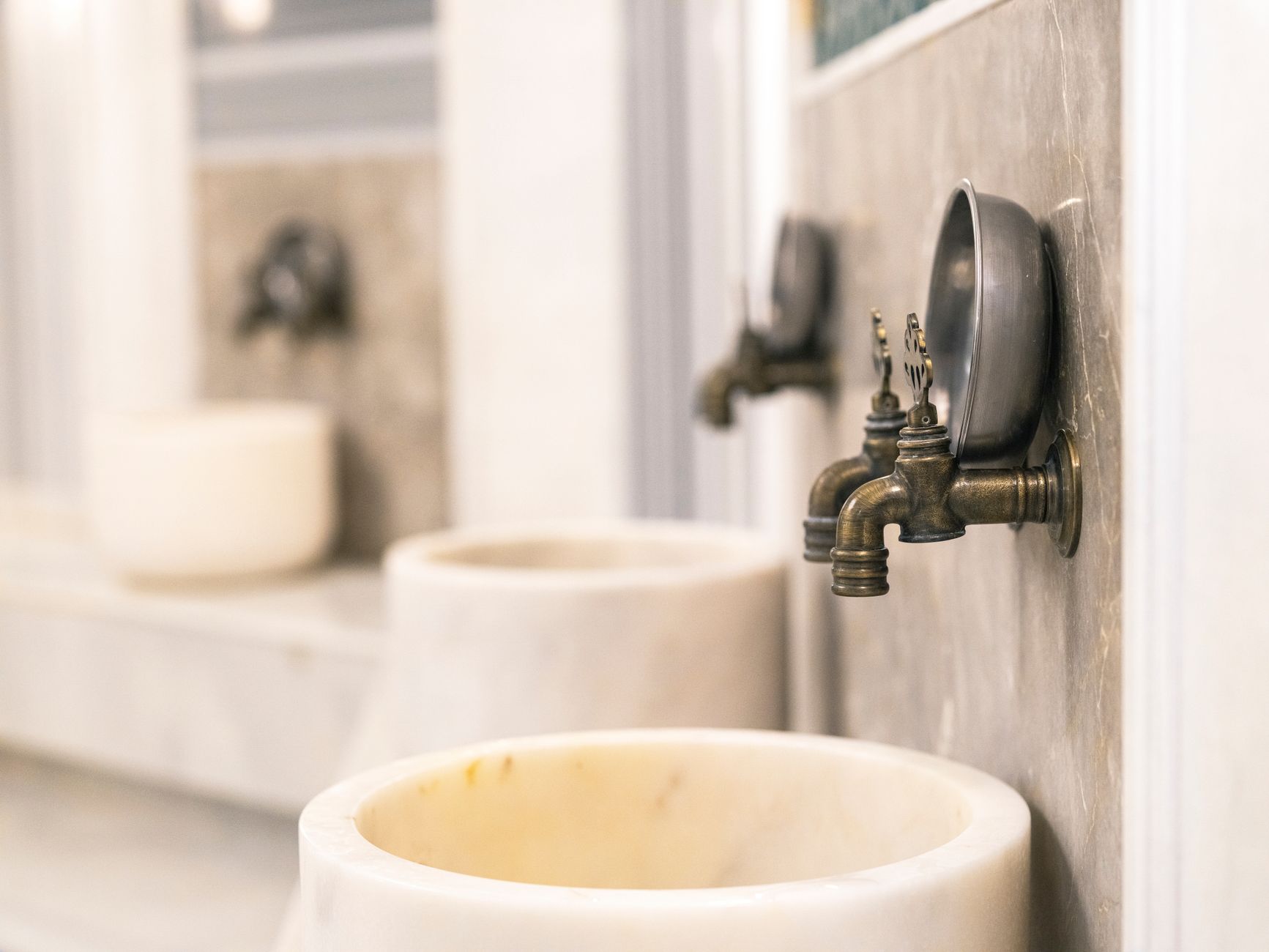
Within Erzurum itself, historic hamams keep the old tradition alive. The Lala Mustafa Paşa Hamamı, dating to the 16th century, and the Murat Paşa Hamamı offer the classic Turkish bath experience: a warm marble platform, a vigorous scrub with a kese mitt, clouds of steam, and a rinse of cool water that leaves you glowing. These are living institutions, not museums, and their attendants take quiet pride in doing the job well.
Lake Van and the Springs of the East
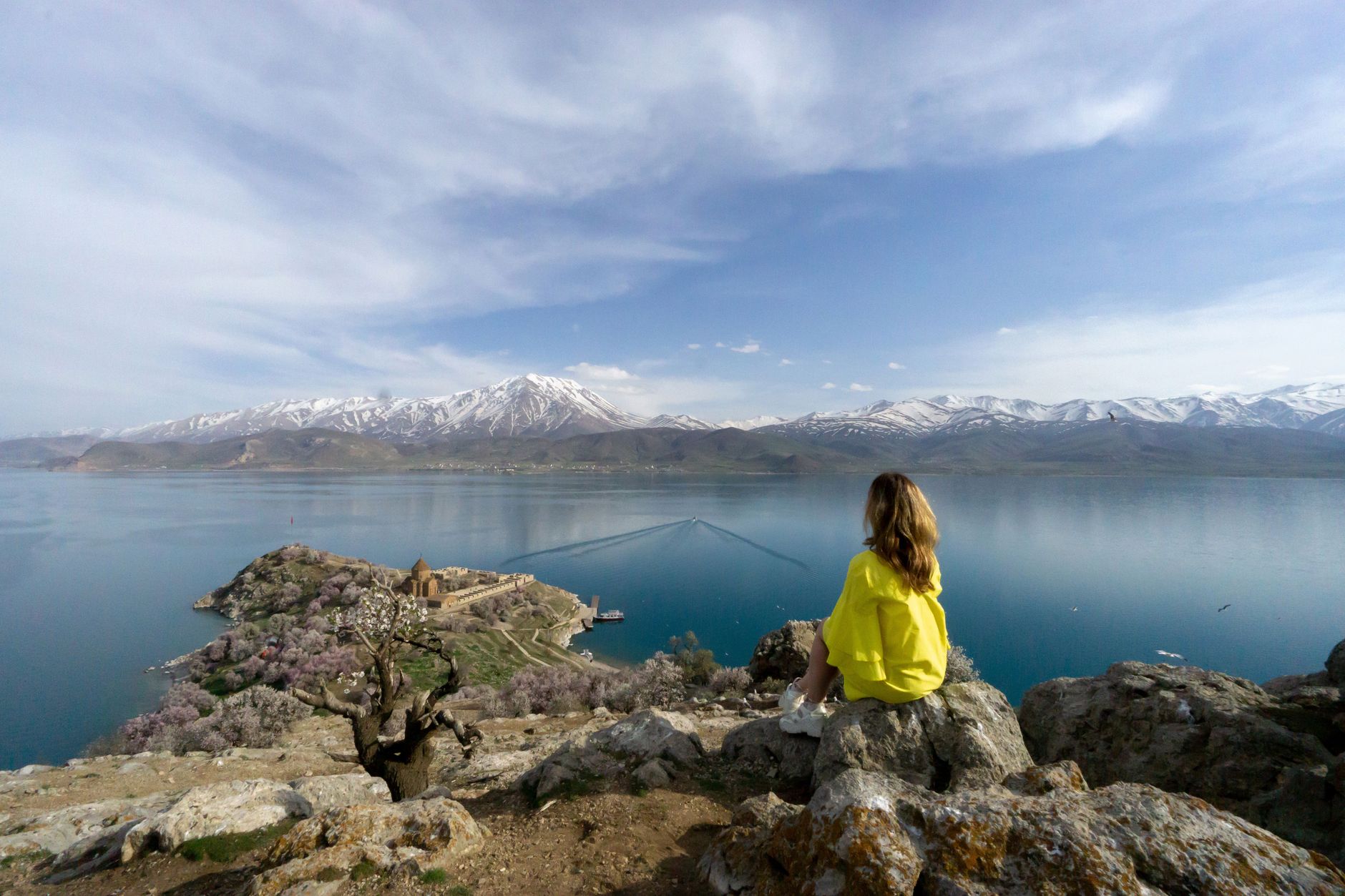
Farther east, around Lake Van, the waters take on a different character. The lake itself is the largest in Türkiye, a vast alkaline expanse ringed by mountains. Near its shores and in the surrounding valleys, thermal and mineral springs emerge in places that feel remote and quietly beautiful.
One of the most inviting is the thermal area near Gevaş, on the lake's southern shore about 40 kilometers from Van city center. The setting is serene — water, orchards, and the silhouette of Akdamar Island in the distance — and the springs here are used by locals for both bathing and quiet remedy. Facilities are simpler than in Ilıca, so come with modest expectations and a spirit of discovery.
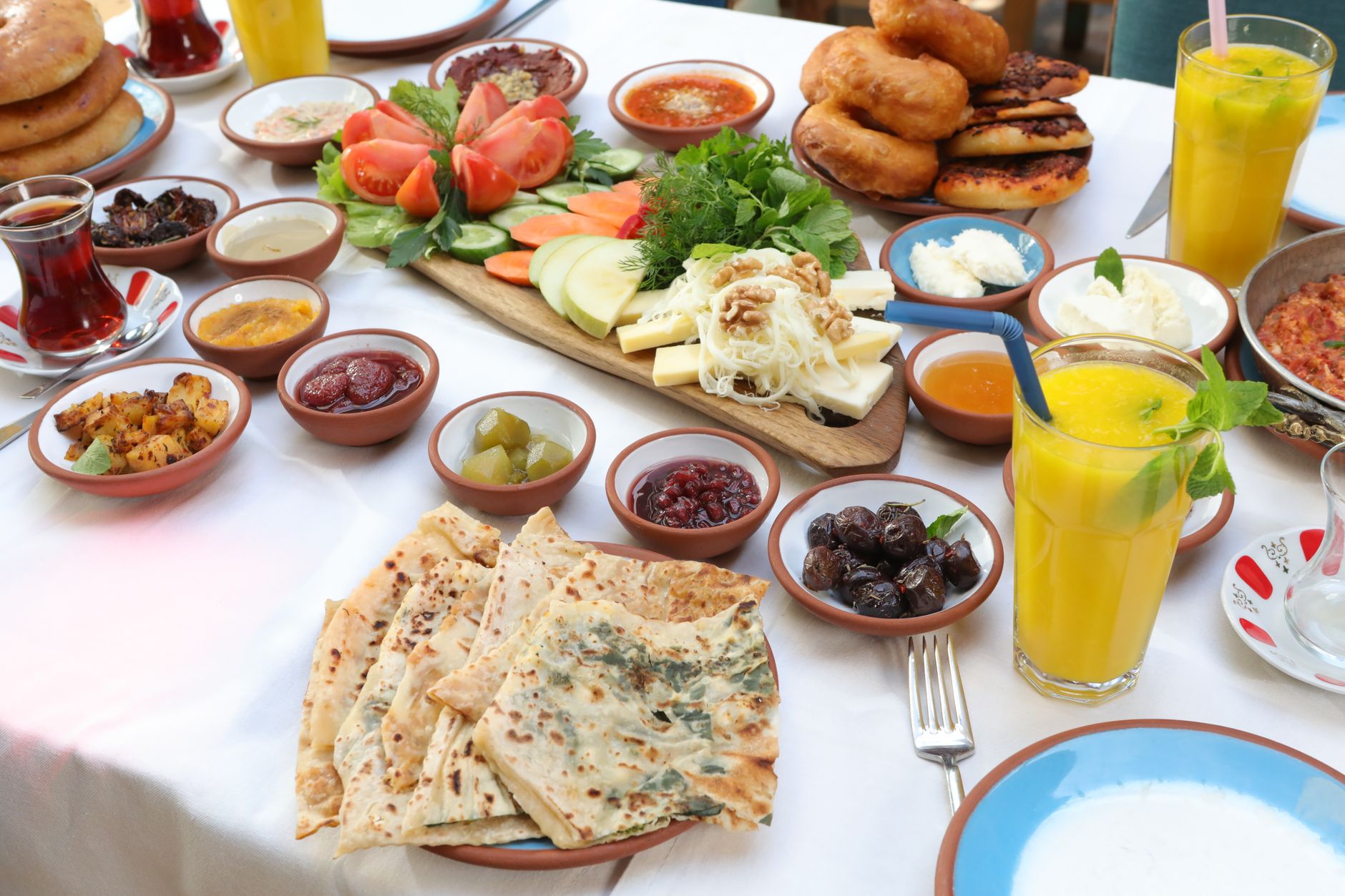
Closer to Van, several hotels and hamams in the city offer thermal or heated bathing, and the historic hamams of the old town provide a traditional counterpart to the outdoor springs. The Van Hamamı and similar establishments maintain the scrubbing, steaming, and relaxation rituals that have served travelers on this route for generations. Afterward, a plate of Van's famous breakfast — cheeses, honey, herbs, and endless tea — is the perfect restorative.
Do note that some of the smaller springs around the lake are seasonal or locally maintained rather than formally developed for tourism. Ask at your hotel or a local café; people are usually delighted to point you toward the water they trust.
The Wider Highland Thermal Trail
Between and beyond Van and Erzurum, a scattering of lesser-known springs rewards those willing to travel a little further. Hasankale (Pasinler), about 40 kilometers east of Erzurum, is a small town with thermal waters and a handful of simple bathing facilities; it is a favorite among locals seeking relief from joint and skin ailments. The journey there crosses open steppe with long views of the Aras valley.
Near Muş, west of Lake Van, thermal springs bubble up in rural settings, often with basic pools and changing rooms. These are community spots — bring your own towel, follow the cues of those around you, and enjoy the unhurried atmosphere. Farther south, around Bitlis and the foothills of the eastern Taurus, more mineral springs appear, some developed into small spa hotels, others little more than a stone basin and a pipe.
The pleasure of this trail is its variety. You might spend one night in a polished thermal hotel and the next soaking in a village pool under open sky. Distances between stops can be long — often 100 kilometers or more over mountain roads — so plan to travel by day, keep fuel and water topped up, and treat the drive itself as part of the experience.
Historic Hamams: The Original Wellness Centers
Long before thermal tourism, the hamam was the heart of public bathing in Anatolia. In Erzurum, Van, and the towns between, these historic baths remain places of genuine social life. A visit follows a gentle choreography: you enter, change into a peştemal (a thin cotton wrap), and rest in the warm room until the heat opens your pores. Then comes the scrub — a firm, almost exhilarating exfoliation with a coarse kese glove — followed by a soapy wash, a rinse, and a long, drowsy rest on the marble.
Etiquette is simple and forgiving. Keep voices low, follow the attendant's lead, and don't be shy about asking what to do; a smile and a gesture bridge any language gap. Men and women typically bathe in separate sections or at separate hours, and modest swimwear or a wrap is appropriate. Tipping the attendant is customary and appreciated.
These hamams are not just hygienic stops but cultural treasures. The architecture — domed ceilings pierced with star-shaped skylights, cool marble floors, warm stone walls — creates a hush that feels centuries old. For many travelers, a hamam in Erzurum or Van becomes the most memorable hour of the entire journey.
Practical Notes: Facilities, Distances, and Etiquette
To make the most of the highland thermal trail, a little planning goes a long way. Here are the essentials:
- Ilıca (Erzurum): 15–17 km west of the city center; well-developed thermal hotels and bathhouses; water around 40–45°C; easiest access by dolmuş or taxi.
- Erzurum hamams: Lala Mustafa Paşa and Murat Paşa are in the city center, walkable from many hotels; historic, traditional, and affordable.
- Gevaş (Van): about 40 km from Van city center; simpler facilities, beautiful lakeside setting; best reached by car or local minibus.
- Hasankale/Pasinler: roughly 40 km east of Erzurum; small thermal town with basic bathing options.
- Rural springs near Muş and Bitlis: variable facilities; some developed, some community-run; distances can exceed 100 km between stops.
Bring a towel, flip-flops, and a small bag for wet items. Many developed facilities rent towels and provide lockers, but rural spots may not. Cash is useful, as card acceptance can be limited outside the larger hotels. If you have health conditions such as heart problems, pregnancy, or low blood pressure, consult a doctor before prolonged soaking in hot mineral water.
Etiquette matters. Bathe before entering pools, keep noise low, and respect separate hours or sections for men and women. In conservative areas, modest dress away from the baths is appreciated. Most importantly, accept the local pace: this is a region where hospitality is offered freely, tea is poured endlessly, and a soak is never rushed.
When to Go and How to Feel Your Best
The highland thermal season runs comfortably from late spring through early autumn, roughly May to October, when mountain roads are clear and the air is mild. Summer days are warm and dry, perfect for combining a soak with lake swims and long drives. Winter transforms the region into a snowy wonderland — Erzurum even hosted the 2011 Winter Universiade — and soaking in hot springs while snow falls outside is a genuinely magical experience, provided you dress warmly and check road conditions.
Allow at least a few days in each hub. Erzurum rewards two or three days of hamams, Ilıca soaks, and explorations of its Seljuk monuments and bazaars. Van deserves similar time for its lake, its springs, and its legendary breakfast culture. Between them, the smaller springs are best enjoyed without a strict schedule.
Above all, come with an open mind and a willingness to slow down. The healing waters of eastern Türkiye are not a cure-all, but they offer something equally valuable: warmth, rest, and the quiet care of people who have tended these springs for generations. In a world that moves too fast, that may be the finest remedy of all.
Thinking about a trip to Turkey?
Share your contact details and a vetted local expert will follow up with a plan built around you — free, no obligation.