

Why Türkiye Is a Natural Home for Recovery and Wellness
Türkiye has spent thousands of years perfecting the art of the restorative soak. Long before modern wellness travel existed, the Romans were building thermal cities here, the Byzantines were refining bathing culture, and Ottoman architects were designing domed hammams where steam, marble and light combined into something close to a ritual. That inheritance is not a museum piece — it is living infrastructure that today's travellers can step straight into, often within a short drive of a modern hospital or aesthetics clinic.
What makes the country such an appealing choice for a health and beauty trip is the combination of quality and value. Türkiye's medical and beauty sector is mature, internationally connected and accustomed to welcoming guests from Europe, the Gulf and beyond. Rather than treating recovery as an afterthought squeezed into a hotel room, you can build a genuine second chapter to your trip: a few days in a thermal spa town, or a slow week on the Aegean or Mediterranean coast where sea air, pine forests and long breakfasts do the quiet work of restoration.
The practical geography is a gift. Treatment centres cluster in Istanbul, Ankara, Izmir and Antalya, and from each of these you are rarely more than a couple of hours from a thermal valley or a coastal town designed for rest. That means you do not need to choose between excellent care and beautiful surroundings — you can have both, with a gentle transfer in between. If you are still mapping out the shape of your journey, our guides and route ideas are good places to sketch the outline.
This guide focuses on the part of the trip that happens after the appointment: the spa towns, the seaside recovery stays and the gentle wellness days that turn a clinical visit into something genuinely restorative.
The Classic Spa Towns: Thermal Water, Marble and Slow Mornings
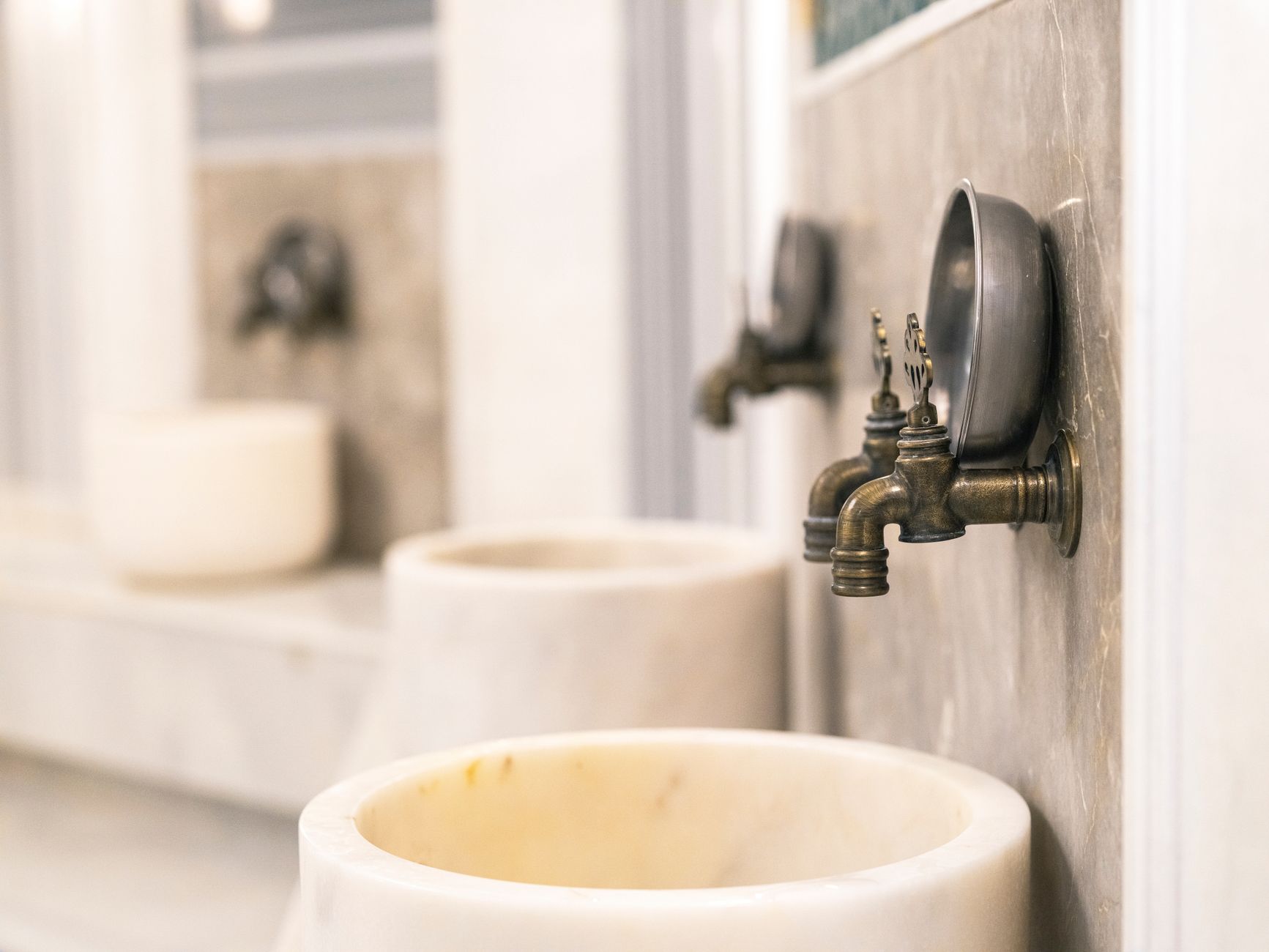
Türkiye's thermal towns are the backbone of its wellness offering, and many of them have been soothing travellers for centuries. Bursa, the first Ottoman capital, is the most accessible of the great historic spa cities: its Çekirge district has thermal hotels fed by mineral-rich springs, and the surrounding city offers silk bazaars, green mosques and mountain views to fill the hours between soaks. It is an easy, civilised place to spend three or four recuperative days.
Further west, Yalova and the Termal district near Istanbul are beloved by locals precisely because they are unpretentious: think wooded hills, warm sulphur springs and the pleasant drowsiness that follows an afternoon in the water. Inland, Afyonkarahisar has grown into a serious thermal destination in its own right, with large spa resorts drawing on geothermal water that stays warm year-round — a strong option in cooler months when coastal swimming is off the table.
For something more historic, consider Pamukkale and nearby Karahayıt, where the famous white travertine terraces are fed by the same calcium-rich springs that have drawn visitors since antiquity. The ancient spa city of Hierapolis sits directly above the terraces, a reminder that wellness travel here is not a modern invention but a continuation. Kangal in the east is another storied name, known for its thermal fish pools and its long tradition of therapeutic bathing.
When choosing a spa town, look for hotels with in-house thermal pools rather than relying on day visits. Being able to walk from your room to warm water in a robe, at any hour, is the difference between a schedule and a rest. Our destinations section helps you compare regions by season and character before you commit.
Coastal Recovery Stays: Sea Air, Pine Forest and Vitamin D
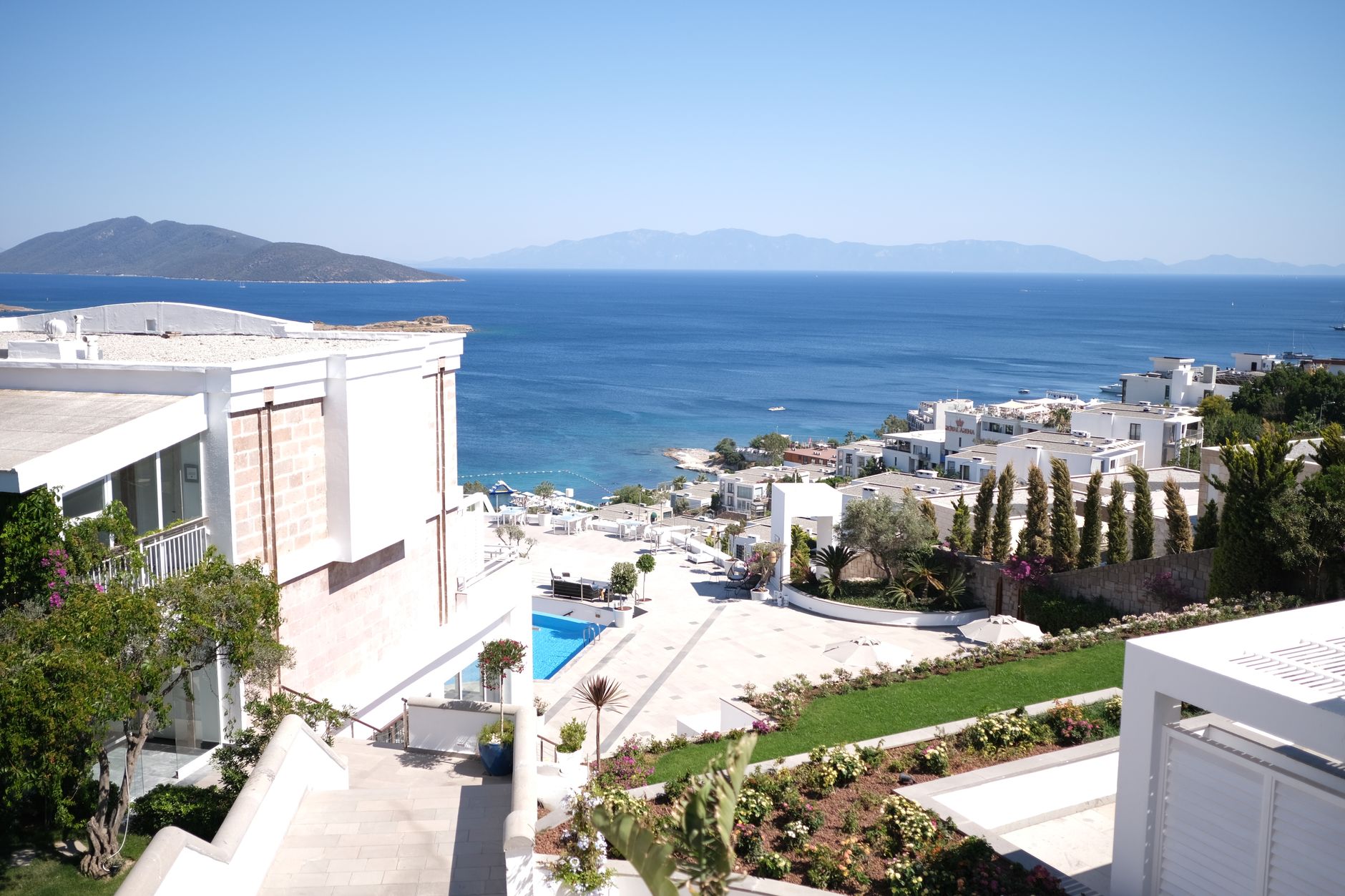
For many travellers, the ideal recovery setting is not a thermal town but a quiet stretch of coast. The Turkish Riviera — the long arc from Çeşme and Bodrum down through Marmaris, Fethiye and Antalya to Alanya — offers an extraordinary range of small, calm hotels where the days are measured in swims, naps and gentle walks rather than itineraries.
The Aegean side is particularly well suited to convalescence. Çeşme's thermal springs meet the sea, so you can alternate between mineral baths and salt water within the same afternoon. Bodrum and the Datça peninsula reward those who want privacy: hidden coves, low-rise boutique hotels, and evenings that stay warm long after sunset. On the Mediterranean, the pine-covered hills behind Fethiye and the long beaches near Side offer the kind of dry, steady climate that suits anyone recovering from a procedure or simply recovering from a busy year.
Shoulder seasons are the sweet spot. Late spring and early autumn deliver warm seas, mild air and quieter hotels — ideal if you want sunlight without heat stress. Our best-time guide breaks down month-by-month conditions across the coast, which matters more than usual when your priority is comfortable recovery rather than sightseeing.
Look for hotels that describe themselves as suited to longer, quieter stays: low buildings, gardens, a pool that is not competing with a beach club, and staff accustomed to guests who need early nights. Many coastal properties also offer in-room dining and simple spa menus, which makes the first day or two after treatment much easier.
Choosing Reputable Providers: A Calm, Practical Checklist
Türkiye's health and beauty sector includes internationally accredited hospitals, well-established clinics and a growing number of boutique aesthetic studios. The key is to choose deliberately rather than by advertisement alone. Start with accreditation and transparency: reputable providers will happily share their credentials, their physicians' specialisations and their complication-management protocols, and they will not rush you into a decision.
Ask about aftercare in writing before you book. A serious provider will outline what follow-up looks like, who to contact, and where you would be reviewed if something needs attention after you leave the city. It is entirely reasonable — and increasingly normal — to request a video consultation first, to ask for before-and-after cases in your specific situation, and to confirm which language your coordinator will speak.
In Türkiye, medical tourism coordination is well developed, and many clinics in Istanbul, Antalya and Izmir work routinely with international patients. Use that infrastructure. A good coordinator will help you schedule recovery days, advise on how soon you can swim or fly, and recommend a quiet hotel rather than a bustling one. Cross-check what you hear against independent sources, and treat unusually heavy discounting as a prompt for more questions, not fewer. Our trust page explains how we think about verifying providers, and our experts can point you toward specialists in your area of interest.
Finally, be honest about timelines. Most skin and beauty treatments need a few days of gentle living; surgical procedures need more. Building that time into the trip from the start is far easier than improvising it afterwards.
Building a Gentle Itinerary: Timing, Transfers and Rest Days
The most successful health and beauty trips follow a simple rhythm: care first, comfort second. Schedule your consultations and treatments at the beginning of your stay, in the city where the provider is based, then move outward to a spa town or the coast once you are ready for quieter surroundings. A typical shape might be two to three nights in Istanbul or Antalya for appointments, followed by four to seven nights of recovery by thermal water or the sea.
Transfers deserve attention. Private, air-conditioned transfers are inexpensive by international standards and vastly kinder than a crowded bus after a procedure. If you are travelling between city and coast, domestic flights are frequent and quick; for shorter hops, a private car gives you control over stops and timing. Build a slow first day at your recovery hotel — arrival, unpacking, a light dinner, an early night — rather than trying to explore immediately.
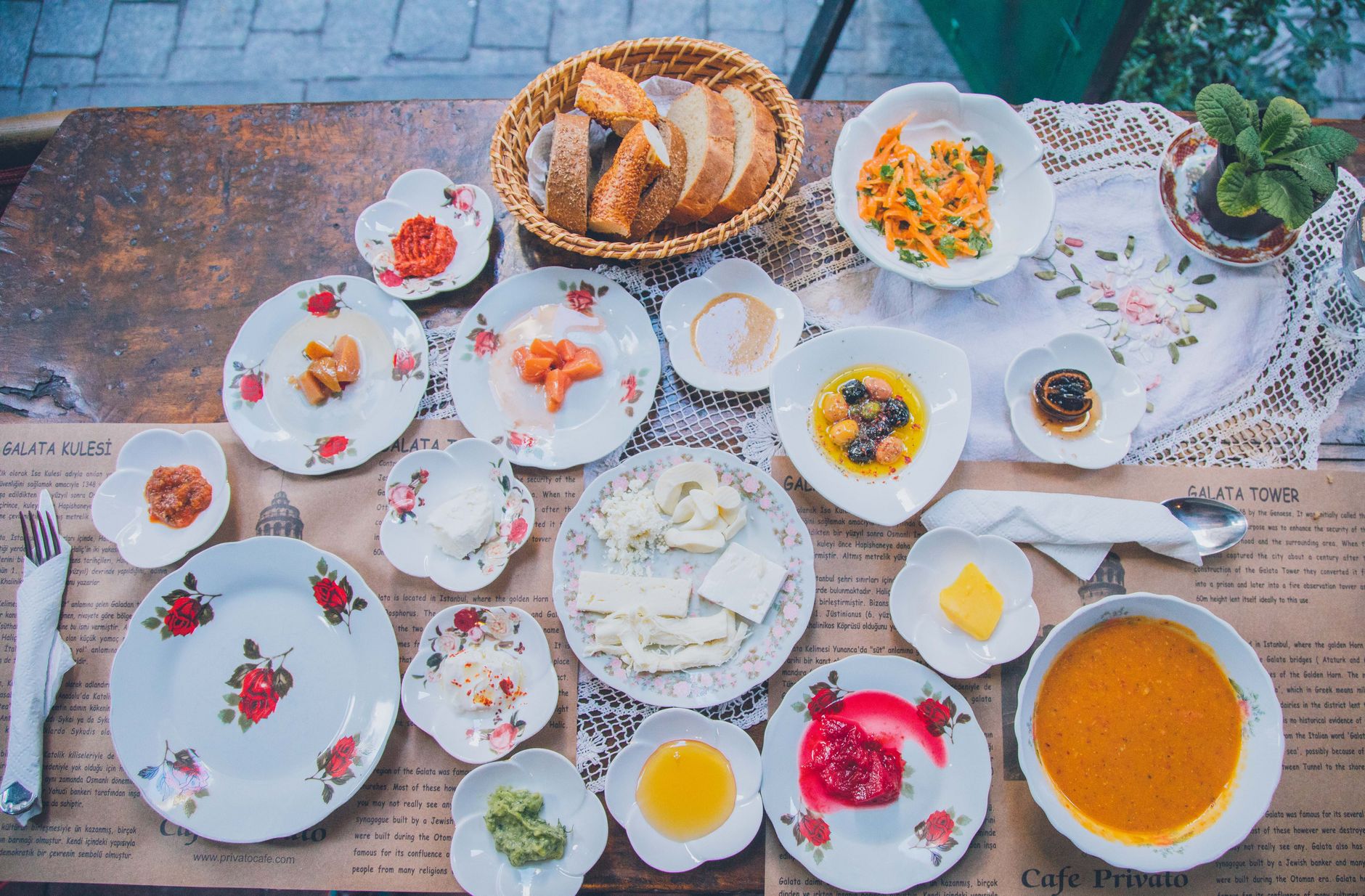
Keep the days intentionally under-scheduled. A good recovery day might include a morning swim or thermal soak, a long breakfast, a shaded walk, an afternoon nap and an early dinner of fresh fish, vegetables and olive oil. Turkish cuisine is a genuine asset here: grilled seafood, legumes, yoghurt, seasonal greens and fruit make light, nourishing eating easy almost anywhere.
Allow at least one buffer day before your flight home. Weather, traffic and your own energy levels are all more variable than usual when recovering, and a spare day removes the small anxieties that undermine rest. If you want help structuring this, our trip planner can help you lay out the sequence, and our itineraries show how treatment days and rest days can sit side by side.
Gentle Wellness Beyond the Spa: Hammams, Nature and Everyday Rituals
Türkiye's wellness culture extends well past the hotel spa. A traditional hammam — especially a historic one in Bursa, Istanbul or a smaller Anatolian town — is a genuine cultural experience: warm marble, scrub, foam, tea afterwards, and a deep drowsiness that lasts the rest of the day. Choose a hammam accustomed to foreign visitors and tell them if you are recovering from any treatment; staff are usually careful and accommodating.
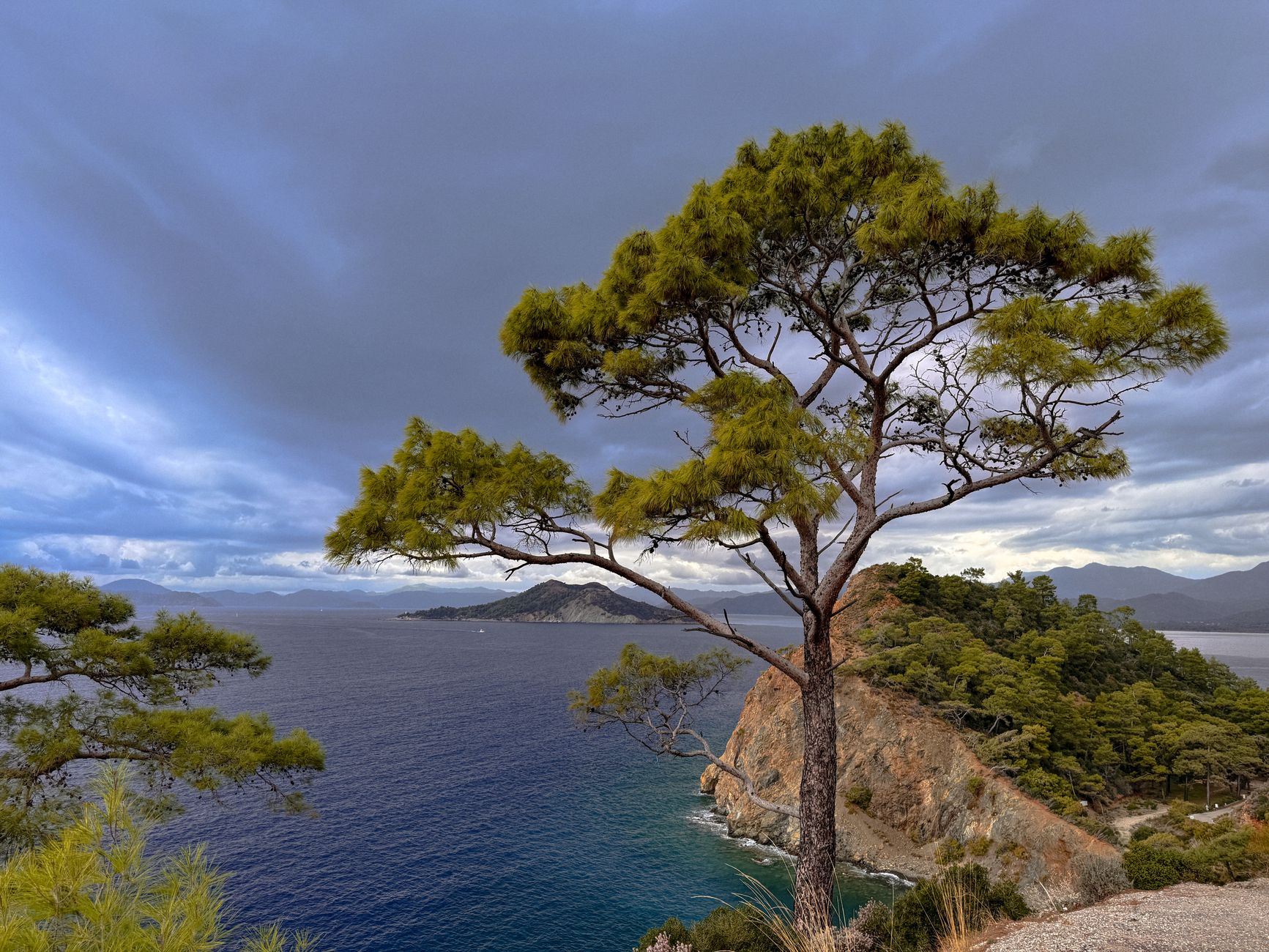
Nature is the other great healer. The country is full of gentle walking: olive groves above the Aegean, pine forests behind the Mediterranean beaches, the terraces of Pamukkale, the wooded hills around Bursa. None of it requires fitness — only time. Forest bathing is not a marketing concept here; it is simply what an afternoon in a Turkish pine forest feels like.
There is also a quiet domestic ritual of wellness that visitors can borrow: long breakfasts, tea taken slowly, evenings spent outside. Turkish town life rewards lingering, and the social permission to sit and do nothing is one of the most restorative things about travelling here.
For inspiration on where these gentler experiences fit between appointments, browse our gallery and our blog, and check the FAQ for practical questions about visiting. Treat the whole trip as one continuous act of care: the clinic is one part of it, and the sea, the springs and the long afternoons are the rest.
Thinking about a trip to Turkey?
Share your contact details and a vetted local expert will follow up with a plan built around you — free, no obligation.