

Why Seek Out Türkiye's Quiet Shores?
Türkiye's coastline is a spectacular mosaic of turquoise bays, hidden coves, and pebble beaches that stretch for over 8,000 kilometres. While iconic spots like Ölüdeniz and Bodrum draw crowds, there remains a parallel world of serene swimming spots where the loudest sound is the gentle lap of water against stone. For slow swimmers and those who cherish solitude, these lesser-known gems offer a different kind of holiday—one measured in unhurried strokes and long, sun-warmed afternoons.
The appeal goes beyond avoiding crowds. Quiet beaches often sit within protected conservation areas, ancient ruins, or remote peninsulas where development has been kept at bay. The water is frequently clearer, the marine life more abundant, and the overall experience more intimate. Whether you're floating in a secluded bay on the Lycian Way or discovering a pebble cove near Assos, you'll find that Türkiye's hidden beaches reward those willing to venture slightly off the beaten path.
In this guide, we'll reveal some of our favourite quiet coves along the Aegean and Mediterranean coasts, share practical access details, and offer respectful advice for keeping these places pristine. We'll also point you toward nearby amenities so you can plan a comfortable visit without sacrificing the sense of wildness that makes these spots so special.
Lycian Coast: Secluded Bays Between Fethiye and Kaş
The Lycian coast is a treasure trove of hidden beaches, many accessible only by boat or on foot via the long-distance Lycian Way. One standout is Kaleüçağız (ancient Simena), a tiny village where you can swim in glass-clear water right off the ancient sarcophagi that dot the shoreline. The bay is sheltered, making it ideal for slow, relaxed swimming. To get there, drive from Kaş (about 45 minutes) or arrive by gulet; a few family-run pensions and simple restaurants offer fresh seafood and basic supplies.
Further west, near the ghost village of Kayaköy, lies Gemiler Bay. While not entirely unknown, it's far quieter than Ölüdeniz. The pebble beach shelves gently into calm water, perfect for those who prefer to wade in slowly. You can reach it by dolmuş from Fethiye or by car; there's a small café and sunbed rental in season, but no large resorts. For an even more secluded dip, hike 20 minutes around the headland to Karacaören, a tiny cove with no facilities—bring water and take all rubbish back with you.
Between Kaş and Kalkan, the Kaputaş Beach is famous but often crowded. Instead, continue a few kilometres east to Akçagerme Bay, where a pebbly shore and shallow entry make for excellent slow swimming. Parking is limited, so arrive early or late afternoon. A beach shack sells drinks and gözleme, but for a full meal, head back to Kalkan's harbour. Remember that these bays are nesting grounds for loggerhead turtles; avoid disturbing nests and never use bright lights on the beach at night.
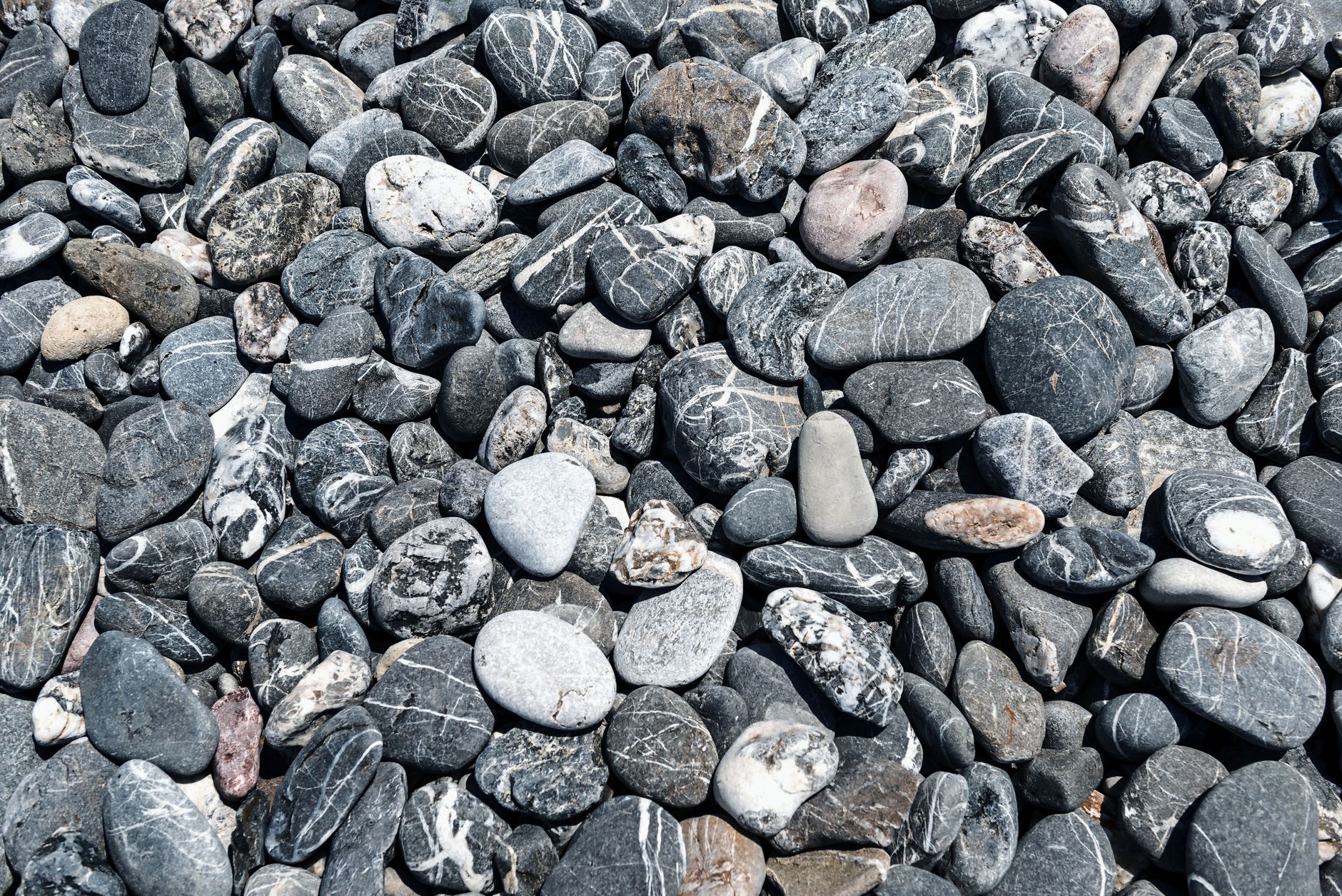
Aegean Hideaways: Quiet Coves Around Assos and Ayvalık
The North Aegean coast is often overlooked by international travellers, yet it hides some of Türkiye's most tranquil swimming spots. Near the ancient city of Assos (Behramkale), a series of small pebble coves line the road down to the harbour. Kadırga Koyu is a local favourite, with calm, cool water and a backdrop of olive groves. Access is via a steep but paved road; there's a modest café at the beach and a few guesthouses in the village above. The water here is deep enough for swimming within a few metres, but the entry is pebbly—water shoes are a good idea.
South of Ayvalık, the Ayvalık Islands archipelago offers countless hidden bays. Cunda Island is the largest and most developed, but if you rent a kayak or join a small boat tour, you can reach Poyraz Bay on the island's northern tip. The bay is a protected area with no facilities, so pack in everything you need. The reward is a quiet, pine-fringed cove with crystal-clear water and a gentle slope into the sea. Slow swimmers will appreciate the lack of currents and the soft, sandy patches between seagrass meadows.
For a truly off-the-grid experience, head to the Kaz Mountains (Ida) and the village of Adatepe. From here, a 30-minute drive brings you to Assos Altın Beach—not the main public beach, but a smaller cove just south of it. The road is unpaved but passable for normal cars. There are no amenities, so bring water, snacks, and a shade umbrella. The sea here is remarkably clean, fed by mountain springs, and remains calm even when the wind picks up elsewhere.
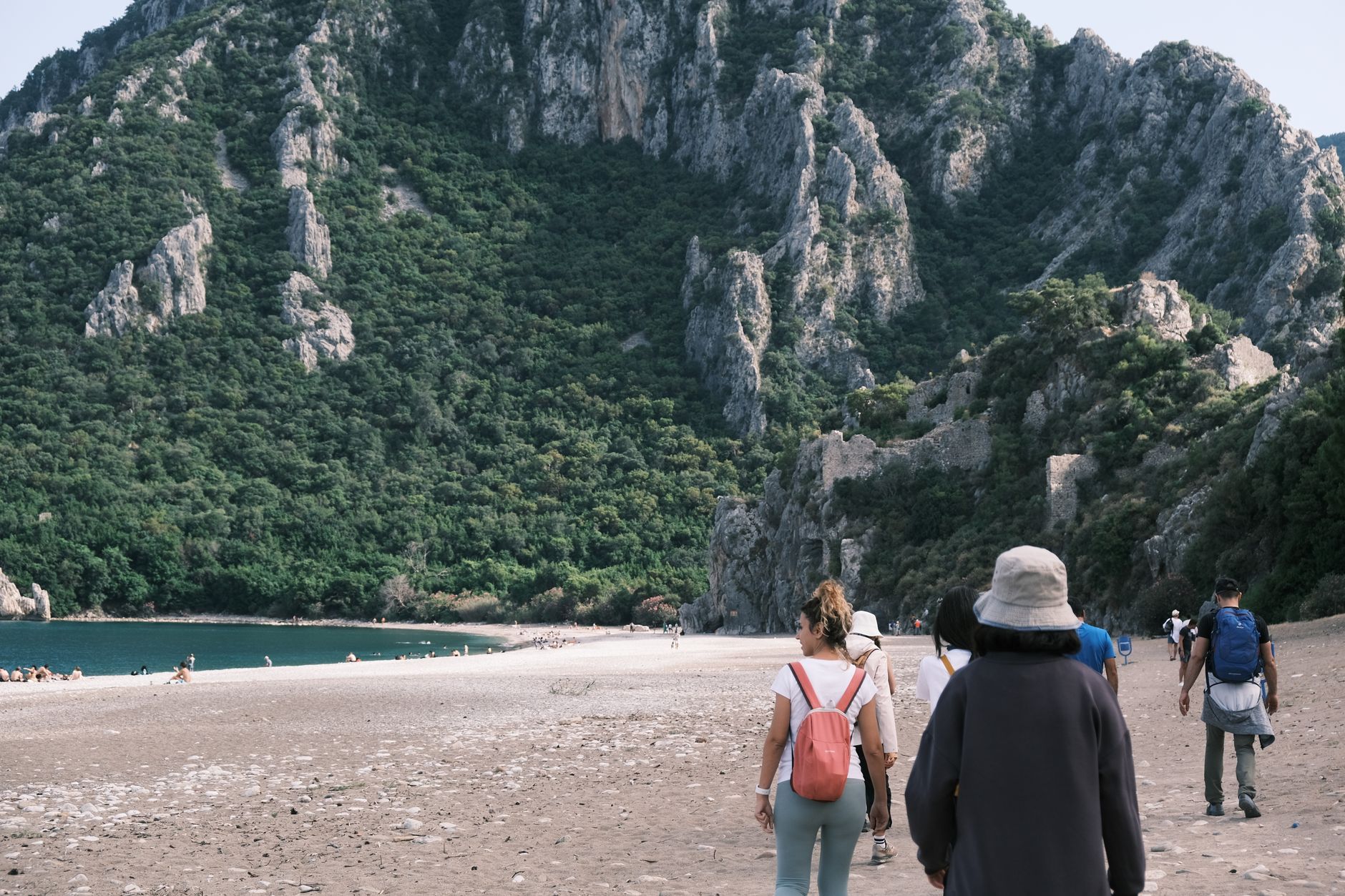
Mediterranean Secrets: Coves Near Antalya and Mersin
East of Antalya, the coastline becomes more rugged and less developed. The Cirali area is known for its eternal flames and loggerhead turtles, but just north of the main beach lies Olympos Cove. Accessible via a 15-minute walk from the Olympos ruins, this pebble-and-sand beach is often empty in the early morning. The water is calm and shallow, ideal for a leisurely swim. A few treehouse camps and small pensions operate nearby, offering basic meals and cold drinks.
Further east, around Kemer, most bays are dominated by hotels, but Phaselis—an ancient Lycian city—has three small coves that are open to the public. The northernmost cove is the quietest, with a sandy bottom and clear water. Entry is via the archaeological site (small fee), and there are toilets and a café on-site. It's a wonderful place to combine history with a swim, and the calm water makes it suitable for slow swimmers of all abilities.
On the Mersin coast, the Kızkalesi area is popular, but if you drive 20 minutes west to Narlıkuyu, you'll find a series of small bays tucked between banana plantations. Adamkayalar Bay is a particular gem: a pebble beach with a freshwater spring nearby, and no facilities. The sea is usually flat, and the absence of crowds means you can float undisturbed. Bring everything you need and take all waste away. Local farmers sometimes sell fresh fruit by the roadside—a perfect addition to a picnic.
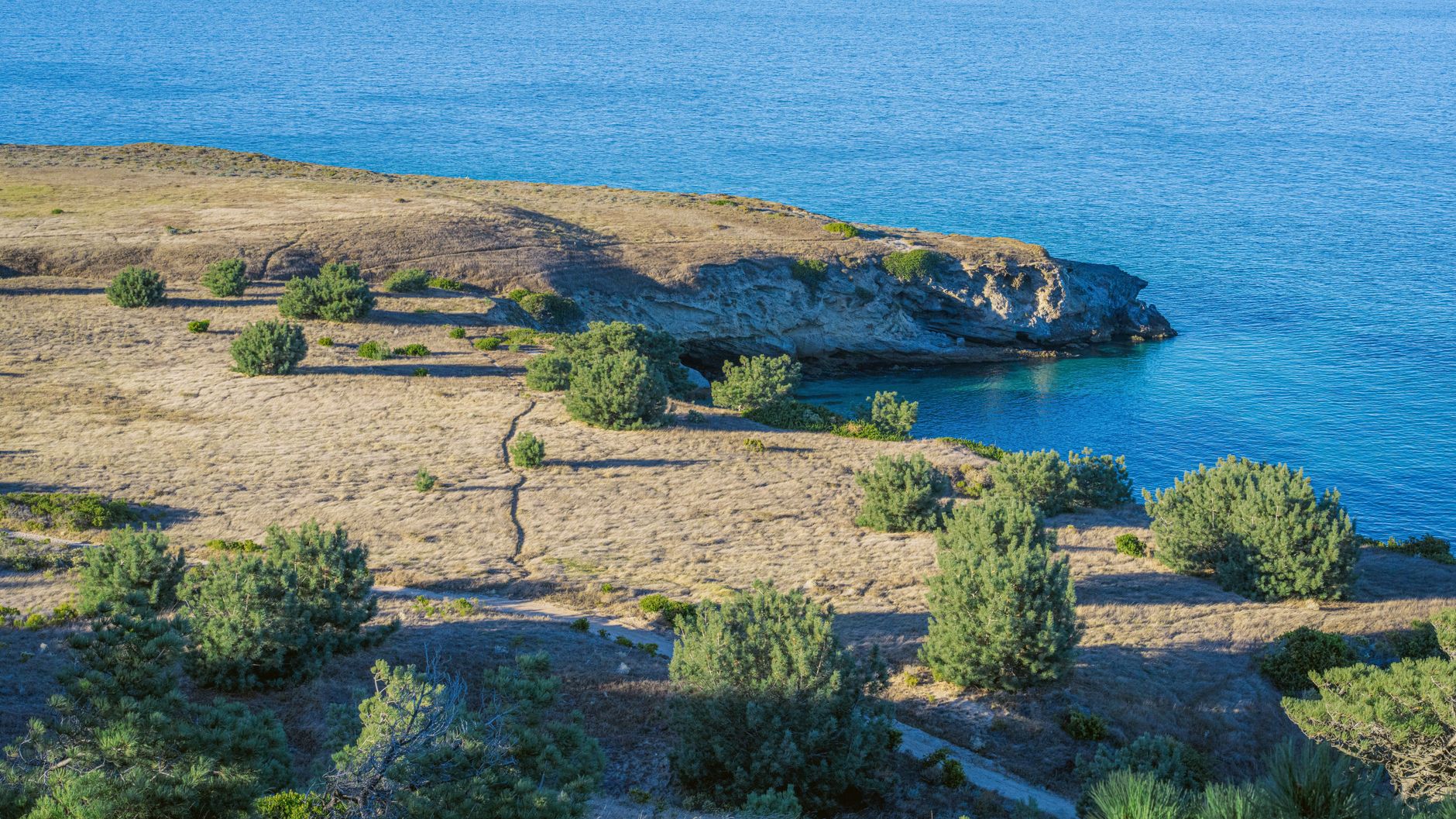
Black Sea and Marmara: Underrated Pebble Beaches
The Black Sea may not be the first region that comes to mind for swimming, but its summer waters are refreshing and the scenery is lush. Near Sinop, Akliman Beach is a long pebble stretch backed by pine forests. The water is clean and calm in summer, and the beach is rarely crowded on weekdays. There are a few simple cafes and picnic tables, but no sunbed rentals. It's a great spot for a quiet swim followed by a hike in the surrounding hills.
On the Marmara coast, the Kapıdağ Peninsula offers a multitude of hidden coves. Kirazlı Manastır Bay, near the village of Turanköy, is a serene pebble beach accessible via a dirt road. The water is calm and shallow, perfect for slow swimming, and the surrounding hills are covered in olive groves. There are no amenities, so bring supplies. The peninsula is also known for its vineyards and seafood restaurants—a rewarding stop after a day at the beach.
Closer to Istanbul, the Şile area has several quiet beaches if you know where to look. Kumbaba Beach, a few kilometres west of Şile town, is pebbly and often overlooked by day-trippers. The water is clean, and the beach is backed by a protected forest. There's a small café in summer, but no sunbeds. It's a lovely escape from the city, though weekends can be busier. For a truly secluded experience, hike 30 minutes along the coast to Değirmençayırı Cove, a tiny pocket of pebbles with no facilities and calm, deep water.
Practical Tips for Visiting Quiet Coves
Reaching these hidden beaches often requires a bit of planning. A rental car is the most flexible option, as many coves are off the main dolmuş routes. If you rely on public transport, research schedules carefully and be prepared for a walk—sometimes 20–30 minutes from the nearest road. Always carry enough water, snacks, and a basic first-aid kit, as amenities are scarce.
Footwear matters: many of these beaches are pebbly or rocky, so water shoes or sturdy sandals will make entry and exit much more comfortable. Bring a dry bag for your phone and valuables, and consider a lightweight shade tent or umbrella, as natural shade is limited. Sea conditions can change quickly; check local forecasts and avoid swimming in high winds or strong currents.
Respect local customs and the environment. Dress modestly in villages, ask before photographing people, and never leave litter behind. Many of these areas are protected; stay on marked paths, don't disturb wildlife, and avoid removing shells, stones, or plants. If you build a fire, use an existing fire ring and fully extinguish it. By treading lightly, you help keep these coves pristine for future generations.
Respectful Travel: Protecting Türkiye's Hidden Shores
Türkiye's quiet beaches are fragile ecosystems. Seagrass meadows, sand dunes, and pebble shores support a rich variety of marine life, including sea turtles, dolphins, and monk seals. Avoid anchoring on seagrass, never chase or touch marine animals, and keep a respectful distance. Use reef-safe sunscreen or cover up with a rash guard to reduce chemical pollution.
Waste management is crucial. Even organic waste like fruit peels can disrupt the local balance. Pack out everything you bring in, including cigarette butts and micro-trash. If you see litter left by others, consider picking it up—a small act that makes a big difference. Support local businesses by buying from village shops and eateries, and consider staying in eco-friendly pensions that prioritise sustainability.
Finally, travel during shoulder seasons (May–June, September–October) to reduce pressure on these areas and enjoy milder temperatures. By choosing quieter spots and practising leave-no-trace principles, you become part of the solution, ensuring that Türkiye's hidden beaches remain serene and welcoming for years to come. For more inspiration on sustainable travel, explore our guides and blog.
Thinking about a trip to Turkey?
Share your contact details and a vetted local expert will follow up with a plan built around you — free, no obligation.