

Step into any of Türkiye's historic grain markets or spice bazaars and you are immediately enveloped in a symphony of scents, colors, and sounds. The air is thick with the perfume of cumin, sumac, and dried mint, mingling with the sweet aroma of Turkish delight and the earthy scent of bulgur and lentils. Vendors call out greetings, offering tastes of honey, olives, and pistachios, while pyramids of ruby-red pul biber and golden saffron catch the light. These markets are not merely places to shop—they are living museums of Ottoman trade, where the art of hospitality and the joy of abundance are on full display.
In this guide, we journey through four of Türkiye's most captivating bazaar cities: Istanbul, Gaziantep, Şanlıurfa, and Izmir. Each has its own character, yet all share a commitment to generous vendor culture and breathtaking presentation. Whether you are a curious traveler, a home cook, or a souvenir hunter, you will find practical tips on haggling etiquette, tasting suggestions, and how to bring edible treasures home.
Istanbul: The Spice Bazaar and Beyond
No visit to Istanbul is complete without a wander through the Mısır Çarşısı (Egyptian Bazaar) in Eminönü. Built in 1664 as part of the New Mosque complex, this L-shaped covered market is the city's most famous spice hub. As you stroll beneath its painted arches, you'll pass stalls piled high with every spice imaginable: vibrant kırmızı pul biber (red pepper flakes), fragrant isot pepper, tangy sumac, and the ubiquitous seven-spice mix known as baharat. Vendors enthusiastically offer samples, encouraging you to smell, taste, and compare.
Beyond spices, the bazaar is a treasure trove of dried fruits, nuts, Turkish delight (lokum), and caviar. Don't miss the opportunity to try dried figs stuffed with walnuts, or the delicate, paper-thin pastırma (cured beef) that melts on the tongue. For a deeper dive, head to the nearby Kadıköy Market on the Asian side, where locals shop for grains, legumes, and pickles. The atmosphere is less touristy but equally vibrant, with vendors who take pride in explaining the origins of their goods.
For a truly immersive experience, visit on a weekday morning when the market is less crowded. Start with a Turkish breakfast at a nearby café, then slowly make your way through the stalls, tasting as you go. Remember that in Istanbul's bazaars, prices are often negotiable, especially for larger purchases. A friendly smile and a few words of Turkish—like "Merhaba" (hello) and "Ne kadar?" (how much?)—go a long way.
Gaziantep: The Pistachio Capital
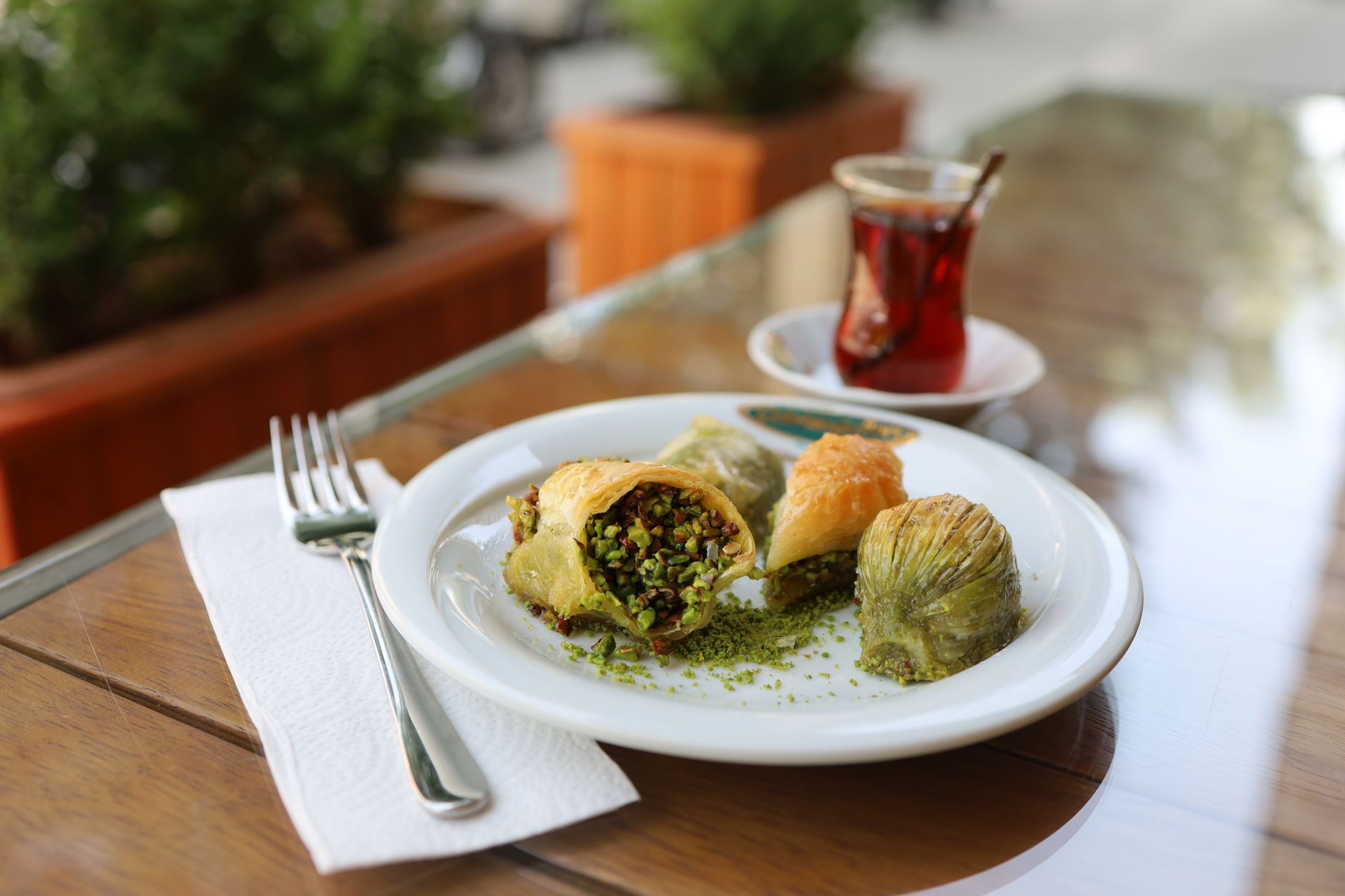
Gaziantep, in southeastern Türkiye, is a UNESCO Creative City of Gastronomy and the undisputed pistachio capital of the world. Its historic markets, such as the Elmacı Pazarı and the Bakırcılar Çarşısı (Coppersmiths' Bazaar), are a feast for the senses. Here, the air is sweet with the scent of freshly roasted Antep fıstığı (pistachios), and stalls overflow with mountains of the vivid green nuts, alongside dried apricots, sun-dried tomatoes, and spicy pepper pastes.
The city is also famous for its baklava, and many shops in the market offer free samples. Watch as skilled artisans layer paper-thin yufka with clarified butter and pistachios, then bake it to golden perfection. Pair a piece with a cup of strong Turkish tea for the ultimate indulgence. For savory lovers, the spice bazaar offers unique blends like the tangy, dark red isot pepper, which is dried and smoked to achieve its distinctive flavor.
Haggling in Gaziantep is more relaxed than in Istanbul's tourist centers. Vendors often engage in friendly banter, and a good-natured negotiation is part of the experience. Be sure to try the local specialty, katmer, a flaky pastry filled with pistachios and clotted cream, often sold fresh from the oven in the market.
Şanlıurfa: A Journey Through Time
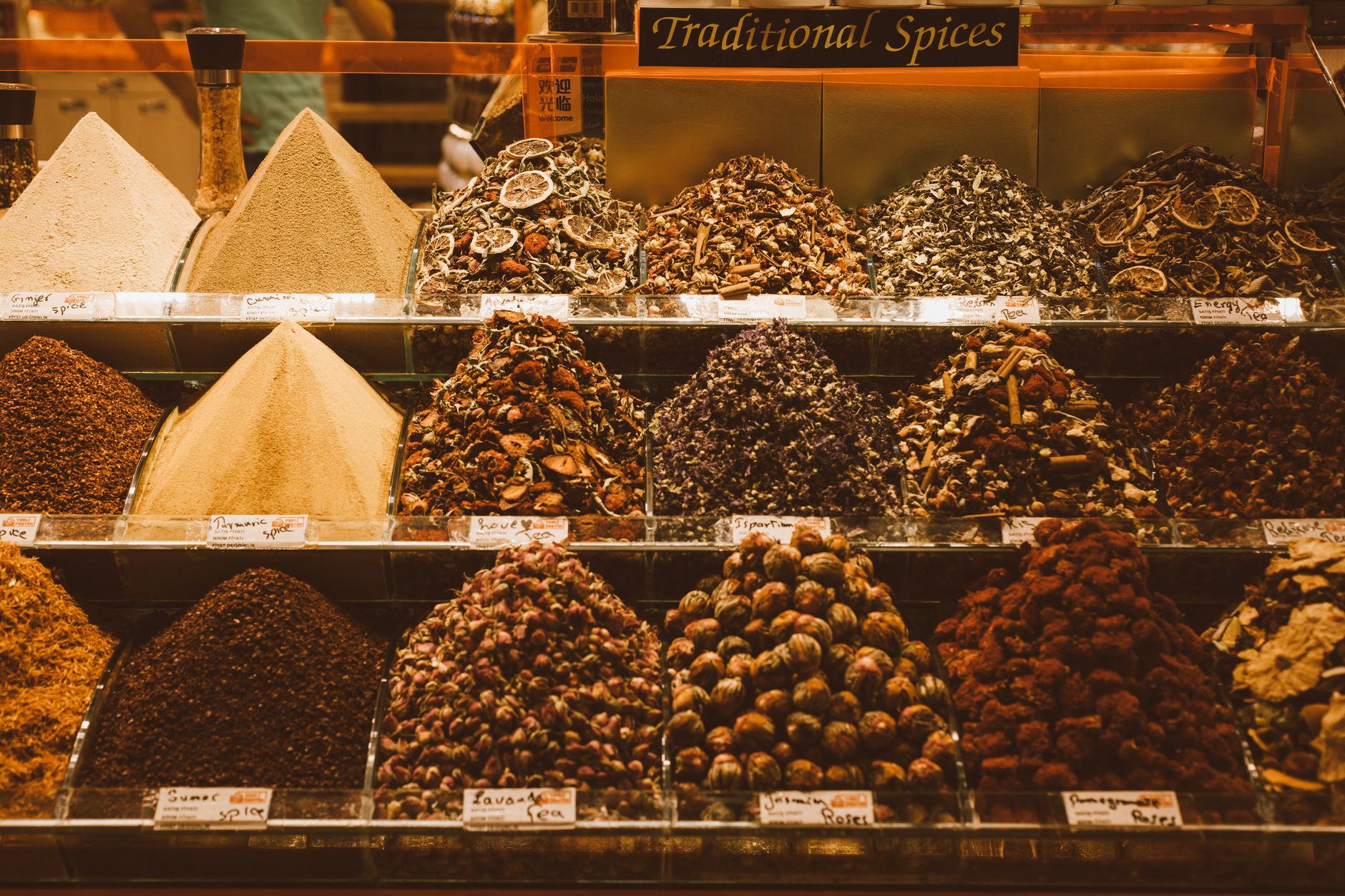
Şanlıurfa, known as the "City of Prophets," boasts a historic bazaar that feels like stepping back into the Silk Road era. The Gümrük Hanı and the surrounding market streets are alive with the aroma of spices, herbs, and roasted coffee. This is the place to find rare ingredients like black cumin, dried okra, and the fiery Urfa pepper, which is prized for its rich, smoky flavor.
The market is also a great spot to sample local delicacies. Try çiğ köfte (a spicy bulgur mixture, often served as a vegetarian version), kebab varieties, and the sweet, syrup-soaked şöbiyet. Vendors are generous with tastes, and many will share stories of their family's trading history. For a unique souvenir, pick up a bag of Urfa pepper or a jar of locally produced pomegranate molasses.
While in Şanlıurfa, don't miss the chance to explore the nearby Gölbaşı area, where you can enjoy a cup of menengiç coffee (made from wild pistachios) while overlooking the sacred fish ponds. The bazaar itself is less crowded than Istanbul's, allowing for leisurely browsing and genuine interactions with locals.
Izmir: Aegean Flavors and Fresh Herbs
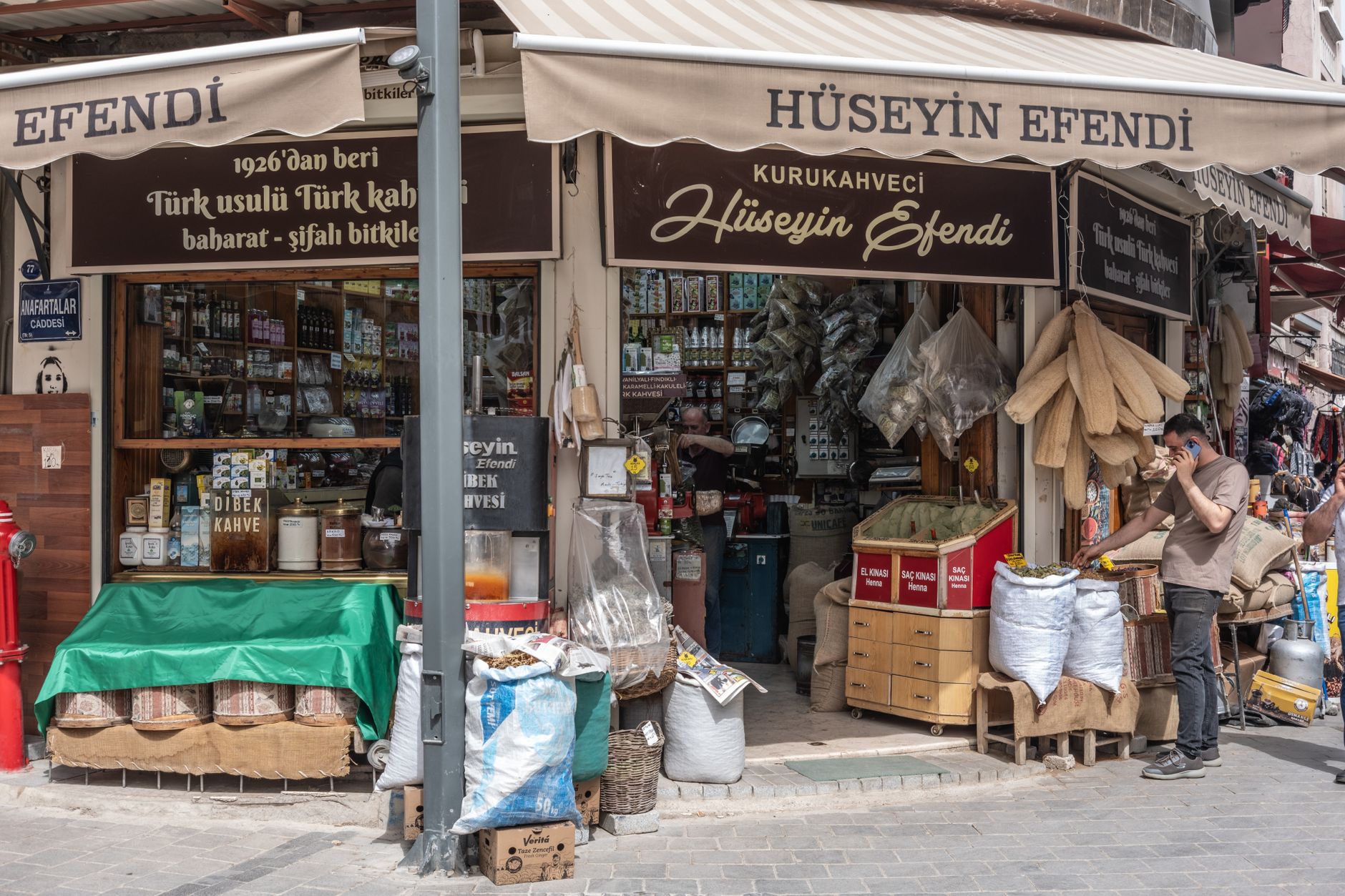
Izmir's Kemeraltı Bazaar is one of the oldest and largest markets in the world, a sprawling labyrinth of streets filled with spices, dried fruits, and Aegean specialties. The air here carries the scent of oregano, thyme, and bay leaves, alongside the briny aroma of olives and cheeses. This is the place to stock up on high-quality olive oil, dried tomatoes, and the region's famous figs.
The bazaar is also a food lover's paradise, with numerous eateries serving local dishes like boyoz (a flaky pastry) and kumru (a sandwich with cheese, tomato, and sausage). Vendors are known for their warm hospitality, often inviting you to taste before you buy. For a sweet treat, try the lokma (fried dough soaked in syrup) sold by street vendors.
Haggling in Kemeraltı is common but friendly. Start by asking for a discount, and be prepared to walk away if the price doesn't suit you—often, the vendor will call you back with a better offer. Remember to bring cash, as many small stalls do not accept credit cards.
Haggling Etiquette: The Art of the Deal
Haggling is an integral part of Turkish bazaar culture, but it's important to approach it with respect and good humor. Here are some practical tips:
- Do your research: Before you start negotiating, know the approximate value of the item. Compare prices at a few stalls to get a sense of the market rate.
- Be friendly: A smile and a polite demeanor will get you further than aggressive tactics. Remember that haggling is a social interaction, not a confrontation.
- Start low: Begin by offering about 50-60% of the asking price, then work your way up. If the vendor doesn't budge, you can always walk away—sometimes they'll call you back with a counteroffer.
- Buy in bulk: If you're purchasing multiple items, use that as leverage for a better price.
- Know when to stop: If the vendor seems offended or the price is already fair, accept it gracefully. Not every transaction requires haggling.
Remember that in tourist-heavy areas like Istanbul's Spice Bazaar, prices are often inflated, so haggling is expected. In smaller markets, however, prices may be fixed, especially for food items sold by weight.
Tasting Suggestions: What to Try and How
Turkish bazaars are a playground for the palate. Here are some must-try items and tips for tasting:
- Spices: Don't be shy—ask to smell and taste spices before buying. Popular choices include pul biber, sumac, cumin, and cinnamon. For a unique flavor, try isot pepper from Gaziantep or Urfa pepper from Şanlıurfa.
- Nuts and dried fruits: Pistachios from Gaziantep, dried figs from Izmir, and apricots from Malatya are all exceptional. Look for nuts that are plump and uniform in color.
- Turkish delight: Sample different varieties, from rosewater to pomegranate and pistachio. Good lokum should be soft, not rubbery, and lightly dusted with powdered sugar.
- Cheeses and olives: In Izmir's Kemeraltı, try local cheeses like izmir tulum and oil-cured olives.
- Street food: In Gaziantep, don't miss the chance to taste katmer or baklava. In Istanbul, grab a simit (sesame bagel) or a cup of boza (fermented millet drink) in winter.
When tasting, be mindful of hygiene. Choose stalls with high turnover, and avoid items that have been sitting out for long periods. If you have dietary restrictions, ask about ingredients—many vendors are happy to accommodate.
Bringing Edible Souvenirs Home
Bringing a taste of Türkiye home is a wonderful way to extend your travels. However, there are some practical considerations:
- Customs regulations: Check your country's import rules for food items. Most countries allow packaged spices, dried fruits, and nuts, but fresh produce and meat products are often restricted.
- Packaging: Buy vacuum-sealed or well-wrapped items to prevent spills and preserve freshness. Spices can be transferred to airtight containers at home.
- Weight limits: Be mindful of airline luggage weight limits—spices and nuts can be heavy. Consider shipping items if you're buying in bulk.
- Best souvenirs: Turkish delight, baklava (if properly sealed), spice blends, dried fruits, olive oil, and pomegranate molasses are all excellent choices. Avoid anything that requires refrigeration.
For the best quality, purchase from reputable vendors who specialize in exports. Many shops in Istanbul's Spice Bazaar offer vacuum-sealing services for a small fee.
Final Thoughts: A Sensory Journey
Türkiye's historic grain markets and spice bazaars are more than shopping destinations—they are cultural experiences that engage all the senses. From the vivid colors of saffron and sumac to the warm hospitality of vendors who offer tastes without hesitation, these markets embody the generous spirit of Turkish culture. Whether you're haggling for a bag of pistachios in Gaziantep or sipping tea in Şanlıurfa's Gümrük Hanı, you'll come away with memories—and flavors—that last a lifetime.
So pack your appetite and your sense of adventure, and immerse yourself in the vibrant world of Turkish bazaars. Your taste buds will thank you.
Thinking about a trip to Turkey?
Share your contact details and a vetted local expert will follow up with a plan built around you — free, no obligation.