
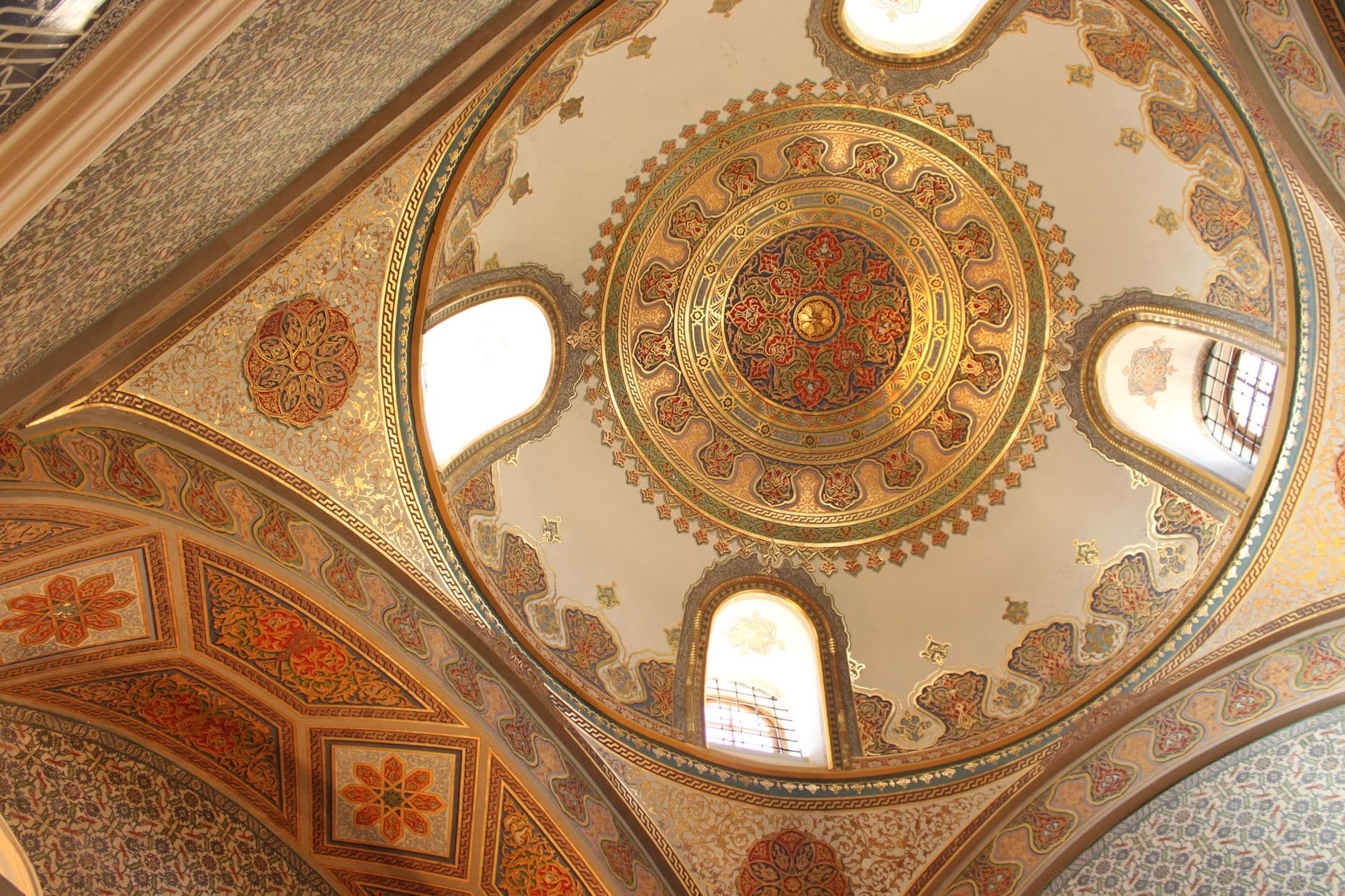
Steam, Stone and Ceremony: Türkiye's Hammam Heritage
For centuries, the hammam has been more than a place to wash. In Türkiye, these domed stone complexes were social hubs, spaces of ritual purification, and architectural showcases of Ottoman engineering and artistry. Today, many historic baths have been lovingly restored and opened as museums, inviting travelers to step into a world of marble, steam and centuries-old tradition. This heritage trail takes you through some of the most remarkable hammam museums in cities like Bursa, Istanbul and Şanlıurfa, where you can admire the craftsmanship and learn about the rituals that shaped daily life.
Unlike a spa guide, this journey focuses on the craft and architecture of these fascinating heritage sites. You'll discover how Ottoman architects designed spaces to control light, heat and humidity, and how the hammam ritual blended hygiene, religion and community. Whether you're a history buff, an architecture enthusiast, or simply curious about Turkish culture, these hammam museums offer a unique window into the past.
Before you set out, it's wise to check opening hours, as many small museums operate on reduced schedules or close on certain days. We'll provide practical tips throughout to help you plan a smooth visit. For more general advice on navigating Türkiye's cultural sites, see our guides section.
The Architecture of the Hammam: Domes, Light and Marble
Ottoman hammams are masterpieces of functional design. The typical layout includes a cold room (camekân), a warm room (ılıklık), and a hot room (sıcaklık or hararet), each with its own temperature and purpose. The hot room is often the most striking, crowned by a large central dome pierced with small glass openings—the famous "elephant eyes"—that cast beams of light through the steam. This creates an ethereal atmosphere that has inspired travelers for centuries.
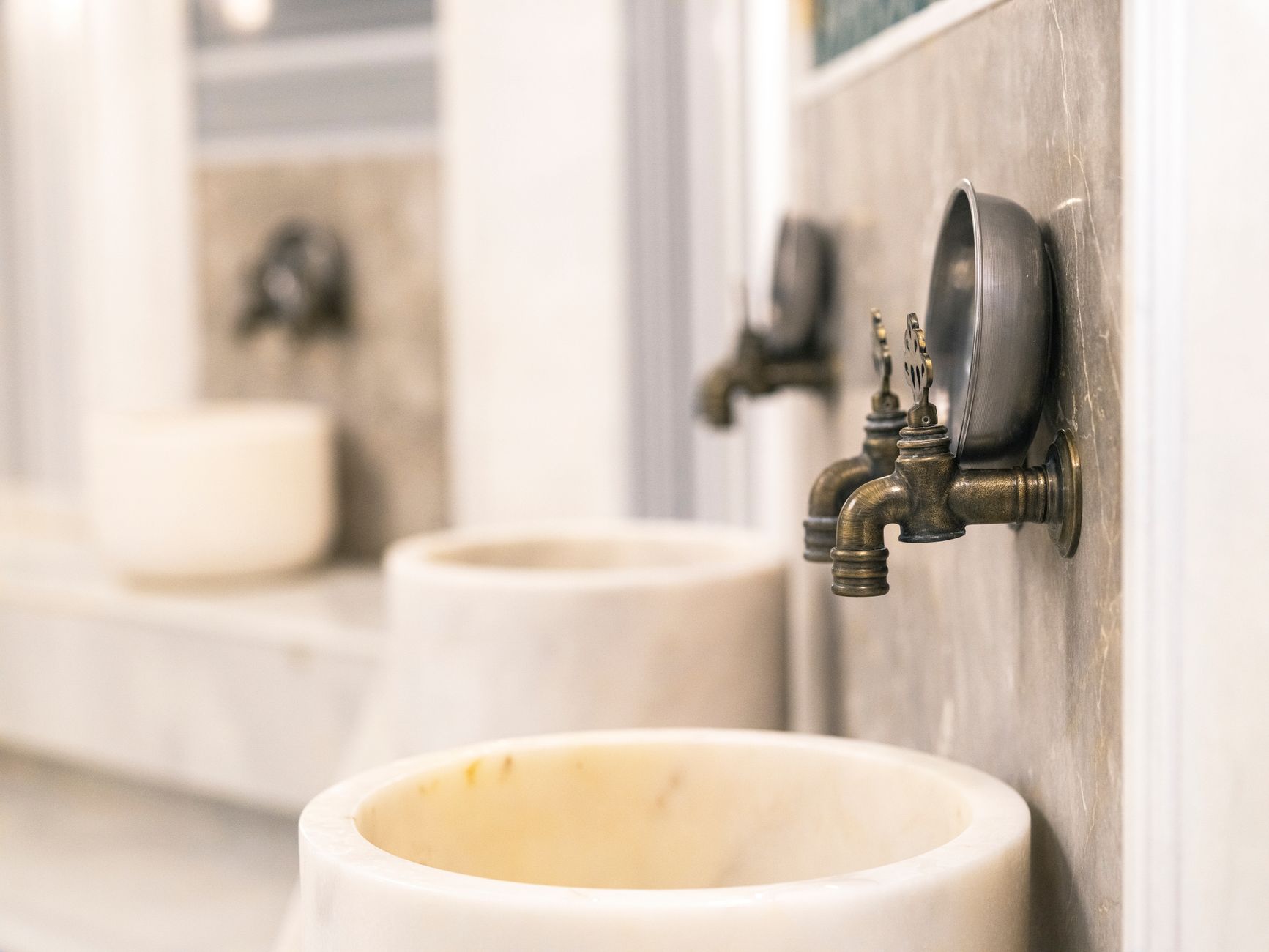
Marble is the defining material: floors, basins (kurnas), and walls are clad in it, often in contrasting colors. The craftsmanship extends to intricate carvings, muqarnas vaulting, and sometimes Iznik tiles. Heating comes from a hypocaust system beneath the floor, with hot air circulating through channels, a technique inherited from Roman baths. The architecture is not just beautiful but highly efficient, maintaining a consistent temperature and humidity.
In Bursa, the hammams of the early Ottoman period show a transition from Seljuk to Ottoman styles, with simpler domes and more modest decoration. In Istanbul, the grand baths commissioned by sultans and viziers display the pinnacle of classical Ottoman architecture, with soaring domes and elaborate stonework. Şanlıurfa's hammams, influenced by local Islamic and perhaps even earlier traditions, offer a different flavor, often integrated into larger complexes.
"The hammam is a poem of stone, water and light," wrote one 19th-century traveler. "To enter is to leave the world behind."
To appreciate these details, visit with a knowledgeable eye. Look up at the domes, trace the patterns in the marble, and notice how light and shadow play across the surfaces. For more on architectural heritage in Türkiye, explore our destinations pages.
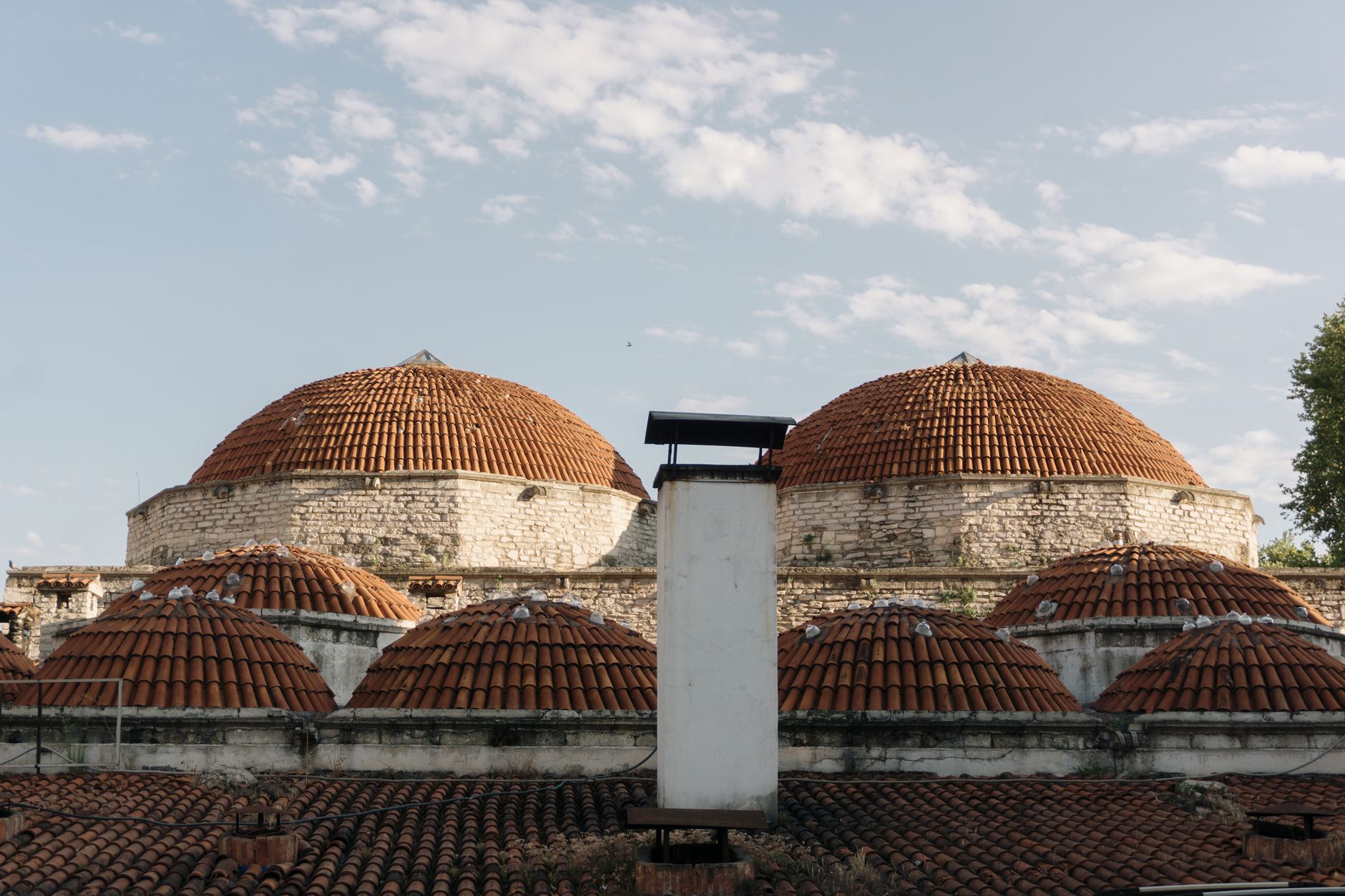
Bursa: The Cradle of Ottoman Bathing Culture
Bursa, the first capital of the Ottoman Empire, is home to some of the oldest surviving hammams. The Hammam Museum (Hamam Müzesi) in the Tophane district is a must-visit. Housed in a restored 14th-century bath, it traces the history of bathing in Bursa with artifacts, models and informative displays. The building itself retains its original domes and marble basins, offering a tangible sense of the past.
Another gem is the Yeni Kaplıca, a historic hot spring bath complex built in the 16th century by Rüstem Pasha. While still functioning as a bath, parts of it serve as a museum, showcasing the elegant architecture and the therapeutic traditions of thermal waters. The setting, with its lush gardens and old trees, adds to the experience.
Don't miss the Irgandı Bridge area, where several historic hammams cluster. The Kayhan Hammam, though less visited, impresses with its atmospheric domed interior. Bursa's hammams often reflect the city's role as a crossroads, blending Byzantine, Seljuk and Ottoman elements.
Visiting tips: Bursa's hammam museums typically open from 9am to 5pm, but some close for lunch and on Mondays. The Hammam Museum is small and may have limited English signage, so consider hiring a guide. For more on Bursa's attractions, see our blog.
Istanbul: Imperial Baths and Living History
Istanbul boasts an extraordinary collection of historic hammams, many still in operation but with museum-like qualities. The Çemberlitaş Hammam, designed by the great architect Mimar Sinan in the 16th century, is one of the most beautiful. While it functions as a spa, visitors can admire its architecture from the reception area, and guided tours are sometimes available. The grand dome and marble interior are breathtaking.
For a more museum-focused experience, the Galatasaray Hammam offers a glimpse into 18th-century bathing, with its ornate changing rooms and historic ambiance. Nearby, the Historic Galatasaray Hamamı has been restored and occasionally hosts exhibitions. The Şehzadebaşı Hammam, though less accessible, is notable for its association with Ottoman princes.
A short ferry ride to the Asian side brings you to the Kadıköy Hammam, a lesser-known but charming historic bath. The Zeyrek Çinili Hammam, recently restored, is a masterpiece of tilework and architecture, and it now operates as a cultural center with a small museum section.
Opening-hour caution: Many hammams in Istanbul double as active baths, so museum access may be limited to certain hours or require a booking. Always check ahead. Some, like the Çemberlitaş, are open daily but may close early on Sundays. For detailed itineraries including hammam visits, see our itineraries.
Şanlıurfa: Ancient Waters and Prophetic Legends
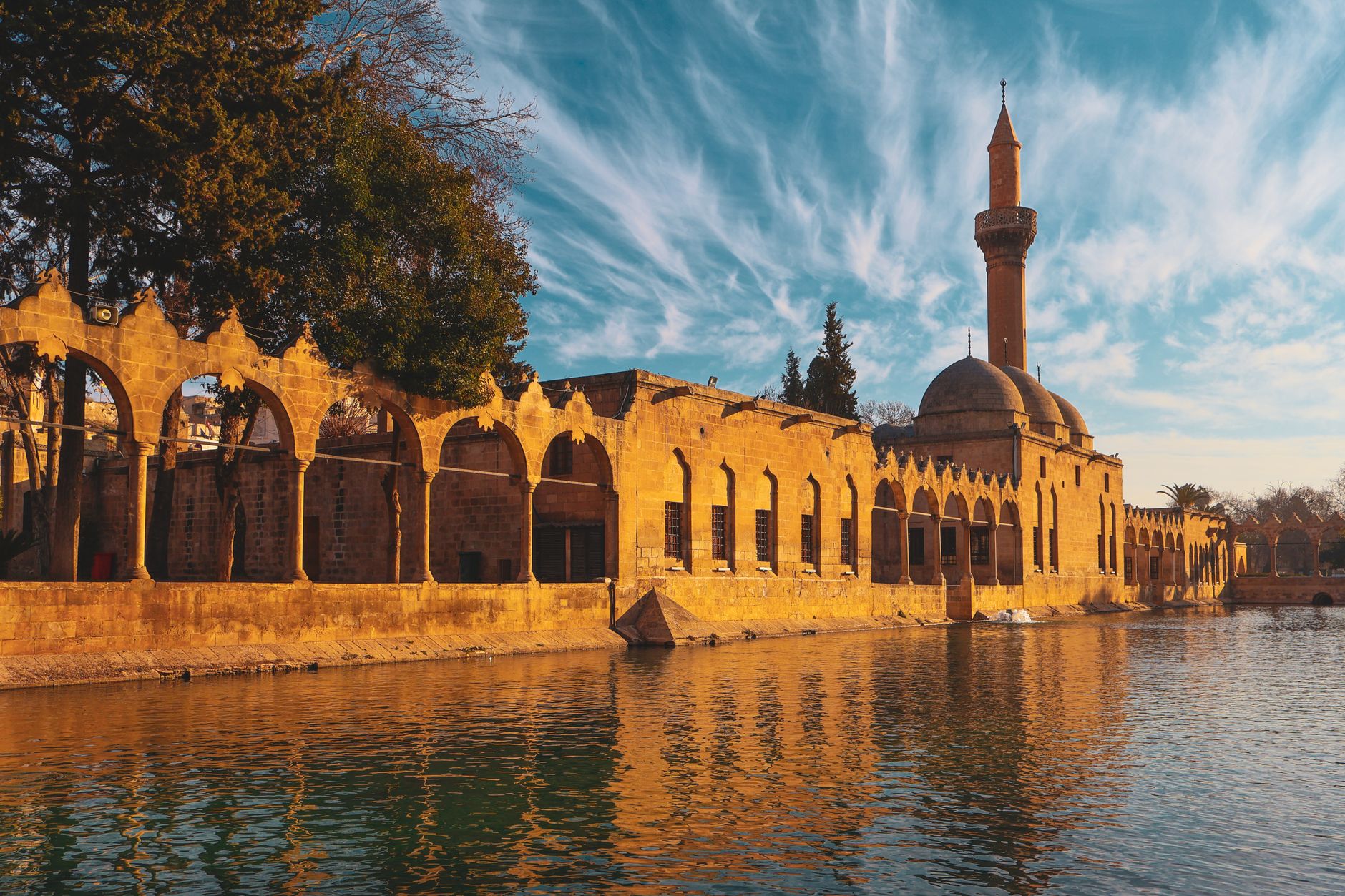
Şanlıurfa, known as the "City of Prophets," has a unique bathing heritage tied to Abraham and local legends. The Halilürrahman Lake and the nearby Rızvaniye Mosque complex include historic baths, though these are not always open as museums. The Şanlıurfa Hammam Museum, housed in a restored 19th-century bath, displays artifacts related to bathing culture and local traditions.
The Karahöyük Hammam is another historic site, though it requires permission to visit. More accessible is the Bedesten Hammam, near the covered bazaar, which now serves as a tea house and cultural space; its domes and marble basins are well-preserved.
Şanlıurfa's hammams often reflect the region's diverse influences—Armenian, Syriac, and Islamic—and their architecture is more austere than Istanbul's, with smaller domes and simpler decoration. The city's intense heat makes a visit to a cool, domed bath particularly refreshing.
Practical note: Museums in Şanlıurfa often have irregular hours, especially outside peak season. The Şanlıurfa Hammam Museum is typically open 9am–5pm, closed Sundays. It's best to confirm locally or via the tourist office. For more on the region, see our routes.
The Ritual: More Than a Bath
The hammam ritual is a carefully choreographed sequence. Upon entering, you're given a pestemal (thin towel) and wooden clogs. You relax in the warm room, then move to the hot room where you sweat and are scrubbed by a tellak (male attendant) or natır (female attendant) with a kese (rough mitt), removing dead skin. Then comes the soap massage, often with olive oil soap, followed by rinsing with bowls of water. The experience is both cleansing and social, with friends chatting and sharing news.
Historically, the hammam was central to major life events: births, weddings, and religious holidays. Women would spend hours there, sometimes bringing food and musicians. Men would visit before Friday prayers. The hammam also served as a place for business dealings and matchmaking.
Today, some museums recreate these rituals with mannequins and displays, while others offer live demonstrations. Understanding the ritual enhances your appreciation of the architecture—why the hot room is central and domed, why there are private alcoves, and why the cold room is spacious for relaxation.
For a deeper dive into cultural practices, see our experts page for local guides.
Practical Tips for Visiting Hammam Museums
Opening hours: Small museum-hammams often operate on limited schedules, typically 9am–5pm, with closures on Mondays or Sundays. Some close for lunch (12–1pm). Always check official sources or call ahead; hours can change seasonally.
Admission: Entry fees are usually modest (20–50 TL), but some sites are free. Bring cash in local currency.
Etiquette: If visiting an active hammam, respect the customs: undress in private changing rooms, wrap in a pestemal, and follow the attendants' instructions. Photography is often prohibited in bathing areas.
Best time to visit: Weekday mornings are quieter. Avoid Friday afternoons when locals may visit before prayers.
Accessibility: Many historic hammams have uneven marble floors and low doorways; those with mobility issues should inquire ahead.
For more practical advice, see our travel tools and FAQ.
Preserving the Steam: Conservation and Future
Many hammams fell into disrepair in the 20th century as private bathing became common. Today, a revival is underway, with municipalities and private foundations restoring these buildings. The challenge is balancing preservation with adaptive reuse—some become museums, others cafes or cultural centers.
Notable restoration projects include the Zeyrek Çinili Hammam in Istanbul, which won awards for its meticulous reconstruction of tiles and domes. In Bursa, the Hammam Museum is part of a broader effort to revitalize the historic Tophane district.
When you visit, your entrance fee contributes to upkeep. You can also support conservation by purchasing local crafts or donating to restoration funds. To learn more about heritage preservation in Türkiye, see our trust page.
As you travel this heritage trail, take a moment to appreciate the craftsmanship—the anonymous architects and artisans who created these enduring spaces. Their legacy lives on in the steam and stone.
Thinking about a trip to Turkey?
Share your contact details and a vetted local expert will follow up with a plan built around you — free, no obligation.