

Why a Konak Stay Belongs on Your Türkiye Itinerary
A konak is the traditional Ottoman townhouse: usually two or three storeys of stone or brick below and timber frame above, with a projecting upper floor, deep eaves, a courtyard or garden, and inside, a sofa (a long central hall with raised seating) and rooms arranged around it. For centuries these were the homes of merchants, officials, doctors and landowners across Anatolia and the Balkans. Many were lost to fire, neglect or 20th-century redevelopment; the ones that survived are now among the most atmospheric places you can sleep in Türkiye.
Staying in a restored konak is a different kind of travel from a chain hotel. You wake to the call to prayer echoing off stone walls, breakfast is often a village spread of jams, cheeses, olives and eggs from the garden, and the person who checks you in may be the same person who spent a decade coaxing the house back to life. It is history you can touch — sometimes literally, when you duck through a 250-year-old doorway.
This guide covers where to find the best konak stays, what distinguishes a genuinely restored heritage house from a "Ottoman-style" pastiche, how to book sensibly, and what to expect from your room once you're inside. For a wider look at the country's historic towns, see our destinations section and the themed guides.
Safranbolu: The UNESCO Town That Started the Trend
Safranbolu, in the Black Sea hinterland of Karabük province, is the undisputed capital of the konak revival. Its Çarşı (market district) and the hillside neighbourhoods of Kıranköy and Bağlar hold hundreds of protected traditional houses, and UNESCO listed the town in 1994 largely because so much of its urban fabric survived intact. Saffron — the town's namesake — was once grown and traded here, and the old bazaar still smells of it.
The classic Safranbolu stay is a family-run konak with maybe eight to fifteen rooms. You'll find stone-walled ground floors, whitewashed or timber-panelled upper rooms, low divans, kilims, and small windows with wooden shutters. The best houses have a courtyard garden with a grapevine and a havuz (a shallow ornamental pool). Many offer dinner on request — often home-style dishes like etli ekmek, stuffed vine leaves and safranlı zerde, a saffron rice pudding.
Practical notes: Safranbolu's old town is hilly and cobbled, so pack shoes you can walk in; some konaks are a 10–15 minute uphill walk from where a car can drop you. Day-trippers flood the bazaar between roughly 10am and 4pm, but once they leave, the old town becomes wonderfully quiet. A two-night stay is ideal: one day for the town, one for the surrounding villages and canyon country.
Ask your host about the house before you ask about the room. In Safranbolu, the stories — which family built it, how it was used, what was found behind a wall during restoration — are half the experience.
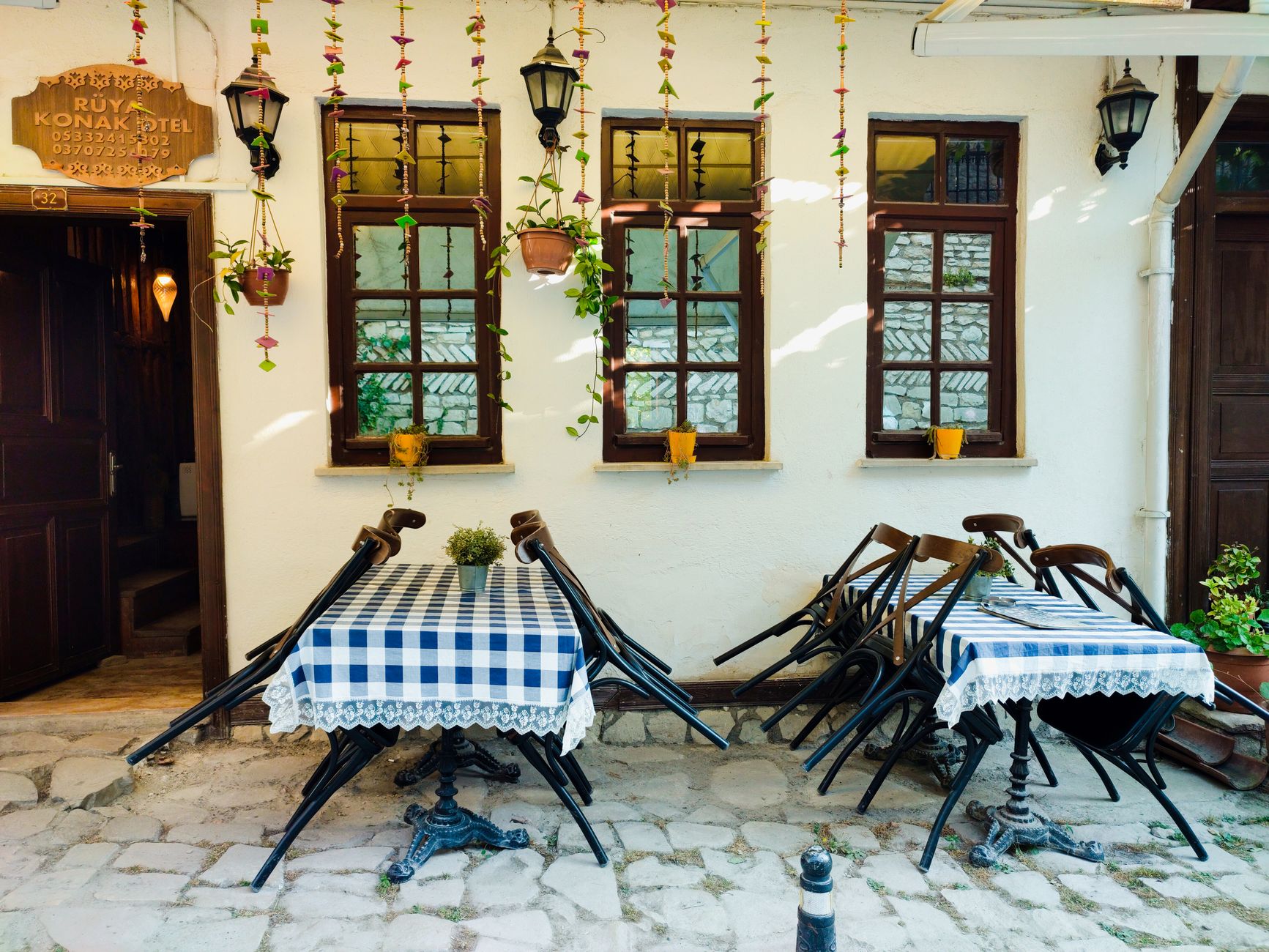
Mardin: Stone, Honey-Coloured and Full of Echoes
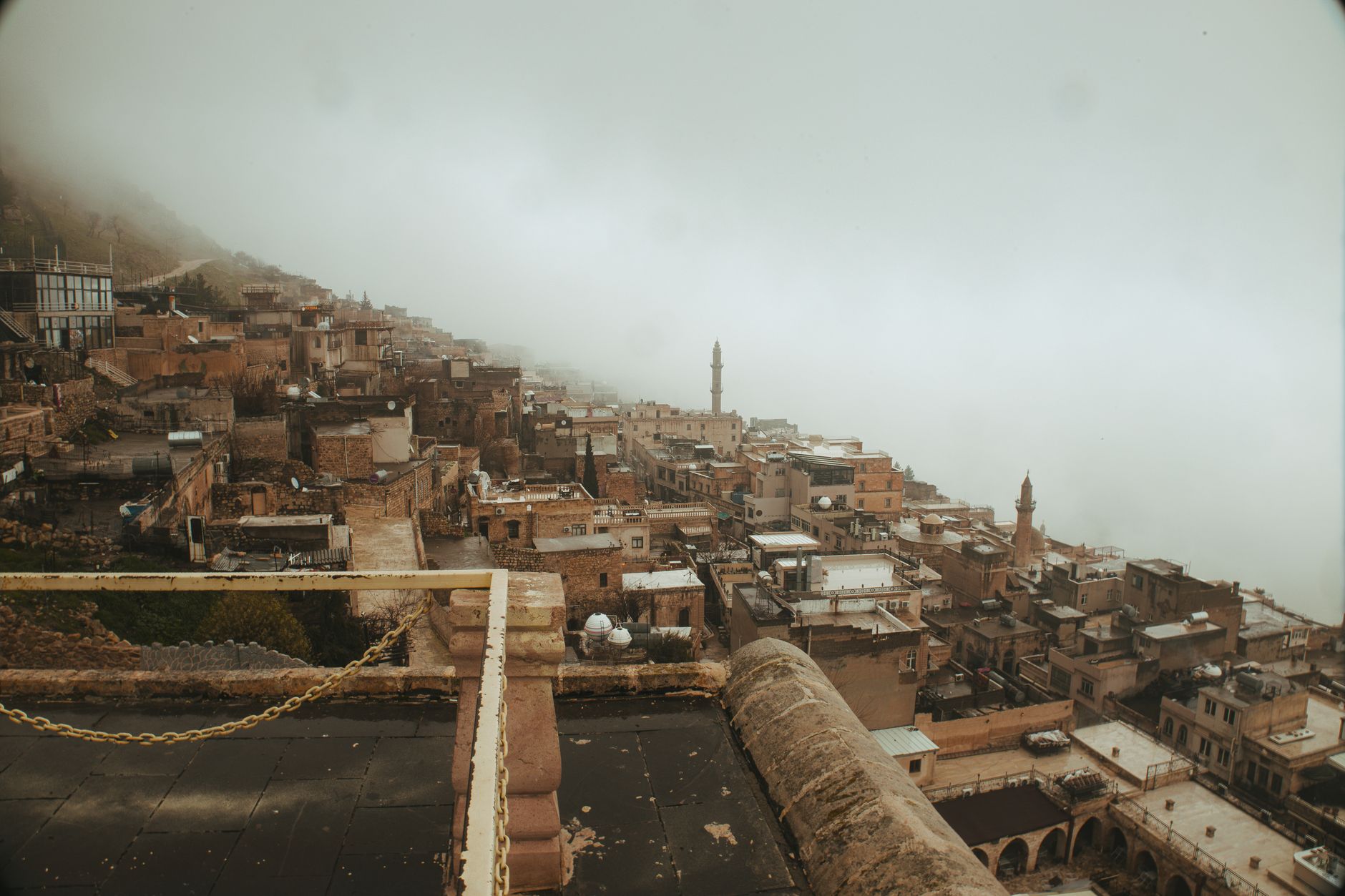
Mardin is a different flavour entirely. Perched above the Mesopotamian plain in southeastern Türkiye, its old town is a honey-coloured labyrinth of limestone, with carved doorways, vaulted passages and terraces looking out towards Syria. The grand houses here belonged to merchant and religious families — Muslim, Syriac Christian, Armenian, Assyrian — and the architecture reflects a layered, multi-communal history that makes the town one of the most moving places in the country.
Konak hotels in Mardin tend to be grander and more formal than in Safranbolu: thick stone walls, arched courtyards, rooftop terraces with views across the plain, and interiors where the design leans into the romance of the place — brass lamps, embroidered textiles, deep sofas. Some are small boutique properties with a dozen suites; others are restored family mansions run with real warmth.
Two things to know. First, Mardin's old town is genuinely steep — many hotels have steps, stairs and terraces, and accessibility can be limited; ask directly if you have mobility needs. Second, summer heat is intense, so spring and autumn are the sweet spots. Evenings on a Mardin rooftop, with the plain turning pink and the call to prayer overlapping from several mosques, are unforgettable.
Birgi: The Quiet Gem of the Aegean Interior
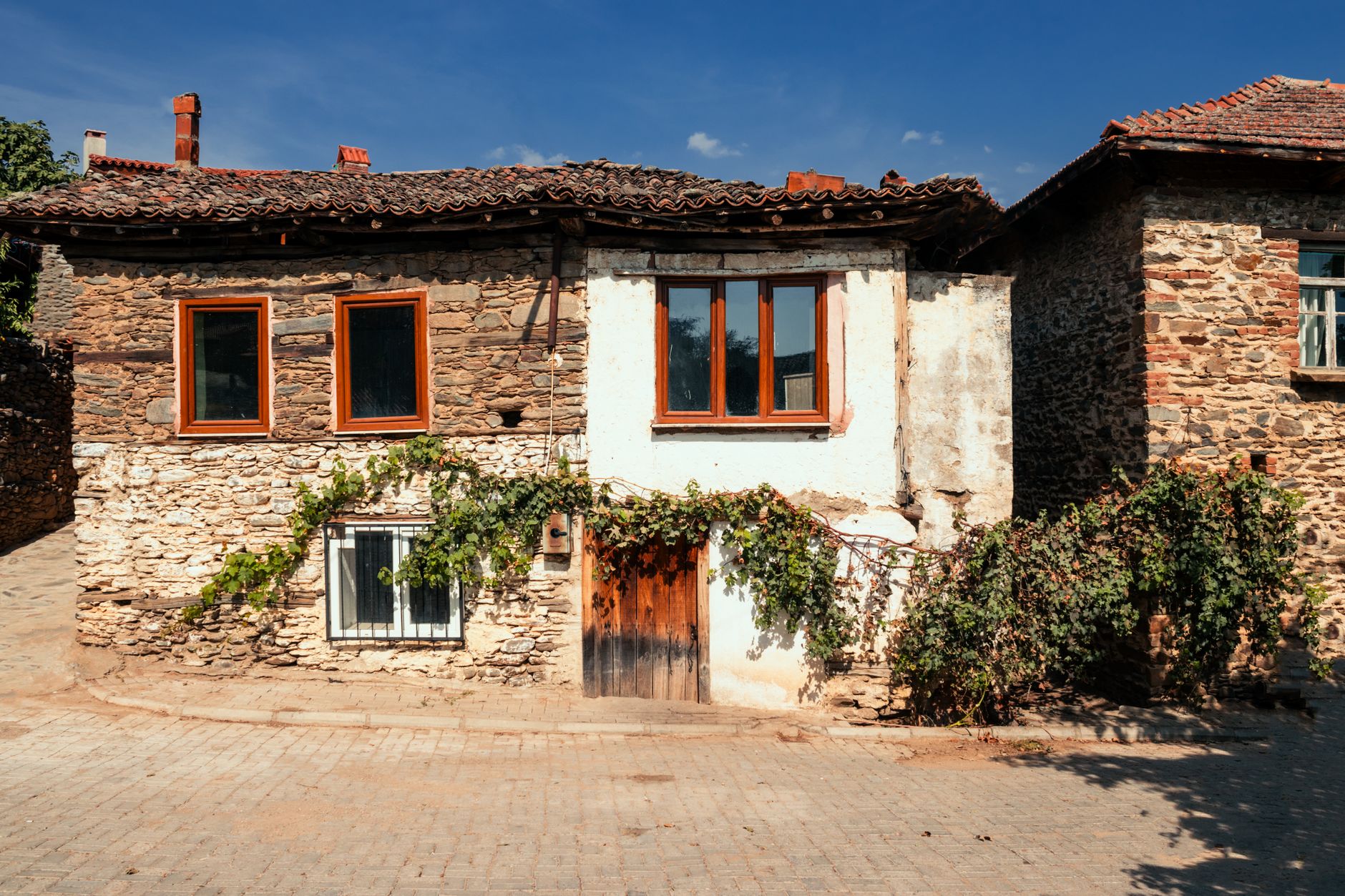
Birgi, in İzmir province near Ödemiş, is the konak destination for travellers who want authenticity without a crowd. Once an important Ottoman town, it is now a small village of stone houses, plane trees, a stream running through the centre, and several beautifully restored mansions — most famously the Çakırağa Konağı, a museum-house whose painted interior walls depict imagined views of Istanbul and the Aegean.
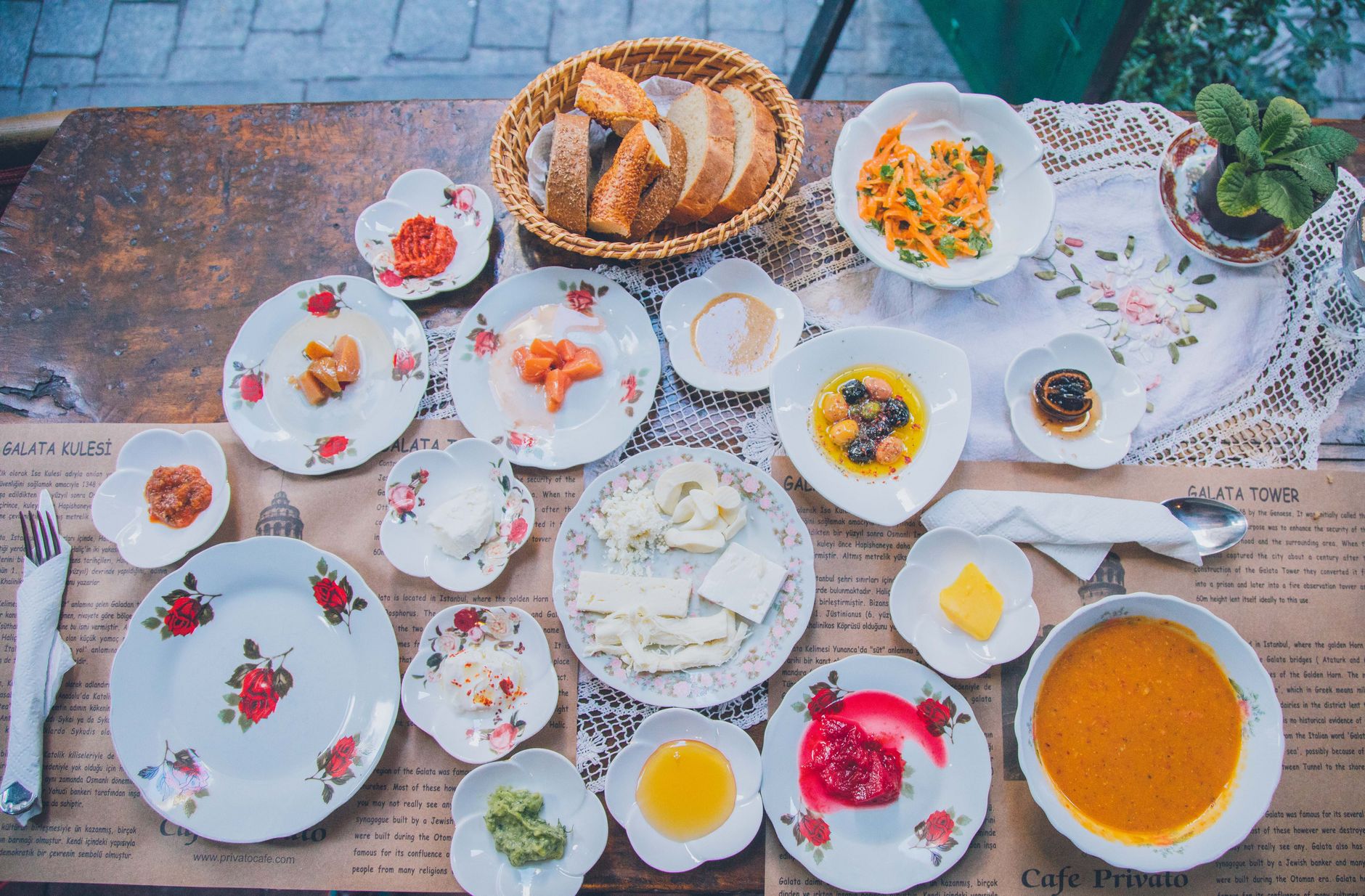
Birgi's konak stays are intimate: a handful of rooms, often in houses that have been in the same family for generations, with courtyards full of pomegranate and fig trees. Breakfasts here are Aegean in style — village olives, cheeses, walnuts, homemade preserves, eggs with herbs, and endless tea. It's the kind of place where your host might take you to the neighbour's garden to pick fruit.
The area rewards slow travel: the ancient city of Sardis is nearby, as is the market town of Ödemiş with its famous Tuesday market, and the Bozdağ mountains are close enough for a day out. Pair Birgi with the Aegean coast using our routes section, and check the best time to visit before you commit to midsummer.
Beyond the Big Three: Other Konak Towns Worth Knowing
Amasya is one of Türkiye's most beautiful settings: Ottoman houses along the Yeşilırmak river, with rock-cut tombs above and a citadel on the ridge. Its restored Yalıboyu houses include several small hotels with river-facing rooms. Kula, in Manisa province, has a well-preserved street of traditional houses and a growing cluster of small guesthouses. Beypazarı, near Ankara, is a handy stopover with a compact old town of restored houses. Göynük and Taralya in Bolu province and Cumalıkızık near Bursa offer quieter alternatives, while Antakya and Gaziantep have their own rich traditions of courtyard houses — though conditions and restoration vary, so research current status carefully.
On the Aegean and Mediterranean coasts, towns like Ayvalık, Assos and Kaş mix Greek and Ottoman heritage with small boutique conversions. These tend to be pricier but often combine heritage architecture with sea views. For cultural routes that thread several of these towns together, browse the itineraries.
Reading the Room: What to Expect from a Heritage Stay
Restored konaks are wonderful, but they are not standardised. Rooms vary enormously even within one house — the corner room with two windows and a sofa may be delightful, while the interior room next to the stairs may be small and dark. Ask for photos of the specific room you're booking, not just the hotel's best angle.
Expect character, and its companion, compromise. That means creaking timber floors, low doorways (watch your head), uneven steps, and thin interior walls in some conversions. Heating can be uneven — many old houses rely on split systems and stoves, so ask about winter warmth if you're travelling in the colder months. Bathrooms in heritage buildings are often compact and tucked into former alcoves; some houses have no lift and steep stairs, which matters for heavy luggage and anyone with limited mobility.
What you gain is atmosphere you can't manufacture: thick stone walls that keep summer heat at bay, shuttered windows opening onto a courtyard, breakfast under a vine, and hosts who know the town's stories. Read recent reviews specifically for noise, heating and bathroom comments, and message the property directly with any must-haves before booking.
Booking Advice: How to Choose Well and Avoid Disappointment
Book direct when you can. Small family konaks often offer the same or better rates on their own websites or by phone, and you'll get a faster answer to questions about rooms, meals and transfers. If you use a booking platform for convenience, follow up with a direct message to confirm room type and any arrival details.
Check what's included. Breakfast is usually included and is often the highlight; dinner is sometimes available on request, sometimes not. Ask about parking (old towns often restrict cars), airport or bus-station transfers, and whether the property can arrange a local guide.
Think about seasonality. Safranbolu and Mardin are popular in spring and autumn; Birgi is lovely in spring and early summer. Winter stays can be magical — fog over the old town, fires lit in the courtyards — but confirm heating. For a month-by-month view, use the travel tools and our trip planner.
Set expectations for service. These are often small operations, not 24-hour hotels. Reception may close in the evening; English may be limited outside the main tourist towns; a card machine might not work. Bring some cash, learn a few words of Turkish, and you'll be rewarded with generosity that big hotels rarely match.
The Hosts: The Part of the Experience You Can't Book
In most konak stays, the family is the experience. Many owners are the ones who bought a collapsing house and spent years — sometimes decades — restoring it, often learning carpentry, stonework or plastering along the way. They will happily show you the original ceiling, the hidden cupboard, the spot where the old well was found.
This is where the stay becomes a story. A host in Safranbolu might tell you how his grandfather traded saffron; a family in Mardin might explain how their courtyard was shared by neighbours of different faiths; a Birgi host might walk you to the mosque and point out the carved walnut door. Accept the tea, ask the questions, and let the conversation run. It's the closest thing to being invited into a Turkish home.
Treat the house with the same care the family does: shoes off where asked, quiet after late hours, patience with quirks. If you've enjoyed your stay, a few words in the guestbook or a review mentioning your host by name means a great deal to small properties. For more on travelling respectfully and confidently, see our trust and safety notes and the FAQ.
Sample Konak Itineraries
A week in the northwest: two nights in Safranbolu, one night in Beypazarı or Göynük en route, then two nights in Amasya, finishing with a night in a restored house near Ankara or Bursa. This is a comfortable loop by car or bus.
A cultural southeast: fly into Mardin for two or three nights in a stone konak, then travel west via Gaziantep and Antakya, mixing heritage stays with the region's extraordinary food. Spring is ideal.
A slow Aegean: base yourself in Birgi for two nights, add a night in Kula or Şirince, then finish on the coast near Ayvalık or Assos. This suits travellers who want villages, markets and long breakfasts rather than a checklist of sights.
Whichever route you choose, build in slack. Heritage towns reward wandering, and the best moments — a conversation in a courtyard, an invitation to tea, a detour to a village market — rarely fit a tight schedule. Start with our guides, browse the gallery for inspiration, and when you're ready, the team and our local experts can help you match the right house to the right trip.
Thinking about a trip to Turkey?
Share your contact details and a vetted local expert will follow up with a plan built around you — free, no obligation.