

Why the Post Office Is Türkiye's Most Underrated Tourist Attraction
Every traveller in Türkiye eventually ducks into a PTT branch — the state postal service — to buy a SIM card top-up or send a parcel home. Most walk straight back out. That is a small tragedy. Behind the fluorescent strip lights of some branches, and inside a handful of genuinely magnificent Ottoman and early-Republic buildings, hides a whole parallel world: brass grilles, marble staircases, ink pads that never quite dry, and stamp counters where the teller will pull out a heavy stock book and let you browse for twenty minutes.
Sending a postcard from Türkiye costs less than a glass of çay. It is arguably the cheapest souvenir you can buy, and the only one that travels to someone else's doormat. For collectors, letter writers and anyone with a soft spot for analogue rituals, following the postal trail is a slow, quirky way to rub shoulders with ordinary Turkish daily life — pensioners collecting their monthly payments, students posting university applications, shopkeepers licking envelopes at 9 a.m.
This guide covers where to find the prettiest historic post offices, how philately works at a Turkish counter, what postage actually costs in 2026, how long a card takes to arrive, and the etiquette that turns a two-minute transaction into the highlight of your afternoon. Pack a pen. You will need it.
Understanding PTT: The Institution Behind the Counter
PTT (Posta ve Telgraf Teşkilatı) is one of Türkiye's oldest institutions, with roots stretching back to a Ottoman postal network formalised in the 1840s. It is a state economic enterprise, which explains a lot: the sheer number of branches (thousands nationwide), the uniform signage, and the fact that nearly every district has one within walking distance. It is also why the service is so remarkably cheap compared with European equivalents.
The word you need to know is pul — stamp. A postage stamp counter is a pul gişesi, and a collector's display book is usually kept behind the counter or in a glass cabinet. Because the branches serve as mini community banks, you will also see bill payments, money transfers and pension payouts happening at neighbouring windows. Don't queue there by mistake: look for the window marked posta or pul.
Language is a modest barrier but rarely a real one. "Postcard to England, please" plus a pointing finger and a smile solves almost everything. Helpful phrases: kartpostal (postcard), zarf (envelope), pul (stamp), yurt dışı (abroad/international), and ne kadar? (how much?). Many staff in tourist areas speak enough English to bridge the gap; in smaller towns, a translation app works fine.
If you enjoy this sort of slow logistics, pair your postal hunting with the broader practical advice on our travel tools page — it is where we keep the unglamorous but genuinely useful stuff that makes a trip run smoothly.
The Pretty Branches: A Walking Trail of Historic Post Offices
The star of the show is Istanbul's Sirkeci Grand Post Office (Büyük Postane), a 1909 neo-classical building near the ferry docks that looks more like a bank vault than a post office. Its high ceilings, arched windows and long wooden counters feel frozen in the early twentieth century. There is a small postal museum on site with telegraph equipment, uniforms and old stamp displays — the perfect first stop on this trail.
Izmir's central Basmane and Konak post offices, and Ankara's historic Ulus branch, share that same early-Republic gravity: stone facades, tall windows, wide staircases worn smooth at the centre. In Trabzon, Konya and Erzurum you can find older branches where the postbox set into the wall is a rusting green iron pillar with an Ottoman-style crest. These are not curated attractions; they are working buildings with grumpy heating and good bones, which is exactly why they charm.
A practical route: start at Sirkeci in Istanbul, take a morning train or flight to Ankara and visit Ulus, then continue to Izmir and finish on the Aegean, posting cards from each city to the same person at home. The postmarks accumulate. By the end you own a small, unglamorous artefact from four different Turkish cities — and so does your friend.
Smaller towns often deliver the best moments. A branch in a provincial centre may have exactly one clerk, a wooden stamp drawer and a resident philatelist who happens to be in that morning. If you are routing a wider trip, browse the regional ideas on our routes page and slot in a post office stop wherever the itinerary passes a provincial capital.

At the Stamp Counter: A Beginner's Guide to Turkish Philately
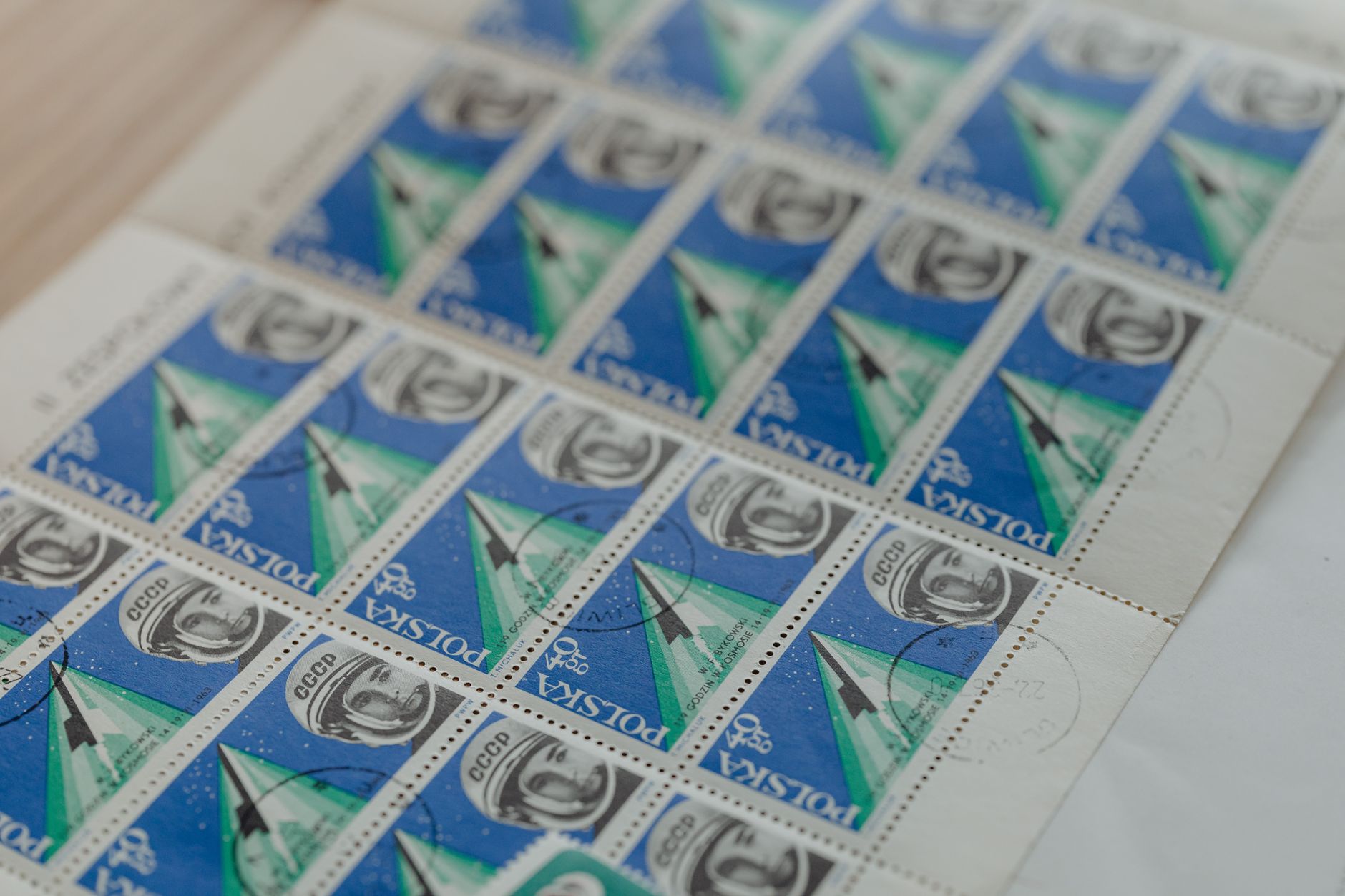
Turkish stamps are a joy for beginners because they are cheap, colourful and still genuinely used. Recent definitive series lean heavily on national motifs — tulips, whirling dervishes, Ottoman architecture, the Bosphorus, Anatolian wildflowers — and commemorative sheets appear for anniversaries, sports events and holidays. Ask for hatıra pulu (commemorative stamps) and the clerk will usually produce a card or a miniature sheet.
If you want to be taken seriously, bring a small envelope of your own country's stamps to trade or give as a gift. Turkish clerks and collectors respond warmly to this gesture; a few UK, Japanese or Brazilian definitives on the counter will start a conversation faster than any phrasebook. Collectors of "one stamp from every country" should ask politely whether there are any older stocks — some branches keep unsold commemoratives for years.
The ritual itself is the reward. Setting a postcard on the counter, choosing a stamp, watching the clerk damp the ink pad and press the round black date-stamp down — thump — is a small ceremony that has survived unchanged for a century. If you are lucky, the clerk will let you press the cancel yourself.
For context on how postal and printing culture fit into Türkiye's wider story, our blog has essays on everyday heritage that pair nicely with a stamp-hunting afternoon.
Practicalities: Postage, Delivery Times and What to Write
Postage is refreshingly cheap. As a rough guide for 2026, an international postcard or standard letter to Europe or North America costs in the region of a small number of tens of lira — comfortably under the price of a coffee — and domestic postage is cheaper still. Prices change with inflation and are announced by PTT, so treat any figure as indicative and simply ask at the counter: Yurt dışı kartpostal ne kadar? You can also check current rates on PTT's official site.
Delivery times are the honest caveat. Domestic mail typically arrives in two to five working days. International postcards to Europe often take one to three weeks; to North America, Australia and Asia, allow two to five weeks. Most arrive; a few vanish; that is part of the romance of analogue mail. If something matters, send it as registered post (taahhütlü) and keep the receipt.
- Address format: write the destination address as you would at home, then add "TÜRKİYE" in capitals at the bottom.
- Return address: put your hotel name and city on the top left in case it bounces back.
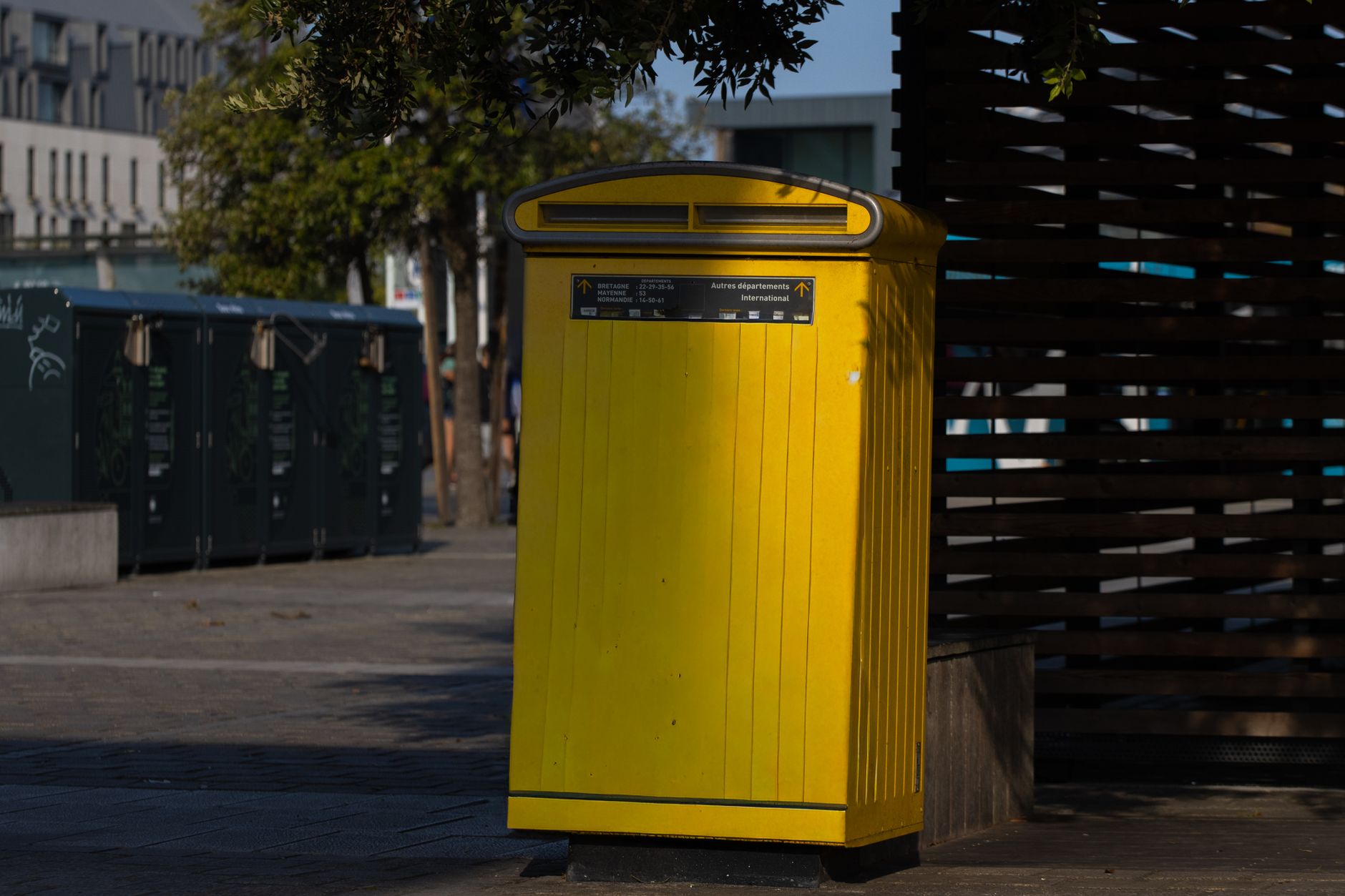
- Postboxes: the yellow PTT boxes are the classic; blue ones also appear. Drop international mail in the slot marked yurt dışı if there is one, or hand it to the counter clerk for certainty.
- Buy stamps at the counter, not from touts: street souvenir shops sell pretty stamps at markups and they sometimes are not valid for postage.
- Pack a pen: branches have pens on strings, but they are always dying.
Write something real. The person receiving a card from Türkiye does not need a summary of your itinerary; they want the sound of the tram, the taste of the simit, the fact that the man behind you in the queue was arguing cheerfully about football. A postcard with three honest sentences beats a photo dump every time.
If you are timing a postal trip around a larger journey, check the seasonal notes on our best time to visit page — spring and autumn are ideal for unhurried city wandering and queue-free counters.
Beyond the Counter: Markets, Museums and Collector Corners
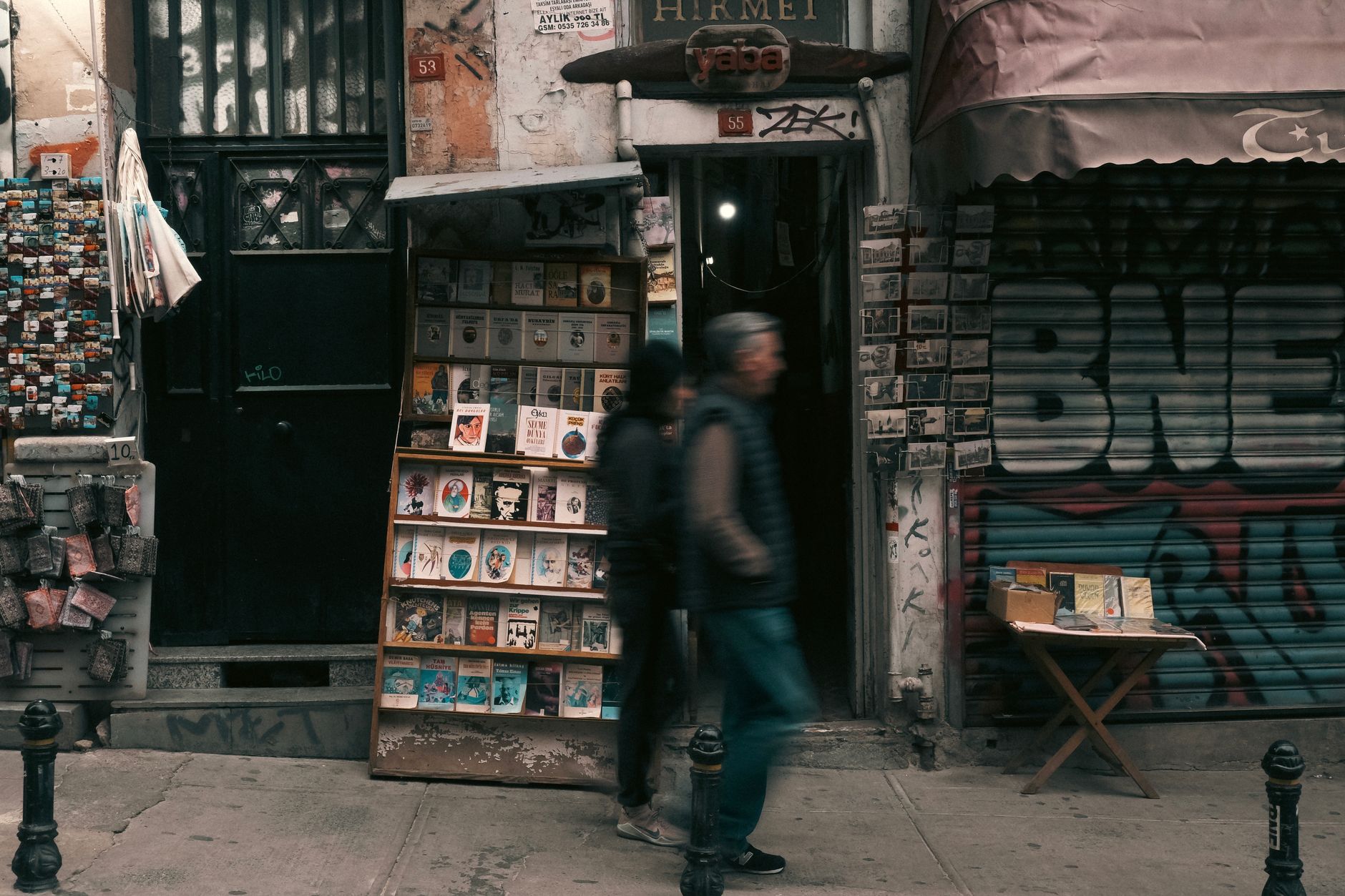
For serious browsing, the Istanbul Philatelic Centre area around the old book bazaar and the collector stalls near Sirkeci and Beyazıt reward a morning's rummage. Dealers sell glassines, albums, first-day covers and unsorted world mixtures by the bag. Prices are negotiable, especially for bulk. Ask for pul koleksiyonu and you will be pointed in the right direction.
The postal museum inside Sirkeci's Büyük Postane is small but excellent: old telegraph keys, mailbags, scales and a chronological wall of Turkish stamps that functions as a compressed visual history of the Republic. Entry is inexpensive and the building alone justifies the stop. Ankara's museum scene and the state archives add further depth for the truly committed.
Sunday flea markets in larger cities regularly turn up shoeboxes of old correspondence and stamp albums. Buying a stranger's 1970s letters is a peculiar pleasure — and a reminder that postal culture in Türkiye is not a museum piece but a living habit only recently squeezed by messaging apps.
If you would rather have someone else handle the logistics of a themed itinerary — historic buildings, markets, a working post office stop — our trip planner and local experts can shape the route around your interests.
Postal Etiquette and Small Pleasures
Queues are informal but real. Ask sıra var mı? ("is there a queue?") before stepping up, and let elderly customers go first — it is noticed and appreciated. Have your money ready, and count your change at the counter rather than walking away.
Ask before photographing inside. Many clerks are delighted; some are not, and a working post office is not a museum. A polite fotoğraf çekebilir miyim? works wonders. If someone helps you choose stamps, a small thank-you — a stamp from your home country, a chocolate, a sincere teşekkürler — is a lovely gesture.
The quiet charm of this trail is that it costs almost nothing. A stamp, a card, a tea while you write it, and twenty minutes of watching a city conduct its business. On an itinerary full of mosques, ruins and coastlines, that half-hour in a marble post hall may end up being the thing you remember with the most affection.
For more ideas on slow, low-cost ways to connect with Turkish daily life, browse the full set of guides on our guides hub, or start with the destination pages on destinations to see which cities fit your postal route. And if you have a question — postage rates, opening hours, which branch still has the marble staircase — our FAQ is a good place to look.
Send the card. The stamp costs less than the coffee, and the thump of the cancel is the sound of a place remembering you.
Thinking about a trip to Turkey?
Share your contact details and a vetted local expert will follow up with a plan built around you — free, no obligation.