

The Romance of the Rails: Why Türkiye's Stations Deserve a Journey
There is a particular hush that falls over a great railway station just before a train departs. In Türkiye, that hush carries more than a century of history. The whistle of the Orient Express, the clang of shunting engines in the Ankara yards, the scent of çay drifting from a platform buffet — these are the textures of a rail heritage that binds the late Ottoman Empire to the young Republic and to the travelers of today.
Türkiye's railway story begins in earnest in 1856 with the İzmir–Aydın line, the first in Anatolia, and blossoms under Sultan Abdülhamid II, who commissioned the Hejaz Railway as a pilgrimage route to Medina. After 1923, Mustafa Kemal Atatürk made the railway a symbol of national modernization, pushing steel across the steppe to Sivas, Erzurum, and beyond. The stations built along these lines are not mere waiting rooms; they are handsome monuments in cut stone, glazed tile, and wrought iron, often shaded by century-old trees and surrounded by lively meydan (squares).
This guide is an invitation to treat the station itself as a destination. Buy a ticket, learn to read the tilework, linger over a glass of tea by the tracks, and pair your ride with a nearby archaeological site or Ottoman mosque. In Türkiye, the journey and the arrival are equally beautiful.
Haydarpaşa: Istanbul's Grand Gateway to Asia
No Turkish station stirs the imagination like Haydarpaşa. Opened in 1908 as the terminus of the Anatolian and Baghdad railways, this neo-Renaissance palace on the Bosphorus was designed by German architects Otto Ritter and Helmut Conu. Its twin towers, steep roofs, and sandstone façade rise directly from the water's edge, so that approaching by ferry from Eminönü feels like arriving at a cathedral of steam.
Inside, look up: the great hall's vaulted ceilings and tall arched windows once welcomed travelers bound for Baghdad, Damascus, and Mecca. The station's restoration, following a 2010 fire, has been a labor of love, and the building now hosts cultural events and exhibitions alongside its rail functions. Even if you are not catching a train, walk the platform and imagine the Orient Express era.
Haydarpaşa sits in Kadıköy, one of Istanbul's most vibrant districts. Pair your visit with the fish market, the Antique Bazaar on Tellalzade Street, and a ferry ride back to the European side at sunset. The station square itself, with its sculptures and sea views, is a fine place to sip tea and watch the city's Asian shore come alive.
Tip: Check current schedules before you go, as Haydarpaşa's services have been periodically suspended for renovation. The building and its surroundings remain worth the trip regardless.
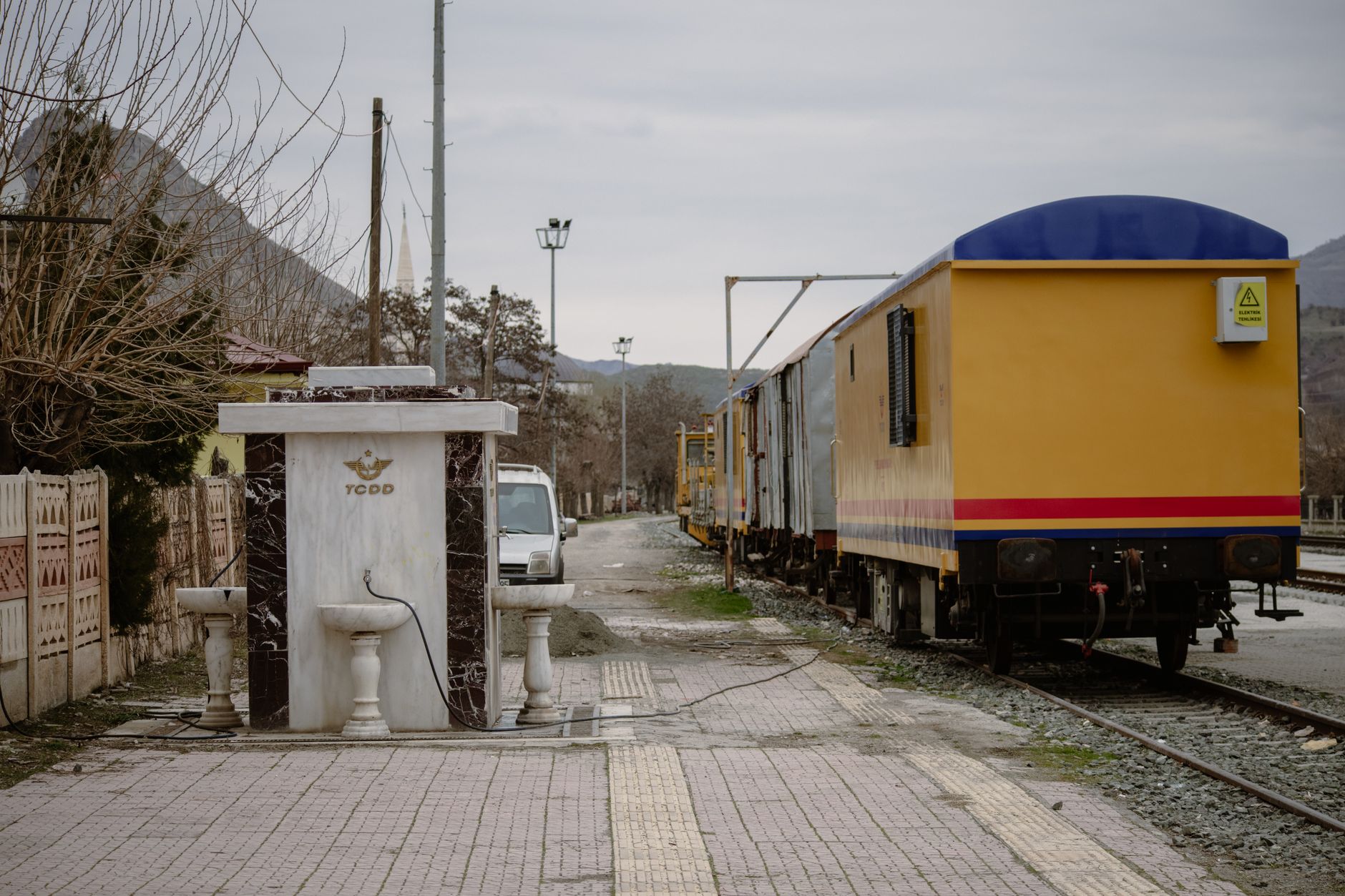
Sirkeci: The Orient Express's Last Stop
On the European side, Sirkeci Station (1888) was the original terminus of the Orient Express, the legendary train that carried Agatha Christie, Mata Hari, and countless diplomats from Paris to the edge of the Golden Horn. Designed by Prussian architect August Jachmund in an Orientalist style, Sirkeci blends Moorish arches with Ottoman motifs and colored glass — a building that seems to dream of the East while sitting firmly in Europe.
Today Sirkeci serves local commuter lines and the Marmaray tunnel, but its historic hall endures. The station's restaurant and café preserve a whiff of Belle Époque grandeur; ask for a window seat and watch the ferries glide past. Just outside, the Sirkeci station square spills into Eminönü's chaos of spice stalls, simit carts, and the Egyptian Bazaar.
For rail enthusiasts, Sirkeci is the perfect starting point for a day of station-hopping. From here you can walk to the Istanbul Railway Museum (small but charming), then cross the Bosphorus to Haydarpaşa, completing a loop through the city's two great terminals.
Anatolian Gems: Ankara, Kayseri, and the Republican Ideal
Ankara's main station, opened in 1937, is a masterpiece of early-Republican architecture. Its clean lines, monumental columns, and spacious concourse reflect the era's faith in progress and order. The station square, with its broad avenues and government buildings, was designed as a gateway to the new capital. Step inside to admire the original stonework and the elegant clock that has timed a thousand departures.
Further east, Kayseri's station is a handsome stone structure from the 1930s, its façade warmed by the same honey-colored tuff that built the city's Seljuk monuments. The station square is a lively meeting point, and from here you can easily reach the Hunat Hatun Complex and the Cumhuriyet Square. Kayseri is also a gateway to the surreal landscapes of Cappadocia, making it a natural stop on any rail itinerary.
Sivas, once the terminus of the Baghdad Railway's Anatolian section, boasts a station that feels like a small fortress of the Republic. The city's Seljuk and Ottoman heritage — the Gök Medrese, the Ulu Mosque — is a short taxi ride away, and the station café serves a mean köfte. For those who love the poetry of place, Sivas is where the steppe begins and the rails seem to run straight into the horizon.
Hidden Halts and Garden Stations: Selçuk, Afyon, and Beyond
Not every treasure is a grand terminal. Some of Türkiye's most lovable stations are modest halts where roses climb the fence and the stationmaster greets you by name. Selçuk Station, on the İzmir–Denizli line, is a perfect example: a small, tidy stop surrounded by gardens, just a short walk from the Basilica of St. John and the Ephesus Museum. Arriving here by train, with the silhouette of the Selçuk Castle overhead, is one of the great pleasures of Aegean travel.
Afyon Ali Çetinkaya Station, named for a Ottoman general, is a junction where the Anatolian and Aegean lines meet. The station's early-Republican buildings and its shaded platform café make it a delightful place to break a journey. Nearby, the Afyonkarahisar Castle and the city's famous sucuk (spiced sausage) await.
Other gems include the station at Çankırı, with its stone depot and poplar-lined approach; the halt at Pamukkale, where travelers alight for the white terraces and Hierapolis; and the rustic stops along the Black Sea line, where the mountains tumble down to the tracks. In every case, the station is a threshold to a heritage site, and the journey is part of the sightseeing.
Practical Tips: Tickets, Tilework, and Platform Cafés
Buying tickets is easier than ever. Use the official TCDD Taşımacılık website or app for high-speed (YHT) and mainline trains; for regional services, you can often purchase at the station. High-speed trains connect Istanbul (Pendik and Söğütlüçeşme), Ankara, Eskişehir, Konya, and Karaman, while conventional lines reach İzmir, Adana, and the east. Book sleeper compartments early for long overnight runs, and carry your passport or ID for ticket checks.
When you arrive at a historic station, take a moment to look for original details. Ottoman-era stations often feature çini (tiles) in blue and turquoise, elaborate stone carvings, and wrought-iron lamps. Early-Republican stations favor clean geometric patterns, local stone, and sometimes frescoes or reliefs celebrating industry and agriculture. The station clock, the ticket window, and the buffet are often original — and the tea glass is always fresh.
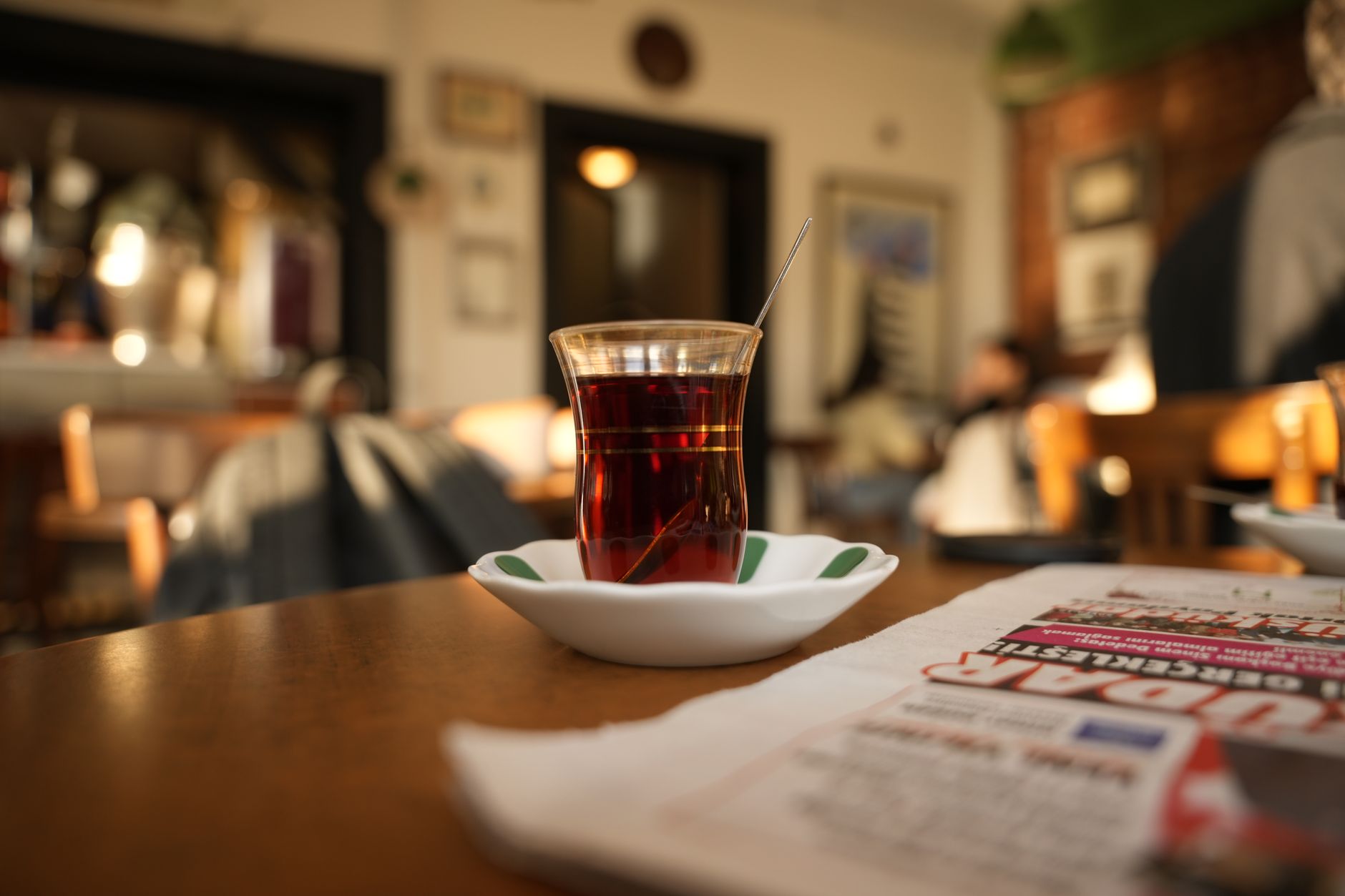
Platform cafés are a Turkish institution. Order a çay or a Türk kahvesi and watch the choreography of departure: the conductor's whistle, the embraces, the last-minute parcels. Many stations also sell local specialties — simit in Istanbul, lokum in Afyon, cezerye in Mersin. Do not rush; the waiting is part of the pleasure.
Insider tip: Ask station staff about the building's history. Many are proud of their stations and will happily point out the oldest tile, the original clock, or the spot where a famous train once stood.
Pairing Rails with Heritage: Itineraries for the Curious Traveler
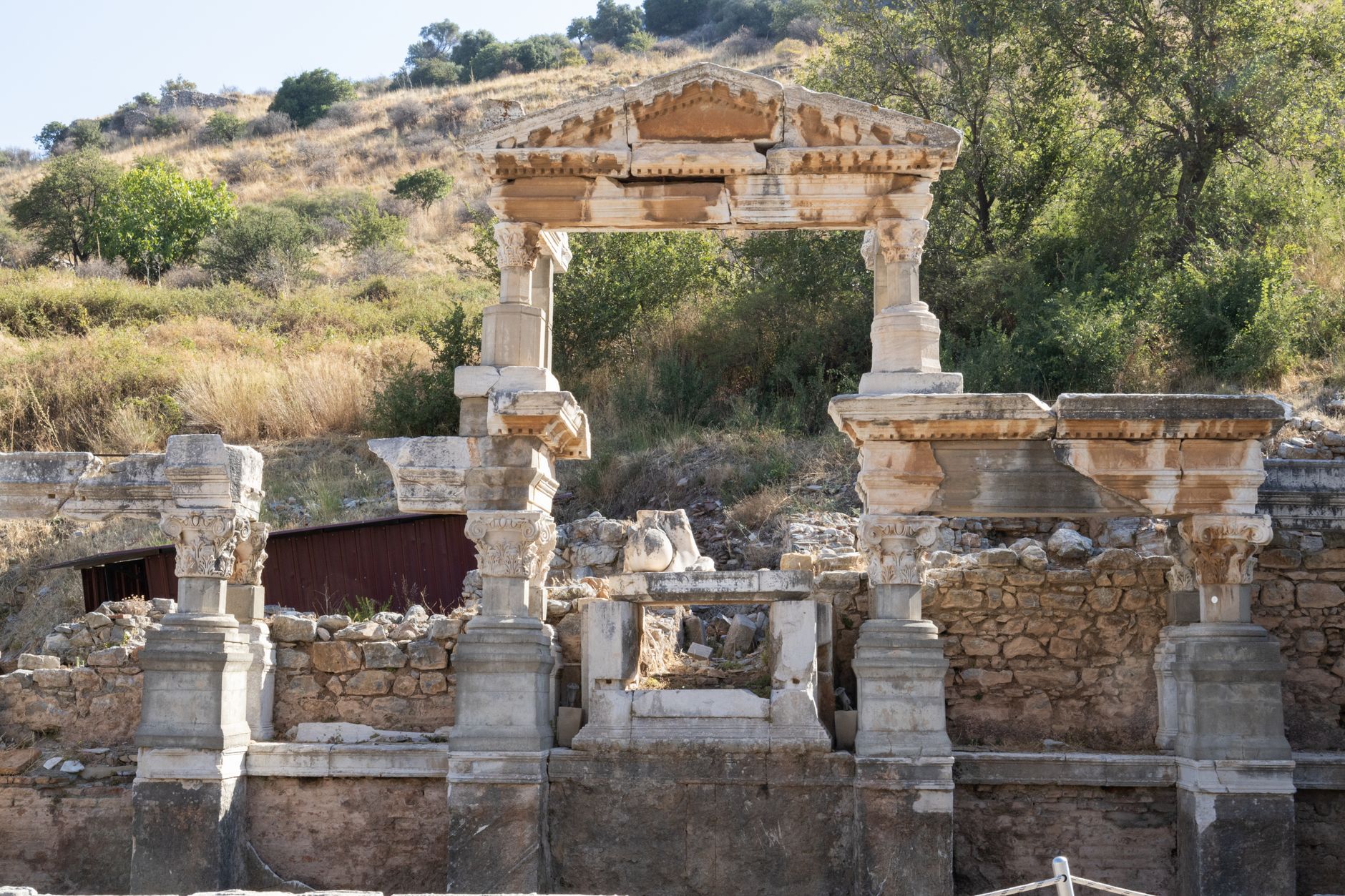
One of the great joys of Turkish rail travel is how neatly the tracks align with history. From Selçuk, you can walk to Ephesus, one of the best-preserved ancient cities in the world. From Pamukkale, the travertine terraces and the Roman ruins of Hierapolis are a short minibus ride from the station. From Kayseri, the moonscape of Cappadocia begins within an hour, and from Ankara, the Museum of Anatolian Civilizations awaits near the old station.
Consider a two- or three-day loop: Istanbul (Sirkeci and Haydarpaşa) by ferry and Marmaray, then a high-speed train to Eskişehir, a charming city on the Porsuk River with its own delightful station and a lively old town. Continue to Ankara for the Republican landmarks, then south to Konya, where the Mevlana Museum and the Seljuk tilework of the İnce Minare are unforgettable. Return via the same line or branch to İzmir for the Aegean.
For a slower, more romantic journey, take the İzmir–Denizli regional train and hop off at Selçuk, then continue to Denizli for Pamukkale. Or ride the Black Sea line from Ankara to Sivas and beyond, watching the landscape change from steppe to mountain. Each station along the way is a small chapter in Türkiye's story, and the people you meet — stationmasters, tea sellers, fellow passengers — are the warmest hosts you could hope for.
Türkiye's historic railway stations are more than infrastructure; they are living museums of Ottoman ambition and Republican hope. Whether you are a serious rail enthusiast or simply a traveler who loves beautiful buildings and good tea, a journey along these lines will leave you with a deep affection for the country and its rails. İyi yolculuklar — have a wonderful trip.
Thinking about a trip to Turkey?
Share your contact details and a vetted local expert will follow up with a plan built around you — free, no obligation.