

Introduction to Türkiye's Olive Oil Soap Heritage
Türkiye, a land where olive groves stretch along the azure Aegean coast and ancient traditions are lovingly preserved, is home to one of the world's most treasured skincare secrets: olive oil soap. For centuries, families in the Aegean and Hatay regions have crafted soaps from pure olive oil, using methods passed down through generations. This isn't just soap; it's a piece of cultural heritage, a natural beauty elixir, and a testament to Turkish craftsmanship.
From the bustling bazaars of Izmir to the serene workshops of Antakya, the art of soap-making thrives. The story begins with the olive harvest, where golden oil is extracted and transformed into gentle, fragrant bars that cleanse, nourish, and rejuvenate. In this guide, we'll explore the historic soap workshops, the towns that specialize in olive oil skincare, and offer practical tips for visiting, buying authentic products, and packing them for your journey home.
Whether you're a skincare enthusiast, a history buff, or simply seeking a unique travel experience, Türkiye's soap workshops offer an immersive journey into a world of natural beauty and timeless tradition.
The Ancient Art of Olive Oil Soap in the Aegean
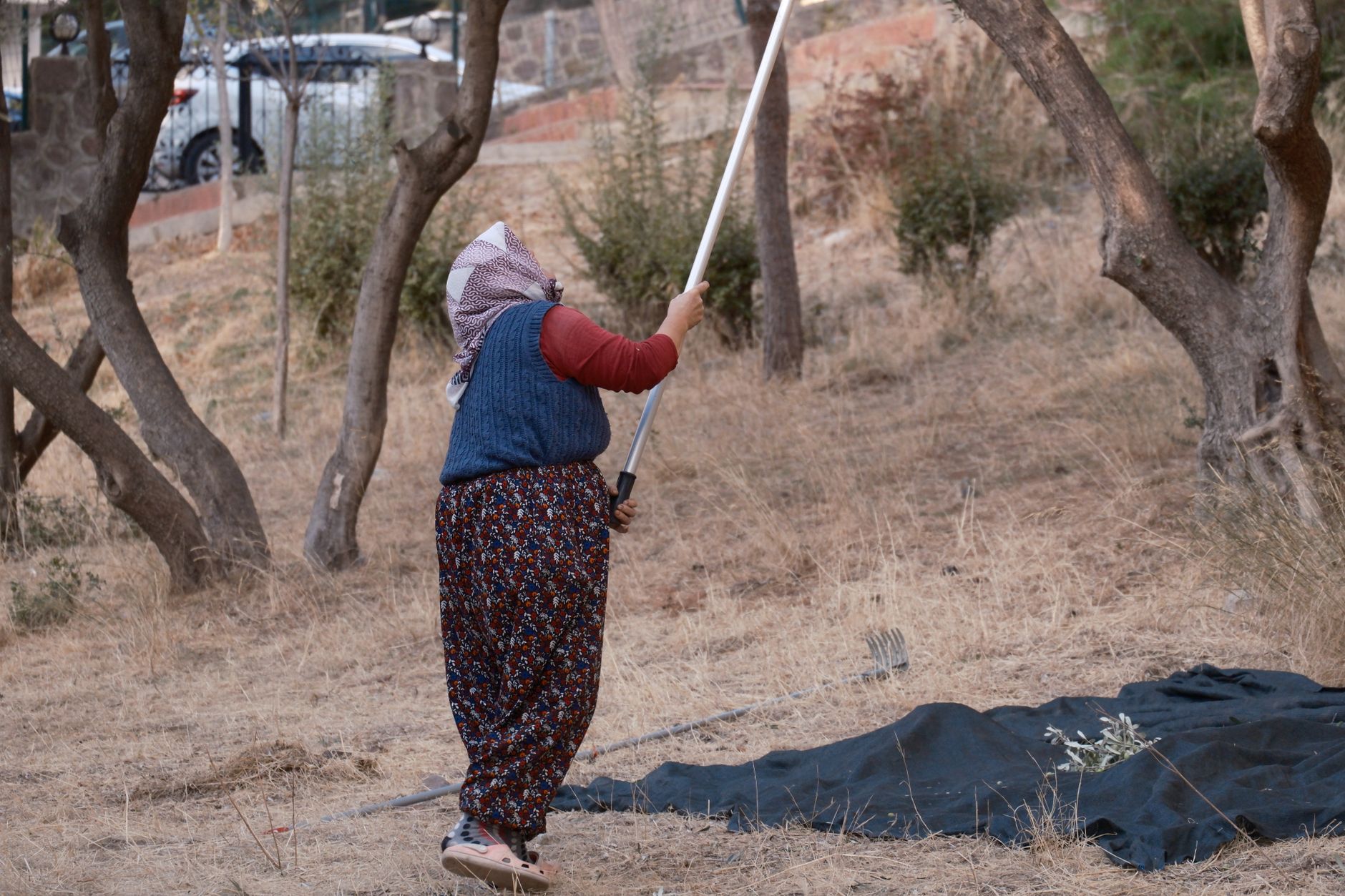
The Aegean region of Türkiye is the heartland of olive oil soap production. Towns like Ayvalık, Küçükkuyu, and Çeşme are renowned for their olive groves and traditional soap workshops. Here, the process remains largely unchanged for centuries: olives are harvested in late autumn, cold-pressed to extract the finest oil, and then combined with water and lye in large cauldrons. The mixture is stirred, poured into molds, and left to cure for months, resulting in a pure, gentle soap that's kind to even the most sensitive skin.
In Ayvalık, a charming coastal town with cobblestone streets and Ottoman-era houses, family-run workshops like those in the Cunda Island area welcome visitors to see the soap-making process firsthand. You'll witness the rhythmic stirring, the pouring of the green-gold liquid, and the cutting of massive blocks into perfectly sized bars. The air is filled with the earthy scent of olive oil, a fragrance that lingers long after you leave.
These soaps are celebrated not only for their cleansing properties but also for their moisturizing and anti-aging benefits. Rich in vitamin E and antioxidants, olive oil soap helps soothe dry skin, eczema, and psoriasis. It's no wonder that Turkish olive oil soap has been a prized export since Ottoman times, used in hammams (Turkish baths) and households across the empire.
Hatay's Laurel Soap: A Fragrant Treasure of Antakya
Travel southeast to Hatay, and you'll discover a different but equally storied soap tradition: laurel soap. Known as "defne sabunu" in Turkish, this soap is a specialty of Antakya (ancient Antioch) and its surrounding villages. Made from a blend of olive oil and laurel berry oil, it boasts a distinctive green color and a mesmerizing herbal aroma that is both soothing and invigorating.
The production of laurel soap is an art form in itself. The laurel berries are harvested from the mountains of Hatay, then crushed and boiled to extract their oil. This oil is mixed with olive oil and lye, and the resulting soap is cut into blocks and aged for up to nine months. The longer it ages, the harder and more fragrant it becomes. Traditionally, laurel soap was used for everything from bathing to shampooing, and even for treating skin conditions.
In Antakya's old bazaar, you can find family workshops that have been making laurel soap for generations. Many still use wooden molds and hand-cutters, and the soaps are stacked in airy rooms to dry, filling the space with a heady, therapeutic scent. A visit here is a sensory delight, and buying a bar or two means taking home a piece of Hatay's soul.
Family Workshops and the People Behind the Craft
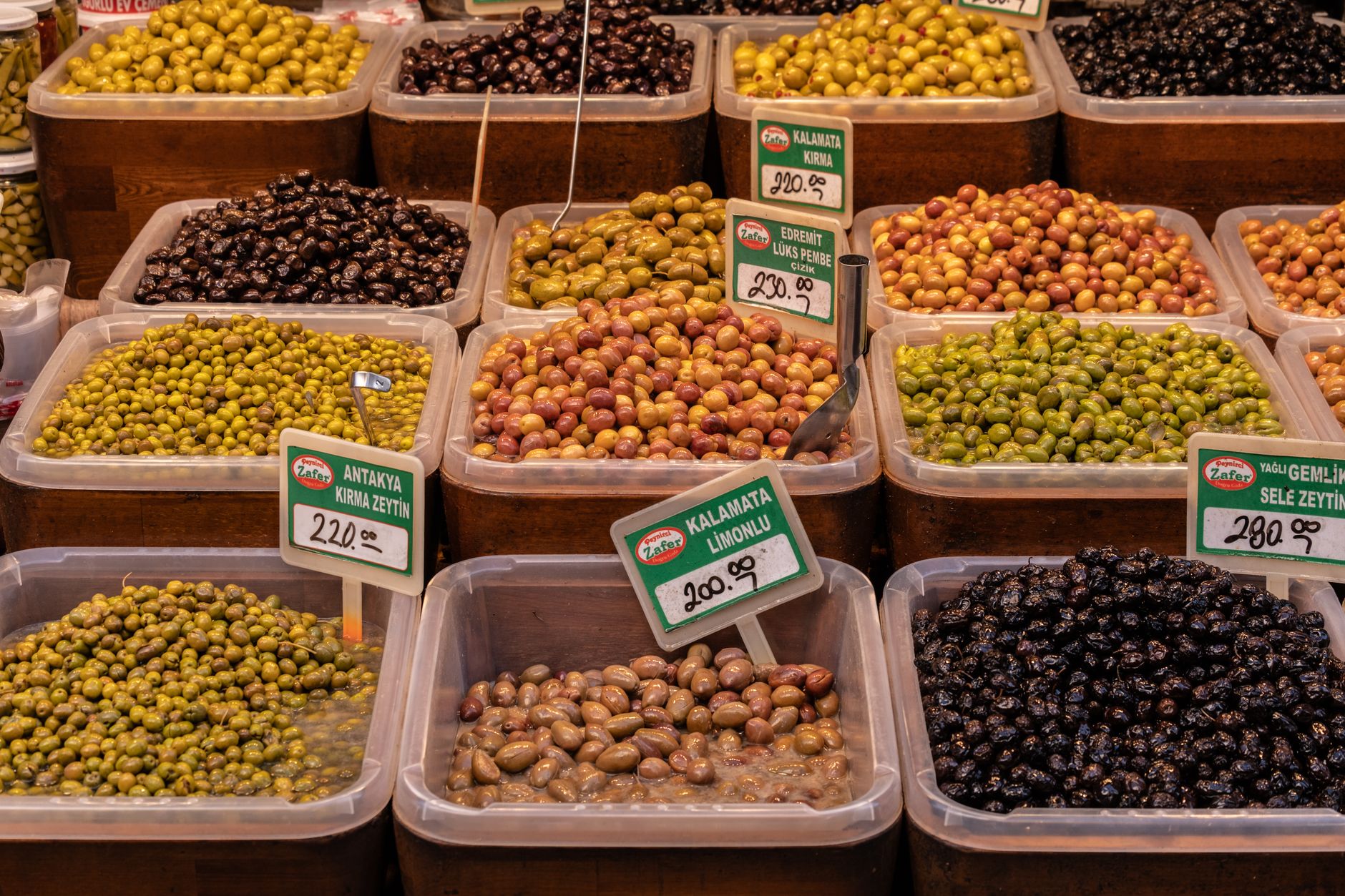
What makes Turkish soap so special is the human touch. In an age of mass production, these family workshops are living museums of tradition. In the Aegean, you'll meet artisans like the Yılmaz family in Ayvalık, who have been crafting soap for over a century. They'll proudly show you their grandfather's copper cauldrons and explain how they still use olive oil from their own groves. Their soaps are pure, unscented, and wonderfully rustic, often sold in simple paper wrappers.
In Hatay, the story is similar. Families like the Kırıkoğlus in Antakya have turned laurel soap into a legacy. They'll invite you to smell the freshly cut bars and share stories of how their soap traveled along ancient trade routes. Many of these workshops are small, so visits feel intimate and personal. You might even get to stir the cauldron yourself or stamp your own bar with a traditional seal.
These artisans are not just makers; they are storytellers and custodians of a craft that dates back to the Ottoman era and beyond. Their dedication to natural ingredients and time-honored methods ensures that every bar is a work of art, packed with history and healing properties.
Where to Visit: Key Towns and Workshops
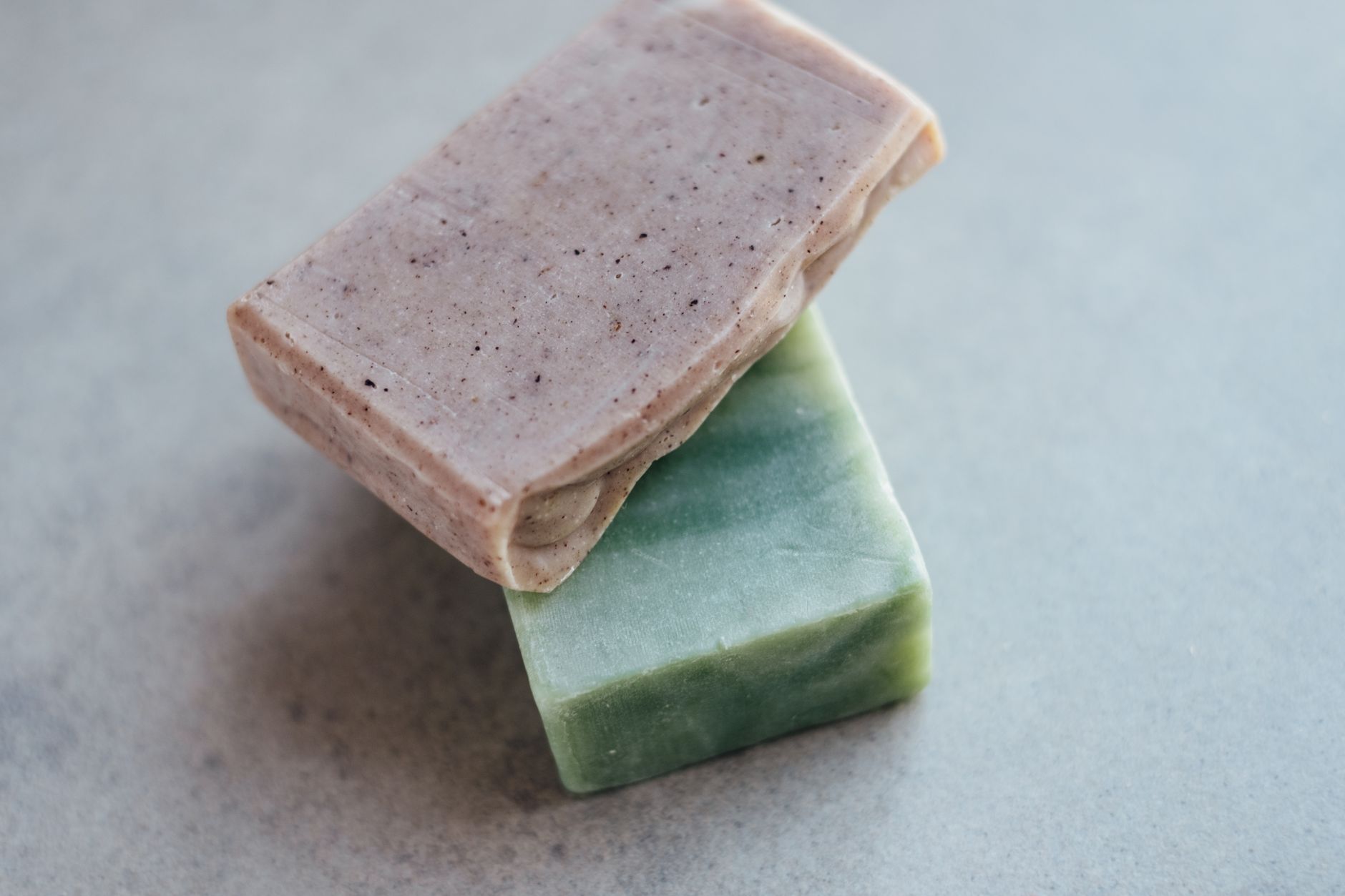
To experience Türkiye's soap heritage, plan a route that includes the following destinations:
- Ayvalık and Cunda Island (Aegean): Explore workshops like Ayvalık Zeytinyağı Sabunu and the Cunda Soap Makers Cooperative. The town's olive oil museum is also worth a visit.
- Küçükkuyu (Aegean): Home to the Adatepe Olive Oil Museum, which offers soap-making demonstrations and sells excellent olive oil soaps.
- Çeşme and Alaçatı (Aegean): Boutique soap makers here often blend olive oil with local herbs and flowers. Check out Alaçatı Sabun Atölyesi.
- Antakya (Hatay): The old bazaar is the place to find laurel soap. Look for Defne Sabunu workshops and the historic Uzun Çarşı.
- İzmir (Aegean): The Kemeraltı Bazaar has numerous soap vendors, and you can visit nearby towns like Urla for artisan workshops.
Many of these workshops offer tours and workshops, so you can learn to make your own soap. It's a fun, hands-on activity that connects you deeply to the local culture.
How to Buy Authentic Olive Oil and Laurel Soap
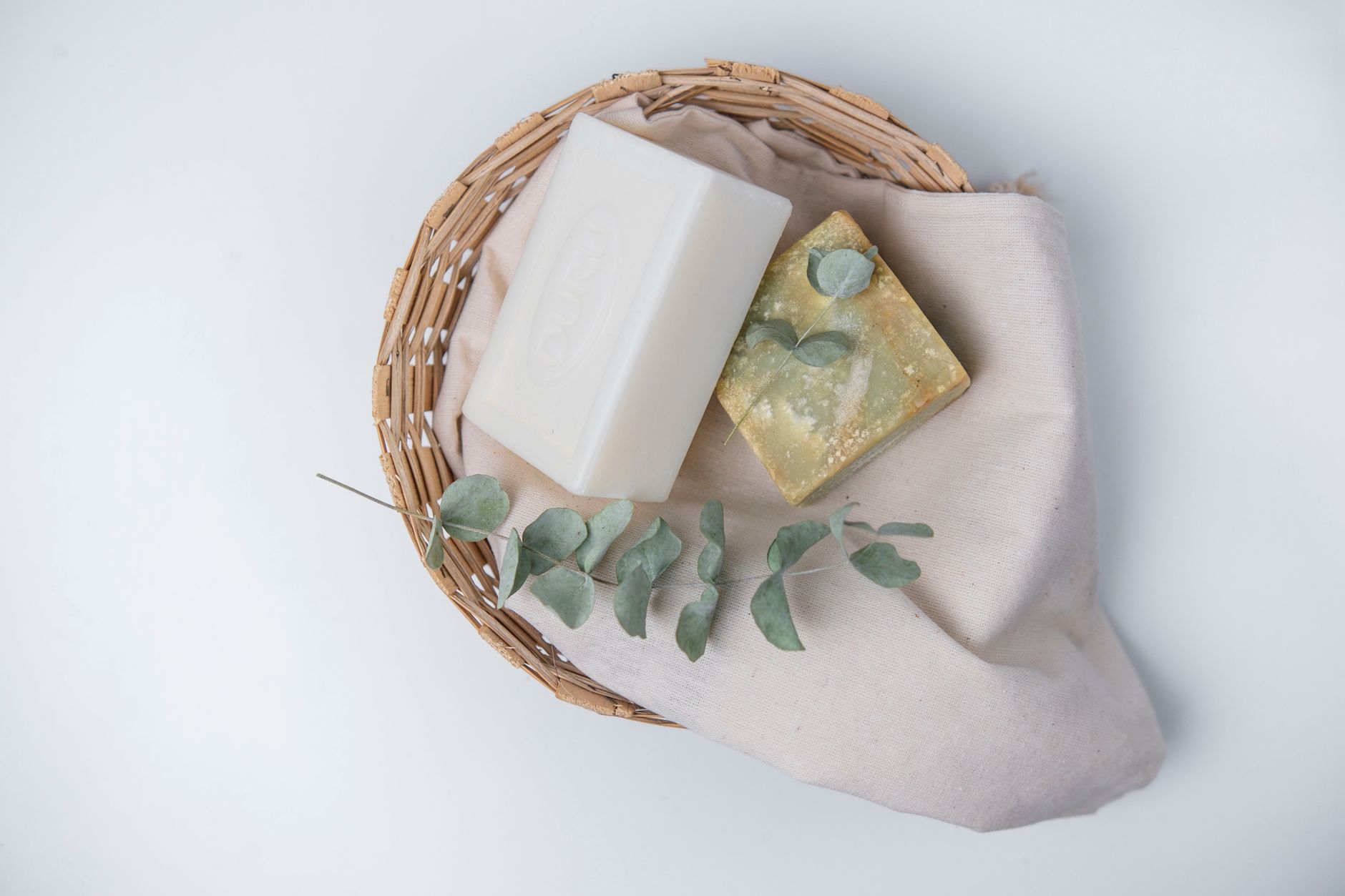
When shopping for soap in Türkiye, it's important to distinguish authentic, handmade products from mass-produced imitations. Here's how to ensure you're getting the real deal:
- Check the ingredients: Authentic olive oil soap should list only olive oil, water, and lye (sodium hydroxide). Laurel soap should contain olive oil and laurel berry oil. Avoid soaps with synthetic fragrances, dyes, or palm oil.
- Look at the color: Pure olive oil soap is typically greenish-yellow to off-white, depending on the oil. Laurel soap is a deep, natural green. If it's brightly colored, it's likely artificial.
- Smell the soap: It should have a mild, earthy scent. Laurel soap has a distinctive, herbal aroma. If it smells strongly of perfume, walk away.
- Ask about aging: Good soap is aged for at least six months. Ask the seller how long it's been cured.
- Buy from family workshops: These are often found in bazaars or rural areas. Prices are reasonable, and you're supporting local artisans.
Expect to pay around 20-50 TL ($1-3) per bar for high-quality handmade soap. It's a small price for a piece of Turkish tradition.
Packing and Bringing Your Soap Home
Soap is a terrific souvenir, but it needs careful packing to survive the journey. Here are some tips:
- Wrap individually: Use paper or cloth to wrap each bar, then place them in a zip-lock bag to contain any scent.
- Protect from heat: Olive oil soap can soften in high temperatures. Pack it in your carry-on if possible, or in the center of your checked luggage.
- Declare if necessary: Soap is generally allowed in checked and carry-on bags, but check your airline's rules. It's considered a solid, not a liquid, so it's TSA-friendly.
- Consider weight: Soap is heavy! If you're buying in bulk, distribute it among travelers or ship it home via cargo.
- Store properly at home: Keep soap in a cool, dry place. It will last for years and only get better with age.
With a little care, your Turkish soap will arrive home intact, ready to remind you of your travels every time you wash.
Conclusion: A Journey of Suds and Gold
Türkiye's olive oil and laurel soaps are more than just skincare products; they are ambassadors of a rich cultural heritage. From the sun-drenched olive groves of the Aegean to the fragrant workshops of Antakya, the craft of soap-making continues to thrive, thanks to dedicated families who refuse to let tradition fade. Visiting these workshops is a journey into the heart of Turkish hospitality and craftsmanship.
So, when you plan your next trip to Türkiye, make sure to include a soap workshop or two on your itinerary. Bring home a few bars of this liquid gold, and you'll not only have a natural, effective skincare product but also a story to share. And isn't that what travel is all about?
Thinking about a trip to Turkey?
Share your contact details and a vetted local expert will follow up with a plan built around you — free, no obligation.