

Why Mills and Village Workshops Make the Happiest Slow Stops
Somewhere between the ruins and the resort towns, Türkiye keeps a quieter kind of treasure: whitewashed windmills creaking on Aegean ridges, stone watermills still grinding corn beside cold mountain streams, and tiny workshops where copper is hammered, wool is spun and olive oil is pressed by hands that have done it for generations. These are not museum pieces behind glass. Many still work, and the people who run them are among the warmest hosts you will meet anywhere.
For families, this is the sweet spot of Turkish travel. Children who are bored by the twelfth column capital will happily watch water rush over a mill wheel, feel flour between their fingers, or help wind a thread onto a spindle. Parents get scenery, fresh air and the unhurried pleasure of a conversation that begins with tea and ends with an invitation to come back. Nobody rushes you out of a mill.
This guide is built as a gentle loop rather than a checklist. The idea is to move slowly, visit one or two makers a day, and let the countryside between them be part of the attraction. You will need a car, a flexible schedule and a willingness to knock politely on doors. In return you get the rural ingenuity that guidebooks often skip.
If you want to shape this into a longer itinerary with rest days and family pacing, our itineraries and trip planner are good places to sketch the skeleton before you commit to dates.
The Aegean Windmills: White Sails Above Olive Groves
The classic image of the Turkish windmill belongs to the Bodrum peninsula, where tapering white towers with wooden lattice sails once ground grain for coastal villages. A handful have been restored and stand as landmarks, especially around Bodrum, Yalıkavak and the hills above Gümüşlük. They are small, photogenic and easy to combine with a beach afternoon, which makes them ideal for families with short attention spans.
The better experience, though, is slightly inland. Around Çeşme, Alaçatı and the Karaburun peninsula you will find windmills in various states, from lovingly repaired to romantically ruined, set among olive groves and dry stone walls. Early morning light is best, and the wind that made these mills useful is the same wind that keeps you cool. Bring a light jacket even in summer.
To see one working rather than posing, ask at local village cafés or the small municipal culture offices. Restoration projects often run demonstrations during festivals, and volunteers are usually delighted to explain how the sails were tensioned and how the miller judged the grind. A little curiosity goes a long way.
If you are timing this leg around weather and crowds, our best-time guide explains how the Aegean seasons behave, and the destinations section helps you decide which coastal base suits a family best.
Watermills of the Green North and Inland Valleys
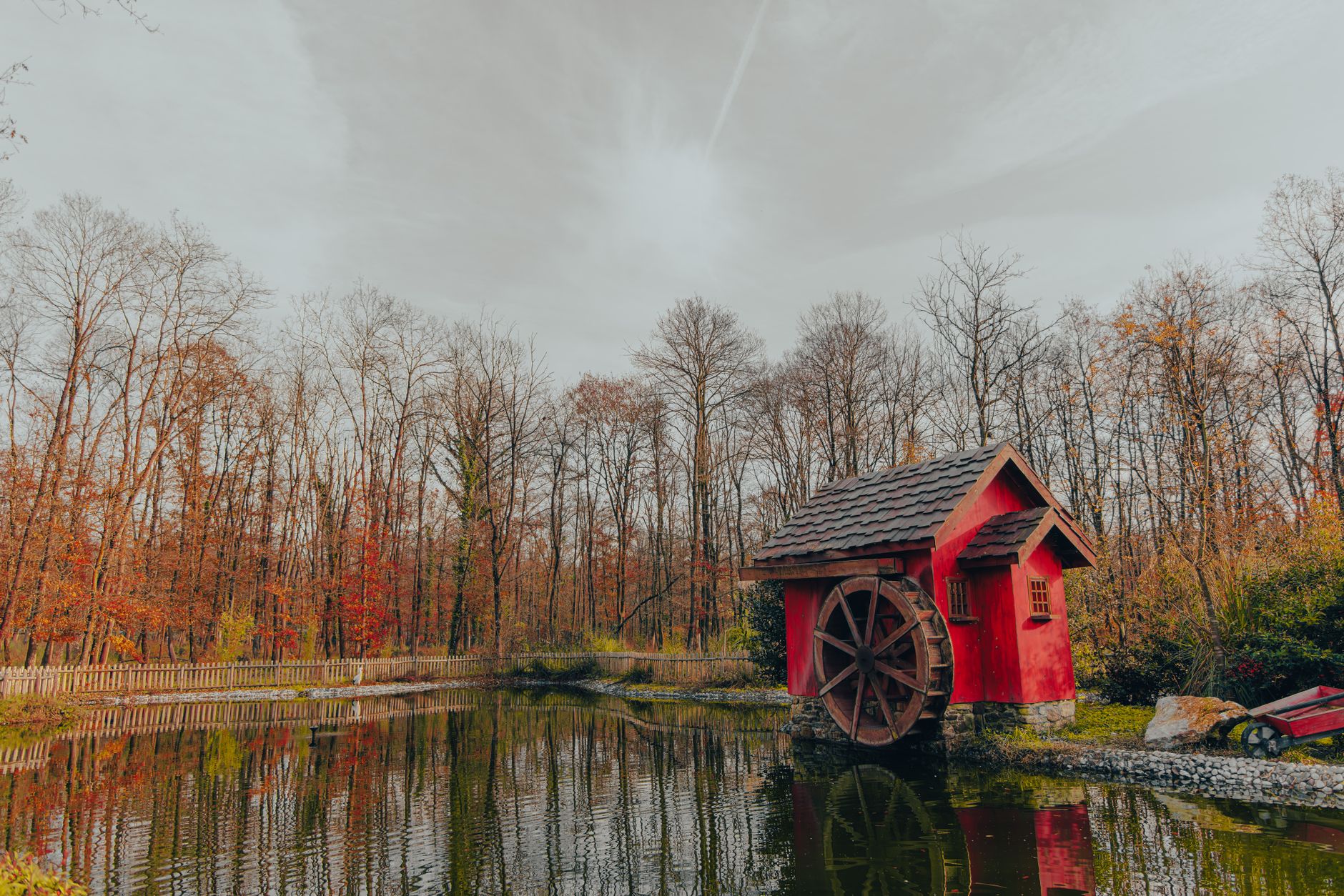
Where the Aegean gives you wind, the Black Sea and the lush river valleys give you water. Stone watermills with wooden flumes survive across the northeast, in valleys around Trabzon, Rize and Artvin, and in the forested hinterland behind the coast. Many ground corn for the local bread and are still maintained by village families, often as a side project rather than a business.
Further west, the valleys of the Kazdağları and the orchards around Bursa hide small mills that once served olive oil and grain. Some have been converted into charming roadside tea houses where the wheel still turns for show. These are wonderfully low-pressure stops: you order tea, sit by the water, and the miller tells you how the mechanism works while the kids watch the wheel.
Inland, the streams of the Taurus foothills and the lake country around Isparta support mills tied to rose and fruit production. Visiting one during harvest season is a lesson in how rural economies fit together: water power, fruit, oil, flour.
Practical note: watermills are often on private land at the end of narrow lanes. Park well before the gate, never block a track, and ask before walking onto the property. A cheerful greeting and a question about the mill usually earns you a tour.
Workshops Where the Craft Is Still Warm: Copper, Wool, Olive and Ceramic
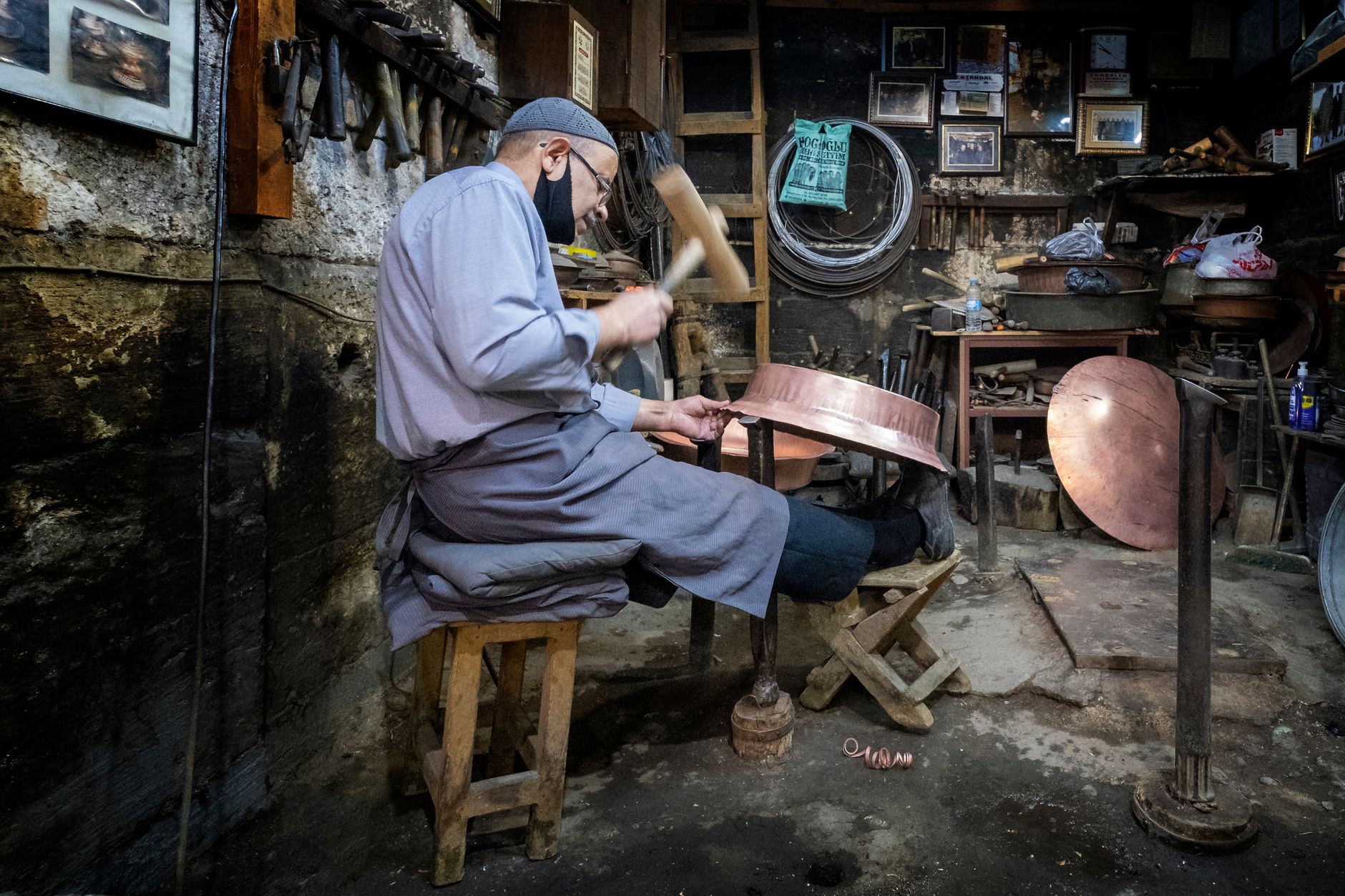
Türkiye's craft map is enormous, but for a slow-maker road trip the most rewarding workshops are the small ones attached to villages rather than tourist bazaars. Copper-smithing survives in pockets of the southeast and in Anatolian market towns, where you can watch a sheet of metal become a pan in an hour of rhythmic hammering. Wool spinning and felt-making continue in pastoral regions, often led by women's cooperatives that welcome visitors.
Olive oil pressing is another superb family stop. Small presses in the Aegean and Marmara regions run in late autumn and winter, and many are happy to show the process from fruit to bottle. Ceramics, meanwhile, stretch from the famous kilns of Kütahya and İznik-inspired studios to village potters making unglamorous but beautiful everyday ware.
What makes these visits special is the conversation. Makers are usually proud to explain a technique, and children are often handed a scrap of clay or a piece of wool to try. Buy something small if you can; it is the most graceful way to say thank you, and it keeps the craft alive.
For more context on the country's living culture, browse our guides and the photo stories in the gallery before you go.
How to Politely Arrange a Visit
The golden rule of rural Turkey is that you do not simply appear and start filming. Ask first, always. A simple greeting, a compliment on the workshop, and a question about whether they have time is enough. If language is a barrier, a translation app and a friendly smile work remarkably well.
Some practical etiquette helps enormously. Avoid arriving at prayer times or during the busiest harvest hours. Bring a small gift rather than cash for a casual demonstration: tea, sweets or something from your home country go down well. If a guided tour or a proper workshop is offered, paying the stated fee is only fair. Never let children touch machinery without permission, and keep them away from open water channels and rotating wheels.
Good places to start your research are local cooperatives, municipality culture departments and small guesthouses whose owners know every miller in the valley. Hotel and pansiyon owners are often the best connectors of all. Ask the night before, and let them make the introduction.
Booking and logistics questions, including car hire and family-friendly routes, are covered in our travel tools. If you would rather have a local fixer arrange introductions, our experts can help with introductions in specific regions.
Building the Loop: Regions That Combine Beautifully
The most comfortable first loop pairs the Aegean coast with the northern Aegean hinterland. Start around Çeşme or Alaçatı for windmills and olive presses, drift inland through Karaburun's villages, then swing north towards Ayvalık and the Kazdağları for watermills, olive groves and mountain tea houses. Add a couple of days inland for Bursa's craft heritage and you have a week of gentle driving with something to see every day.
A second, greener loop works in the northeast: Trabzon and Rize as bases, with day trips into the valleys for watermills, tea gardens and village workshops. This is wetter, steeper and slower, but the scenery is spectacular and the hospitality legendary. It suits families who like hiking and don't mind a bit of rain.
A third option is a central Anatolian craft loop, connecting small towns known for copper, felt and ceramics with the lake country and quieter stretches of the Silk Road. It requires more driving but rewards you with places where you may be the only foreign visitors that week.
Whichever route you choose, keep drives under three hours, plan one maker per day, and leave room for spontaneous invitations. For more route ideas, see our routes page.
Practical Tips for Families and Slow Travellers
Spring and early autumn are the sweet spots: mild weather, working mills and harvest activity. Summer is fine on the coast but hot inland, and winter can close mountain lanes. Check road conditions locally, and never rely solely on a navigation app for village tracks.
Pack sturdy shoes, sun hats, refillable water bottles and a small first-aid kit. Cash in small notes is essential for rural purchases and tips. Learn a few Turkish phrases; "merhaba", "teşekkürler" and "çok güzel" will serve you well. Keep a light scarf for mosque and village visits, and always ask before photographing people.
Above all, resist the urge to schedule every hour. The joy of a slow-maker road trip is in the unplanned stop: the miller who insists on lunch, the child who shows you the family's spinning wheel, the roadside tea garden beside a turning waterwheel.
For reassurance about safety, standards and how we verify local recommendations, see our trust page and the FAQ. And if you are still deciding when to travel, the best-time guide will help you match the season to the craft.
Thinking about a trip to Turkey?
Share your contact details and a vetted local expert will follow up with a plan built around you — free, no obligation.