

Introduction: Türkiye as a Storyteller's Land
Türkiye has long been a muse for writers and filmmakers, its landscapes and cities serving as living backdrops for tales of love, intrigue, and history. From the bustling streets of Istanbul to the otherworldly rock formations of Cappadocia, the country invites travelers to step into the stories they've read and seen on screen. This guide will take you on a journey through Türkiye's rich literary and cinematic heritage, pointing you to real places where fiction meets reality.
Whether you're a fan of Orhan Pamuk's evocative novels, a cinephile enchanted by Turkish cinema, or simply a traveler seeking a deeper connection to the land, this itinerary will help you experience Türkiye through its narratives. We'll explore book settings, film locations, and the cultural context that makes each spot memorable.
Pack your favorite novels and a sense of adventure—Türkiye awaits, ready to tell you its stories.
Istanbul: Orhan Pamuk's Melancholic Muse
Nobel laureate Orhan Pamuk has famously said, "Istanbul's fate is my fate." His novels, such as Snow, The Museum of Innocence, and My Name is Red, weave the city's history, melancholy, and beauty into unforgettable narratives. Start your literary journey in Istanbul by visiting the neighborhoods that Pamuk calls home.
In The Museum of Innocence, Pamuk created a fictional love story that spills into reality. The novel's protagonist, Kemal, obsessively collects objects tied to his beloved Füsun. Pamuk himself established a real Museum of Innocence in the Çukurcuma neighborhood, housing these artifacts. A visit here is a must for any literary traveler—you can see the actual earrings, dresses, and trinkets described in the book, blurring the line between fiction and reality.
Wander through the streets of Beyoğlu, where Pamuk's characters often stroll. The area's faded elegance, with its historic apartments and hidden passages, mirrors the nostalgic tone of his work. Don't miss the Pera Museum, which often hosts exhibitions on Turkish literature, and the nearby İstiklal Avenue, a vibrant artery that has inspired countless writers.
For a deeper dive, read Istanbul: Memories and the City, Pamuk's memoir. It's a love letter to the city, and reading it while sipping tea on a Bosphorus ferry will make the experience transcendent.
Cappadocia: Cinematic Landscapes and Ancient Tales
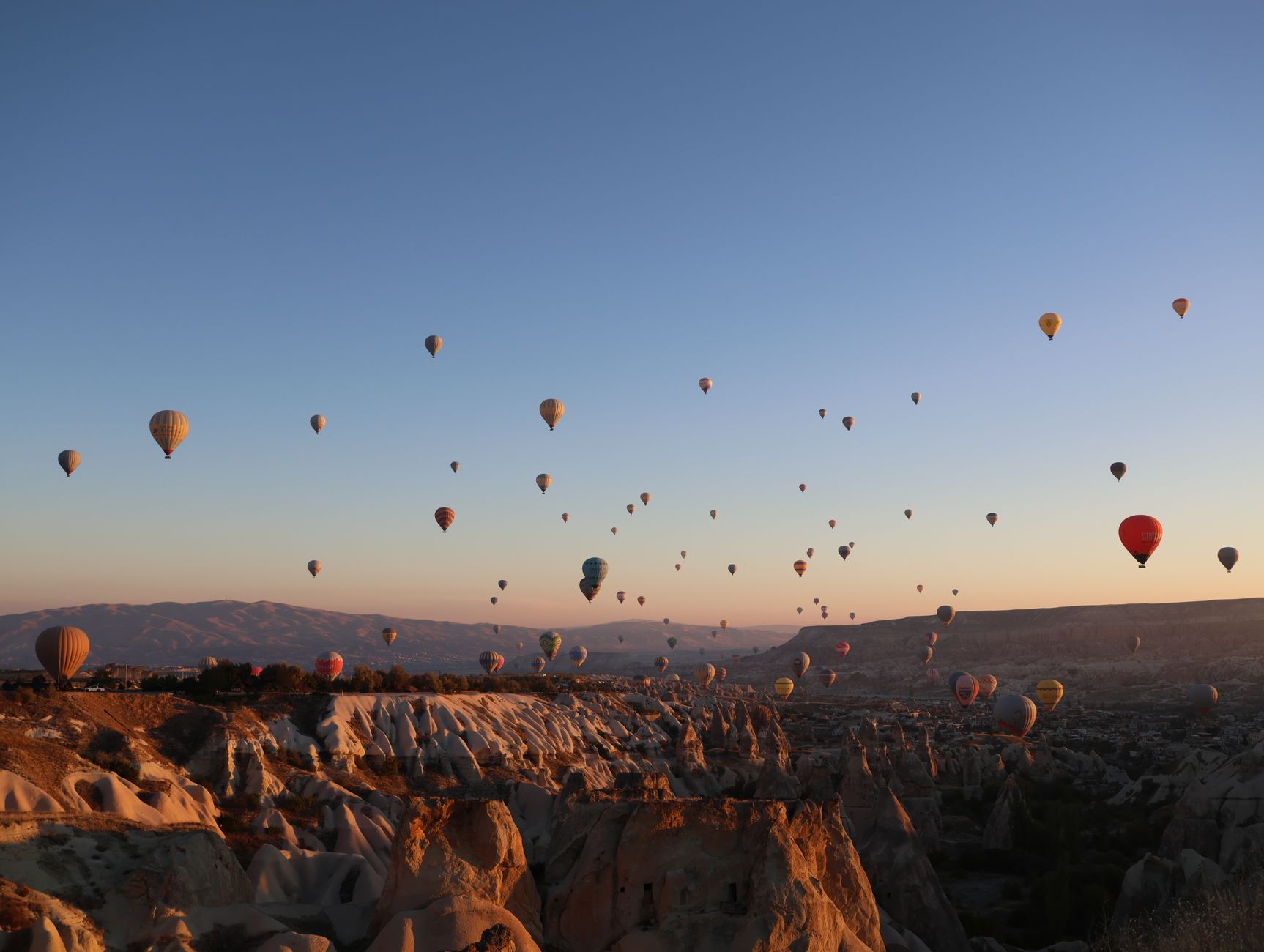
Cappadocia's surreal landscape of fairy chimneys, cave dwellings, and underground cities has captivated filmmakers and writers for decades. The region's unique geology makes it a natural film set, and its history as a refuge for early Christians adds layers of storytelling.
One of the most iconic films shot here is Ghost Rider: Spirit of Vengeance (2011), starring Nicolas Cage. While not a Turkish production, it showcases Cappadocia's dramatic terrain as a stand-in for Eastern Europe. More significantly, Turkish director Ferzan Özpetek used Cappadocia in his film Saturn in Opposition (2007), though the region's most famous cinematic appearance might be in Winter Sleep (2014), directed by Nuri Bilge Ceylan, which won the Palme d'Or at Cannes. The film is set in the nearby town of Ürgüp, and its stark, beautiful shots of the Anatolian steppe will inspire you to explore.
Beyond film, Cappadocia is steeped in literary history. The early Christian monks who carved churches into the rock wrote their own stories in frescoes and cave paintings. Explore the Göreme Open-Air Museum to see these ancient narratives, then hike through the Rose Valley, where every turn offers a new perspective.
For a fictional companion, pick up The Bastard of Istanbul by Elif Shafak. While much of the novel is set in Istanbul, its themes of memory and identity resonate with Cappadocia's layered past. Alternatively, Snow by Pamuk, though set in Kars, captures the isolated, snowbound atmosphere of Anatolia that you'll feel in Cappadocia's remote valleys.
Ankara and Anatolia: Historical Novels and Political Intrigue
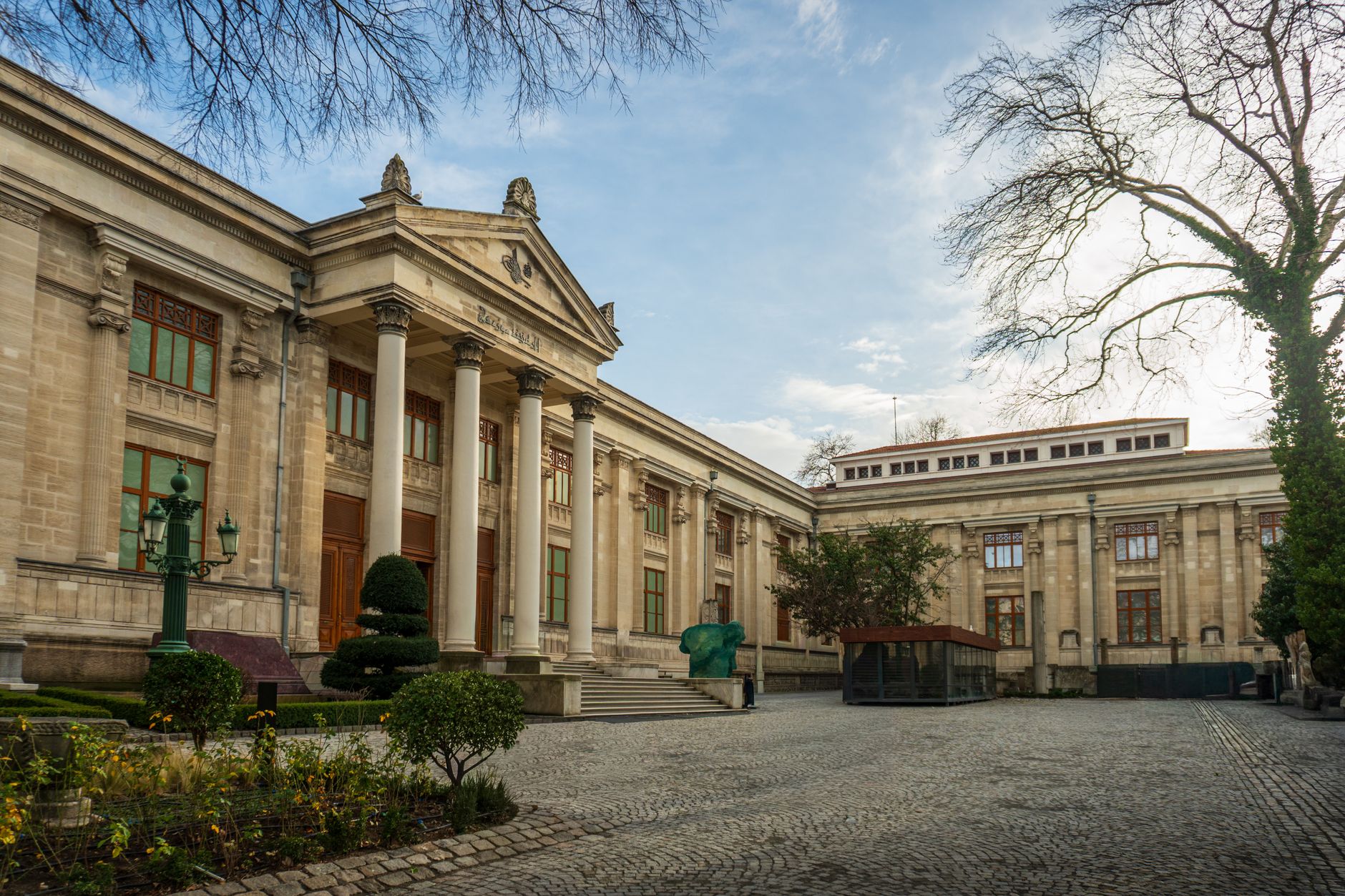
Ankara, Türkiye's capital, may not be the first city that comes to mind for literary travel, but it's a hub for historical novels and films about the Turkish War of Independence and the early Republic. The city's landmarks, such as the Anıtkabir (Atatürk's mausoleum) and the Museum of Anatolian Civilizations, provide context for the nation's story.
For a deep dive into this era, read The Turkish Gambit by Boris Akunin, a historical detective novel set during the Russo-Turkish War of 1877–78. While much of the action takes place in Bulgaria, the novel's portrayal of the Ottoman Empire's twilight is vivid. In Ankara, visit the War of Independence Museum to see artifacts from that period.
Turkish cinema also shines here. Vurun Kahpeye (1949), based on Halide Edib Adıvar's novel, is a classic of Turkish cinema set during the War of Independence. The film's locations in and around Ankara are now historical sites. Adıvar herself was a prominent novelist and nationalist, and her home in Istanbul is a museum.
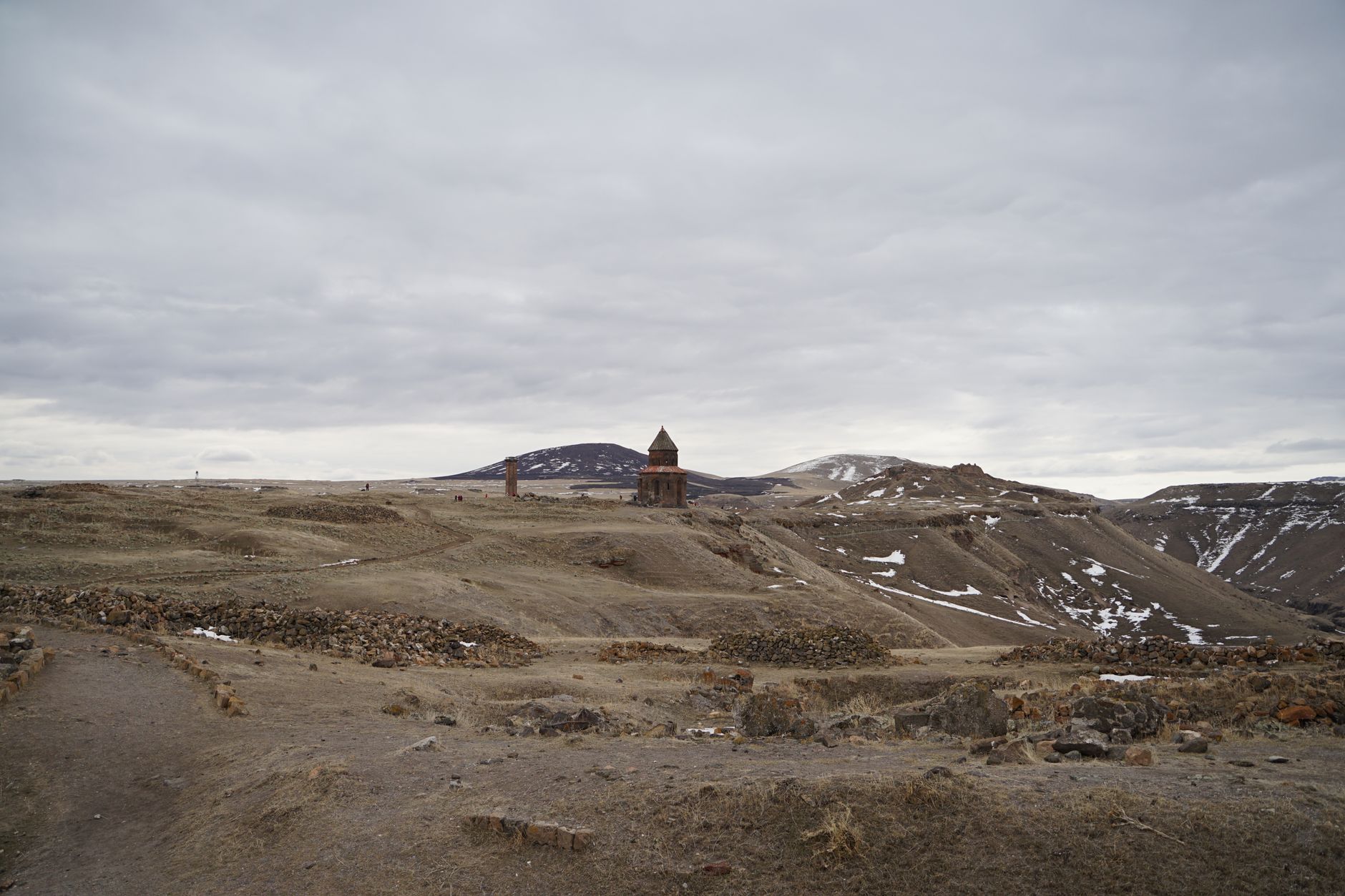
Further east, the city of Kars is the setting of Pamuk's Snow. The novel's protagonist, a poet, travels to Kars and becomes entangled in local politics and a snowstorm that cuts the city off from the world. Visiting Kars in winter, with its frozen streets and the imposing Kars Castle, will make you feel like you've stepped into the book. Don't miss the Ani ruins nearby, an ancient Armenian city that adds a haunting backdrop.
The Aegean Coast: Myth, Film, and Literature
The Aegean coast of Türkiye is drenched in mythology and has inspired writers from Homer to modern novelists. The ancient city of Troy, near Çanakkale, is the setting of the Iliad and has been the subject of numerous films, including Wolfgang Petersen's Troy (2004). While the film was shot in Malta and Mexico, the actual ruins of Troy are a pilgrimage site for literature lovers. Stand before the reconstructed wooden horse and imagine the epic battles.
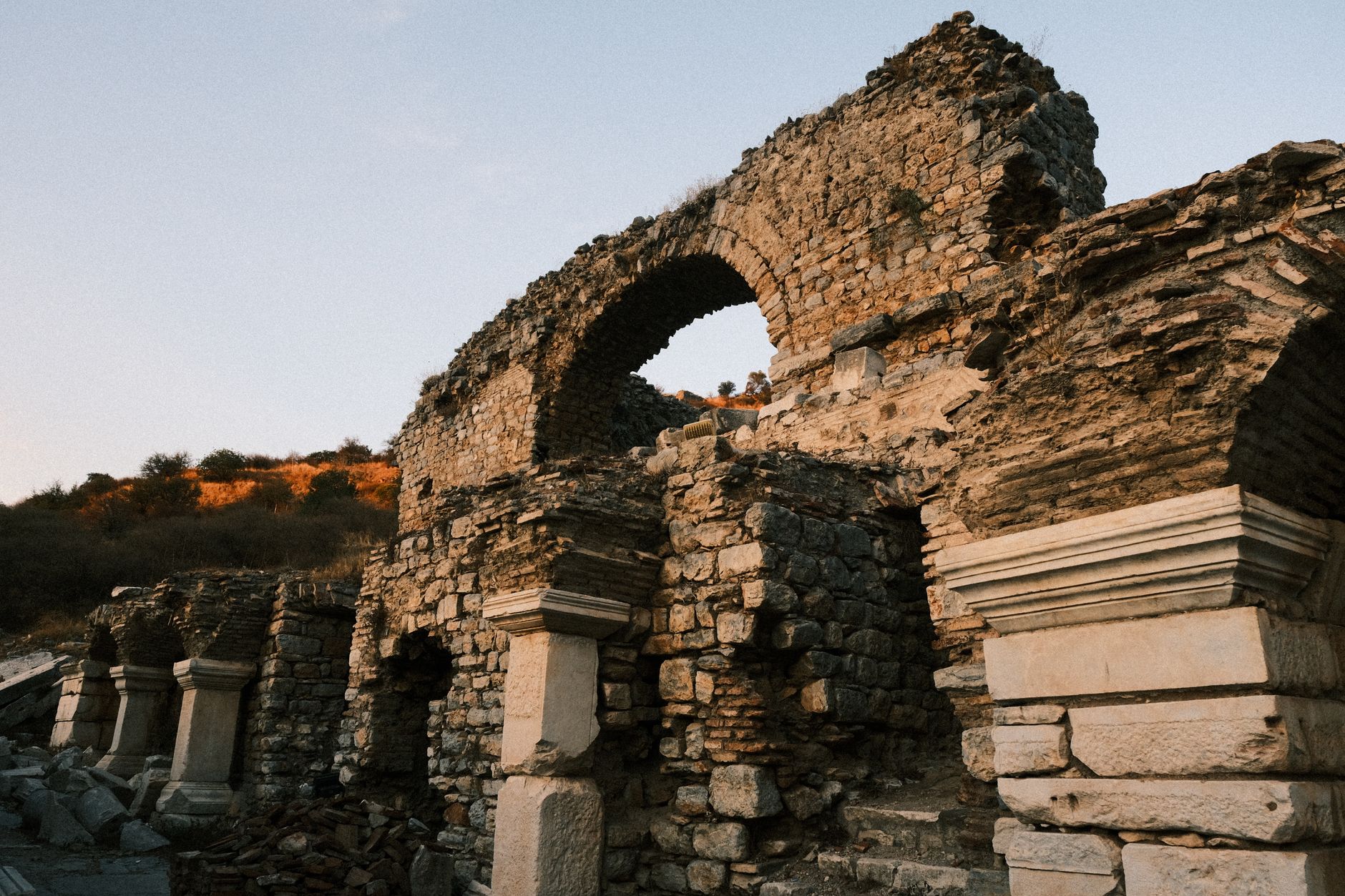
Further south, the town of Selçuk is home to Ephesus, one of the best-preserved ancient cities in the world. Ephesus has appeared in films like The Message (1976) and is mentioned in the Acts of the Apostles. Walking its marble streets, you can almost hear the stories of early Christians and Roman citizens.
For a modern literary angle, read The Flight of the Falcon by Daphne du Maurier, set in partly in Turkey, or Birds Without Wings by Louis de Bernières, which tells the story of a small Anatolian town during the collapse of the Ottoman Empire. The latter is set in the fictional town of Eskibahçe, inspired by the author's travels in the region. Visit the nearby town of Kayaköy, an abandoned Greek village that echoes the novel's themes of loss and displacement.
Filmmakers have also been drawn to the Aegean's light and beauty. Summer Rain (2006) by Bahman Ghobadi was shot in the region, and the annual Antalya Film Festival celebrates Turkish cinema.
Eastern Türkiye: Landscapes of Memory and Identity
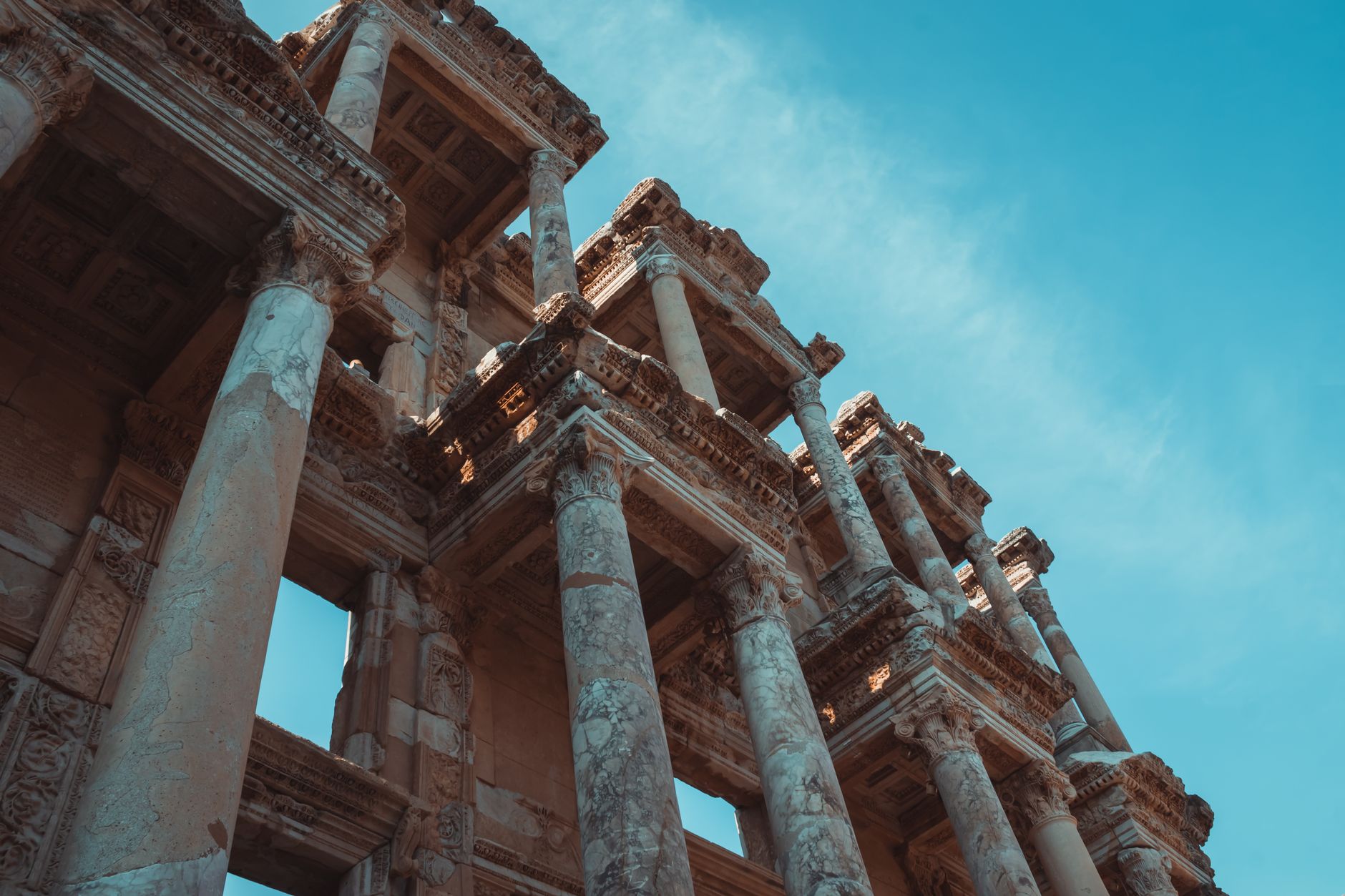
Eastern Türkiye, with its rugged mountains and ancient cities, is a less-traveled path but rich in literary and cinematic associations. The city of Van, on the shores of Lake Van, is the setting of The Armenian Genocide narratives and appears in films like Ararat (2002) by Atom Egoyan. The film explores the Armenian Genocide through the lens of a fictional film production, and parts were shot in Van.
For a literary journey, read The Sandcastle by Orhan Pamuk, set in a small town on the Aegean, but its themes of isolation and creativity apply to the east as well. Alternatively, My Name is Red is set in Istanbul, but its exploration of art and identity resonates across Türkiye.
The city of Kars, as mentioned, is the setting of Snow. The novel's snow-covered streets and political tensions are palpable even in summer. Visit the Kars Museum and the old Russian buildings, which date from the 19th century.
Another film location is the ancient city of Ani, near Kars, which appears in The Color of Pomegranates (1969) by Sergei Parajanov, a surreal biopic of Armenian poet Sayat Nova. The film's imagery is deeply influenced by Armenian and Turkish landscapes.
Practical Tips for the Literary Traveler
To make the most of your literary journey through Türkiye, plan your itinerary around the books and films that inspire you. Start with Istanbul, as it's the hub for most literary connections, then branch out to Cappadocia, the Aegean, and eastern Türkiye.
Read the books before you go: Orhan Pamuk's Istanbul, Snow, and The Museum of Innocence; Elif Shafak's The Bastard of Istanbul; Louis de Bernières' Birds Without Wings; and Halide Edib Adıvar's The Daughter of Smyrna. For films, watch Winter Sleep, Once Upon a Time in Anatolia, and The Color of Pomegranates.
Consider joining a literary tour or festival. The Istanbul International Literature Festival and the Antalya Film Festival are great ways to engage with Turkish storytelling. Many museums, like the Museum of Innocence, offer guided tours that connect exhibits to the novels.
Finally, embrace the journey. Türkiye's stories are not just in books and films—they're in the tea houses, the bazaars, and the conversations you'll have. Let the narratives guide you, but allow the country's warmth and complexity to surprise you.
Thinking about a trip to Turkey?
Share your contact details and a vetted local expert will follow up with a plan built around you — free, no obligation.