
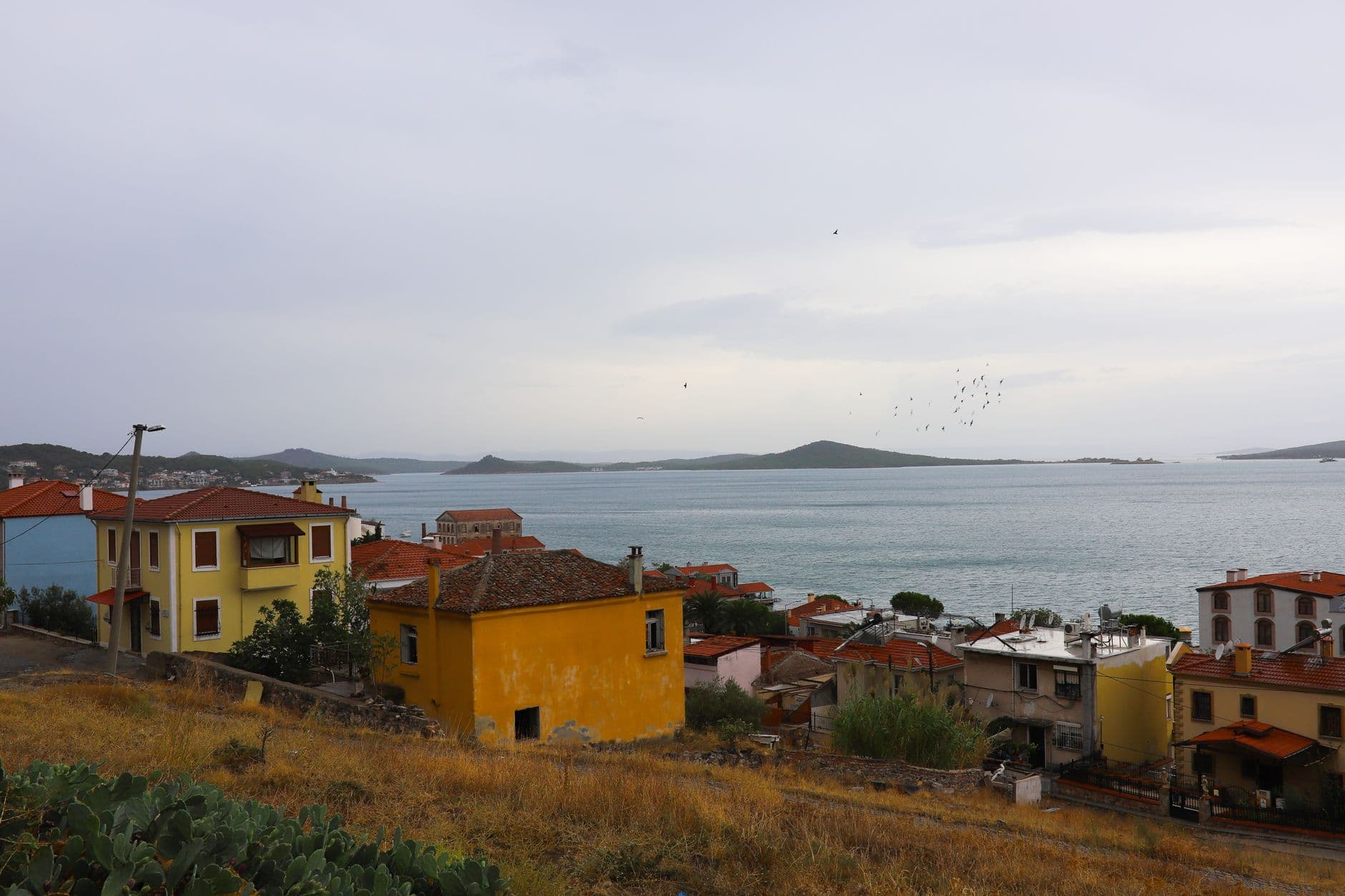
Most travellers picture Türkiye's wine through the lens of Cappadocia's tuff caves or the rolling vineyards of Thrace. Yet out in the northern Aegean, two islands quietly do something no mainland region can replicate: they grow grapes within sight and smell of the sea, then pour the results in courtyards where the only soundtrack is wind and cicadas. Bozcaada and Gökçeada are Türkiye's largest islands after Marmara, and together they form one of the Mediterranean's most underrated wine destinations.
This is not a polished, Napa-style experience, and that is precisely the point. Island wineries here are small, often family-run, frequently housed in stone village houses, and staffed by people who would rather talk about last year's wind than recite tasting notes. The wine is honest, the prices are gentle, and the welcome is warm. If you want to understand the unpretentious charm of Turkish island winemaking, start here.
Two Islands, One Wine Culture
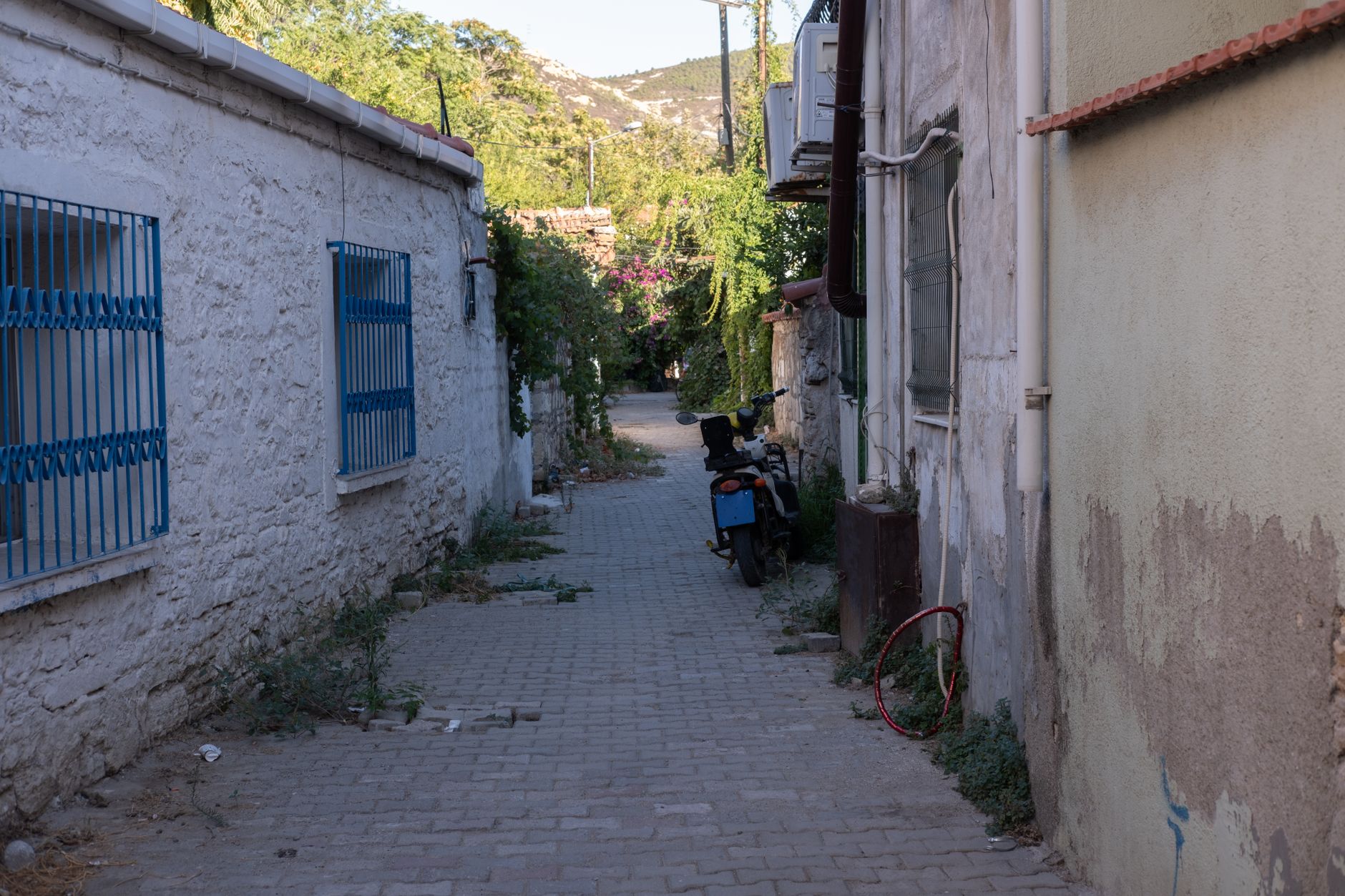
Bozcaada sits just off the coast near Çanakkale, a compact island of about 40 square kilometres where the main town is a maze of cobbled Greek-Turkish streets, and the interior is a patchwork of vineyards, olive groves and dry stone walls. Wine has been made here for millennia — Homer placed the Greek fleet at nearby Tenedos — and the island still carries a strong Rum (Greek Orthodox) heritage that flavours both its architecture and its kitchen.
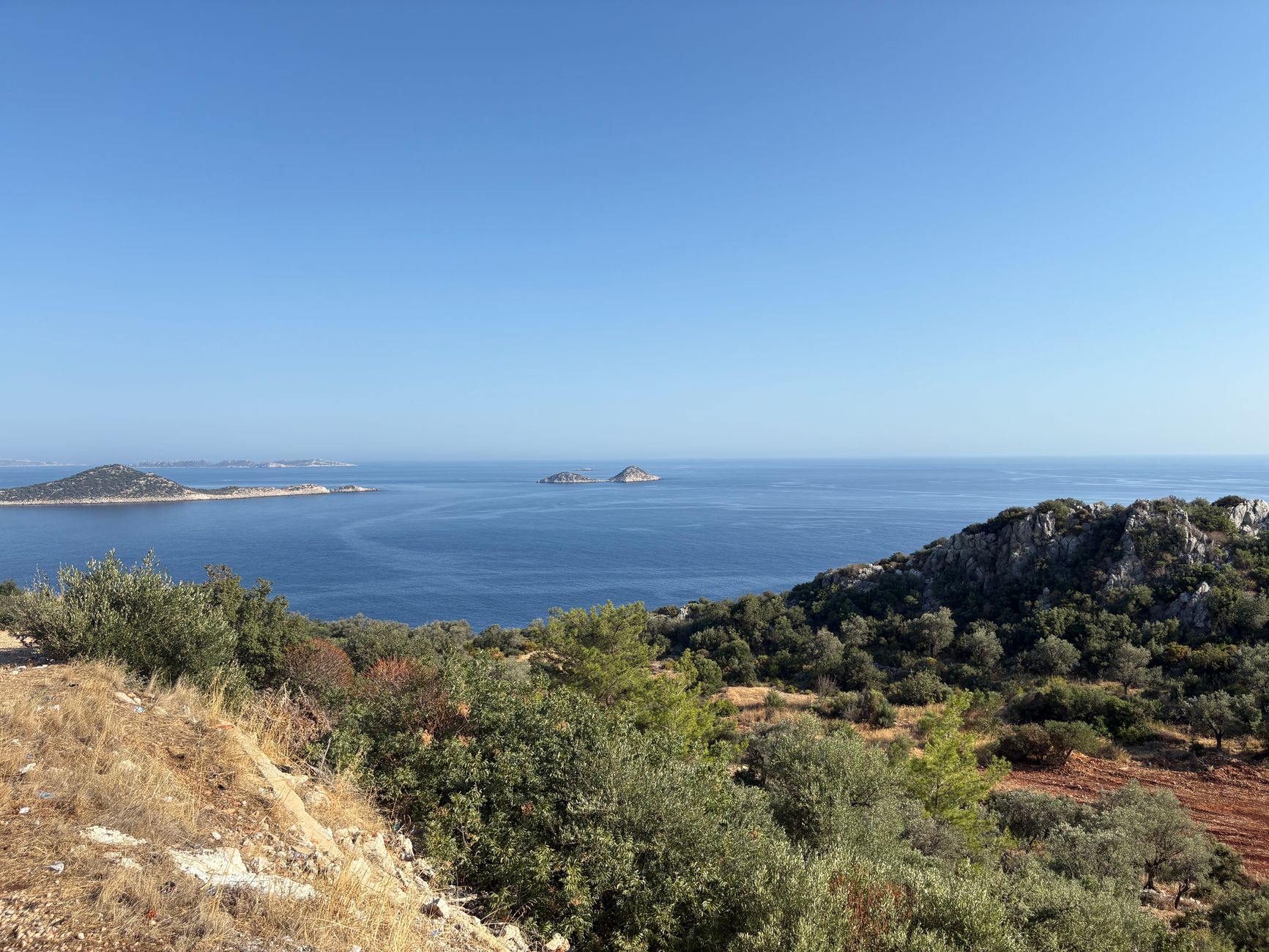
Gökçeada, further west and larger, is a different creature: rugged, sparsely populated, with hills that tumble down to quiet bays and villages that feel half-forgotten in the best way. It was historically an ethnically mixed island and today blends organic farming, wind energy and a small but growing wine scene. Both islands share the same essential gift: vineyards cooled by constant Aegean breezes, which slow ripening and keep acidity fresh.
The result is wine with lift and salinity rather than heavy fruit. Sipping a glass on a terrace while the meltemi ruffles the vines is not a marketing cliché here — it is simply how the wine was made to be drunk. For a wider look at Türkiye's regions and seasons, browse our destinations and best-time guides.
The Grapes That Taste of the Sea
Bozcaada's signature white is Vasilaki, a grape grown almost nowhere else in the world in commercial quantity. It produces a lean, citric, faintly saline wine that tastes like a squeeze of lemon over wet stones — utterly refreshing in the island heat. Alongside it you will find Kuntra (also called Karalahna in its red form), the workhorse red that gives spicy, savoury, medium-bodied wines well suited to grilled fish and lamb.
Gökçeada leans more towards international varieties — Cabernet Sauvignon, Merlot, Syrah and Sauvignon Blanc do well in its wind-scoured vineyards — alongside local grapes and a strong organic ethos. Several estates on the island are certified organic, and the constant breeze means growers can farm with fewer interventions than on the mainland.
What unites both islands is a style of winemaking that lets the fruit and the climate speak. You will rarely encounter heavily oaked blockbusters here. Instead, expect crisp whites, unoaked reds, rosés made for the beach, and the occasional experiment with skin contact or island vermouth. Ask a winemaker what the wind does to their grapes and you will get an answer that lasts twenty minutes — and teach you more than any tasting card.
Ferries and Getting There
Reaching the islands is part of the pleasure. Bozcaada is served by a short, frequent car-and-passenger ferry from Geyikli pier (around 35 minutes), which makes it an easy add-on to a Çanakkale or Troy itinerary. In summer, services run roughly hourly from early morning, and foot passengers rarely need to book far ahead; vehicles should be reserved, especially at weekends and during festivals.
Gökçeada is reached from Kabatepe, on the Gallipoli peninsula, by a crossing of about 90 minutes to two hours depending on the vessel and weather. Sailings are less frequent, so check schedules carefully and build in slack — the wind that makes the wine also occasionally disrupts the sea. Both islands can be combined with a broader Aegean loop; our routes section has ideas for linking them with Assos, Troy and the northern Aegean coast.
Practical notes: ferries carry vehicles but space is limited on Gökçeada crossings, so book through the operating company's site or a local agent. Bring cash for small purchases. If you are travelling without a car, Bozcaada's town and several vineyards are walkable or a short taxi ride away, while Gökçeada rewards a rental car or scooter for reaching wineries and beaches. Our travel tools page can help you plan connections.
Tasting on Bozcaada: Courtyards, Stone Walls and Generosity
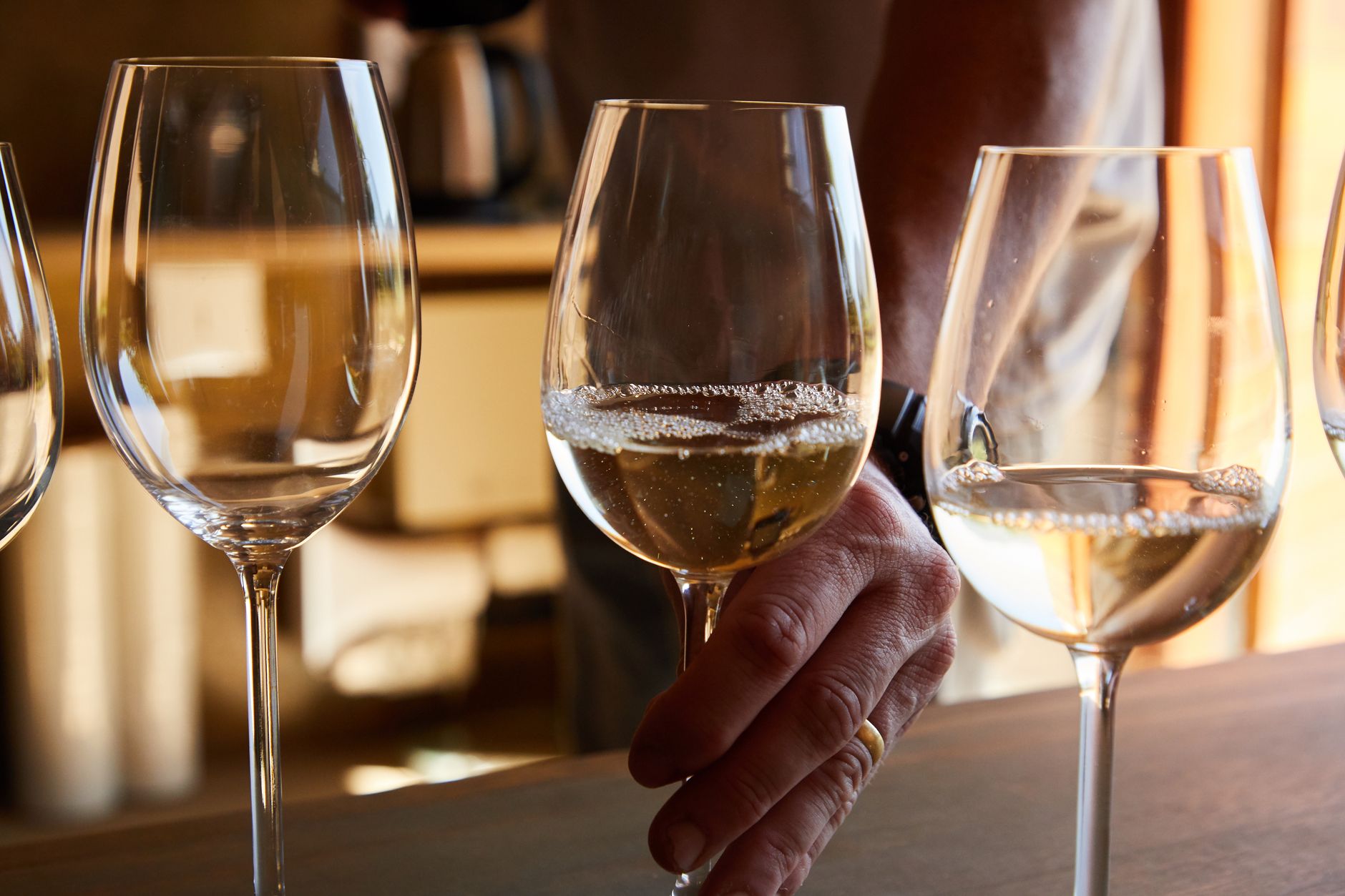
Bozcaada's wine experiences are intimate and clustered. In and around the town you will find family wineries with tasting rooms in converted stone houses, often open from late morning until evening in season. A typical visit involves a short walk through the vines or a glance at the small cellar, followed by a seated tasting of four to six wines with bread, olive oil, and perhaps local cheese or olives.
Tastings are inexpensive by European standards — often a modest fixed fee that is waived or credited if you buy bottles — and there is no pressure or ceremony. Owners may pour an extra glass of something they are proud of, or a bottle from an older vintage, simply because you asked a good question. The vibe is closer to visiting a friend's garden than to a commercial cellar door.
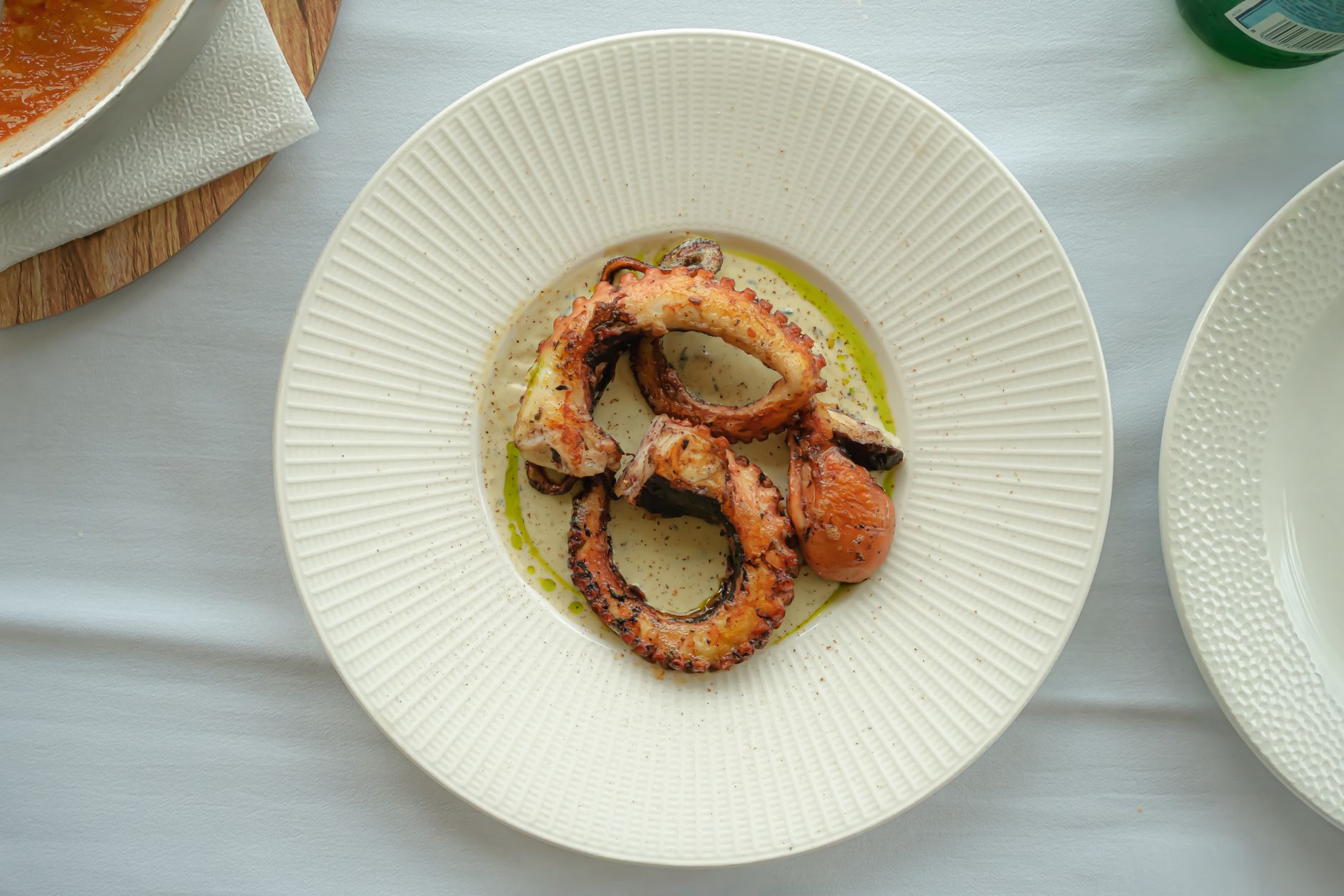
Beyond individual estates, the island's wine festival in late summer turns the whole town into a tasting venue, with stands along the waterfront and music into the night. Even outside festival time, many restaurants pour local wines by the glass, making it easy to compare producers over dinner. Pair a Vasilaki with the island's famous grilled octopus or a plate of sea snails, and you will understand why the locals are so calm about their wine.
Tasting on Gökçeada: Wide Skies and Quiet Estates
Gökçeada's wine scene is smaller and more spread out, which makes it feel like a discovery. Wineries here tend to sit among their own vines, with views across valleys to the sea, and visits are often by appointment or by simply turning up and asking politely. Because visitor numbers are lower, you may get the undivided attention of the winemaker for an hour or more.
The island's organic reputation extends beyond grapes — it is known for organic farming projects, honey and herbs — and many tastings include local produce alongside the wine. Expect rustic tables under vines or a shaded terrace, a plate of tomatoes that taste of sunshine, and a pace that resists hurry. Bring a jumper for the evening breeze even in summer.
Gökçeada's relative wildness means logistics matter more: check opening hours, call ahead, and combine a winery visit with the island's beaches, salt lake or the abandoned village of Zeytinliköy's neighbour settlements. The reward is wine tasting without crowds and conversations that linger.
Eating and Drinking Well: Practical Tips
Island dining is seafood-led and seasonal. On Bozcaada, look for grilled fish, octopus, stuffed courgette flowers, wild greens and the local version of kalamar. On Gökçeada, the same freshness applies with a more rustic edge, plus excellent local dairy and honey. Most restaurants welcome you to bring your own wine for a corkage fee, or will happily recommend a nearby producer.
- Book accommodation early in July and August, and consider June or September for gentler crowds and cooler tasting rooms.
- Spit if you are driving; island roads are narrow and the local police are not lenient.
- Buy bottles at the winery rather than in town — you will often get a better price and a story to go with it.
- Learn a few words of Turkish; islanders appreciate the effort and it opens doors.
- Carry cash for small wineries and rural restaurants.
- Respect the vines: never pick grapes without permission, and keep to paths during harvest.
For more food-focused inspiration across the country, see our guides and blog, or use the trip planner to build an island wine itinerary. If you would like a local expert to arrange tastings and ferries, our experts can help.
Why Island Wine Feels Different
There is a reason visitors describe Turkish island wineries as welcoming and unpretentious. These are not brands built for export; they are small operations tied to family land, often run by the second or third generation, where hospitality is a point of pride rather than a service standard. Nobody will rush your tasting to turn the table, and nobody will make you feel ignorant for asking what Vasilaki means.
That generosity is the real attraction. You come for the wine — saline whites, peppery reds, sun-warmed rosés — and leave remembering the person who poured it, the view over the vineyard to the sea, and the sense that you were genuinely welcome. In an age of increasingly curated wine tourism, the Aegean islands remain refreshingly human.
On Bozcaada and Gökçeada, the best tasting is the one where you lose track of time, not the one with the longest list of awards.
Come with curiosity rather than a checklist, stay a night longer than you planned, and let the sea breeze set the pace. For help shaping the rest of your trip, explore our itineraries or check the FAQ before you go.
Thinking about a trip to Turkey?
Share your contact details and a vetted local expert will follow up with a plan built around you — free, no obligation.