

Why Türkiye Is the Rising Star of Agritourism
Türkiye has long been celebrated for its stunning coastlines, ancient ruins, and vibrant bazaars. But a quieter revolution is unfolding across the countryside: a thriving agritourism scene where travelers are welcomed into working farms, kitchen gardens, and family-run guesthouses. Here, the line between the field and your plate is measured in minutes, not miles. Whether you're plucking tomatoes in the Aegean sun or learning to roll dolma with a village host, a farm stay in Türkiye offers an authentic, affordable, and deeply delicious escape.
The concept is simple: you sleep in a rustic stone house or a converted barn, you help (or simply observe) daily farm life, and you eat meals crafted from ingredients harvested hours—sometimes minutes—earlier. This isn't a sterile resort experience; it's a cultural exchange. You'll likely be greeted with a glass of homemade limonata or a cup of çay, and by the end of your stay, you'll feel like part of the family.
From the olive terraces of the Bodrum Peninsula to the citrus groves near Antalya and the highland gardens of the Black Sea, farm-to-table stays are sprouting up across the country. This guide will walk you through what to expect, how to book, and how to make the most of this deliciously immersive way to travel.
What Exactly Is a Turkish Farm Stay?
Turkish agritourism—often called tarım turizmi or çiftlik turizmi—comes in several shapes. Some are boutique eco-farms with a handful of stylish rooms, solar panels, and a focus on organic produce. Others are simple village homestays where you share the family's table and help with seasonal tasks like harvesting olives, milking goats, or picking figs. Most fall somewhere in between: a working farm with a few guest rooms, a communal kitchen, and an open invitation to join in.
What they share is a commitment to real food. Breakfast might include eggs from the henhouse, cheese made from the family's sheep, countless small plates of garden vegetables, and jams from fruit trees you can see from your window. Dinner is often a multi-course affair, with grilled meats, stuffed vegetables, and olive oil–dressed salads, all accompanied by homemade wine or rakı.
Accommodations range from basic (think comfortable but simple) to surprisingly luxurious, with some farms offering swimming pools and spa services. But the heart of the experience remains the same: a connection to the land and the people who work it.
Where to Find the Best Farm Stays in Türkiye
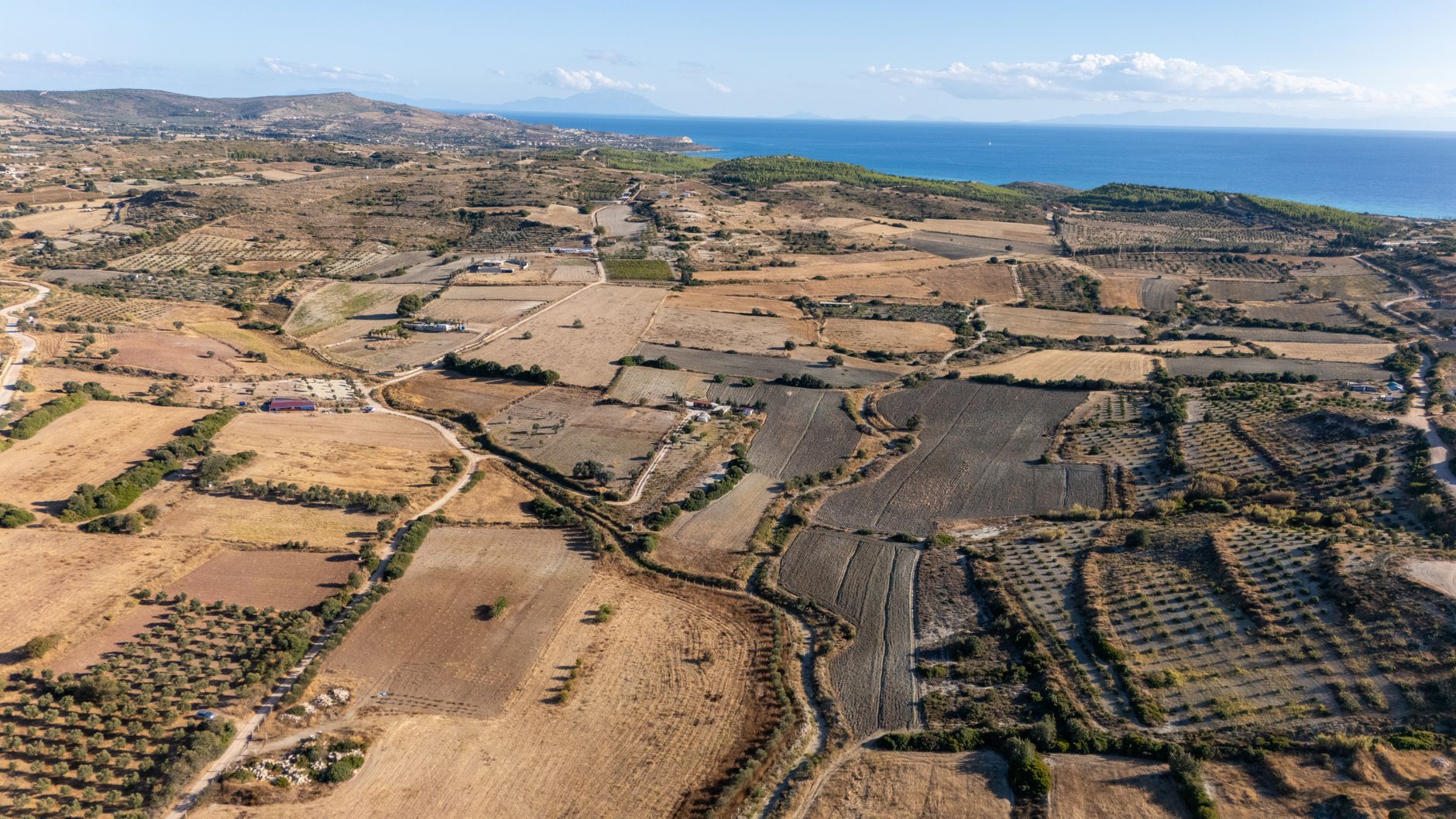
The Aegean and Mediterranean regions are the epicenters of Turkish agritourism, thanks to their mild climate and long growing seasons. In the Aegean, look to the Bodrum Peninsula, where olive groves and mandarin orchards meet the sea. The village of Bitez and the surrounding area are dotted with family farms that welcome guests. Further north, the area around Ayvalık is famous for its olive oil and offers several farm stays where you can learn about cold-pressing.
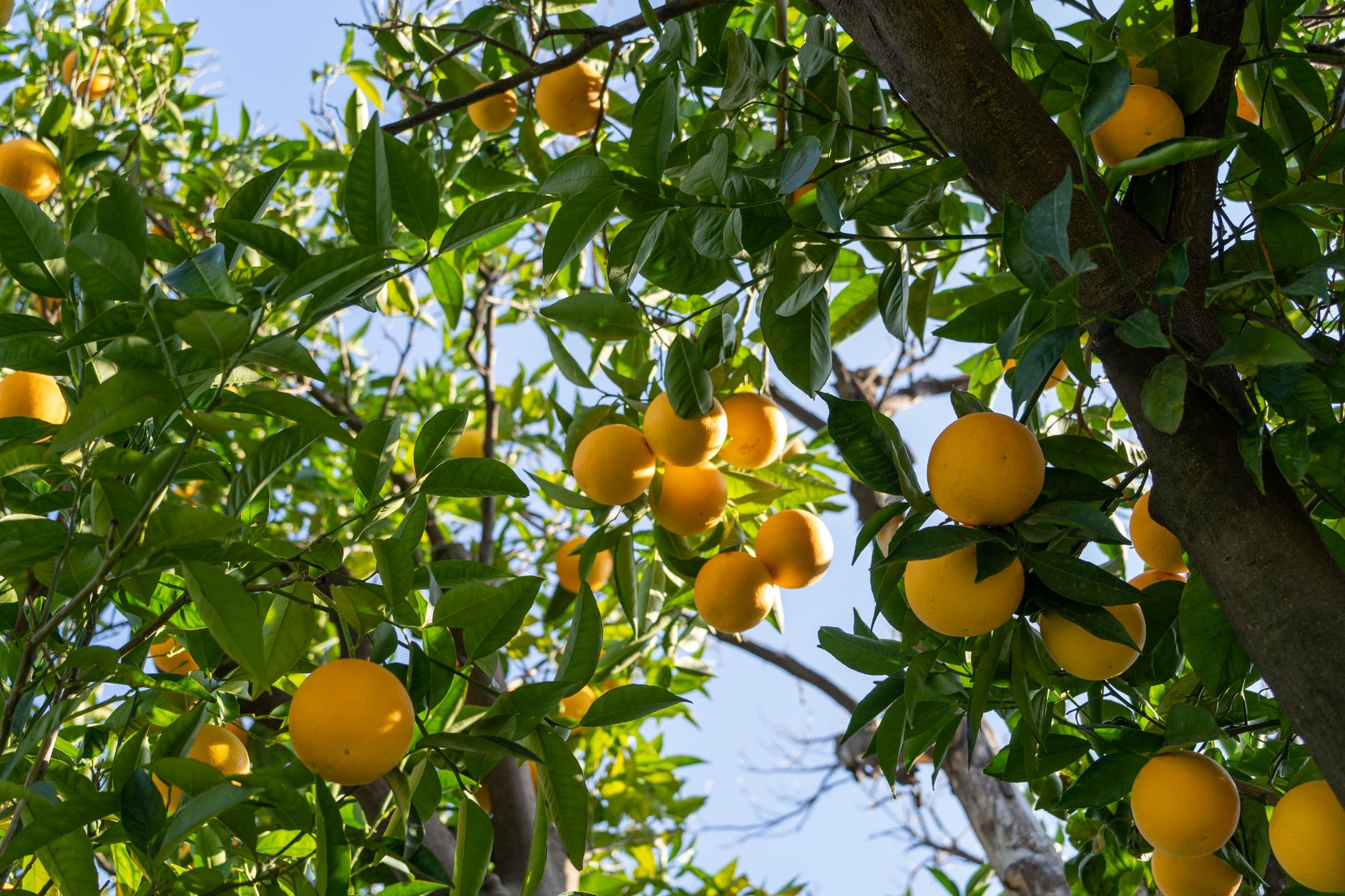
On the Mediterranean coast, the region between Fethiye and Antalya is a treasure trove. Here, you'll find citrus groves, pomegranate orchards, and greenhouse farms. Towns like Kaş and Demre have farm stays that combine beach time with garden-to-table dining. Inland, the Taurus Mountains hide highland villages where traditional farming still reigns; places like Elmalı and Korkuteli offer a cooler, greener escape.
Don't overlook the Black Sea region. The lush, rainy slopes around Rize and Trabzon are perfect for tea plantations and hazelnut farms. A stay here might involve picking tea leaves, learning to make kuymak (a gooey cornmeal and cheese dish), and waking up to misty mountain views. Central Anatolia, too, has its charms: the Cappadocia region has farms growing pumpkins, grapes, and herbs, often paired with cave hotel accommodations.
A Day in the Life: Sample Routines on a Turkish Farm
Every farm has its own rhythm, but here's a typical day that you might experience on an Aegean farm stay. You'll wake early—perhaps to the call of a rooster or the distant sound of a tractor. Breakfast is served outdoors under a vine-covered pergola: fresh bread, village cheese, olives, tomatoes, cucumbers, and endless cups of tea. After eating, you might join the host for a tour of the garden, collecting eggs, feeding the chickens, or picking vegetables for lunch.
Midday is often reserved for cooking. You'll learn to make dishes like zeytinyağlı taze fasulye (green beans in olive oil), dolma (stuffed grape leaves), or menemen (scrambled eggs with tomatoes and peppers). The host will share stories and secrets, and you'll gain a deeper appreciation for the labor behind each meal. Lunch is a leisurely affair, followed by a siesta or a dip in a nearby cove if you're close to the sea.
Afternoon activities vary: you might help with the olive harvest in autumn, pick figs in late summer, or simply relax in a hammock with a book. As evening falls, the farm comes alive again. Dinner is often a communal event, with neighbors dropping by and music breaking out. You'll eat dishes like grilled fish, lamb stew, and stuffed zucchini flowers, all paired with local wine or rakı. The conversation flows easily, even if you don't speak Turkish—gestures, smiles, and shared food bridge the gap.
Booking Tips: How to Find and Reserve the Right Farm Stay
Booking a Turkish farm stay requires a bit more legwork than reserving a standard hotel, but the rewards are worth it. Start with dedicated platforms like WWOF (World Wide Opportunities on Organic Farms) or Workaway, which list farms in Türkiye seeking volunteers (often in exchange for room and board). For a more comfortable stay, try Airbnb and Booking.com, using keywords like "agriturismo," "farm stay," or "çiftlik." Local Turkish sites like Tarım Turizmi and Kırsal Turizm also list certified farm stays, though they may be in Turkish only.
When evaluating a farm stay, look for details about meals: Are they included? Are they sourced from the farm? Some hosts offer cooking classes for an extra fee. Check reviews for mentions of hospitality, cleanliness, and food quality. It's also wise to ask about the level of participation expected—some farms want helping hands, while others are purely for relaxation.
Book early for peak seasons (June–September on the coast, April–May for spring blooms). Payment is often in cash (Turkish lira) or via bank transfer; credit cards may not be accepted. Don't be shy about emailing or calling with questions—Turkish hosts are generally warm and responsive, and a quick chat can clarify everything.
What to Expect from Your Hosts: Warmth, Generosity, and a Little Chaos
Turkish village hospitality is legendary, and farm stays are where it shines brightest. Your hosts will likely treat you as an honored guest, offering food and tea at every turn. They may not speak much English, but they'll use Google Translate, hand gestures, and lots of patience to communicate. You might be invited to a family wedding, a neighbor's barbecue, or a trip to the local market.
Be prepared for a flexible schedule. Farm life is unpredictable—a goat might go missing, a sudden rainstorm might necessitate a rush to cover crops. Meals may be served later than you're used to, and plans can change at a moment's notice. Embrace the spontaneity; it's part of the charm. And don't be surprised if your host sends you home with jars of jam, bags of herbs, or a bottle of olive oil.
Respect for local customs goes a long way. Dress modestly when visiting nearby villages, ask before taking photos of people, and always accept offered food or tea—refusing can be seen as impolite. A few words of Turkish (merhaba for hello, teşekkürler for thank you) will endear you to your hosts. Ultimately, the relationships you build are as memorable as the meals.
The Flavors You'll Savor: From Garden to Table
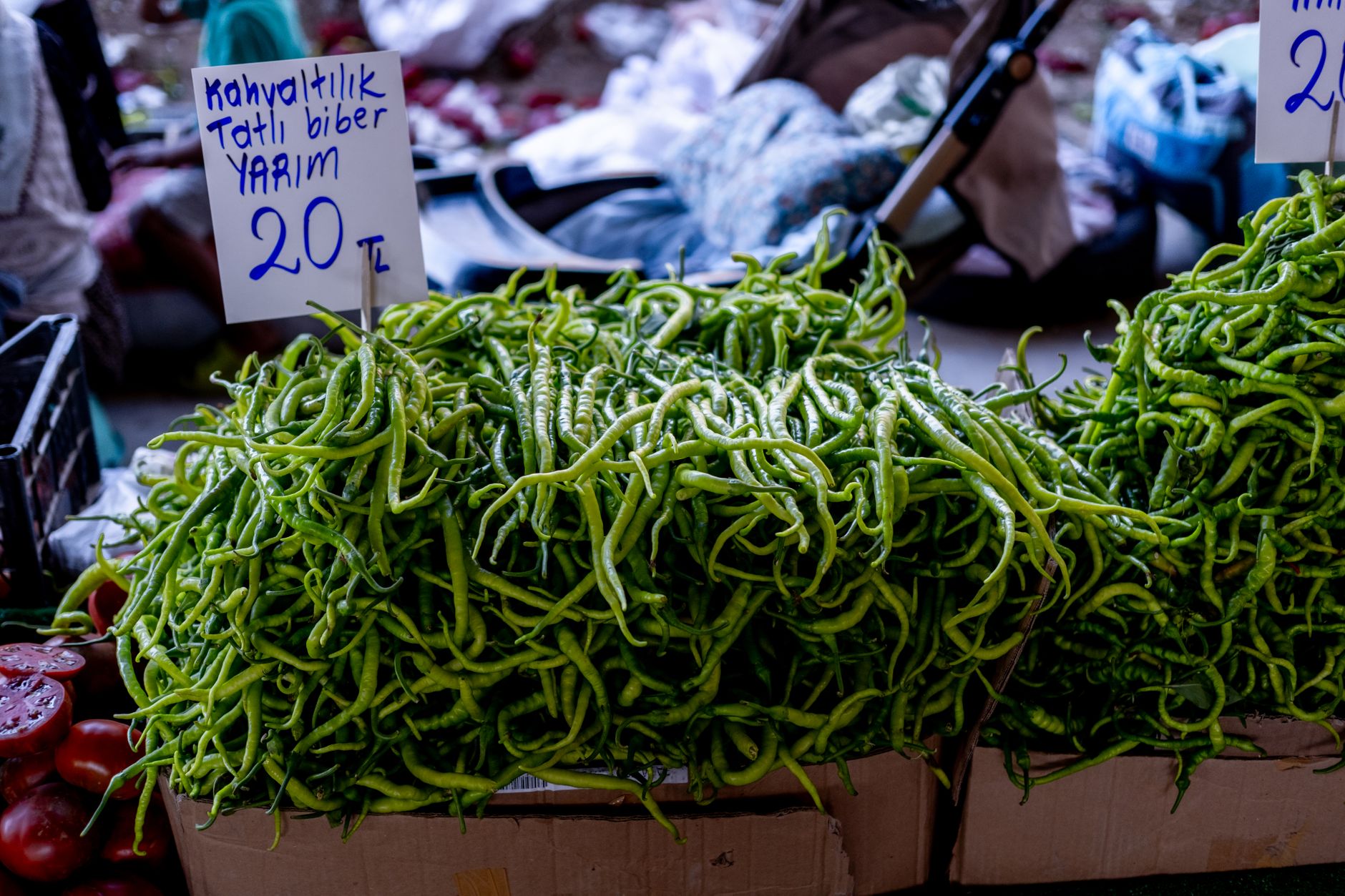
The food is the star of any farm stay. Expect ultra-fresh vegetables: tomatoes that taste like sunshine, cucumbers with a snap, and peppers with a gentle heat. You'll eat herbs picked minutes before: mint, parsley, dill, and thyme. Olive oil is a religion here, and you'll likely taste the current harvest, peppery and green. Cheeses are often made on-site, from sheep or goat milk, and yogurt is thick and tangy.
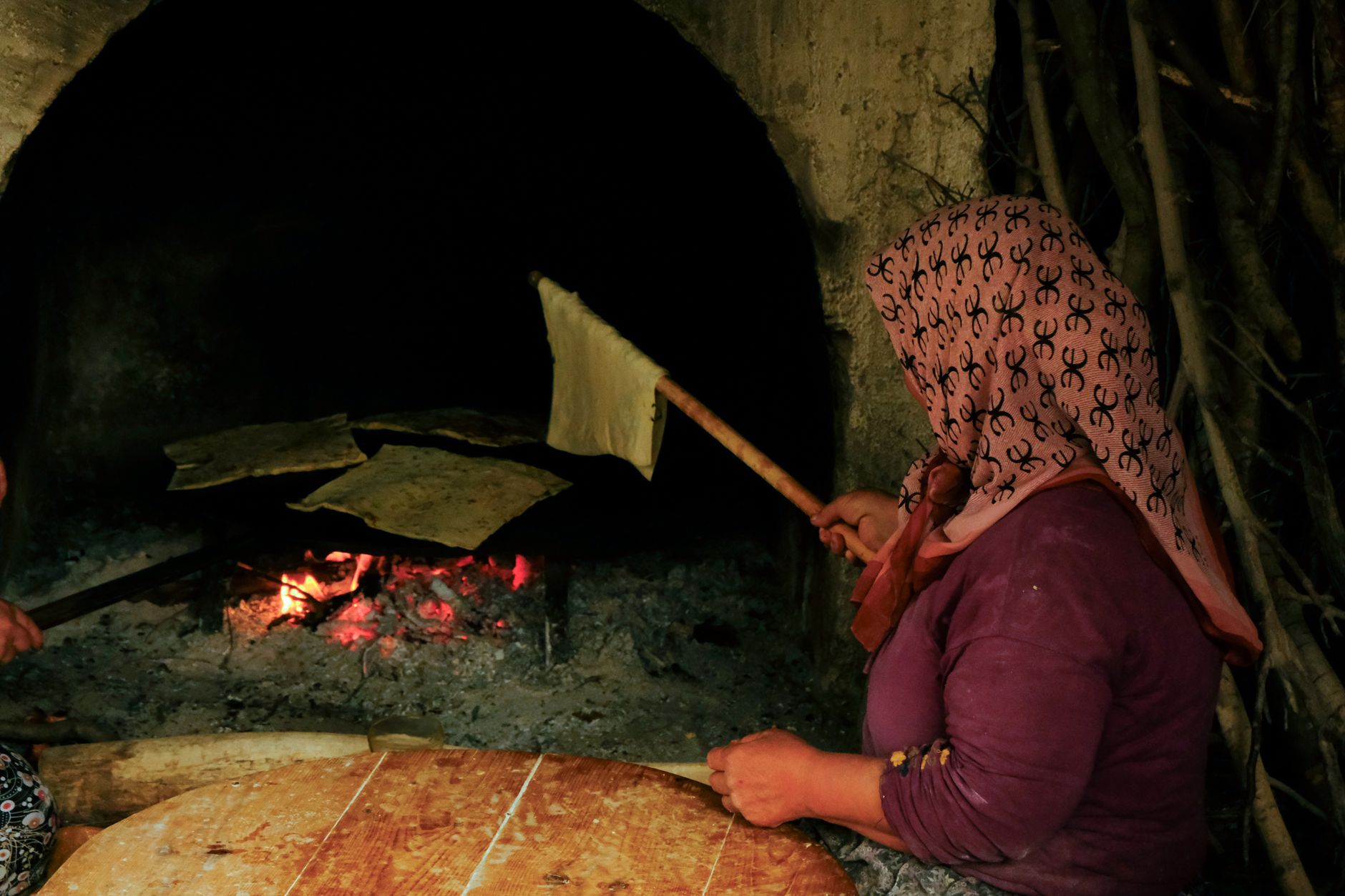
Meals are seasonal. In spring, you'll feast on artichokes, fava beans, and wild greens. Summer brings tomatoes, eggplant, and zucchini, often stuffed or grilled. Autumn is for figs, grapes, and pomegranates, while winter focuses on root vegetables, citrus, and preserved foods. Meat, when served, is usually free-range and grilled simply over charcoal. Bread is baked in a wood-fired oven or bought fresh from the village bakery.
And then there's dessert: maybe kadayıf with fresh cheese, incir tatlısı (fig dessert), or just fruit straight from the tree. Every meal is a celebration of the land, and you'll leave with a deeper appreciation for the seasons and the people who steward them.
Practicalities: Costs, Packing, and Getting There
Farm stays in Türkiye are remarkably affordable. You can find rooms for as little as 500–800 TL (roughly $15–25) per person per night, including breakfast and sometimes dinner. More luxurious eco-farms might charge 1500–2500 TL ($45–75), still a bargain compared to Western Europe. Volunteering through WWOF or Workaway typically covers accommodation and some meals in exchange for about 4–6 hours of work per day.
Pack sensibly: sturdy shoes for walking, a hat and sunscreen, insect repellent, and a refillable water bottle. Bring a small gift from your home country (chocolate, a magnet, or a postcard) for your hosts—it's a thoughtful gesture. Cash is essential, as ATMs may be scarce in rural areas. A basic first-aid kit and any medications you need are also wise.
Getting to farms usually involves a flight to a major city (Izmir, Antalya, Dalaman, or Trabzon), then a bus or rental car to the village. Some hosts offer pickup for a fee. Public transport (dolmuş) reaches many villages, but a car gives you more flexibility. Roads are generally good, but be prepared for winding mountain routes.
Why It Matters: Supporting Local Communities and Sustainable Travel
Choosing a farm stay is a vote for sustainable tourism. Your money goes directly to local families, not international hotel chains. You're supporting traditional farming methods that preserve biodiversity and landscapes. Many farms practice organic or regenerative agriculture, and your visit helps them continue.
Moreover, you're bridging cultures. In a world of increasing homogenization, the chance to sit at a Turkish family's table, share stories, and learn from their way of life is priceless. You'll return home with new recipes, new friends, and a profound sense of connection. So why not trade the buffet line for a garden row? Türkiye's kitchen gardens are waiting.
Thinking about a trip to Turkey?
Share your contact details and a vetted local expert will follow up with a plan built around you — free, no obligation.