

The Kahvehane: A Living Room for the Neighborhood
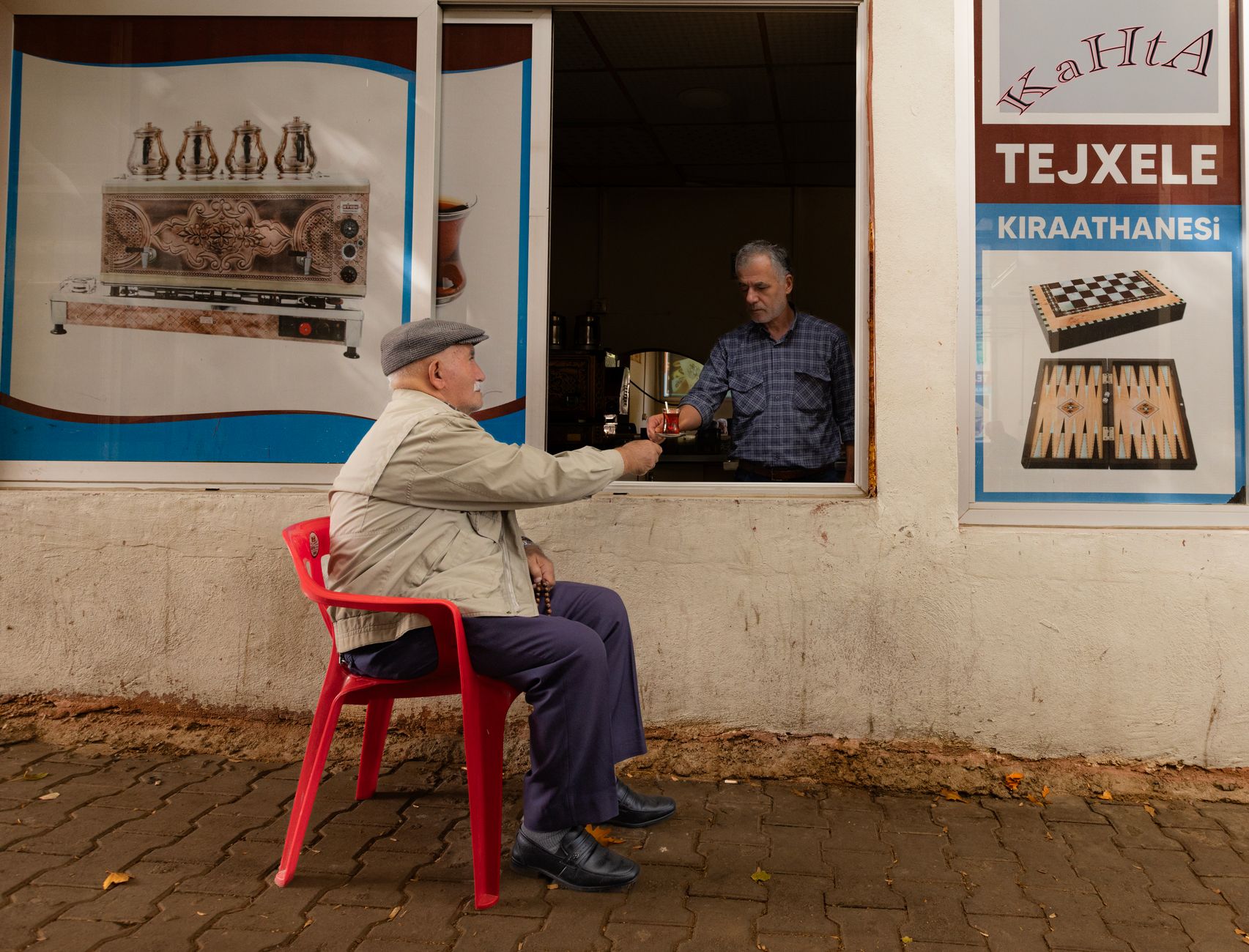
In almost every Turkish neighborhood, from the steep streets of Istanbul's Balat to the quiet squares of Konya and the coastal towns of the Aegean, there is a kahvehane—a coffeehouse that functions less as a café and more as a communal living room. These are not the polished, Instagram-ready spots you might find along Istiklal Avenue. They are modest, often a bit worn, with plastic chairs, wooden tables, and walls adorned with framed photographs of Atatürk, local football teams, and the occasional handwritten poem. The air smells of strong tea and toasted bread.
The kahvehane is a deeply rooted institution in Turkish social life. Historically, it was a place for men to gather, discuss politics, play backgammon (tavla), and read the daily newspapers. While the clientele has diversified over the years—especially in more liberal neighborhoods—the core ritual remains: you come, you sit, someone brings you çay, and time slows down. For a visitor, stepping into one is like being handed a backstage pass to everyday Turkish life.
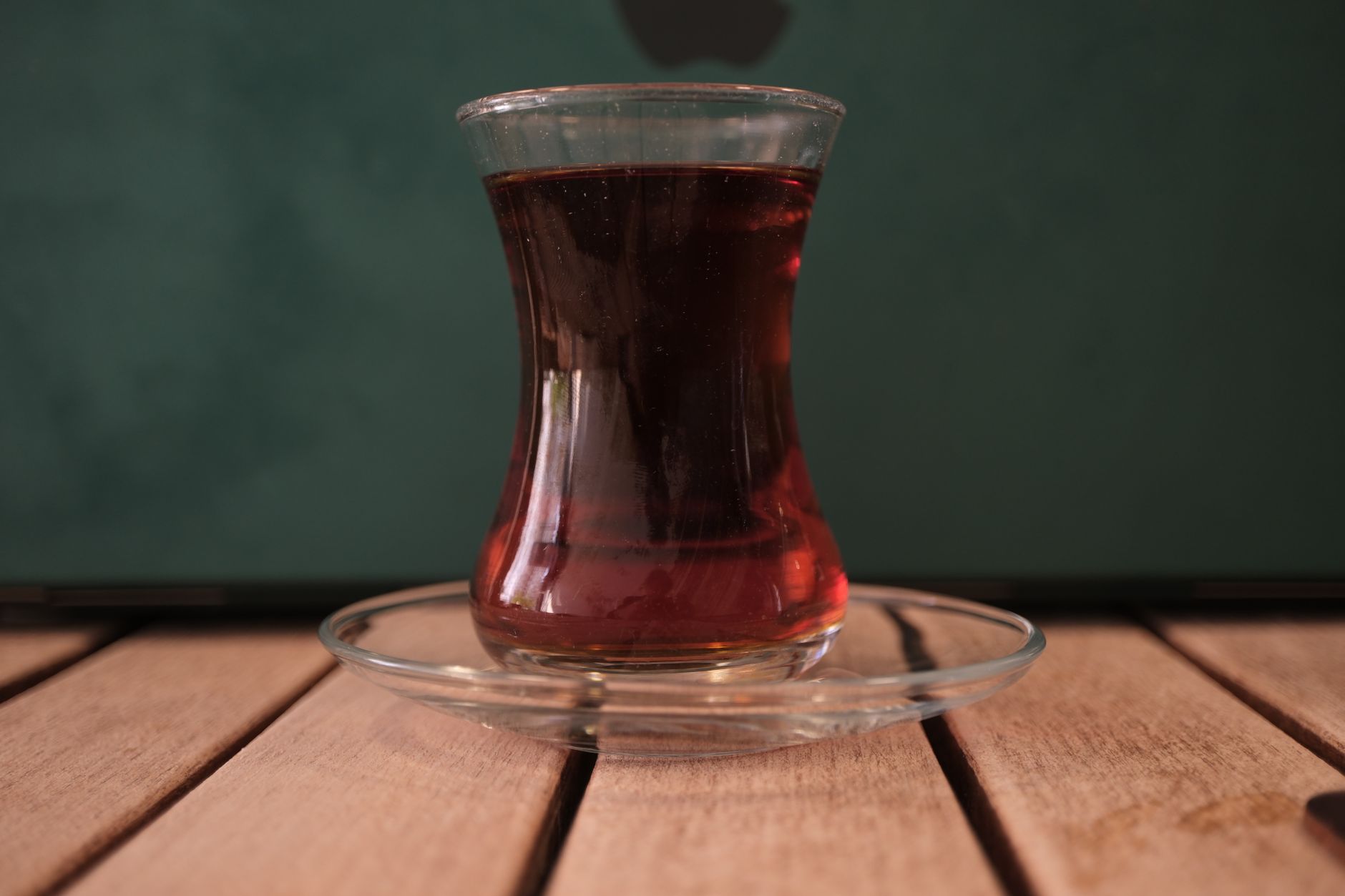
What strikes a newcomer first is the quiet rhythm. There is no rush. The çay arrives in small, tulip-shaped glasses on a metal tray, often with a cube of sugar on the saucer. The newspaper is folded neatly, passed from hand to hand. A game of tavla might last an hour, punctuated by the slap of dice and the rattle of checkers. Conversation drifts between politics, football, and the price of tomatoes. It is a world away from the tourist trail—and that is precisely the point.
Çay Bahçesi: Gardens of Conversation and Green Shade
If the kahvehane is the neighborhood's living room, the çay bahçesi is its garden. These tea gardens are outdoor spaces—often shaded by plane trees or vines, sometimes overlooking a mosque courtyard, a harbor, or a bustling square—where Turks gather to sip çay, nibble on simit, and watch the world go by. They are particularly beloved in warmer months, from spring through early autumn, and can be found in cities, towns, and villages alike.
In Istanbul, the çay bahçesi at Emirgan Park or the one tucked behind the Yeni Cami in Eminönü offer a serene escape from the crowds. In Izmir, the Kordon waterfront is lined with tea gardens where families linger until late evening. In the southeast, in cities like Mardin or Şanlıurfa, tea gardens often sit in the shadow of ancient stone buildings, serving strong tea with a view of history. Each has its own character, but the essential experience is the same: you sit, you sip, you talk, or you simply watch.
What makes the çay bahçesi special is its accessibility. Unlike restaurants, there is no pressure to order a full meal. A single glass of çay costs a few lira, and you can sit for as long as you like. Students study, retirees play cards, friends catch up, and solo visitors read. It is a democratic space, open to everyone, and a perfect entry point for travelers who want to experience Turkish social life without feeling like an intruder.
The Daily Rituals: Newspapers, Tavla, and Unhurried Time
Morning is the golden hour of the kahvehane. Regulars arrive early, often before 8 a.m., with the day's newspaper tucked under their arm. They order a çay, unfold the pages, and settle into a comfortable silence. Some read front to back; others flip straight to the sports section or the crossword. The newspapers are often shared—one copy might circulate among three or four men, each taking turns. It is a ritual of connection, not just to the news but to the community.
By mid-morning, the tavla boards come out. Backgammon is more than a game in Türkiye; it is a language. The clack of dice against the wooden board, the quick movement of checkers, the occasional triumphant slap—these sounds form the soundtrack of the kahvehane. Regulars have their favorite tables and their preferred opponents. A visitor who shows interest may be invited to play, and while the rules are simple to learn, the strategy takes years. Losing gracefully is part of the etiquette.
Tea is the constant companion. A çay bardağı is never empty for long; the server, often a young boy or a man with a tray, circulates continuously, refilling glasses. It is considered rude to refuse a refill, though you can simply place your hand over the glass to signal you've had enough. The tea itself is strong, brewed in a double teapot (çaydanlık) and served without milk. Sugar is optional, but many Turks take one or two cubes.
"In the kahvehane, no one is in a hurry. The tea comes, the newspaper goes, and the day unfolds at its own pace."
How to Join Respectfully: Etiquette for Visitors
Entering a local kahvehane or çay bahçesi as a foreigner can feel intimidating, but Turks are generally welcoming—especially if you show respect for the space. The first rule is to observe before you act. Look for an empty table, and if you're unsure whether a place is open to outsiders, a simple "Merhaba" (hello) and a smile will usually tell you. In more conservative neighborhoods, some kahvehanes are exclusively male; if you are a woman or a mixed group, it's best to choose a çay bahçesi or a more central café, which are almost always mixed.
When you sit, someone will come to take your order. The default is çay—just say "Bir çay, lütfen" (One tea, please). If you want Turkish coffee, ask for "Türk kahvesi." Payment is usually made when you leave, and tipping is not expected in these humble establishments, though rounding up is appreciated. Avoid loud conversations or taking phone calls at the table; the atmosphere is calm, and raising your voice draws unwanted attention.
If you're invited to play tavla, accept with a gracious nod. It's fine to admit you're a beginner—most players will happily teach you. Don't touch the dice or move pieces until it's your turn, and never rush your opponent. When the game ends, a handshake or a nod is sufficient. And if someone offers you tea, accept it; refusing hospitality can be seen as cold. These small gestures go a long way in building a connection.
What to Order: Beyond Çay
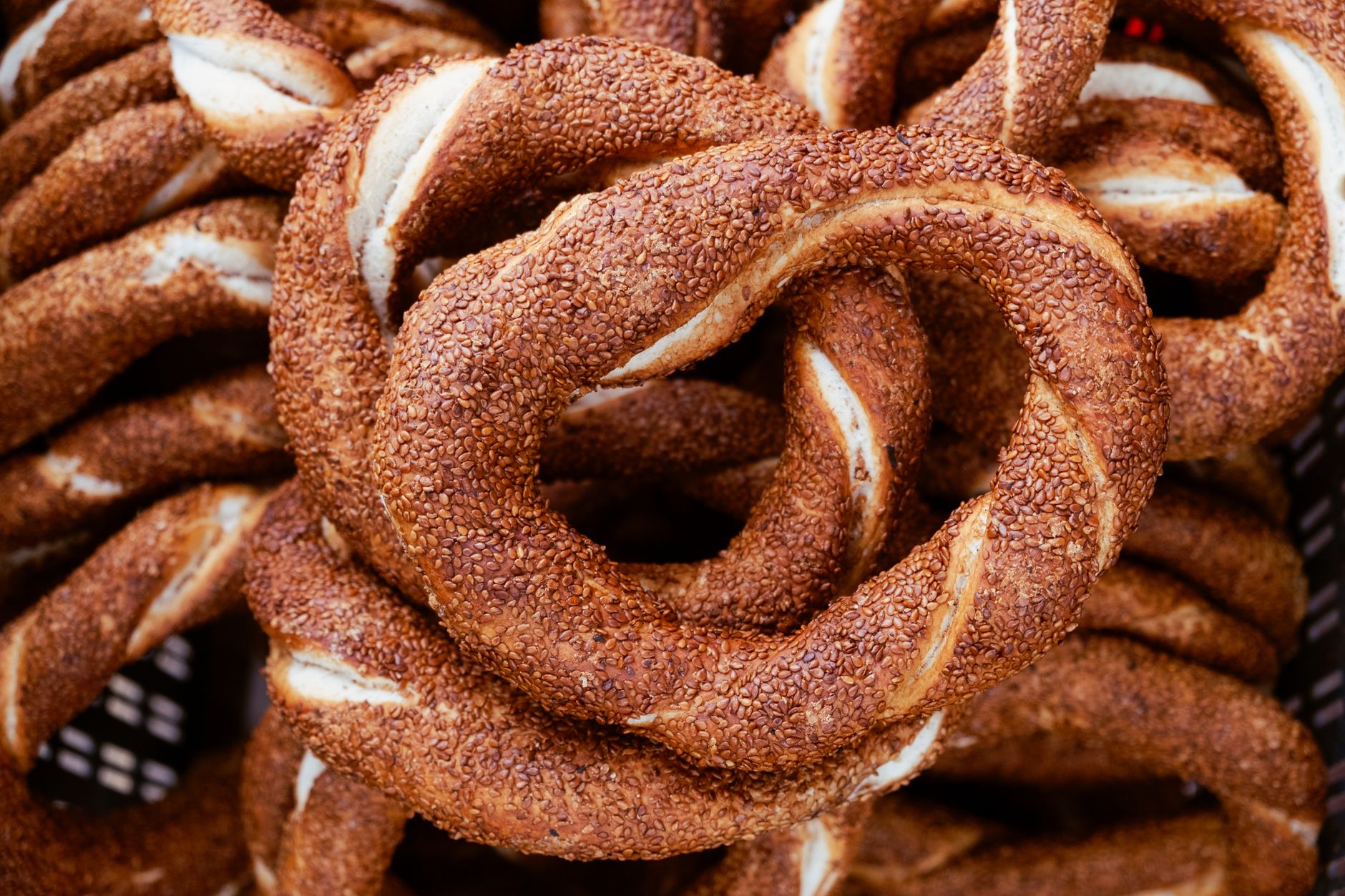
While çay is the undisputed king, the kahvehane and çay bahçesi offer a modest but satisfying menu. Turkish coffee (Türk kahvesi) is a must-try—thick, unfiltered, and served with a glass of water and a piece of Turkish delight. It's stronger than you might expect, so sip slowly. In the mornings, many regulars order simit, a circular sesame-crusted bread that pairs perfectly with tea. Some places also offer poğaça (savory pastries) or açma (soft, sweet bread rings).
For something more substantial, look for tost—a grilled sandwich with cheese, tomato, and sometimes sausage, pressed in a special iron. It's a staple of casual cafés and cheap, filling, and delicious. In the southeast, you might find menemen (scrambled eggs with tomatoes and peppers) served in tea gardens that double as breakfast spots. But don't expect a full menu; the focus is on tea, coffee, and light snacks.
If you're a tea enthusiast, note the different types: siyah çay (black tea) is the standard, but you can also ask for yeşil çay (green tea) or bitki çayı (herbal tea), though the latter is more common in modern cafés. In winter, salep—a warm, milky drink made from orchid tubers, topped with cinnamon—is a comforting alternative. And in summer, ayran (a salty yogurt drink) is refreshing alongside a game of tavla.
When to Visit: Timing Your Experience
The character of a kahvehane changes with the hours. Early morning (7–9 a.m.) is for newspaper readers and quiet reflection. This is the best time for solo travelers who want to soak in the atmosphere without feeling out of place. By mid-morning (10 a.m.–noon), the tavla players arrive, and the pace picks up. If you're interested in watching or joining a game, this is your window. Afternoon (1–4 p.m.) is often quieter again, as regulars go home for lunch or a nap.
Late afternoon and early evening (4–7 p.m.) bring a second wave—friends meeting after work, retirees gathering for a final game, and students stopping by for tea. The çay bahçesi, meanwhile, is at its best in the late afternoon, when the heat of the day has passed, and the light is golden. On weekends, tea gardens fill up with families, and the atmosphere is lively and communal. If you prefer a more peaceful experience, aim for a weekday morning.
Ramadan changes everything. During the holy month, many kahvehanes close during the day and reopen after iftar (the evening meal breaking the fast). The çay bahçesi becomes a gathering place for iftar and sahur (pre-dawn meal), and the atmosphere is festive. Visiting during Ramadan can be a rich cultural experience, but be mindful of fasting hours and avoid eating or drinking in public during the day in more conservative areas.
Regional Variations: From Istanbul to the Southeast
While the kahvehane is a national institution, its flavor varies by region. In Istanbul, especially in neighborhoods like Kadıköy, Beşiktaş, and Fatih, you'll find a mix of traditional kahvehanes and modern cafés that mimic the style but cater to a younger, mixed crowd. Some historic kahvehanes, like the famous Şark Kahvesi in the Grand Bazaar, are tourist-friendly but still retain a sense of old-world charm. In Beyoğlu, the Çay Bahçesi at Galatasaray Lisesi is a classic spot for people-watching.
In Ankara, the capital, kahvehanes near Kızılay and Ulus are frequented by civil servants and students. In Izmir, the tea gardens along the Kordon are legendary, especially at sunset. But it's in the southeast—Gaziantep, Şanlıurfa, Mardin, Diyarbakır—that the kahvehane culture feels most timeless. Here, tea is often served with menengiç (a caffeine-free coffee made from wild pistachios) or mırra (a bitter, cardamom-scented coffee served in tiny cups). The pace is slower, the conversations deeper, and the hospitality profound.
In the Black Sea region, especially in Trabzon and Rize, tea gardens overlook the sea, and the local tea is exceptionally fresh. In Central Anatolia, in cities like Konya and Kayseri, kahvehanes are often more conservative, but the welcome is just as warm. Wherever you go, the essential elements remain: tea, conversation, and a sense of belonging. For a traveler, finding a favorite kahvehane is like finding a second home.
Practical Tips for Your Visit
- Learn a few words: Merhaba (hello), teşekkürler (thank you), and bir çay lütfen (one tea, please) will open doors.
- Cash is king: Most kahvehanes don't accept credit cards. Carry small bills and coins.
- Dress modestly: In conservative neighborhoods, avoid shorts and tank tops. A light scarf for women is a good idea.
- Observe the seating: Some tables are unofficially reserved for regulars. If in doubt, ask "Müsait mi?" (Is this free?).
- Don't overstay your welcome: While you can linger, be mindful if the place is busy. Order another tea to extend your stay.
- Photography: Always ask before taking photos of people. A gesture toward your camera and a questioning look is usually enough.
- Tipping: Not expected, but leaving the change is a nice gesture.
Lastly, remember that the kahvehane is not a tourist attraction—it's a place of daily life. Go with curiosity, not a checklist. Sit, sip, listen. The reward is a glimpse into a rhythm of life that has endured for centuries, and perhaps an invitation to play tavla that you'll remember long after you leave.
Thinking about a trip to Turkey?
Share your contact details and a vetted local expert will follow up with a plan built around you — free, no obligation.