

Why Türkiye Is One of the Friendliest Bases on Earth for Remote Workers
There is a moment that thousands of remote workers experience every year in Türkiye: you close your laptop on a terrace in Kaş, the call with your client has gone perfectly thanks to rock-solid fibre internet, and the Aegean is turning gold beneath you. Fifteen minutes later you are swimming. This is not a fantasy — it is a Tuesday. Türkiye has quietly become one of the world's most rewarding long-stay destinations for people who work online, combining genuine warmth, remarkable affordability and infrastructure that surprises almost every first-time visitor.
Part of the magic is geographic. Istanbul gives you a metropolis of 16 million where cafés hum with conversation and the ferry to Asia costs less than a coffee in London. İzmir offers a relaxed Aegean port city with a young, liberal energy. Antalya wraps a modern cosmopolitan core around an ancient old town and a coastline of turquoise coves. And Kaş — a small diving town on the Lycian coast — has become a magnet for a slower, sun-drenched style of remote work that people arrive for a month and stay for a year to enjoy.
But the real differentiator is culture. Türkiye's café tradition means you are never rushed: order one Turkish coffee and you can legitimately sit for three hours with a laptop, and someone will still bring you a glass of tea on the house. Internet speeds in the big cities and resort towns routinely exceed what many workers get at home, and monthly costs for accommodation, food and transport are often a fraction of Western European or North American prices. The result is a country where you can genuinely upgrade your lifestyle while reducing your burn rate.
This guide covers the practical core of a long stay: how residence permits work, where remote workers gather, which neighbourhoods and coastal towns suit different personalities, and how to structure your week so that Anatolian weekends and Aegean sunsets become part of your routine rather than a holiday you keep postponing.
Visa Routes and the Turkish Residence Permit: What Long-Stayers Need to Know
Most visitors to Türkiye arrive visa-free or with an e-Visa for short stays. Citizens of many countries — including the UK, most EU states, Canada, Australia, Japan and South Korea — can enter visa-free for up to 90 days in any 180-day period, while others use the online e-Visa system. These short-stay permissions are fine for a first reconnaissance trip, but if you intend to base yourself here for months, you will need to think about a residence permit (ikamet izni).
The short-term residence permit is the route most remote workers use. You apply online through the official Göç İdaresi (Directorate of Migration Management) system, book an appointment, and submit your documents — usually your passport, health insurance valid in Türkiye, proof of accommodation, and evidence of sufficient funds to support yourself. Processing timelines vary by province and season, so apply as early as your tourist permission allows rather than waiting until the last week. City-specific populations and quotas mean Istanbul is the most competitive province, while coastal towns and smaller provinces often have smoother appointment availability.
A significant recent development is Türkiye's dedicated Digital Nomad Visa, aimed at remote workers aged roughly 21 to 55 who earn a stable foreign income, typically around 3,000 USD per month or more, and who hold a university degree or relevant professional experience. Applications go through the official portal, and successful applicants receive a permit designed for exactly this lifestyle. Because rules, income thresholds and eligible nationalities can change, always confirm the current requirements on the official government portal or with a licensed immigration consultant before making plans — and never overstay, as fines and entry bans are enforced.
Practical note: once your permit is issued, you will need a Turkish tax number (vergi numarası) for everything from opening a bank account to signing a rental contract, and many long-stayers register with the local health system or maintain private international insurance. Bank accounts can be opened at state banks with your permit and tax number, which makes paying utilities and rent far easier than relying on foreign cards.
Coworking Havens: Istanbul, İzmir, Antalya and Kaş
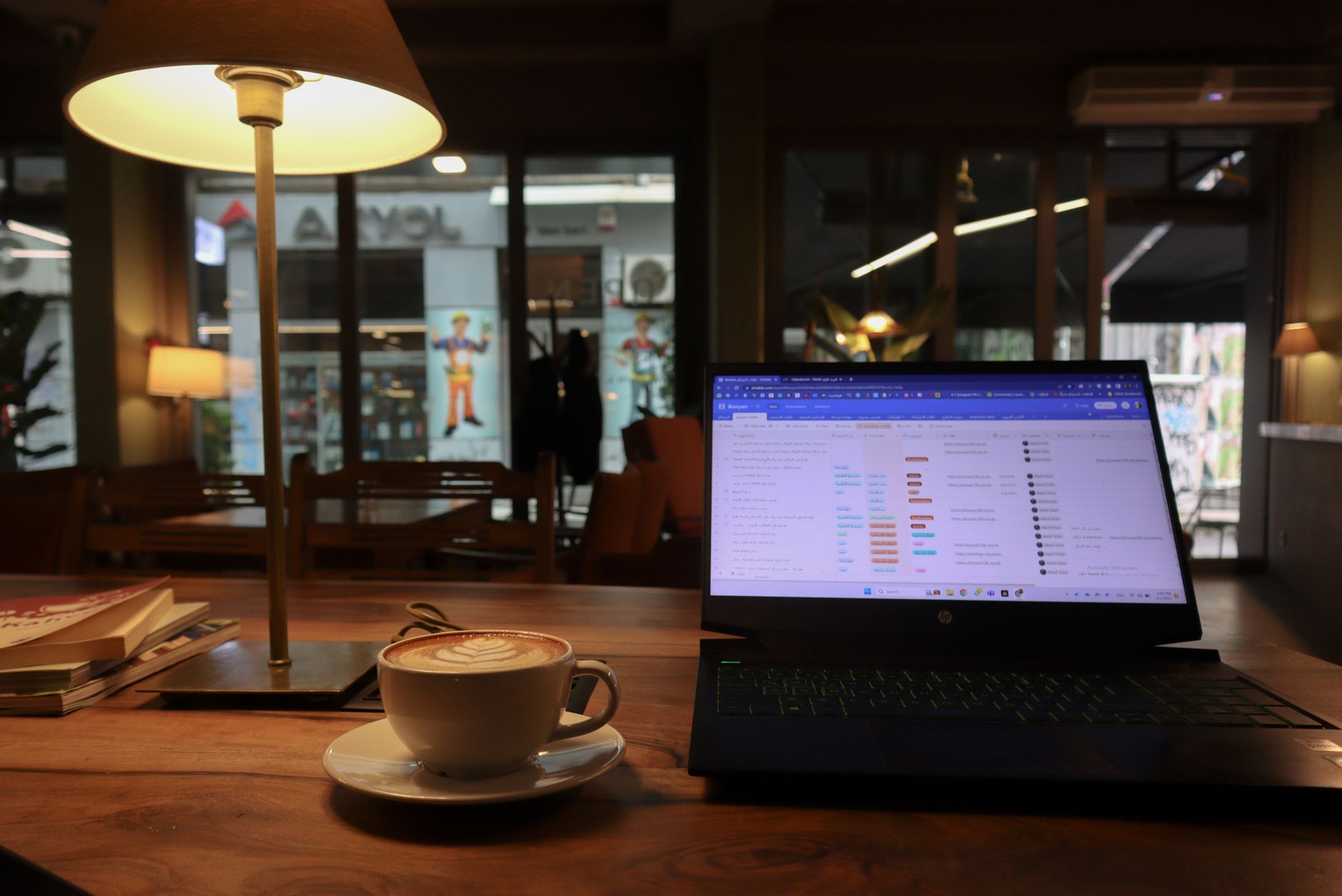
Türkiye's coworking scene has matured dramatically, and you no longer have to choose between professional infrastructure and a beautiful setting. Istanbul leads the way with a dense network of flexible spaces across the European and Asian sides. Districts such as Şişli, Levent, Beşiktaş and the trendy enclave of Kadıköy on the Asian side host everything from large multi-floor hubs with phone booths and event calendars to boutique studios with a handful of desks and unlimited filter coffee. Monthly hot-desk memberships are usually modest by global standards, and day passes make it easy to test a space before committing.
İzmir offers a calmer alternative. The city's coworking clubs cluster around Alsancak and the modern business districts, often with sea views and a strong startup community. Meetups, pitch nights and language exchanges happen weekly, which makes it easy to build a social circle even if you arrive alone. Antalya's coworking spaces tend to sit near the old town and the newer beachfront neighbourhoods, catering to a mix of seasonal entrepreneurs, developers and creatives who want Mediterranean sunshine with year-round infrastructure.
Then there is Kaş, the small Lycian coast town that has become an unlikely remote-work haven. Here coworking often looks like a shaded garden café with excellent Wi-Fi, a printer behind the bar, and a rotating cast of freelancers who all know each other by name. It is the kind of place where your morning stand-up call is followed by a swim at the harbour, and where a big project can be finished in an atmosphere of total calm. Similar smaller scenes are growing in Fethiye, Çeşme, Bodrum and the bohemian villages around Antalya's coast.
Whichever base you choose, the café fallback is always strong. Turkish cafés treat long-staying customers as normal, not as a nuisance, and many independent coffee shops in nomad neighbourhoods have invested in fast connections precisely because remote workers are now a core part of their clientele.
Neighbourhoods and Coastal Rentals Where Nomads Gather
In Istanbul, the classic nomad neighbourhoods are Kadıköy and Moda on the Asian side — leafy, café-filled, affordable and endlessly sociable — and Cihangir, Beşiktaş and Nişantaşı on the European side, where you trade some tranquillity for proximity to galleries, nightlife and business hubs. Rentals range from modern studio apartments to characterful older flats with high ceilings and sea glimpses. Long-term leases (typically one year, sometimes six months) offer dramatic savings compared with short-term tourist rentals, and negotiating directly with an owner through a local agent can cut costs further.
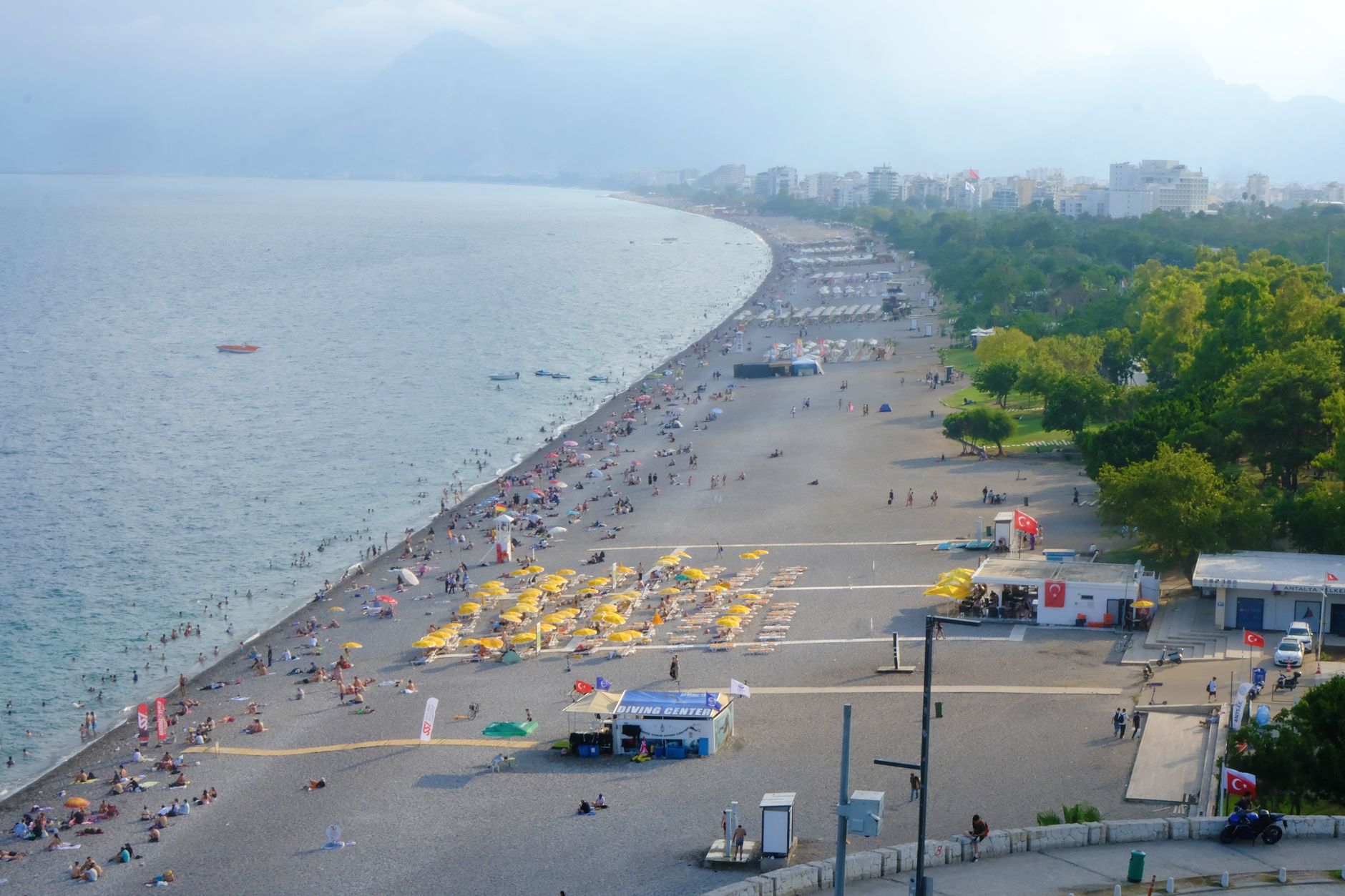
İzmir's nomad-friendly zones are Alsancak, with its waterfront promenade and bar culture, and the quieter neighbourhoods around Bostanlı and Mavişehir, favoured by families and workers who want space. Antalya splits between Kaleiçi — the restored old town with boutique guesthouses and a distinctly romantic atmosphere — and the modern districts of Konyaaltı and Lara, where new apartment blocks with pools sit minutes from the beach. Rentals in Antalya during the shoulder seasons are exceptionally good value.
In Kaş, long-stay accommodation usually means a whitewashed apartment with a balcony overlooking bougainvillea, a harbour-facing flat, or a small villa in the hills a short scooter ride from town. Because Kaş is small, the best deals spread by word of mouth: join the local Facebook and WhatsApp groups, ask at your favourite café, and you will often find a place before it hits any listing site. Fethiye, Çalış and Göcek offer similar coastal living with more marina life and easy access to the Lycian Way hiking trail.
Budget-wise, long-term rentals in coastal towns can be remarkably cheap compared with Western Europe, while Istanbul and prime İzmir locations cost more but remain competitive internationally. Factor in utilities, which are metered and billed separately, and confirm whether heating and air conditioning are included — a detail that matters enormously in a country with hot summers and cool coastal winters.
A Day in the Life: Blending Deadlines with Aegean Sunsets and Anatolian Weekends
The rhythm that long-stayers settle into is deceptively simple. Mornings are for deep work: Türkiye is well positioned for overlapping with European and Middle Eastern business hours, and early calls with North America are manageable if you start before the heat rises. By early afternoon the café or coworking space empties for lunch — a proper one, not a sandwich at the desk — and many workers take a genuine break, swimming in summer or walking a coastal path in winter.
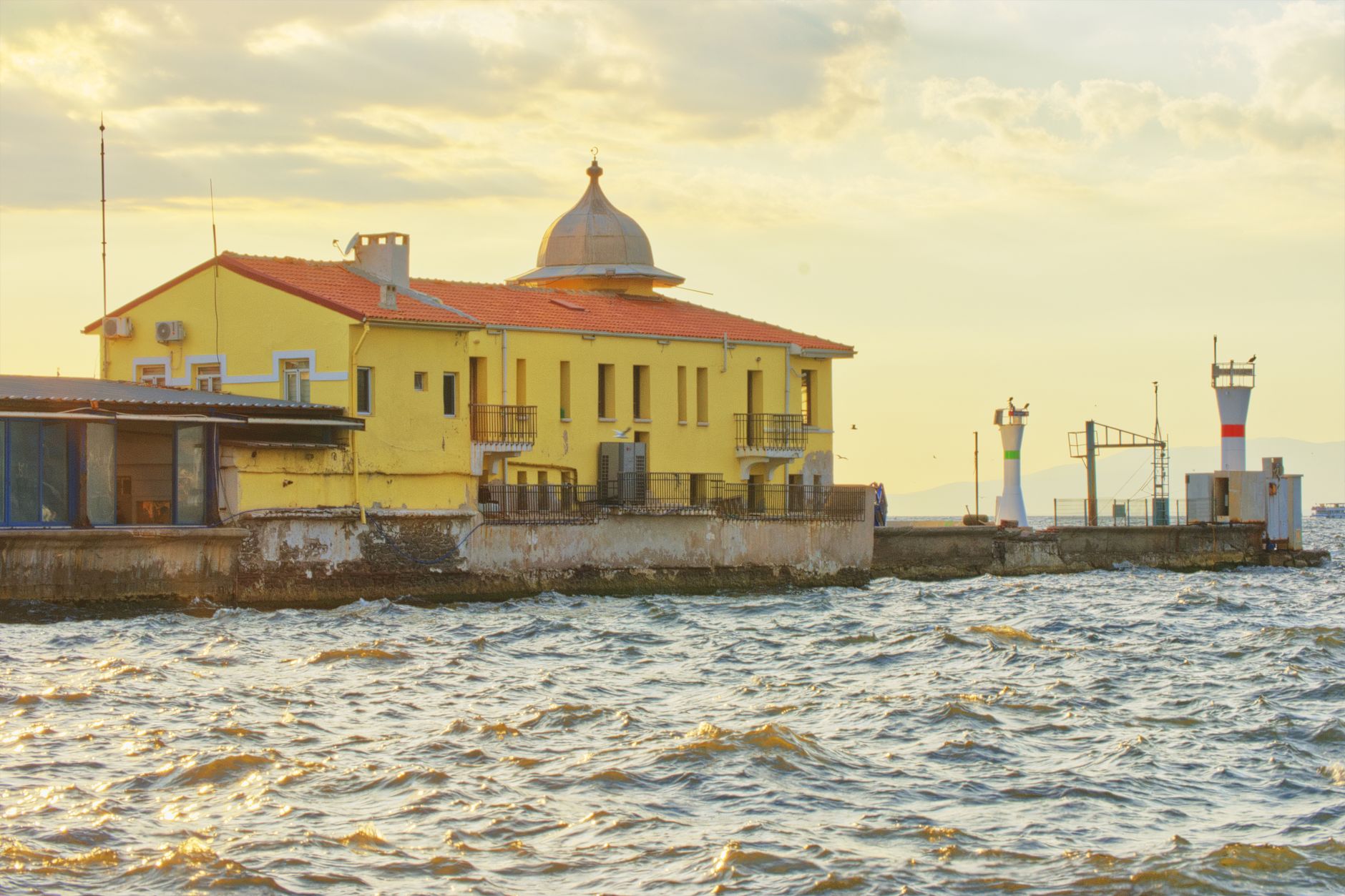
Late afternoon often becomes a second, highly productive window, followed by the reward: sunset. On the Aegean and Mediterranean coasts this is a daily event worth organising your day around. In Kaş, people gather on the ancient amphitheatre above town or at a beach club on the peninsula. In Antalya, the cliffs of Konyaaltı turn amber. In Istanbul, the ferries crossing the Bosphorus silhouette against a pink sky while seagulls follow the boats. Working here does not mean sacrificing these moments; it means scheduling around them.
Then come the weekends, and this is where Türkiye becomes extraordinary. From Istanbul you can be in Cappadocia's fairy chimneys, the thermal terraces of Pamukkale, the Ottoman streets of Safranbolu or the vineyards of Thrace within a few hours. From İzmir, the ruins of Ephesus, the windsurfing beaches of Alaçatı and the olive groves of the Aegean hinterland are day trips. From Antalya and Kaş, the Lycian Way, ancient Lycian rock tombs, hidden canyons and boat trips to sunken cities fill every free Saturday. Domestic flights and intercity buses are frequent and affordable, making spontaneous Anatolian weekends entirely realistic.
The psychological shift is the real prize. When mountains, sea and three-thousand-year-old ruins are part of your ordinary week, the line between work and travel blurs in the best possible way. You stop counting vacation days and start designing a life.
Practical Settling-In Tips for a Smooth Long Stay
Get your paperwork in order early: tax number, residence permit appointment, health insurance and a Turkish phone number will make everything downstream easier. A local SIM with a generous data plan is inexpensive, and a Turkish bank account simplifies rent, utilities and daily payments. Keep digital and physical copies of every document, and register your address with the local authorities as required.
Learn a little Turkish. Even a handful of phrases — merhaba, teşekkürler, ne kadar — transforms how people respond to you, and shopkeepers, landlords and neighbours will reward the effort warmly. English is widely spoken in nomad hubs, but Turkish opens doors everywhere else.
Be mindful of seasons. Coastal towns like Kaş and Fethiye are magical in spring and autumn, hot and busy in high summer, and quiet and mild in winter — some businesses close, but rents drop and the landscape belongs to you. Istanbul is a year-round city with four distinct moods. Budget for heating in winter and air conditioning in summer, and choose accommodation with good insulation if you plan to stay through January.
Finally, plug into the community. Coworking memberships, expat and nomad groups, hiking clubs, dive schools and language exchanges are the fastest route to friends. Türkiye rewards curiosity and warmth with the same in return, and the friendships you make here — over endless glasses of tea, shared taxis to ancient ruins, and sunset swims after a long working day — are the reason so many remote workers arrive for three months and end up staying for years.
Thinking about a trip to Turkey?
Share your contact details and a vetted local expert will follow up with a plan built around you — free, no obligation.