

Why Sending Mail from Türkiye Is Part of the Adventure
There is something wonderfully old-fashioned about buying a postcard from a bazaar stall in Istanbul, sitting down with a çay at a sidewalk café, and writing a few lines to someone you love. In an age of instant messages, a postcard from Türkiye carries a little more weight — quite literally. And the good news is that sending one is easy, affordable, and part of the travel experience itself.
Türkiye's national postal service, PTT (Posta ve Telgraf Teşkilatı), operates thousands of branches across the country, from bustling city centers to small coastal towns. Counters are generally well organized, staff are helpful, and international mail is routine. Whether you're mailing a postcard from Cappadocia or shipping a hand-knotted rug from a Grand Bazaar shop, you'll find the process surprisingly straightforward.
This guide walks you through everything: where to buy stamps, how to fill out an address, what it costs, how long it takes, and how to safely pack larger purchases like ceramics, textiles, and copperware. By the end, you'll feel confident turning your favorite Turkish finds into packages that arrive home safely.
Finding a PTT: Post Offices Big and Small
PTT branches are everywhere. In Istanbul alone there are hundreds, including the famous Grand Post Office (Büyük Postane) in Sirkeci, a grand early-20th-century building that's worth a visit even if you're not mailing anything. In tourist areas — Sultanahmet, Beyoğlu, Ürgüp, Selçuk, Antalya's Kaleiçi — you'll often find a PTT within walking distance of the main sights.
Look for the yellow-and-blue PTT sign. Larger branches have separate counters for different services, sometimes with a ticketing system. Smaller neighborhood branches may have just one or two clerks, so a little patience helps. Opening hours are typically Monday to Friday, 8:30–17:30, with some bigger offices open on Saturdays until early afternoon. Many tourist-area branches stay open later during high season.
Beyond full branches, you'll also spot PTT kiosks and authorized dealers selling stamps and postcards. Hotels and stationery shops often stock stamps too, though the selection may be limited. For anything beyond a simple postcard, it's best to go to an official PTT branch.
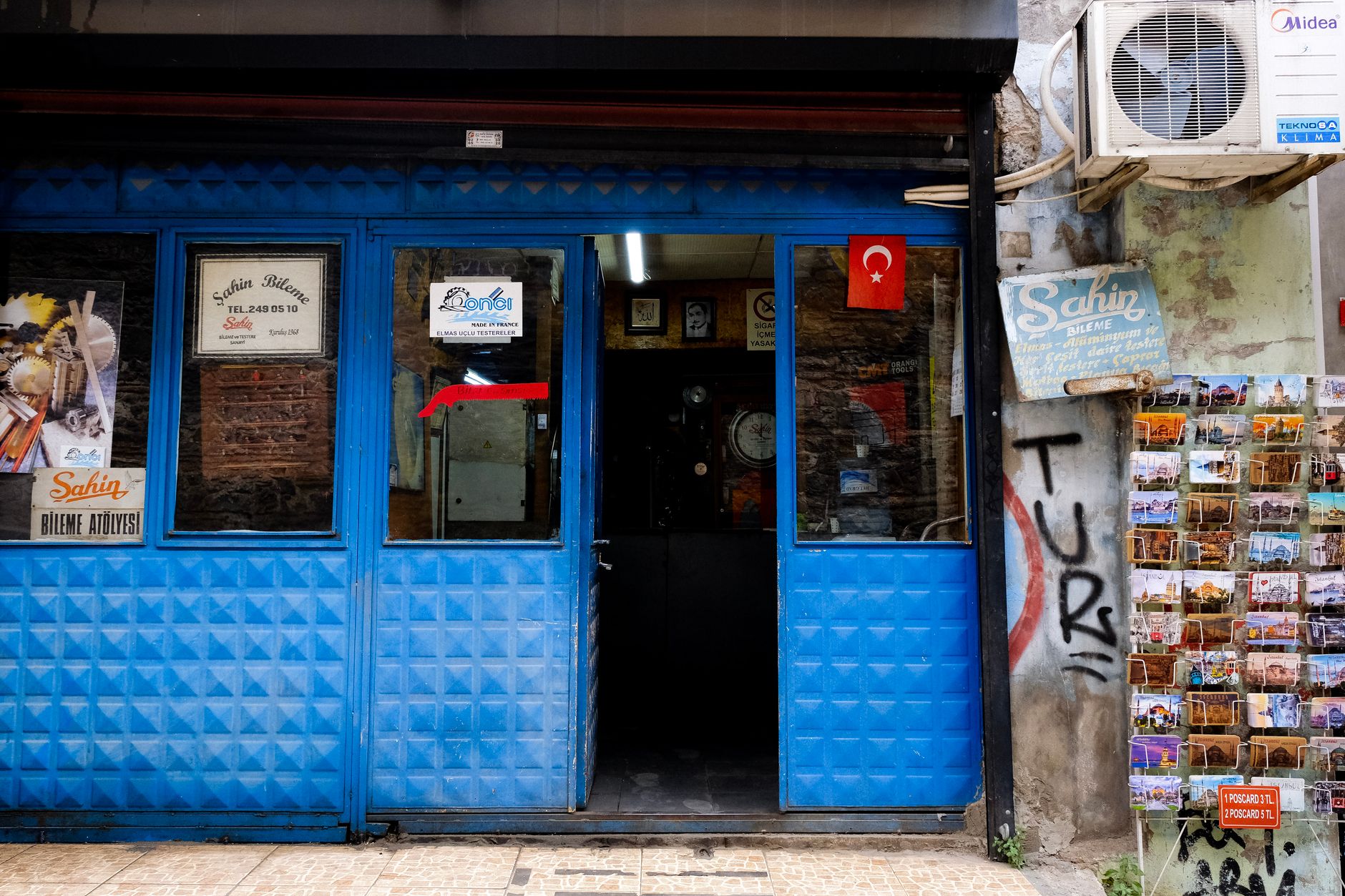
Buying Stamps and Sending Postcards: Step by Step
Sending a postcard from Türkiye is one of travel's great small pleasures. Here's how to do it without a hitch.
- Buy your postcard. Museum shops, bazaars, and stationery stores sell them for a few lira. Cappadocia and Istanbul have especially beautiful options.
- Get a stamp. Go to a PTT counter and say “Yurt dışı posta pulu” (international postage stamp). You can also buy stamps at some kiosks, but PTT is the most reliable.
- Write the address clearly. Use capital letters, include the country name in English or the destination language, and put the postal code. Example: MR JOHN SMITH, 123 MAIN STREET, PORTLAND, OR 97201, USA.
- Drop it in the box or hand it to the clerk. For extra peace of mind, hand it to the clerk and ask them to post it. Most PTT branches have a slot for international mail.
Postage for a standard postcard to Europe or North America is very affordable — often less than the price of a coffee. Delivery typically takes 1–3 weeks, sometimes longer to distant countries. Don't be surprised if a card arrives after you've returned home; that's part of the charm. If you want a souvenir of your own, mail one to yourself!
Mailing a Package: PTT Kargo and International Parcels
For anything larger than a letter, you'll use PTT Kargo, the parcel arm of the postal service. It's reliable, trackable, and generally cheaper than private couriers for standard international shipping, though you'll trade some speed for savings.
Here's the typical process at a PTT branch:
- Pack your item securely before you arrive. PTT sells some boxes, but selection is limited; come prepared.
- Bring your item to the counter and tell the clerk you want to send an international parcel (“Yurt dışı koli”).
- Fill out a customs declaration (CN 22 or CN 23 form) listing contents and value. Be honest — this affects customs clearance.
- Weigh and pay. The clerk weighs the parcel, calculates postage, and gives you a receipt with a tracking number.
- Keep your receipt. It's your proof of shipment and tracking reference.
PTT offers several international services, from economy to express. Economy is cheapest but slowest; express (EMS or similar) is faster and pricier. Ask the clerk to compare options for your destination. For most travelers shipping a rug or a box of ceramics, economy airmail or a mid-tier option strikes a good balance.
Packing Your Treasures: Rugs, Ceramics, and More
Turkish treasures are beautiful but often fragile. A little packing care goes a long way.
Rugs and Textiles
Rugs and kilims are surprisingly easy to ship. Ask the seller to fold and roll the rug tightly, then wrap it in plastic or a sturdy bag. Many rug shops will pack it for you and even arrange shipping. If you're doing it yourself, use a heavy-duty roll, tape it well, and consider a cardboard tube for larger pieces. Textiles like towels, scarves, and peshtemals can go in a padded envelope or small box.
Ceramics and Glass
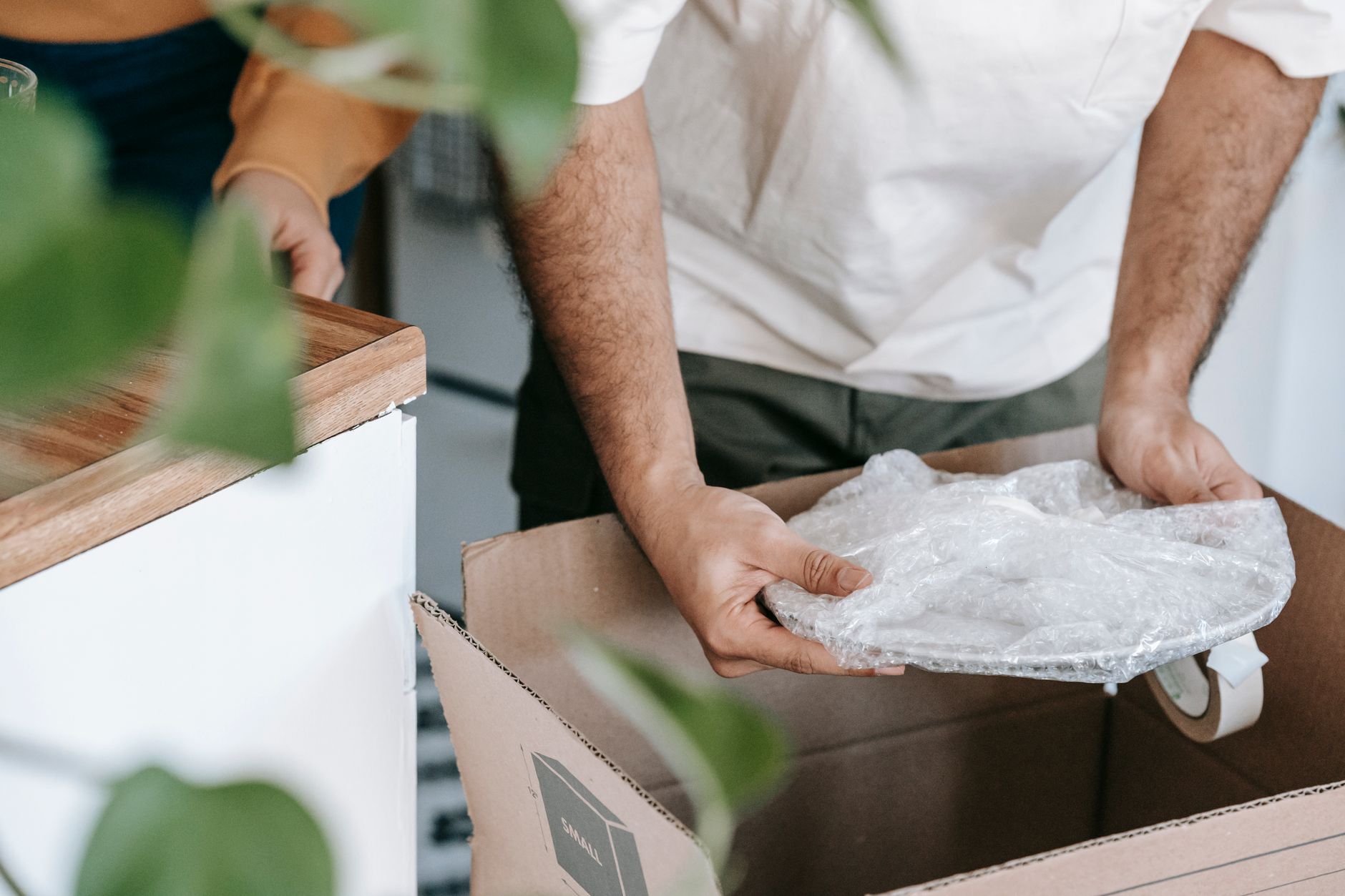
Çini plates, Iznik tiles, and glassware need cushioning. Wrap each piece individually in bubble wrap or soft cloth, then nestle them in a box with plenty of padding. Fill empty spaces with crumpled paper or foam. Double-box if possible: place the wrapped item in a small box, then put that box inside a larger one with more padding. Mark the outside “FRAGILE” and “KIRILIR” (Turkish for fragile).
Copper, Brass, and Spices
Metalware is durable but heavy — factor weight into shipping costs. Spices and teas should be sealed in airtight bags or jars to prevent odors and spills. Avoid shipping perishable foods, liquids in questionable containers, or anything restricted by customs.
Tip: Take a photo of your packed box and its contents before sealing. It helps with insurance claims and gives you peace of mind.
Shipping Costs and Timelines: What to Expect
Costs depend on weight, dimensions, destination, and service level. As a rough guide, a small parcel (under 1 kg) to Europe or North America might cost the equivalent of a modest dinner, while a large rug could run into hundreds of dollars — still often less than buying a similar rug at home.
Timelines vary. Economy international parcels from Türkiye typically take 2–6 weeks, sometimes longer. Express services can arrive in 3–7 days to major cities. Customs in the destination country can add delays, especially for high-value items. Always ask for tracking and check it periodically.
If you're shipping something valuable, consider insurance. PTT offers limited coverage; for very expensive items, a private courier or specialized art shipper may be better. For everyday treasures, PTT's standard service is a great value.
Customs, Duties, and What You Can Send
Every country has its own import rules. Before you ship, check your home country's customs website for restrictions on food, plants, alcohol, and cultural artifacts. Antiques and archaeological items may require export permits from Turkish authorities — never buy or ship artifacts of historical significance without proper documentation.
Customs declaration forms ask for contents and value. Be accurate but reasonable; undervaluing items to avoid duties is illegal and can cause delays or confiscation. If you're shipping a gift, mark it as such, but duties may still apply.
For large purchases, ask the seller about their experience with international shipping. Many reputable rug and ceramic shops handle customs paperwork routinely and can advise you. If in doubt, consult your country's embassy or a customs broker.
Tips for a Smooth Experience
- Learn a few Turkish phrases: “Yurt dışı” (international), “Koli” (parcel), “Kırılır” (fragile).
- Go early in the day to avoid queues, especially at popular branches.
- Bring your own packing materials if you're shipping something delicate.
- Keep receipts and tracking numbers in a safe place — a photo on your phone works.
- Consider sending a postcard to yourself as a timestamped souvenir.
- Be patient: Turkish postal workers handle a lot of mail; a smile and a little courtesy go a long way.
For more practical travel tools and guides, explore our travel tools and guides sections. If you're planning a trip that involves shopping, our destinations pages can help you find the best bazaars and markets.
Final Thoughts: The Joy of Sending a Piece of Türkiye Home
There's a special satisfaction in watching a clerk stamp your postcard or tape up a box filled with a rug you haggled for in a dusty bazaar. It's a way of extending your journey, sharing it with others, and bringing a piece of Türkiye into your everyday life.
Türkiye's postal service is a friendly, affordable, and reliable partner in that process. With a little planning and the right packing, you can send postcards, ship treasures, and return home with more than just memories — you'll have the stories behind every package that arrives at your door.
So go ahead: buy that extra ceramic, write that postcard, and head to the nearest PTT. The world is waiting to hear from you.
Thinking about a trip to Turkey?
Share your contact details and a vetted local expert will follow up with a plan built around you — free, no obligation.