

Why Türkiye Leads the World in Health Travel
Türkiye has become one of the most trusted names in international health travel, and the numbers tell a remarkable story: hundreds of thousands of visitors arrive each year for treatments ranging from hair restoration to dental implants to thermal spa therapies. What draws them is not a single factor but a combination that is hard to match anywhere else — highly skilled specialists, modern accredited hospitals and clinics, genuinely competitive pricing, and the chance to recover somewhere beautiful.
Turkish medicine has deep roots. The country's medical faculties are rigorous, its surgeons frequently train and practise abroad, and cities like Istanbul, Ankara and Izmir host facilities equipped with the latest imaging, robotic surgery and digital dentistry technology. Many private hospitals hold international accreditations such as JCI (Joint Commission International), TEMOS or ISO certifications, and their international patient departments are staffed by English-speaking coordinators who handle everything from airport transfers to follow-up scheduling.
Add to that Türkiye's legendary hospitality — the tea offered before every consultation, the coordinator who checks in on you the evening after your procedure, the hotel staff who ask how you are feeling — and you have a destination where being a patient never feels impersonal. Health travel here is not a compromise; for many treatments it is simply the smartest combination of quality, value and comfort available.
Hair Restoration: Türkiye's Global Signature Treatment
Hair transplants are Türkiye's most visible success story. Istanbul alone hosts a dense cluster of specialised clinics, and the city has become the informal world capital of follicular unit extraction (FUE) and DHI (direct hair implantation). Techniques have evolved rapidly: modern sessions use micro-motor or sapphire blades, careful graft counting, and sedation options that keep the day comfortable. A typical session takes six to eight hours, and most patients fly home within two to three days.
Price is part of the appeal — packages frequently cost a fraction of Western European or North American rates — but the more meaningful advantage is volume. Clinics that perform dozens of transplants weekly develop refined, repeatable protocols and teams who do nothing else. When comparing clinics, look for transparent graft counts, surgeon involvement in the incisions, written aftercare instructions and photographic evidence of past results rather than celebrity testimonials alone.
Plan your holiday around the timeline: the first 48 hours are for rest at your hotel, the next few days are ideal for gentle sightseeing, and the famous "redness and shedding" phase arrives weeks later, long after you are home. Many visitors book a long weekend in Istanbul, add a couple of relaxed museum days, and return nine to twelve months later for a holiday that doubles as a progress check.
Dental Care: Implants, Veneers and the Antalya Advantage
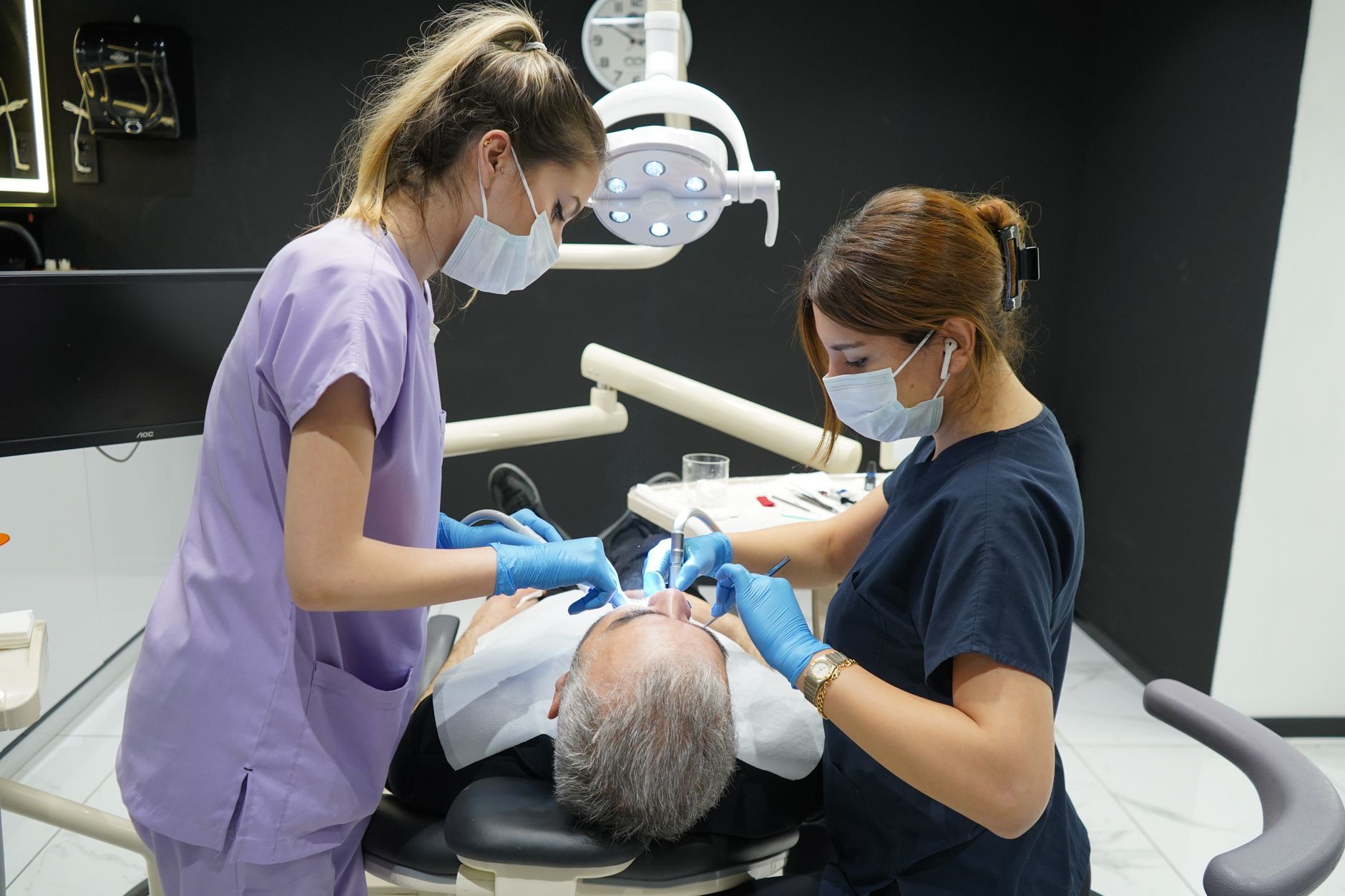
Dental tourism in Türkiye has matured into a genuinely sophisticated industry. Implants, crowns, smile makeovers, veneers and full-arch restorations are all performed at accredited clinics in Istanbul, Antalya, Izmir and Bodrum. Turkish dentists often use European-brand implant systems and CAD/CAM milling equipment, and digital scanning has largely replaced uncomfortable impression trays.
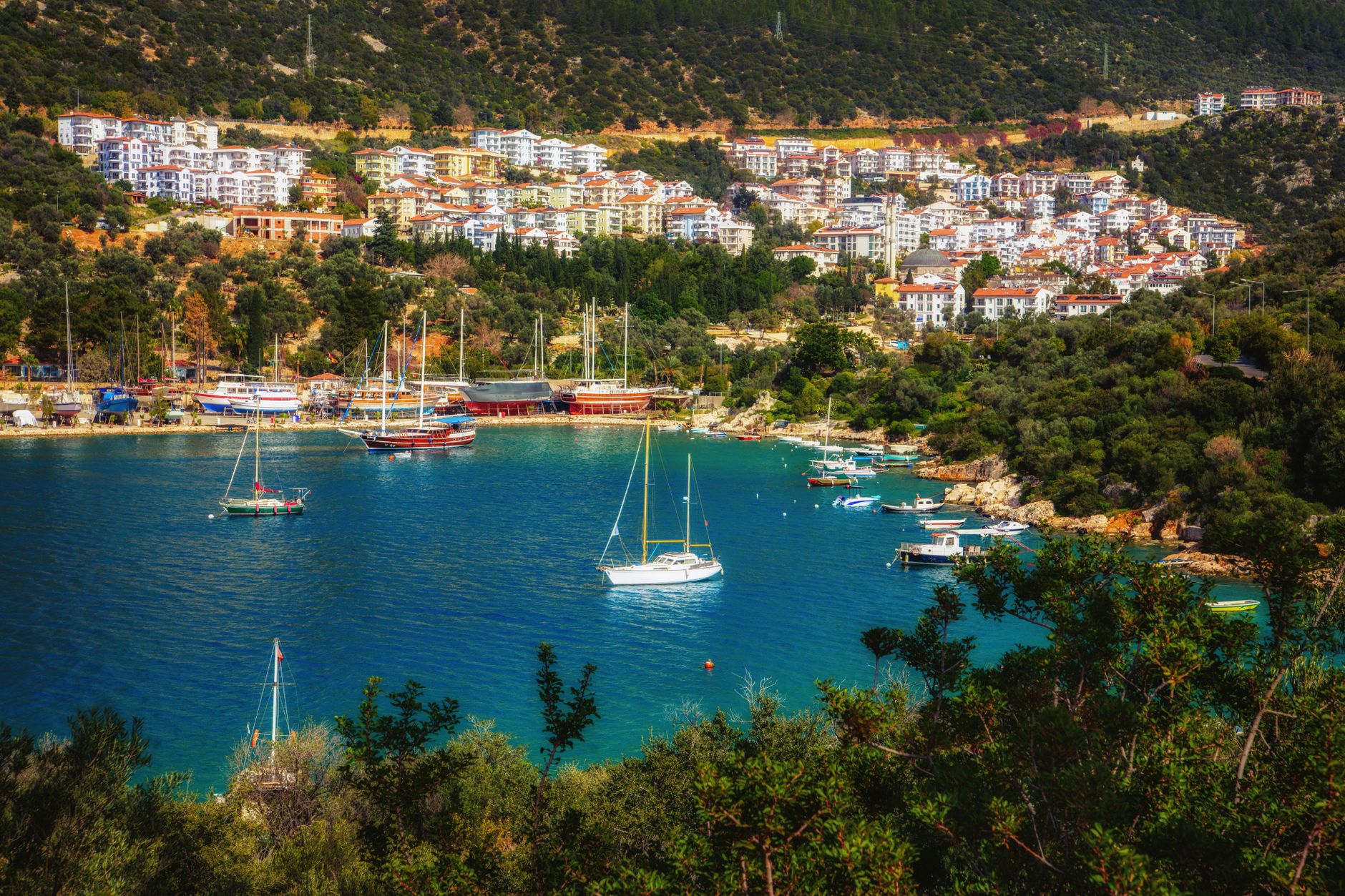
The economics are compelling: a full course of implants that might require a second mortgage elsewhere can often be completed in Türkiye within a sensible budget, and the savings frequently cover flights and a seaside hotel. But the real holiday logic lies in the treatment calendar. Implant placement usually needs a healing period of three to six months before the final crown, which naturally creates two trips — and two holidays. Antalya, with its Mediterranean beaches, ancient ruins and resort comforts, is tailor-made for the second visit.
Before committing, ask clinics about sterilisation protocols, implant brand and warranty, the dentist's own qualifications (not just the clinic's marketing), and what happens if a complication arises after you return home. Reputable practices offer written treatment plans, digital previews of your new smile, and clear aftercare support by video call. Combining a dental appointment in the morning with a boat trip in the afternoon is one of Turkish health travel's most pleasant rhythms.
Thermal and Wellness Escapes: Hot Springs, Hammams and the Aegean
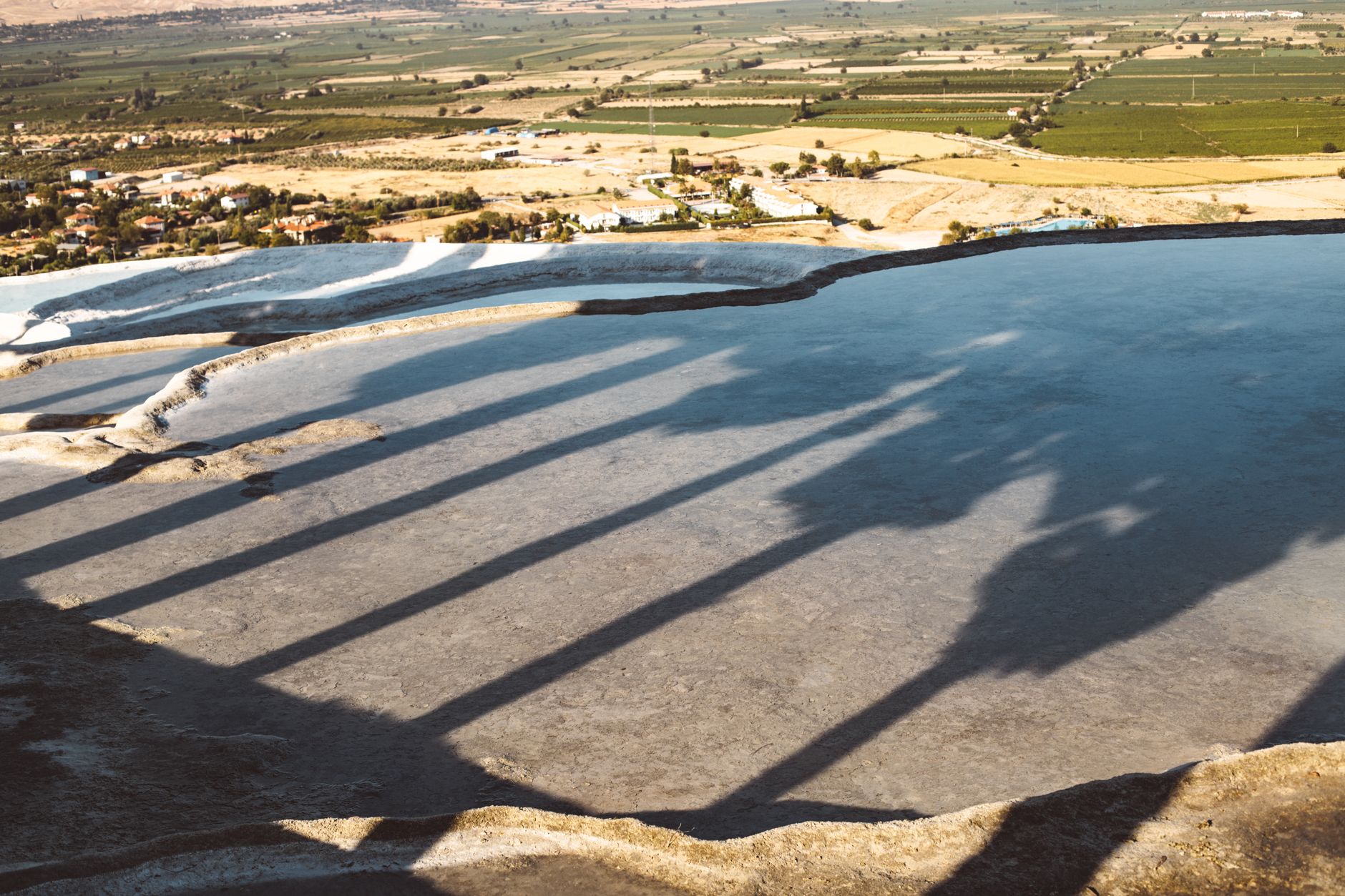
Türkiye sits on a geothermal belt, and thermal tourism is a centuries-old tradition. The ancient city of Hierapolis at Pamukkale — a UNESCO World Heritage Site — was built around its healing hot springs, and you can still bathe in the same mineral-rich waters overlooking the white travertine terraces. Further afield, destinations such as Yalova, Bursa, Afyonkarahisar and Kangal offer thermal resorts where the water itself is the therapy.
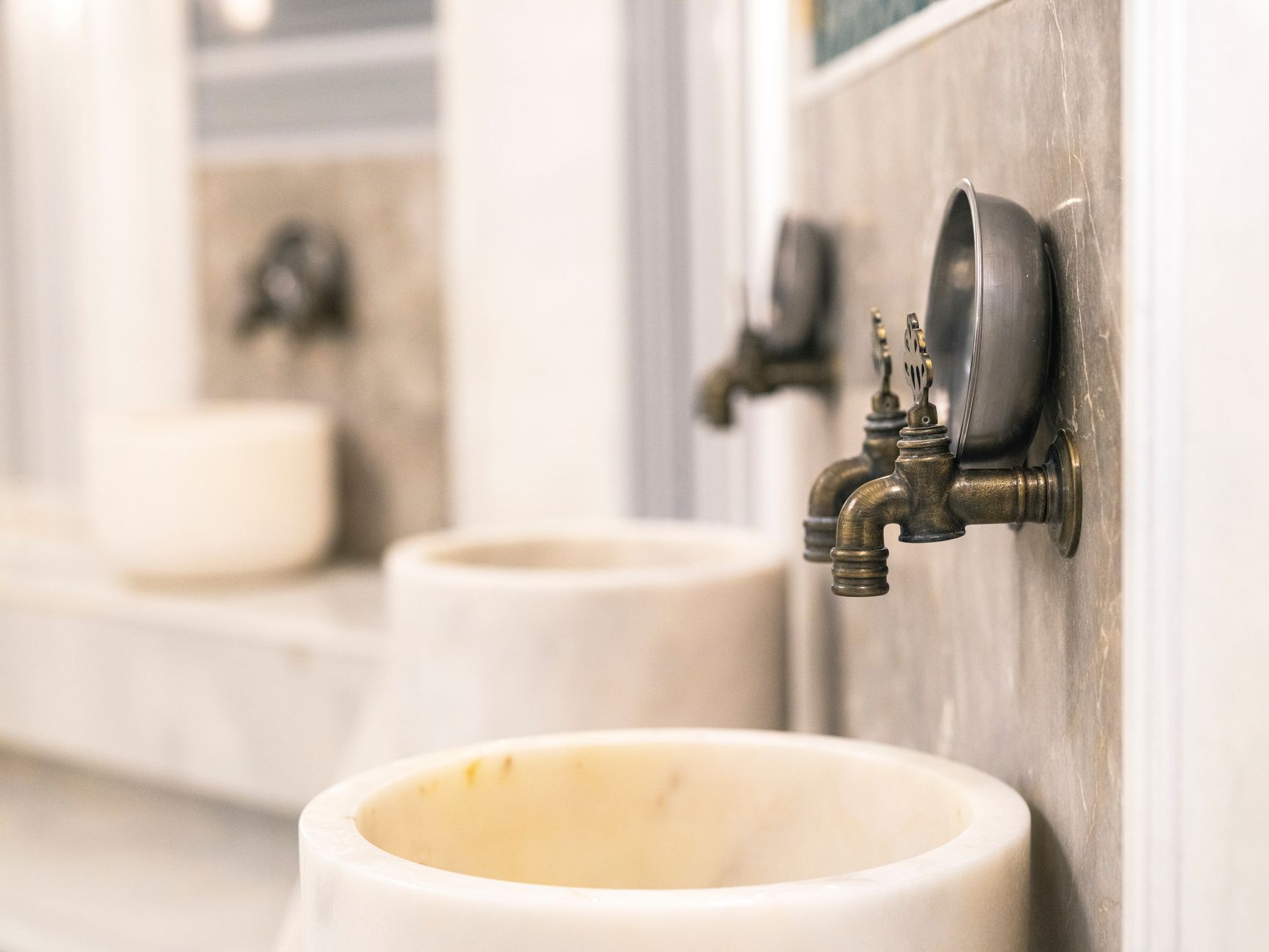
Modern thermal hotels pair these springs with medical supervision: physiotherapy for rheumatism and orthopaedic recovery, dermatological programmes for skin conditions, and detox or weight-management retreats built around bathing, walking and clean Aegean cuisine. A traditional Turkish hammam — steam, marble slab, vigorous scrub and foam wash — remains one of the world's great wellness experiences and costs a fraction of a spa day in most capitals.
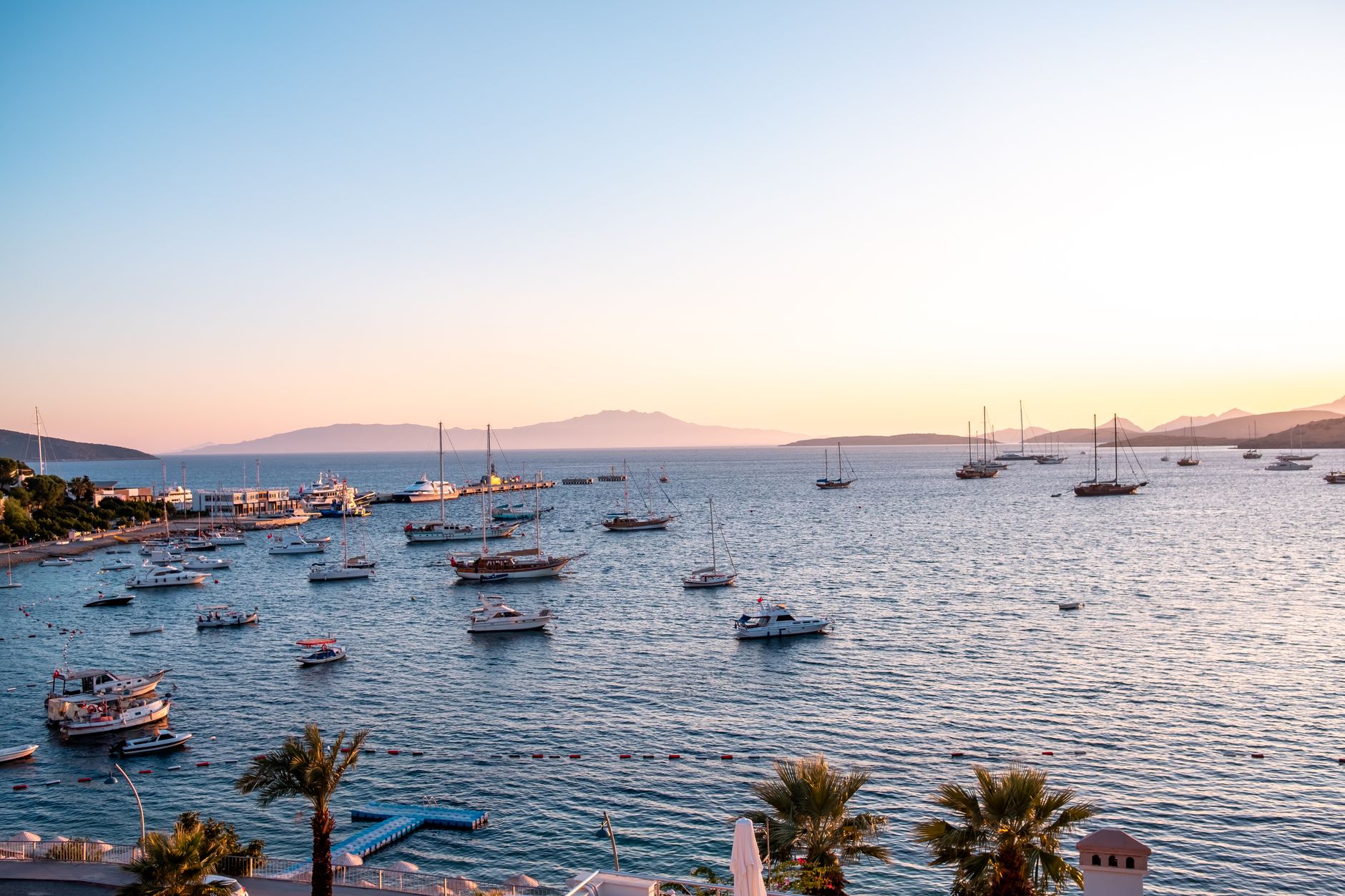
The Aegean coast is the natural recovery companion to all of this. After a procedure, there are few better prescriptions than a quiet hotel in Çeşme or Bodrum, sea air, olive groves, fresh fish and slow mornings. Many clinics and thermal resorts deliberately build "recovery days" into their packages precisely because the setting itself is part of the healing.
How to Choose an Accredited Hospital or Clinic
Quality in Turkish health care is real, but it is not uniform, so a little diligence goes a long way. Start with accreditation: JCI, TEMOS, ISO 9001 and Turkish Ministry of Health international health tourism authorisation are all meaningful signals. Check whether the facility publishes its complication rates, revision policies and the names and credentials of the professionals who will actually treat you.
Ask directly who performs the procedure — a specialist surgeon, or a technician working under supervision — and request before-and-after photographs of patients with your profile, not just the clinic's showreel. Verify that the quoted price includes consultations, medications, follow-up visits and transfers, or whether these are extras. A trustworthy international patient department will answer every question in fluent English, in writing, without pressure.
It also helps to speak with former patients. Most established clinics can connect you with references, and online communities for hair, dental and bariatric travellers are full of first-hand accounts. Finally, trust your instincts about communication: if a coordinator is evasive before you pay, the aftercare is unlikely to improve afterwards. The best Turkish clinics are proud of their results and happy to be scrutinised.
Understanding Packages, Prices and Practical Logistics
Turkish health travel packages typically bundle the procedure, hospital or clinic fees, medications, translations, airport and hotel transfers, and sometimes accommodation and meals. Some include a city tour or a Bosphorus cruise; others offer a companion package for a partner. Read the inclusions line by line — the difference between two similar quotes is often in what is not covered, such as blood tests, extra graft sessions, sedation or a second follow-up visit.
Logistics are refreshingly simple. Türkiye grants visa-free or e-visa entry to citizens of many countries, Istanbul and Antalya are major flight hubs, and internal transfers between clinic, hotel and airport are usually arranged for you. Payment is commonly made by bank transfer or card, and it is wise to confirm currency, exchange-rate timing and refund terms in advance. Keep your medical records and a copy of your treatment plan with you when you travel.
Budget realistically for the holiday layer too: a few extra nights, a comfortable hotel with good air conditioning, soft food if you have had dental work, and time to rest. Travel insurance that covers your specific treatment and any complications is strongly recommended, and it is perfectly reasonable to ask your clinic which insurers their international patients commonly use.
Building the Holiday Around Your Recovery
The genius of Turkish health travel is that treatment and holiday reinforce each other. A hair transplant in Istanbul can be bracketed by the Hagia Sophia, the Grand Bazaar and a ferry ride up the Bosphorus; dental work in Antalya pairs with the ancient theatre at Aspendos and a day on a gulet; a thermal cure in Pamukkale comes with sunrise over the travertines and the ruins of Hierapolis.
Pace yourself sensibly. Plan the first day after any procedure for rest, the following days for light, shaded sightseeing, and keep hydration, sun protection and early nights high on the agenda. Turkish cuisine is a gift to recovering travellers: yoghurt, soups, grilled fish, olive oil vegetables and fresh fruit are gentle, nourishing and delicious. Ask your coordinator for restaurant suggestions that suit your recovery stage — they often know exactly which places are quiet, clean and accommodating.
Above all, remember that you are not just booking a procedure; you are accepting an invitation into a country famous for looking after its guests. With accredited clinics, English-speaking teams, skilled specialists and the Aegean on your doorstep, Türkiye offers something rare: world-class care that comes with a holiday worth remembering — and a reason to come back.
Thinking about a trip to Turkey?
Share your contact details and a vetted local expert will follow up with a plan built around you — free, no obligation.