

Introduction to Meerschaum and Eskişehir
Meerschaum, known in Turkish as lületaşı, is a unique mineral prized for its lightness, porosity, and creamy white color. For centuries, artisans in Eskişehir, a vibrant city in central Türkiye, have carved this soft stone into exquisite pipes, ornaments, and figurines. A visit to the meerschaum workshops of Eskişehir offers a rare glimpse into a living tradition that blends artistry, patience, and cultural heritage.
Unlike many craft centers that have faded with industrialization, Eskişehir remains the heart of meerschaum carving. The city's workshops are not just production sites; they are studios where master carvers pass down techniques from generation to generation. Travelers can watch the transformation of a rough, earthy lump into a polished work of art, and even try their hand at carving under expert guidance.
This guide will walk you through the history of lületaşı, the best workshops to visit, practical tips for your trip, and how to bring home a truly unique souvenir. Whether you are a collector, a craft enthusiast, or simply curious, Eskişehir's meerschaum scene will leave you inspired.
The History and Significance of Lületaşı
Meerschaum is a hydrated magnesium silicate that forms in sedimentary layers, primarily found near Eskişehir. Its name comes from the German word for "sea foam," reflecting its low density and ability to float on water. The Ottoman Empire recognized its value early on; by the 18th century, Eskişehir had become the epicenter of meerschaum pipe production, exporting to Europe and beyond.
The stone's porosity allows it to absorb tobacco tar and gradually change color from white to amber as it is smoked, a characteristic that made it highly sought after among pipe connoisseurs. Beyond pipes, carvers also create intricate chess sets, jewelry, and decorative objects. The craft is deeply embedded in Eskişehir's identity, with many families having dedicated their lives to it.
Today, lületaşı carving is recognized as an intangible cultural heritage in Türkiye. Despite competition from synthetic materials, the tradition endures thanks to dedicated artisans and growing interest from tourists. Visiting Eskişehir allows you to witness this legacy firsthand and support its continuation.
Exploring the Workshops of Eskişehir
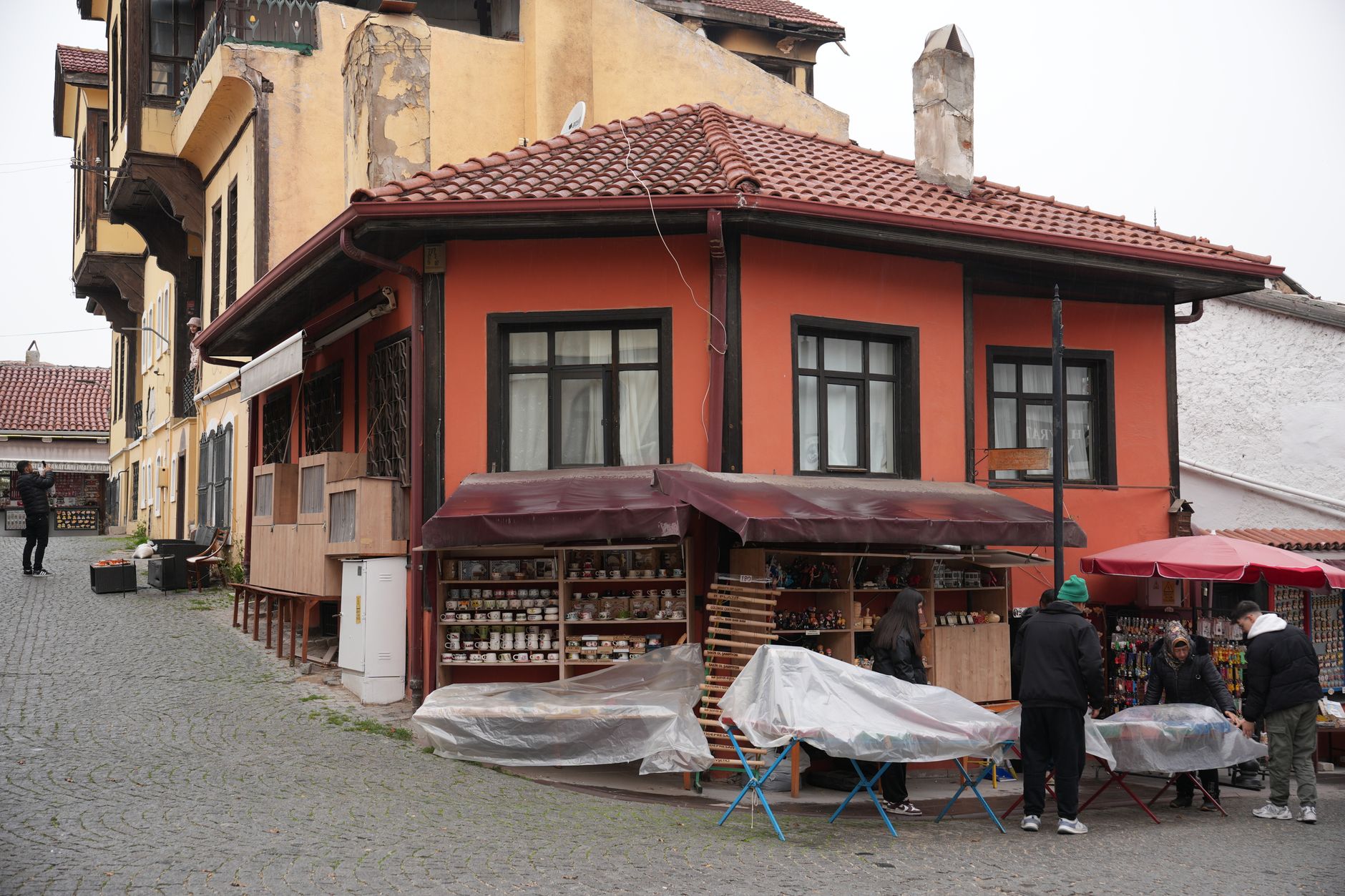
The meerschaum workshops are concentrated in the historic Odunpazarı district, a charming area with cobblestone streets and traditional Ottoman houses. Here you'll find small ateliers where artisans work meticulously, often in open view of visitors. Many workshops welcome tourists, offering demonstrations and explanations in English or through translators.
One of the most famous workshops is Lületaşı Müzesi (Meerschaum Museum), which also functions as a gallery and workshop. It showcases masterpieces and allows you to observe carving techniques. Another recommended stop is Atölye Lületaşı, a family-run studio where you can see every stage of production, from raw stone to finished pipe. For a more interactive experience, Eskişehir Lületaşı Atölyesi offers short carving sessions for beginners.
When visiting, remember that these are working studios, not tourist attractions. Always ask permission before taking photos, and avoid disturbing artisans during delicate work. A small purchase or a tip is appreciated if you spend a long time observing. The best time to visit is on weekdays when artisans are most active, but some workshops also open on weekends.
Meeting Local Craftspeople and Learning the Craft
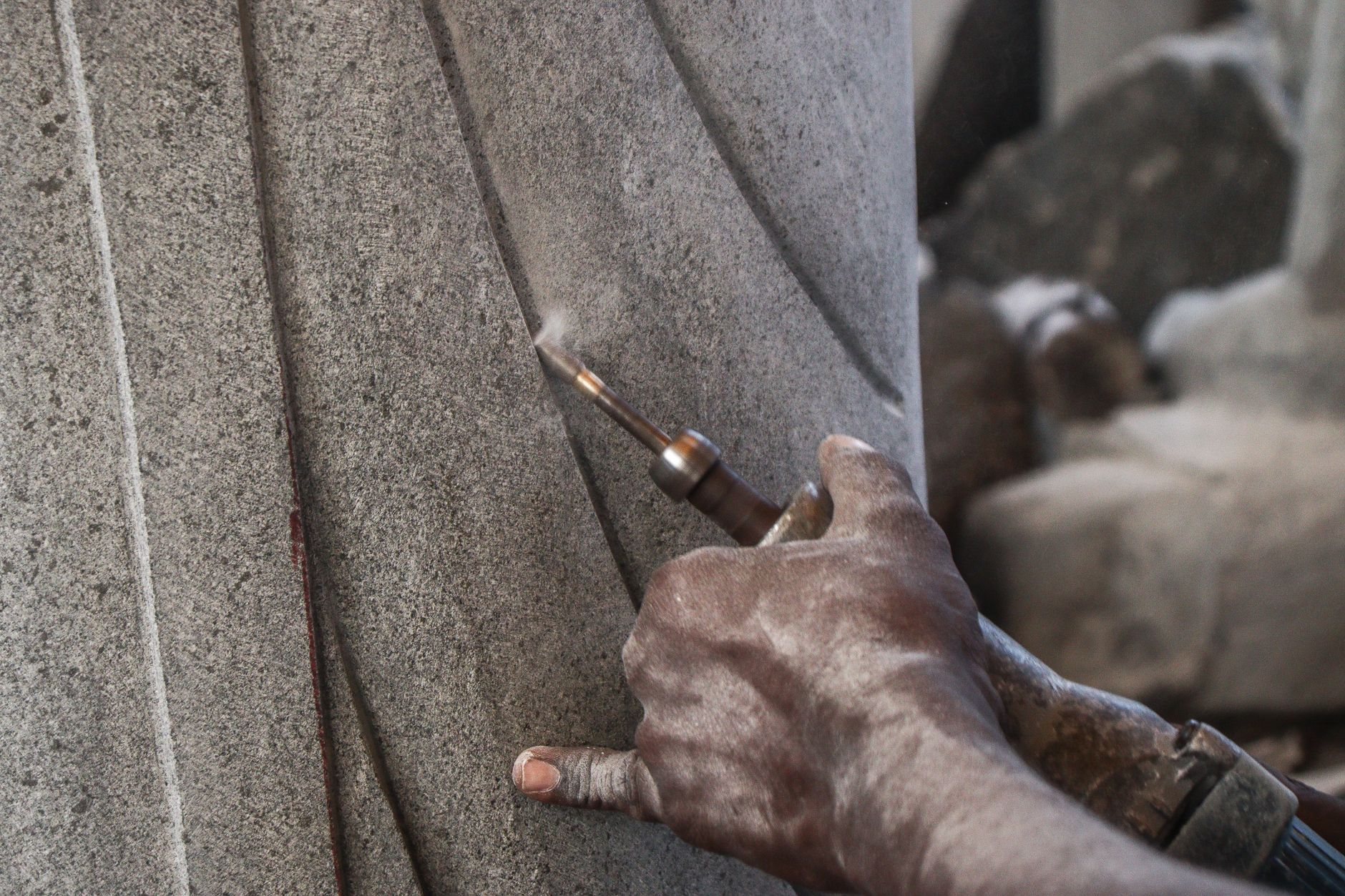
The true highlight of a meerschaum visit is interacting with the artisans. These masters, many of whom have decades of experience, are often eager to share their knowledge. They will explain how lületaşı is mined, cleaned, and shaped using hand tools and simple lathes. You'll learn about the importance of the stone's moisture content and how to avoid cracks during carving.
Some workshops offer workshops where you can carve your own small piece, such as a pendant or a simple pipe. Under the guidance of a master, you'll use files, sandpaper, and polishing cloths to create a unique souvenir. This hands-on experience deepens your appreciation for the skill involved and provides a memorable connection to the craft.
Meeting these craftspeople also gives insight into their daily lives and the challenges they face, from sourcing quality stone to competing with mass-produced items. By engaging with them, you contribute to the preservation of a centuries-old tradition and take home stories that go beyond ordinary souvenirs.
Practical Tips for Visiting Eskişehir
Getting there: Eskişehir is easily accessible by high-speed train from Ankara (1.5 hours) and Istanbul (4 hours). The city has an airport with domestic flights. Once in Eskişehir, Odunpazarı is a short tram or taxi ride from the center.
Where to stay: Choose accommodations in Odunpazarı or the city center for easy access to workshops. Boutique hotels in restored Ottoman houses offer a charming experience. Book in advance during peak season (spring and autumn).
What to bring: Comfortable shoes for walking on cobblestones, a camera (with permission), and cash for purchases—many small workshops don't accept cards. A small notebook to jot down artisan contacts is also handy.
Etiquette: Always ask before entering a workshop, greet with a polite "Merhaba," and avoid touching unfinished pieces. If you plan to buy, inquire about prices and shipping options. Remember to bargain respectfully; it's part of the culture but should be done with a smile.
Beyond the Workshops: Eskişehir's Cultural Scene
Eskişehir is more than just meerschaum. Often called the "cultural capital of Türkiye," it boasts a lively arts scene, with theaters, galleries, and music venues. The Odunpazarı Modern Museum (OMM) is a must-visit for contemporary art lovers, housed in a striking building that contrasts with the historic district.
Stroll along the Porsuk River, lined with cafes and sculptures, or explore the vibrant bazaar where you can find other local crafts. The city's youthful population, thanks to two universities, gives it a dynamic energy. Don't miss the chance to try local dishes like çibörek (a savory pastry) and met helvası (a sweet sesame halva).
In the evening, enjoy a traditional Turkish coffee in one of the tea gardens and reflect on your day among the artisans. Eskişehir's blend of tradition and modernity makes it a perfect destination for craft lovers and culture seekers alike.
Conclusion: A Souvenir with a Story
A visit to Eskişehir's meerschaum workshops is not just about buying a souvenir; it's about connecting with a living tradition. You'll leave with a deeper understanding of the artistry behind each piece, a newfound respect for the craftspeople, and a unique object that carries the spirit of the city. Whether you choose a finely carved pipe or a small ornament, it will be a reminder of the skill and passion you witnessed.
As you plan your trip, consider extending your stay to explore more of Türkiye's craft heritage. But Eskişehir, with its welcoming artisans and vibrant cultural scene, is a destination that will captivate any craft lover. So pack your curiosity, head to Odunpazarı, and watch a lump of lületaşı become a masterpiece before your eyes.
Thinking about a trip to Turkey?
Share your contact details and a vetted local expert will follow up with a plan built around you — free, no obligation.