

Meze: The Heartbeat of Turkish Hospitality
In Türkiye, a meal rarely begins with a single dish; it begins with a table covered in small plates, a chorus of flavors that invites everyone to reach in, dip, and share. This is meze—the Turkish art of grazing—and it is one of the most joyful, communal ways to experience the country's legendary hospitality. Whether you're sitting at a seaside meyhane in Istanbul's Kumkapı, a rustic tavern in Izmir, or a family home in Gaziantep, the meze table is where conversations flow as freely as the rakı.
Meze (from the Persian maza, meaning "taste" or "snack") is not a appetizer in the Western sense. It's a spread, a ritual, a way of eating that stretches over hours. The plates are small, but their cumulative effect is a feast. As a traveler, embracing meze culture is your passport to understanding Turkish generosity: no one leaves hungry, and no one eats alone.
In this guide, we'll walk you through the classic mezes—creamy haydari, spicy ezme, stuffed vine leaves, and grilled octopus—and show you how to order a balanced spread, navigate portion sizes for your group, and pair everything with rakı or ayran responsibly. By the end, you'll be ready to say "Hep birlikte, afiyet olsun!" (Enjoy together!) and mean it.
The Essential Meze Vocabulary: What to Look For
Before you order, it helps to know the categories. Meze generally falls into a few groups: yogurt-based (like haydari), vegetable-based (ezme, enginar), legume-based (hummus, piyaz), seafood (grilled octopus, midye dolma), and stuffed or wrapped (dolma, sarma). Most meyhanes organize their menu by these categories, so you can mix and match.
Key words to recognize: yoğurtlu (with yogurt), zeytinyağlı (with olive oil, usually served cold), kızartma (fried), ızgara (grilled), and dolma (stuffed). If you see mevsim (seasonal) or günün çorbası (soup of the day), go for it—freshness is the point.
Don't be shy about asking. Turks are proud of their food and happy to explain. A simple "Bu nedir?" (What is this?) or "İçinde ne var?" (What's inside?) will usually earn you a detailed, passionate answer.
Star of the Table: Haydari, Ezme, and Other Must-Try Classics
Haydari: The Creamy Anchor
Haydari is the velvet of the meze table: thick, strained yogurt (süzme yoğurt) blended with garlic, dill, mint, and sometimes a touch of feta or labneh. It's cooling, tangy, and utterly addictive. Scoop it up with warm pide bread or use it to temper a spicy bite of ezme. Haydari is the peacemaker of the spread—always present, always welcome.
You'll find variations across the country: in the Aegean, it might be looser and herbier; in the southeast, it can be denser and more garlicky. Ask for süzme yoğurt if you want it extra thick.
Ezme: The Spicy Spark
Ezme is haydari's fiery counterpart: a finely chopped salad of tomatoes, peppers (both sweet and hot), onion, parsley, garlic, and pomegranate molasses (nar ekşisi), often with a kick of isot pepper or chili flakes. It's vibrant, acidic, and slightly smoky. In Gaziantep and Antakya, ezme is a point of pride—some versions are almost paste-like, others chunky and fresh.
Ezme is best eaten with bread or used as a condiment for grilled meats. It wakes up your palate and prepares you for the next bite. If you love heat, ask for acılı ezme (spicy ezme); if not, acısız (mild) is your friend.
Stuffed Vine Leaves (Yaprak Sarma) and Dolma
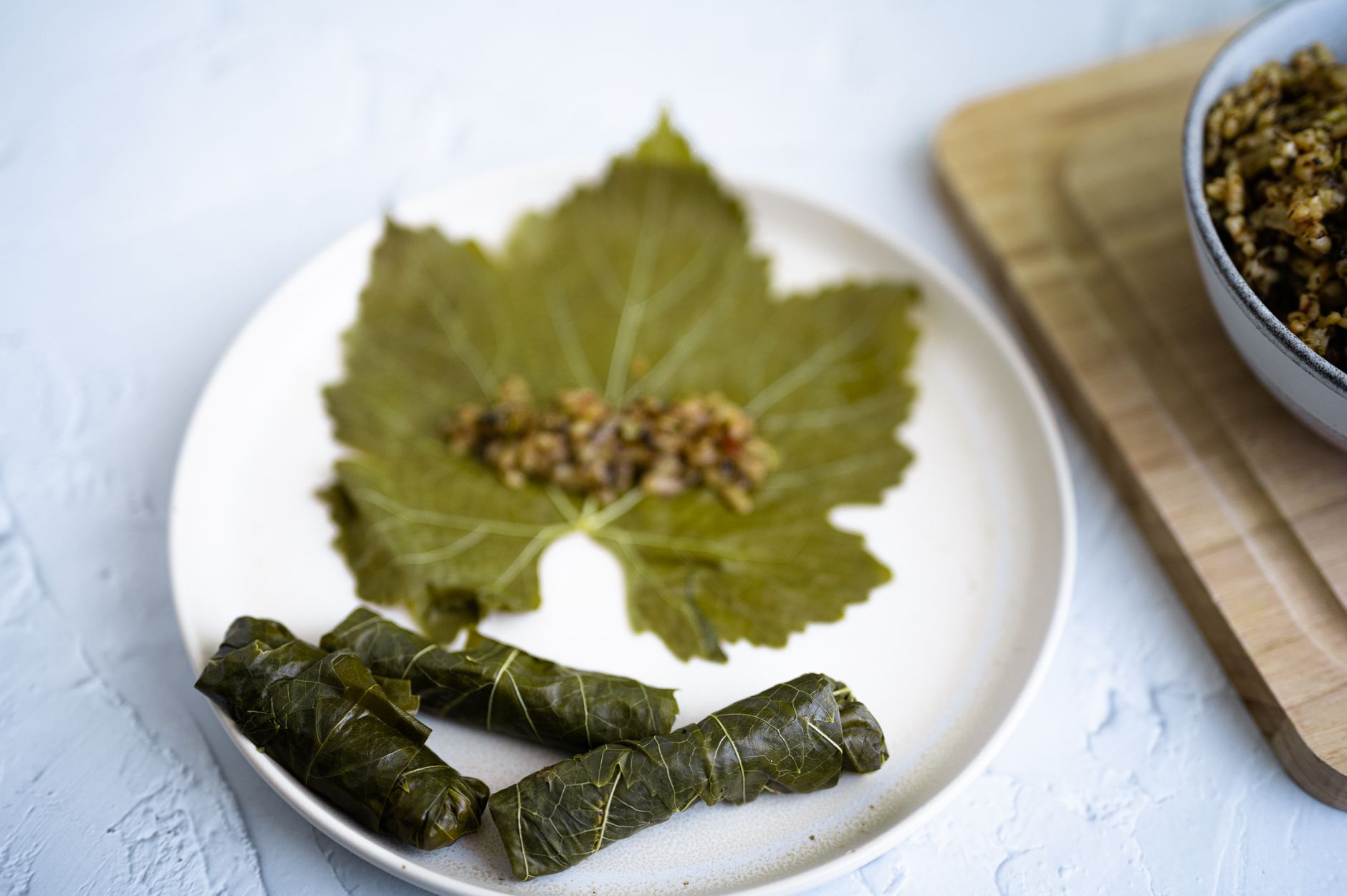
Stuffed vine leaves—yaprak sarma—are the delicate jewels of the meze table. Tender grape leaves are rolled around a filling of rice, herbs, pine nuts, and currants, then simmered in olive oil and lemon. They're served cold, often with a wedge of lemon, and each one is a perfect two-bite parcel of sweet-savory joy.
Dolma refers to anything stuffed: peppers (biber dolma), eggplant (patlıcan dolma), or even mussels (midye dolma). The fillings vary—some include ground meat (served hot), others are vegetarian with rice and spices (served cold). Vegetarians should look for zeytinyağlı dolma, which is meat-free and olive-oil based.
Grilled Octopus (Ahtapot Izgara)
Along the Aegean and Mediterranean coasts, grilled octopus is a meze rockstar. It's typically marinated in olive oil, lemon, and garlic, then grilled until tender with a smoky char. Served with a drizzle of olive oil and a sprinkle of red onion, it's a taste of the sea that pairs beautifully with rakı.
Good octopus should be tender, not chewy—if it's tough, send it back. In Istanbul's Kumkapı or Bodrum's marina, you'll find some of the best. Ask for ahtapot salatası if you prefer it cold as a salad.
Other Classics to Seek Out
- Hummus: Creamy chickpea and tahini dip, often topped with olive oil and pine nuts.
- Piyaz: White bean salad with onion, parsley, and olive oil—simple and satisfying.
- Enginar: Artichoke hearts braised with peas, carrots, and dill in olive oil.
- Arnavut ciğeri: Fried liver cubes with onions and parsley—a meyhane staple.
- Midye dolma: Mussels stuffed with spiced rice, sold on street corners and in meyhanes.
How to Order a Balanced Meze Spread (Without Overdoing It)
The golden rule of meze ordering is variety and balance: you want creamy, crunchy, spicy, tangy, and fresh all represented. For a group of four, aim for 6–8 mezes, plus bread. For two people, 3–4 mezes is plenty. For a larger party of six or more, 10–12 mezes will create a stunning table without waste.
Start with a base of cold mezes: haydari, ezme, hummus, and a zeytinyağlı vegetable dish. Add one or two seafood mezes (octopus, shrimp, or midye dolma). Then include a fried or hot meze, like sigara böreği (cheese rolls) or kalamar tava (fried calamari). Finally, a starch or legume dish—piyaz or fasulye pilaki (white beans in tomato sauce)—rounds things out.
If you're unsure, ask the waiter for a meze tabağı (meze platter) or let them choose a selection. Many meyhanes offer a karışık meze (mixed meze) that gives you a taste of everything. But beware: it's easy to fill up on bread and meze before the main course. Pace yourself, and remember that meze is meant to be nibbled slowly, not devoured.
Pairing Meze with Rakı or Ayran: A Guide to Responsible Enjoyment
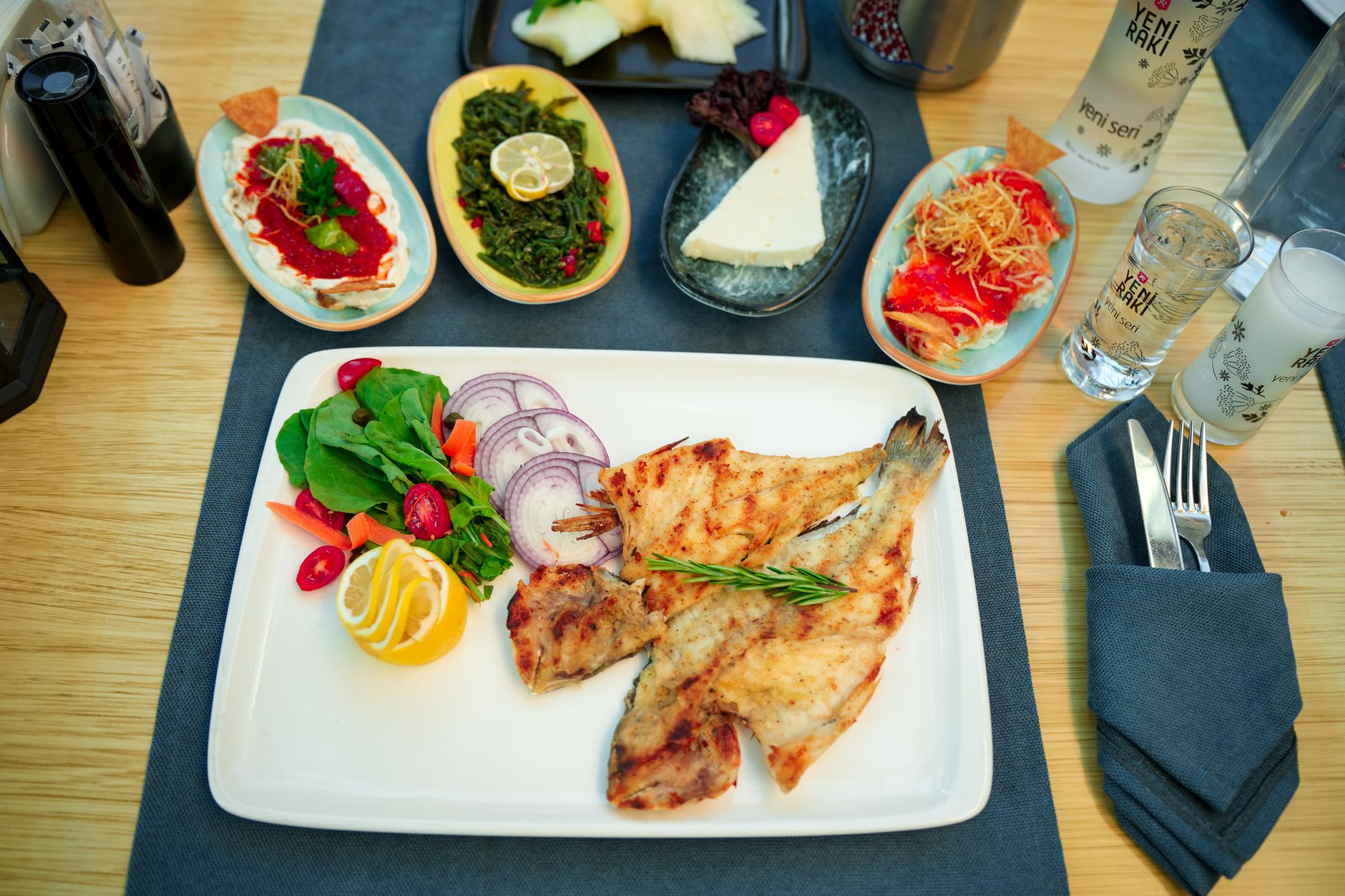
Rakı is the traditional accompaniment to meze, especially in a meyhane setting. This anise-flavored spirit is mixed with water (and sometimes ice), turning cloudy white—hence its nickname, aslan sütü (lion's milk). The ritual is simple: pour a little rakı into a tall glass, add water, and sip slowly between bites. The anise cuts through the richness of fried and creamy mezes, and the cold water keeps you hydrated.
However, rakı is strong (usually 40–50% alcohol). To drink responsibly, alternate each glass of rakı with a glass of water, and never drink on an empty stomach. Eat meze steadily—the food is your ally. If you're not a drinker, ayran (a salty yogurt drink) is a fantastic pairing. Its tangy, refreshing character complements spicy ezme and creamy haydari alike. Şalgam (fermented turnip juice) is another non-alcoholic option, especially in the south.
For those who prefer no alcohol, fresh lemonade or çay (Turkish tea) can also work, though tea is usually saved for after the meal. The key is to enjoy the company and the food without overindulging. Turks have a saying: "Rakı içmek, sohbet içmektir"—drinking rakı is about conversation. So sip, talk, laugh, and let the meze table work its magic.
Regional Variations: Meze Across Türkiye
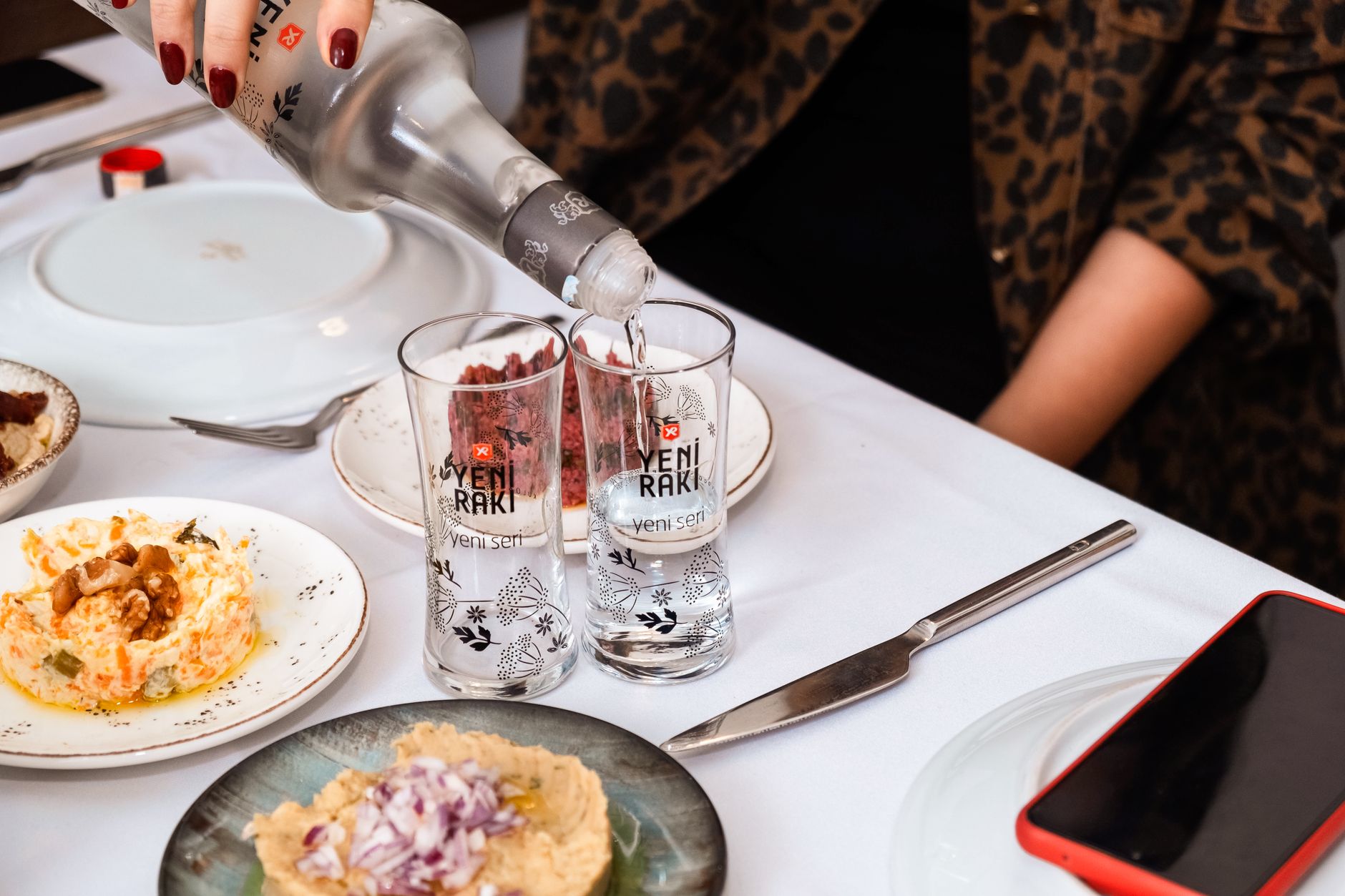
Meze changes dramatically from region to region. In Istanbul and the Aegean, you'll find lighter, olive-oil-based mezes with plenty of seafood and greens. The Aegean is famous for its wild herbs—ot—like deniz börülcesi (samphire) and radika (dandelion greens), simply boiled and dressed with lemon and olive oil.
In the southeast—Gaziantep, Şanlıurfa, Antakya—meze becomes bolder, spicier, and more meat-centric. Ezme is hotter, hummus is silkier, and you'll find muhammara (walnut and red pepper dip) and kısır (bulgur salad) in abundance. This is where isot pepper reigns supreme.
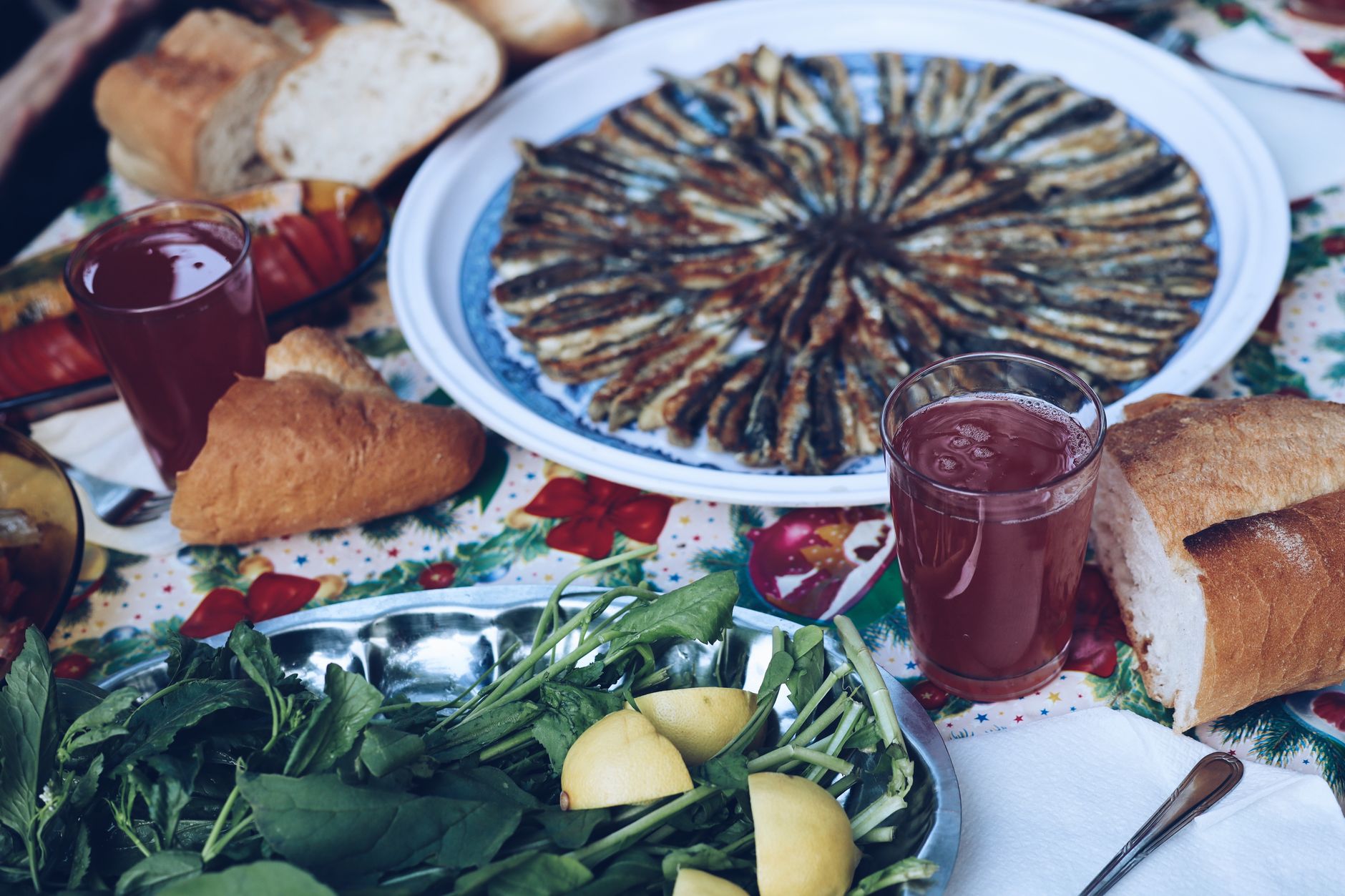
Along the Black Sea coast, meze often includes hamsi (anchovies), either fried or in a tava, and corn-based dishes. In the south, around Adana and Mersin, spicy acılı ezme and grilled seafood dominate. Wherever you go, the meze table reflects the local pantry—and the local personality.
Practical Phrases and Etiquette for the Meze Table
Knowing a few phrases will endear you to your hosts and make ordering a breeze. Here are some essentials:
- "Meze tabağı alabilir miyiz?" – Can we have a meze platter?
- "Karışık meze olsun." – Let's have a mixed meze.
- "Acılı mı?" – Is it spicy?
- "Bu nedir?" – What is this?
- "Hesap, lütfen." – The bill, please. (Though it's polite to offer to pay, expect a friendly argument.)
- "Afiyet olsun!" – Enjoy your meal! (Say this when someone starts eating or after they finish.)
Etiquette: Meze is shared, so don't double-dip your bread directly into a communal bowl if you can avoid it—use a spoon or tear a piece of bread and scoop. It's also common to clink glasses and say "Şerefe!" (Cheers!). If you're with Turks, let your host order—they'll know exactly what to get. And always accept a second helping; refusing can be seen as a slight.
Finally, pace yourself. A meze meal can last three hours or more. There's no rush. Savor each bite, listen to the stories, and let the evening unfold. That's the real Turkish hospitality.
"Meze is not about filling your stomach; it's about filling your heart." — Anonymous Turkish proverb (well, almost)
Final Tips: Making the Most of Your Meze Experience
Go with a group—meze is best shared. Order more than you think you need, but don't stress about leftovers; they're rare. Try at least one thing you can't pronounce. And if you're in Istanbul, make a reservation at a historic meyhane like Kumkapı or Çiçek Pasajı for the full experience.
Remember, the meze table is a microcosm of Türkiye itself: diverse, generous, and full of flavor. So pull up a chair, raise your glass, and dive in. Afiyet olsun!
Thinking about a trip to Turkey?
Share your contact details and a vetted local expert will follow up with a plan built around you — free, no obligation.