

Why Türkiye Rewards the Independent Camper
Türkiye has quietly become one of the Mediterranean's most welcoming countries for motorhome and campervan travellers. The road network is modern and expanding, tolls are modest, fuel stations appear every few kilometres on main corridors, and the sheer variety of landscapes packed into a single day's drive is hard to match anywhere else. You can wake beside a pine-fringed Aegean bay, climb through olive terraces before lunch, and be parked under cool Taurus mountain pines by evening.
The country is also remarkably safe for independent travellers. Roadside hospitality is genuine, towns are used to tourism, and English is widely understood in coastal areas and at campsites. Wild camping is tolerated in many rural spots where you leave no trace and respect local sensitivities, while a growing network of designated camping areas and holiday villages offers reliable facilities for showers, laundry and water refills.
This guide focuses on the practical side of a self-drive trip: how to plan a route that mixes coast and mountains, what to expect from campsites and parking etiquette, how to budget for fuel and tolls, and which stretches of road are worth building your itinerary around. If you are still choosing a season, read our best time to visit guide before locking in dates — spring and autumn are ideal for camper life.
Planning a Coast-and-Mountain Loop
The classic shape for a two- to three-week campervan trip is a loop that starts around İzmir or Dalaman, hugs the Aegean and Mediterranean coastline, then cuts inland over the Taurus range before returning west through lake country and the interior. This gives you the contrast that makes Türkiye special: salt-air mornings followed by high-altitude pine forest evenings.
A relaxed version runs from the northern Aegean down through the Çeşme and Kuşadası area, past ancient sites near Selçuk, along the Datça and Marmaris peninsulas, then east to Fethiye, Kaş and the Lycian coast. From Antalya, turn inland and climb towards the Taurus passes around Saklıkent and the hinterland of Korkuteli, where the air cools sharply and the roads wind through cedar and juniper. Loop back via the lakes of the interior — Eğirdir and Salda are both beautiful and camper-friendly — before rejoining the Aegean.
Allow more time than you think you need. Distances on the map can be deceptive because mountain roads are slow and coastal stretches tempt you to stop constantly. A comfortable daily average is 150–220 km with two or three sightseeing pauses; trying to cover 400 km a day turns the trip into a driving marathon and you will miss the best of it.
For ready-made driving sequences you can adapt to your own pace, browse our route ideas and itineraries, which show how the coastal and inland sections fit together.
Campsites, Wild Spots and What to Expect
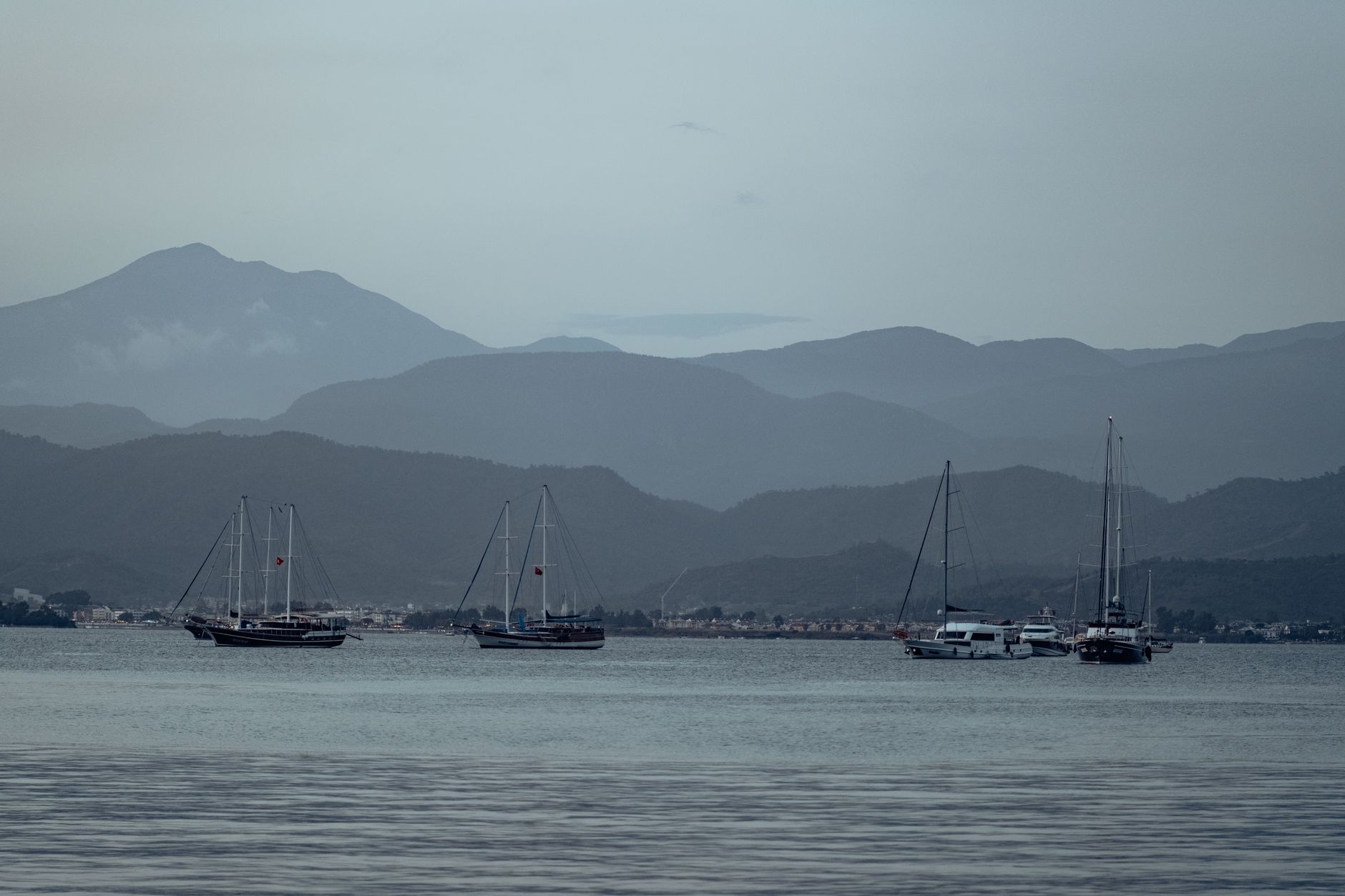
Türkiye's campsite scene is a blend of well-established holiday villages (tatil köyü) and smaller, family-run camping grounds (kamp alanı). On the Aegean and Mediterranean coast you will find sites with electricity hook-ups, hot showers, washing machines, shaded pitches and often a small restaurant or market. Prices are generally lower than in Western Europe, though popular bays in July and August fill up, so arrive by mid-afternoon or call ahead.
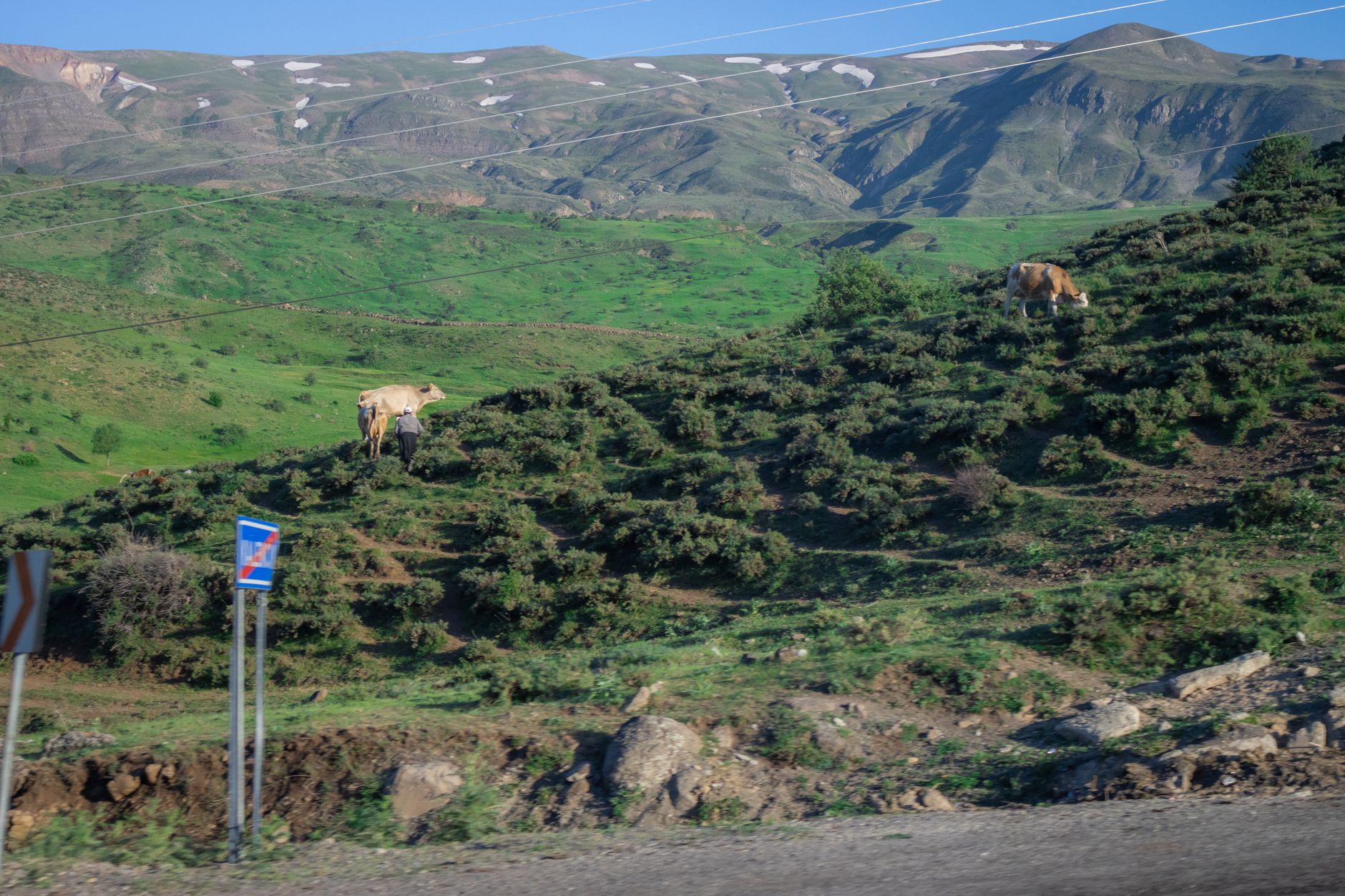
Inland and in the mountains, facilities thin out but scenery improves. Many highland campsites are simple: a flat gravel or grass area, a tap, perhaps a basic toilet, and a warm welcome from the owner who may bring tea to your pitch. These are often the most memorable nights of the trip. Carry your own water supply and a means of levelling the van, as pitches can be uneven.
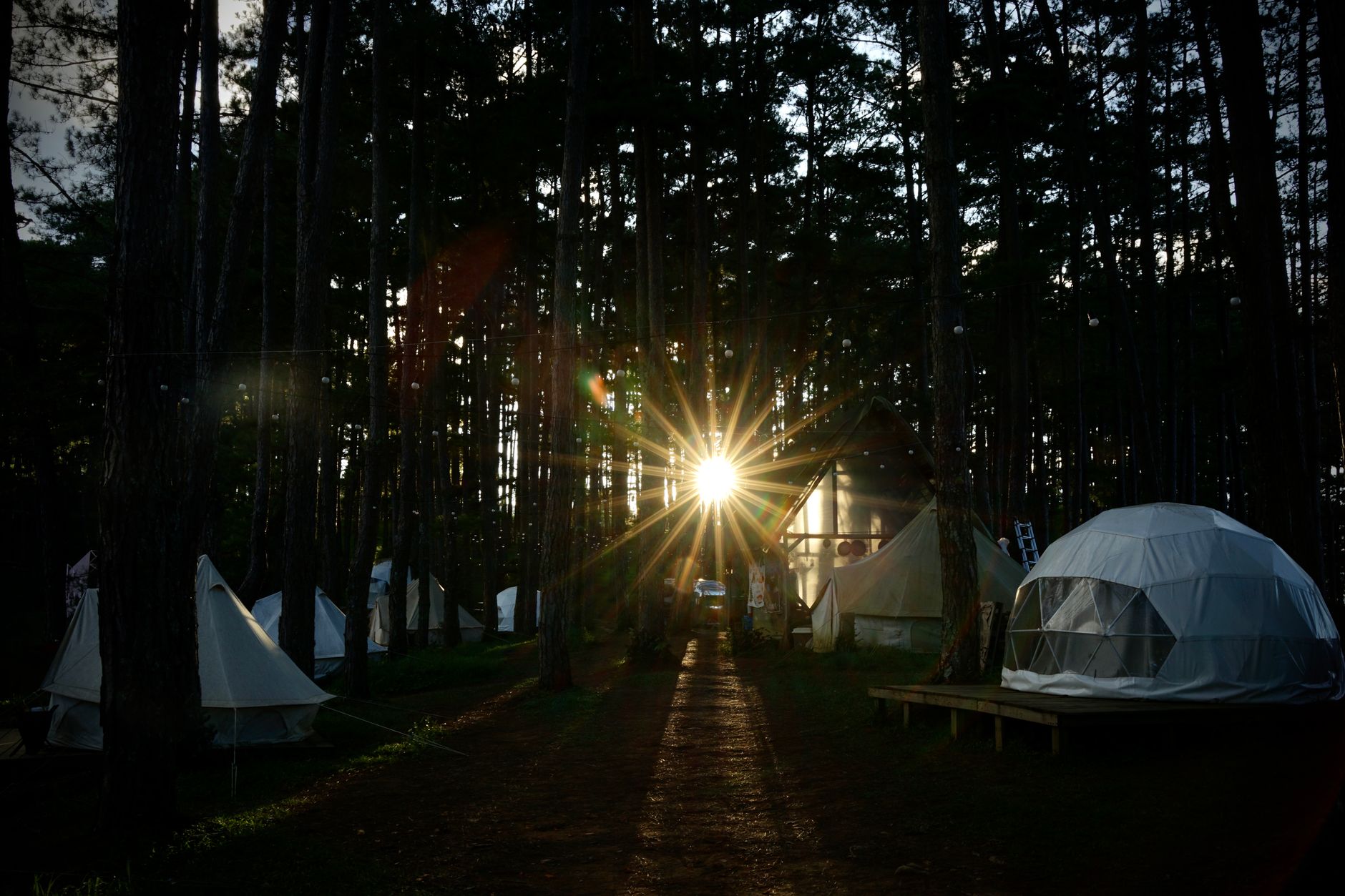
Wild camping is a grey area rather than a simple yes or no. In remote rural areas, away from settlements, beaches with signage and protected archaeological zones, an overnight stay is usually tolerated if you are discreet, self-contained and gone by morning. Never camp inside ancient sites, national park boundaries where it is prohibited, or on private farmland without asking. When in doubt, ask at the nearest village café or camp — permission is almost always granted with a smile.
Our travel tools include planning checklists that help you note water points, dump stations and campsite contacts as you go.
Parking Etiquette and Everyday Road Manners
Parking in Turkish towns is more straightforward than many visitors expect, but a few unwritten rules keep things smooth. Use designated car parks (otopark) where they exist and pay the attendant on arrival or exit — receipts are normal and prices are low. In smaller towns, the safest option is often the central mosque or belediye (municipality) car park, which is usually flat, guarded and cheap.
Avoid blocking shopfronts, driveways or narrow village lanes, even briefly. Local drivers are patient but traffic behind you can build quickly on two-lane coastal roads, so pull fully off the carriageway into a lay-by when stopping for photos. Overnight parking in town squares is generally not welcome; move a few kilometres out of the settlement instead. Pay attention to blue-painted kerbs and signs indicating tow-away zones in bigger cities.
On the road, the horn is used conversationally rather than aggressively — a short toot may mean hello, a warning, or that someone is overtaking. Give way generously, use your indicators early, and be cautious at blind bends on mountain roads, where oncoming traffic sometimes drifts across the centre line. Fuel stations are excellent places to ask for directions, use clean toilets and buy water; attendants often wash windscreens as a courtesy.
For broader orientation on local customs and safety, our FAQ and trust pages answer common questions about travelling independently in the country.
Fuel, Tolls and Running Costs
Fuel in Türkiye is priced per litre and, like much of Europe, is one of the larger line items in a campervan budget. Diesel is widely available and is the sensible choice for a long-distance motorhome. Prices fluctuate with the exchange rate and global markets, so treat any figure you read as a rough guide and check current pump prices on arrival. Motorway (otoyol) fuel stations tend to be slightly pricier than town stations, so fill up before joining a toll road.
Toll motorways use a card-based system — the HGS or OGS tag — which you can arrange for a hired vehicle or buy at service areas and post offices for your own. Tolls are inexpensive compared with Western Europe and are collected automatically as you pass gantries. Many of the most scenic coastal and mountain roads are toll-free ordinary highways, so you can avoid motorways entirely if you prefer slower, prettier driving.
Budget for more than fuel: campsite fees, occasional car park charges, ferry crossings on the coastal peninsulas, museum entries and the small extras that add up — bottled water, gas refills, laundry. Keeping a simple daily log of spend helps you stay in control. Our pricing overview explains how to think about overall trip costs.
Practical tips: keep a small cash float for car parks and village stops, carry a spare fuel can only if your vehicle allows it legally, and note that LPG (otogaz) is available at many stations but not all, so plan refills in larger towns.
Route Highlights: From Aegean Bays to Taurus Passes
The Aegean coast north of İzmir offers gentle introduction miles: wide, well-surfaced roads, olive groves, and the handsome harbour towns of Çeşme and Alaçatı. South of İzmir, the road towards Kuşadası and Selçuk puts you within easy reach of Ephesus — park at the main car park and visit early to beat the heat. The Datça peninsula is a camper's favourite, with quiet coves, almond groves and a slow, winding coastal road that rewards patience.
Between Marmaris and Fethiye, the road climbs and dips through pine forest with frequent viewpoints over turquoise water. Fethiye makes a good resupply stop, and the nearby Ölüdeniz and Saklıkent gorge areas offer dramatic scenery. Continue east along the Lycian coast to Kaş, a low-key diving and sailing town where campervans are a familiar sight, and on to the ancient harbour at Antalya.
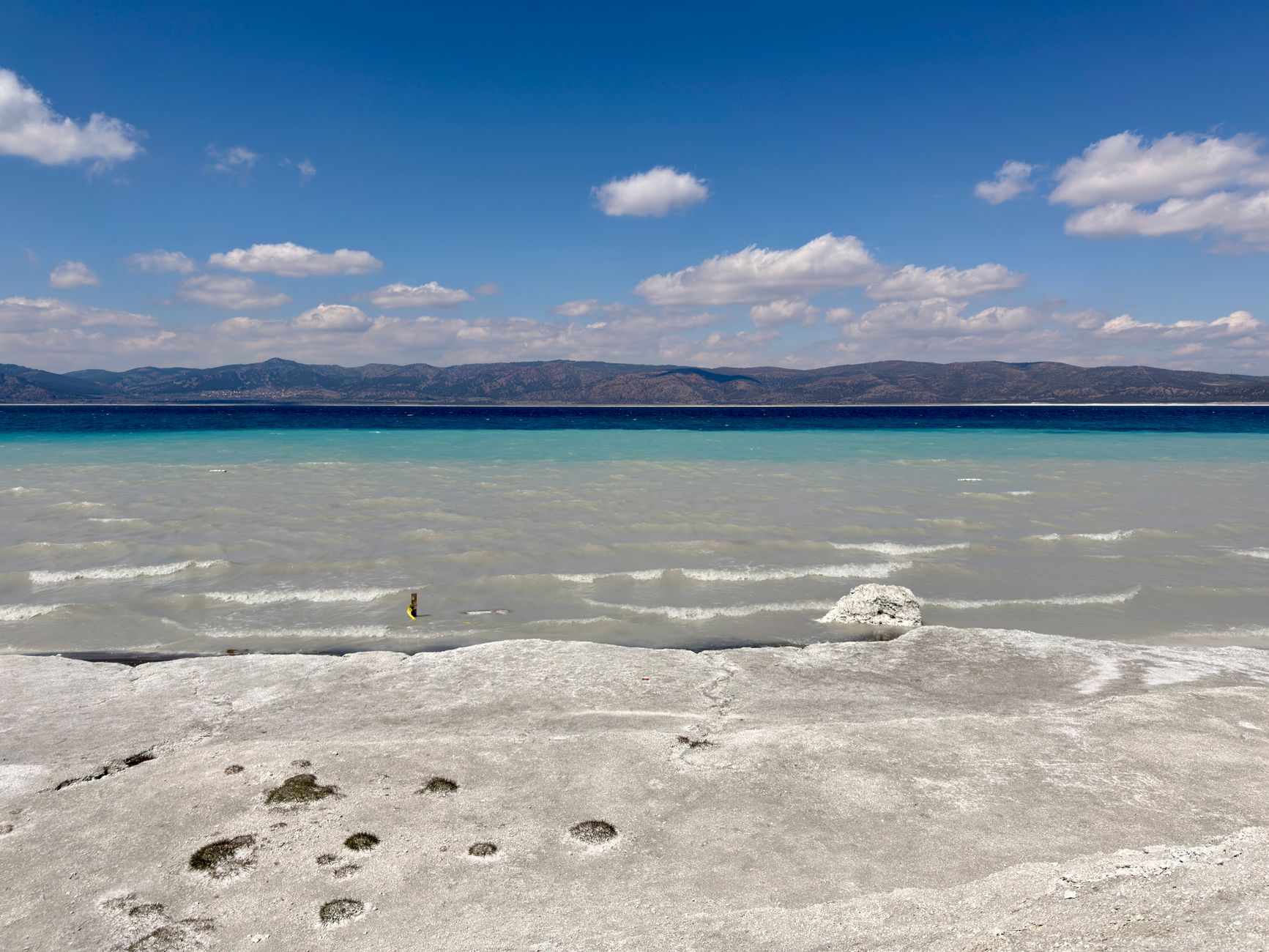
Then turn inland. The climb into the Taurus mountains is the highlight of the trip for many drivers: switchbacks through cedar forest, cool air, and villages where tea is offered before you have finished parking. The high plateau around Salda Lake, with its white shoreline and mineral-blue water, is a stunning overnight stop. From there, drift west through the lake district around Eğirdir, where orchards and rose gardens line the roads, before rejoining the Aegean.
For a fuller sense of what to see along the way, our destinations hub and photo gallery will help you choose which stretches deserve an extra night. If you would like a second opinion on your plan, the local specialists on our experts page can sanity-check routes and seasons.
Making the Trip Comfortable and Responsible
Pack for two climates. Coastal days can be hot and humid, while mountain nights are genuinely cold even in summer. Layered clothing, a warm sleeping bag and a windproof outer layer make the difference between a restless night and a great one. A small awning or sunshade, a refillable water container and a basic tool kit cover most eventualities.
Drive defensively on mountain roads, especially at dusk when livestock and tractors appear without warning. Keep your water tanks topped up before long inland stretches, and always carry a little food in case you arrive somewhere later than expected. Respect signage in archaeological areas and national parks, take all rubbish with you, and use designated waste-water disposal points rather than roadside drains.
Above all, embrace the pace. The pleasure of a Turkish campervan trip is the freedom to change plans when a bay looks too good to leave or a village tea garden invites you to stay an hour longer. With sensible planning and a flexible spirit, Türkiye delivers one of the most rewarding self-drive journeys in the Mediterranean. Start with our trip planner, sketch your loop, and leave room for the unexpected.
Thinking about a trip to Turkey?
Share your contact details and a vetted local expert will follow up with a plan built around you — free, no obligation.