
Highland Air for Everyone
Türkiye is a country of dramatic mountains, and for decades the high plateaus and village pastures were the preserve of hardy hikers and shepherds. That is changing fast. Cable cars now glide up the flanks of Uludağ and Boztepe, forest roads have been widened and signposted, and village guesthouses have multiplied. The result is that almost any traveler—families with young children, older visitors, and those who simply prefer a gentle pace—can reach cool, pine-scented air and a warm bowl of soup at 1,500 meters.
The appeal is simple: escape the summer heat of the coast, breathe air that smells of pine and wild thyme, and meet village hospitality that remains refreshingly unpolished. You do not need technical gear or mountaineering experience. A light jacket, comfortable shoes, and a sense of curiosity are enough.
This guide covers the most accessible highland escapes, from the ski resort of Uludağ above Bursa to the lush plateaus of the Black Sea, with practical notes on tickets, seasons, and what to wear.
Uludağ: Cable Car to the Roof of Bursa
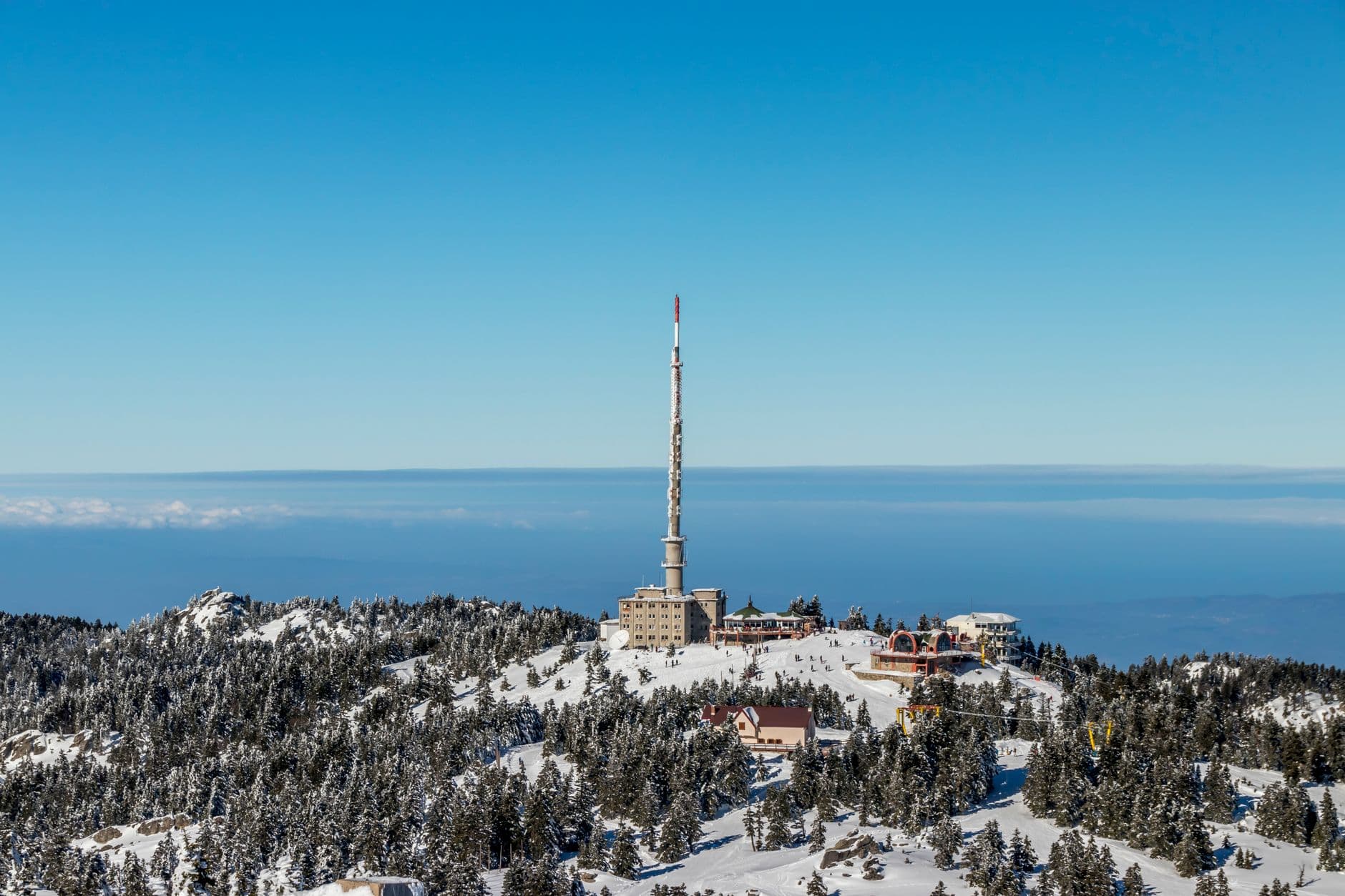
The Bursa Teleferik is one of the longest cable car lines in the world, climbing from the city's edge to the slopes of Uludağ in about 20 minutes. The cabins are enclosed and comfortable, and the views over Bursa, the Marmara Sea, and the surrounding forests are spectacular. In summer, the upper station is a starting point for easy walks through alpine meadows dotted with wildflowers; in winter, it serves a ski resort with beginner-friendly slopes.
Tickets can be bought at the lower station or online; prices vary by season, and it is wise to arrive early on weekends and holidays to avoid long queues. The lift operates year-round, though it may close in high winds or heavy snow. At the top, there are cafes and restaurants, and several hotels offer day passes to their terraces.
What to wear: in summer, a light fleece or windbreaker is useful because the summit can be 10°C cooler than the city. In winter, waterproof boots and warm layers are essential. Even in July, afternoon clouds can bring a chill.
For those who prefer to drive, a paved forest road also winds up to Uludağ, passing through traditional villages and picnic areas. The road is generally in good condition, but it is steep and curvy; allow extra time and use lower gears on the descent.
Boztepe and the Pontic Alps: Ordu's Easy Ascent
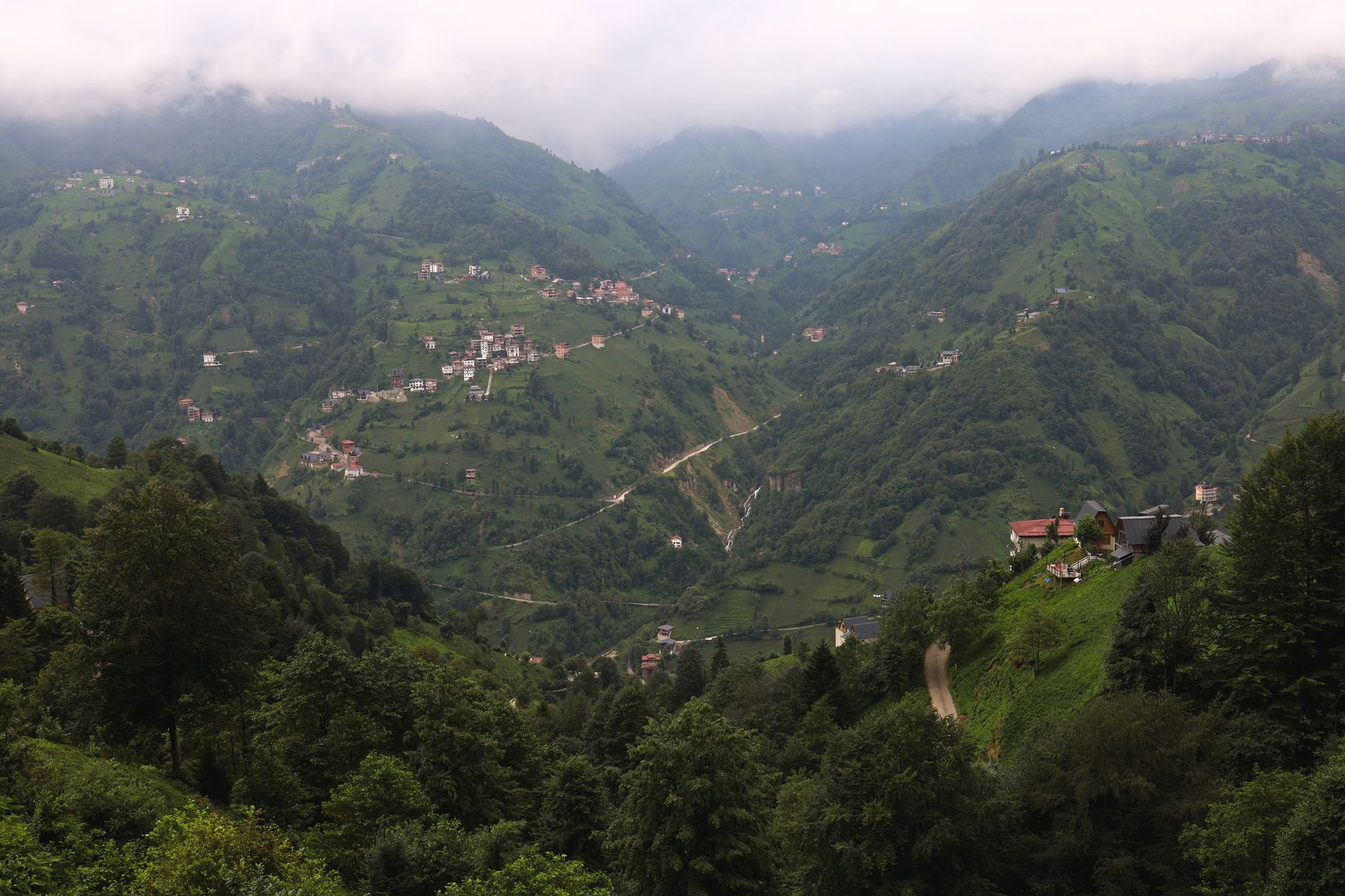
On the Black Sea coast, the city of Ordu has its own cable car to Boztepe, a hilltop park with panoramic views over the sea and the green hinterland. The ride is short and affordable, and at the top you will find tea gardens, picnic spots, and pleasant walking paths. It is an ideal introduction to the region's highland scenery without committing to a long hike.
From Ordu, forest roads lead into the Pontic Alps, where villages such as Çambaşı and Aybastı Perşembe Yaylası offer cool plateaus in summer. These roads are paved but narrow in places, with occasional hairpin bends; they are suitable for ordinary cars in good weather. Along the way, you can stop at roadside springs and small family restaurants serving muhlama (a cheese and cornmeal dish) and fresh trout.
Accommodation ranges from simple guesthouses to boutique hotels in restored village houses. Booking ahead is recommended in July and August, when Turkish families flock to the highlands to escape the coastal humidity.
Black Sea Highlands: Ayder, Pokut, and Gito
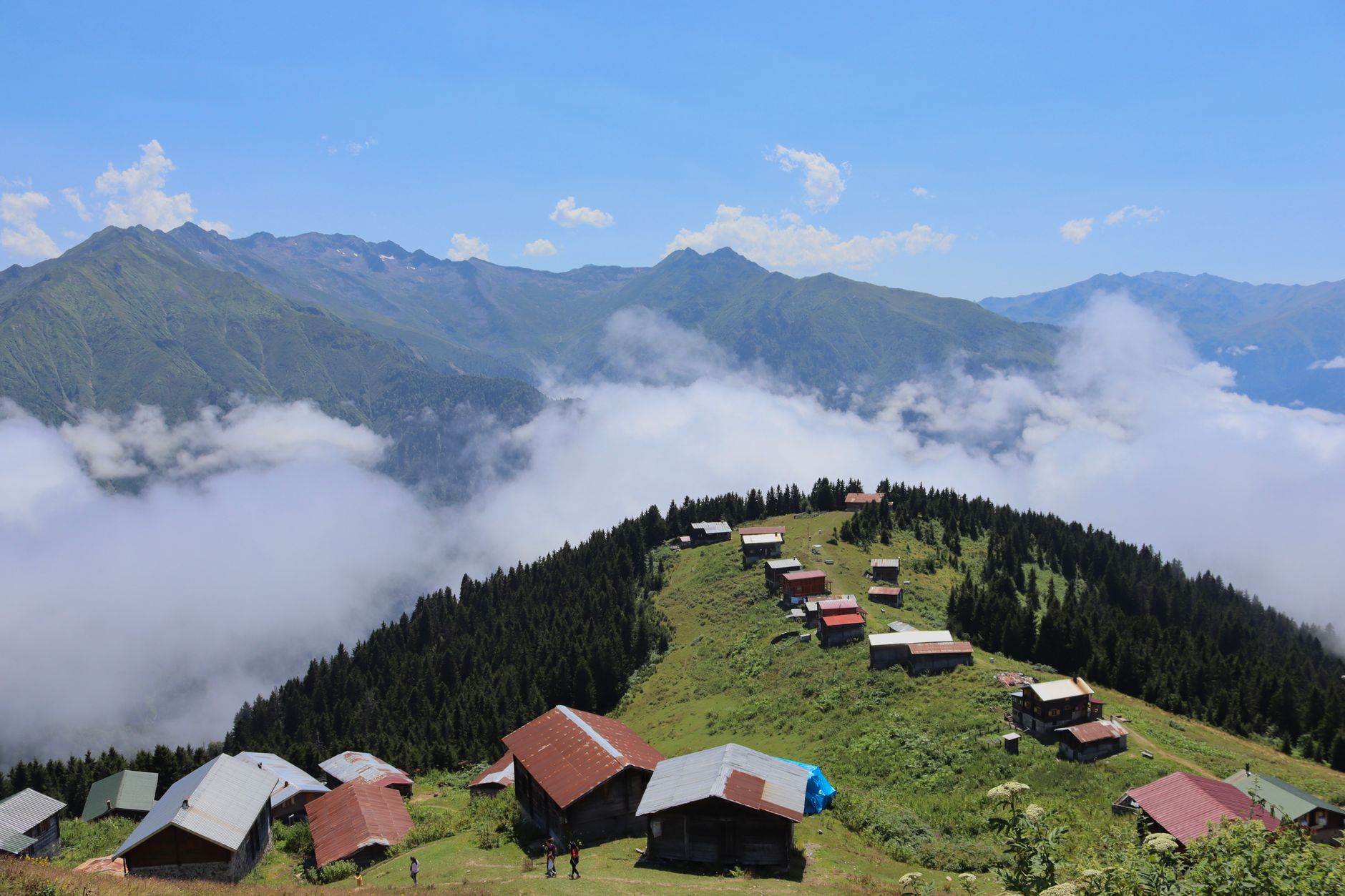
The Kaçkar Mountains, southeast of Trabzon, are the heart of Türkiye's highland culture. The village of Ayder is the most famous, and a paved road climbs from the coast through tea plantations and beech forests to its hot springs and alpine meadows. Ayder is busy in summer, but the surrounding plateaus of Pokut and Gito are quieter and equally beautiful. These are reached by forest roads that are partly unpaved; in dry weather, a standard car can manage, but a high-clearance vehicle is better.
Pokut and Gito are clusters of wooden houses and stone cottages set among wildflower meadows. Guesthouses are family-run, with home-cooked meals and thick blankets for cool nights. The air is crisp and clean, and the silence is broken only by cowbells and the wind. Note that these villages are seasonal: most open from May to September, and some roads may be impassable in winter.
For a more accessible taste of the highlands, the cable car in Trabzon to Boztepe (not to be confused with Ordu's Boztepe) offers views over the city and the sea. It is a quick and easy ride, suitable for all ages.
Practical Notes: Tickets, Seasons, and What to Wear
Cable car tickets are generally inexpensive by European standards, but prices vary. The Bursa Teleferik offers single and return tickets; children under a certain age often travel free. It is best to check official websites or ask at your hotel for current prices and operating hours, as schedules change seasonally.
Seasons matter. The best months for highland villages are June to September, when roads are clear and meadows are green. July and August are peak season, so book accommodation early. Spring and autumn can be lovely but expect rain and cooler temperatures. Winter is for skiing at Uludağ and other resorts, but many highland roads close due to snow.
What to wear: layering is key. Even in summer, pack a waterproof jacket, a warm fleece, and sturdy walking shoes. Sun protection is important at altitude, as is a hat and sunglasses. In villages, modest clothing is appreciated; avoid very short shorts or sleeveless tops when visiting homes or religious sites.
For more detailed packing lists and seasonal advice, see our best time to visit guide and travel tools section.
Forest Roads and Village Hospitality
Driving through Türkiye's forest roads is an experience in itself. The routes are often lined with plane trees, pines, and chestnuts, and you may share the road with shepherds and their flocks. Villages along the way welcome visitors with tea and conversation; do not be surprised if you are invited to join a family meal. This hospitality is genuine, but it is polite to offer a small gift, such as sweets or fruit, when visiting someone's home.
Some of the most rewarding drives include the road from Bursa to Uludağ, the route from Trabzon to Ayder, and the loop through the Pontic highlands. Road conditions are generally good on main routes, but secondary roads can be narrow and unsigned; a GPS or offline map is recommended.
If you prefer not to drive, many tour companies offer day trips from major cities to highland villages and cable cars. These can be a convenient way to experience the highlands without the stress of navigation.
Where to Stay and What to Eat
Highland accommodation ranges from simple village pensions to comfortable mountain hotels. In Uludağ, there are ski resorts and hotels with spas. In the Black Sea highlands, guesthouses are the norm, often with shared bathrooms and hearty breakfasts of cheese, olives, and fresh bread. For a more luxurious experience, boutique hotels in restored stone houses are appearing in places like Ayder.
Food is a highlight: fresh trout, cornbread, kaymak (clotted cream) with honey, and muhlama are just a few specialties. Be sure to try the local honey and tea, especially in the Black Sea region.
For more inspiration on where to go, explore our destinations page and itineraries for suggested routes.
Accessibility and Responsible Travel
Cable cars are generally accessible for wheelchairs and strollers, though it is wise to check in advance. Village guesthouses may have steps and uneven paths, so inquire about accessibility if needed. When visiting highland areas, respect the environment: carry out your trash, stay on marked trails, and avoid disturbing livestock.
By choosing local guesthouses and restaurants, you support mountain communities and help preserve their way of life. The highlands are a treasure, and with a little care, they will remain welcoming for generations to come.
For more detailed guides on specific regions, see our guides and blog.
Thinking about a trip to Turkey?
Share your contact details and a vetted local expert will follow up with a plan built around you — free, no obligation.