

High above the Black Sea coast, where clouds cling to spruce forests and the air smells of wild thyme, villages cling to slopes like swallows' nests. In the Kaçkar Mountains and the Taurus range, family-run guesthouses open their doors to travelers seeking more than a pretty view. Here, you sleep under hand-woven blankets, wake to the clatter of a breakfast table, and set off on trails with a grandmother who knows every spring and shepherd's path. This is Türkiye at its most tranquil and generous.
Why Türkiye's Mountain Villages Feel Like Coming Home
Hospitality in the Turkish highlands is not a service; it is a way of life. When you arrive in a village like Çamlıhemşin or Ayder in the Kaçkar, you are not a customer but a guest. The teapot is always on, and plates of cornbread, honey, and cheese appear before you even ask. Families here have hosted travelers for generations, and that ease shows in every gesture.
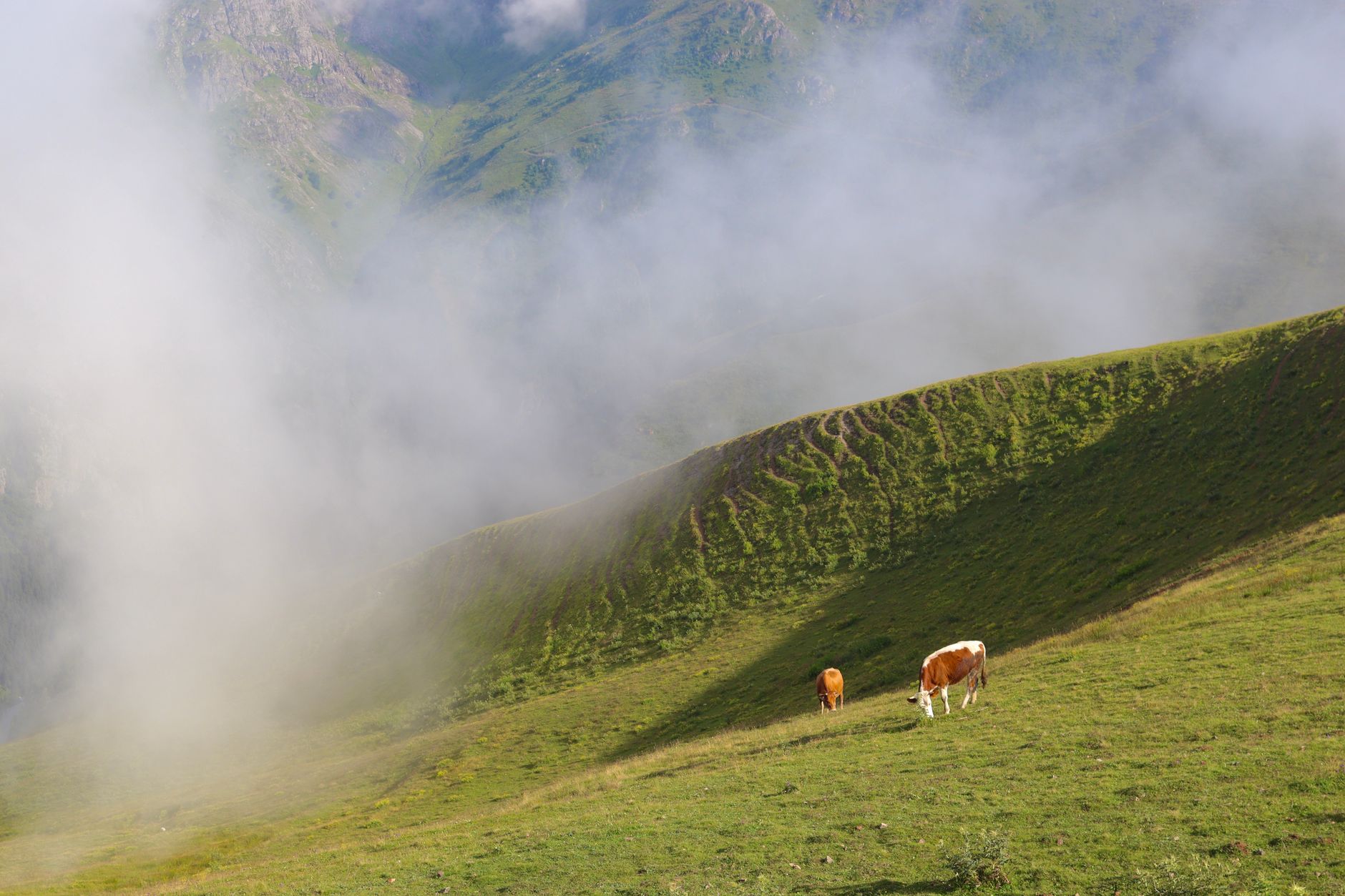
In the Taurus Mountains, villages such as those around the yayla (highland pasture) of Sündiken or the remote corners of the Bolkar range offer the same welcome. You might be invited to help milk a cow, pick mulberries, or simply sit on a wooden porch and watch the mist roll through the valley. The pace is slow, the conversations long, and the sense of calm profound.
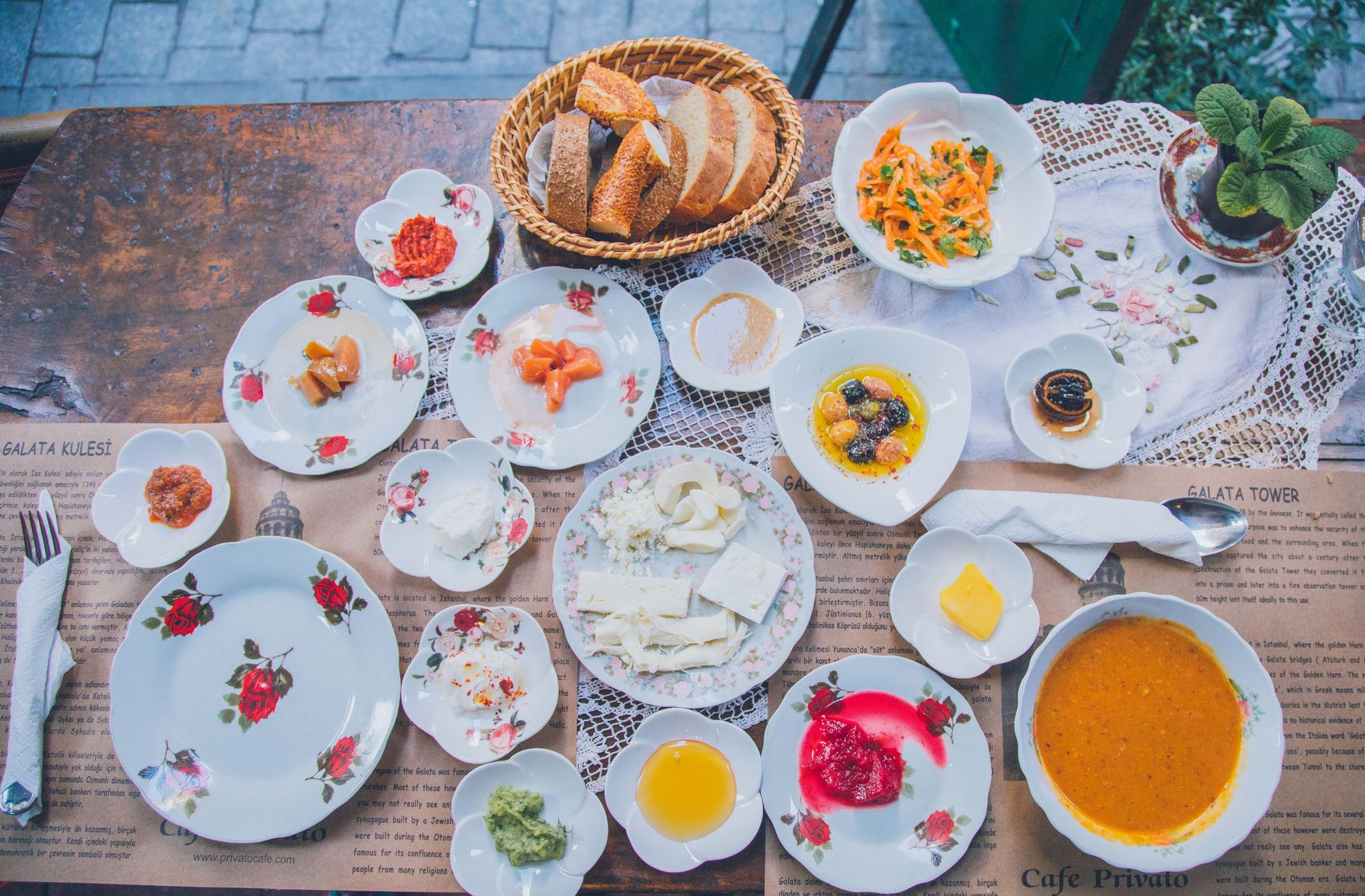
What makes these stays so memorable is the blend of simplicity and care. Guesthouses are often converted family homes with a handful of rooms, each with a view of peaks or a rushing stream. You eat what the family eats: village breakfasts with dozens of small plates, fresh trout from the river, and desserts like kuymak (a warm cornmeal and cheese dish) that taste of the land.
Where to Stay: Kaçkar and Taurus Guesthouse Highlights
The Kaçkar region, spanning the provinces of Rize, Artvin, and Erzurum, is the most famous for its yayla culture and guesthouses. In Ayder, you will find comfortable pensions with hot springs nearby, but for a deeper experience, head to villages like Yaylalar (also known as Yukarı Kavrun), where stone houses huddle beneath the Kackar peaks. Here, families offer simple rooms and guided hikes to glacial lakes such as Deniz Gölü.
On the Taurus side, the villages around Eğirdir and the Dedegöl Mountains are lesser-known but equally rewarding. In the hamlet of Yaka, for instance, a restored stone house welcomes hikers on the St. Paul Trail. Further east, in the Ala Dağlar, the village of Demirkazık has guesthouses that cater to climbers and walkers, with hearty dinners and early breakfasts before summit attempts.
Another gem is the village of Çamlıhemşin, where several family-run hotels sit along the Fırtına River. From here, you can explore the historic Ottoman bridges and take a short drive to the high pastures. In the Taurus, the village of Yörükler near the Kızıldağ National Park offers a glimpse of nomadic Yörük culture, with tents and simple guesthouses that welcome travelers in summer months.
Prices are remarkably affordable: a night in a mountain guesthouse typically costs between 300 and 600 Turkish liras (about 10–20 EUR) per person, including dinner and breakfast. Compare that to a coastal resort in Antalya or Bodrum, where the same money might buy only a cocktail. This is where the value of a mountain stay truly shines.
Highland Trails: Walking with Local Guides
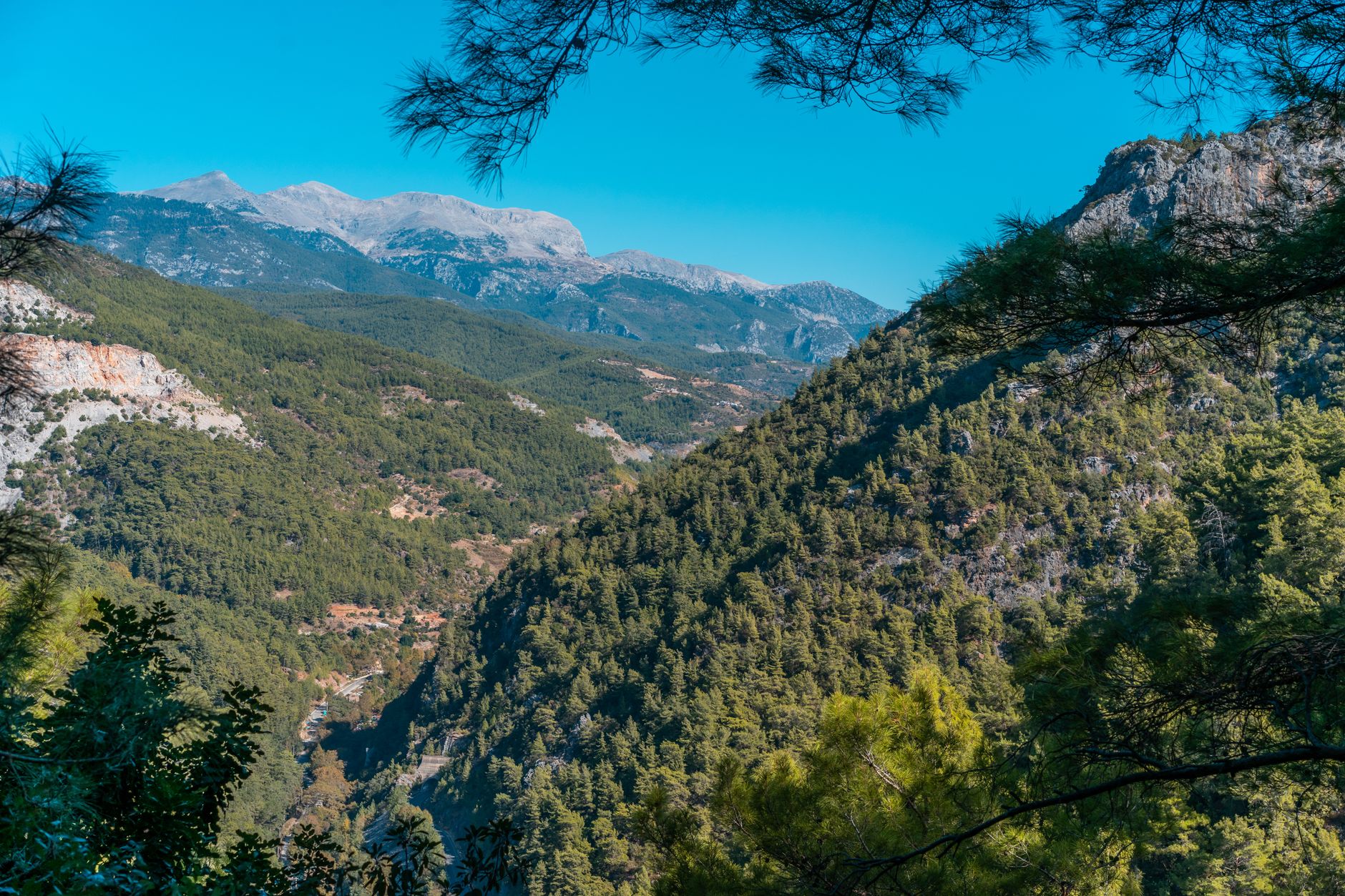
The best way to explore the mountains is on foot, and local guides make all the difference. In the Kaçkar, trails range from gentle valley walks to challenging ascents of peaks over 3,900 meters. A popular route is the five-day Kaçkar traverse, which links villages and yaylas, with overnight stays in guesthouses or basic mountain huts. Guides like Mehmet from Ayder know the weather patterns and can adjust plans to keep you safe.
In the Taurus, the St. Paul Trail and the Lycian Way offer long-distance options, but even a day hike from a village like Yaka can lead to ancient ruins, hidden waterfalls, and panoramic ridgelines. Local guides often carry extra snacks, tell stories of shepherds and bandits, and introduce you to villagers along the way. It is not just a walk; it is a cultural immersion.
For those who prefer shorter walks, many guesthouses offer guided half-day trips to nearby highland pastures. You might walk for two hours to a yayla where a family serves tea and fresh cheese, then return through wildflower meadows. These walks are suitable for most fitness levels and are a highlight for many visitors.
Remember that trails are best from June to September, when snow has melted and the high passes are open. In spring, lower elevations are green and blooming, but high routes may still be snowy. Autumn offers crisp air and golden larches, though some guesthouses close by late October.
Practical Tips: Seasonal Access, Packing and Costs
Seasonal access: Mountain roads in the Kaçkar and Taurus are generally open from May to October, but high passes may remain blocked until June. In winter, many villages are accessible only by 4x4 or are cut off entirely. Plan your trip between June and September for the widest range of trails and open guesthouses.
Packing essentials: Even in summer, mountain weather can change quickly. Bring layers, a waterproof jacket, sturdy hiking boots, a hat, sunscreen, and a refillable water bottle. A small first-aid kit and a headlamp are also wise. For guesthouse stays, a quick-dry towel and a sleep sheet can be handy, though most places provide bedding.
Costs: Guesthouse stays are affordable, but bring cash (Turkish lira) as many small establishments do not accept cards. Meals are often included, but you may want extra cash for guides, tips, and local products like honey or handmade socks. A guided day hike typically costs 500–800 TL per group, so it is worth sharing with other travelers.
Cultural etiquette: Remove your shoes when entering a home, accept tea when offered (it is rude to refuse), and ask before photographing people. A few words of Turkish go a long way: "merhaba" (hello), "teşekkürler" (thanks), and "çok güzel" (very beautiful) will warm hearts.
Beyond the Trails: Food, Culture and Slow Living
Food in the mountains is a celebration of local produce. In the Kaçkar, you will taste Black Sea classics like hamsi (anchovies), kuymak, and muhlama (a fondue-like cheese dish). In the Taurus, expect lamb stews, bulgur pilaf, and fresh yoghurt. Many guesthouses grow their own vegetables and herbs, and meals are often served family-style around a low table.
Cultural encounters are everywhere. You might be invited to a wedding, a circumcision feast, or a religious holiday celebration. In the Kaçkar, the Hemşin culture is distinct, with its own dialect, music, and dances. In the Taurus, Yörük nomads still migrate with their flocks, and you can learn about their traditions if you visit in spring or autumn.
Slow living is the norm. Days are shaped by sunlight, prayer calls, and the rhythm of animals. You might spend an afternoon reading in a hammock, learning to make cheese, or simply watching the clouds. This is the antidote to modern life, and it is why so many travelers return year after year.
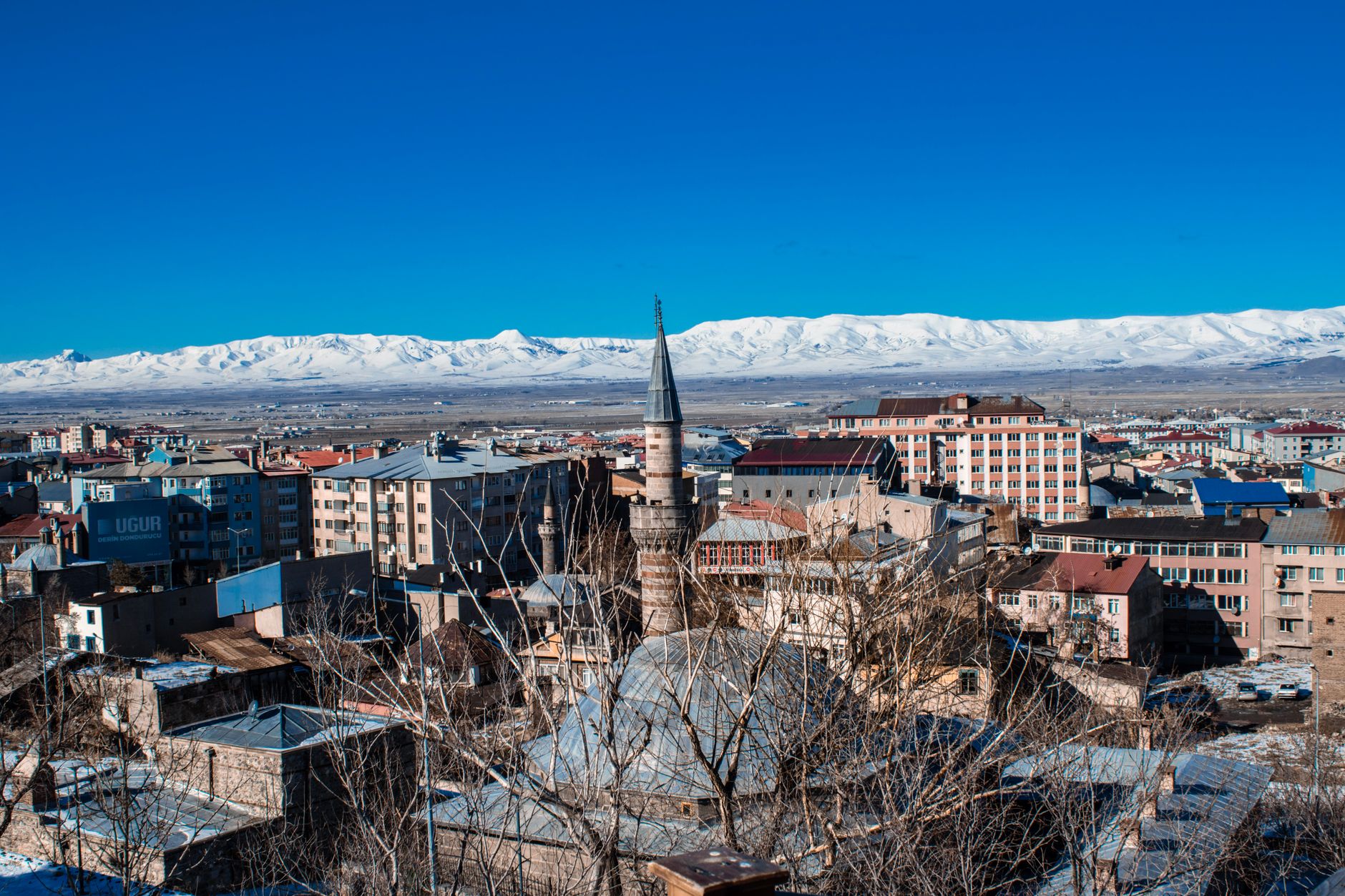
How to Get There and When to Go
Kaçkar: The nearest airports are Trabzon and Erzurum. From Trabzon, buses run to Rize and then to Çamlıhemşin and Ayder. From Erzurum, you can reach Yusufeli and the Barhal valley. A car is useful for exploring remote villages, but dolmuş (minibuses) connect main towns.
Taurus: Antalya and Konya are the main gateways. From Antalya, buses go to Eğirdir, from where local transport reaches trailheads. From Konya, you can access the Bolkar Mountains. Again, a rental car gives more flexibility, but public transport is possible with planning.
Best time to go: Late June to early September offers the most reliable weather and open facilities. July and August are peak season, so book guesthouses in advance. For fewer crowds, consider early June or late September, but be prepared for cooler nights and some closed trails. Winter visits are possible in lower villages but require careful planning and a sense of adventure.
Whether you are a seasoned hiker or a curious traveler, Türkiye's mountain villages offer a rare combination of adventure, tranquility, and genuine warmth. Leave the resorts behind and discover the highlands, where every guest is family.
Thinking about a trip to Turkey?
Share your contact details and a vetted local expert will follow up with a plan built around you — free, no obligation.