

Heritage You Can Sleep In
Walk through almost any Turkish old town and you will pass a handsome stone building with a plaque on the wall: a former Ottoman bank, a Greek school, a caravan han, a caravanserai on a Silk Road spur, a merchant's mansion with a courtyard fountain. For decades many of these buildings slid into storage or ruin. Today a growing number of them are hotels, and not in the chilly, roped-off way of a museum wing. You check in, drop your bag, shower under good pressure, and eat breakfast where merchants once counted coins.
What makes Türkiye unusually good at this is a combination of craft and pragmatism. There is a deep local bench of stone masons, carpenters, restoration architects and tile specialists who can patch a 400-year-old wall with the same material and the same eye as the original. And there is a culture of hospitality that has been refining itself over centuries in hans and guesthouses. Put the two together and you get rooms with vaulted ceilings, hand-cut stone, thick linen and modern plumbing — often for less than a plain mid-range chain hotel in Western Europe.
This is not a niche for purists only. Adaptive-reuse stays now span the whole price spectrum, from simple village-school conversions to polished boutique properties in Istanbul. The point is not austerity. The point is that heritage, done well, feels warm, comfortable and quietly luxurious — and that Türkiye has turned it into a genuine speciality.
If you are planning a trip around these stays, our guides and destinations pages are a good place to sketch an itinerary before you start shortlisting hotels.
Why Türkiye Converts Its Heritage So Well
The first reason is material. Anatolian building stock — cut limestone, basalt, brick, timber framing, gypsum plaster — is forgiving to repair and easy to source locally. A vaulted cellar that would be a nightmare to waterproof in another country can be solved here by masons whose families have worked the same quarries for generations. Restoration is not a specialist import; it is a regional craft.
The second reason is scale. Many Ottoman-era buildings are already the right size for a hotel: a han with 20 cells, a school with a dozen classrooms, a bank with a grand hall and offices above. Converting them does not require gutting and rebuilding, only rethinking circulation, bathrooms and fire safety. That keeps costs sane and finishes high.
The third reason is cultural. Turkish hospitality is not a marketing department invention. The han system — roadside inns where travelers ate, stabled animals and slept under one roof — was a working model of welcoming strangers with dignity. When a hotelier restores a han, they are restoring a function as much as a façade. Guests feel it.
Finally, there is a broader national instinct for reuse. Old mansions, hamams, bazaars and industrial halls are regularly repurposed rather than demolished. The same drive that turns a Mardin courtyard house into a hotel is the drive that keeps a Gaziantep copper workshop in business. You can read more about this attitude in our blog pieces on culture and craft.
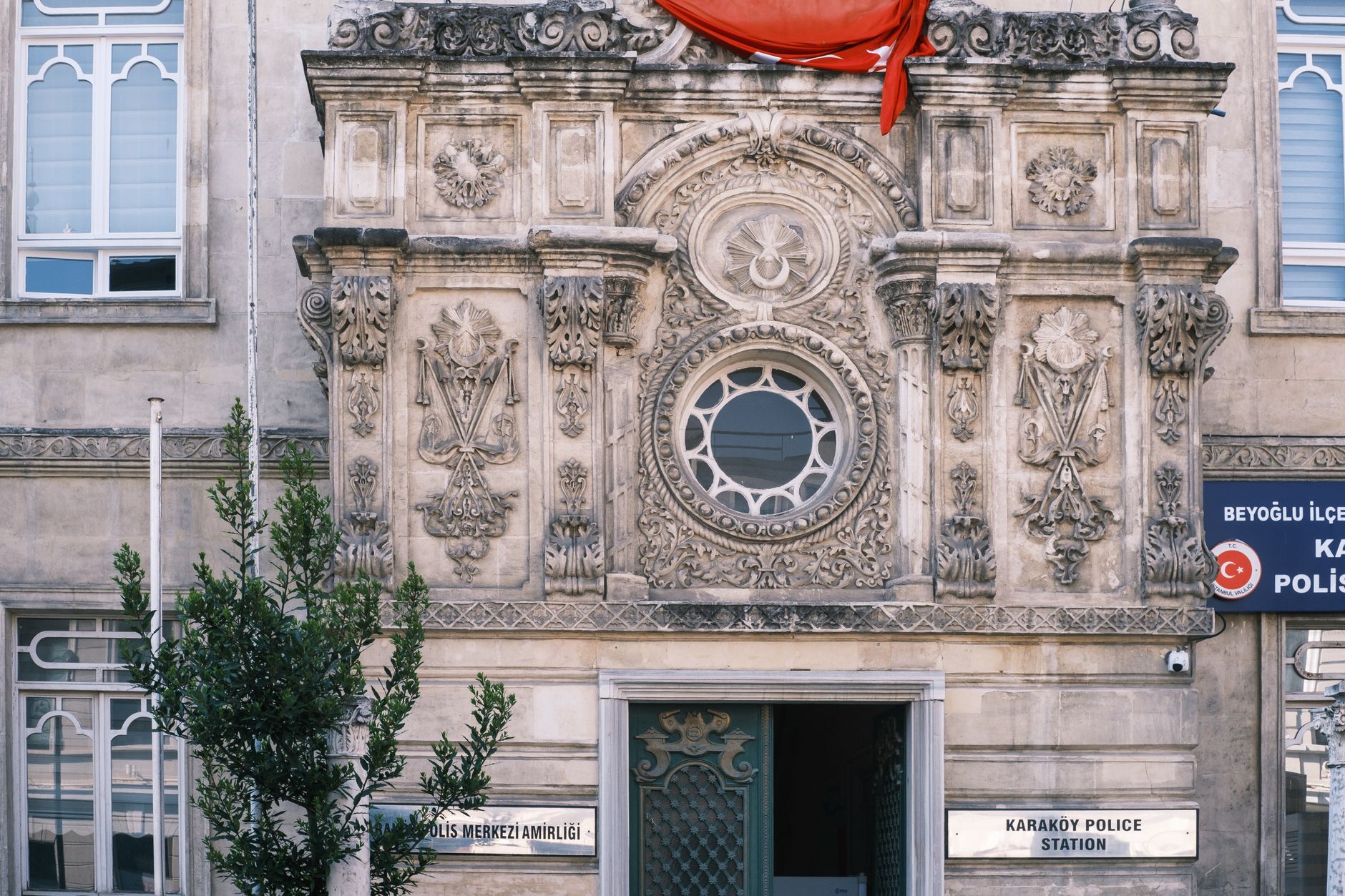
A Shortlist of Converted Stays: Istanbul, Mardin, Gaziantep and the Aegean
The properties below are not endorsements of specific brands but examples of the building type to look for. Names change, management changes, and quality varies by season, so use them as search terms and check recent reviews.
Istanbul: Banks and Schools in the Old City
In Karaköy, Sultanahmet and the streets around the Grand Bazaar, you will find former bank headquarters from the late Ottoman and early Republican eras converted into boutique hotels. Look for high ceilings, wrought-iron staircases, marble-clad lobbies and safe doors repurposed as wine-cellar entrances. A handful of former schools and missionary buildings in Beyoğlu and Fener serve the same role, often with wider corridors and larger windows than a purpose-built hotel.
These are city hotels, so expect street noise and small footprints. The reward is staying in the crumbling-but-glamorous heart of the old city, with breakfast in a courtyard that once saw clerks arriving in fezzes and ties. Book these stays for the architecture and location, not for resort amenities.
Mardin: Courtyards and Caravanserais Above the Plain
Mardin is arguably the most photogenic adaptive-reuse destination in Türkiye. Honey-colored limestone houses cascade down the hillside above the Mesopotamian plain, and dozens have become small hotels. You will find former merchant houses with iwan alcoves, elaborately carved doors, and terraces that catch the sunset over the plain. Some are former caravanserais with thick walls and deep cellars.
The best Mardin stays are family-run, with a handful of rooms, dinner included, and staff who know which mosque, church or han to point you toward. Bring warm layers in shoulder season; stone houses are beautiful but cool.
Gaziantep: Gentlemen's Mansions and City Heritage
Gaziantep has quietly become one of the most exciting food cities in the country, and its heritage stays match. Look for converted konaks — traditional mansions with courtyards, painted ceilings and deep cellars — in the old quarter around Bey Mahallesi and the castle. Some former school buildings and merchant houses have been turned into small boutique hotels with kitchens that lean hard into local cuisine.
This is the place to combine a heritage room with baklava, pistachios, copper workshops and the cuisine museum. The city is less polished than Istanbul and all the more interesting for it.
The Aegean Coast: Olive, Stone and Sea
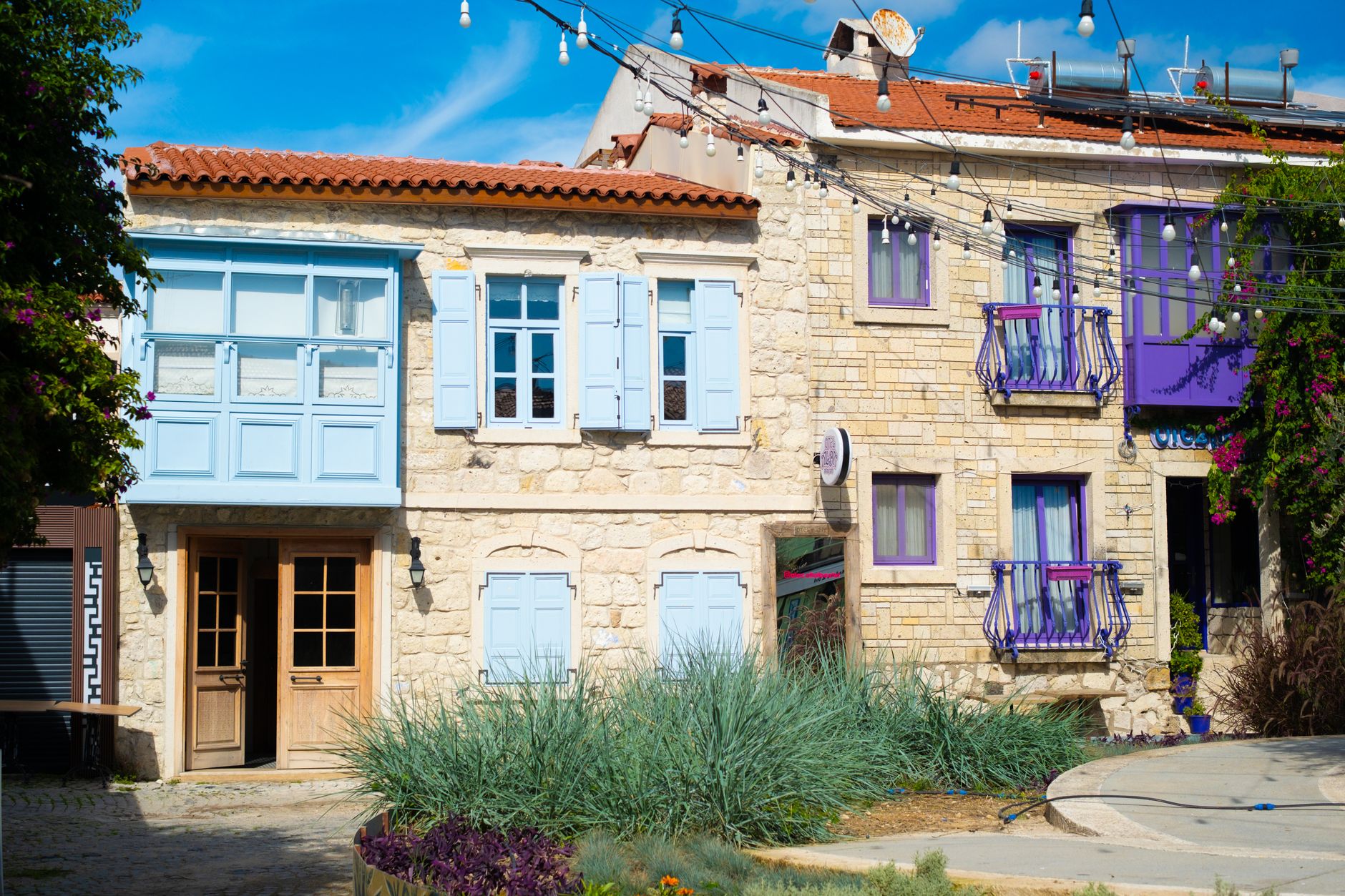
Along the Aegean you will find old stone houses, schools, olive-pressing facilities and even former customs buildings converted into small hotels. Alaçatı and Çeşme are famous for Greek-style stone houses with courtyards and pools; further north, Ayvalık and Cunda Island offer former Greek schools, churches and mansions turned into stays with sea air and olive groves.
Expect a more relaxed rhythm: breakfast on a terrace, a bike, an hour in the garden. These properties are often seasonal, so check whether the hotel is fully open in April or October before you commit.
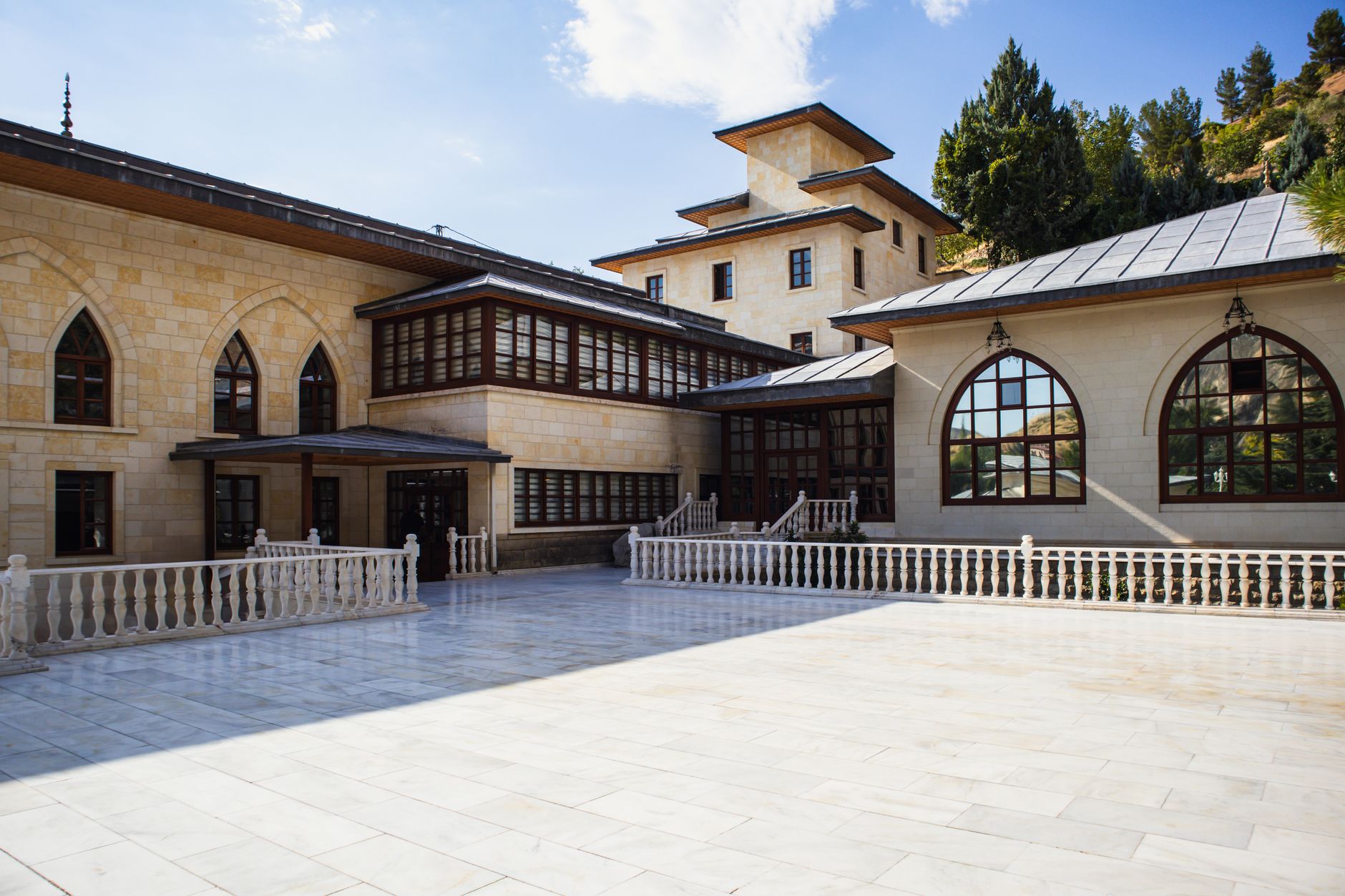
What a Heritage Room Actually Feels Like
Good adaptive reuse means you get the atmosphere without the discomfort. In a well-executed conversion, ceilings are high, windows are deep-set, and the stone walls regulate temperature even before the air conditioning comes on. Linen and towels are usually generous, and bathrooms are modern even when the doorframes are not.
The quirks are part of the deal. Rooms in old buildings are rarely identical; some are tiny, some have low beams, some have internal windows or no exterior view. Corridors may be narrow. Stairs can be steep, and lifts may be absent or retrofitted awkwardly. Spots where the plaster shows the old wall are not defects; they are the record of a building that has had several lives.
What surprises first-timers is the warmth. Heritage hotels in Türkiye tend to be small and owner-run, so breakfast is often a spread of local cheese, olives, jams, bread and eggs rather than a buffet line. Staff are usually happy to explain what the building used to be. Ask them; it is often the best story of the stay.
Finally, these hotels tend to be fairly priced for what they offer. A handsome stone-vaulted room in Mardin or Gaziantep can cost less than a dull chain room in a European city, and the premium finishes — good bedding, thoughtful lighting, restored tilework — are part of the experience rather than an upsell.
Questions to Ask Before You Book a Heritage Room
Old buildings are wonderful and also idiosyncratic. A short list of questions before you pay will save surprises on arrival.
- How old is the building, and what was it before? A good hotelier will know the history and will be happy to tell it. Vagueness may mean the building is new construction dressed as heritage.
- Is there a lift, and how many stairs to the room? Ask for a photo of the staircase if mobility is a concern.
- How is the room cooled and heated? Ask specifically about air conditioning, underfloor heating and whether the windows open.
- Is there a window, and does it face the street or courtyard? In tight old quarters, some rooms have little natural light or face a noisy lane.
- How thick are the walls between rooms? Stone is good, but timber partitions are not. Ask about recent guest feedback on noise.
- What are the bathroom arrangements? Confirm en-suite, water pressure and whether there is a bathtub or only a shower.
- What is included? Breakfast, parking, airport transfer, and whether the restaurant is open out of season.
- What is the cancellation policy? Small family hotels can be strict, especially in high season.
- Is the property licensed and inspected? Ask for the tourism licence number if you are booking direct.
If you are comparing stays, our travel tools page has checklists and budget helpers that work well for this kind of trip.
Practical Tips for a Heritage-Hotel Itinerary
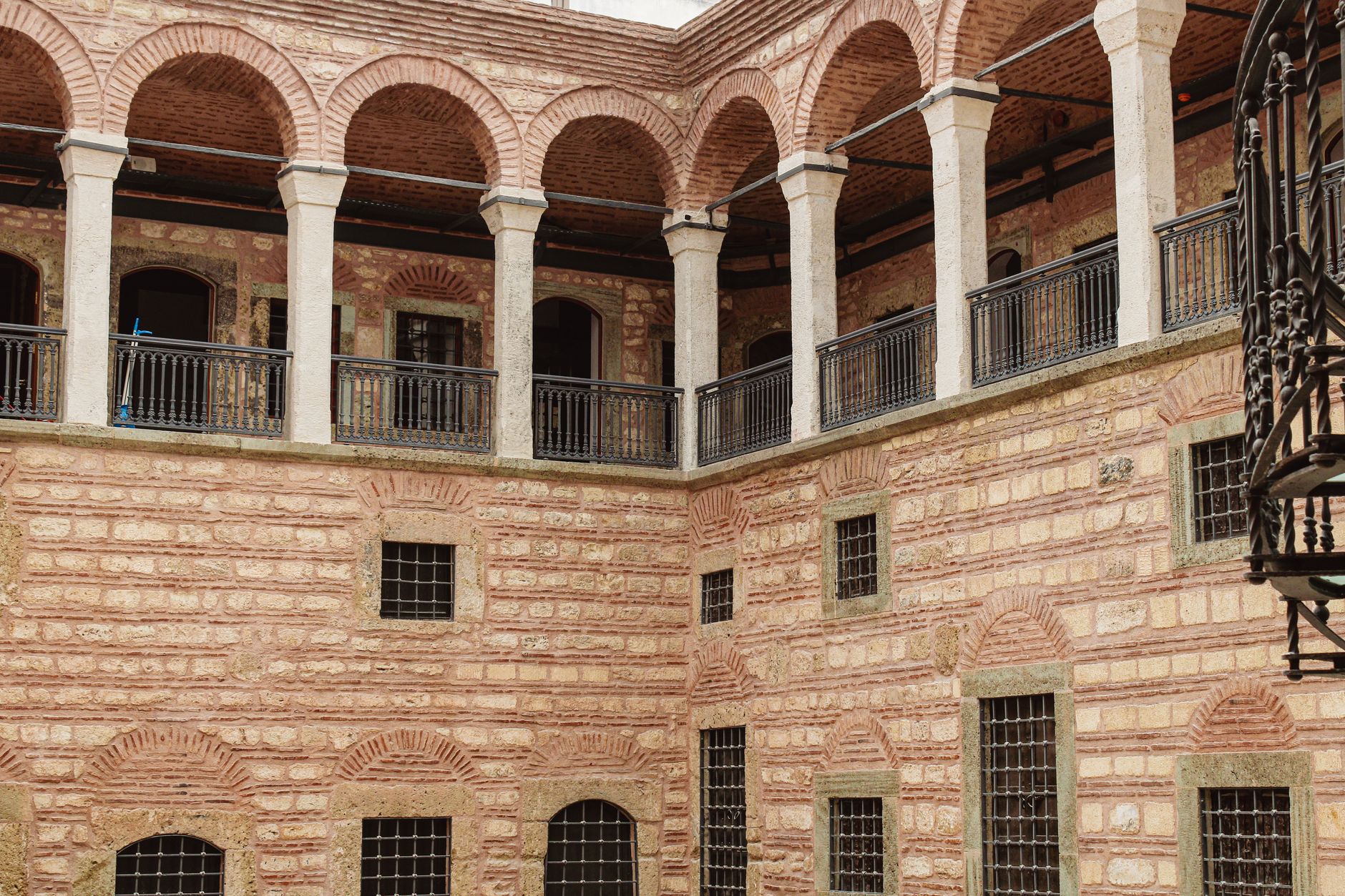
Spread your conversions across different building types. One bank, one school, one han and one courtyard house gives you four different chapters of Turkish architectural history rather than four variations on the same room. Istanbul and the Aegean work well together in spring; Mardin and Gaziantep pair beautifully in autumn, when the heat drops and the food season is at its best.
Build in daylight. Heritage stays are often at their best in the morning and late afternoon, so plan sightseeing around the light rather than against it. A late breakfast in a courtyard is not wasted time; it is part of the reason you booked the room.
Ask about access. Many old towns are pedestrian zones with cobbled streets, and a taxi cannot always reach the door. Confirm the drop-off point and whether the hotel can help with luggage. If you are driving, ask about parking before you arrive, not after.
Use our best-time guide and itineraries to time your trip, and consider speaking to one of our local experts if you want a route built around specific buildings. For questions about bookings, licensing or accessibility, our FAQ and trust pages explain how we vet recommendations.
Above all, arrive curious. The appeal of sleeping in an old bank or school is not luxury for its own sake. It is the chance to live, for a night or two, inside a building that has already lived several lives — and to see how gracefully Türkiye can hand those lives on.
Thinking about a trip to Turkey?
Share your contact details and a vetted local expert will follow up with a plan built around you — free, no obligation.