

Türkiye is one of the world’s great open‑air museums, with layers of Hittite, Greek, Roman, Byzantine, Seljuk and Ottoman heritage in almost every region. To make that richness easier to explore, the Ministry of Culture and Tourism has rolled out a new generation of Museum Pass products and a Basket system that lets travelers combine passes and tickets flexibly. The result: less queueing, clearer pricing, and meaningful savings if you plan to visit multiple sites.
This guide explains how the system works, what each pass covers, and how to pick the pass that matches your itinerary—so you can spend less time at ticket counters and more time inside Türkiye’s extraordinary heritage sites.
How the Museum Pass System Works
At its core, the Museum Pass is a digital or card‑based product that gives you access to a defined network of museums and archaeological sites for a set period. Instead of buying a separate ticket at every gate, you present your pass (often a QR code on your phone or a physical card) and enter. Passes are issued by the Ministry of Culture and Tourism and are accepted at state‑run museums and sites across the country.
The new system is built around two ideas. First, regional and national passes replace the older patchwork of local cards, so you can move between cities without buying a new pass at each stop. Second, the Basket system lets you build your own combination of passes and add‑ons in a single purchase, rather than committing to one fixed product. That means a family with different interests, or a traveler splitting time between Istanbul and the Aegean coast, can assemble the coverage that fits.
Passes are typically valid for a set number of days from first use (often 5, 7, 10 or 15 days, depending on the product). Once activated at your first site, the clock starts, so it pays to plan your museum‑heavy days early in the pass window. Most passes cover one entry per site, which is ideal for first‑time visitors; if you want to revisit a favorite museum, you can buy a single ticket separately.
The Basket System: Build Your Own Pass Combination
The Basket system is the most traveler‑friendly change in years. Rather than forcing you to choose between, say, a city pass and a national pass, it allows you to add multiple products to a single “basket” and check out once. You might add a national museum pass, a regional Aegean pass, and a public transport card in one transaction—then manage everything from one account or QR wallet.
Why does this matter? Because most travelers don’t fit a single template. A couple might spend four days in Istanbul, then fly to İzmir and drive the coast. A family might base themselves in Antalya and take day trips. A solo traveler might focus on Istanbul’s museums and then join a guided tour in Cappadocia. The Basket system lets each of these travelers assemble exactly what they need, without paying for coverage they won’t use.
It also simplifies budgeting. Because you see the total price and the included sites before you pay, you can compare the basket total against the sum of individual tickets. If your planned visits add up to more than the pass price, the pass wins; if not, buy individual tickets and keep your options open. The system is designed to be transparent, so you can make that calculation in minutes.
What the Main Passes Cover
Products and prices change over time, so always check the official Ministry of Culture and Tourism portal or the pass app before you buy. That said, the main categories have been stable:
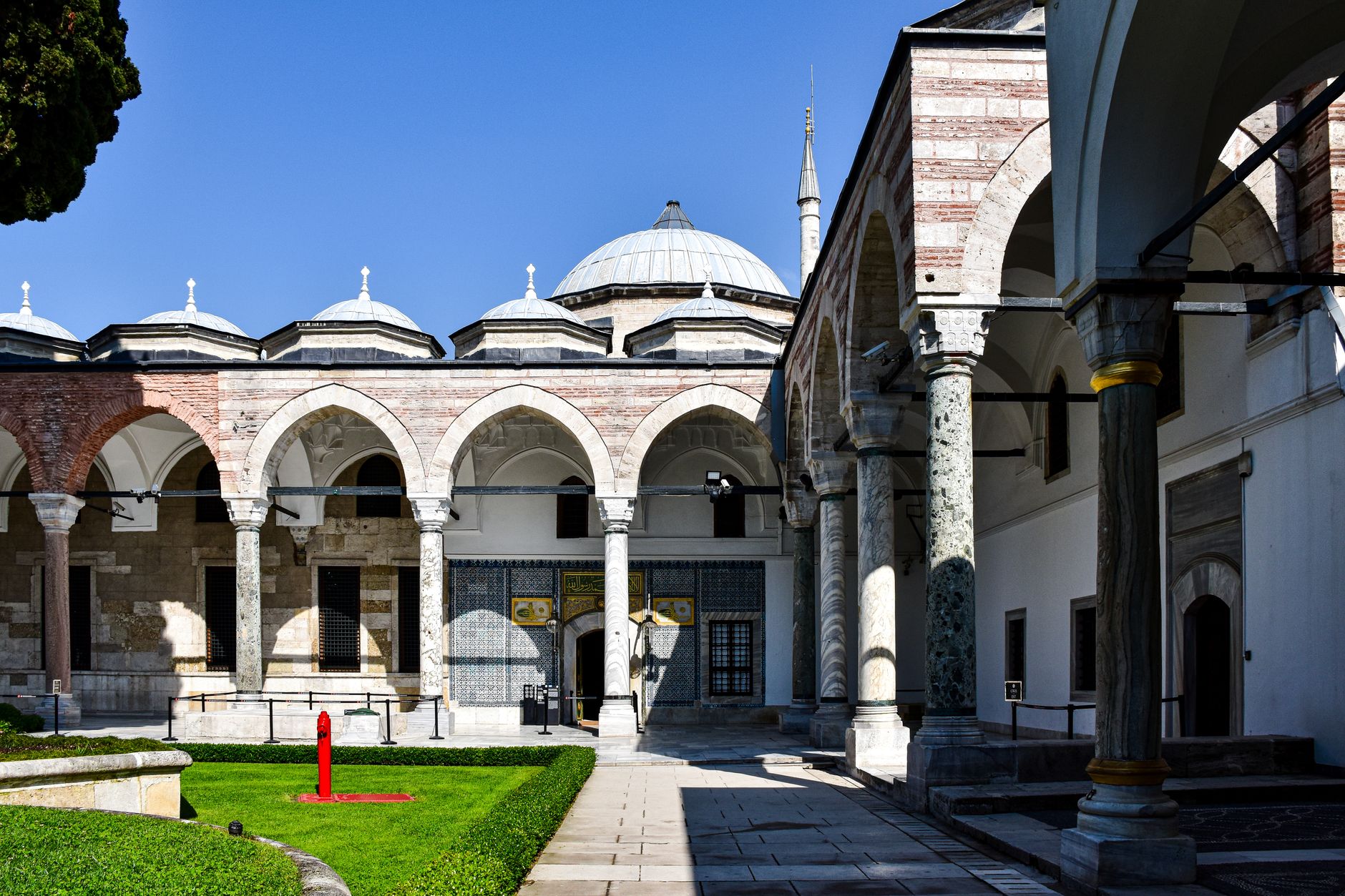
- Istanbul Museum Pass: Covers many of the city’s top state museums and sites, such as Hagia Sophia’s museum areas (where ticketed), Topkapı Palace’s core sections, the Archaeological Museums, Chora Church, and others. It’s designed for travelers spending several days in Istanbul.
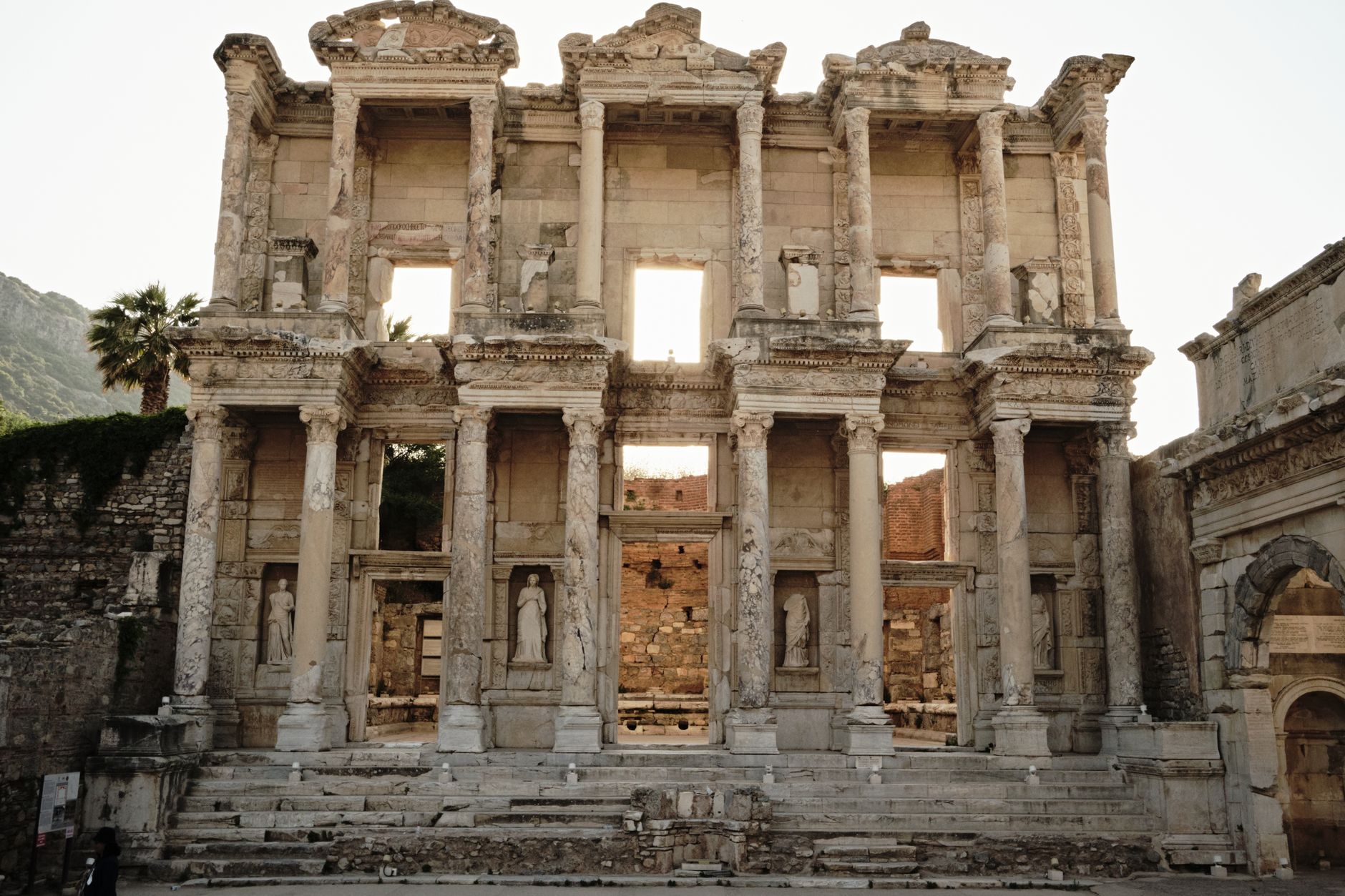
- National Museum Pass (Türkiye‑wide): The broadest option, covering hundreds of state museums and archaeological sites across the country for a set period. Best for multi‑city itineraries that include Istanbul, Cappadocia, Ephesus, Pamukkale, and more.
- Regional passes: Focused on specific areas—for example the Aegean coast, the Mediterranean, or Cappadocia—and often cheaper than the national pass if you’re staying in one region.
- Add‑ons: Some baskets include transport cards, audio guides, or discounted entry to selected private museums and experiences.
Note that not every site is included. Some are privately run, some charge separately for special exhibitions, and some (like certain sections of Hagia Sophia or Dolmabahçe Palace) may have their own ticketing. Always check the inclusion list for the exact pass you’re considering.

How to Choose the Right Pass for Your Itinerary
Start by listing the ticketed sites you actually plan to visit. Be realistic: most travelers see two to four major museums or archaeological sites per day at most, and some days are better spent walking, eating, or taking a boat. Once you have your list, look up current individual ticket prices and add them up.
Then compare that total to the pass price for the number of days you need. As a rule of thumb, a pass pays off if you’ll visit roughly three or more included sites within its validity window. If you’re only doing one or two, individual tickets are usually cheaper and more flexible.
Next, match the pass to your geography. If you’re staying in Istanbul, an Istanbul pass is often enough. If you’re doing a classic loop—Istanbul, Cappadocia, Ephesus, Pamukkale—the national pass is usually the better value. If you’re slow‑traveling the Aegean or Mediterranean coast, a regional pass may cover everything you need at a lower price.
Finally, consider timing. Because passes activate at first use, don’t buy one for a day you’ll spend at the beach. Buy it the morning of your first museum visit, then cluster your museum days together. And remember that some sites are closed on certain days or have reduced hours in winter, so check schedules before you commit.
Step‑by‑Step: Using the Pass and Basket on the Ground
Buying is usually straightforward: visit the official portal or app, choose your pass or build a basket, pay by card, and receive a QR code or a pickup reference. If you prefer a physical card, many major museums and airports have pickup points, but the digital option is faster and harder to lose.
At the gate, look for the “Museum Pass” lane, which is often shorter than the regular ticket queue. Scan your QR code, show ID if asked (some passes are nominative), and enter. If a site isn’t included, you’ll be directed to the regular ticket office—so it helps to know in advance which sites are covered.
Keep your phone charged, since most passes are digital. A small power bank is a smart investment. If you’re traveling with family, note that some passes offer child or student discounts, and children under a certain age often enter free. Carry passports or ID for each traveler, as eligibility checks can happen.
Money‑Saving Tips and Common Pitfalls
The biggest savings come from clustering visits. A national pass used across Istanbul, Ephesus, and Cappadocia can pay for itself in two or three days of focused sightseeing. The biggest pitfalls are buying too early, buying too broad a pass for a single‑city trip, and assuming every famous site is included.
Watch for these common issues: special exhibitions and privately run museums usually aren’t covered; some sites require a separate reservation even with a pass; and prices and inclusions change, sometimes seasonally. Always verify on the official source the week you travel.
Smart travelers treat the pass as a tool, not a trophy. The goal isn’t to collect the most sites—it’s to remove friction from the sites you genuinely want to see.
If you’re unsure, start with individual tickets for your first day, note which sites you loved, then buy a pass for the rest of your trip. This “try before you buy” approach works well in Istanbul, where you can test the system at a single museum before committing.
Beyond the Pass: Getting the Most from Türkiye’s Heritage
Passes handle admission, but the richest experiences often come from context. Consider hiring a licensed guide for Ephesus, Göbeklitepe, or the Basilica Cistern, where a good storyteller transforms stones into history. Audio guides, available at many museums, are another low‑cost way to go deeper.
Pair your museum days with local experiences: a ferry ride on the Bosphorus, a walk through Istanbul’s Fener and Balat districts, a pottery workshop in Cappadocia, or a coastal drive along the Lycian Way. Türkiye’s heritage isn’t only behind turnstiles—it’s in bazaars, hamams, village cafés, and landscapes.
Finally, travel respectfully. Many sites are active places of worship or fragile archaeological areas. Dress modestly where appropriate, follow signage, and don’t touch ancient surfaces. The pass system exists to make these treasures accessible; using it wisely helps ensure they remain so for the travelers who come after you.
With a little planning, Türkiye’s Museum Pass and Basket systems turn a daunting list of tickets into a simple, affordable key to the country’s deepest stories. Choose the pass that matches your route, activate it at the right moment, and let the monuments of Türkiye unfold.
Thinking about a trip to Turkey?
Share your contact details and a vetted local expert will follow up with a plan built around you — free, no obligation.