

Why Türkiye's Museum Pass Is the Smartest Travel Investment You'll Make
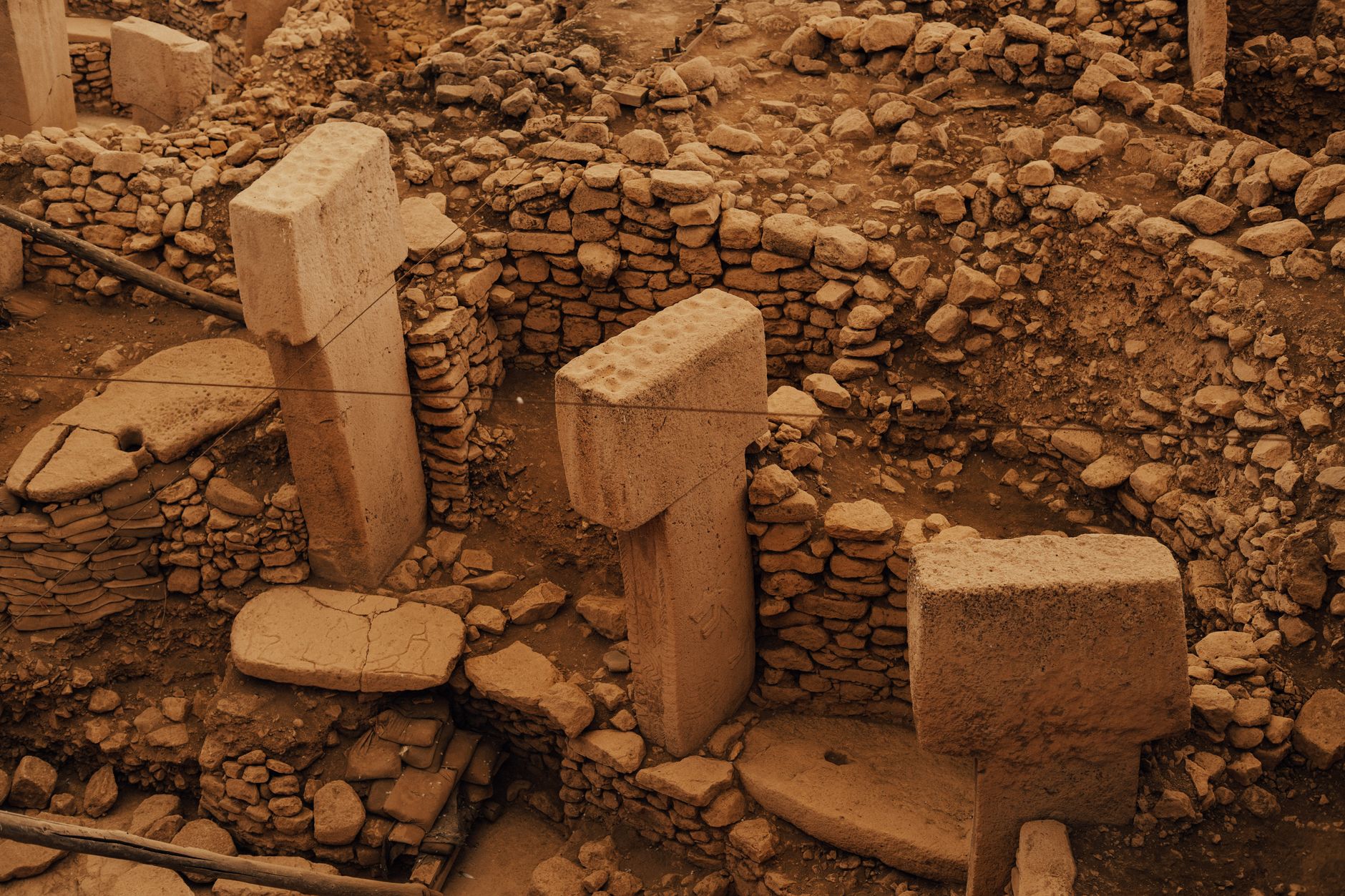
Türkiye is home to more than 20 UNESCO World Heritage Sites, thousands of ancient cities, and some of the world's most celebrated museums. In 2024 alone, the country welcomed over 60 million visitors, many of whom made a beeline for icons like Ephesus, Topkapı Palace, and the newly reopened Göbeklitepe — the world's oldest known temple complex, dating back 11,600 years. Individually, ticket prices for these sites can add up quickly. But here's the good news: Türkiye's Ministry of Culture and Tourism offers a family of Museum Pass products that bundle dozens of state-run museums and archaeological sites into one affordable card. For travellers who plan to visit more than two or three major attractions, the savings are immediate and substantial. In many cases, you'll recoup the cost of the pass after just two entries.
What makes the system especially appealing is its simplicity. You don't need to be a resident or a student to qualify. Almost every visitor — from a solo backpacker to a family of five — can find a pass that fits their itinerary. The passes are digital-friendly, available at official ticket counters, and increasingly accepted via QR code at turnstiles across the country. And because they're issued by the government, they represent genuinely transparent pricing: no hidden fees, no commission games, just direct access to Türkiye's extraordinary heritage.
In this guide, we'll walk through every major pass option, explain which regions and sites each one covers, show you exactly where to buy them, and share practical tips for families, slow travellers, and anyone who wants to see more while spending less. By the end, you'll understand why so many seasoned travellers consider the Museum Pass an essential part of their Türkiye packing list — right alongside their sunscreen and a good pair of walking shoes.
Meet the Pass Family: From Istanbul to the All-Türkiye Card
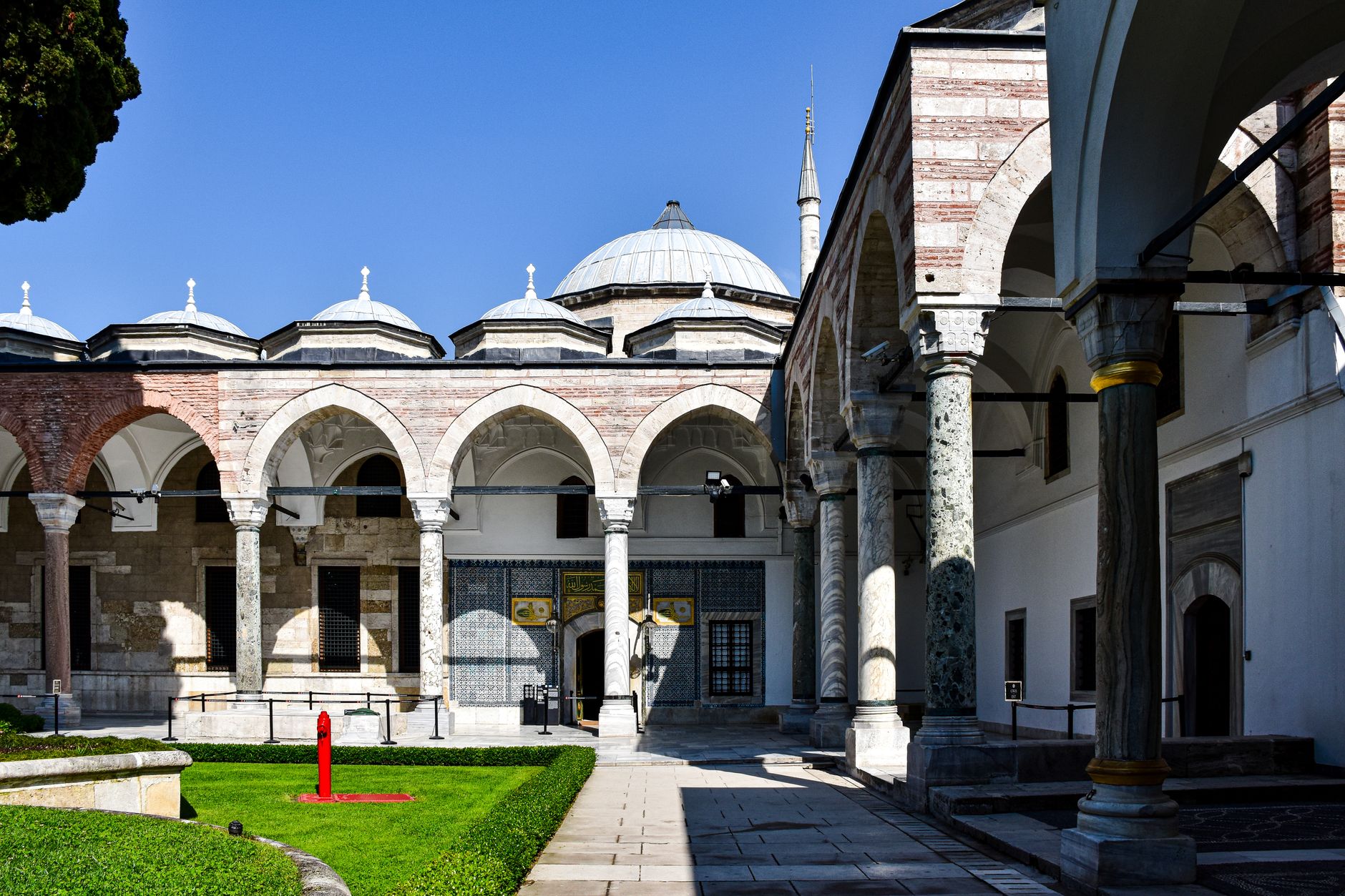
Türkiye's pass system is organised regionally, with a national option for the most ambitious explorers. The most popular choice for first-time visitors is the Istanbul Museum Pass. It covers must-see sites like Topkapı Palace (including the Harem), Hagia Irene, the Istanbul Archaeological Museums, the Museum of Turkish and Islamic Arts, and Galata Tower. If you're spending three or more days in Istanbul and plan to visit at least three of these, the pass pays for itself almost instantly. Note that Hagia Sophia itself is a mosque and free to enter, but the pass unlocks the paid treasure houses around it.
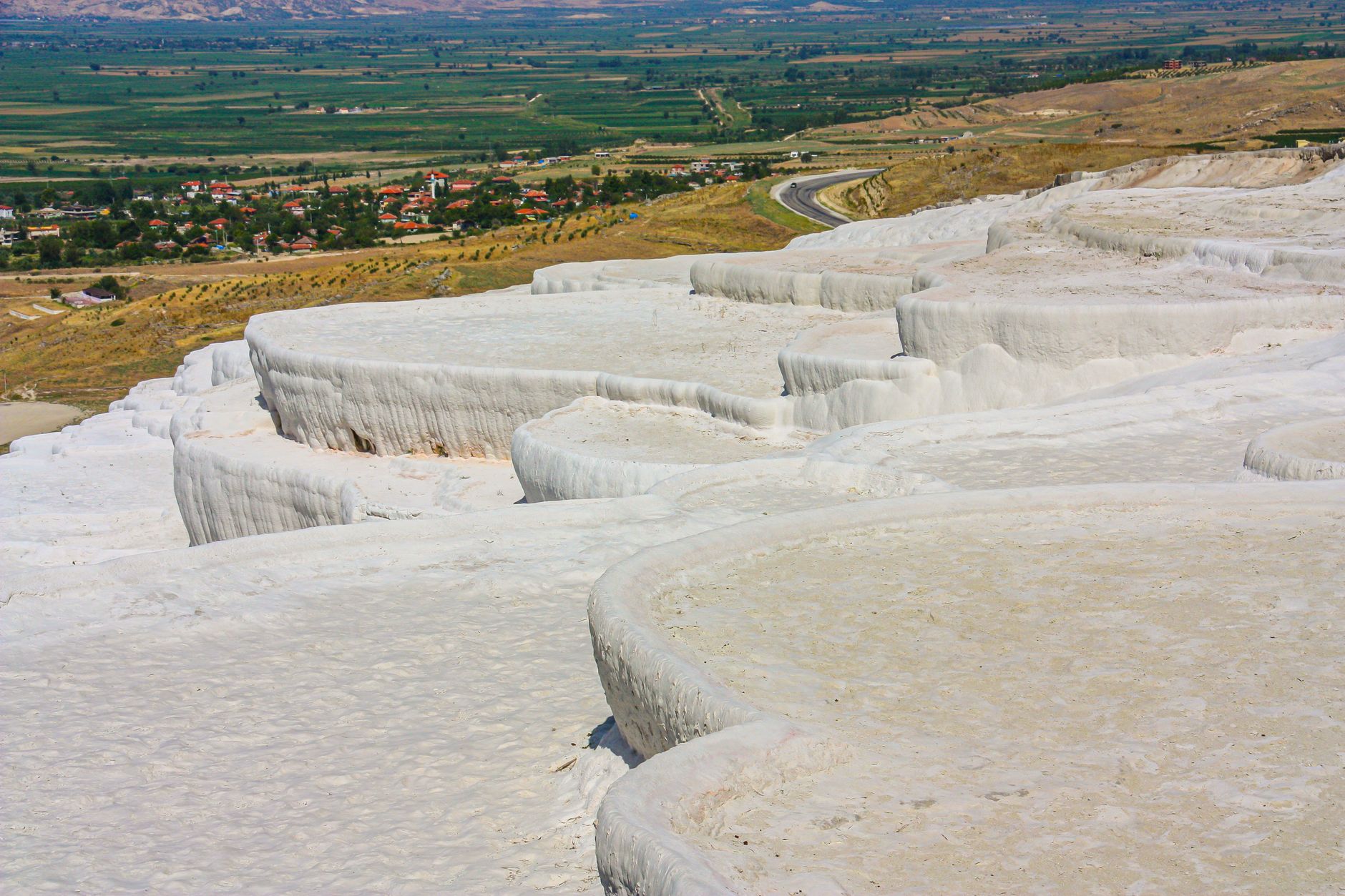
For travellers heading beyond Istanbul, the Turkey Museum Pass (often called the All-Türkiye or Türkiye Museum Pass) is the heavyweight champion. It grants access to hundreds of sites and museums across the country, including Ephesus in Selçuk, Göbeklitepe near Şanlıurfa, the Pamukkale Hierapolis ruins, Ani in the east, Mount Nemrut, and the Museum of Anatolian Civilizations in Ankara. The pass is valid for 15 days from first use, which makes it perfect for a two-week grand tour. Because the cost of just Ephesus and Göbeklitepe together can approach the price of the national pass, the value is extraordinary for anyone travelling to multiple regions.
There are also smaller regional passes, such as the Antalya Museum Pass, Cappadocia Museum Pass, and Ephesus & Surroundings Pass, each tailored to a specific area. These are ideal if your trip is focused on one region. For example, the Cappadocia pass covers the Göreme Open Air Museum, the Dark Church, and several underground cities, while the Antalya pass includes the Antalya Museum, Perge, Aspendos, and Side. The key is to match the pass to your route — don't buy national if you're staying in one city, and don't buy regional if you're crossing the country.
What Each Pass Covers: A Region-by-Region Breakdown
Understanding coverage is the difference between a great deal and a wasted purchase. Here's how the major passes map onto Türkiye's travel regions. In Istanbul, the Istanbul Museum Pass covers Topkapı Palace, Hagia Irene, the Archaeological Museums, the Museum of the Ancient Orient, the Islamic Science and Technology Museum, Galata Tower, and the Museum of Turkish and Islamic Arts, among others. It does not cover Dolmabahçe Palace or the Basilica Cistern, which are managed separately, so plan those as individual tickets.
In the Aegean and Mediterranean, the national pass unlocks Ephesus (including the Terrace Houses, a huge bonus), Pamukkale's Hierapolis, Aphrodisias, Miletus, Priene, Didyma, and the Antalya Museum. Down in the Southeast, it opens Göbeklitepe, the Şanlıurfa Archaeology Museum (home to the famous Urfa Man statue), and the ancient city of Zeugma near Gaziantep, with its dazzling mosaics. In Central Anatolia, you get the Museum of Anatolian Civilizations in Ankara, the Hattuşa ruins near Boğazkale, and the Konya Mevlana Museum. In the East, coverage extends to Ani, Mount Nemrut, and the Van Museum.
What's not covered? Privately run attractions, some religious sites, and a handful of sites operated by municipalities or foundations. Always check the official Ministry of Culture and Tourism website or the pass list posted at ticket counters before assuming a site is included. That said, the coverage is remarkably broad — well over 300 sites — and the included attractions are precisely the ones most travellers come to see.
Where to Buy Your Pass — Online, at the Gate, or at the Airport
The easiest way to buy is online in advance through the official Ministry of Culture and Tourism portal. You'll receive a digital QR code by email, which you can show on your phone at participating turnstiles. This is the fastest option and lets you confirm current pricing and site lists before you fly. Some passes, especially the Istanbul pass, are also sold as physical cards, but the digital version is increasingly the norm and is accepted everywhere the card is.
If you prefer to buy in person, you can purchase passes at major museum ticket counters — including Topkapı Palace, the Istanbul Archaeological Museums, and the Ephesus entrance. Airport kiosks in Istanbul and Antalya sometimes stock them too, though availability varies. For the national pass, buying online is strongly recommended, because not every small site sells it and you don't want to lose a morning hunting for a vendor.
One important practical note: passes are tied to the person, not the group. Each adult needs their own pass. Children under a certain age (typically 8) often enter free, and students with valid ID may get discounts at individual sites, but the pass itself is usually priced per adult. Keep your QR code screenshotted and your phone charged — a dead battery at the Ephesus gate is a sad way to start the day.
Do the Math: How Much Can You Actually Save?
Let's take a realistic two-week itinerary. Suppose you visit Topkapı Palace, the Istanbul Archaeological Museums, Galata Tower, Ephesus with Terrace Houses, Pamukkale, Göbeklitepe, the Şanlıurfa Museum, and the Museum of Anatolian Civilizations. Bought individually, those tickets can easily total several thousand Turkish lira per person. The national pass typically costs less than the sum of just three or four of these headline sites, meaning a traveller hitting all eight could save 60–70%.
Even a short Istanbul trip benefits. If you see Topkapı, the Archaeological Museums, and Galata Tower in three days, the Istanbul pass usually costs less than buying those three separately — and you get Hagia Irene and the Islamic arts museum essentially free. Families feel the savings most sharply: two adults with the pass can save enough to cover a nice dinner or a private guide for a day.
The math changes if you're a slow traveller staying in one city for a month. In that case, a regional pass with a longer validity window may beat the 15-day national pass. Check the validity period carefully — it starts at first use, not at purchase, which gives you flexibility to activate it exactly when your sightseeing begins.
Practical Tips for Families, Slow Travellers, and Long Stays
For families: Buy passes only for adults who will actually visit multiple sites. Young children often enter free, and teenagers may be cheaper as individual tickets if they only want to see one or two places. Plan your days around the pass inclusions so you're not paying twice for the same neighbourhood. And remember that many sites are outdoor and hot — start early, bring water, and use the pass to pop into a museum during the midday heat.
For slow travellers and long-stay visitors: Consider stacking a regional pass with individual tickets for privately run attractions. For example, base yourself in Izmir or Selçuk for a week, buy the Ephesus-area pass, and add day trips to Priene and Didyma, which the national pass also covers. If you're staying a month, the national pass's 15-day window may not fit — so time your activation to coincide with your heaviest travel period, and treat the remaining days as relaxed local exploration.
General tips: Always carry your passport or ID, as some sites ask for it alongside the pass. Download the official site list before your trip, because coverage occasionally changes. Visit popular sites like Ephesus and Topkapı right at opening to beat crowds and cruise-ship groups. Finally, keep a screenshot of your QR code and a printed backup — technology fails, but Türkiye's heritage is timeless.
Why Türkiye Makes World-Class Heritage Affordable for Everyone
What's truly remarkable about Türkiye's Museum Pass system is its philosophy: extraordinary heritage should be within reach, not locked behind prohibitively expensive gates. Compare the cost of a single major museum in some European capitals to the price of a pass that opens hundreds of sites across an entire country, and the value becomes staggering. A traveller on a modest budget can stand before the Library of Celsus at Ephesus, walk the terraces of Pamukkale, gaze at the 11,600-year-old pillars of Göbeklitepe, and wander the courtyards where Ottoman sultans lived — all for less than the price of a few restaurant meals.
This accessibility is deliberate. The Ministry of Culture and Tourism continually expands digital ticketing, improves site facilities, and keeps pass pricing reasonable to encourage deep, meaningful travel rather than rushed, expensive tourism. For families, students, and long-stay visitors, that means more days exploring, fewer days worrying about budgets. It also means Türkiye's archaeological treasures get the visitor numbers and funding they need for conservation and research.
So whether you're chasing biblical cities, Neolithic temples, or Ottoman palaces, the Museum Pass is your key. Buy it early, plan your route around its coverage, and let Türkiye's affordable, world-class heritage do the rest. You'll see more, spend less, and come home with stories that no ticket price could ever measure.
Thinking about a trip to Turkey?
Share your contact details and a vetted local expert will follow up with a plan built around you — free, no obligation.