
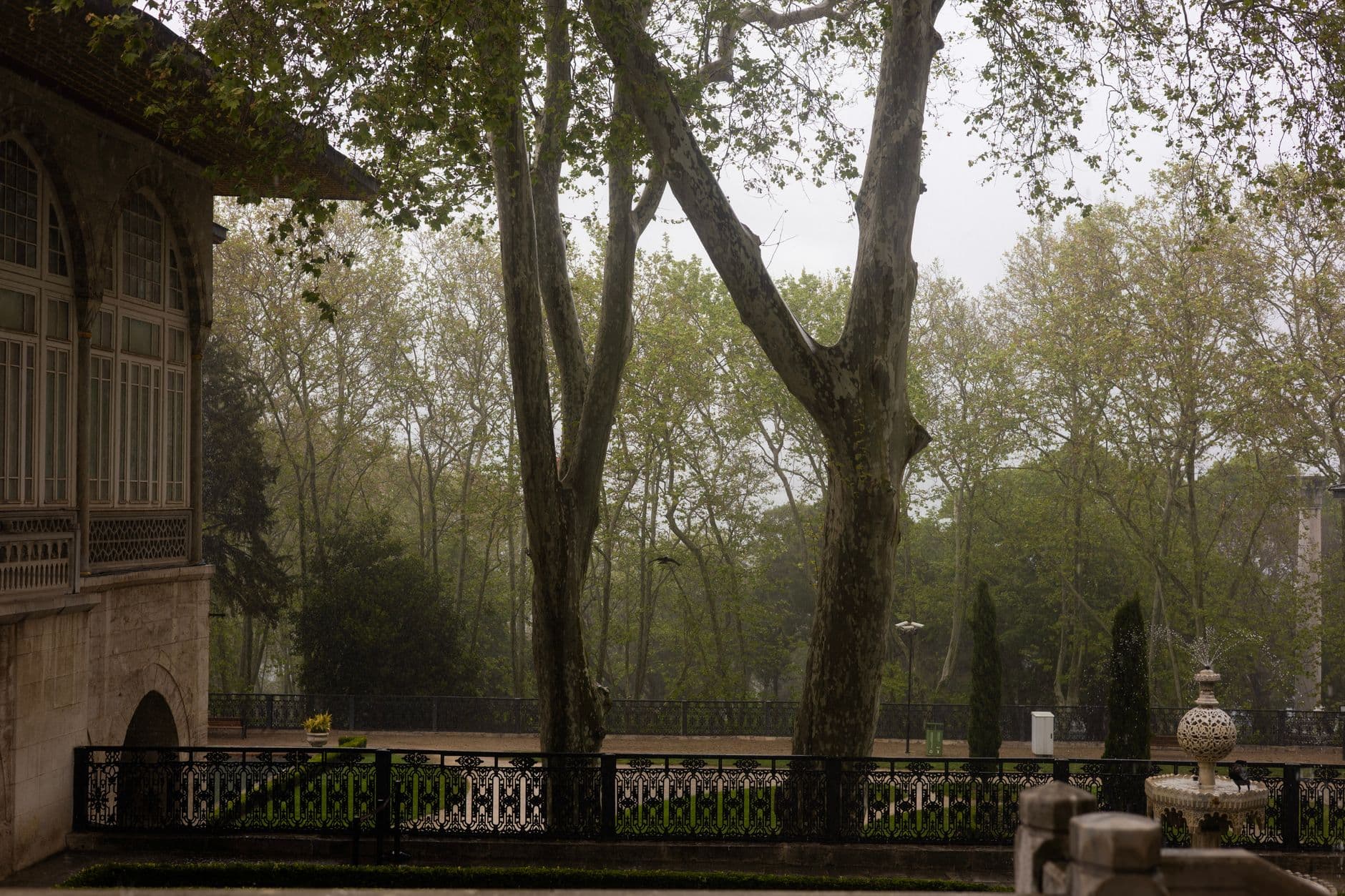
Eating Inside History: A Very Turkish Pleasure
There is a particular joy in Türkiye that deserves more attention than it gets: sitting down to a good meal or a strong coffee inside a place that people cross the world to visit. Türkiye has quietly become a world leader in museum dining, partly by accident and partly by design. The country's cultural sites are so numerous, so layered and so often wrapped in gardens, courtyards and shaded terraces that a café practically belongs there.
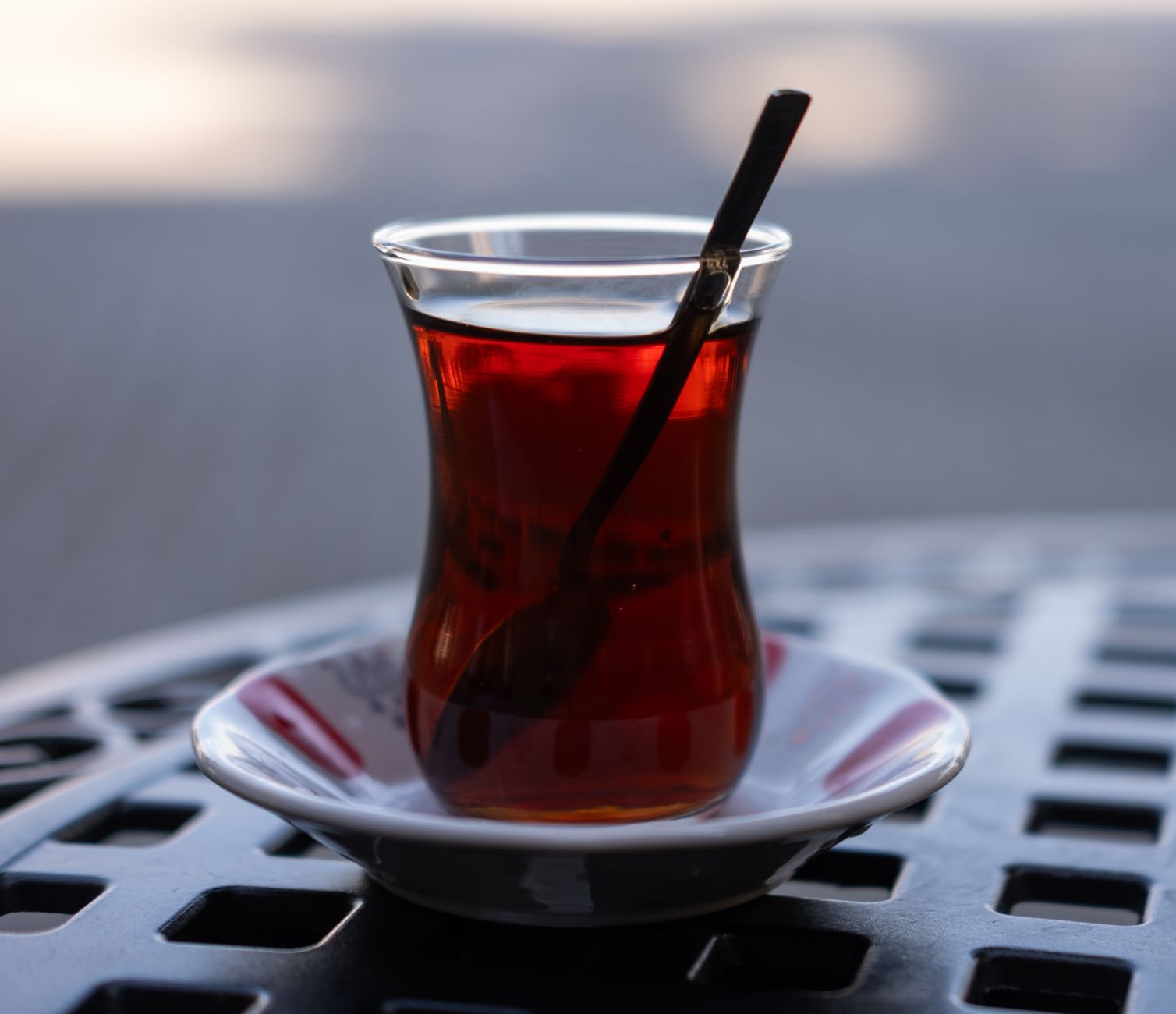
Think about how this works in practice. You spend a morning among Ottoman tiles or Roman mosaics, your feet ache pleasantly, and instead of trudging back out to a generic street, you step into a courtyard where a waiter brings tea in a tulip glass and a plate of olive oil and seasonal vegetables. The culture and the food become one memory instead of two.
This guide celebrates that pleasure. We'll wander through palace kitchens and museum gardens in Istanbul, then head south to Antalya's archaeological terraces and east to Cappadocia, where breakfast comes with a view of fairy chimneys. Along the way we'll share practical booking advice so you don't miss out — because the best of these tables fill up fast, and a little planning turns a good day into a great one. If you're mapping a broader route, our itineraries pair beautifully with these stops, and our destinations hub will help you decide where to build in a long, lovely lunch.
Why Türkiye's Cultural Sites Do Food So Well
Part of the explanation is historical. In the Ottoman world, the kitchen was never a humble afterthought — it was the beating heart of the palace complex. The Topkapı kitchens fed thousands, and the palace's culinary culture shaped Turkish cooking for centuries. So when a modern museum opens a café in a former kitchen wing or a garden pavilion, it isn't inventing a trend; it's reviving an old habit.
Another factor is the Turkish relationship with hospitality. Tea is offered before you ask, a garden is meant to be sat in, and a courtyard without a chair feels unfinished. When curators restored historic sites, they naturally carved out spaces where visitors could linger, shaded by plane trees or grapevines, listening to the same water features that once cooled sultans.
Finally, there is the sheer variety of settings. You can eat beneath gilded ceilings, beside marble sarcophagi, in a courtyard planted with roses, or on a terrace looking out over a city built on seven hills. Few countries offer so many ways to combine a museum ticket with a memorable plate. For context on how culture and cuisine intertwine across the country, our travel guides are a friendly companion, and the best-time guide helps you pick a season when terraces are at their most inviting.
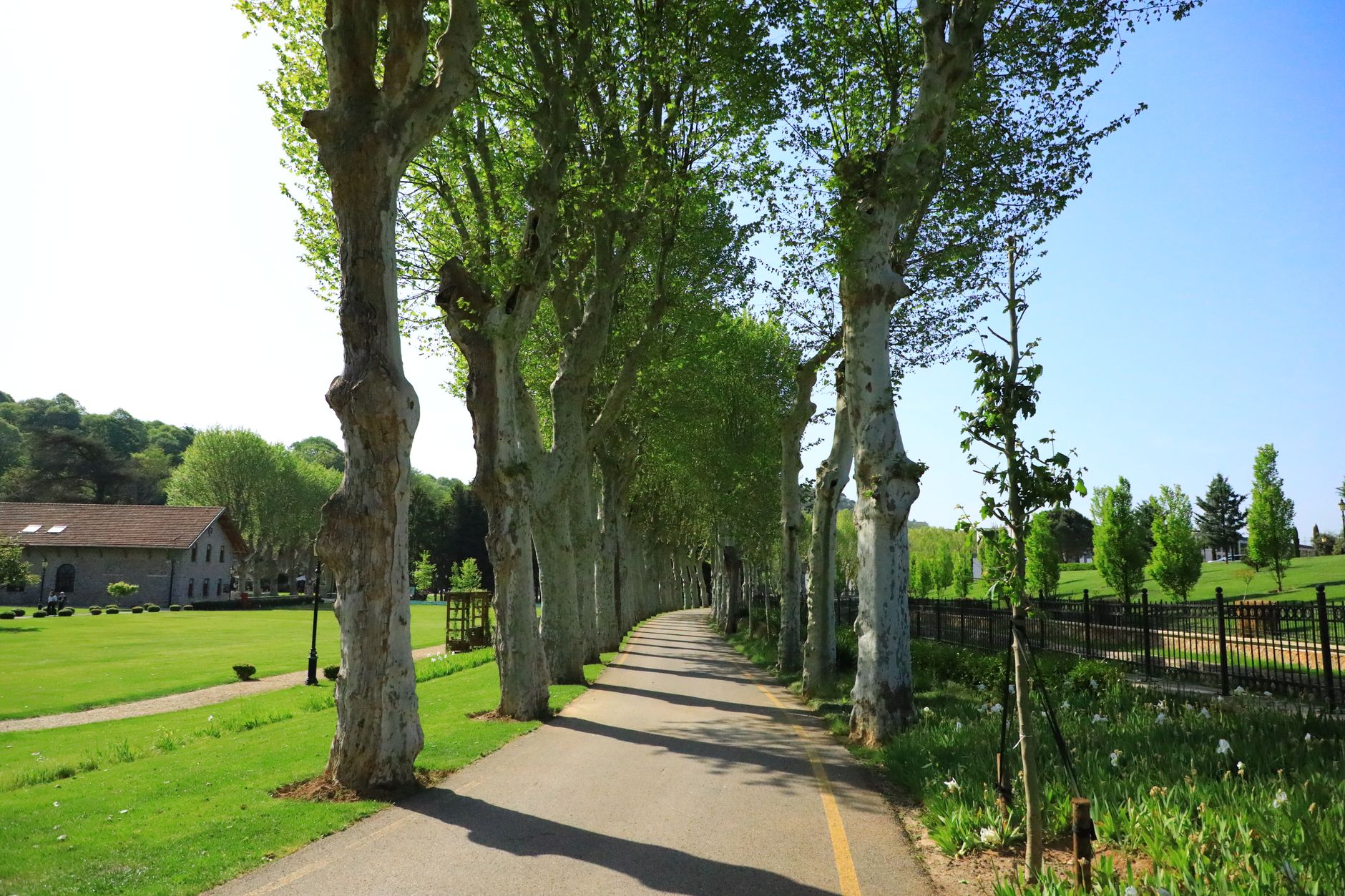
Istanbul: Palaces, Courtyards and Museum Gardens
The Topkapı Palace Gardens
Topkapı is the classic example and the one most travelers stumble upon by happy accident. Within the palace grounds you'll find cafés and terraces where you can pause between the Treasury and the Harem, sipping tea or ordering a light lunch with views toward the Bosphorus or over manicured gardens. The setting is unbeatable: you are eating where an empire was governed. The food itself is honest and pleasant rather than groundbreaking — think grilled meats, salads, pastries and good coffee — but that hardly matters. The point is the place.
Booking advice: Topkapı's on-site venues don't usually require reservations, but they do get crowded between late morning and early afternoon. Go early, see the Harem first, then reward yourself with a mid-morning break before the tour groups arrive in force. If you want a sit-down meal with a view rather than a quick tea, plan your visit so lunch falls inside the palace rather than outside its gates.
Istanbul Archaeological Museums and Gülhane Park
Just downhill from Topkapı, the Istanbul Archaeological Museums sit beside Gülhane Park, one of the city's oldest and most atmospheric green spaces. The museum complex itself has garden areas and cafés nearby where you can recover from the sheer weight of the sarcophagi and ancient statuary. Gülhane's tree-lined paths, tulip beds in spring and tea gardens make an ideal picnic-style interlude; many visitors pick up snacks and settle on a bench under the plane trees.
For a more structured meal, the streets around Sultanahmet and the Sirkeci waterfront are minutes away, but the real treat is simply to stay inside the park's calm bubble while the city roars beyond the gates. This is culture-and-food pairing at its most relaxed — no reservations, no rush, just a good book and a glass of çay.
Palace and Mansion Cafés Along the Bosphorus
Istanbul is dotted with restored pavilions, mansions and garden cafés attached to historic sites. Some of the most delightful are the tea gardens tucked beside former imperial residences and the café terraces in museum gardens where you can sit with a view of the water. The formula is consistent: a heritage building, a shaded terrace, a menu of Turkish classics and a view that stops conversation mid-sentence.
Reservation advice: for the more popular garden cafés and terrace restaurants attached to historic sites, especially on weekends and in summer, booking a table is wise. Many accept reservations by phone or online; ask for a garden or terrace table rather than an indoor one, and specify whether you want shade. If a venue doesn't take bookings, arrive before noon or after the lunch peak to avoid long waits.
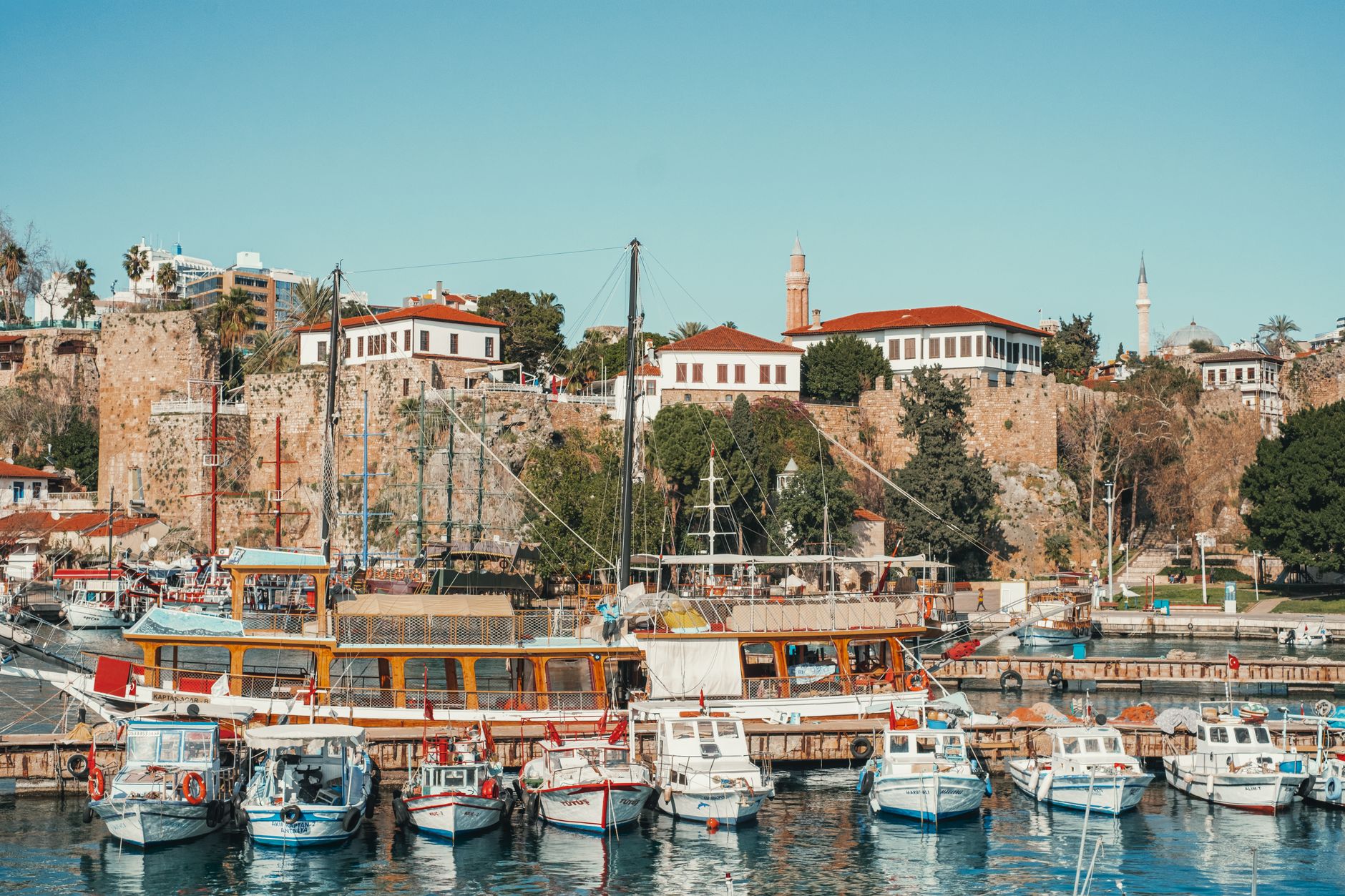
Antalya: Archaeological Gardens and Old-Town Courtyards
Antalya rewards the traveler who builds meals into sightseeing. The city's archaeology museum is one of the finest in the country, and its garden setting near the coast makes it easy to pair exhibits of Roman statues with a leisurely lunch nearby. The surrounding parkland and seaside promenade offer cafés where you can eat outdoors for much of the year, which is precisely why Antalya shines in spring and autumn.
Then there's Kaleiçi, the old town, where restored Ottoman houses have become courtyards, boutique hotels and restaurants. Many of these courtyard restaurants sit within or beside heritage buildings, so dinner under a stone arch or beside an old well feels like dining inside a cultural landmark even when it's technically a hotel. Ask for a courtyard table, and in cooler months check whether it's heated or covered.
Booking advice: Antalya's old-town courtyard restaurants are popular in high season, and the best tables — corner spots in the garden, tables by the water — go first. Reserve a day or two ahead in summer, and mention if you're celebrating something; Turkish hospitality often rises to the occasion. For families, museum-adjacent cafés with open lawns are a blessing, giving children space while adults linger. Find more regional ideas on our destinations pages and check seasonal tips on best time to visit.
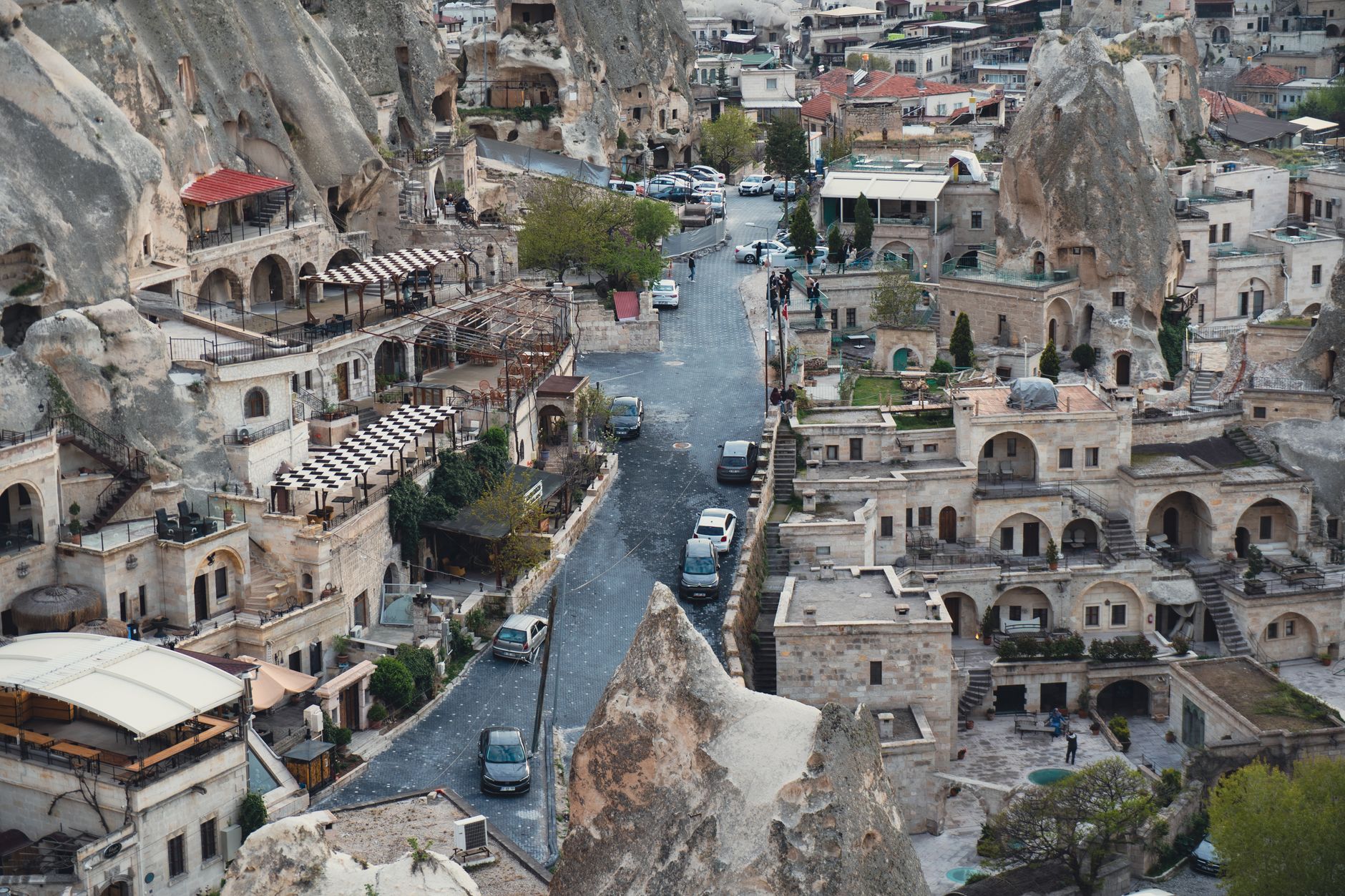
Cappadocia: Breakfast with Fairy Chimneys and Cave-Courtyard Dining
Cappadocia may be the most theatrical place in Türkiye to combine culture with food. Here, breakfast is practically a cultural event: long tables of cheeses, olives, jams, eggs cooked in copper pans, fresh bread and endless tea, often served on a terrace as balloons drift over the valleys at dawn. Many cave hotels and heritage properties in Göreme, Uçhisar and Ürgüp set their breakfast rooms in carved stone chambers or courtyards — you are, quite literally, eating inside the landscape's history.
Beyond breakfast, Cappadocia's villages hide courtyard restaurants in old stone houses, some attached to small museums or galleries showcasing regional crafts. A lunch of testi kebab — meat and vegetables slow-cooked in a sealed clay pot, cracked open at the table — served in a vaulted stone room is the kind of meal people remember for years.
Booking advice: sunrise-view terraces are the most requested tables in Cappadocia, so book your hotel's terrace breakfast or a valley-view restaurant well ahead, especially in spring and autumn. For testi kebab dinners, many courtyard restaurants take reservations and appreciate a heads-up because the dish is prepared in advance. If you're traveling during balloon season, ask whether your terrace has a clear line of sight and whether breakfast starts early enough to catch the show. Our route ideas can help you slot Cappadocia into a longer food-and-culture journey, and the trip planner is handy for balancing driving days with long, lazy meals.
How to Book, Time and Order Like a Local
Reserve the special tables, not every table. Quick museum cafés rarely need booking, but palace-garden restaurants, old-town courtyards and sunrise terraces do. Call or book online a few days ahead in shoulder season and a week or more ahead in high summer.
Time your visit around meals. The happiest strategy is to enter a museum or site in the morning, eat inside or nearby at midday, and return for a second gallery in the afternoon. This beats rushing through on an empty stomach and also avoids the worst lunchtime crowds at popular cafés.
Order simply and seasonally. In heritage settings, kitchens often do Turkish classics best: grilled fish, kebabs, mezes, gözleme, salads dressed with olive oil and lemon, and pastries with tea. Ask what's fresh, and don't overlook the dessert case.
Dress for the setting. Courtyards can be cool in the shade and hot in the sun; a light layer helps. Some religious or memorial sites have modest-dress expectations, so keep a scarf handy.
Check opening hours and closures. Museum cafés sometimes follow museum hours rather than restaurant hours, and a few close on Mondays or during religious holidays. A quick check saves a disappointing detour. For more practical tips, browse our travel tools and the FAQ.
Final Thoughts: Let Culture Set the Table
Türkiye makes it wonderfully easy to eat well inside beautiful, historic places. A palace garden, an archaeological park, an old-town courtyard or a cave dining room can turn a routine lunch into a story you'll tell for years. The trick is simply to treat these tables as part of the sightseeing rather than an interruption — to slow down, book the view when it matters, and let a glass of tea stretch the afternoon.
Culture tastes better with a fork in hand. In Türkiye, the museum and the menu are often the same experience — and that's precisely the point.
Whether you're planning a city break in Istanbul, a coastal escape in Antalya or a balloon-filled morning in Cappadocia, build in time for these in-place meals. If you'd like help shaping an itinerary around food and heritage, our local experts and contact page are good places to start. Then all that's left is choosing between the courtyard table in the shade or the terrace one with the view. Why not both?
Thinking about a trip to Turkey?
Share your contact details and a vetted local expert will follow up with a plan built around you — free, no obligation.