

Why Museum Shops Are Türkiye's Best-Kept Souvenir Secret
Every traveller to Türkiye eventually faces the same delightful dilemma: what to bring home? The Grand Bazaar dazzles, the spice markets intoxicate, but for a souvenir that is both beautiful and meaningful, the humble museum shop is increasingly the smartest stop on any itinerary. Across the country, the shops attached to museums and heritage sites have evolved from dusty display cases into curated boutiques selling handmade ceramics, hand-woven textiles, scholarly books and faithful reproductions of archaeological treasures.
What sets these shops apart is provenance. When you buy a Seljuk-style tile at the Museum of Turkish and Islamic Arts in Istanbul, or a hand-painted Iznik plate at the Topkapı Palace shop, you are buying from an institution with a scholarly stake in getting the details right. The patterns are researched, the materials are explained, and the makers are often named. That level of care turns a simple purchase into a small act of cultural preservation.
This guide walks you through the best museum and heritage-site shops in Türkiye, explains how to judge quality and authenticity, and shows how your purchase directly supports conservation, excavation and craft traditions. Whether you have a suitcase to fill or just room for one perfect object, these shops deserve a place on your route.
What You'll Find: Reproductions, Ceramics, Textiles and Books
The typical museum shop in Türkiye stocks four main categories of goods, each with its own pleasures and price points. Understanding them helps you shop with confidence and choose something you will treasure for decades.
Reproductions and replicas range from inexpensive magnets and postcards to limited-edition castings of Hittite figurines, Roman coins and Byzantine jewellery. The best are made from moulds taken directly from the originals, often with a certificate noting the museum and object reference. A replica of the Serpent Column or a Hittite sun disk makes a striking, conversation-starting piece for a bookshelf.
Ceramics are the signature souvenir of Türkiye, and museum shops sell some of the finest. Iznik-style tiles, plates and bowls are hand-painted with quartz-rich paste and cobalt, turquoise and tomato-red glazes. Çanakkale ceramics offer a folkloric alternative, often with playful birds and flowers. Prices vary enormously with size and the number of brushstrokes, but a small hand-painted tile from a museum shop is a far safer bet than a mass-produced lookalike from a street stall.
Textiles include silk scarves printed with Ottoman motifs, hand-woven cotton towels from the Aegean, kilim cushions and embroidered purses. Here, the museum shop's advantage is documentation: labels often specify the weaving region, the fibre and whether the dyes are natural. A silk scarf inspired by a sixteenth-century court fabric is both wearable and a piece of portable art history.
Books are the unsung heroes of Turkish museum shops. Exhibition catalogues, archaeological guides, children's books on mythology and English-language histories of Anatolia are often available nowhere else. They are lightweight relative to their value, and they turn a holiday into a lifelong reference library. For more on planning a culture-rich trip, see our guides section.
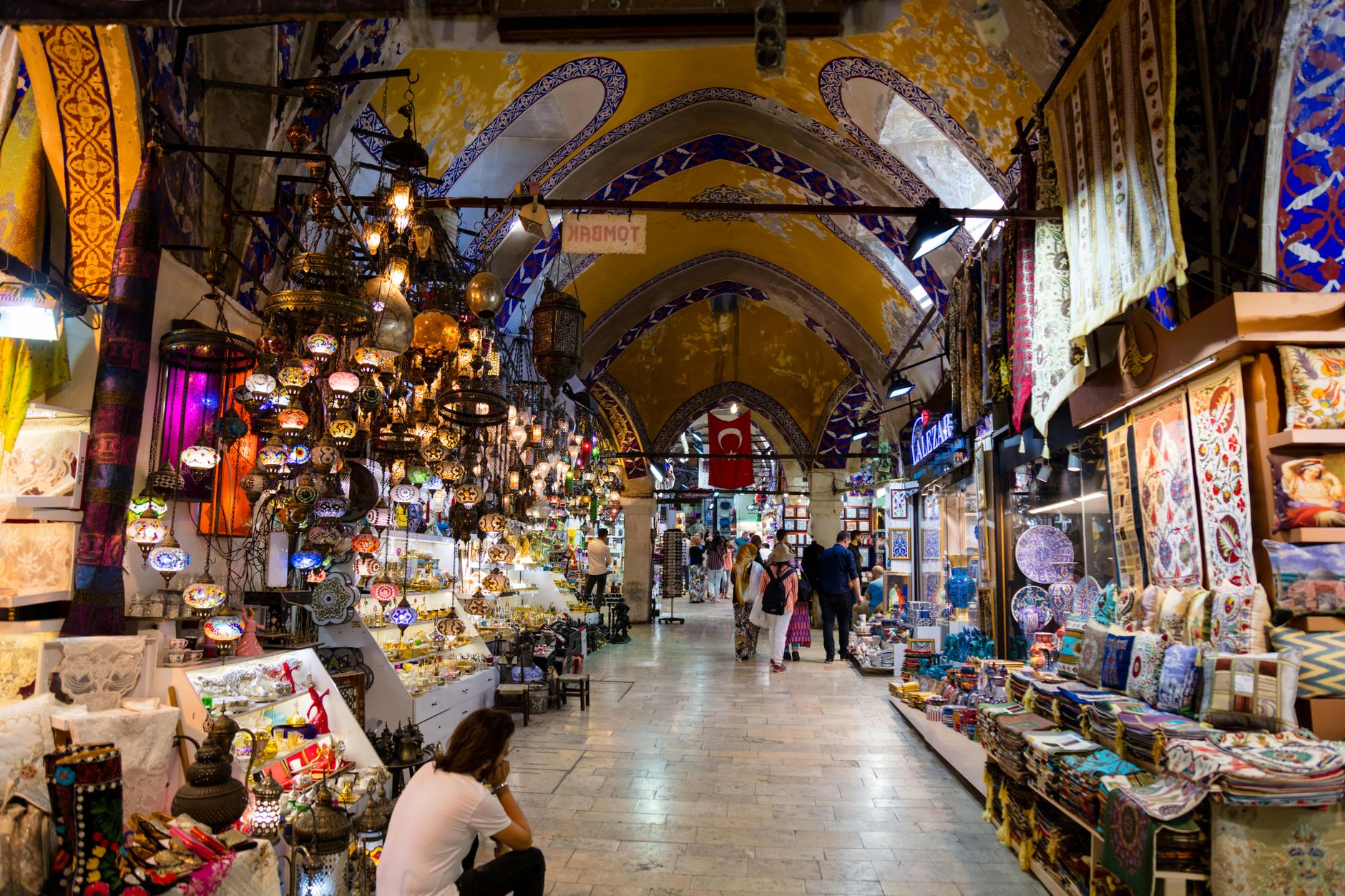
The Best Museum Shops in Istanbul
Istanbul is the undisputed capital of the Turkish museum shop. Start at the Topkapı Palace Museum, where the shop near the exit sells exquisite Iznik-style ceramics, calligraphy-inspired scarves and jewellery based on pieces from the imperial treasury. The palace's book selection is exceptional, with catalogues of the harem, the sacred relics and the imperial wardrobe.
The Istanbul Archaeological Museums shop is a pilgrimage for history lovers. Alongside replicas of the Alexander Sarcophagus and the Treaty of Kadesh, you'll find scholarly texts on Anatolian civilisations and beautifully printed postcards of the museum's treasures. It is the ideal place to buy a gift for the classicist in your life.
At the Museum of Turkish and Islamic Arts in Sultanahmet, the shop focuses on calligraphy, carpets and metalwork. Look for hand-bound notebooks with marbled covers, reproductions of Seljuk tiles, and small kilim pieces sourced from cooperatives. The Hagia Sophia and Chora Church shops lean more devotional, with illuminated manuscripts, icons and silver jewellery, but they also stock excellent guidebooks.
Further afield, the Pera Museum and Istanbul Modern shops cater to art and design lovers, with limited-edition prints, tote bags and ceramics by contemporary Turkish designers. These make wonderful, light-to-pack souvenirs that feel genuinely of the moment.
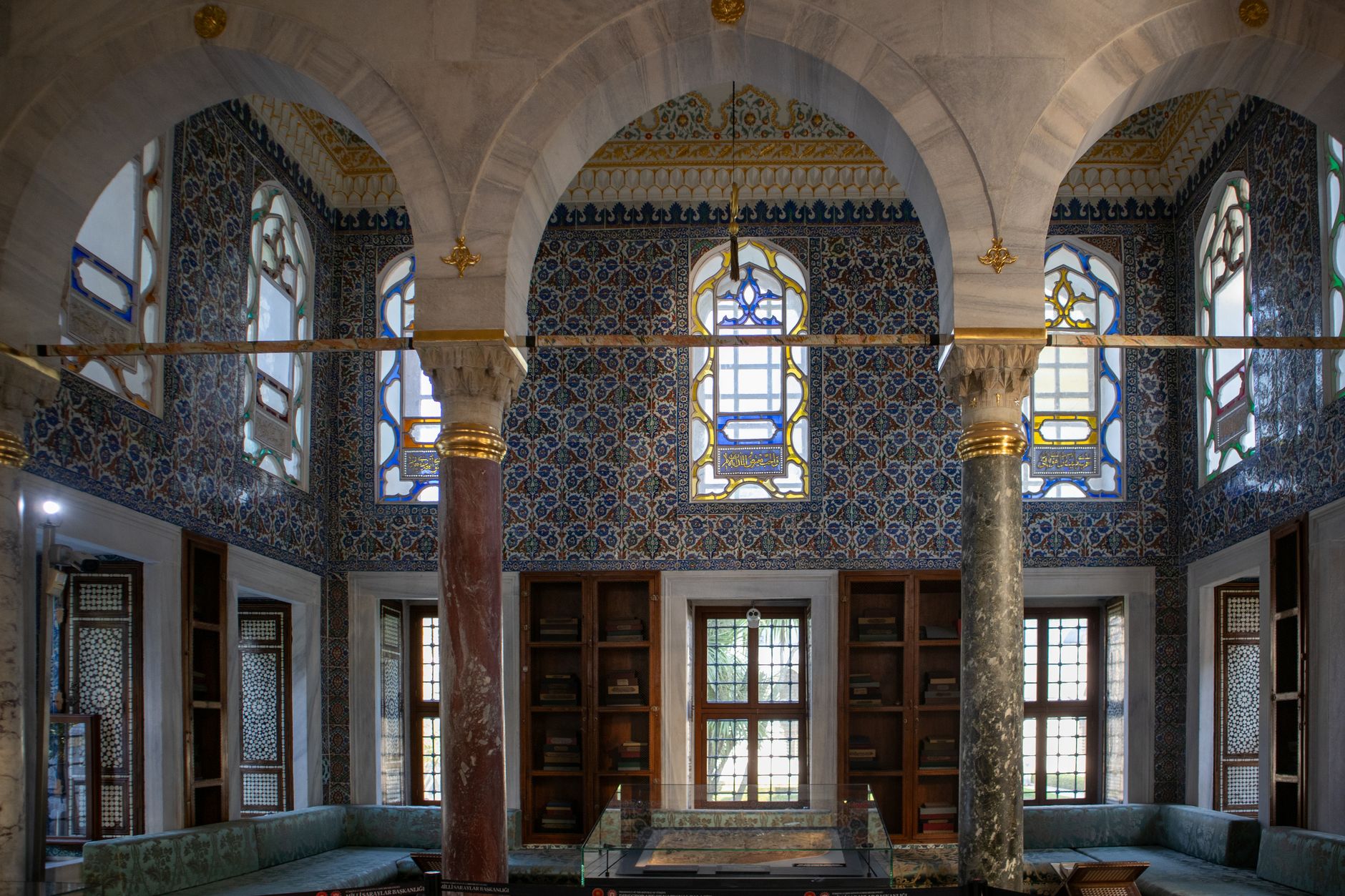
Beyond Istanbul: Anatolia's Heritage Shops
Türkiye's richest museum shopping is not confined to Istanbul. In Konya, the Mevlana Museum shop sells whirling dervish figurines, Sufi music recordings and calligraphic art, all resonating with the city's spiritual heritage. In Kayseri, the Seljuk-era sites and local museums highlight the region's carpet and kilim traditions, often with cooperative-made pieces at fair prices.
Gaziantep's Zeugma Mosaic Museum is a must for mosaic lovers. Its shop offers mosaic kits, reproductions of the famous Gypsy Girl and glassware inspired by Roman designs. The nearby Gaziantep Castle and culinary museums add edible souvenirs, from pistachios to baklava, though these are best consumed rather than stored.
In Şanlıurfa, the Göbekli Tepe and archaeology museum shops sell replicas of Neolithic symbols and books on the world's oldest temple. Antalya Museum covers Lycian, Roman and Ottoman finds, with jewellery and ceramics that echo the region's Mediterranean palette. And in Nevşehir and Cappadocia, museum and heritage shops focus on Hittite and Byzantine reproductions, pottery from Avanos, and hand-woven textiles, all deeply tied to the landscape.
Wherever you go, these regional shops tend to be smaller and less crowded than Istanbul's, and the staff often have time to explain the objects. That conversation is part of the souvenir's story. For route ideas that weave these shops into a larger trip, browse our itineraries.
How to Judge Quality, Authenticity and Price
Museum shops are generally reliable, but a little knowledge sharpens your eye. For ceramics, look for even glaze, crisp outlines and a smooth, thin body. Hand-painted Iznik work shows slight variations in brushstrokes; perfectly uniform patterns usually indicate printed decals. Turn the piece over: a maker's mark, a museum label or a workshop stamp is a good sign.
For textiles, feel the fabric. Silk should be cool and slightly crisp, wool warm and resilient. Ask whether dyes are natural or synthetic; natural dyes mellow over time, while synthetics can be harsher but more colourfast. Hand-woven kilims may have small irregularities, which are a mark of authenticity rather than a flaw.
For reproductions, ask about the source object. A reputable shop will tell you which museum piece inspired the replica and what material it is made from. Resin, bronze, marble dust and ceramic all have different weights and price points. A certificate of authenticity adds confidence and makes the object easier to explain to customs or insurers if needed.
Pricing varies widely. Small tiles and postcards can cost a few dollars; hand-painted plates range from modest to several hundred dollars depending on size and artistry. Silk scarves typically fall in the mid-range, while limited-edition jewellery or large ceramics can be a serious investment. Museum shops are not always the cheapest option, but the premium buys provenance, quality control and a contribution to conservation. If you are comparing across a trip, our pricing page offers context on typical travel costs in Türkiye.
How Your Purchase Supports Conservation and Craft
One of the most satisfying reasons to buy from a museum shop is that your money often goes further than the till. In many Turkish museums, shop revenues contribute to conservation, excavation, educational programmes and the maintenance of collections. Buying a book about a dig can help fund the next season of fieldwork; buying a ceramic can support the workshop that keeps a centuries-old technique alive.
Many museum shops now work directly with artisan cooperatives, particularly for textiles and ceramics. This shortens the supply chain, ensures fair payment to makers and keeps traditional skills economically viable. When you buy a hand-woven scarf or a hand-painted tile, you are casting a small vote for the survival of a craft that might otherwise disappear.
There is also a softer benefit: museum shops act as interpreters. Their labels and booklets explain techniques, history and context, turning a purchase into learning. A child who chooses a Hittite figurine replica may go home and read about Anatolian civilisations; an adult who buys a calligraphy notebook may seek out an exhibition. The object becomes a gateway, not just a decoration. For more on responsible travel and cultural heritage, see our trust page.
The Pleasure of a Well-Chosen Keepsake
There is a particular joy in unpacking a souvenir that still feels right years later. A mass-produced trinket fades; a well-made object grows richer with memory. The museum shop purchase carries the place with it: the cool of a stone corridor, the smell of old paper, the moment you first saw the original that inspired your replica.
Choose slowly. Hold the piece. Ask about the maker. Think about where it will live in your home and what story you will tell about it. A single perfect object—a tile, a scarf, a book—will outlast a suitcase of forgettable novelties and will remind you of Türkiye every time you see it.
If you are planning a trip built around culture, crafts and heritage, our experts can help you shape an itinerary that includes the best museum shops, artisan workshops and archaeological sites. And if you are still deciding when to travel, our best-time guide will help you match season to destination.
Thinking about a trip to Turkey?
Share your contact details and a vetted local expert will follow up with a plan built around you — free, no obligation.