

Why Anatolia's Small Museums Deserve a Place on Your Itinerary
Most travelers come to Türkiye for the great monuments: Hagia Sophia, Ephesus, the fairy chimneys of Cappadocia. And rightly so. But between those headline sights, in quiet Anatolian towns where minarets rise above stone courtyards and tea is still served in tulip-shaped glasses, there is another kind of museum waiting. These are the museums of everyday life — ethnographic collections, historic house museums and toy museums, usually housed in a converted Ottoman mansion, a former schoolhouse or a restored caravanserai.
What makes them special is their scale and their warmth. You are rarely more than a few steps from a display case, and the person at the desk is often the curator, the caretaker and the local historian all at once. These museums preserve not the lives of sultans but the lives of bakers, brides, coppersmiths, schoolchildren and grandmothers. A dowry chest, a hand-carved cradle, a tin toy car, a set of brass coffee pots — objects like these carry as much history as any imperial throne.
Because these collections are small and often free or very inexpensive, they make wonderful half-day pairings with the town bazaar that almost always lies nearby. You emerge from a room of embroidered wedding textiles, walk two minutes, and find yourself among the very copperware, spices and fabrics you just saw behind glass, still being sold, still in daily use.
What Is an Ethnographic Museum in Türkiye, Exactly?
The Turkish word most often used is etnografya müzesi — ethnography museum — and it describes a collection devoted to the material culture of daily life: textiles, tools, jewelry, kitchenware, clothing, furniture and domestic architecture. Many of these emerged from the early Republican era's interest in documenting regional traditions, and others grew from a town's own pride in its craftsman past.
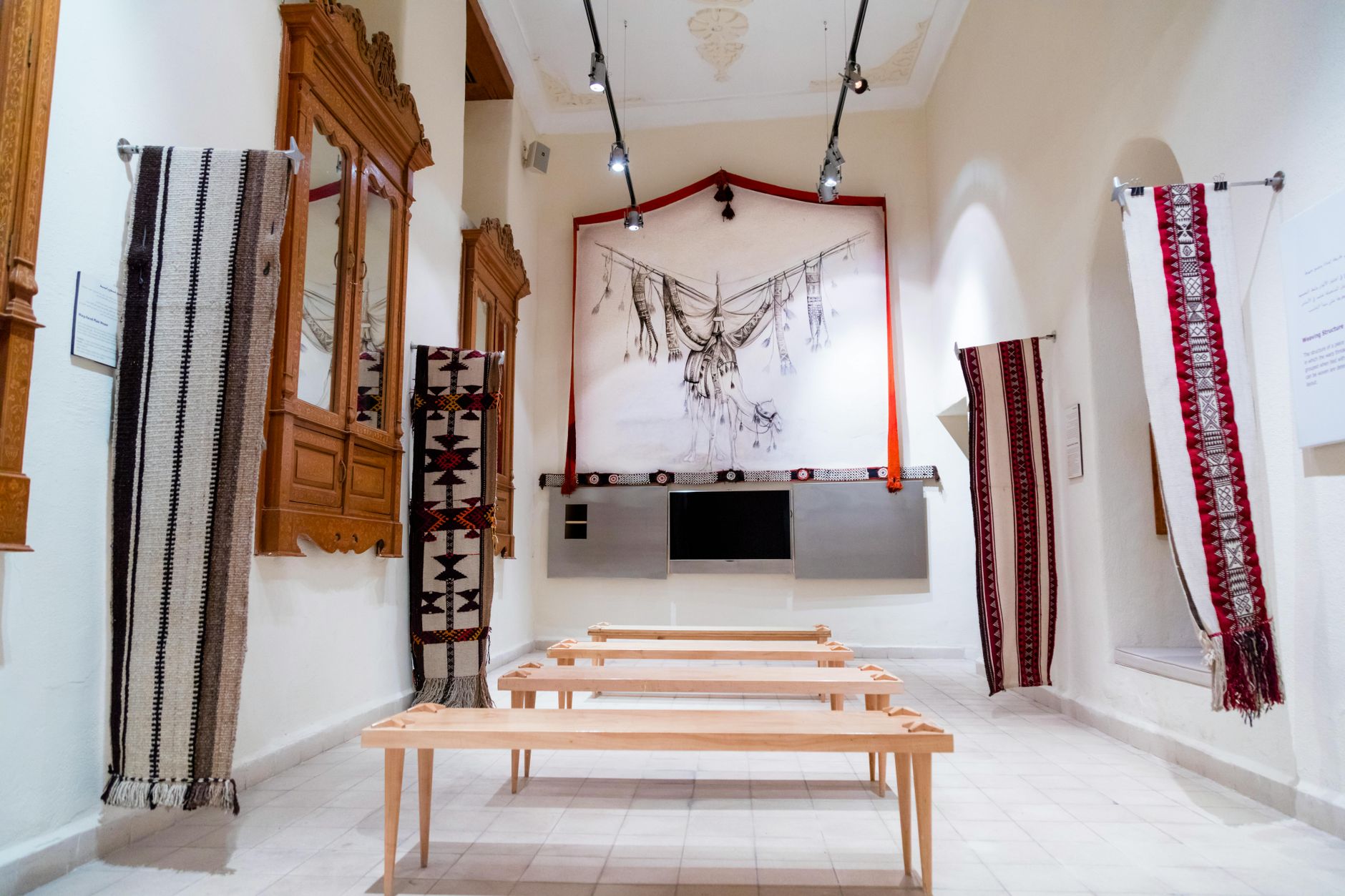
Typically you will find reconstructed rooms: a guest room with low divans and a woven kilim, a bridal room with a mirrored chest and embroidered towels, a kitchen with a tandır oven and wooden spoons, and sometimes a working craftsman's workshop with looms or copper hammers. The labels are frequently bilingual Turkish and English, though the real interpretation often comes from the attendant, who may point at a device and gesture the motion it once made.
These museums also collect oral history. Ask gently, and you may learn which family donated a particular carpet, or how a specific style of headscarf indicated whether a young woman was engaged, married or widowed. The objects are documents, and the people who steward them are proud to explain.
The Most Notable Collections and the Towns That Host Them
Türkiye's ethnographic and house museums are spread across the country, but a few towns stand out for depth and authenticity.
Ankara holds the largest and most important ethnographic collection in the country at the Ethnography Museum (Etnografya Müzesi) in the old quarter near Ulus, a short walk from the Museum of Anatolian Civilizations. Its galleries of Seljuk and Ottoman-era textiles, folk costumes, weapons, musical instruments and a reconstructed Anatolian village room are the essential reference point for the genre. It pairs beautifully with a stroll through the nearby Samanyolu and İtfaiye streets, where old Ankara houses are being restored.
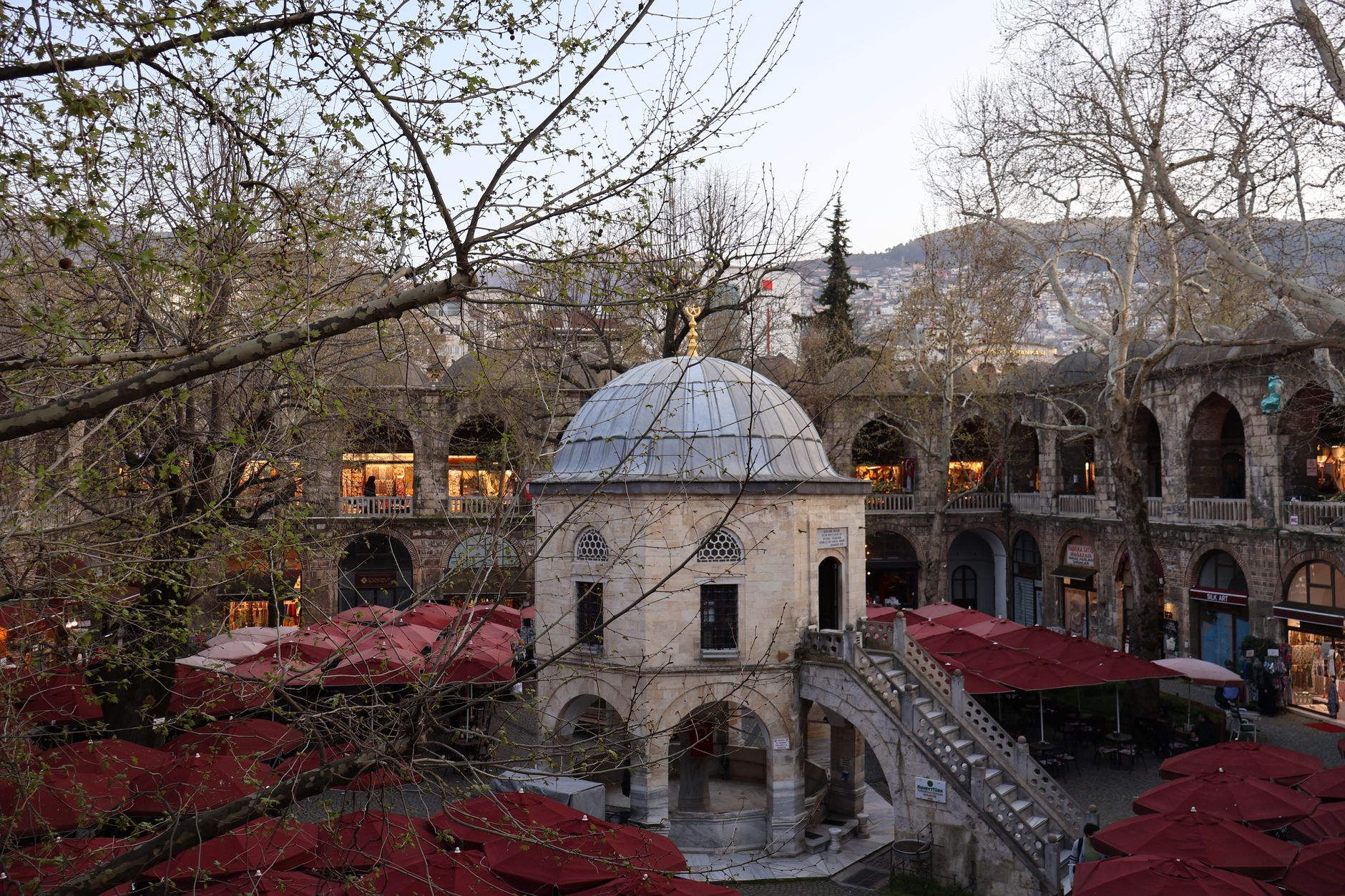
Bursa, the first Ottoman capital, hosts a superb ethnographic section within the Bursa Museum of Turkish and Islamic Arts, plus historic house museums such as the Muradiye area's restored mansions. The city's silk and towel traditions come alive in the displays, and the covered bazaar (Koza Han) is a natural next stop.
Konya, home of the Mevlana Museum, also offers rich ethnography at the Konya Ethnography Museum, with dervish lodge items, carpets and domestic interiors. Kastamonu in the Black Sea region is beloved for its Kastamonu Ethnography Museum in a handsome stone mansion, and the town's Vedat Tek House Museum shows the domestic life of an early 20th-century architect, a near-perfect example of the house-museum genre.
For toy lovers, two places are unmissable: the Istanbul Toy Museum (İstanbul Oyuncak Müzesi) in the Göztepe district, founded by poet Sunay Akın, with thousands of toys from around the world in a charming wooden mansion — and the growing tradition of small town toy museums, often founded by a single collector. In Anatolia, Kayseri, Eskişehir and Amasya all offer house museums and ethnographic rooms that reward a slow visit.
Meeting Daily Life from Past Centuries: What You'll Actually See
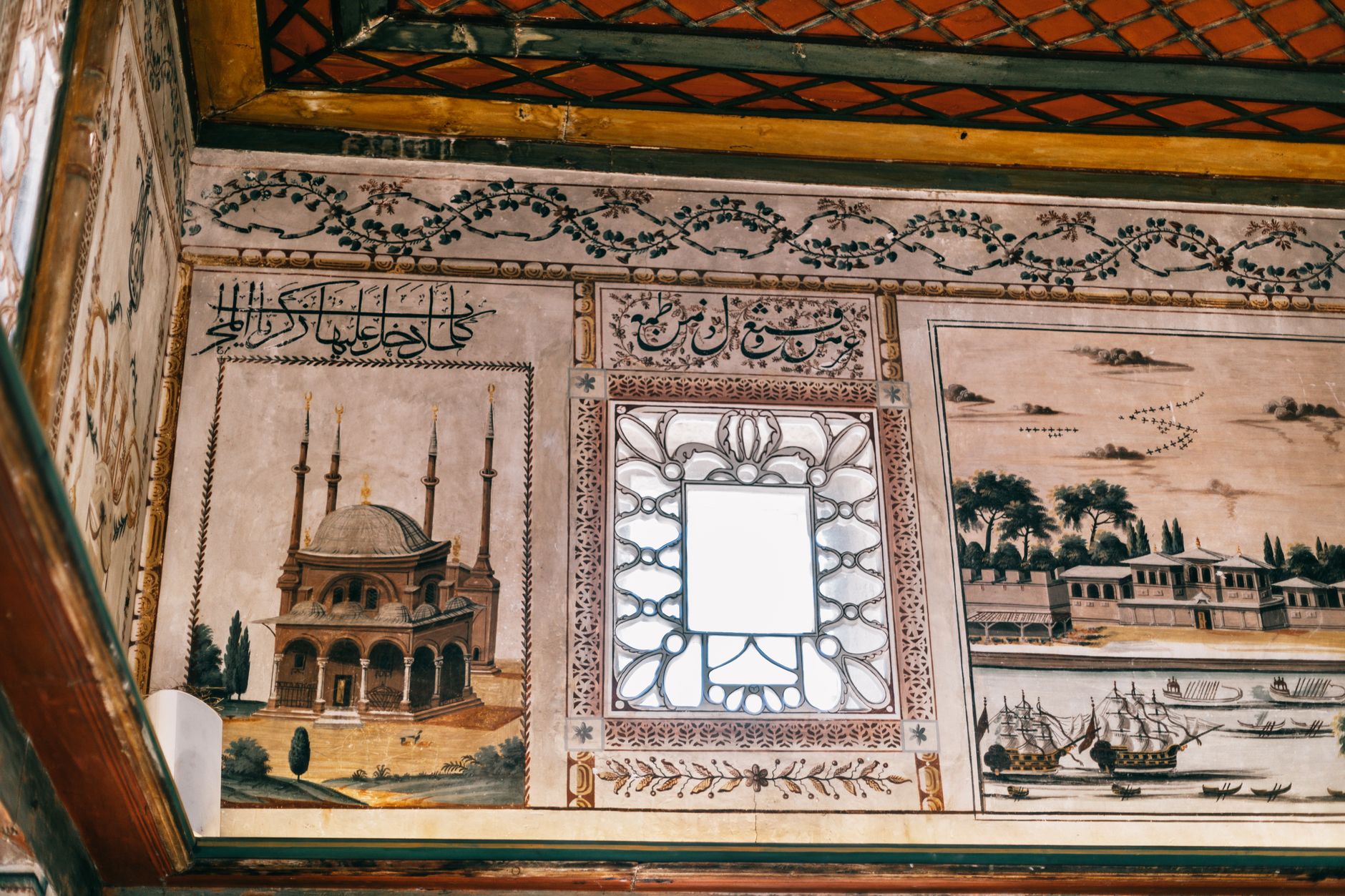
Walk into one of these rooms and the first thing you notice is texture. Wool, cotton, copper, wood, straw, silver thread. The second thing is ingenuity: a hand loom folded cleverly against a wall, a butter churn carved from a single trunk, a baby's cradle suspended so a mother could rock it with her foot while working.
Look for the sandık, the dowry chest. In many Anatolian cultures a young woman spent years filling it with embroidered linens, towels and lace for her marriage. The patterns carried messages — a sprig of rosemary for remembrance, a rose for love. Some museums display open chests so you can see the layering of hope and labor.
Kitchens are another wonder. You will see sac griddles for flatbread, long-handled copper coffee pots (cezve), and coffee grinders whose brass is polished to a glow. There are often fig, grape and pepper drying racks, and jars for pickles and molasses. Suddenly a modern Turkish breakfast — olives, white cheese, tea — makes deeper sense.
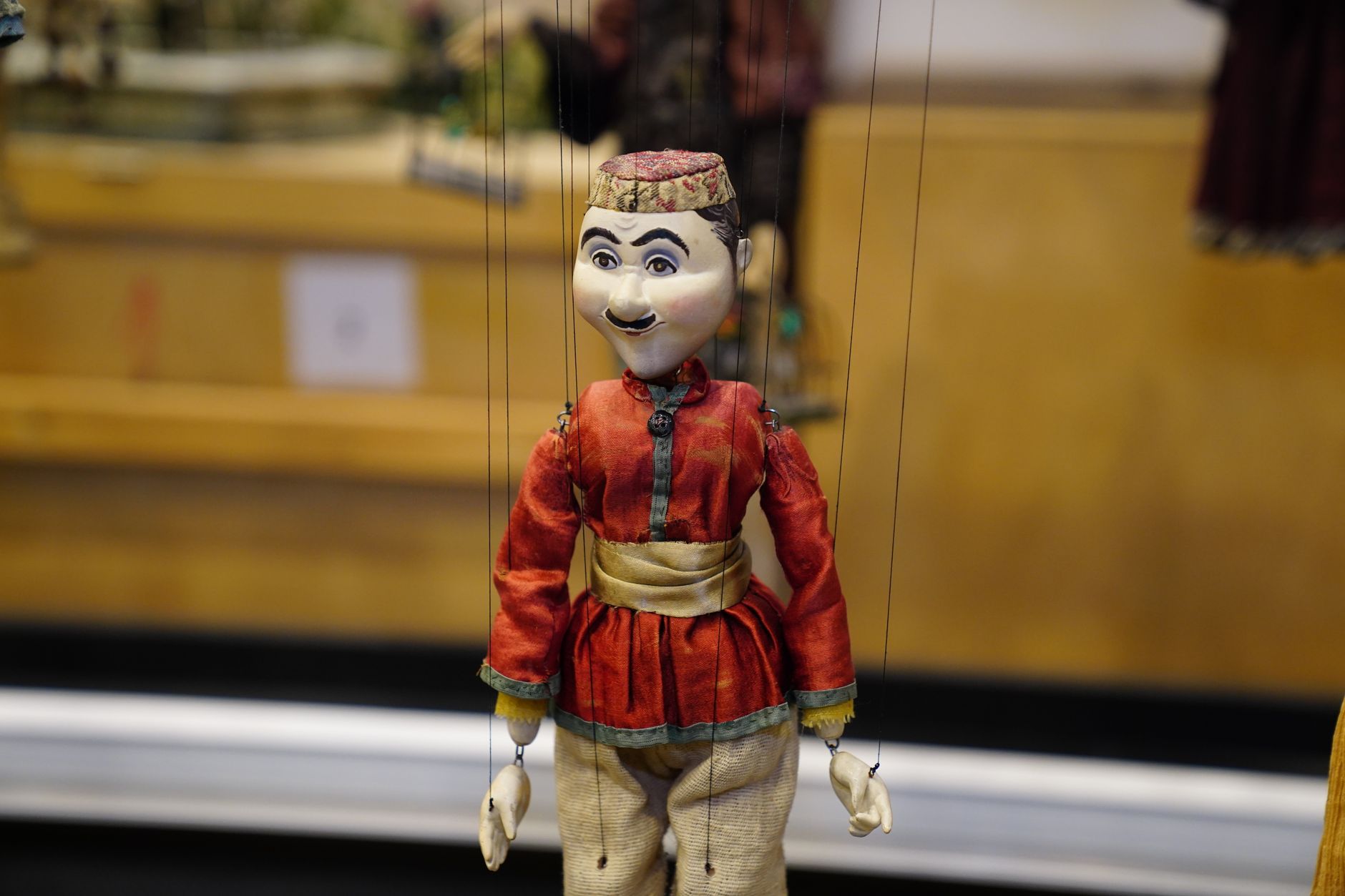
Clothing galleries show regional variations that once told you a traveler's village at a glance: the cut of a vest, the wrapping of a headscarf, the rows of silver coins on a bridal belt. And toy displays, whether folk-made or European imports of the last century, connect these older worlds to the 20th century: tin trains, wooden whistles, porcelain dolls, marbles, and the hand-sewn rag dolls that children loved long before plastic.
Opening Hours, Tickets and Practical Tips (Framed Positively)
The good news is that these museums are welcoming and light on the wallet. Most state-run ethnographic museums and house museums are open Tuesday through Sunday, roughly 08:30–17:00 or 09:00–17:30, with closures on Mondays and around the first days of national and religious holidays. Small municipal or private museums may keep shorter hours — often 09:00–17:00 — and some close for lunch or Friday prayer in conservative districts.
Tickets are modest. Many state museums are free or cost only a small fee, and some accept the national museum pass (MüzeKart), which is a great value if you plan to visit several sites. Private toy museums and house museums typically charge a small admission that supports their upkeep. Keep a little cash in Turkish lira for small private collections, though cards are increasingly accepted.
Practical tips: go in the morning when light is best and staff are freshest; carry a light scarf for head coverings in areas that include religious objects; and never touch textiles unless invited. Photography is usually allowed without flash, but ask first — signage may forbid it in rooms with fragile fabrics. A small donation box near the exit is a lovely way to say thank you.
Above all, plan to linger. These museums reward slow looking, and the curator or guardian often has a story that no label can contain. A five-minute chat can turn a room of objects into a vivid century.
Warm Welcomes: Curators and Local Guides Who Make the Difference
Türkiye is famous for hospitality, and it shines brightest in these small institutions. You may be greeted with a cheerful hoş geldiniz — welcome — and a glass of tea before you even buy a ticket. Caretakers, many of them local retirees or history graduates, take genuine pleasure in showing foreign visitors how an object worked.
Don't be surprised if the attendant walks you to a loom and mimes the shuttle, or points at a coffee grinder and says, with a grin, Turkish coffee! They are used to curious travelers and often keep a few English words ready, or will happily use a translation app. In return, a few phrases in Turkish go a long way: merhaba (hello), teşekkürler (thanks), çok güzel (very beautiful).
Local guides in towns like Kastamonu, Amasya, Konya and Bursa are outstanding at stitching together the museum and the neighborhood. They will explain why a particular house faces the sun, which courtyard tree is oldest, and where the best börek is sold nearby. Hiring a guide for two hours, or simply asking at the museum desk for a recommendation, is one of the highest-value things you can do.
These encounters are the real souvenir. You will remember the elderly gentleman who demonstrated a spindle, or the young woman who explained bridal symbols, longer than you will remember any ticket price.
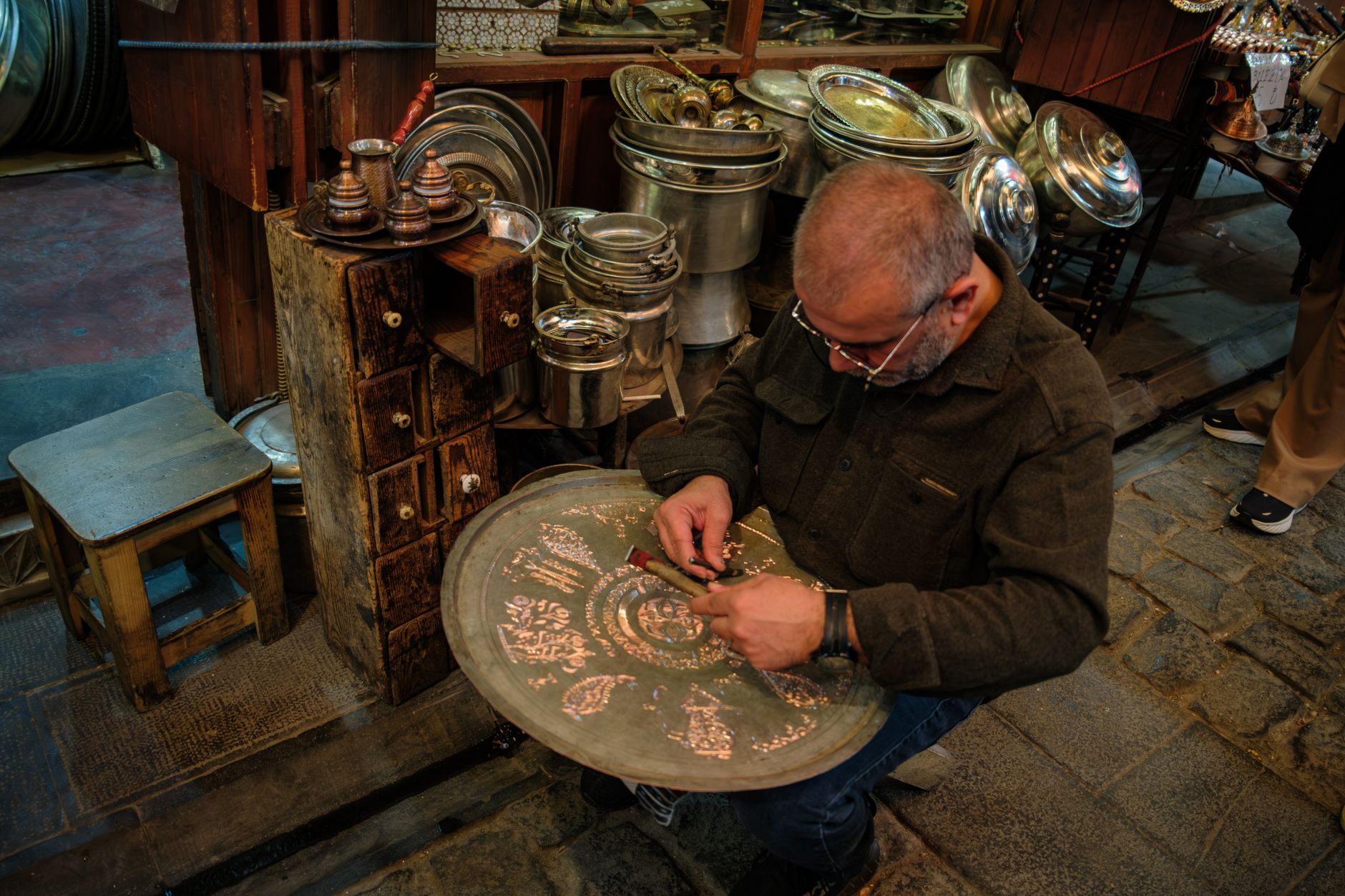
Pairing Museum Visits with Nearby Bazaars
The magic of Anatolian town museums is that the bazaar is almost always next door — and it is the living continuation of the collection you just visited. In Bursa, after the ethnographic galleries, wander into Koza Han, the historic silk cocoon market, now full of silk scarves and tea gardens in the courtyard. You will recognize the weaving traditions you saw behind glass, now for sale.
In Kastamonu, the market streets near the museum sell the region's famous garlic, rope and copperware; the hammering you hear is the sound the museum's tools once made. In Gaziantep, the copper bazaar is a living ethnographic exhibit, with artisans shaping trays and coffee pots in the open air. In Konya, the bazaar around the Mevlana complex offers felt hats, carpets and sweets, echoing the dervish and carpet displays in the museum.
In Ankara, the old streets around the Ethnography Museum still have small workshops where saddlers, coppersmiths and rug sellers work. In Amasya, the riverside market and the historic Yalıboyu houses form a perfect half-day: museum, tea by the river, then shopping for local çilek (strawberries) and handmade lace.
The rhythm is simple and delightful: learn the object in the morning, buy the craft after lunch, and drink tea in between. It is cultural tourism at its most human, and it keeps traditional skills alive. Every purchase, however small, is a vote for the continuation of the very traditions these museums preserve.
Suggested Mini-Itineraries and a Lasting Impression
If you have a day in Bursa: visit the Museum of Turkish and Islamic Arts and its ethnographic rooms in the morning, lunch on İskender kebab, then explore Koza Han and the covered bazaar, finishing with tea in a courtyard. In Kastamonu: the Ethnography Museum and Vedat Tek House in the morning, a walk through the old bazaar and a local etli ekmek for lunch. In Istanbul with children: the Istanbul Toy Museum in Göztepe, then lunch and a ferry ride on the Marmara for a perfect family day.
In Konya: the Ethnography Museum and Mevlana complex in one morning, bazaar browsing after. In Ankara: the Ethnography Museum plus the Museum of Anatolian Civilizations, then the old quarter's workshops. Each of these pairings is gentle, walkable and rich in human contact.
What these small museums ultimately offer is time. Not the grand sweep of empires, but the daily time of ordinary people: the hours in a kitchen, the years filling a dowry chest, the afternoon a child first held a toy. In an age of fast travel, they invite slowness and curiosity.
So the next time you plan a Turkish itinerary, leave a morning for the museum of everyday life in a town whose name you may not yet know. Buy the ticket, accept the tea, ask about the dowry chest. You will leave carrying not a postcard, but a truer picture of Anatolia — and likely a new friend at the front desk. İyi yolculuklar — happy travels.
Thinking about a trip to Turkey?
Share your contact details and a vetted local expert will follow up with a plan built around you — free, no obligation.