

There is a particular kind of quiet on a Turkish night bus. The lights dim to a soft amber, the tea glasses are cleared away, someone two rows back is already asleep against the window, and outside the glass the Anatolian plateau slides past under a moon so bright it looks borrowed. You close your eyes somewhere near Ankara and open them to minarets catching the first pink light over Kayseri. You have not lost a day of your holiday. You have gained a sunrise.
Overnight travel in Türkiye is one of the great underrated pleasures of the country — affordable, frequent, surprisingly comfortable, and quietly romantic. This guide covers the practical side: which routes work best, how to book a couchette on the Doğu Express or a seat on a long-distance bus, what to pack, what to eat, and how to sleep well enough to arrive human. For broader route planning around these journeys, our routes section pairs well with what follows.
Why Sleep Through Anatolia at All?
The distances in Türkiye are generous. Istanbul to Cappadocia is roughly 730 kilometres; Istanbul to Trabzon on the Black Sea is over 1,000. Done by day, each of those is a long, tiring haul that eats a full day of sightseeing. Done at night, the same journey becomes a hotel room that moves.
The economics are compelling too. A night bus ticket between major cities typically costs a fraction of a flight plus a hotel night, and a couchette on the eastern express trains is famously inexpensive. For budget-conscious travellers, overnight transport is the single easiest way to stretch a trip without feeling like you are roughing it.
And there is the romance of it. Waking in a new city — the call to prayer drifting over a bus station you have never seen, the smell of simit and fresh bread from a kiosk, the plateau air cool and dry — is a way of arriving that flying can never replicate. You experience the country as a continuum rather than a series of teleports. If you have not yet decided where to end up, browse our destinations for inspiration on which dawn you want to meet.
The Trains: Couchettes, the Doğu Express and the Joy of Slowness
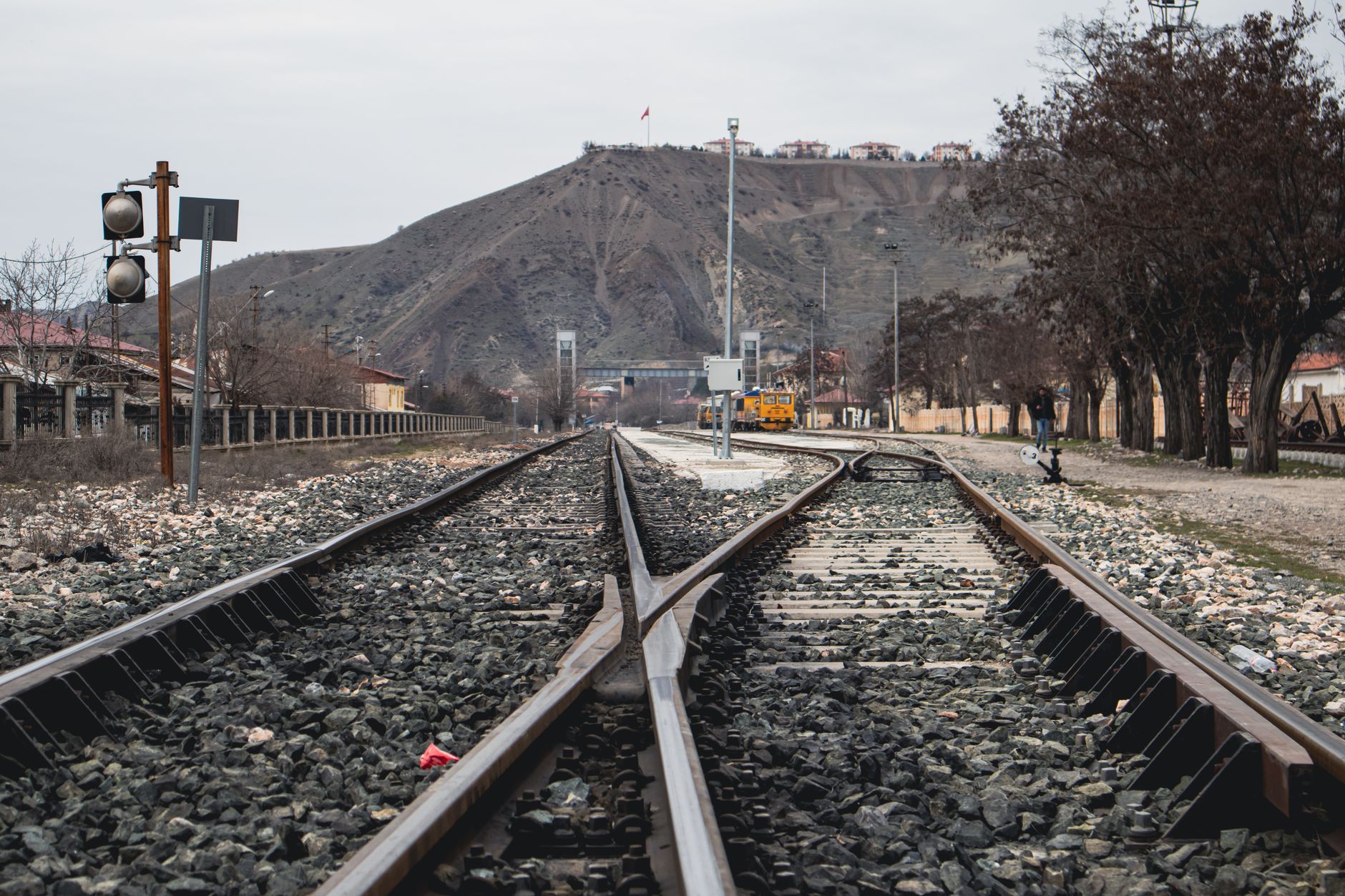
Türkiye's rail network is smaller than its bus network but far more atmospheric. The flagship is the Doğu Express, running from Ankara east to Kars across the Anatolian steppe — a journey of roughly 24 to 26 hours that has become a destination in itself. Its pullman (reclining seat) carriages are comfortable, but the real draw is the four-berth couchette compartments and, on the Dogu Express, the two-berth örgü (private) compartments for those who want a door and a little privacy.
Couchettes are simple and clean: a padded bench that converts to a bed, a pillow and blanket supplied, a small table, and a window that frames the steppe. Book early — the private compartments sell out weeks ahead, especially in spring and autumn. Reservations open on the national rail booking system (TCDD Taşımacılık) usually a month in advance, and they go fast. Bring your passport number, as it is required at booking.
Other sleeper-friendly services include the İzmir Mavi Treni (İzmir–Ankara overnight) and the Van Gölü Express toward the east. On all of them, the rhythm is the same: dinner from the trolley or the dining car, tea in paper cups, a conversation with a stranger who insists on sharing his cheese, then the long dark and the rocking of the rails. Do check current schedules and seasonal frequency on the rail authority's site or at the station — services have changed in recent years, and the eastern lines run less often in winter. Our best-time guide helps you pick a season when the trains are running and the steppe is at its most beautiful.
What a Train Couchette Actually Feels Like
Honestly? Better than expected and less luxurious than a hotel — which is the point. The bedding is thin but adequate; the compartment heats up at night, so a light layer is enough; the bathroom at the end of the carriage is basic. What you trade in softness you gain in scenery: on the Doğu Express the dawn brings gorges, river valleys and villages of stone houses, all of it unfolding outside your window while you lie under a blanket. Pack earplugs, a sleep mask and a refillable water bottle and you will be perfectly happy.
Overnight Buses: The Real Backbone of Turkish Travel
Türkiye's intercity bus network is one of the best in the world — thousands of daily departures, modern coaches, and a level of onboard service that surprises first-timers. Companies like Kamil Koç, Metro, Pamukkale and Süha run overnight services on virtually every long corridor: Istanbul to Cappadocia, Istanbul to İzmir, Ankara to the Black Sea coast, Cappadocia to Antalya, and dozens more.
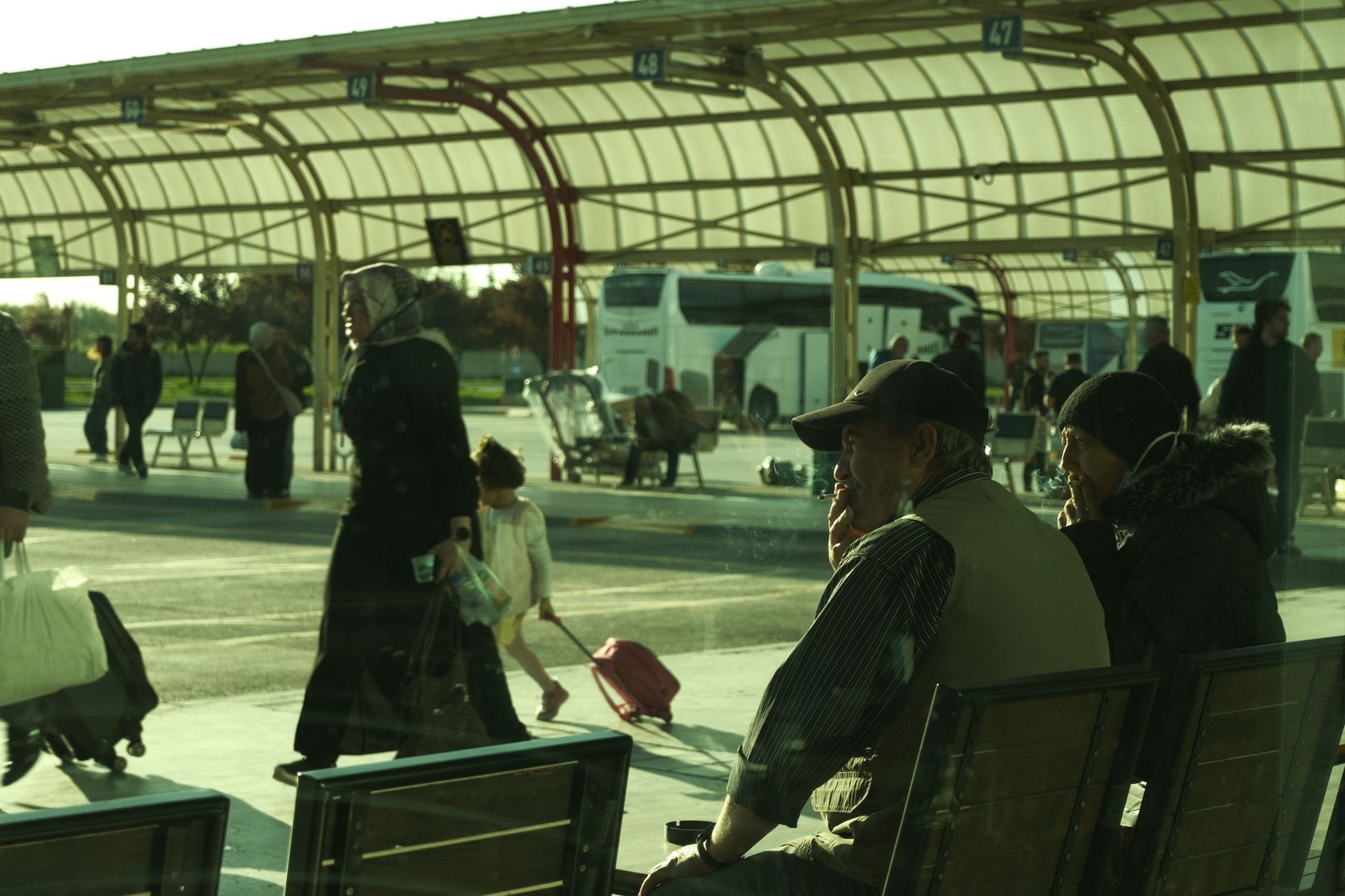
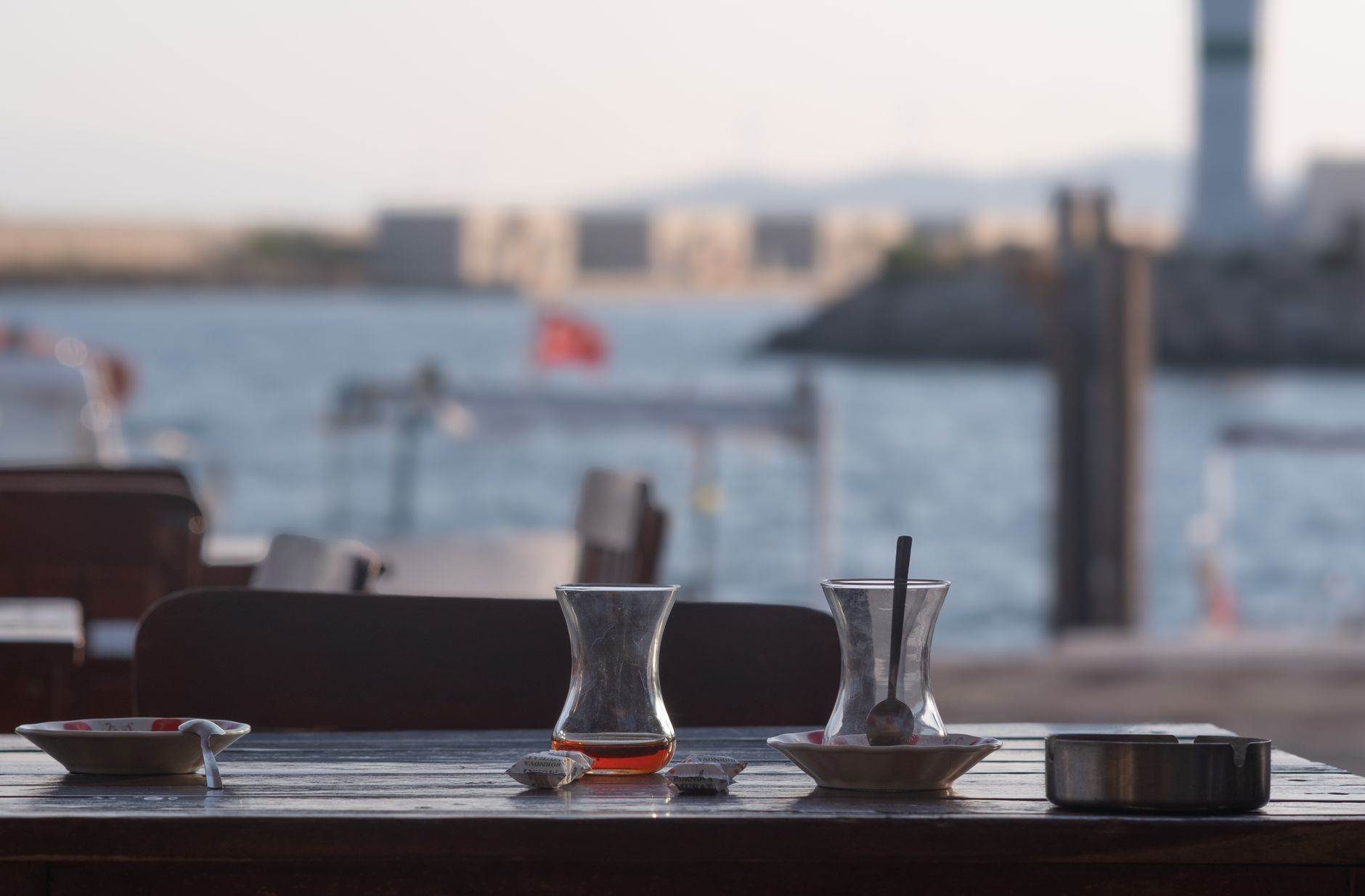
Seats are assigned and recline generously, with a footrest on many coaches. On most long-haul routes the muavin — the attendant who works the aisle — serves complimentary tea, coffee, water and often a small snack or cake. Every few hours the bus pulls into a tesis, a large roadside service station with clean restrooms, hot food, and endless çay. These stops are part of the experience: at 2 a.m. you stand in a fluorescent-lit cafeteria with lorry drivers and other half-asleep passengers, drinking tea from a tulip glass, and feel briefly like you belong to a secret nation of night travellers.
Ticket prices are modest and vary by company and route. Buses are generally comfortable, but seat choice matters: the front rows are quieter and less bouncy, the back is warm and bouncier. If you are tall, ask for an aisle seat near the front. Wi-Fi exists on many coaches but is unreliable; download your podcasts and maps in advance.
Booking Bus Tickets Without the Hassle
The easiest approach is online: aggregator sites and the companies' own apps let you choose a seat, pay by card, and store an e-ticket on your phone. Tickets usually go on sale a few weeks before departure and rarely sell out except around major holidays (Ramazan Bayramı, Kurban Bayramı, and the summer peak), when you should book well ahead. You can also buy at the otogar (bus terminal) ticket office, though English is not always spoken and queues can be long.
When you book, note that Turkish bus terminals are often far from city centres — Istanbul's Esenler and the Asian-side Ataşehir terminals, for instance, require a metro or shuttle ride into town. Factor that into your arrival plan, especially if you land at dawn. Our travel tools page has tips for estimating transfer times and keeping bookings organised.
Choosing the Right Route for Your Sleep
Not every overnight journey is created equal. The best ones balance a long enough distance to justify sleeping (six hours or more) with a departure that lets you board after dinner and arrive after breakfast. A few classics worth building a trip around:
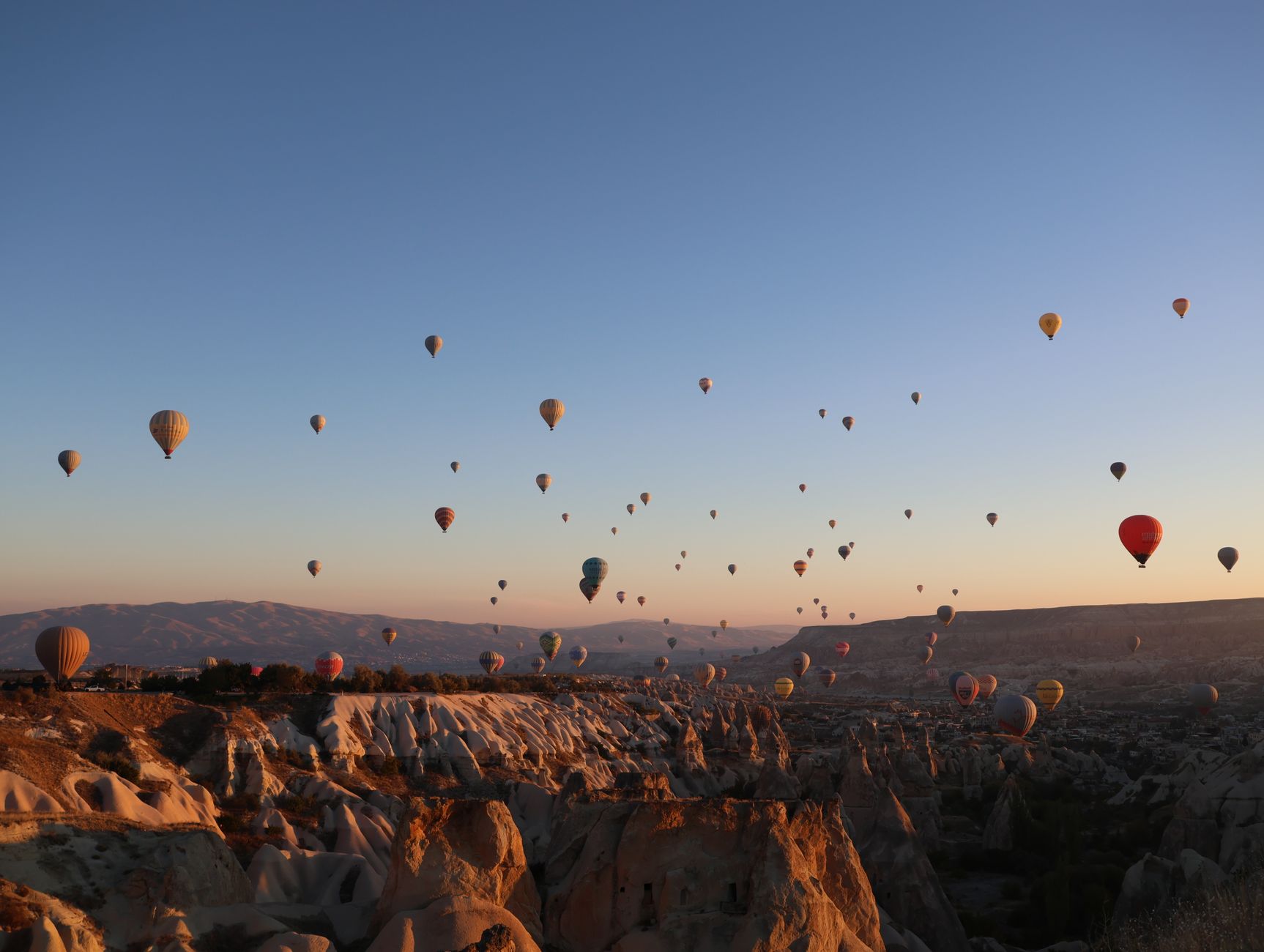
- Istanbul to Cappadocia (Göreme or Nevşehir): the most popular night bus in the country. Ten to eleven hours, leaving Istanbul in the evening and arriving in time for a balloon-filled dawn. Choose a company that drops in Göreme rather than only Nevşehir if you want to walk to your cave hotel.
- Ankara to Kars on the Doğu Express: the romantic's choice. A full day and night across the steppe, arriving in the far east among grand stone architecture and cold mountain air.
- Istanbul to İzmir or Selçuk: convenient for the Aegean, with the option of stepping off at Selçuk for Ephesus.
- Cappadocia to Antalya or Fethiye: a scenic overnight link between the interior and the Mediterranean coast. It is a good way to combine the two halves of a classic trip — see our itineraries for ready-made combinations.
A useful rule: prefer trains where they exist for the atmosphere, and buses where they do not for the coverage. For a first taste, the Istanbul–Cappadocia night bus plus a return on the Doğu Express segment from Ankara is a lovely pairing.
Packing for a Night on the Move
Think of your carry-on as a small bedroom. Keep it light and keep it separate from your main luggage, which goes underneath the bus or onto the train rack and which you will not want to open at 3 a.m.
- Sleep kit: an eye mask, earplugs (essential — buses are chatty, trains are creaky), a light scarf or travel blanket, and a small neck pillow.
- Snacks: you will be fed tea and small snacks, but bring something substantial — nuts, dried figs, simit, a banana, dark chocolate. Avoid heavy, greasy meals before boarding.
- Hydration and freshness: a refillable bottle, wet wipes, a toothbrush and paste, and a small towel. A change of T-shirt makes the morning feel civilised.
- Comfort clothing: loose layers and slip-on shoes. Buses are dry and sometimes warm; trains cool down at night.
- Practical bits: a power bank, a small padlock for your bag, your passport, and printed or downloaded tickets.
If you are travelling with a partner or friend, an inexpensive trick is to book two adjacent seats on a bus or a full couchette cabin on a train — the shared experience of the night is half the fun. For more general packing wisdom, see our guides.
Sleeping Well, Arriving Human
Realistically, you will not sleep eight hours on a bus. Aim for five or six and treat the rest as quiet rest. Board tired rather than wired — a long walking day beforehand helps. Take the tea when it is offered but stop drinking caffeine after midnight, and ask the attendant to wake you a little before your stop (they usually do this anyway, but a friendly reminder in simple Turkish or English is smart). Set a phone alarm for 45 minutes before arrival.
On arrival, resist the urge to nap immediately. Instead, find a café, order a strong Turkish coffee and a proper breakfast — menemen, white cheese, olives, fresh bread — and let the daylight reset you. Most hotels will store your bags before check-in, so you can wander the empty morning streets of a city still waking up. That first walk, with the light slanting low and the streets to yourself, is the reward for the whole exercise.
A word on safety and comfort: overnight transport in Türkiye is widely used by families and solo travellers, including women, and is generally safe and civilised. Still, keep valuables on you, avoid leaving bags unattended at tesis stops, and choose reputable bus companies with assigned seating. If you are travelling alone, the front rows are a comfortable choice. For more on travelling confidently, visit our trust page.
The Quiet Rhythm of the Road
There is a reason so many travellers remember their night buses and trains as fondly as the sights themselves. The journey has its own slow rhythm — the hiss of air brakes, the clink of tea glasses, the murmured Turkish of other passengers, the sudden wide dark of the plateau, and then, without warning, the dawn arriving like a gift over a town whose name you only just learned. You sleep, and the country rearranges itself around you.
In a trip packed with ruins, coastlines and balloon flights, these hours are the connective tissue: cheap, practical, and unexpectedly beautiful. Book the couchette, pack the simit, choose the window, and let Anatolia carry you. To start building the journey around it, try our trip planner or browse the FAQ for the practical answers most travellers ask first.
Thinking about a trip to Turkey?
Share your contact details and a vetted local expert will follow up with a plan built around you — free, no obligation.