

In Türkiye, food is not just sustenance; it is a language of love, hospitality, and heritage. The country's diverse regions, from the breezy Aegean coast to the rugged Anatolian plateau, offer a tapestry of flavors shaped by centuries of migration, trade, and tradition. One of the most rewarding ways to experience this living culture is through hands-on cooking classes hosted by village families. These immersive experiences invite you to knead dough, stuff vegetables, and preserve seasonal bounty alongside warm, generous hosts who treat you like a long-lost relative. Whether you're a seasoned chef or a curious traveler, cooking with a Turkish family will deepen your connection to the land and its people in ways no restaurant meal ever could.
Why Cook with a Turkish Family?
Cooking classes in Turkish villages are more than a culinary lesson—they are a cultural exchange. When you step into a family's kitchen, you're not just learning recipes; you're participating in daily life. You'll pick vegetables from the garden, sip çay (tea) while the dough rises, and swap stories as the aroma of simmering stews fills the air. The hospitality you'll encounter is legendary: Turks are renowned for their generosity, and sharing a meal is the ultimate expression of welcome.
These experiences also offer a rare glimpse into the rhythms of rural life. In the Aegean, you might learn to roll vine leaves stuffed with herbed rice, while in Anatolia, you could master the art of making yufka (thin flatbread) on a sac griddle. Each region has its own specialties, and each family has its own secrets, passed down through generations. By cooking together, you become part of that chain of transmission, helping to keep these traditions alive.
Moreover, cooking with families supports local economies directly. The money you spend goes straight into the community, empowering women and preserving artisanal foodways. It's a joyful, meaningful way to travel deeper, beyond the guidebook highlights.
Filled Flatbreads: Gözleme and Beyond
One of the most iconic Turkish village foods is gözleme, a thin flatbread stuffed with various fillings and cooked on a convex griddle called a sac. In a typical cooking class, you'll start by making the dough: flour, water, salt, and a bit of yeast, kneaded until smooth and elastic. Then comes the fun part—rolling the dough paper-thin, spreading the filling, and folding it into a half-moon or square parcel.
Fillings vary by region and season. In the Aegean, you might use spinach, feta-like beyaz peynir, and fresh herbs like dill and parsley. In Anatolia, common fillings include spiced minced meat, potatoes, or even pumpkin. The stuffed flatbread is then cooked on the sac until golden and slightly blistered, brushed with butter, and served hot. The first bite is a revelation: crisp, chewy, and bursting with savory goodness.
Beyond gözleme, you'll also encounter other filled breads like börek, a flaky pastry made with yufka layers and filled with cheese, spinach, or meat. In some villages, families still make yufka from scratch, rolling the dough incredibly thin and baking it on a sac. Learning to make börek is a rite of passage for any Turkish cook, and your host will guide you through the delicate process of folding and sealing.
These flatbreads are often enjoyed for breakfast or as a snack, accompanied by endless glasses of çay. Making them together is a communal activity, with everyone gathered around the sac, chatting and laughing. It's a joyful, messy, and utterly satisfying experience.
Stuffed Vegetables: Dolma and Sarma
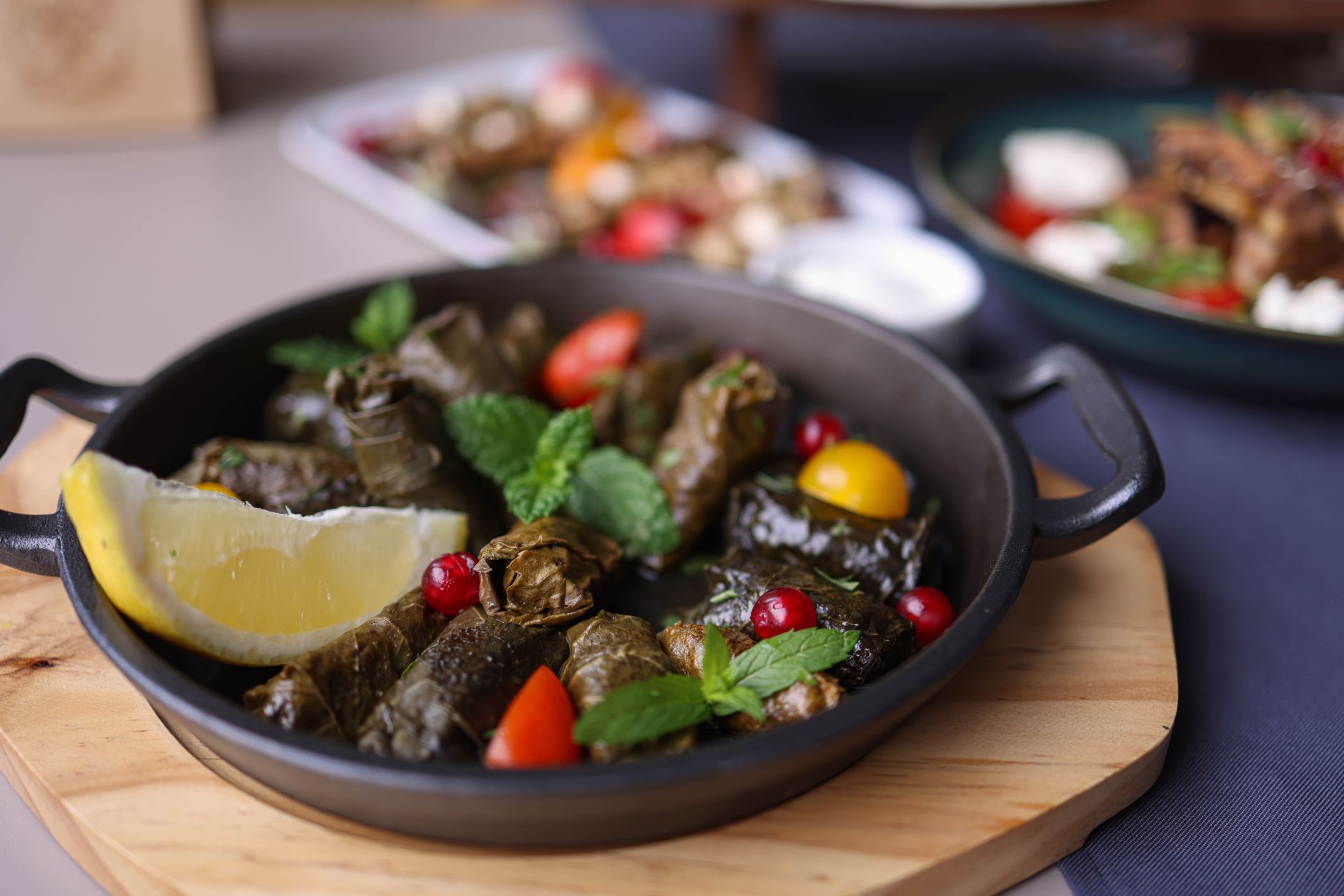
Another cornerstone of Turkish home cooking is dolma—stuffed vegetables. The word dolma comes from the verb dolmak, meaning "to be filled." Almost any vegetable can be stuffed: peppers, tomatoes, zucchini, eggplant, and even onions. The most famous version is sarma, grape leaves stuffed with a mixture of rice, herbs, and sometimes minced meat. In Aegean villages, you'll often find sarma made with olive oil and no meat, a lighter, vegetarian delight.
In a cooking class, you'll learn to prepare the filling: rice, onions, tomatoes, parsley, mint, dill, pine nuts, currants, and a blend of spices like cinnamon, allspice, and black pepper. The mixture is sautéed briefly to meld the flavors, then used to fill blanched grape leaves or hollowed-out vegetables. Rolling sarma is a skill that takes practice—too tight and they burst, too loose and they fall apart. Your host will demonstrate the perfect technique, and soon you'll be rolling like a pro.
Once assembled, the dolma are arranged in a pot, weighted down with a plate, and simmered in a broth of olive oil, lemon juice, and water until tender. The result is a symphony of flavors: tangy, herby, and subtly sweet. Dolma is often served at room temperature, making it a perfect mezze or light meal.
In Anatolian villages, you might also learn to make etli dolma, with minced lamb or beef, which is heartier and often served as a main course. The process is similar, but the cooking time is longer to ensure the meat is cooked through. Either way, the experience of sitting around a table, stuffing vegetables with your host family, is unforgettable.
Preserving Seasonal Flavors: From Garden to Jar
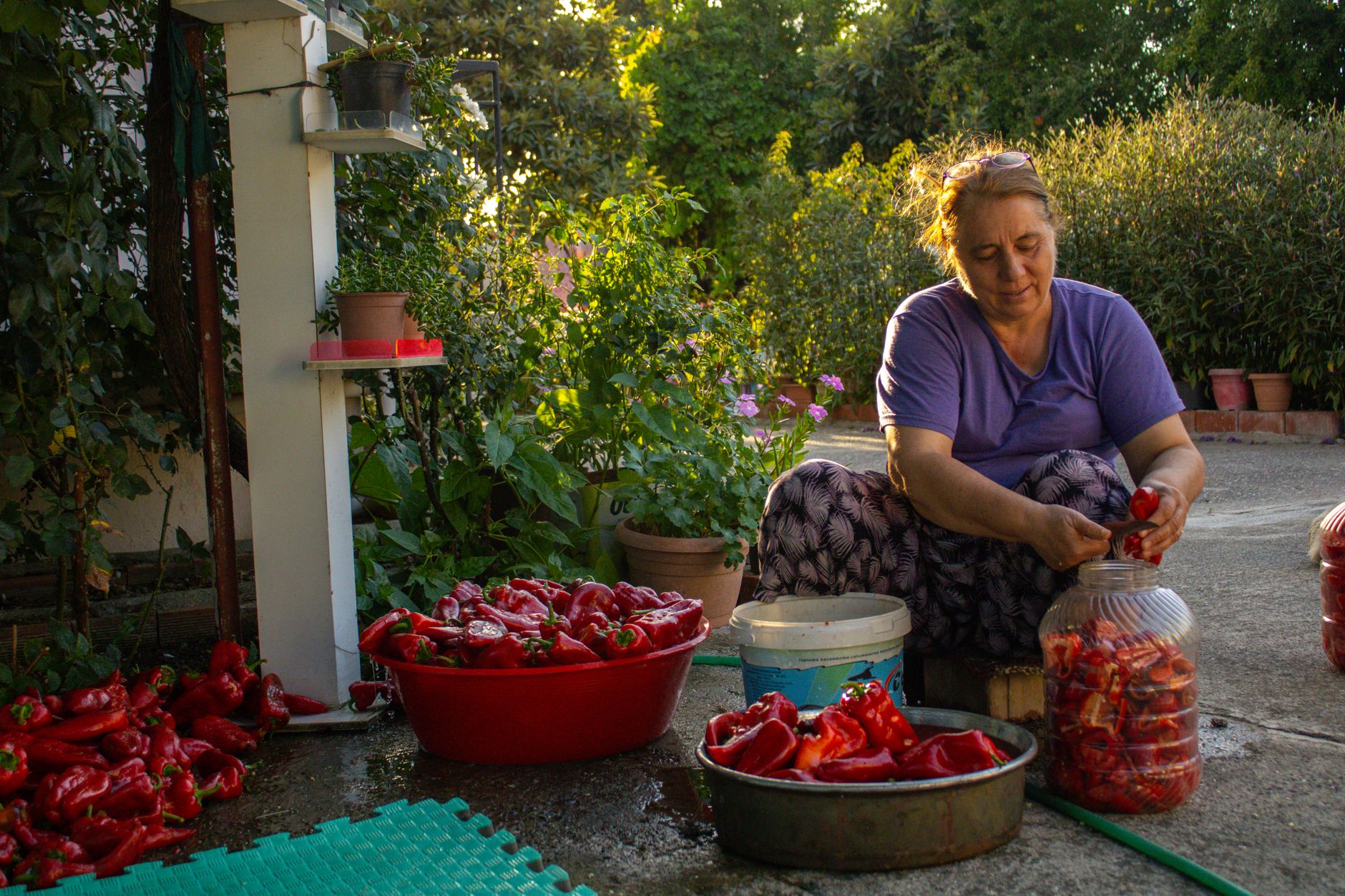
Turkish village families have long mastered the art of preserving seasonal produce to enjoy year-round. In summer, when gardens overflow with tomatoes, peppers, and eggplants, families gather to make tomato paste (salça), sun-dried vegetables (kurutulmuş sebze), and various pickles (turşu). Participating in these activities gives you a deep appreciation for the resourcefulness and sustainability of rural life.
One common activity is making salça, a concentrated tomato or pepper paste that is the backbone of many Turkish dishes. You'll start by boiling and straining tomatoes, then spreading the puree on a large tray to dry in the sun, stirring occasionally. In some villages, the paste is cooked down on a woodstove instead. The process takes days, but the result is a rich, intense paste that adds depth to stews, soups, and sauces.
Another popular preservation method is pickling. Turkish turşu includes cucumbers, peppers, cabbage, and even green tomatoes, submerged in a brine of water, salt, and vinegar, sometimes with lemon slices and garlic. You'll learn to pack the jars tightly and seal them for fermentation. The pickles are ready in a few weeks and are a staple on Turkish tables, especially in winter.
You might also learn to make jams and marmalades from seasonal fruits like figs, quinces, and sour cherries. In the Aegean, olive oil is central, and you could participate in the olive harvest and learn to cure olives. These preservation workshops are typically offered in autumn, the peak season for putting up the year's bounty. It's a hands-on way to take a piece of Türkiye home with you—literally, in a jar.
Practical Booking Advice and Price Expectations
Booking a cooking class with a village family is easier than you might think. Many experiences are listed on platforms like Airbnb Experiences, Viator, and GetYourGuide, but for a more authentic connection, consider reaching out to local cooperatives or tour operators that specialize in responsible tourism. In the Aegean region, look for classes in villages near Izmir, Bodrum, or Ayvalık. In Anatolia, options abound near Cappadocia, Konya, and the Black Sea coast.
Prices vary depending on the location, duration, and inclusions. Expect to pay between $30 and $80 per person for a half-day class, which typically includes a market visit or garden tour, all ingredients, and a shared meal. Full-day experiences, which might include multiple meals and a village walk, range from $80 to $150. Private classes for couples or small groups can cost more, but offer a more personalized experience.
When booking, communicate clearly about your dietary needs and preferences. Turkish cuisine is naturally accommodating: many dishes are vegetarian or vegan, and gluten-free options exist, though you'll need to discuss cross-contamination risks. Your host will likely go out of their way to adapt recipes, but it's important to be kind and appreciative of their efforts. Remember, you are a guest in their home.
It's also wise to book in advance, especially during peak tourist seasons (June to September). However, don't overplan—sometimes the best experiences are spontaneous, arranged through a local contact or a chance encounter at a village café.
Handling Dietary Needs with Kindness and Flexibility
Turkish hospitality is rooted in generosity and a desire to please. If you have dietary restrictions, approach the situation with kindness and flexibility. Most hosts will be happy to accommodate vegetarian, vegan, or gluten-free requests, but they may not fully understand the nuances of allergies or cross-contamination. Be clear and specific, but also patient.
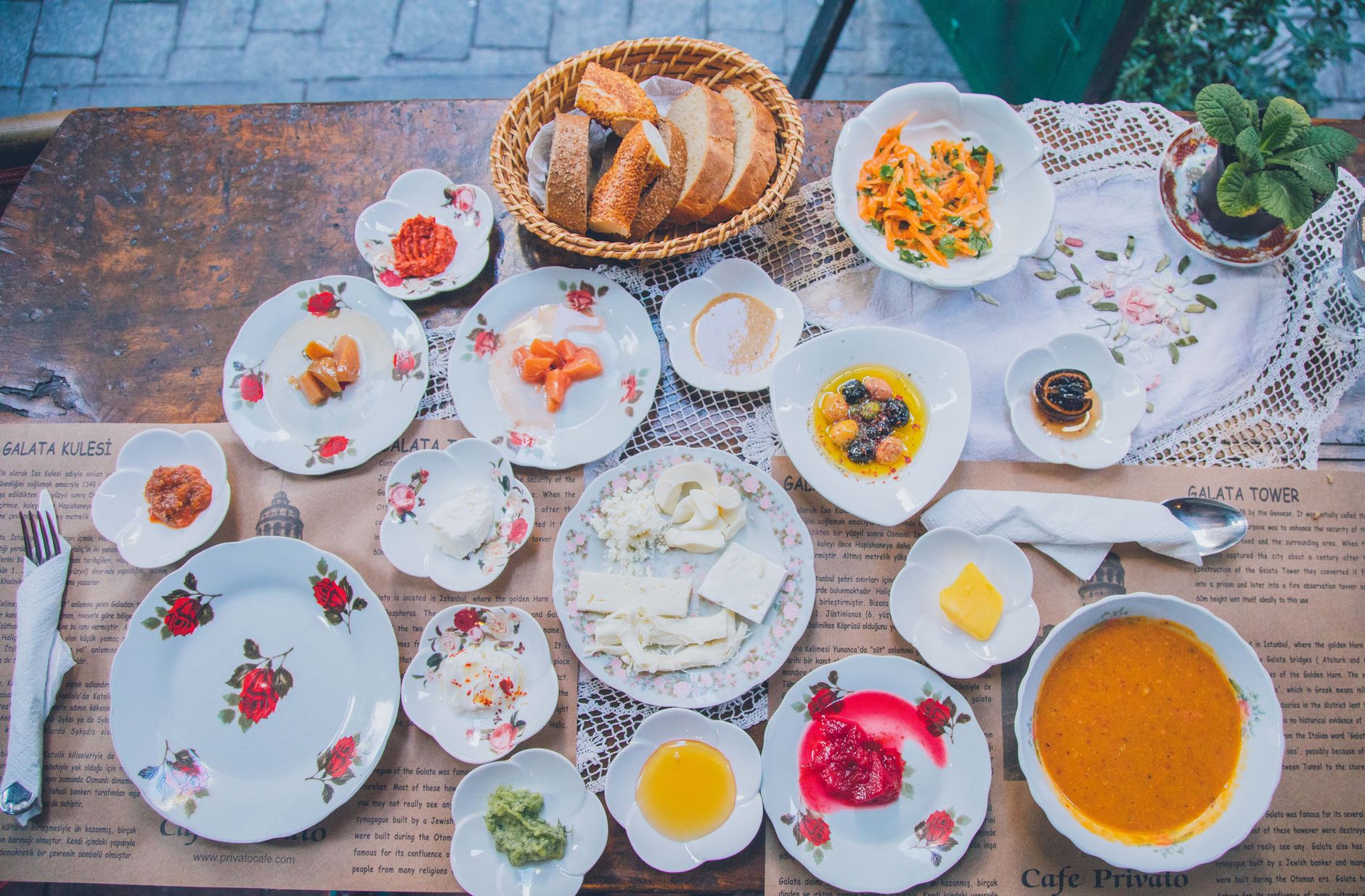
For vegetarian travelers, you'll find plenty to eat: dolma, gözleme with cheese and herbs, various mezze, and vegetable stews. Vegans should watch out for butter and yogurt, which are common in Turkish cooking. Ask if dishes can be made without animal products—often, a simple substitution is possible. Gluten-free travelers should avoid breads and pastries made with wheat, but can enjoy rice dishes, grilled meats, and vegetable-based meals. If you have a severe allergy, consider bringing your own ingredients or utensils as a precaution.
It's also important to respect cultural norms. In some conservative villages, alcohol may not be served, and women might cook separately from men. Dress modestly, ask before taking photos, and always express gratitude. A simple "teşekkür ederim" (thank you) goes a long way.
Ultimately, the shared act of cooking and eating bridges differences. Your host will appreciate your openness, and you'll leave with a full stomach, new skills, and a heart full of memories. That's the magic of Türkiye's nomad kitchens.
Thinking about a trip to Turkey?
Share your contact details and a vetted local expert will follow up with a plan built around you — free, no obligation.