

Sweet Beginnings: The Nomadic Dessert Trail Explained
Türkiye's dessert culture is a living tapestry woven from nomadic traditions, Ottoman palace kitchens, and village cooperatives that still stir cauldrons of fruit and sugar over wood fires. This trail isn't a single road but a network of regional specialties, each with its own story, texture, and aroma. From the crumbly, tahini-rich helva of the southeast to the jewel-like fig preserves of the Aegean coast, every stop offers a taste of Anatolia's sweet soul.
What makes this trail unique is its nomadicism—both historically, as Turkic peoples carried their sweet traditions across Central Asia, and today, as families and co-ops keep recipes alive through seasonal migrations and local markets. You'll find sweets not just in grand bazaars but in tiny village kitchens, where grandmothers and co-op members roll out dough and simmer fruit in copper pots.
Travelers who follow this trail discover that Turkish desserts are far more than baklava. They are helva in dozens of forms, lokum (Turkish delight) infused with rose or mastic, and preserves made from everything from green walnuts to eggplant. This guide will lead you through the most rewarding stops, with practical tips for tasting, buying, and bringing these treasures home.
Ottoman Saray Helvası: The Palace's Sweet Legacy
In the kitchens of Topkapı Palace, helva was more than a dessert—it was a symbol of power, hospitality, and artistry. Saray helvası, or palace helva, was crafted by specialized helvacı ustaları (helva masters) who combined semolina, butter, milk, and sugar into a smooth, rich confection often perfumed with rosewater or vanilla. It was served at feasts, given as gifts to visiting dignitaries, and even used in religious ceremonies.
Today, you can taste versions of this Ottoman classic in Istanbul's historic districts. Look for saray helvası in shops like Altan Şekerleme in Fatih or Karaköy Güllüoğlu (though famous for baklava, they also offer exquisite helva). The texture is dense yet melt-in-the-mouth, with a subtle sweetness that lets the butter and semolina shine. Some modern versions add pistachio or cocoa, but the traditional recipe remains a testament to Ottoman refinement.
To truly understand its significance, visit the Topkapı Palace kitchens themselves. The sprawling complex, with its giant cauldrons and specialized rooms, gives context to the scale of production. Afterward, head to Eminönü or the Spice Bazaar to purchase freshly made helva. Vacuum-sealed packs travel well, but for the best experience, buy from small producers who make it in small batches.
"Helva is the mother of all Turkish sweets. From birth to death, it accompanies us." — A Turkish proverb

Regional Helva Variations: A Journey Through Anatolia
As you move east and south, helva changes character. In Gaziantep, the undisputed capital of Turkish sweets, you'll find un helvası (flour helva) and irmik helvası (semolina helva) that are lighter and often served warm. The city's famous pistachios are folded in, creating a nutty, buttery delight. Gaziantep's Helvacıoğlu and Koçak Helva are institutions where you can watch the masters at work.
Further east, in Mardin and Şanlıurfa, tahini helva reigns supreme. This version uses sesame paste instead of butter or semolina, resulting in a dense, protein-rich sweet that keeps well in desert heat. It's often sold in huge blocks at markets, sliced to order. The best is made with pure tahini and grape molasses, a combination that balances bitter and sweet.
Along the Black Sea coast, hazelnut helva is a specialty, especially in Giresun and Trabzon. The local hazelnuts are roasted and ground into the helva, giving it a deep, toasty flavor. Meanwhile, in the Aegean, you'll find helva made with olive oil instead of butter, a nod to the region's olive groves. Each variation tells a story of local ingredients and cultural influences.
For travelers, the joy is in comparing these styles. Start in Istanbul with saray helvası, then fly to Gaziantep for pistachio-laden versions, and continue to Mardin for tahini helva. Each region has its own helva shops and markets, and locals are proud to share their favorites.
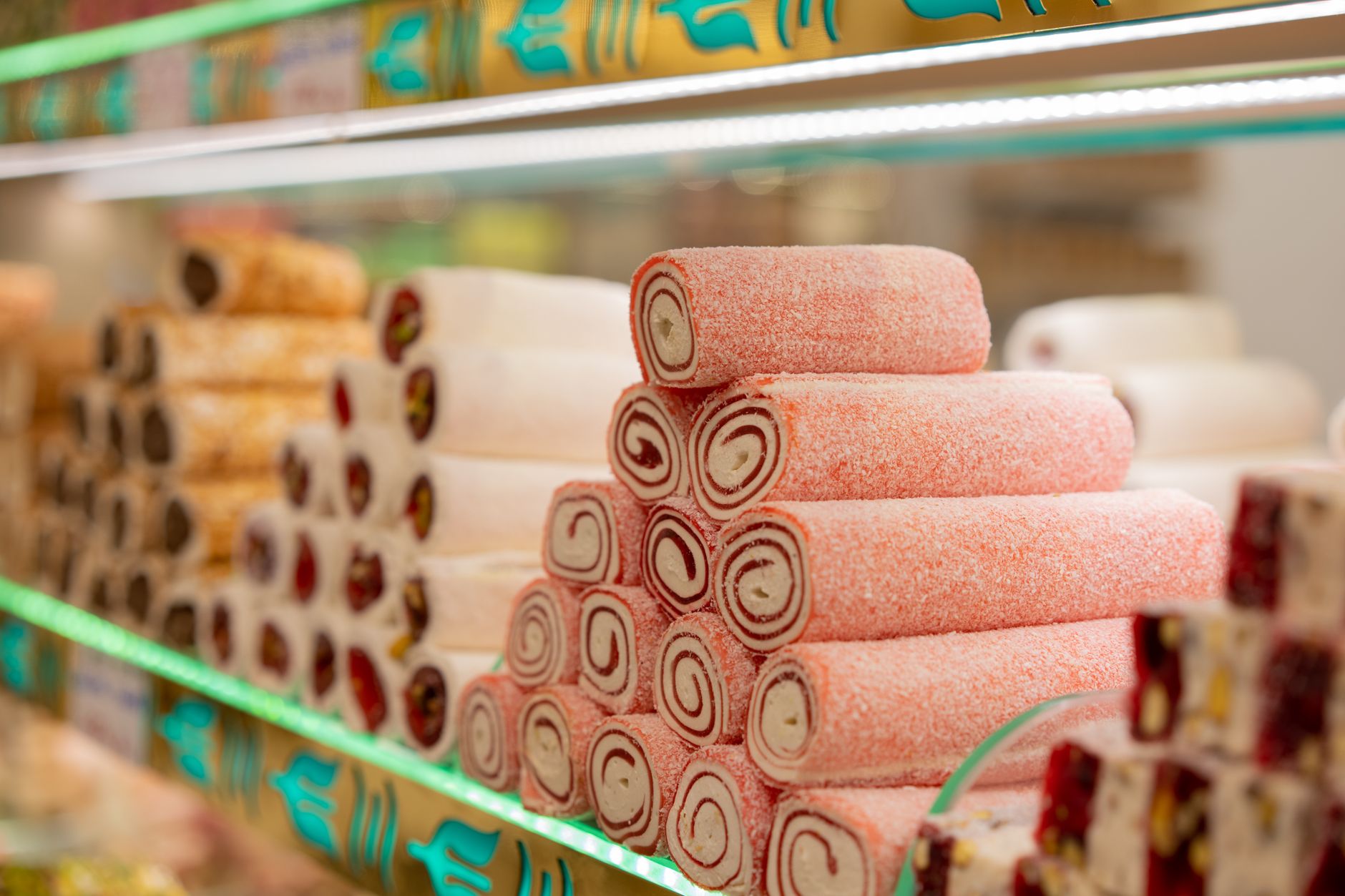
Turkish Delight (Lokum): From Palace to Bazaar
No dessert trail is complete without lokum, known in the West as Turkish delight. Originating in the Ottoman palace in the 18th century, lokum was originally a luxury confection made with honey, rosewater, and starch. It was so prized that it was used as a diplomatic gift, wrapping handkerchiefs of lokum for foreign envoys.
Today, lokum comes in countless flavors: rose, lemon, mastic, pomegranate, and even chocolate-covered. The best lokum is soft, chewy, and not overly sweet, with a slight resistance when bitten. In Istanbul, Hacı Bekir (est. 1777) is the most famous name, with shops in Eminönü and Beyoğlu. Their rose and mastic lokum are classics. For a modern twist, try Cem Karakaya in Kadıköy, where inventive flavors like sour cherry and pistachio are made with premium ingredients.
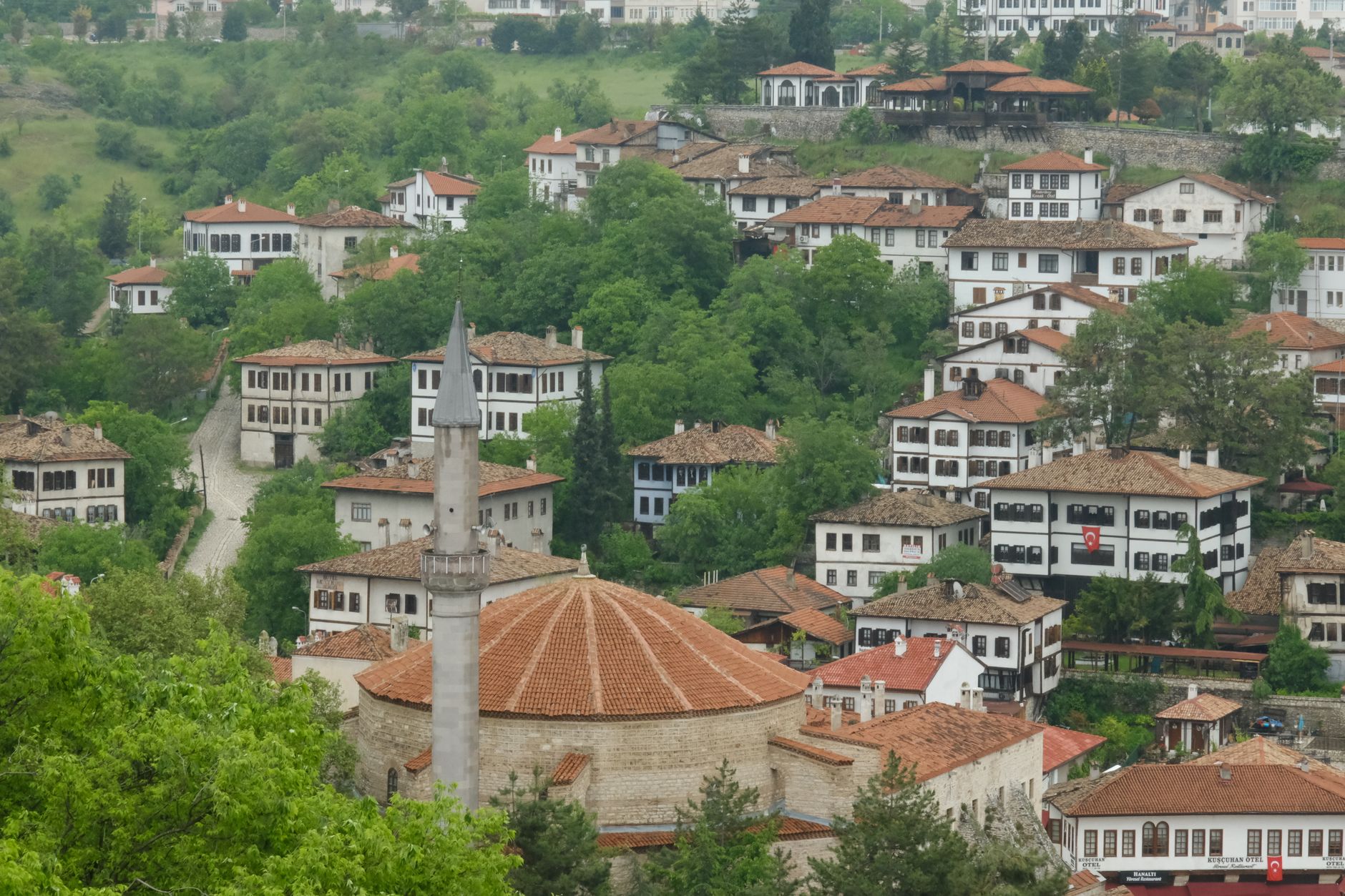
But to experience lokum's village roots, head to Safranbolu, a UNESCO World Heritage town known for its traditional lokum. Here, local producers still use copper cauldrons and natural fruit extracts. The town's narrow streets are lined with shops offering free tastes, and you can watch the cooking process in some workshops. Safranbolu lokum is often less sweet and more aromatic, with a distinct rose or mastic scent.
When buying lokum, avoid the brightly colored, artificially flavored blocks found in tourist traps. Instead, look for shops that make it fresh daily and use natural ingredients. Ask for a sample—good lokum should be soft, not rubbery, and should melt slowly in your mouth.
Village Co-ops and Fruit Preserves: The Heart of the Trail
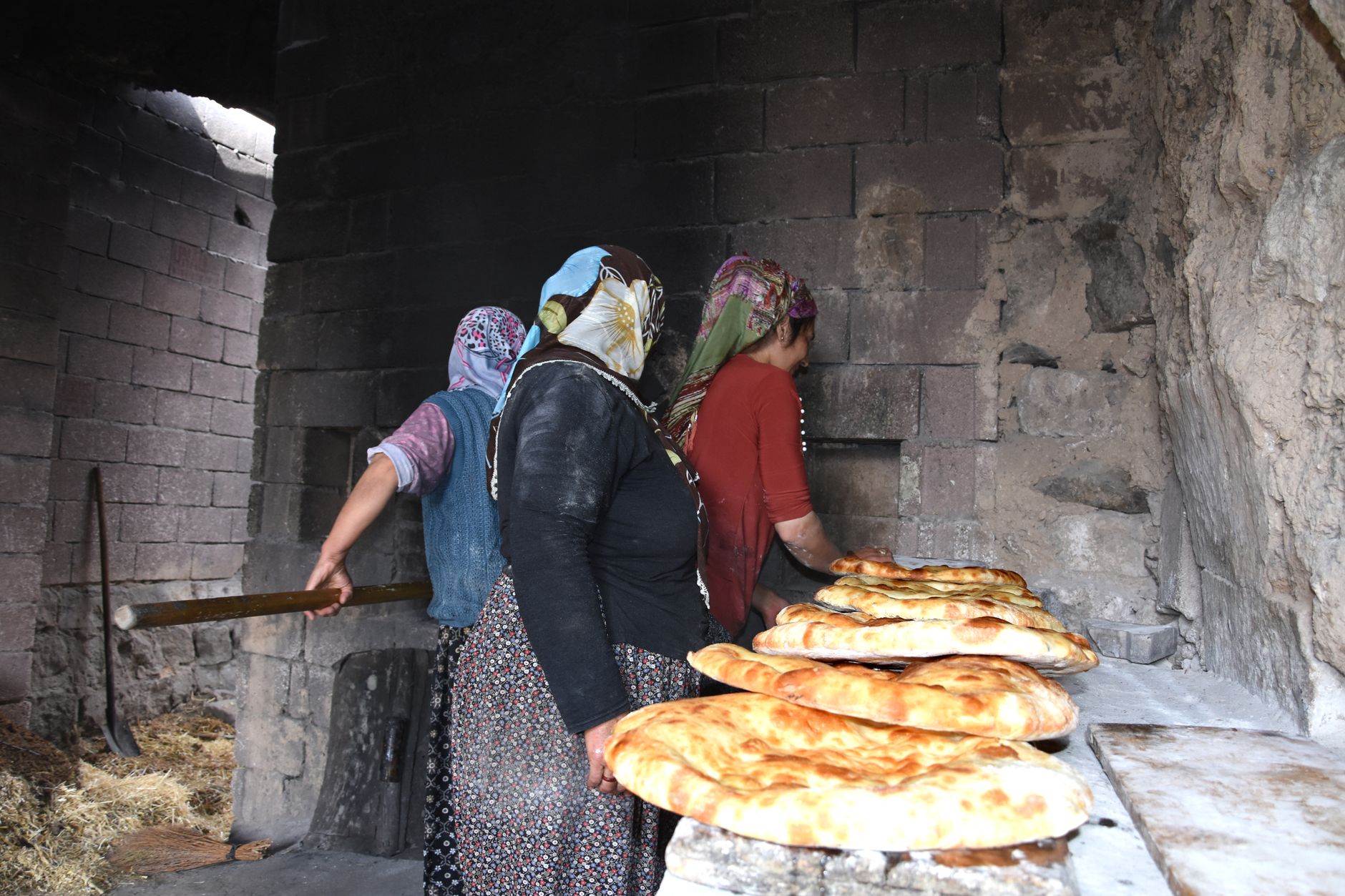
The most authentic—and heartwarming—part of Türkiye's dessert trail is its village cooperatives. Across Anatolia, women's co-ops produce fruit preserves (reçel) using traditional methods, often selling them at local markets or directly from their homes. These preserves are not just food; they are a way to preserve heritage, support families, and share hospitality.
In the Aegean region, fig preserves are a specialty. The town of Selçuk, near Ephesus, is famous for its fig reçel, made from sun-ripened figs and simmered with sugar and lemon. The result is a thick, amber jam with whole or halved figs that burst with flavor. Visit the Selçuk market on Saturdays to find co-op stalls selling jars of fig, apricot, and sour cherry preserves. The women behind the stalls are often the makers, happy to share their recipes and stories.
On the Black Sea coast, try rose preserves from Isparta, or green walnut preserves (ceviz reçeli) from the same region. Green walnuts are harvested in early summer, soaked to remove bitterness, then cooked in syrup with cloves and cinnamon. The result is a dark, spicy preserve that pairs beautifully with cheese. In the southeast, eggplant preserves (patlıcan reçeli) are a surprising delight—sweet, smoky, and perfect with yogurt.
Other must-try preserves include: quince (ayva reçeli) from Bursa, pumpkin (kabak reçeli) from the Aegean, and watermelon rind (karpuz kabuğu reçeli) from the Mediterranean. Each co-op has its own twist, often adding rosewater, vanilla, or nuts. Buying directly from co-ops ensures your money goes to local communities and that you're getting small-batch, high-quality products.
Practical Tips: Where to Taste and What to Buy
Istanbul: Start at the Spice Bazaar for helva and lokum, then visit Hacı Bekir and Altan Şekerleme. For a modern take, go to Cem Karakaya in Kadıköy. Don't miss the weekly organic markets in Feriköy or Kadıköy for co-op preserves.
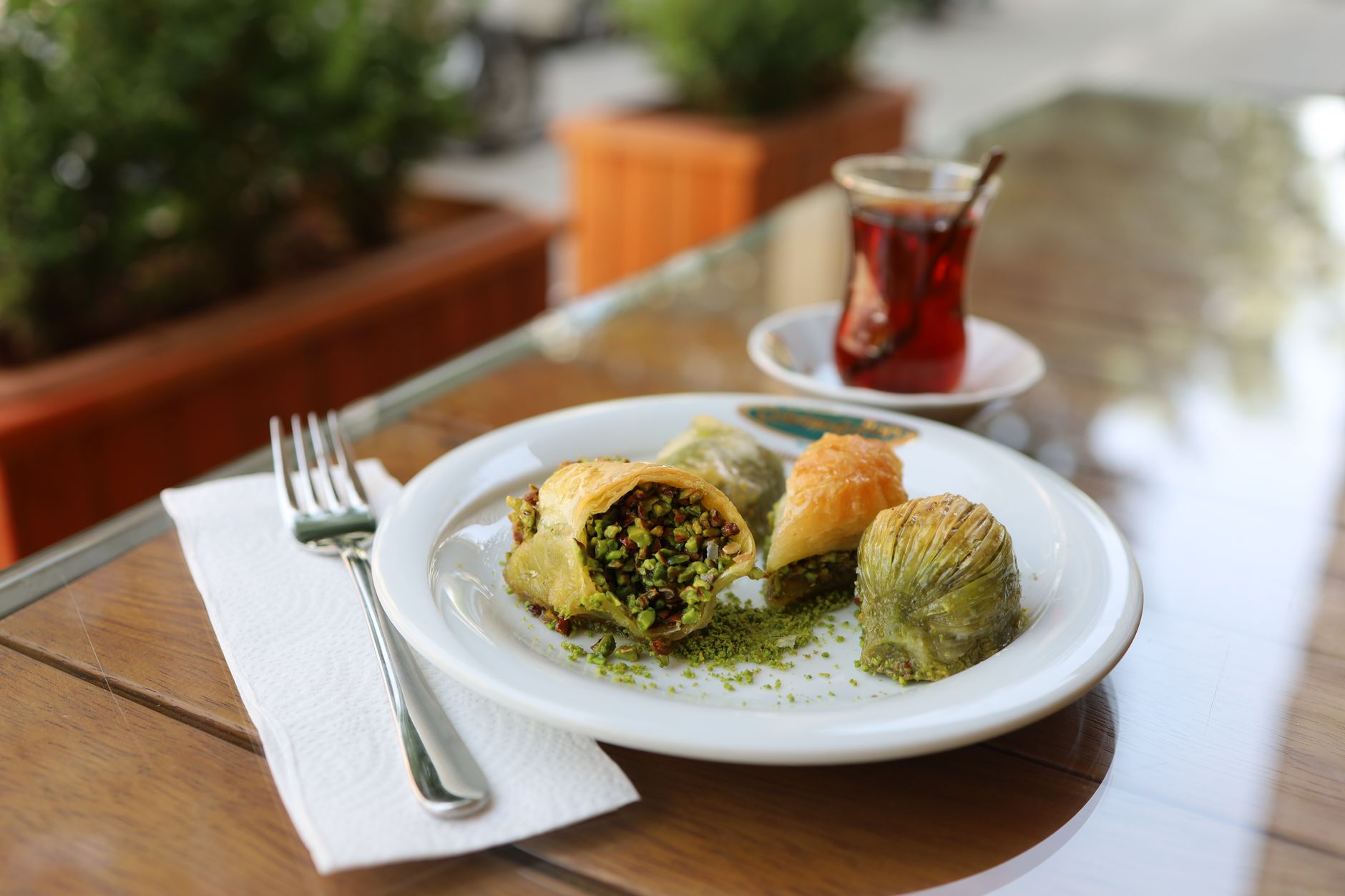
Gaziantep: The city is a dessert paradise. Visit Koçak Helva, Helvacıoğlu, and the Pistachio Market. Try künefe and baklava, but save room for pistachio helva.
Şanlıurfa & Mardin: Explore the markets for tahini helva and local lokum. In Mardin, try the almond helva and buy from small shops in the old city.
Aegean Coast: In Selçuk, visit the Saturday market for fig and other preserves. In İzmir, the Kemeraltı Bazaar has excellent lokum and helva shops.
Safranbolu: Walk the old town and taste lokum in the many shops. Buy directly from producers for the best quality.
When shopping, look for these signs of quality: natural colors (not neon), simple ingredient lists, and local packaging. Ask for vacuum-sealed packs for travel. Many shops offer international shipping if you fall in love with something too heavy to carry.
Packing and Bringing Sweets Home
Bringing Turkish sweets home requires a bit of planning. Helva and lokum are generally fine in checked luggage if vacuum-sealed. Preserves in glass jars should be wrapped in bubble wrap and placed in a sturdy box. Remember that liquids over 100ml are not allowed in carry-on, so pack preserves in checked bags.
Check your country's customs regulations: most allow processed sweets and preserves for personal use, but some restrict honey or fresh fruit products. Always declare any food items. For helva and lokum, keep them in a cool, dry place; they last for weeks. Preserves should be refrigerated after opening.
To keep sweets fresh during travel, consider buying them at the end of your trip. In Istanbul, the airport has reputable shops like Hacı Bekir and Güllüoğlu, but prices are higher. For the best selection and value, buy from local markets and bazaars. If you're worried about space, many shops offer flat-rate shipping to your home country.
Finally, think of these sweets as edible souvenirs that share a story. Each jar of fig preserve or box of helva carries the labor of village co-ops and the legacy of Ottoman masters. When you serve them at home, you're not just offering a treat—you're sharing a piece of Türkiye's nomadic dessert trail.
Seasonal Sweet Travel: When to Go for What
Timing your trip can enhance your dessert trail. Spring (April–May) is ideal for fresh lokum and the start of fruit preserve season, with green walnut and rose preserves appearing. Summer (June–August) brings fresh figs, apricots, and berries, and you can visit villages during fruit harvest. Many co-ops offer workshops and tastings during this time.
Autumn (September–October) is the peak for fig and quince preserves, as well as grape molasses production. The Aegean and southeastern regions are bustling with harvest activities. Winter (November–February) is best for helva, which is often associated with cold weather and religious observances like Mevlid. In Istanbul, you'll find special winter helva varieties with cinnamon and clove.
Ramadan and Eid are also special times for sweets. During Ramadan, helva and lokum are enjoyed at iftar, and many shops offer special gift boxes. Eid al-Fitr (Şeker Bayramı) is literally the "Festival of Sweets," when families exchange lokum and chocolates. If you can time your visit around these holidays, you'll experience Turkish dessert culture at its most vibrant.
No matter when you go, the dessert trail is open. The warmth of Turkish hospitality ensures that a taste of helva or a spoonful of preserve is never far away. So pack your sweet tooth and a sense of adventure—Türkiye's nomadic dessert trail is waiting to be savored.
Thinking about a trip to Turkey?
Share your contact details and a vetted local expert will follow up with a plan built around you — free, no obligation.