

A Land at the Edge of the Map
There is a place in Türkiye where the sky feels taller than anywhere else, where the wind carries the smell of snow even in June, and where history is not kept behind glass but scattered openly across the ridges and ravines. This is the northeast: Kars, the ancient ghost city of Ani, and the highland villages that dot the cold plateaus toward the Armenian and Georgian frontiers. Few travelers come here, and almost everyone who does leaves changed.
Kars has long been a crossroads, a fortress town where empires met, clashed and left their fingerprints behind. Russians built wide boulevards and Baltic-style stone mansions here in the nineteenth century; Ottomans, Seljuks and Armenians shaped the centuries before. The result is a city of handsome avenues, crumbling bathhouses and a castle that watches over everything with patient, weathered eyes. To walk its streets slowly is to read a book written in a dozen alphabets.
Then there is Ani, forty-five kilometers east on the windswept plain. Once a capital of medieval Armenia and a Silk Road metropolis of a hundred thousand souls, it now stands abandoned, its churches and caravanserais half-swallowed by grass and sky. Standing among those fragile arches, with the Akhurian River carving a gorge between two nations, you may find yourself whispering. That is the correct response. This guide is for slow explorers who want to feel the northeast rather than rush through it.
If you are mapping a longer route across the country, our curated routes and in-depth guides will help you place this corner in the larger story of Türkiye.
The Eastern Express: Arriving by Rail
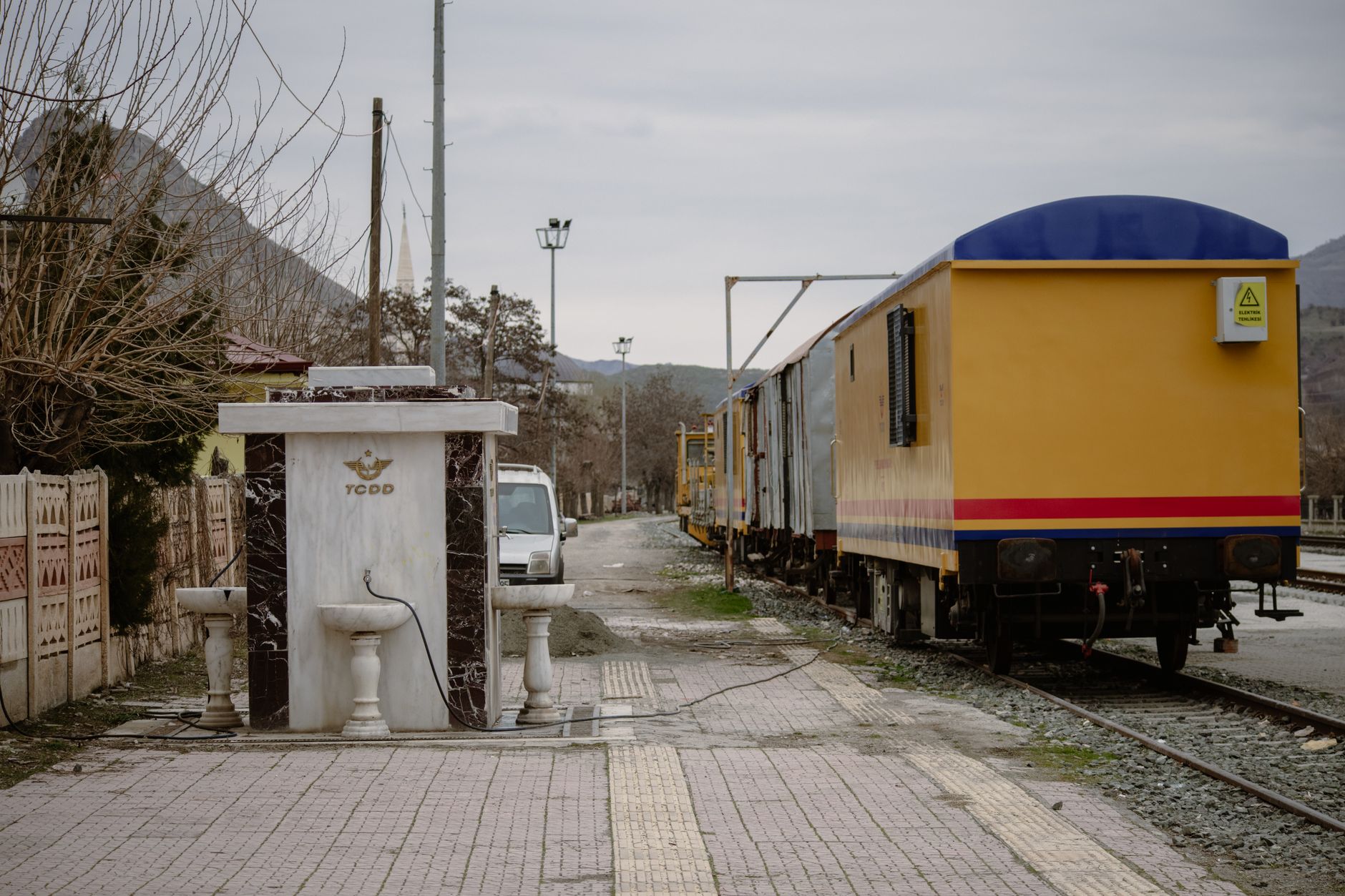
The journey itself is the first wonder. The Doğu Ekspresi, the Eastern Express, departs from Ankara and grinds east for roughly twenty-four to twenty-six hours, crossing the Anatolian plateau and then climbing into a landscape of snow fences, frozen rivers and lonely stations that seem to have been built for no one. This is not travel as efficiency; it is travel as pilgrimage.
Book a sleeper compartment early, especially for departures between November and March, when the train becomes a beloved winter adventure and seats vanish weeks ahead. A private couchette for one or two travelers is comfortable, warm and worth the modest extra cost. Bring slippers, snacks, a thermos and, above all, time. The windows turn into a moving cinema: pale steppe giving way to pine forest, then to highland villages where shepherds watch the train pass as their grandfathers did.
For those who prefer daylight and shorter rail hops, several slower regional services connect Erzurum, Kars and the border stations, while the TCDD Taşımacılık national rail site publishes current timetables and online booking. Winter trains can be delayed by snow, so keep your first evening in Kars flexible. And if you would rather combine rail with road transfers and village stays, the planners on our local experts page can stitch the logistics together.
The arrival is unforgettable. As the train eases into Kars station beneath a massive stone facade, the cold air pours in through the carriage doors, and you step out into a city that smells of coal smoke, butter and diesel. You are more than a thousand kilometers from Istanbul. It feels like another world, because it is.
Kars: The Handsome City of Stone and Snow
Give Kars at least two full days before you even think about Ani. Begin at the castle, a compact Seljuk-Ottoman fortress perched above the river, and walk down through the old quarter of balconied houses, onion-domed mosques and the haunting, roofless shell of the Church of the Apostles, now used as a cultural space. The nearby hamams, bridges and Russian-era barracks make the center feel like a museum you can live inside.
The Russian legacy is unmistakable: long grid avenues lined with pale masonry townhouses, many restored, many gently decaying. Wander Ortakapı and Cumhuriyet streets in the late afternoon light, when the stone turns gold. Sample the city's signature foods at family-run lokantas: tangy Kars kaşar cheese served at breakfast with honey and thick bread, deeply flavored veal stews, and the extraordinary local honey that comes from wildflowers growing at altitude. The cheese alone deserves a paragraph of praise: firm, salty-sweet and rich in a way that industrial kaşar rarely is, often sold by the wheel in the market.
Mornings are for the market and the bazaar; afternoons for the museum, the castle and slow tea on the boulevard. Evenings bring the smell of wood stoves and the sound of the call to prayer echoing off the snow. Winter here is brutal and beautiful, with temperatures plunging well below freezing; do not attempt it without serious layers, boots with grip and a hat that covers your ears. Our seasonal guide explains the trade-offs between the frosted majesty of January and the wildflower green of July.
Ani: The City of a Thousand and One Churches
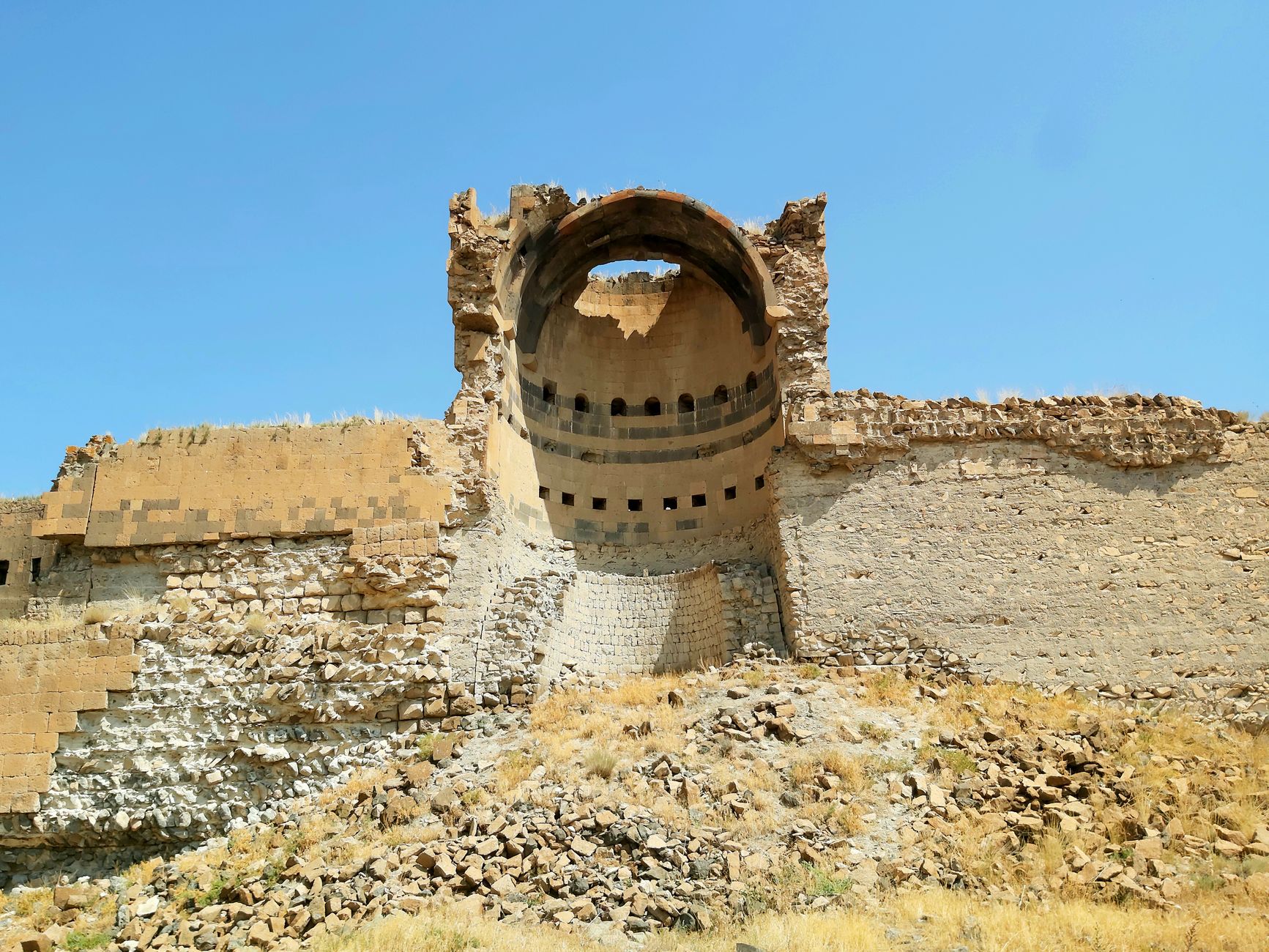
Nothing prepares you for Ani. After a drive across the plain, the earth simply opens into a deep gorge, and across it the ruins rise: a cathedral with a collapsed roof, a slender minaret, a fortified mosque, crumbling city walls and scattered chapels standing alone in the grass, all with Mount Ararat's snows sometimes ghosting the horizon. The city was once called the City of a Thousand and One Churches. Today perhaps a few dozen monuments remain, but they are enough to stop your breath.
Walk slowly and with imagination. The Cathedral of Ani, begun in the tenth century, shows how Armenian architects experimented with pointed arches long before Gothic builders in Europe. The Church of the Redeemer, split cleanly in half by lightning and earthquake, stands like a broken tooth against the sky. The Seljuk-built Menuçehr Mosque reminds you that this was a cosmopolitan place, home to Christians of several confessions, Muslims, merchants and artisans of the Silk Road.
Practicalities matter at such an exposed site. There is little shade and ferocious wind, so bring water, a hat in summer, and a windproof shell in every season. The site is open daily during daylight hours, with a modest ticket; check current details through the official Turkish museums portal before you go. Respect the roped-off areas, never climb fragile walls, and remember that this is a place of deep meaning for Armenians and Turks alike. A local guide transforms the visit, connecting stones to stories.
Highland Villages and the Slow Life Beyond the City
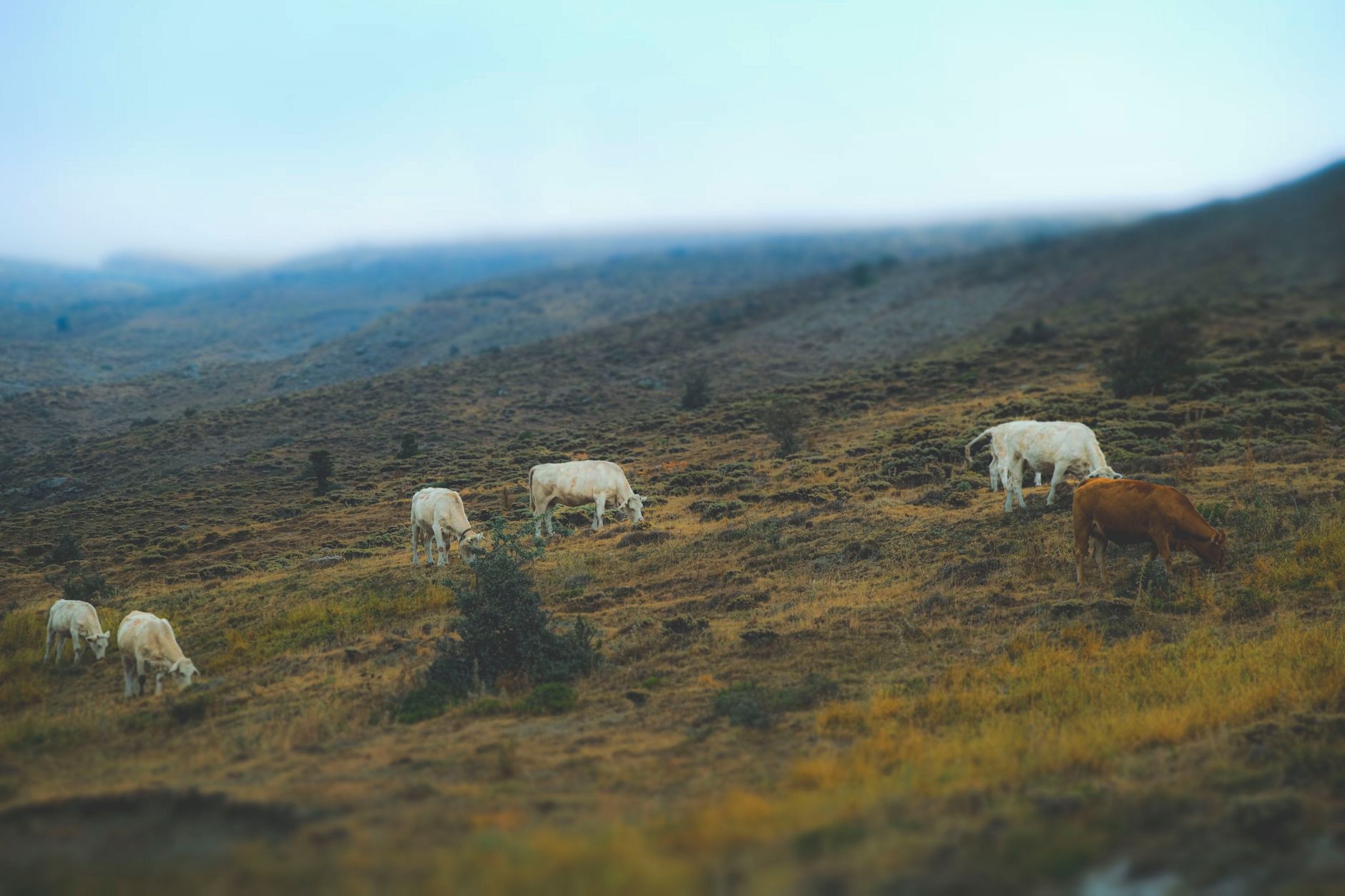
The real northeast begins where the roads thin out. Travelers with a car or a hired driver can spend sunlit days among villages that dot the highlands toward Çıldır Lake and the Georgian border, where cattle graze at two thousand meters and women weave, bake and preserve everything for winter. Çıldır Lake itself, frozen solid in deep winter and ripple-blue in summer, is fringed by meadows and reed beds alive with birds.
Village hospitality is the heart of the region. Accept the tea, the cheese, the jam, the invitation to sit by the stove. Stay in simple pensions or restored village houses where possible, because tourism here is still small and personal, and every traveler who lingers helps keep it that way. Bring small gifts if it feels natural. Learn a few words of Turkish. Be curious about how hay is stacked, how winter supplies are stored, how a shepherd reads the sky.
This is also a region for gentle adventure: hiking the gorge trails around Ani, riding horses on the highland tracks, cross-country skiing in the snowier months, and birdwatching as the seasons turn. For inspiration on building these experiences into a wider trip, browse our itinerary ideas and destination profiles.
When to Go: Winter versus Summer
The northeast has two personalities. Winter, roughly December through March, delivers deep snow, the famous frozen train journey, and a Kars that feels like a scene from a Russian novel. Days are short and cold, transport can be disrupted, but the landscapes are transcendentally beautiful and the hotels, cafes and cheese shops are cozy beyond measure. Bundle up, wear layers, and keep plans loose.
Summer, from June to early September, brings green plateaus, wildflowers, long daylight hours and comfortable temperatures that make Ani and the villages a joy to explore on foot. Afternoon thunderstorms are common, so start early. Spring and autumn are short and unpredictable but reward travelers with golden light and fewer visitors. Whatever season you choose, the altitude is high and the sun is strong: sunscreen and water are non-negotiable.
If you are unsure, our best-time guide and travel tools can help you match the region's moods to your own. Many slow explorers return twice, once for the snow and once for the wildflowers, and both times with a suitcase full of Kars kaşar.
"Kars does not perform for visitors. It simply waits, with its stone streets, its snow and its vast sky, for those willing to arrive slowly."
The northeast of Türkiye is not a checklist destination. It is a place to linger, to listen, and to let the quiet change you. Come in winter for the train and the hush. Come in summer for the ruins and the highlands. Either way, come prepared to be awed. And before you leave, consult our frequently asked questions for the small details that make a big difference on the ground.
Thinking about a trip to Turkey?
Share your contact details and a vetted local expert will follow up with a plan built around you — free, no obligation.