

As the sun dips below the Taurus Mountains and the last glow of twilight fades, Türkiye reveals a hidden treasure: some of the darkest, clearest night skies in the Mediterranean basin. From the pine-clad slopes of Antalya to the vast highlands of Erzurum, a growing community of astronomers, observatories, and dark-sky advocates invites travellers to look up and marvel. Whether you're a seasoned astrophotographer or a curious family, Türkiye's night skies offer a profound connection to the cosmos.
Antalya: Where the Mountains Meet the Milky Way
The Antalya region, famous for its turquoise coast and ancient ruins, is also home to TÜBİTAK National Observatory (TUG), perched atop Bakırtepe at an elevation of 2,500 metres in the Beydağları mountains. This scientific hub operates multiple telescopes, including a 1.5-metre Russian-Turkish telescope, and regularly hosts outreach events that welcome the public. During these events, visitors can peer through professional instruments and learn about ongoing research on exoplanets, variable stars, and galaxies.
Beyond the observatory, the surrounding mountains provide excellent dark skies for independent stargazing. The Tünektepe Teleferik, west of Antalya city, offers a panoramic viewpoint where the city lights fall away and the constellations emerge. For a truly immersive experience, consider a night hike or camp in the Güllük Dağı-Termessos National Park, where ancient ruins stand silent beneath a canopy of stars. The combination of history and astronomy is magical.
Spring and autumn are ideal for stargazing in Antalya, with mild temperatures and lower humidity. The Perseid meteor shower in August is a special treat, though summer nights can be warm and hazy near the coast. Head inland and uphill for the best visibility. Local astronomy clubs, such as the Antalya Astronomical Society, often organise public star parties in locations like Karaöz or Adrasan, where the Milky Way arches over the sea.
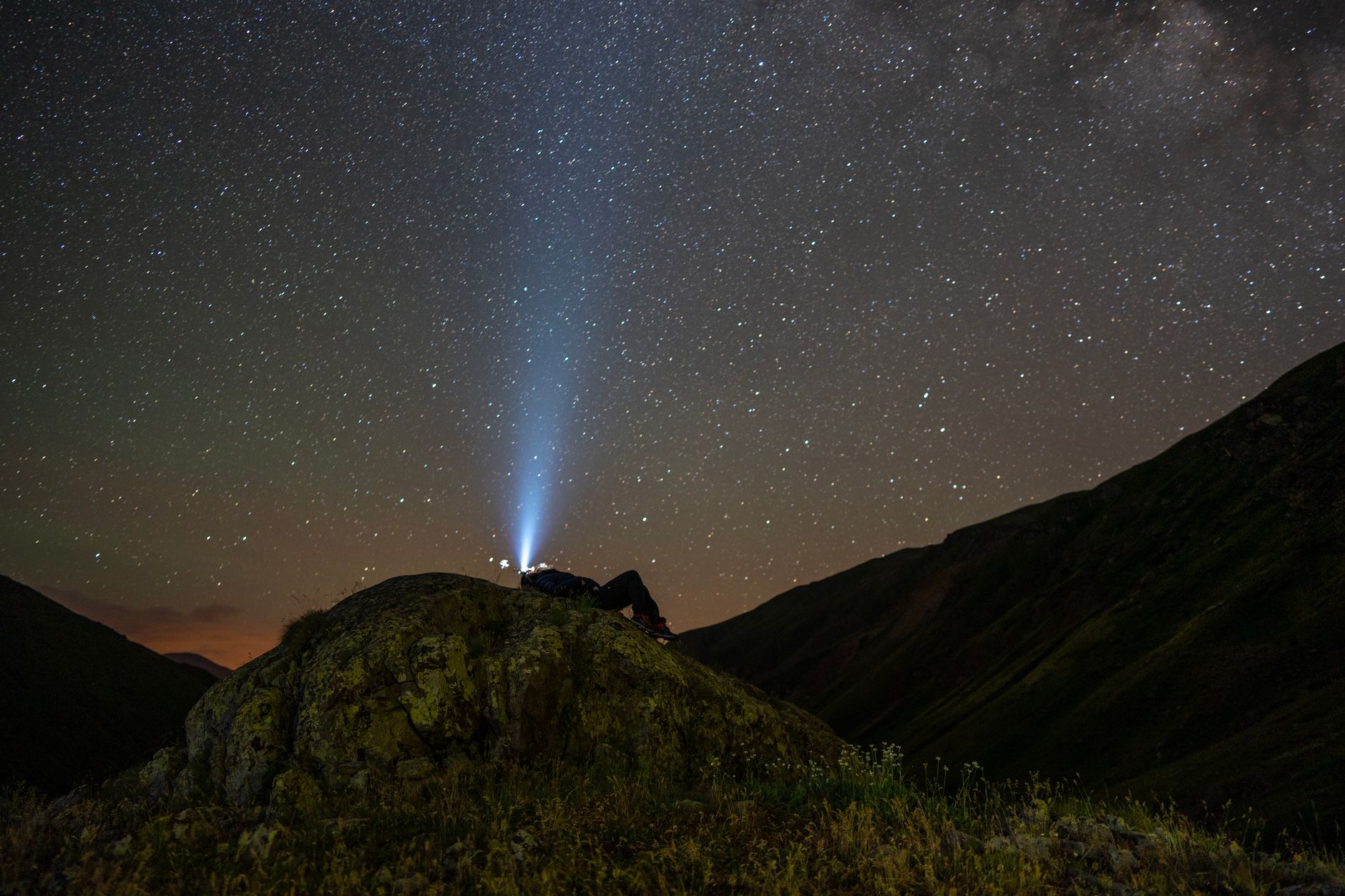
Erzurum: Gateway to Türkiye's Darkest Skies
If you seek the darkest skies in Türkiye, look no further than Erzurum. This high-altitude province in eastern Anatolia boasts clear, dry air and minimal light pollution. The Atatürk University Observatory in Erzurum is a centre for astronomical research and public outreach. Its location at 2,000 metres ensures superb seeing conditions, and the university's astronomy club frequently arranges observation nights for students and visitors alike.
For an unforgettable experience, venture to the nearby Palandöken Mountains or the remote district of Şenkaya, where the Bortle scale often reads 1 or 2—pristine darkness. Here, the Andromeda Galaxy is visible to the naked eye, and the zodiacal light glows faintly after sunset. Winter stargazing in Erzurum is a thrilling adventure, but be prepared for temperatures well below freezing. Dress in layers, bring a thermos of hot tea, and let the crisp air sharpen your view of Orion and the Pleiades.
The Erzurum Astronomy Club (Erzurum Astronomi Kulübü) organises regular star camps in the surrounding countryside, often in collaboration with TÜBİTAK. These events are open to the public and provide telescopes, guidance, and a warm community spirit. Check their social media for schedules, especially around major meteor showers like the Geminids in December or the Quadrantids in January.
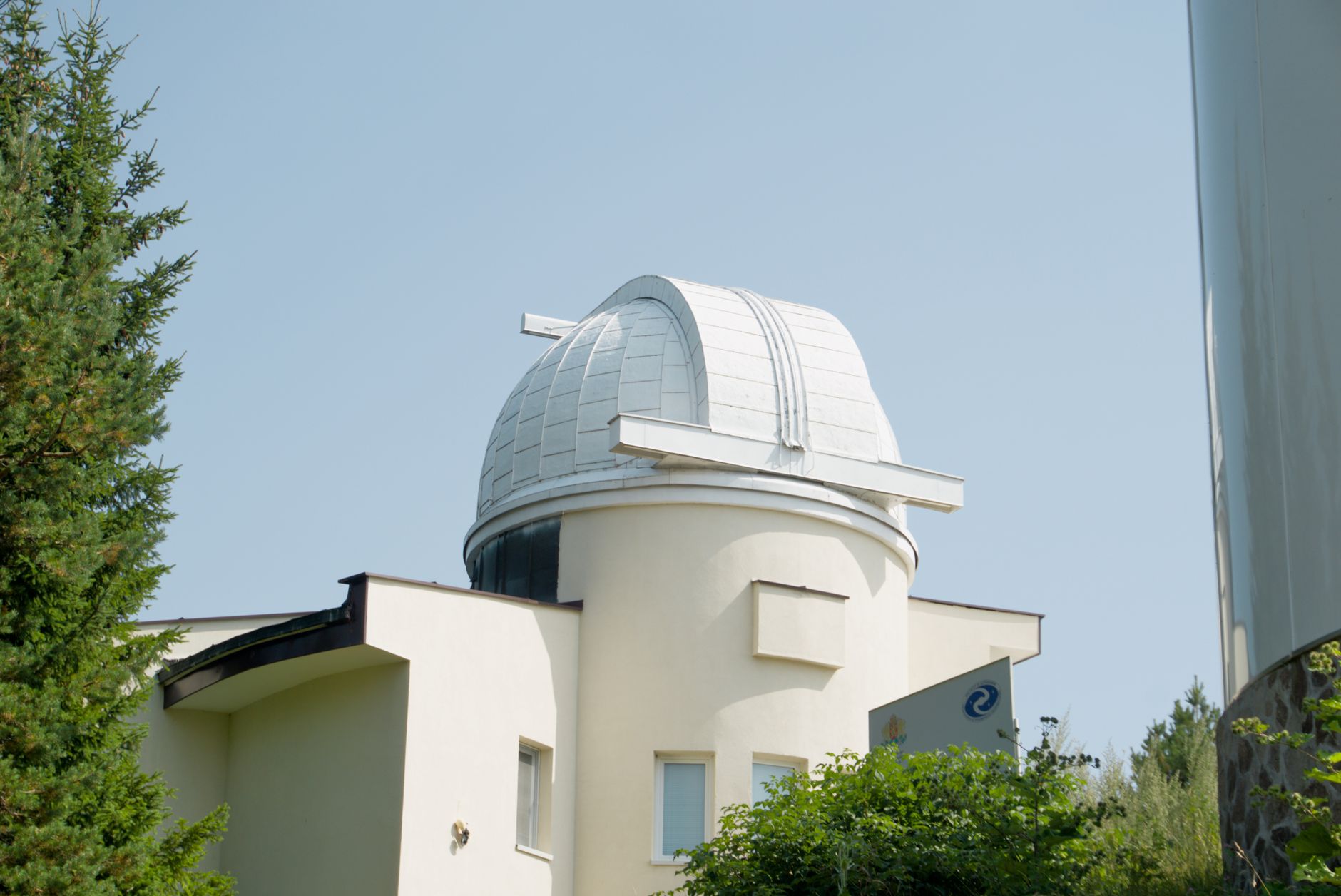
TÜBİTAK Observatory Outreach: Science for Everyone
TÜBİTAK, Turkey's scientific and technological research council, operates several observatories and actively promotes public engagement. The National Observatory in Antalya hosts open days, workshops, and star parties throughout the year. These events are designed to demystify astronomy and share the wonder of the universe. Visitors can attend lectures by researchers, learn to use telescopes, and even participate in citizen science projects.
In addition to Antalya, TÜBİTAK supports the Eastern Anatolia Observatory (DAG) near Erzurum, home to Turkey's largest telescope, a 4-metre infrared instrument. While DAG is primarily a research facility, its outreach team organises periodic public tours and astronomy festivals. The DAG site, at an altitude of 3,170 metres on Karakaya Peak, offers breathtaking views of the night sky and is a testament to Turkey's growing role in global astronomy.
For travellers, these outreach events are a unique opportunity to meet Turkish astronomers and enthusiasts. They are typically free or low-cost, and no prior knowledge is required. Keep an eye on TÜBİTAK's website and local university announcements for upcoming events. Many are conducted in Turkish, but English-speaking staff are often available to assist international visitors.
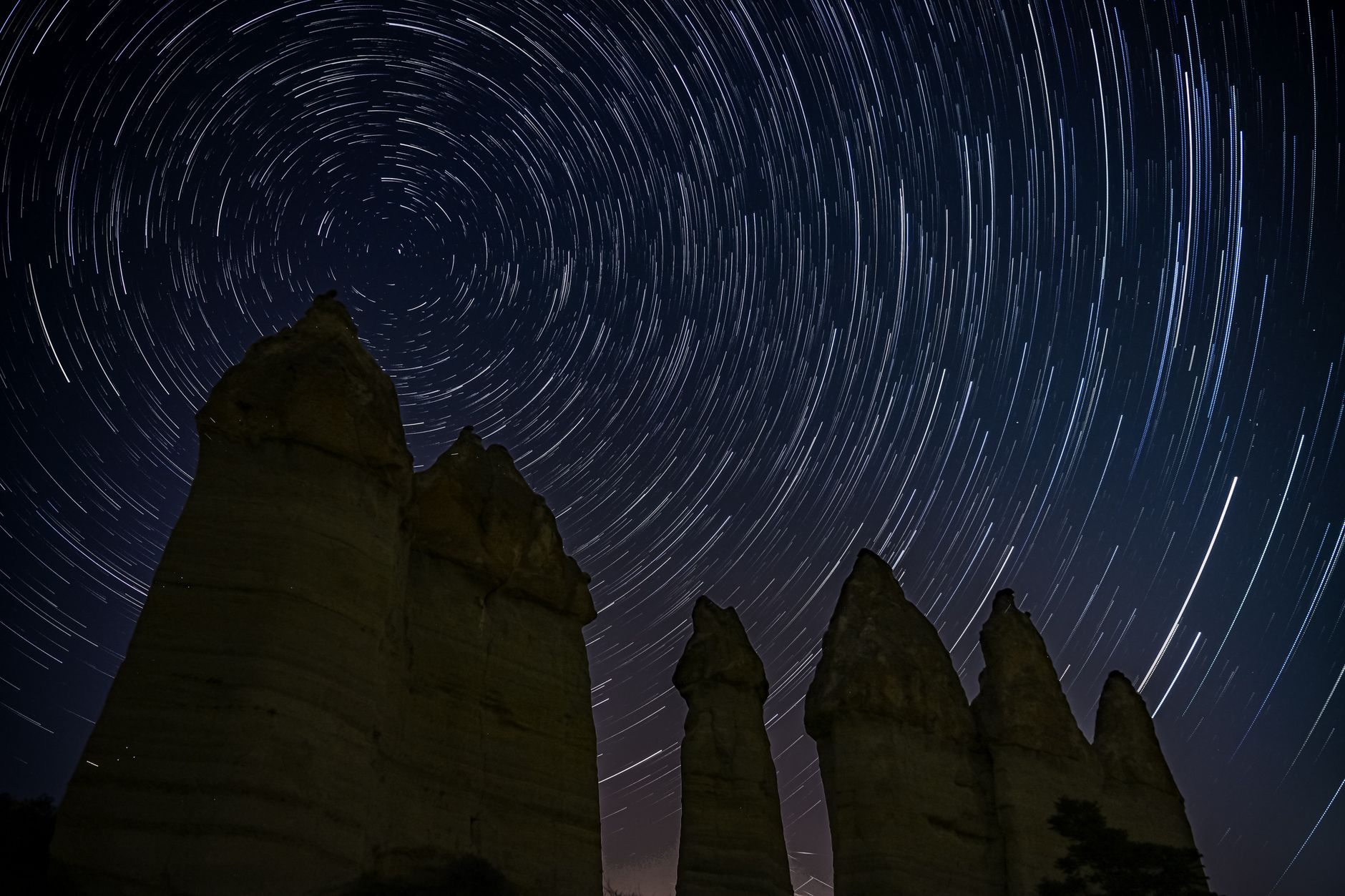
Dark-Sky Destinations Across Türkiye
While Antalya and Erzurum are premier stargazing hubs, other regions of Türkiye also offer exceptional night skies. The Cappadocia region, with its surreal landscapes, is a favourite for stargazing. The remote valleys and cave hotels provide a magical setting, though light pollution from towns is increasing. For darker skies, head to the Ihlara Valley or the Soğanlı Valley, where the Milky Way shines brightly over fairy chimneys.
In the southeast, the Mesopotamian plains around Mardin and Şanlıurfa offer desert-edge camps with wide-open horizons. The ancient city of Göbekli Tepe, a UNESCO World Heritage Site, is not only an archaeological wonder but also a place to ponder the ancient connection between humans and the stars. Local guides can arrange night visits, though official dark-sky events are rare.
Along the Lycian Way in the southwest, the Taurus Mountains meet the sea, creating perfect conditions for coastal stargazing. The area around Kaş and Kalkan has several secluded campsites and boutique hotels that cater to astronomy enthusiasts. The Lycian Way is also a great place for night hiking under the stars, but always prioritise safety and use red-light torches to preserve night vision.
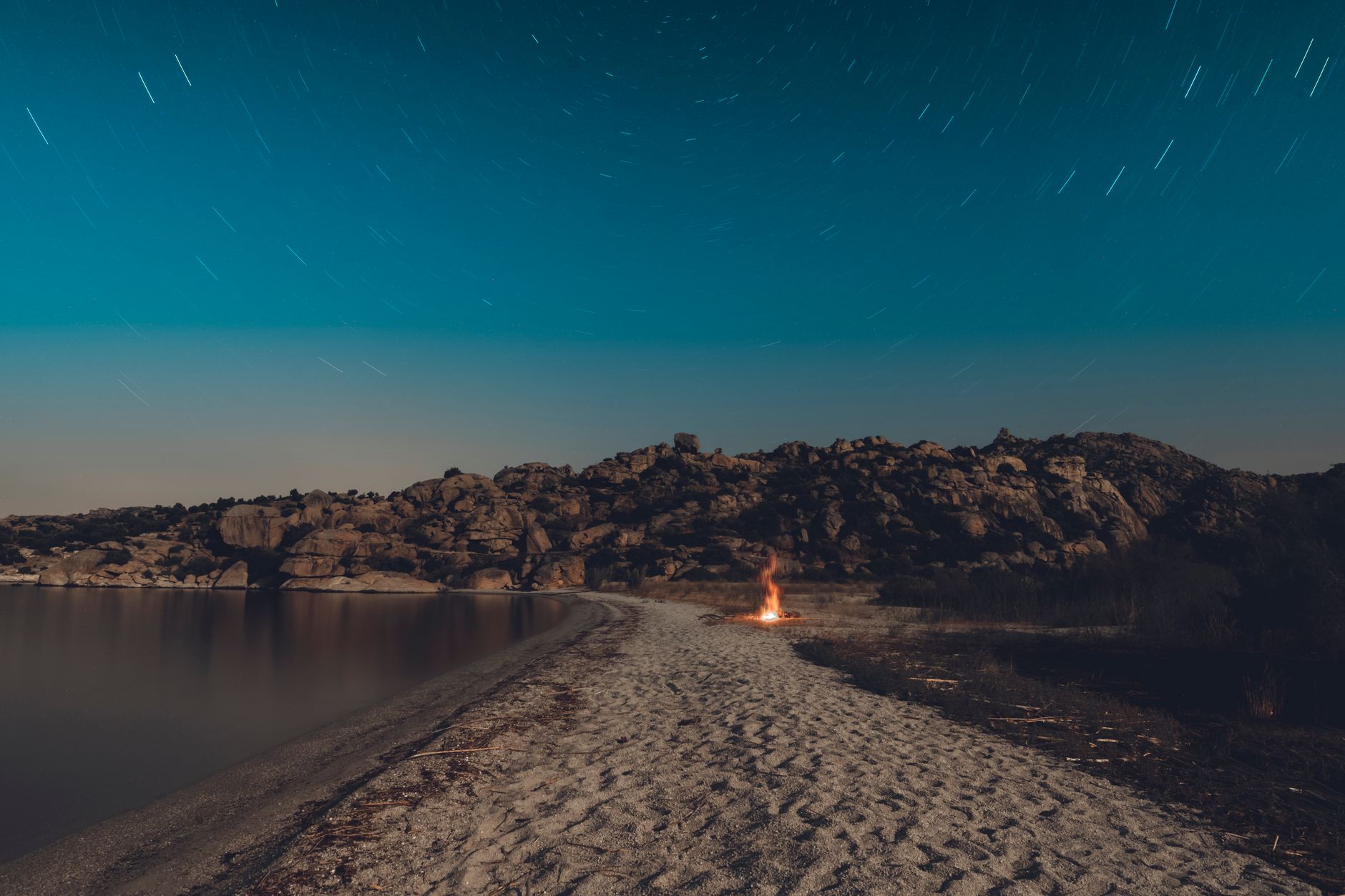
Practical Tips for Stargazing in Türkiye
To make the most of your stargazing adventure, timing is everything. Check the moon phase before you go: a new moon provides the darkest skies. Moonrise and moonset times vary, so plan to observe during the window when the moon is below the horizon. Apps like Stellarium or SkySafari can help you navigate the night sky and identify constellations, planets, and deep-sky objects.
Weather is another crucial factor. Türkiye's interior and eastern regions have more clear nights than the humid coasts. Summer offers warm temperatures but shorter nights, while winter provides long nights but extreme cold in the highlands. Spring and autumn strike a balance, with comfortable temperatures and good visibility. Always check local forecasts and be prepared for sudden changes, especially in mountainous areas.
Dressing in warm layers is essential, even in summer. Temperatures can drop rapidly after sunset, particularly at altitude. Bring a hat, gloves, thermal underwear, and a windproof jacket. A reclining camping chair or a blanket will keep you comfortable while you gaze upward. Red-light headlamps are a must to preserve your night vision and that of others around you.
For astrophotography, a sturdy tripod, a wide-angle lens, and a camera with manual settings are recommended. Practice focusing on bright stars before it gets fully dark. If you're new to astrophotography, join a local astronomy club outing—members are often happy to share tips and let you try their equipment.
Astronomy Clubs and Community Welcomes Visitors
Türkiye's astronomy clubs are known for their warmth and enthusiasm. Many clubs, such as the Istanbul Astronomy Club, Ankara Astronomy Society, and İzmir Astronomy Association, organise regular star parties, lectures, and workshops. These events are open to the public, and international visitors are always welcome. It's a fantastic way to connect with locals who share a passion for the night sky.
University observatories, like those at Ege University in İzmir, Boğaziçi University in Istanbul, and Middle East Technical University in Ankara, also host public observing nights. These events often feature talks by astronomers and hands-on telescope sessions. Check their websites or social media for schedules. Some clubs offer English-language materials or translation, so don't hesitate to ask.
If you're travelling with children, look for family-friendly events. Many clubs organise special activities for kids, such as constellation storytelling and safe solar observing. The Turkish Astronomical Society (TAD) is a good resource for finding events nationwide. Their annual astronomy festival, usually held in a dark-sky location, attracts hundreds of enthusiasts and is a highlight of the year.
Embrace the Wonder of Türkiye's Night Skies
There is something profoundly humbling about standing under a sky so vast and ancient. In Türkiye, the combination of rich history, diverse landscapes, and a vibrant scientific community makes stargazing a deeply rewarding experience. Whether you're at a TÜBİTAK outreach event in Antalya, camping on an Erzurum plateau, or simply lying on a beach along the Lycian Way, the stars are waiting to tell their stories.
As light pollution grows worldwide, Türkiye's dark-sky oases are precious. By visiting and supporting local astronomy initiatives, you become part of a movement to preserve these nightscapes for future generations. So pack your warm layers, check the moon phase, and set your sights on the heavens. Türkiye's night sky is a wonder to behold—and it's closer than you think.
Thinking about a trip to Turkey?
Share your contact details and a vetted local expert will follow up with a plan built around you — free, no obligation.