

Imagine standing before a 3,600-year-old amphora, its surface still bearing the fingerprints of a Bronze Age potter. Picture glass ingots that once filled the hold of a ship that sank off the Lycian coast when Tutankhamun was pharaoh. Türkiye’s coastline is not just a riviera of turquoise bays and sun-drenched beaches; it is the world’s largest underwater archaeological park, a place where the story of maritime trade can be read like a book—layer by layer, wreck by wreck.
For travelers, this heritage is surprisingly accessible. The Bodrum Museum of Underwater Archaeology and the Antalya Museum display recovered treasures with world-class curation, while coastal archaeology centers in Bodrum, Kaş, and Antalya offer behind-the-scenes glimpses. And because the best way to understand ancient seafaring is to be on the water, you can pair museum visits with a Blue Cruise or a diving day among the very reefs that claimed these ships.
Why Türkiye Is the World's Premier Underwater Museum
The eastern Mediterranean and Aegean are a graveyard of ships—and a gift to archaeologists. Sheltered bays, treacherous reefs, and busy trade routes meant that for millennia, vessels carrying copper, olive oil, wine, glass, and marble met their end along the Turkish coast. Because the waters are relatively warm and oxygen-poor in deep zones, organic materials like wood and rope often survive where they would vanish elsewhere.
The result is an unparalleled timeline of seafaring. The Uluburun wreck, discovered near Kaş, dates to the 14th century BCE and is considered one of the most important Bronze Age finds ever made. The Cape Gelidonya wreck, slightly older in discovery but younger in date, proved that Bronze Age sailors were already crossing open water. Later, Byzantine and Ottoman wrecks—such as the Yenikapı ships excavated in Istanbul—show how trade and naval technology evolved.
What makes Türkiye special for visitors is that these finds are not locked away in inaccessible laboratories. Major museums have dedicated galleries, and several coastal centers allow you to see conservation in progress. You can literally watch a 2,000-year-old hull being treated, then step onto a boat and sail over the site where it was found.
Uluburun and Cape Gelidonya: The Stars of Bronze Age Trade
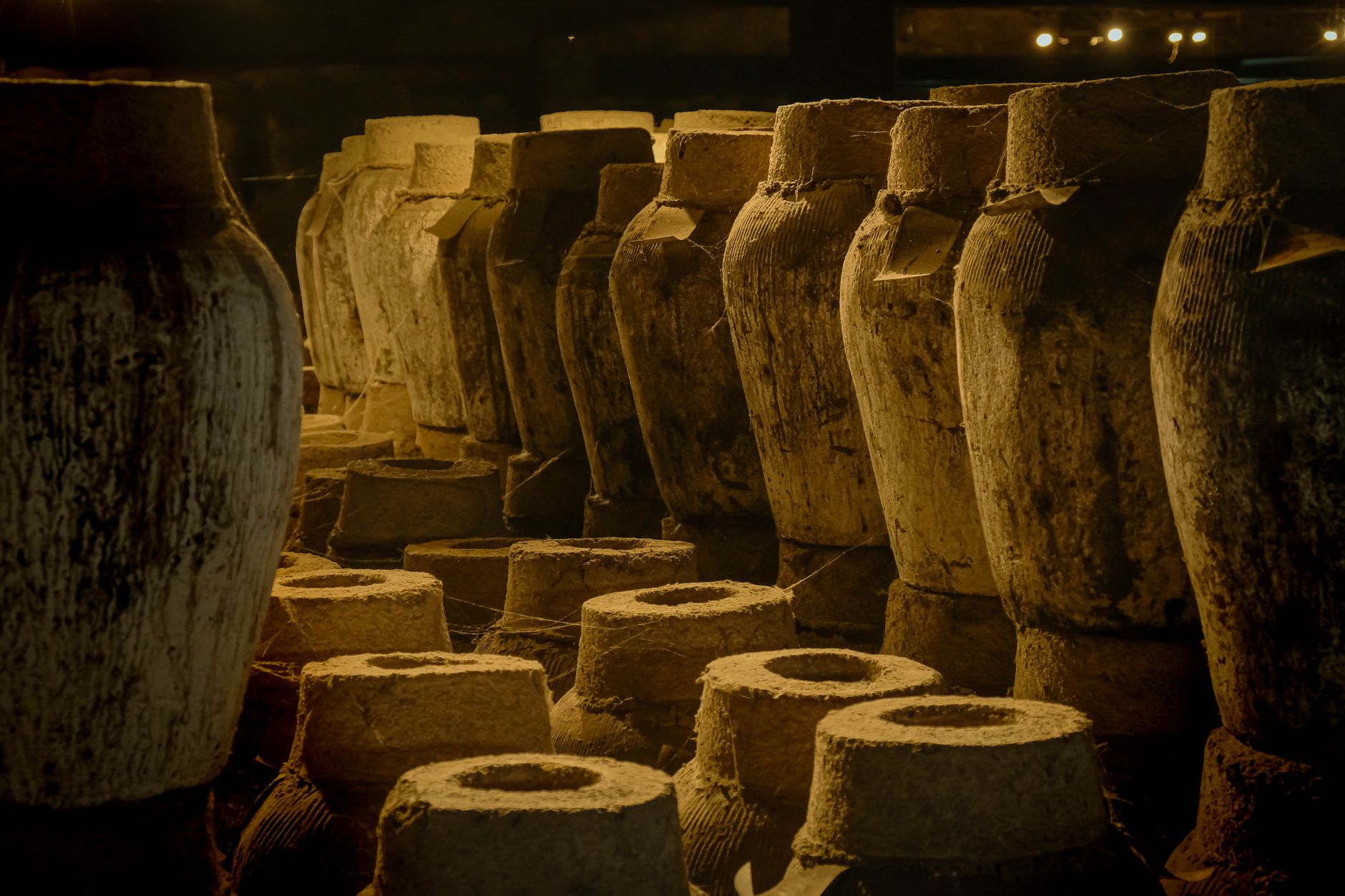
The Uluburun shipwreck is the crown jewel of Turkish underwater archaeology. Discovered by a sponge diver in 1982, it carried an astonishing cargo: ten tons of copper ingots, a ton of tin, ivory, ebony, ostrich eggshells, Canaanite jars, and the oldest known book—a wooden diptych with wax tablets. It sank around 1300 BCE, likely en route from Cyprus or the Levant to the Aegean.
Its treasures are now displayed in the Bodrum Museum of Underwater Archaeology, housed in Bodrum Castle. The museum’s Bronze Age gallery is a pilgrimage for history lovers. You can see the copper ingots stacked as they were found, the gold scarab of Nefertiti, and the delicate glass ingots that were once raw material for Mycenaean palaces. The curation is immersive, with reconstructed hull sections and models that bring the ship back to life.
Cape Gelidonya, discovered in 1960, was the first ancient shipwreck to be excavated entirely underwater. It dates to around 1200 BCE and carried mostly copper ingots and bronze tools. Its cargo is displayed in the Bodrum museum as well, alongside Uluburun. Together, these two wrecks prove that international trade was thriving in the Bronze Age—and that Turkish waters hold the evidence.
To visit them, base yourself in Bodrum. The museum is inside Bodrum Castle, a Crusader fortress that is itself a monument. Allow at least half a day. Audio guides and English signage are excellent. Afterward, wander the marina and imagine the ancient ships that once anchored here.
Beyond Bronze: Byzantine, Roman, and Ottoman Wrecks
Türkiye’s shipwreck heritage doesn’t stop at the Bronze Age. The Roman and Byzantine periods are richly represented. The Antalya Museum, one of Türkiye’s finest, displays amphorae and anchors from numerous wrecks along the Lycian and Pamphylian coasts. Its maritime gallery includes cargo from a Roman ship that sank near Kekova, showing how wine and oil were transported in bulk.
In Istanbul, the Yenikapı excavations unearthed 37 Byzantine shipwrecks dating from the 5th to 11th centuries. These are the largest collection of ancient ships ever found in one place. Many are being conserved at the Istanbul Archaeological Museums, where you can see some of the hulls and learn about the city’s role as a maritime hub. The nearby Rahmi M. Koç Museum also has a maritime section with Ottoman-era vessels.
Further south, the Museum of Underwater Archaeology in Kaş is a smaller but fascinating center. Kaş is a diving hub, and the museum displays finds from local wrecks, including a Hellenistic ship carrying amphorae. It’s an ideal stop if you’re driving the Lycian Way or joining a gulet cruise from Kaş to Kekova.
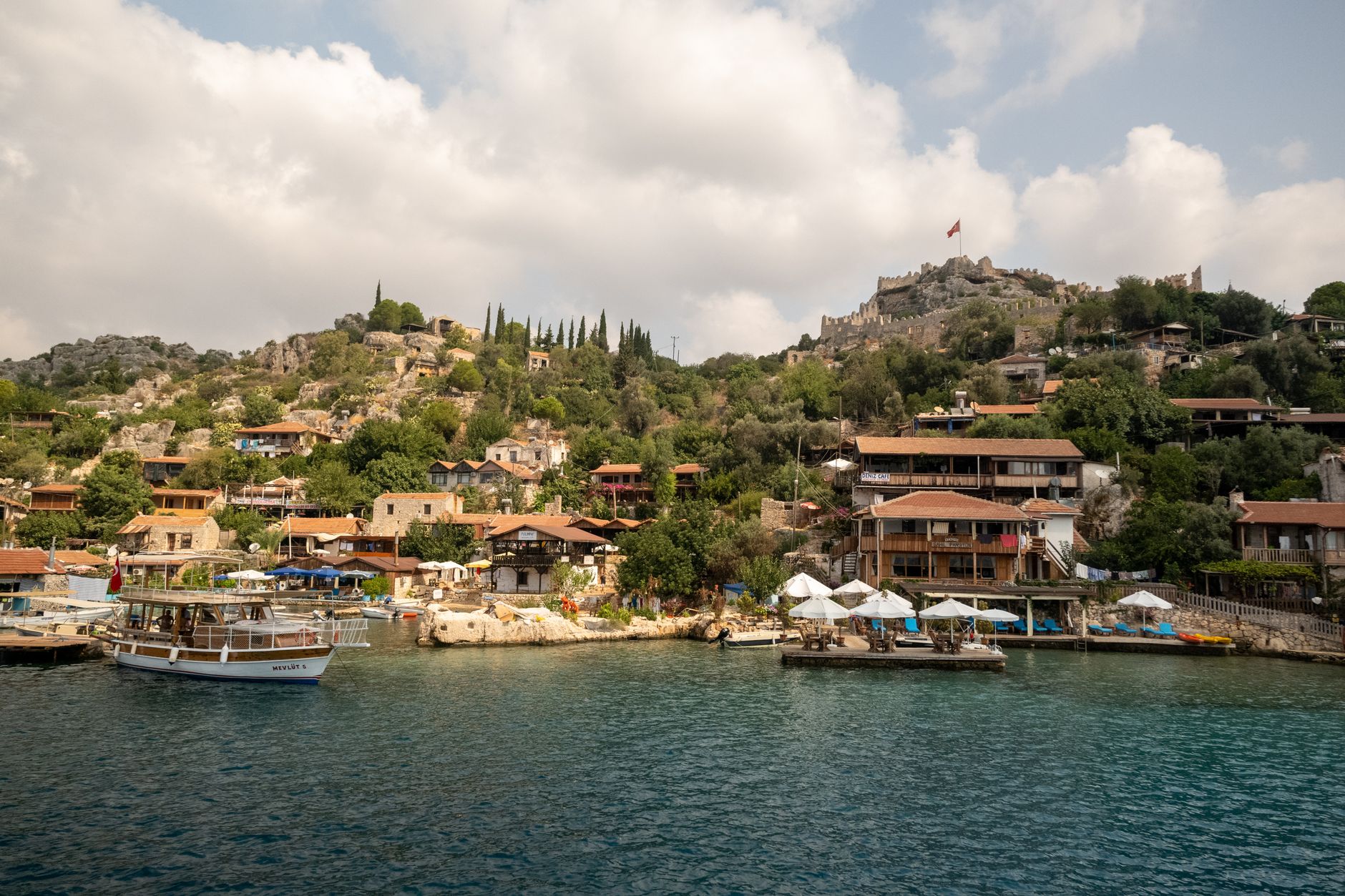
For a truly unique experience, visit the Kekova Sunken City—an ancient Lycian settlement submerged by earthquakes. While you can’t dive among the ruins (swimming is prohibited to protect the site), glass-bottomed boat tours from Üçağız or Kaş let you glide over sunken foundations, staircases, and harbor walls. It’s a hauntingly beautiful reminder of how sea and time reshape civilizations.
Museums and Coastal Archaeology Centers You Can Visit
The Bodrum Museum of Underwater Archaeology is the essential starting point. Located in Bodrum Castle, it won the European Museum of the Year Award in 1995. Highlights include the Uluburun gallery, the Carian Princess hall with a reconstructed tomb, and the Glass Wreck (a Byzantine ship carrying glass cullet). The museum also has a conservation lab viewable from a glass window. Plan for 3–4 hours.
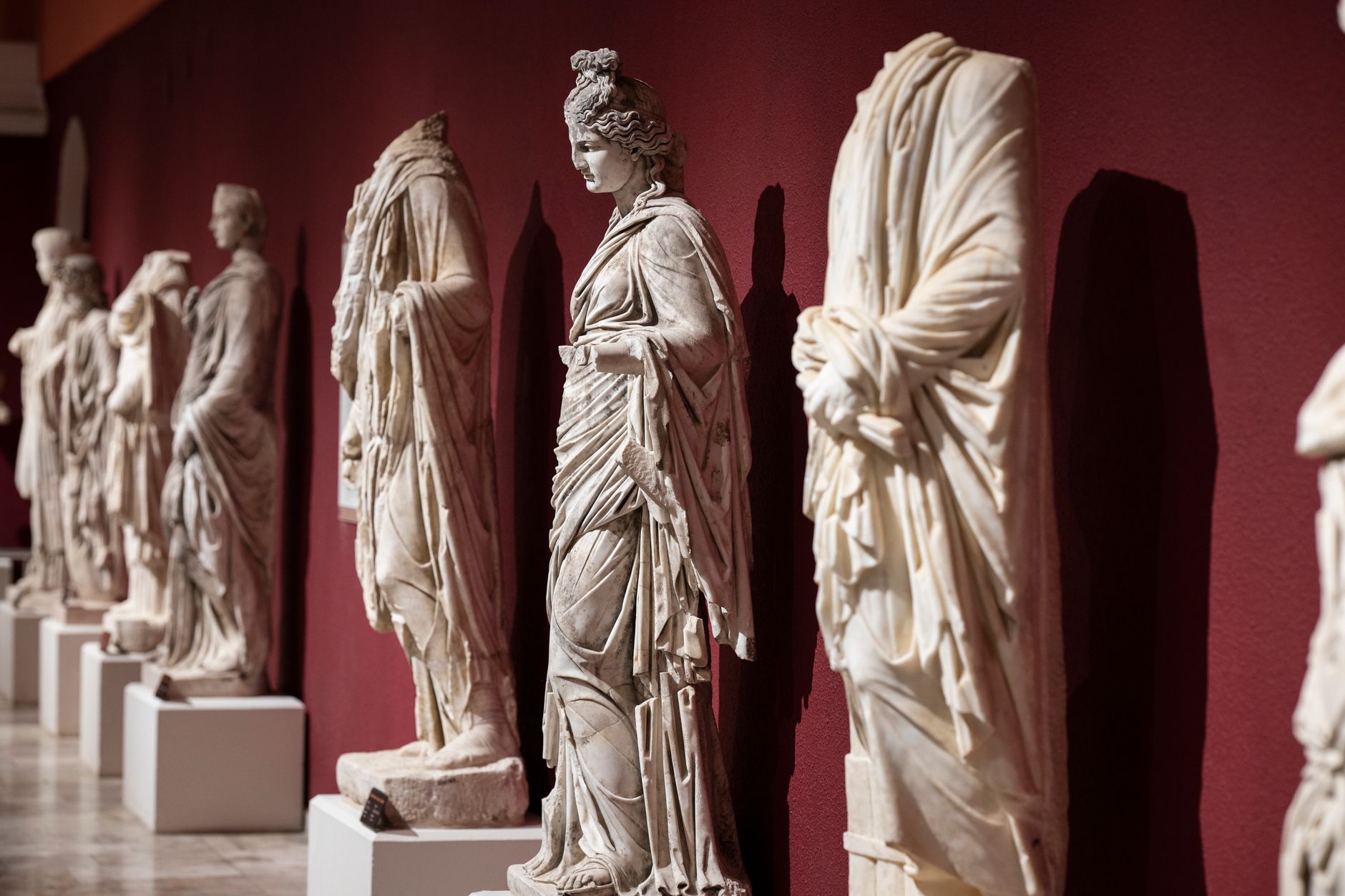
The Antalya Museum is another must. Its archaeological halls cover the region from prehistoric times to the Ottoman era, with a dedicated section on maritime archaeology. The exhibits include amphorae recovered from wrecks, anchors, and models of ancient ships. It’s centrally located in Antalya and easily combined with a visit to Kaleiçi or the nearby Hadrian’s Gate.
In Kaş, the small Museum of Underwater Archaeology (also known as the Kaş Archaeology Museum) is worth a visit. It’s not as grand as Bodrum or Antalya, but it’s intimate and focused. You can see amphorae, anchors, and objects from local wrecks. The staff are often happy to chat about ongoing excavations.
For those interested in conservation, the Institute of Nautical Archaeology (INA) has a research center in Bodrum. While not a traditional museum, it occasionally offers tours or lectures. Check locally for schedules. Similarly, the Bodrum Maritime Museum (Bodrum Deniz Müzesi) focuses on traditional boats and maritime culture, complementing the underwater archaeology museum.
Practical tips: Most museums are open daily except Mondays. Bodrum Castle has an entrance fee (around 300 TL in 2026); Antalya Museum similar. Buy a Museum Pass if you plan to visit multiple sites. Wear comfortable shoes—Bodrum Castle involves cobblestones and stairs.
Combining Archaeology with Blue Cruises and Diving
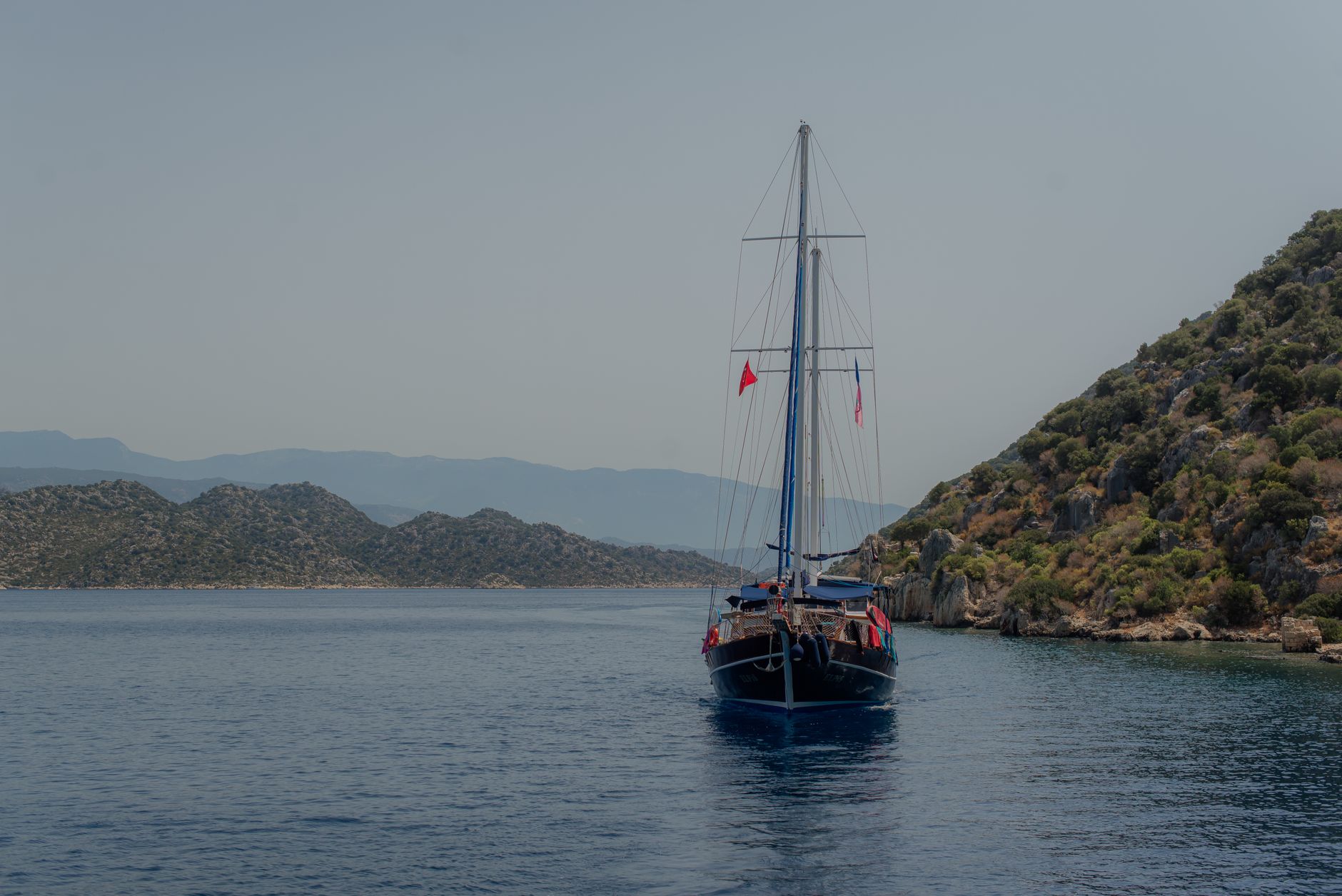
The best way to connect with Türkiye’s maritime heritage is to get on the water. A Blue Cruise (mavi yolculuk) along the Lycian coast is a leisurely way to follow ancient trade routes. Many itineraries depart from Bodrum, Marmaris, Fethiye, or Kaş and include stops at Kekova, Göcek, and other archaeological sites. You can swim in bays where ancient ships anchored, and your captain may point out underwater ruins visible from the surface.
For divers, Türkiye offers several wreck dives. The Uluburun wreck itself is not accessible (it’s too deep and protected), but there are other dive sites with ancient remains. Near Kaş, you can dive to a sunken Lycian city (with permission) or explore Roman-era anchors. The Turkish government regulates diving to protect antiquities, so always go with a licensed operator. They will ensure you don’t touch or remove anything.
If you’re not a diver, snorkeling and glass-bottomed boats are excellent alternatives. In Kekova, the sunken city is best seen from a boat. In Bodrum, you can take a day cruise to Karaada and other islands, combining swimming with views of ancient ruins on shore.
To plan your trip, consider starting in Bodrum for the museum and a Blue Cruise, then travel to Kaş for diving and the sunken city, and finish in Antalya for the museum and more coastal exploration. Our itineraries section has a sample 10-day route that covers these highlights. For advice on timing, see our best time to visit guide.
Practical Tips for Your Shipwreck Heritage Journey
When to go: The sailing season runs from May to October. Spring and autumn offer pleasant temperatures and fewer crowds. Summer is hot but ideal for swimming. Museums are less crowded in the morning.
How to get around: Rent a car for flexibility, or use domestic flights to Bodrum, Dalaman, or Antalya, then local buses or taxis. Gulet cruises often include transfers. For public transport options, check our travel tools page.
What to bring: Comfortable walking shoes, sun protection, a hat, and a swimsuit. A waterproof bag for boat trips. Bring a notebook—you’ll want to record the names of wrecks and artifacts.
Responsible travel: Never remove anything from a wreck site. Report any discoveries to authorities. Support local museums by purchasing tickets and souvenirs. Choose eco-friendly operators.
Language: English is widely spoken in tourist areas, but learning a few Turkish phrases (merhaba, teşekkürler) goes a long way.
For more inspiration, browse our destinations and blog. If you want personalized help, our experts can craft a itinerary that blends archaeology, sailing, and relaxation. Or use our trip planner to map your route.
Why This Journey Matters
Touching a 3,600-year-old amphora or sailing over a sunken city is more than a tourist experience—it’s a direct encounter with our shared human story. These wrecks are time capsules that reveal how ideas, technologies, and goods moved across the ancient world. They remind us that the sea has always connected cultures, and that Türkiye has been a crossroads for millennia.
By visiting these sites and museums, you support their preservation and help keep this heritage alive. You also gain a profound sense of wonder. As you stand on the deck of a gulet, watching the sun set over Kekova, you’ll feel the same winds that once filled the sails of Bronze Age traders. That’s the magic of Türkiye’s underwater museum.
So pack your curiosity—and your swimsuit. The oldest shipwrecks in the world are waiting, and they’re closer than you think.
Thinking about a trip to Turkey?
Share your contact details and a vetted local expert will follow up with a plan built around you — free, no obligation.