

Introduction: A Grand Tour of Ottoman Splendor
Imagine gliding along the Bosphorus as the sun sets, the silhouettes of domes and minarets giving way to the lace-like facades of wooden yalı mansions. This is not a dream—it is the everyday magic of Istanbul and its surroundings, where the Ottoman Empire left behind a legacy of palaces and waterside residences that continue to awe travelers. These structures are not merely museums; they are living showcases of Turkish craftsmanship, where every carved marble, gilded ceiling, and mother-of-pearl inlay tells a story of artistry and hospitality.
This grand tour takes you through the most iconic Ottoman palaces—Dolmabahçe, Topkapı, and Beylerbeyi—and introduces you to the elegant yalı mansions that line the Bosphorus. Along the way, you'll discover practical tips for ticketing, the best times to visit, and a suggested one-day route that lets you experience the grandeur without the crowds.
Whether you're a history buff, an architecture enthusiast, or simply a traveler seeking beauty, this journey will immerse you in the opulent world of the Ottomans, where East and West meet in a symphony of design and warmth.
Dolmabahçe Palace: The Last Residence of Sultans
Situated on the European shore of the Bosphorus, Dolmabahçe Palace was the administrative heart of the Ottoman Empire from 1856 until the abolition of the sultanate in 1922. Commissioned by Sultan Abdülmecid I, it was designed to rival the palaces of Europe, blending Baroque, Rococo, and Neoclassical styles with traditional Ottoman elements. The result is a breathtaking complex of 285 rooms, 46 halls, 6 baths, and 68 toilets, all adorned with crystal chandeliers, gold leaf, and the finest Hereke carpets.
The palace's most famous resident was Mustafa Kemal Atatürk, the founder of modern Turkey, who used it as a presidential residence and died there in 1938. His bedroom and the clock stopped at 9:05 am remain preserved as a poignant tribute. Visitors can tour the Selamlık (public areas), the Harem (private family quarters), and the stunning Ceremonial Hall, home to the world's largest Bohemian crystal chandelier, a gift from Queen Victoria.
Practical tips: Tickets for the Selamlık and Harem are sold separately; the combined ticket is recommended. The palace is open daily except Mondays, from 9:00 am to 4:00 pm (last entry at 3:00 pm). Arrive early to avoid long queues, especially in summer. Photography is not allowed inside, but the gardens and exterior offer plenty of photo opportunities.
Best visiting hours: Weekday mornings right at opening are the calmest. Fridays and weekends are busier, so consider a late afternoon visit if you prefer fewer crowds.
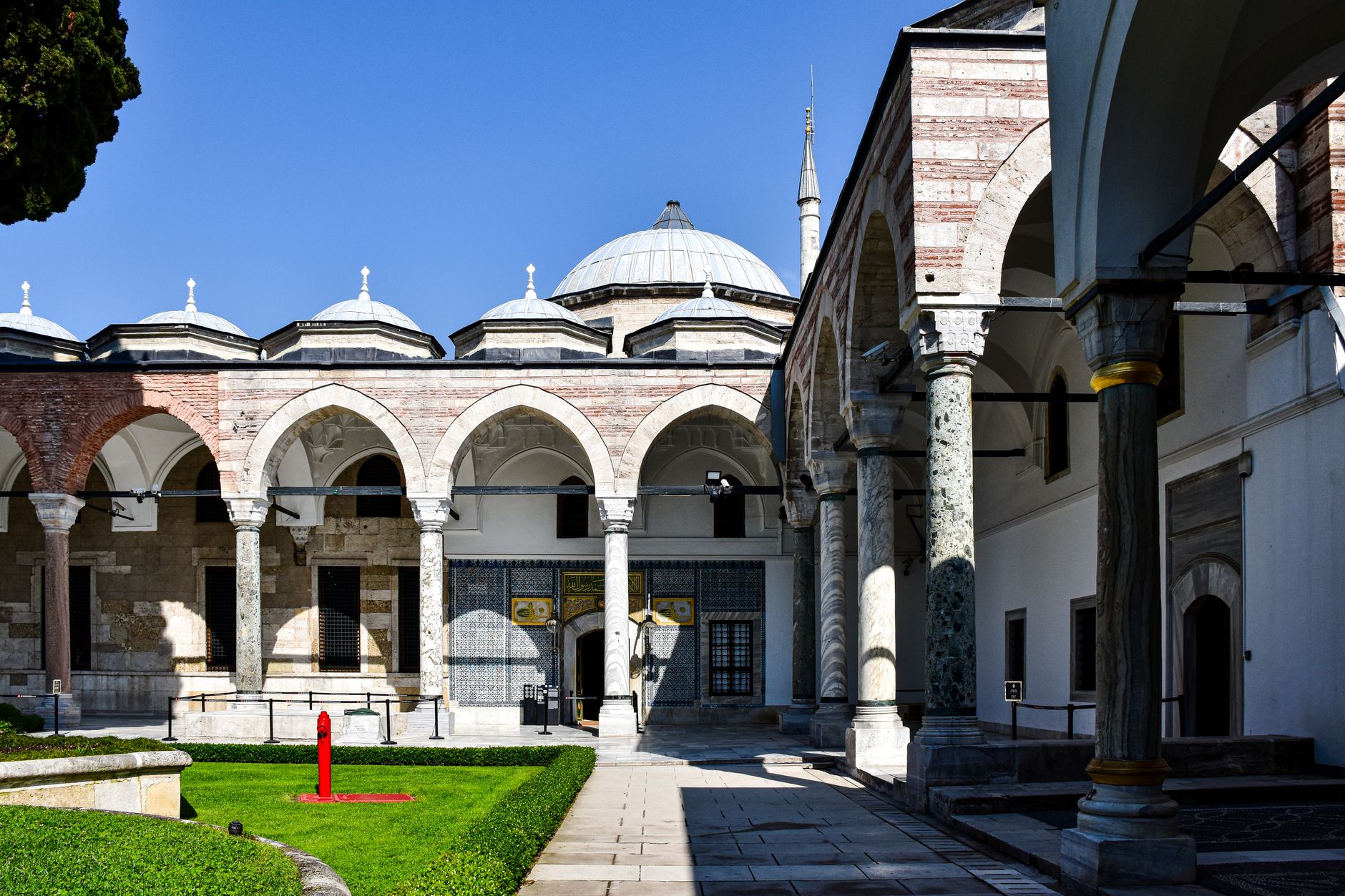
Topkapı Palace: The Heart of an Empire
For nearly 400 years, Topkapı Palace was the primary residence of the Ottoman sultans and the center of government. Built by Mehmed the Conqueror in 1459, it sits on the acropolis of the ancient city, offering panoramic views of the Bosphorus, the Golden Horn, and the Sea of Marmara. Unlike Dolmabahçe, Topkapı is a sprawling complex of courtyards, pavilions, and gardens that evolved organically over centuries, reflecting the changing tastes and needs of its inhabitants.
The palace is a treasure trove of Ottoman craftsmanship: the Imperial Council Chamber with its gilded ceiling, the Harem with its intricate tilework, and the Treasury, which houses the famous Topkapı Dagger and the 86-carat Spoonmaker's Diamond. The Sacred Relics section, containing items attributed to the Prophet Muhammad, is a place of deep reverence for many visitors.
Practical tips: Purchase your tickets online in advance to skip the ticket line. The Harem requires a separate ticket, but it's well worth it. The palace is open Wednesday to Monday, 9:00 am to 6:00 pm (last entry 5:00 pm) in summer; winter hours are shorter. The on-site café offers a pleasant break, but for a more authentic experience, head to the nearby Gülhane Park for a picnic.
Best visiting hours: Arrive at opening time (9:00 am) to explore the courtyards before the tour groups arrive. The Harem is less crowded in the early afternoon.
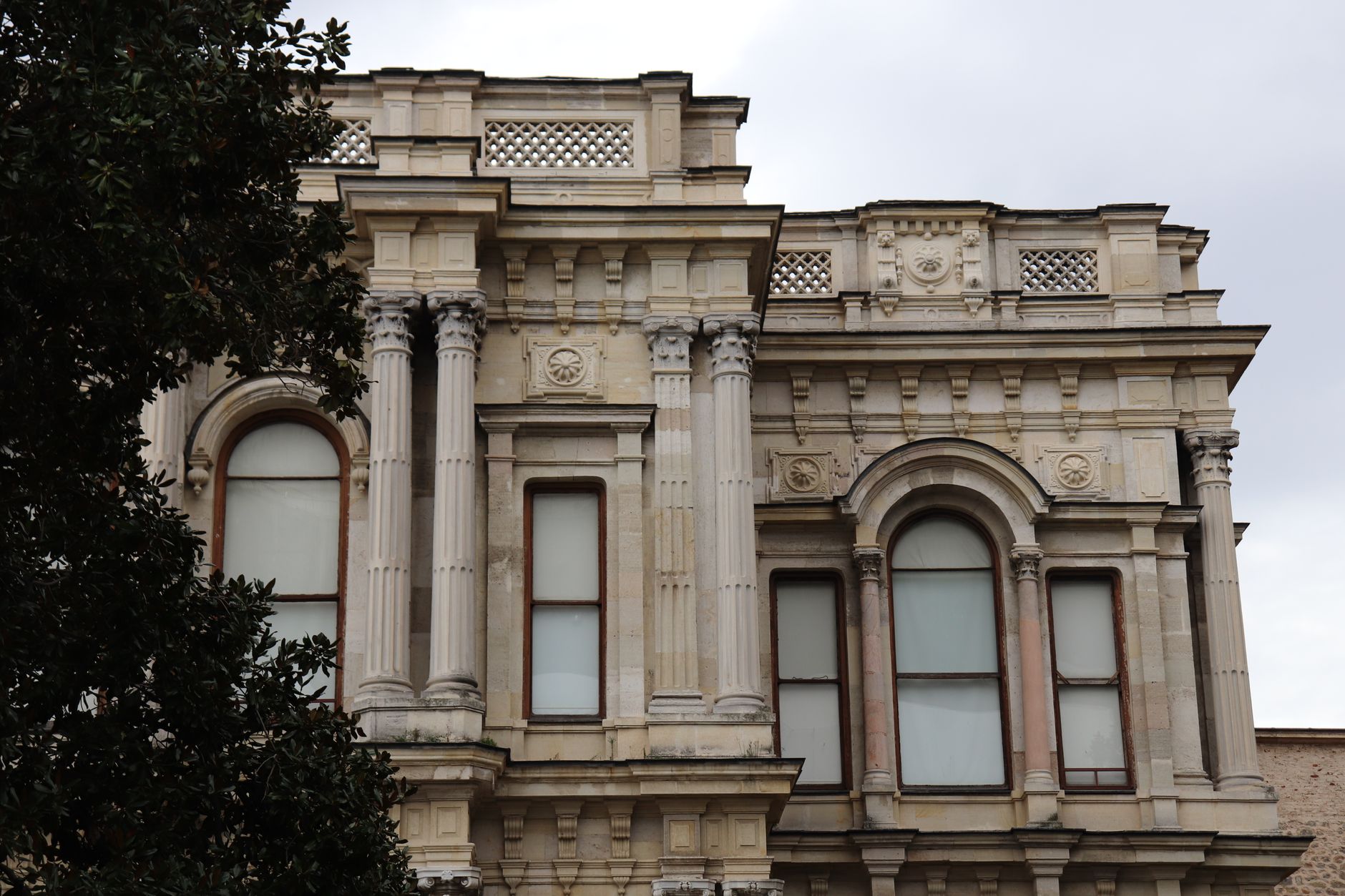
Beylerbeyi Palace: The Sultan's Summer Retreat
On the Asian shore of the Bosphorus, Beylerbeyi Palace served as a summer residence and guesthouse for visiting dignitaries. Built between 1861 and 1865 by Sultan Abdülaziz, it is smaller and more intimate than Dolmabahçe, yet equally opulent. The palace's architecture combines traditional Ottoman elements with Western influences, featuring a beautiful garden with magnolia trees and a fountain pool.
Inside, you'll find rooms decorated with Bohemian crystal, Chinese porcelain, and Hereke carpets. The highlight is the Hall of Reception, with its marble pool and fountain, designed to cool the air and provide a soothing ambiance. The palace also has a separate Harem section and a tunnel that leads to the waterfront, where the sultan would board his caique.
Practical tips: Beylerbeyi is open daily except Mondays, from 9:00 am to 5:00 pm (last entry 4:00 pm). The combined ticket with Dolmabahçe is not available, so buy separately. To get there, take a ferry to Üsküdar and then a short taxi ride, or enjoy a scenic Bosphorus cruise that stops nearby.
Best visiting hours: Late morning on weekdays is ideal. The palace is less crowded than its European counterparts, allowing for a more leisurely visit.
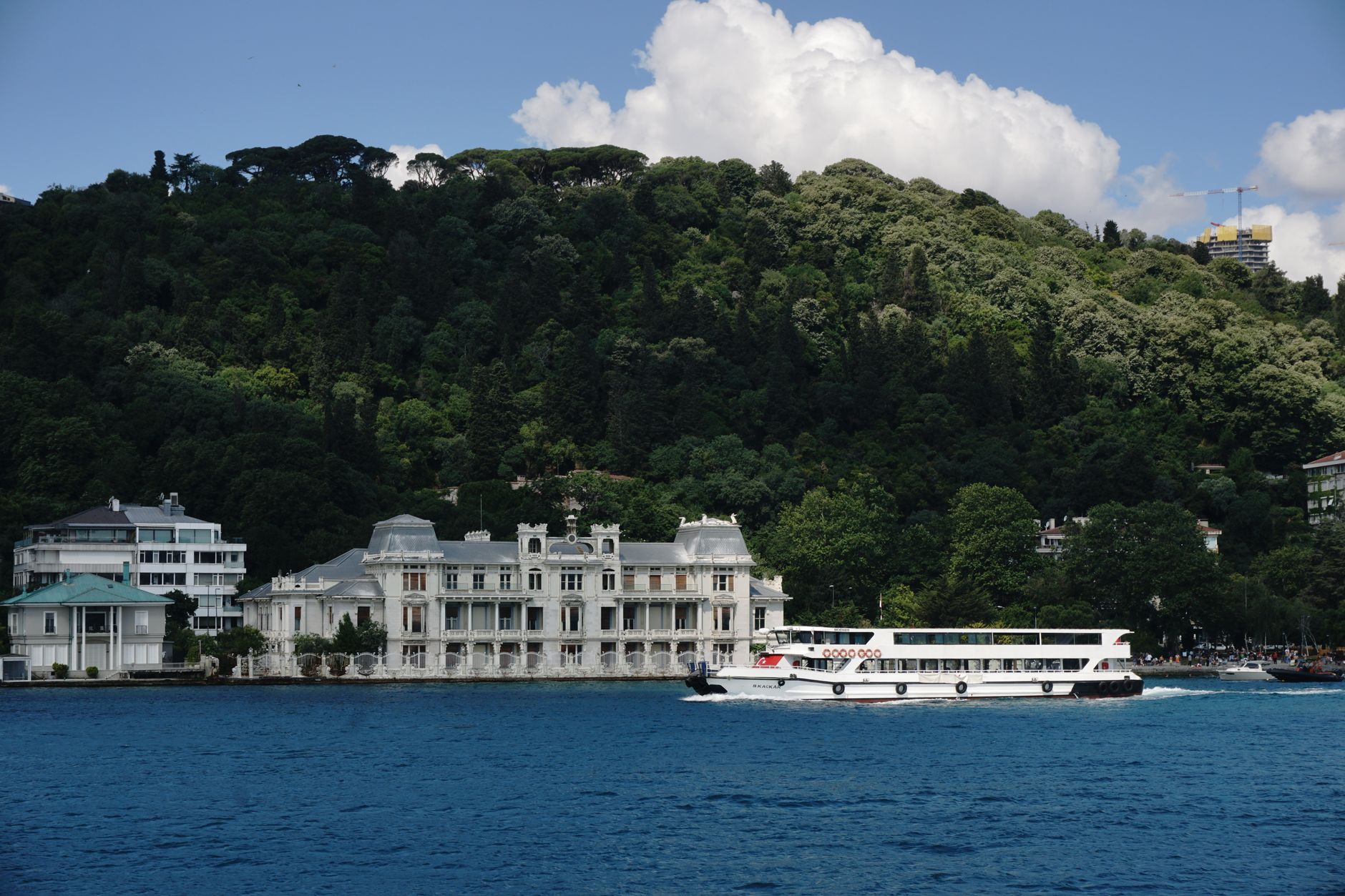
The Yalı Mansions: Wooden Gems of the Bosphorus
The Bosphorus is not just a strait; it's a gallery of Ottoman domestic architecture. The yalı mansions—wooden waterfront residences built during the Ottoman era—are among the most charming features of the shoreline. These grand houses, often painted in pastel colors, were owned by wealthy families, high-ranking officials, and even sultans. They are private residences to this day, but their exteriors can be admired from the water or from the shore.
Some notable yalıs include the Ahmet Rasim Pasha Yalı, the Kıbrıslı Yalı, and the famous Zarif Mustafa Pasha Yalı, one of the largest. The yalıs are characterized by their wide eaves, bay windows, and intricate woodwork. They represent a lifestyle that revolved around the Bosphorus—boating, fishing, and entertaining guests in rooms that opened directly onto the water.
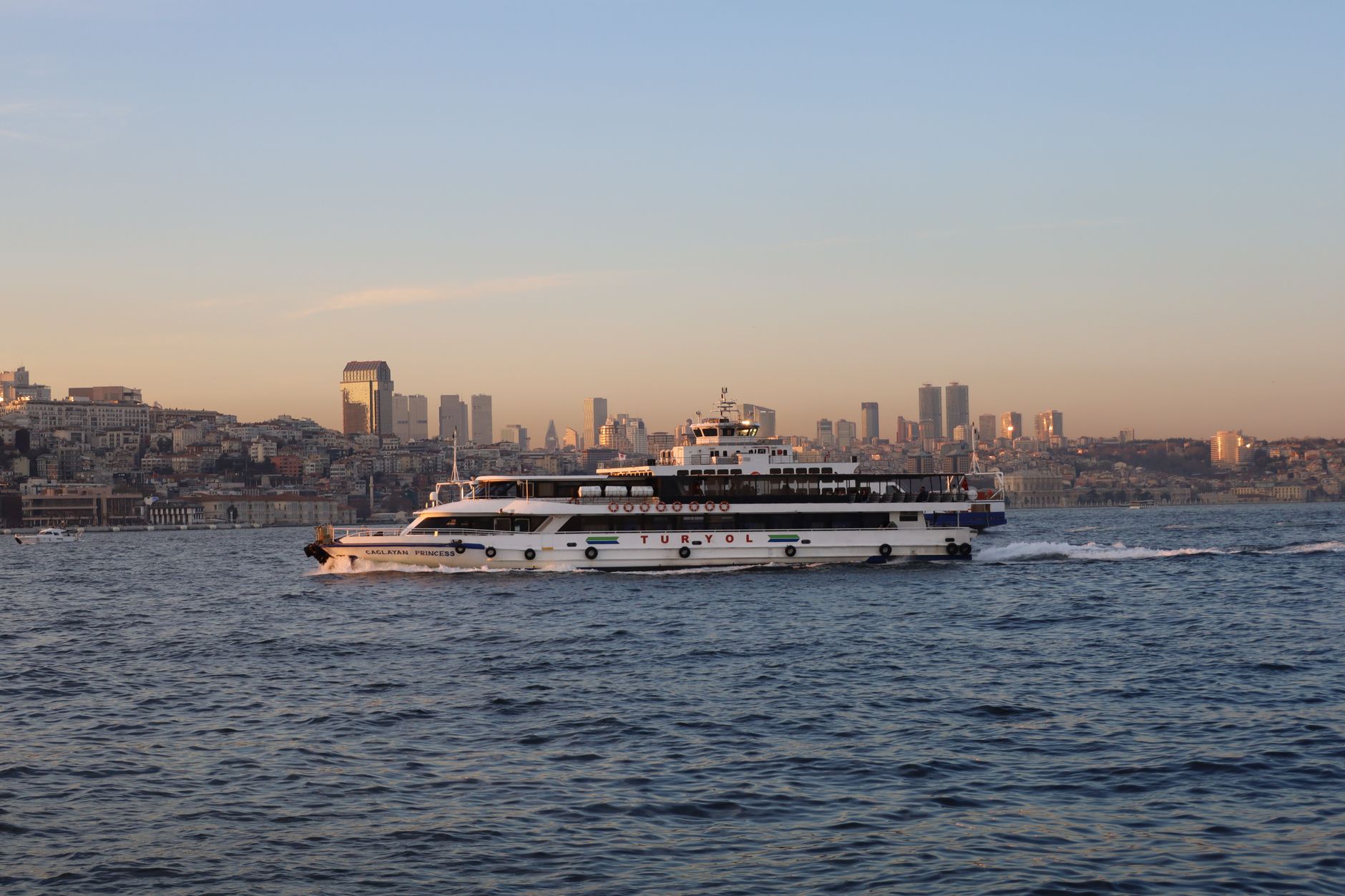
How to see them: The best way to appreciate the yalıs is on a Bosphorus cruise. Public ferries (like the ones from Eminönü to Anadolu Kavağı) offer an affordable option, while private cruises provide more comfort and commentary. Alternatively, walk along the Bosphorus promenades in neighborhoods like Yeniköy, Tarabya, and Bebek, where you can glimpse these architectural treasures between the trees.
Respectful viewing: Remember that these are private homes. Admire from a distance and do not trespass. Some yalıs have been converted into hotels or restaurants, like the Sumahan on the Water, where you can experience the ambiance firsthand.
One-Day Grand Tour Itinerary
To experience the best of Ottoman palaces and yalıs in one day, follow this carefully curated route. It balances must-see highlights with scenic Bosphorus views, ensuring a smooth and enjoyable journey.
Morning (9:00 am – 12:00 pm): Start at Topkapı Palace when it opens. Spend three hours exploring the courtyards, Harem, and Treasury. Exit through Gülhane Park and walk downhill to Eminönü for an early lunch—try a balık ekmek (fish sandwich) by the Galata Bridge.
Afternoon (12:30 pm – 3:30 pm): Take a tram to Kabataş and visit Dolmabahçe Palace. Pre-book your combined ticket. Focus on the Selamlık and Harem; the opulence is overwhelming. Then, walk along the waterfront to Beşiktaş and catch a ferry to Üsküdar (20 minutes). From there, take a taxi to Beylerbeyi Palace (10 minutes).
Late Afternoon (3:30 pm – 5:00 pm): Explore Beylerbeyi Palace and its gardens. The smaller scale allows for a relaxed visit. Afterwards, walk down to the Beylerbeyi pier and board a Bosphorus cruise (public ferry or private tour) heading north towards the Black Sea.
Evening (5:00 pm – 7:00 pm): Enjoy the cruise as it passes under the Bosphorus Bridge and glides by the yalı mansions. Disembark at Anadolu Kavağı or Ortaköy, where you can have dinner with a view. For a memorable end, dine at a seafood restaurant in Ortaköy and watch the lights of the bridge twinkle over the water.
Note: This itinerary is packed; if you prefer a slower pace, spread it over two days. Check ferry schedules in advance, as they vary by season.
Practical Tips for Ticketing and Visiting
Tickets: For Topkapı and Dolmabahçe, buy tickets online through the official websites (muze.gov.tr) to avoid queues. The Museum Pass Istanbul offers access to multiple sites and can be cost-effective if you plan to visit several museums. Beylerbeyi tickets are available on-site or online.
Best times to visit: Spring (April-May) and autumn (September-October) offer mild weather and fewer crowds. Avoid July-August, when heat and tourism peak. Weekdays are generally less busy than weekends. For Dolmabahçe and Topkapı, arriving at opening time is crucial.
Transportation: Use Istanbulkart for public transport (trams, ferries, buses). Ferries are the most scenic way to travel between the European and Asian sides. Taxis are convenient but can be stuck in traffic; the metro and tram are faster for key sites.
Accessibility: Topkapı and Dolmabahçe have limited wheelchair access due to historic architecture. Beylerbeyi is more accessible. Check ahead for specific needs.
Respectful behavior: These are historic sites; dress modestly, especially when visiting Harem sections or religious relics. Speak softly and follow photography rules.
Celebrating Craftsmanship and Hospitality
The Ottoman palaces and yalıs are more than architectural marvels; they are testaments to Turkish craftsmanship and hospitality. The intricate İznik tiles, the delicate woodwork, the luxurious fabrics—each element reflects a deep respect for beauty and comfort. The Ottomans were renowned for their hospitality, and these spaces were designed to welcome guests with grandeur and warmth.
Today, when you visit these sites, you are following in the footsteps of sultans, diplomats, and travelers who marveled at the same sights. The experience is not just about history; it's about connecting with a culture that values generosity and artistry. As you sip tea in a palace café or cruise past a yalı, you become part of that ongoing story.
So take your time, savor the details, and let the spirit of Ottoman hospitality embrace you. Türkiye's opulent palaces and riverside mansions await—not just as relics of the past, but as living showcases of a rich and enduring heritage.
Thinking about a trip to Turkey?
Share your contact details and a vetted local expert will follow up with a plan built around you — free, no obligation.