

Why Pomegranates Are the Soul of Turkish Autumn
As summer's heat gives way to crisp mornings and golden light, Türkiye's pomegranate country awakens. From the rolling hills of İzmir province to the sun-baked groves of Antakya, nar (pomegranate) season runs from late August through November, with peak harvest in October. During these weeks, roadside stalls overflow with ruby-red fruits, village women press fresh nar suyu (pomegranate juice), and the air carries the sweet-tart scent of simmering nar ekşisi (pomegranate molasses).
This is a side of Türkiye that many travelers miss — a world of family-run farms, friendly village markets, and age-old traditions that celebrate the pomegranate as a symbol of fertility, abundance, and hospitality. Whether you're a food lover, a photographer, or simply someone who wants to experience authentic Turkish village life, timing your trip around the autumn pomegranate harvest offers a deliciously immersive adventure.
In this guide, we'll trace the pomegranate trail from İzmir to Antakya, sharing how to join farm visits, taste fresh nar suyu, and explore local markets brimming with syrups, molasses, and other pomegranate delights. You'll also find practical tips on when to go, what to bring, and how to connect respectfully with the communities that welcome you.
İzmir and the Aegean Pomegranate Belt
İzmir, Türkiye's third-largest city, is the gateway to the Aegean pomegranate belt. The surrounding districts — Selçuk, Kuşadası, Bergama, and Manisa — produce some of the country's finest nars, thanks to a mild climate and mineral-rich soil. Here, pomegranate orchards often coexist with olive groves, giving the landscape a silvery-green sheen dotted with bright red fruit.
One of the best ways to experience the harvest is by joining a farm stay or a day tour that includes orchard visits. Many local families in villages like Şirince and Birgi open their gates to travelers during harvest season, offering hands-on picking, juice pressing, and home-cooked meals. You'll learn how to select a ripe pomegranate (it should feel heavy and have a metallic ring when tapped) and how to open one without staining your clothes — a skill passed down through generations.
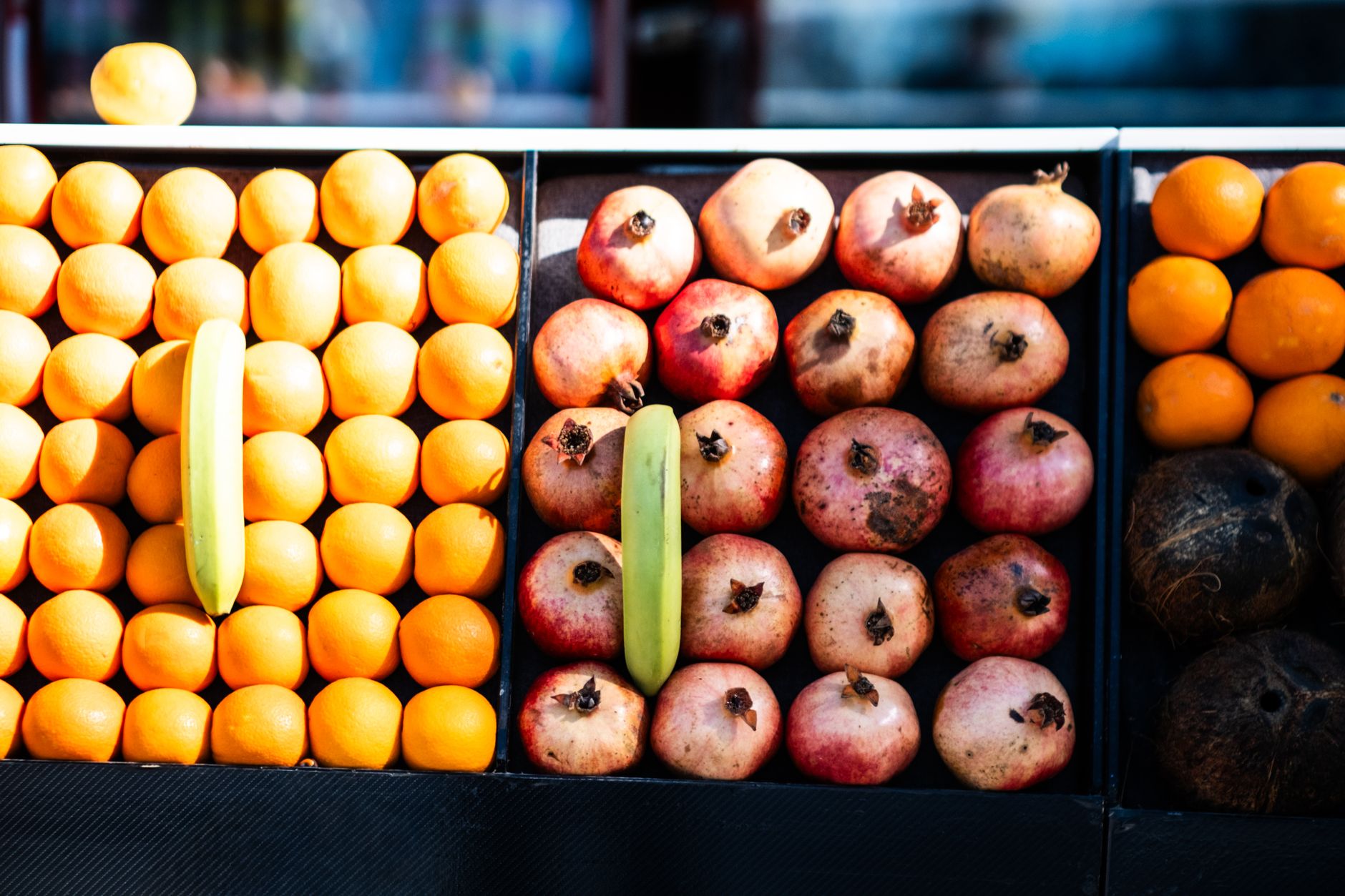
In İzmir's Kemeraltı Bazaar, the pomegranate theme continues year-round, but autumn brings an explosion of fresh arrivals. Vendors stack pyramids of fruit next to bottles of nar ekşisi, jars of pomegranate jam, and even pomegranate-scented soaps. It's a sensory feast and a perfect introduction to the region's pomegranate culture.
Farm Visits and Village Hospitality
The heart of Türkiye's pomegranate country lies in its villages, where hospitality is as abundant as the harvest. Around İzmir, Aydın, and Muğla, many small-scale farmers welcome visitors who want to learn about traditional cultivation. A typical farm visit might include a tour of the orchard, a demonstration of pruning and harvesting techniques, and a chance to taste different varieties — from the classic Hicaznar (a tart, deep-red variety ideal for juice) to sweeter types like İzmir 1.
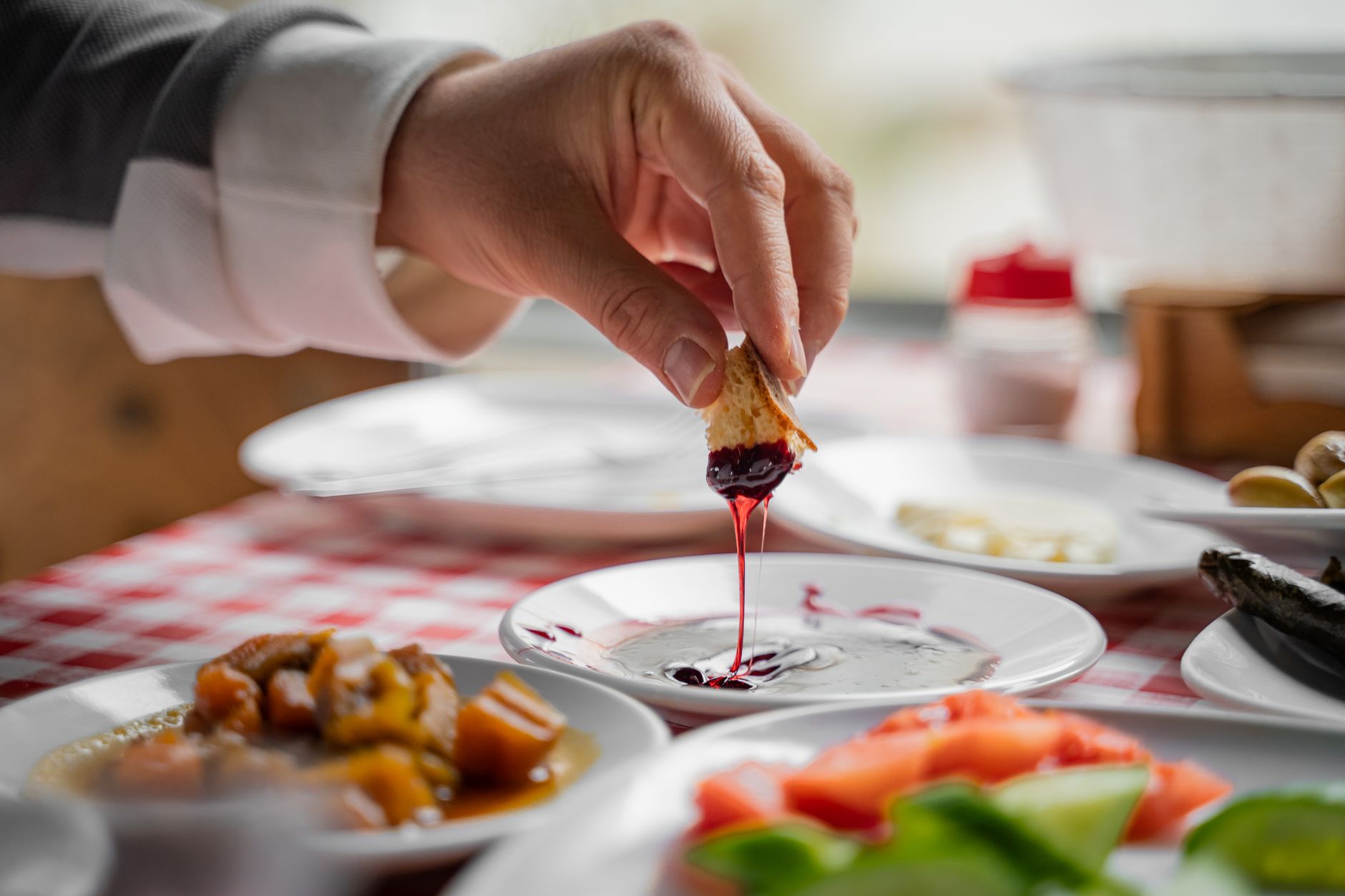
Lunch is often a communal affair, served under a grapevine-covered terrace. You might be offered nar suyu freshly pressed from the morning's pick, along with village bread, cheese, olives, and a salad dressed with nar ekşisi. The molasses adds a sweet-sour depth to everything from grilled vegetables to meat dishes, and it's considered a staple in every Turkish kitchen.
To arrange a farm visit, look for local cooperatives or agritourism platforms, or simply ask at your guesthouse — many owners have relatives with orchards. Always ask permission before taking photos of people or their homes, and consider buying a bottle of molasses or a bag of fruit as a thank-you. These small gestures go a long way in building genuine connections.
The Pomegranate Trail to Antakya
As you travel south from İzmir along the Aegean and Mediterranean coasts, the pomegranate trail leads you through Bodrum, Fethiye, Antalya, Mersin, and finally to Antakya (Antioch), near the Syrian border. Each region has its own pomegranate traditions, shaped by local cuisine and culture.
In Antalya, pomegranates are often used in refreshing salads and desserts, while in Mersin, the focus is on juice and syrup production. But it's in Antakya that the pomegranate reaches its culinary zenith. This ancient city, known for its rich, diverse cuisine, uses nar ekşisi in everything from muhammara (a spicy walnut and red pepper dip) to kısır (bulgur salad) and grilled meats.
Antakya's long bazaar is a treasure trove of pomegranate products: bottles of molasses, jars of jam, and traditional sweets like cezerye (a confection made from carrots, sugar, and nuts, sometimes flavored with pomegranate). The city's Asi River banks are lined with cafes where you can sip nar suyu while watching the world go by — a perfect way to end your pomegranate journey.
Markets and Molasses: Tasting the Harvest
Autumn markets across Türkiye are a feast for the senses, and pomegranates take center stage. In İzmir's Kemeraltı, Antalya's Old Town, and Antakya's bazaar, you'll find stalls dedicated entirely to pomegranate products. Look for nar ekşisi — a thick, dark syrup made by boiling down pomegranate juice for hours. It's used as a condiment, a marinade, and even a dressing for salads.
Other must-try items include nar reçeli (pomegranate jam), nar lokumu (pomegranate-flavored Turkish delight), and nar çayı (pomegranate tea). Many vendors offer free tastes, so don't be shy — ask for a sample and learn about the production process. You'll often hear stories of family recipes passed down through generations.
When buying molasses, check the label for %100 nar (100% pomegranate) to avoid brands mixed with sugar or other fruits. A good molasses should be dark, thick, and slightly tart. It's a wonderful souvenir that will bring a taste of Turkish autumn to your kitchen back home.
Practical Tips for Planning Your Trip
When to go: The pomegranate harvest peaks from late September to early November. For the best weather and fewer crowds, aim for mid-October. The International Pomegranate Festival in Antalya (usually held in October) and similar events in İzmir and Antakya are great opportunities to join celebrations, taste competitions, and cultural performances.
How to get there: İzmir and Antalya have international airports, and Antakya is accessible via Hatay Airport or a scenic drive from Adana. Renting a car gives you the flexibility to explore rural areas, but you can also join guided tours or use intercity buses to reach larger towns.
What to bring: Comfortable walking shoes, a hat, sunscreen, and a reusable water bottle. If you plan to pick pomegranates, wear clothes you don't mind staining — the juice is permanent! A small notebook for jotting down recipes and vendor contacts is also handy.
Cultural etiquette: When visiting farms or villages, dress modestly, ask before photographing people, and accept offers of tea or food — it's a sign of hospitality. Learning a few Turkish phrases like teşekkür ederim (thank you) and çok lezzetli (very delicious) will endear you to locals.
Beyond the Harvest: Exploring Pomegranate Country
While pomegranates are the star, the regions along the trail offer plenty of other attractions. In İzmir, explore the ancient ruins of Ephesus and the charming village of Şirince, known for its fruit wines. Near Antalya, visit the Düden Waterfalls and the ancient city of Perge. And in Antakya, don't miss the Hatay Archaeology Museum, home to one of the world's finest mosaic collections.
For a deeper dive into pomegranate culture, consider timing your visit around local harvest festivals. These events often feature folk dances, cooking workshops, and the chance to meet farmers and producers. It's a joyful way to celebrate the season and connect with the people who make Türkiye's pomegranate country so special.
As you travel, you'll notice the pomegranate's symbolic presence everywhere — from decorative motifs on ceramics to the fruit itself offered as a welcome gift. It's a reminder that in Türkiye, food is more than sustenance; it's a language of hospitality, history, and heart.
Thinking about a trip to Turkey?
Share your contact details and a vetted local expert will follow up with a plan built around you — free, no obligation.