
Why Clay Is the Aegean's Oldest Wellness Story
Long before spas had laminated menus, the Aegean coast was already in the business of healing with earth. The same mineral-rich clays that potters shaped into amphorae, jugs and tiles were also being slathered on skin, mixed into poultices and soaked in for aching joints. In Türkiye, clay is not a niche trend imported from a wellness conference — it is a material woven into daily life for millennia, from the red-earthen testi water jugs on restaurant tables to the barrels of mud sold at roadside baths.
That continuity is what makes a clay-and-pottery day out feel so natural here. Within an hour's drive of one another, you can float in a warm mineral pool, let volcanic mud dry on your shoulders in the sun, then sit at a potter's wheel with wet clay cool between your palms. It is a wholesome, unhurried rhythm that suits families, couples and solo travellers who want rest without retreat-centre formality.
This guide focuses on how to combine those experiences practically: where the mud baths and thermal pools cluster, which pottery towns sit nearby, what to pack, and how to build in a long, lazy lunch. For broader regional ideas, browse our destination guides or start from our route suggestions to see how these stops fit a longer itinerary.
Where Mud Baths and Pottery Tradition Cluster in the Aegean
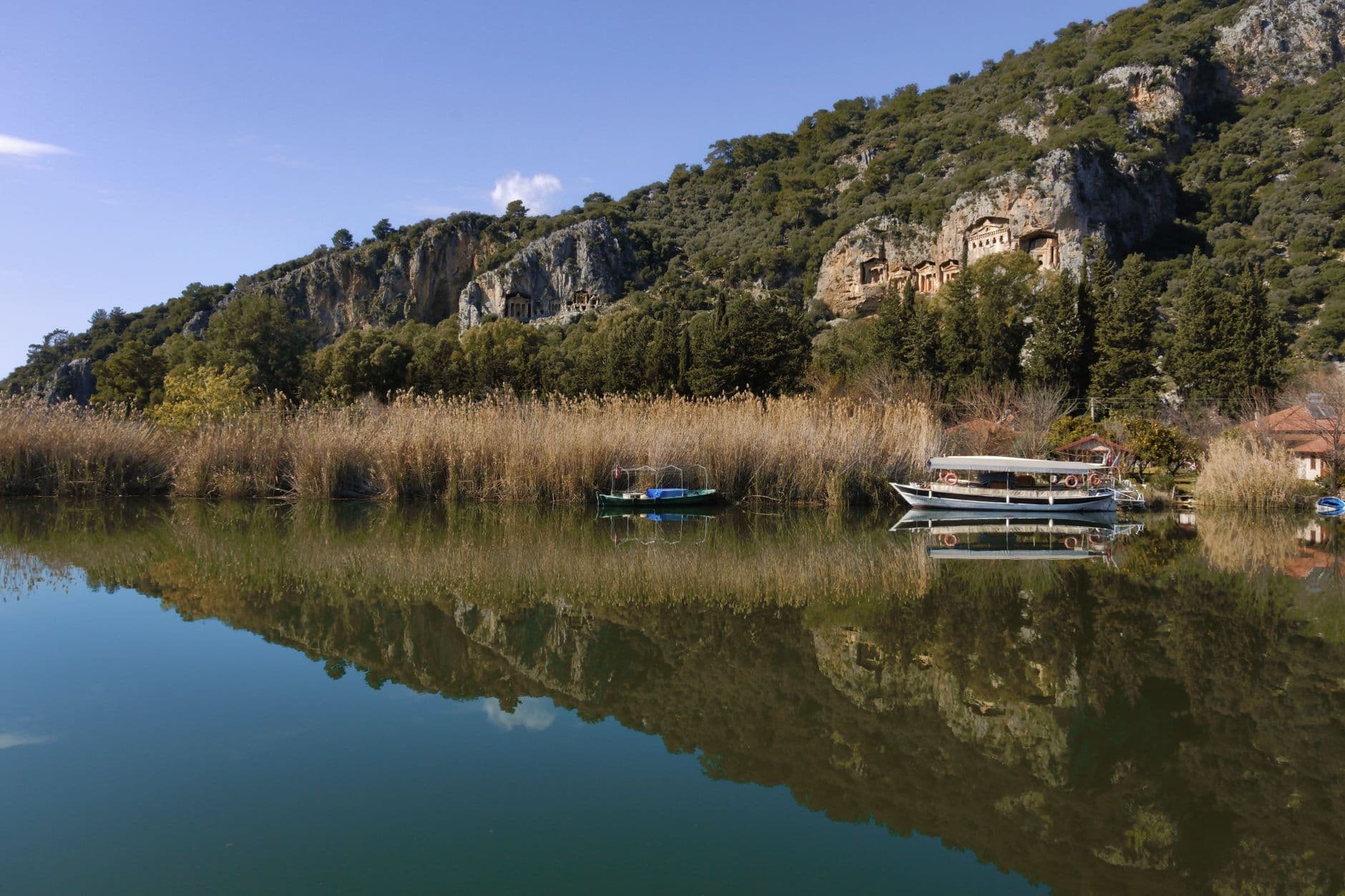
The happiest combinations lie in a handful of zones where geology and craft overlap. The best known is the Dalyan–Köyceğiz corridor in Muğla province, where sulphur-rich thermal springs and mud baths sit along a river delta, and the surrounding villages still work with clay and river reeds. Further north, the Balçova and Ilıca areas near İzmir and Çeşme serve up thermal water in comfortable resort settings, with the ceramic heritage of the broader İzmir region a short drive away.
Inland, the classic pottery towns of the Aegean hinterland — the villages around Kütahya and the historic workshops of the İznik tradition, plus the small ateliers tucked into the hills behind Manisa and Aydın — are where the craft is still genuinely alive rather than staged for coaches. The exact pairing you choose depends on whether you want coast or countryside, but the principle is the same: pick one thermal or mud site, then find a pottery workshop within roughly 30–60 minutes' drive so the day stays relaxed.
Two regional patterns are worth knowing. Coastal mud baths tend to be busiest from late morning to mid-afternoon in summer, so booking an early slot leaves you fresh for a pottery visit afterwards. Inland ceramic towns, by contrast, are calmest in the morning and gain a lovely golden light on their courtyards in late afternoon — ideal if you prefer to soak first and shape clay second.
- Muğla / Dalyan–Köyceğiz: thermal springs, river mud, boat access, village kilns nearby
- İzmir & Çeşme peninsula: resort thermal pools, easy transfers, regional ceramic studios
- Kütahya hinterland: famous tile and pottery workshops, quieter small-town spa hotels
- Aydın & Manisa hills: family-run thermal pensions with pottery ateliers in the valleys
The Mud Bath Ritual: What Actually Happens
A traditional Aegean mud bath is refreshingly low-tech. You change into swimwear, step into a shallow pool or basin of warm, silky clay, and paint yourself with it — arms, legs, shoulders, face if you like. The mud is usually grey-brown to ochre, heavy with minerals and sulphur, and it smells faintly of the earth. You let it dry in the sun for 10 to 20 minutes, feeling it tighten gently on the skin, then rinse under a shower or in the warm mineral pool beside it.
The immediate effect is softening: the clay lifts dead skin and leaves a slippery, clean feeling that people describe as a full-body reset. The warm water afterwards relaxes muscles and eases stiffness, which is why these baths have long been visited by travellers with joint complaints. Thermal pools next door tend to be hotter — often in the high thirties or low forties Celsius — so rotate: a few minutes in the hot pool, a few minutes cooling on a lounger, repeat, and drink plenty of water between rounds.
Etiquette is simple. Bring your own towel and flip-flops, shower before entering pools, and keep mud out of the eyes. If you have sensitive skin, heart conditions, are pregnant or travelling with young children, check with the facility and with your doctor first — sulphur and heat are not for everyone, and reputable baths will happily explain the limits. Many sites separate men's and women's hours or areas, so confirm timings when you reserve.
Think of it as a slow afternoon, not an appointment. The healing here is partly the clay and partly the permission to do very little for two hours.
The Pottery Stop: Getting Your Hands into Aegean Clay
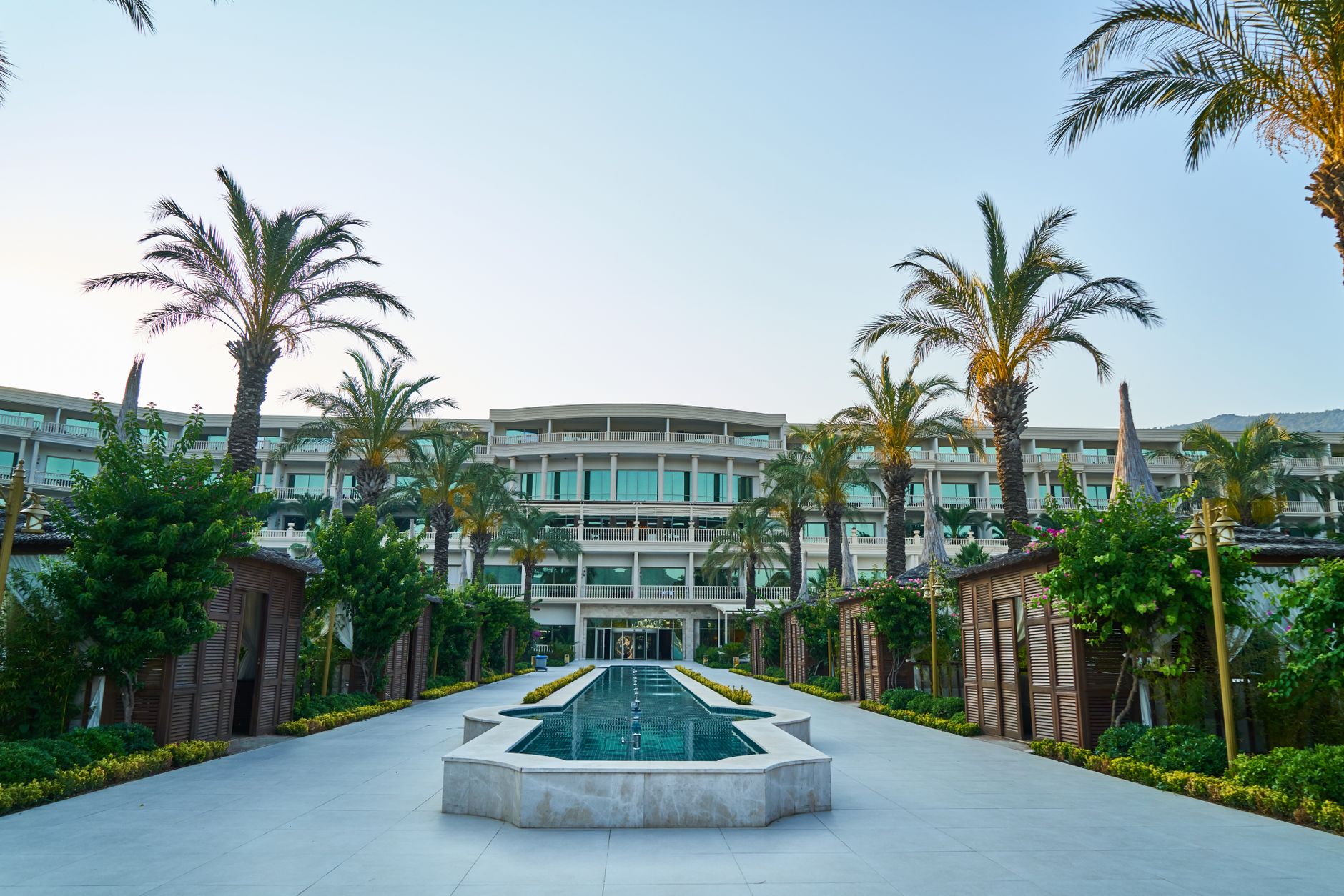
After soaking, a pottery workshop is a gentle way to re-engage the senses. You will usually be shown the wheel first — a potter centring a lump of clay with a practiced push, then pulling up a cylinder in a minute or two — before you try it yourself. Expect to get messy, to fail at least once, and to laugh. Many studios offer short sessions of an hour to ninety minutes where you throw a small bowl, then decorate a pre-made tile or cup with traditional blue-and-white motifs while your own piece dries.
The real pleasure is context. In Türkiye's historic ceramic centres, the vocabulary you handle in the workshop — çini tiles, İznik-style floral motifs, the tulip, carnation and vine patterns — is the same you will see on mosque walls, hamam domes and old fountains for the rest of your trip. A guide or studio owner who explains the firing process, the difference between earthenware and stoneware, and why local clay behaves the way it does turns a craft class into a small lesson in regional identity.
Practicalities matter. Fired and glazed pieces need days or weeks to finish, so ask about shipping or whether the studio can deliver to your hotel later in the trip. If you are flying soon, a decorated tile that fits flat in a suitcase is the safer souvenir than a still-damp bowl. Wear clothes you don't mind staining, and keep a plastic bag handy for clay-covered shoes.
Building the Perfect Day: A Sample Rhythm
A restorative clay day works best with a loose structure: one wellness stop, one creative stop, one long meal. Start early-ish with a light breakfast, then head to the mud bath or thermal pool around 9:30 or 10:00 while the water is fresh and the changing rooms calm. Soak, mud and rinse for 90 minutes, then shower and dress. You will feel pleasantly heavy and warm — the perfect state for a slow drive through olive groves to a pottery village.
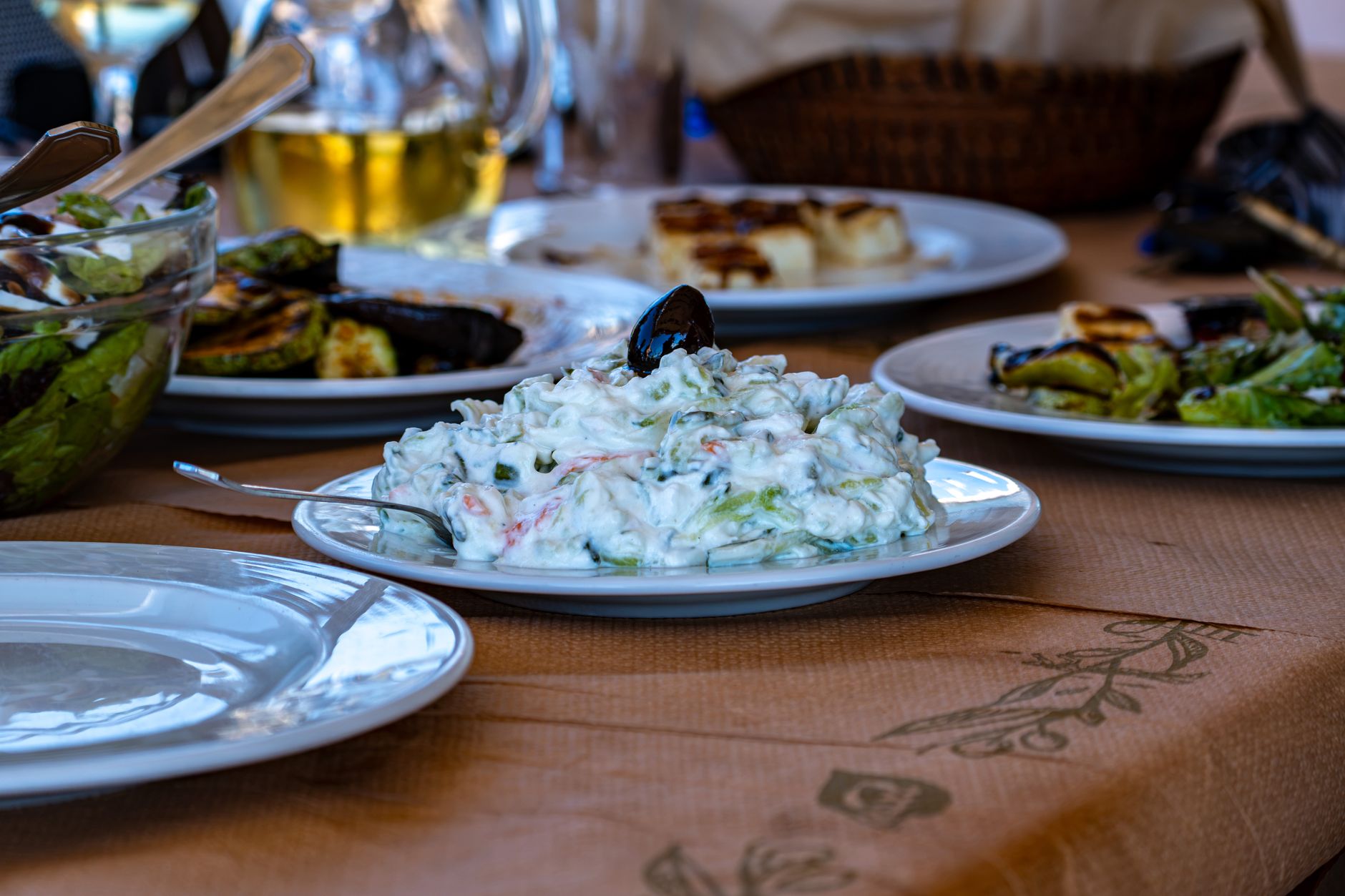
Lunch should come before the wheel, not after, so the clay session is relaxed. Aim for a long table: grilled Aegean fish or lamb, a spread of mezes, peppery olive oil, village bread and a plate of greens dressed simply with lemon. Many pottery towns have small family restaurants where the menu is short and seasonal, and where a potter may be eating at the next table. For more ideas on eating well without rushing, see our travel guides.
In the afternoon, arrive at the workshop around 14:00 or 15:00 for a two-hour session. Finish with tea in the courtyard, buy a small piece from the studio's shelf, and be back at your hotel as the light softens. If the weather turns, swap the order: indoor potting in the morning and warm pools in the afternoon rain, which is often the most atmospheric combination of all.
- 09:30 — arrive at mud bath or thermal pool; shower and soak
- 11:30 — rinse, dress, drive to the pottery town
- 13:00 — long Aegean lunch with mezes and local wine or tea
- 15:00 — wheel-throwing and tile-painting workshop
- 17:30 — courtyard tea, browse the studio shop, head home
What to Bring and How to Prepare
Pack a small day bag the night before. Essentials are a towel, flip-flops, a full change of clothes, a hair tie, sunglasses and a hat, plus a refillable water bottle — heat and sulphur dehydrate you faster than you expect. Bring a plastic bag for wet swimwear and another for clay-dusted shoes, and a light long-sleeved shirt for the drive between sites. Sunscreen should go on after the mud, not before, and many baths prefer you to rinse it off before entering shared pools.
For the pottery session, wear clothes that can be stained and shoes that can get wet; rings and watches come off. If you plan to ship a piece home, note your address and have a photo of your finished work taken at the studio. Cash in small notes is useful for lockers, tea and village purchases, while cards work at larger facilities. A printed or downloaded translation of any medical condition you want to mention at the bath saves confusion.
Budget-wise, mud baths and small thermal pools are usually inexpensive, often priced per entry with modest extras for towels or lockers, while pottery workshops range from short drop-in sessions to half-day classes with firing and shipping. Booking ahead in high summer is wise, especially at coastal sites reachable by boat. Our travel tools page can help you plan timing and logistics around your dates.
Etiquette, Safety and Travelling Kindly
These are working places, not theme parks. Keep voices low in shared pools, shower before entering, and follow any separation of hours or areas without debate. In pottery studios, ask before photographing a craftsperson at the wheel, and treat their tools and kiln area with respect. Small rural ateliers often survive on direct sales, so buying a modest piece — a cup, a tile, a small jug — is a genuine contribution rather than a tourist formality.
Listen to your body in the heat. Limit each hot-pool session to around 10–15 minutes, cool down between rounds, and skip the bath entirely if you feel dizzy or unwell. Keep children within arm's reach near warm water, and never leave them unattended around kilns or drying racks. If a facility feels poorly maintained or the water looks unclear, trust your judgement and go elsewhere.
Above all, resist the urge to over-schedule. The point of this day is restoration, and the craft and clay are there to slow you down, not fill a checklist. Travellers who give themselves a full afternoon in one village almost always come away with a better story — and a better bowl. Read more about responsible, thoughtful travel on our trust page, and if you would like a route built around these stops, our trip planner and local experts can shape one for you.
When to Go and How Long to Stay
Late spring and early autumn are the sweet spot: warm enough for mud to dry comfortably in the sun, cool enough that pottery studios and thermal pools are uncrowded. Midsummer works if you start early and keep the midday hours for shade, lunch and indoor potting. Winter is quietly lovely in inland ceramic towns, where small spa hotels and steaming pools feel cosy, though some coastal baths reduce hours. Check our best-time guide for month-by-month conditions.
One full day is enough for a single mud-bath-plus-pottery pairing, but two or three nights in the region lets you add a second workshop, a village market and an unhurried swim. Many travellers base themselves in a small town and treat each day as a gentle loop — one wellness stop, one craft stop, one good meal — which is exactly the rhythm this part of Türkiye rewards.
Thinking about a trip to Turkey?
Share your contact details and a vetted local expert will follow up with a plan built around you — free, no obligation.