

Introduction to Türkiye's Ceramic Heritage
Türkiye has been a crossroads of ceramic artistry for millennia, from the Hittites and Seljuks to the Ottomans. Today, two towns stand out as living centers of this tradition: Kütahya in the interior west, and Avanos in the heart of Cappadocia. Both offer visitors the chance to watch master artisans at work, learn the techniques, and even try their own hand at the wheel. This guide will walk you through the history, the workshops, the shopping, and the joy of creating.
Pottery here is not a museum piece; it is a vibrant, ongoing craft passed down through families. You'll find workshops that welcome travelers with tea and a smile, eager to share their knowledge. Whether you're a collector or a curious traveler, the experience is unforgettable.
Kütahya: The City of Tiles and Painted Ceramics
Kütahya, about 200 km southwest of Istanbul, has been a ceramic hub since the 14th century. Its fame grew in the Ottoman era, when its potters produced tiles and vessels for mosques, palaces, and homes. The signature style features intricate floral motifs—tulips, carnations, roses—painted in vibrant blues, turquoises, and corals on a white background.
Today, Kütahya's workshops range from small family ateliers to larger factories, but the hand-painted tradition remains strong. The Kütahya Tile Museum (Çini Müzesi) is a great starting point to understand the history, but the real magic happens in the workshops themselves. Many are located in the old bazaar area, where you can wander from one to another, watching artisans paint with delicate brushes.
Don't miss the chance to try çini painting yourself. Several workshops offer short courses where you can decorate a tile or a small plate under the guidance of a master. It's a joyful, meditative activity that connects you to centuries of tradition.
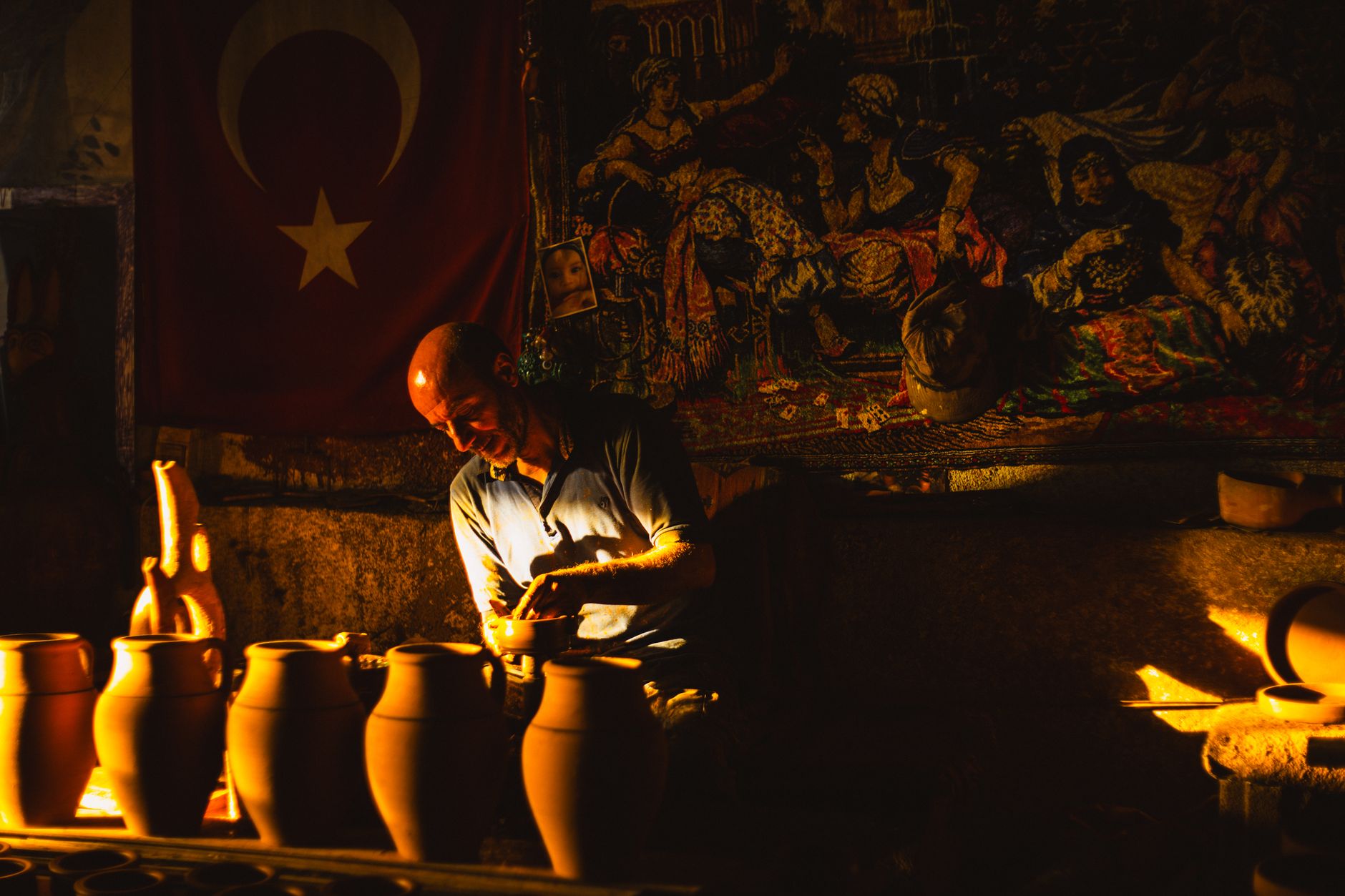
Avanos: Hittite Roots and Modern Mastery
Avanos, a town in Cappadocia on the banks of the Red River (Kızılırmak), has been a pottery center since Hittite times. The river's red clay is perfect for throwing on the wheel, and the town's artisans have been shaping it for thousands of years. The style here is more rustic than Kütahya's fine porcelain; you'll see earthy tones, Hittite-inspired motifs, and wine jugs, plates, and amphorae.
The Avanos Pottery Workshop (Avanos Çömlek Atölyesi) is a must-visit, but many family-run studios line the streets. A highlight is watching a master throw a large vessel on a kick wheel—a mesmerizing dance of hands and clay. Many workshops offer demonstrations and lessons for visitors of all ages.
In recent decades, Avanos has also become known for its innovative ceramic artists who blend traditional techniques with contemporary designs. You'll find everything from classic Hittite-style jugs to modern sculptures.
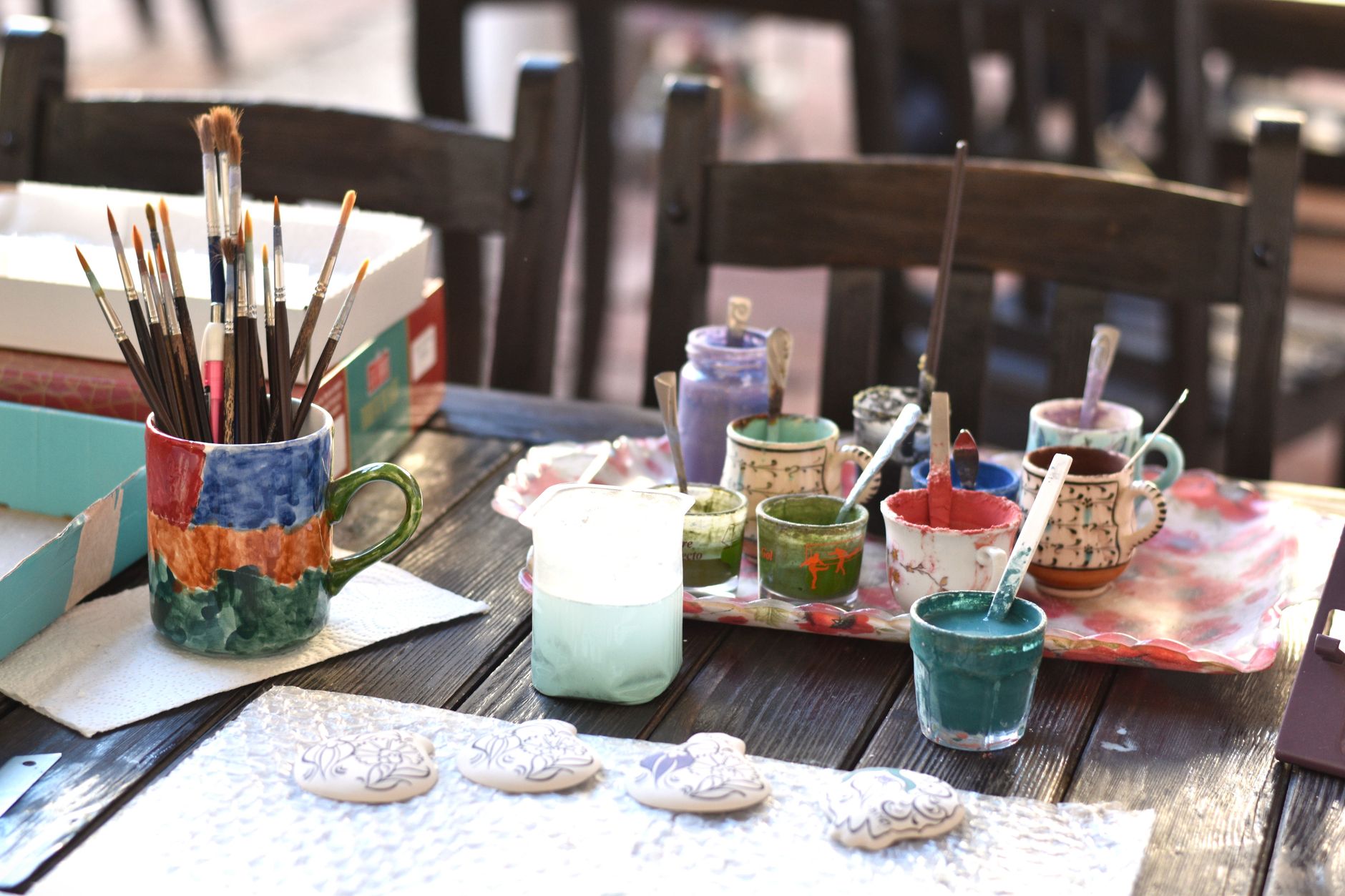
Where to Watch a Demo and Take a Lesson
In Kütahya, head to the Kütahya Ceramic Workshop (Kütahya Çini Atölyesi) in the old town. They offer daily demonstrations and 1–2 hour painting workshops. No experience needed—just enthusiasm. For a deeper dive, the Kütahya Fine Arts Faculty sometimes offers summer courses.
In Avanos, the Güray Ceramic Museum and workshop is a wonderful place to see a demo and try the wheel. The owner, a third-generation potter, speaks English and loves teaching beginners. Another excellent option is Chez Galip, a famous pottery workshop with a quirky hair museum. They offer short lessons and are very welcoming.
Both towns have workshops that welcome drop-ins, but it's best to call ahead or check timings. Most demonstrations are free, but lessons typically cost 100–300 TL per person, depending on length and materials. It's a small price for a memorable experience.
Shipping Your Treasures Home Safely
Buying a beautiful ceramic piece is easy; getting it home in one piece requires a bit of planning. Most reputable workshops offer shipping services, especially for larger items. They pack professionally with bubble wrap and custom crates. Ask for insured shipping and keep the receipt.
If you prefer to carry it yourself, wrap the item in clothing and place it in your carry-on. Avoid checked luggage for fragile pieces. For very large items, sea freight is an option but can take weeks. Always ask the seller about their experience with international shipping—most have done it many times.
Note that some countries charge customs duties on imported ceramics. Check your home country's regulations before making a large purchase. It's also wise to photograph the item before shipping and keep tracking information.
Fair Prices and Ethical Shopping
Ceramic prices vary widely based on artistry, size, and materials. In Kütahya, a hand-painted tile might cost 50–200 TL, while a large platter can be 500–2000 TL. In Avanos, a small bowl might be 40–100 TL, and a large wine jug 300–1000 TL. These are fair ranges for authentic handmade pieces.
Remember that bargaining is common in bazaars but less so in workshops where prices are fixed. It's okay to politely ask for a small discount, especially for multiple items, but avoid aggressive haggling—these are artisans, not merchants. Your purchase supports their craft and family.
Look for signs of handmade quality: slight irregularities, brush strokes, and a signature or stamp. Avoid cheap, mass-produced imitations often sold in tourist traps. If in doubt, ask the seller about the maker and technique.
Practical Tips for Your Visit
Best time to visit: spring (April–May) and autumn (September–October) for pleasant weather. Kütahya is easily reached by bus from Istanbul (about 4 hours) or by train. Avanos is a short dolmuş ride from Nevşehir or Göreme.
Wear comfortable shoes and clothes you don't mind getting clay on. Bring a camera to capture the artisans at work (always ask permission first). Most workshops accept credit cards, but carry some cash for small purchases.
Learn a few Turkish phrases: merhaba (hello), teşekkür ederim (thank you), and ne kadar? (how much?). Artisans appreciate the effort and will often share stories and tea.
Beyond the Wheel: Other Ceramic Centers
While Kütahya and Avanos are the stars, Türkiye has other ceramic traditions worth exploring. İznik (Nicaea) is famous for its 16th-century tiles, though today few original workshops remain—you can still visit the İznik Tile Workshop to see modern revivals. Çanakkale is known for its colorful, folk-art ceramics. And in Istanbul, the Grand Bazaar and Arasta Bazaar offer a wide selection, but always ask where the pieces were made.
For a truly immersive experience, consider a multi-day pottery tour that combines Kütahya, Avanos, and İznik. Several companies offer such itineraries, including hands-on workshops.
Conclusion: Create Your Own Masterpiece
Türkiye's pottery towns are not just places to buy souvenirs; they are living museums where you can participate in an ancient art. Whether you're painting a tile in Kütahya or throwing a pot in Avanos, you'll leave with a deeper appreciation for the craft and a unique piece of your own making. The artisans' warmth and generosity will make your visit unforgettable. So roll up your sleeves, get your hands dirty, and join the centuries-old rhythm of the wheel.
Thinking about a trip to Turkey?
Share your contact details and a vetted local expert will follow up with a plan built around you — free, no obligation.