

Why Türkiye's Art Scene Deserves a Place on Your Itinerary
Most visitors come to Türkiye for Byzantine mosaics, Ottoman mosques and landscapes. They leave having also stumbled into a private foundation showing video art in a former warehouse, a hillside sculpture garden above the Bosphorus, or a courtyard full of young painters on an opening night. That surprise is the point of this guide.
Türkiye's contemporary art world has matured fast. Istanbul's galleries sit alongside institutions of genuine international standing, Ankara's foundations have quietly built serious collections, and İzmir's scene is younger, saltier and more experimental — shaped by its port culture and its art schools. What ties them together is that so much of it is walkable. Three of the country's biggest cities have concentrated clusters of galleries where you can see five or six exhibitions in an afternoon without a taxi.
This is a guide to those clusters, plus the sculpture parks and public collections that buffer them. It deliberately stays on the gallery-and-sculpture side of the ledger rather than street murals — the works here have opening hours, curators and wall texts. If the city's open-air paint scene interests you, treat that as a separate walk on a separate day.
Practical framing: museum and gallery hours shift with seasons, exhibitions rotate, and private foundations close for installation periods between shows. Always check the venue's own channels the week you travel. Our best-time guide covers seasonal context, and the FAQ handles transport basics.
How Opening Days Work — and How to Use Them
Turkish galleries generally close one day a week, most often Sunday or Monday, and many run longer hours on Thursday or Friday evenings. Opening receptions — açılış in Turkish — are usually Thursday evenings, starting around 18:00 and running late. Big foundation openings can be invitation-first for the first hours and then open to the public.
If you want to catch an opening, do three things. First, check gallery websites and Instagram a week ahead; schedules are announced there rather than in any central listing. Second, arrive early rather than late: the crowd builds, the speeches come first, and quieter viewing happens in the opening 30 minutes. Third, dress one notch smarter than you would for a museum. Istanbul and Ankara art openings are sociable events with a dress code that is unspoken but real.
Opening nights are free and public at most Turkish galleries, but a small glass of wine and a nod to the gallerist go a long way — and often lead to recommendations you cannot find online.
If your dates don't align, don't worry. Weekday mornings are the best quiet viewing windows anywhere in Türkiye; a Tuesday at 11:00 in a Beyoğlu gallery is a completely different experience from that same gallery on a Saturday. Pair mornings with a sculpture park in the afternoon and you have a near-perfect art day.
One more habit worth adopting: galleries and foundations often sit within a few minutes of a çay house or a good bakery. Build in the pauses. The Turkish art walk is not a sprint between white cubes.
Istanbul: Karaköy to Beyoğlu, with Nişantaşı and the Islands in Reserve
Route A — The Classic Gallery Walk (half a day, mostly flat)
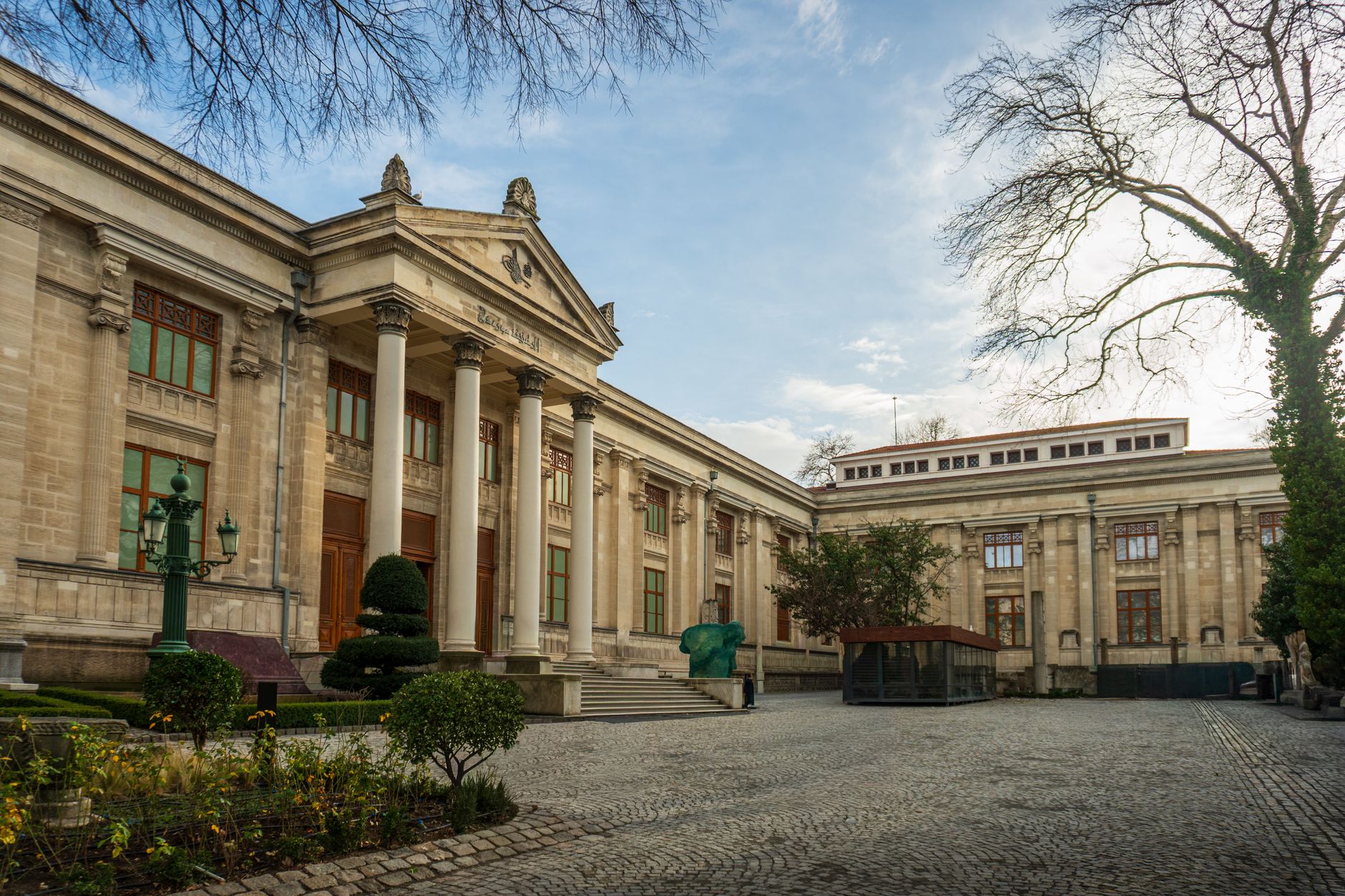
Start in Karaköy, where converted bank buildings and warehouses hold some of the city's larger private galleries. Wander the grid of streets behind the ferry pier — the density here rewards aimlessness. From Karaköy, cross the Galata Bridge footpath or take the short tunnel funicular up to Beyoğlu.
In Beyoğlu, the axis is İstiklal Caddesi and the side streets off it, especially around Çukurcuma and Asmalımescit, which mix small galleries with antique shops and design studios. A natural anchor is the multi-storey art complex of galleries and project spaces in the old Beyoğlu fabric — most travellers spend two hours here without planning to. Then walk downhill to Tophane to end near the water.
Route B — Sculpture and Foundations
For sculpture, head north to Nişantaşı and Maçka, where one of the country's major private modern-art museums sits in a former warehouse complex, with a sculpture courtyard and regularly changing temporary shows. The Maçka park demesne around it makes for a gentle green buffer, and the neighbouring hotel gardens hold occasional large-scale works.
On the Bosphorus, a former palace-turned-museum at Emirgan and its hillside surroundings offer the closest thing Istanbul has to a true sculpture park — monumental pieces set in mature gardens with views across the strait. Give it two hours, and go early or late for the light.
Route C — The Islands and the Edges
If you have a full extra day and want the city's most unusual art outing, take the ferry to the Princes' Islands. Büyükada's hilly pine woods host a biennial-scale sculpture and installation programme in some years, with works scattered along walking and cycling paths. Even without an active exhibition, the island's car-free lanes make a lovely sculpture-less walk, and small local venues show emerging work in summer. Check what's running before you sail; ferries are frequent but the last boat back is unforgiving.
Budgets and passes change; our travel tools page has currency and practical calculators, and guides covers city logistics in more depth.
Ankara: CerModern, the Foundations and a Government-City Art Walk
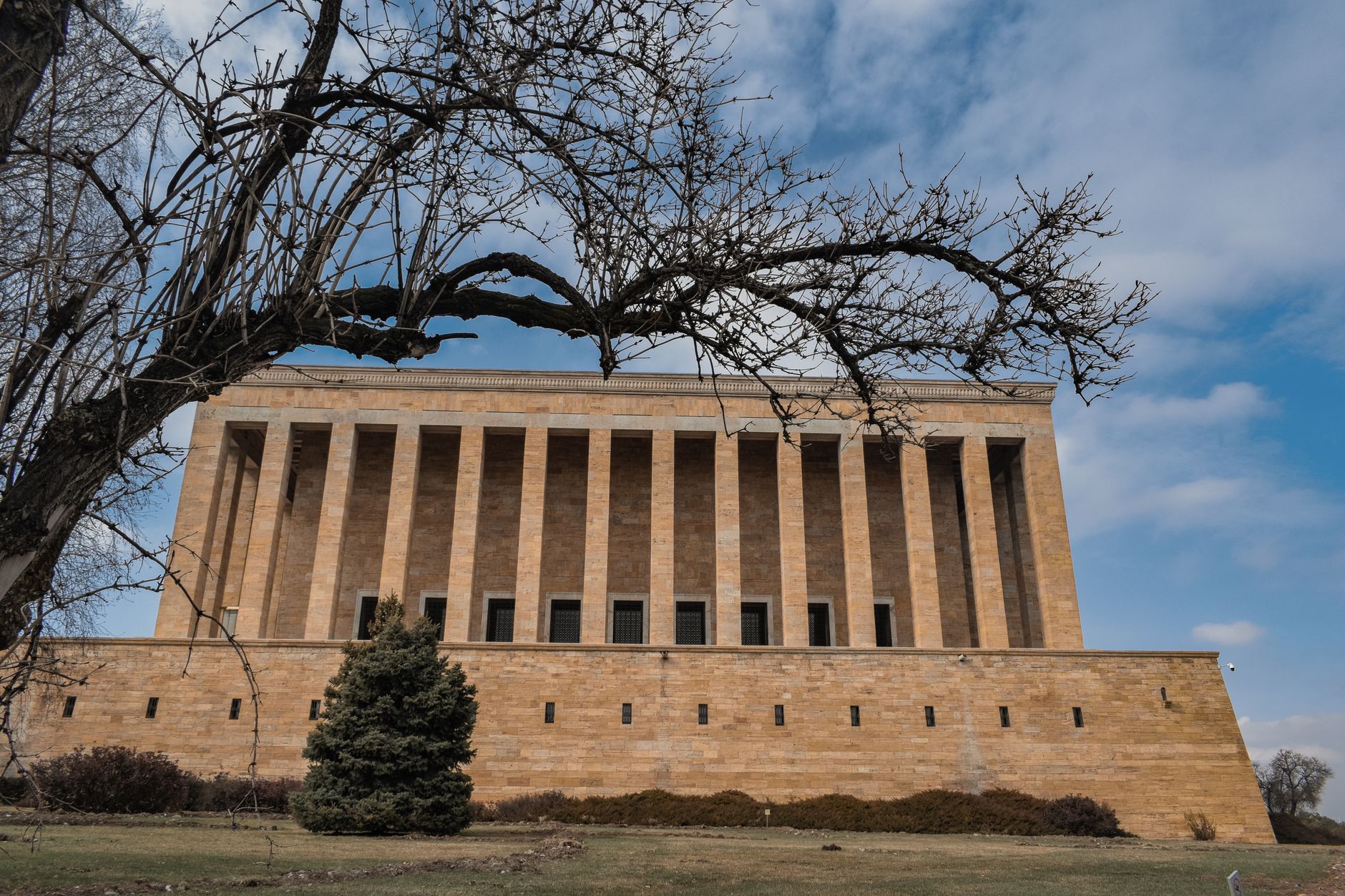
Ankara is where Türkiye's institutional art history lives. The capital's Çankaya district holds the country's state art museum and museum of painting and sculpture, with a collection that runs from late-Ottoman painting through to mid-century modernism. It is not edgy, but it explains everything about Turkish figurative art that you will see for sale in Istanbul galleries.
The city's contemporary anchor is CerModern, a converted railway workshop in the Hacı Bayram–Sıhhiye area whose soaring industrial hall hosts major touring exhibitions and large-scale sculpture. It is one of the best-adapted industrial art spaces in the country, and the scale of the works it can hold is the reason to visit. Allow 90 minutes.
The walk
- Begin at the state painting and sculpture museum in Çankaya for historical grounding.
- Walk south into the Kavaklıdere gallery district, where a cluster of private galleries runs along a few tight streets; most openings happen Thursday evenings here.
- Finish at CerModern, timing your arrival for late afternoon when the hall light is best.
Add Hamamönü if you want a contrast: restored Ottoman houses, small craft workshops and cafés, often with local painters showing in the courtyards. It is heritage-plus-emerging art rather than a contemporary gallery district, and it is a pleasant place to end the day.
Opening-day advice for Ankara is different from Istanbul: openings are smaller, more academic, and the conversation is as likely to be about a painter's training as about the market. Arrive on time, and expect to be drawn into a conversation.
İzmir: Alsancak, the Port and a Younger Scene
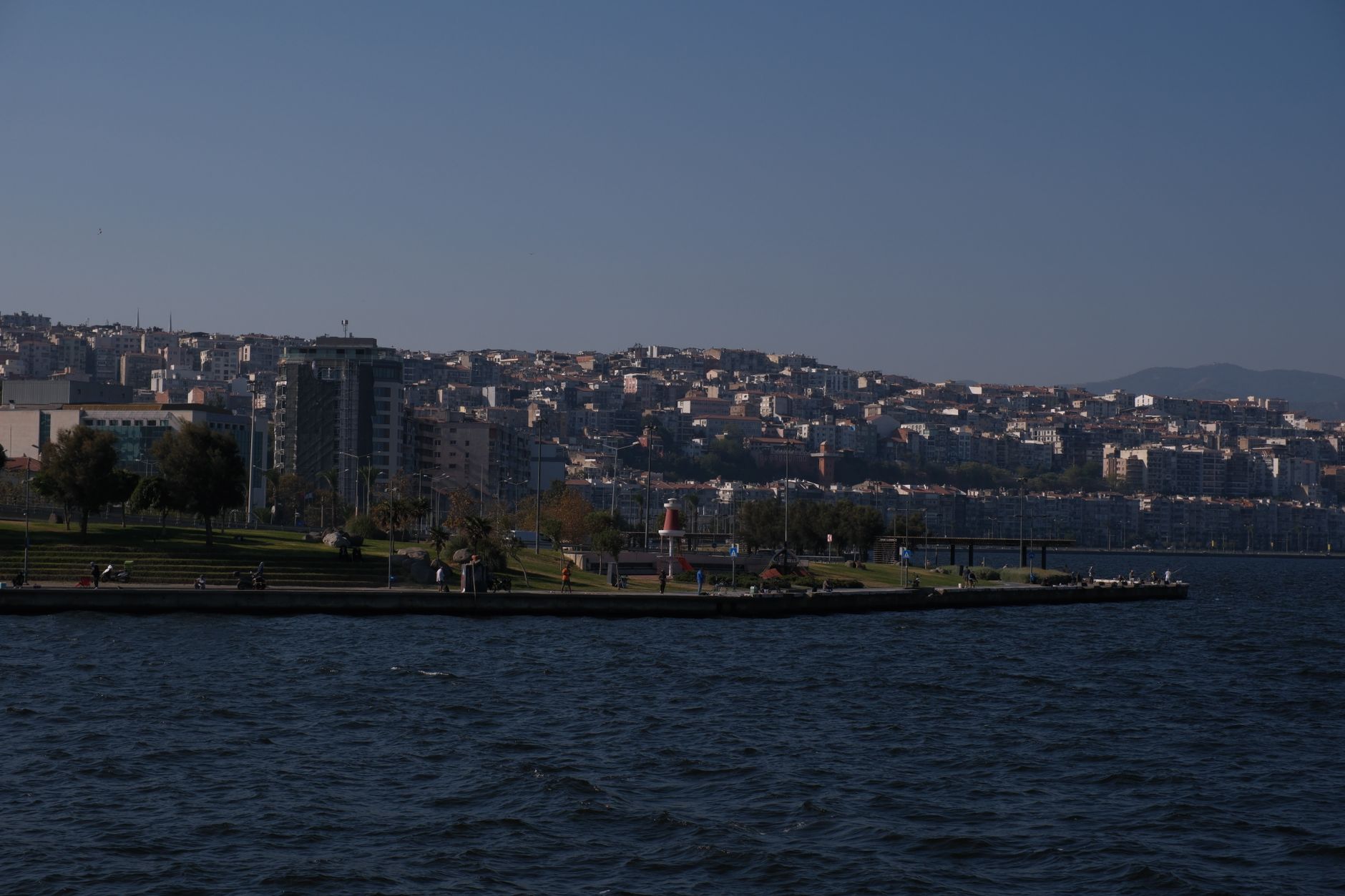
İzmir's art scene feels like a port city's: outward-facing, informal, and quick to absorb new media. The core walk is in Alsancak, along the Kordon and the streets behind it, where independent galleries, artist-run spaces and design studios cluster within a fifteen-minute radius.
Start at the waterfront and walk inland. The Kültürpark fairground area hosts the city's major art fair and large-scale exhibitions in some years — check dates, because when a fair is on, the whole district shifts into opening mode for a week. Outside fair season, the pleasure is smaller: a photography space here, a ceramics studio there, a courtyard gallery showing three young painters.
Public sculpture and green space
İzmir's public sculpture is more integrated into daily life than in the other two cities. The Kordon promenade and the squares around Konak hold civic monuments and modern pieces, and the city's parks and university campuses are where you find larger abstract works. The Bornova area, home to a major university, has a young, experimental gallery culture.
İzmir opening advice: receptions are later and looser than in Istanbul, often spilling onto the pavement, and the scene is small enough that a friendly conversation genuinely opens doors to studios not on any map. If a gallerist offers to show you an artist's workshop, say yes.
For broader destination context on the Aegean, see destinations.
Sculpture Parks and Public Collections: What to Expect
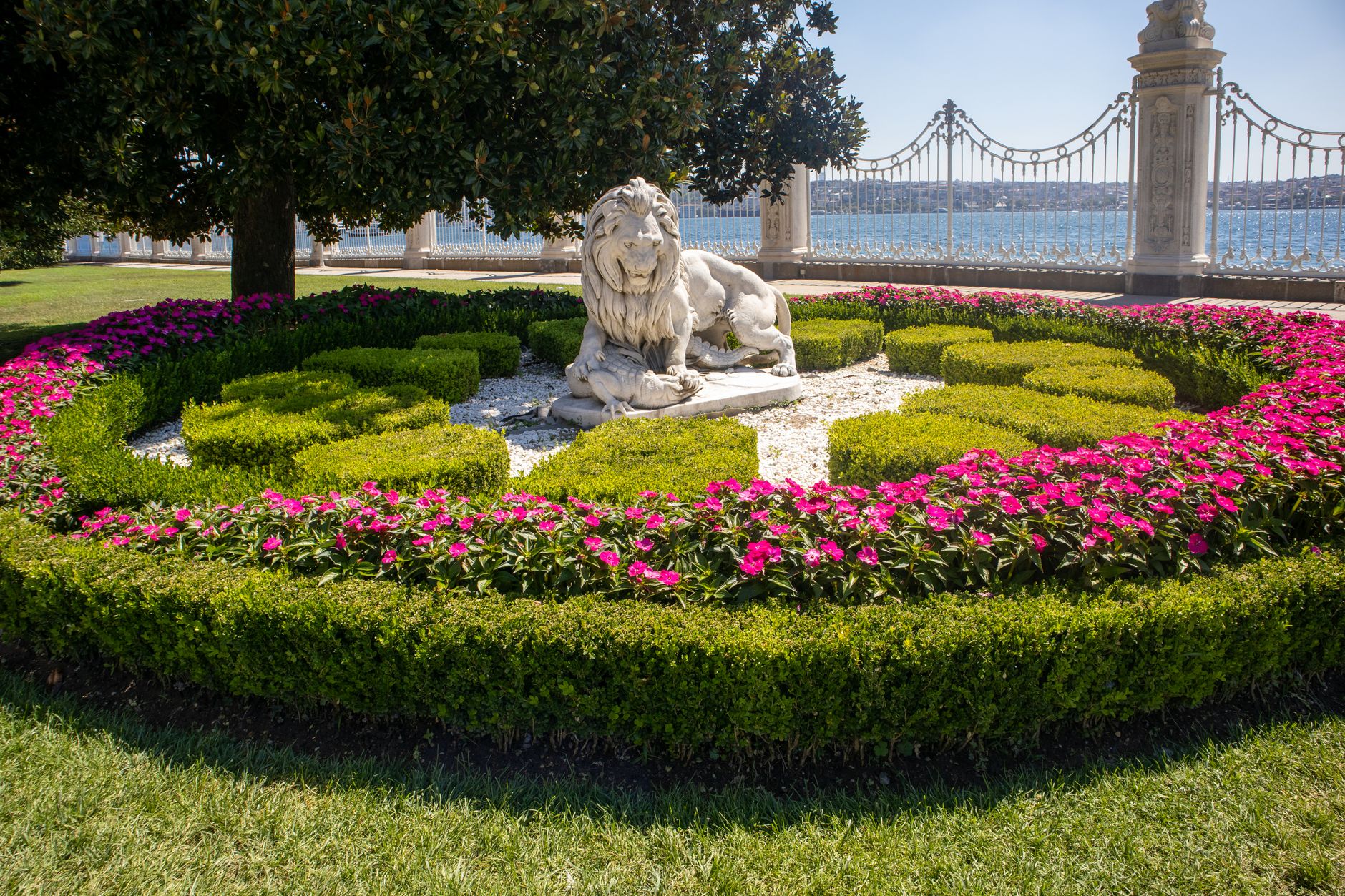
Türkiye's sculpture-park tradition is younger and patchier than Europe's, but the best examples are excellent. The pattern to look for is the former industrial or institutional site: a factory yard, a palace garden, a university campus, a fairground. These give curators the scale and the licence to place monumental work outdoors.
In Istanbul, Bosphorus-side gardens and the parks around the big private museums are the strongest examples. In Ankara, CerModern's forecourt and the university campuses do the work. In İzmir, the Kordon and the fairground. Elsewhere, coastal resorts and the Aegean and Mediterranean coasts occasionally host sculpture symposia — look for clusters of stone pieces in municipal parks, often with a small plaque naming an international roster of sculptors.
Practical expectations: signage is often only in Turkish, conservation varies, and opening hours for outdoor sites can be effectively 'always'. Wear shoes you can walk in on gravel and grass, carry water in summer, and treat a sculpture park as a park — bring a book, sit down, and let the works come to you across a couple of hours rather than marching past them.
Photography is usually fine outdoors; indoors, ask. A glance at a guard and a raised camera is the local shorthand for permission.
Planning the Trip: Timing, Budget and the Right Frame of Mind
For openings, aim for Thursday to Saturday in any of the three cities; for quiet viewing, aim for weekday mornings. Spring and autumn are ideal for the walking element, and summer heat argues for early starts and indoor afternoons. Our itineraries can be adapted to build in gallery days, and the routes section helps if you are linking cities.
Budget: most private galleries are free; foundations and museums charge modest entry, with student discounts. Openings are free. The real cost is time — a good gallery afternoon evaporates in four hours.
Finally, a note on etiquette. Turkish gallerists are hospitable and curious; asking questions about an artist's background is welcome, haggling in a gallery is not. Take a card, follow up, and if you love something, ask whether the artist has a studio visit possible. You may end up in a converted apartment in Beyoğlu drinking tea with a painter, which is the real reason to plan an art walk in this country. For a sense of what you might see, browse our gallery, and if you would rather have a local art-world introduction arranged, our experts can help.
Thinking about a trip to Turkey?
Share your contact details and a vetted local expert will follow up with a plan built around you — free, no obligation.