
The Beloved Çeşme: Turkey's Gift to Thirsty Travelers
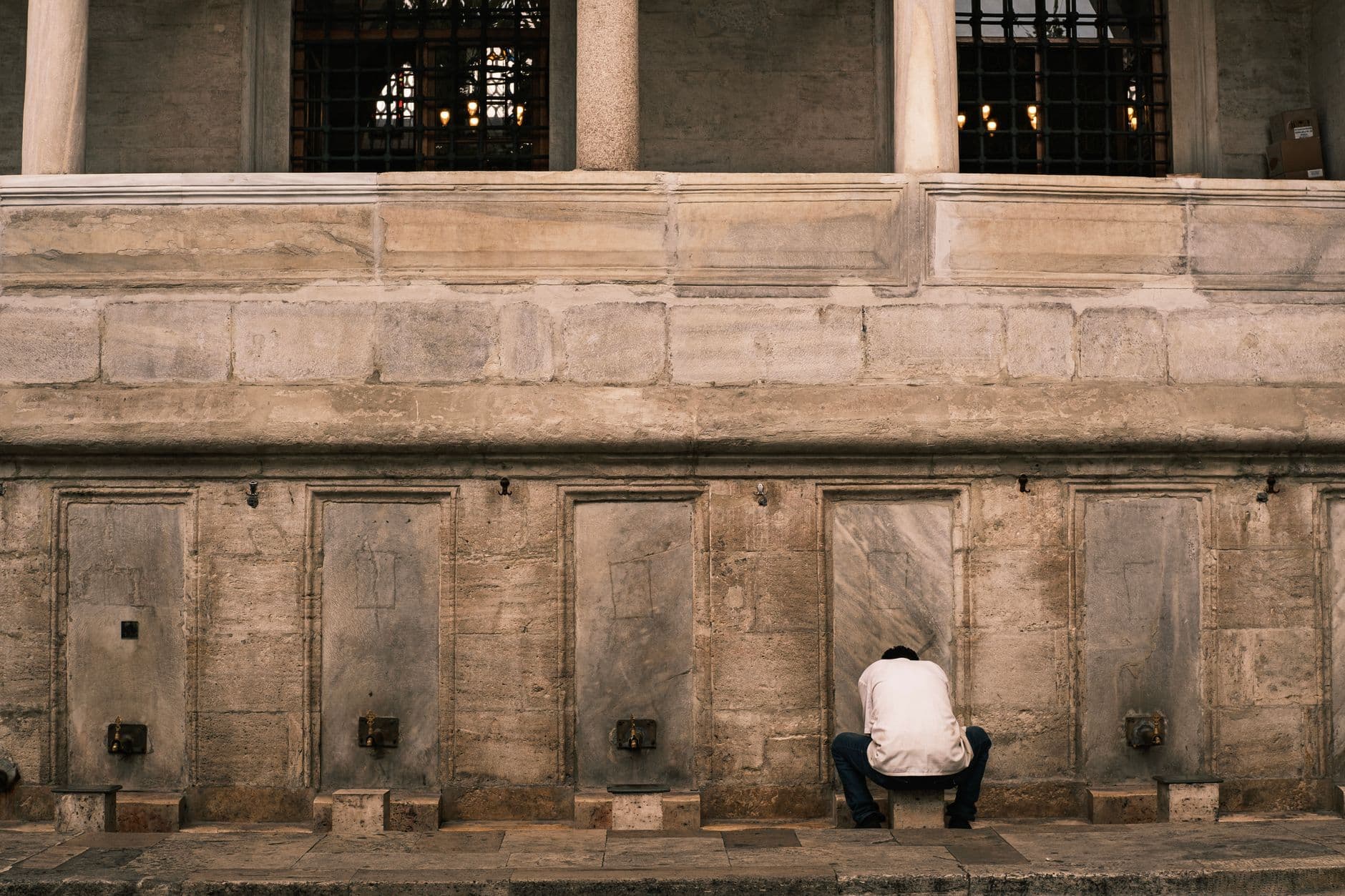
In Turkey, the humble public fountain—known as a çeşme—is far more than a utilitarian water source. It is a cornerstone of daily life, a social hub, and a lifesaver for walkers exploring the country's diverse landscapes. From the bustling streets of Istanbul to the remote mountain trails of the Kaçkar range, these fountains offer free, fresh, and often icy-cold drinking water. For travelers, they represent a chance to stay hydrated sustainably, reduce plastic waste, and connect with a centuries-old tradition of public generosity.
The word çeşme originally comes from Persian, meaning "eye" or "spring," and indeed many fountains are fed by natural springs. You'll find them everywhere: in village squares, along highways, at the entrance to mosques, and even on remote hiking paths. Many are beautifully crafted, featuring marble basins, arched niches, and inscriptions in Ottoman script. Some are simple metal pipes protruding from a wall, while others are elaborate structures with multiple taps and troughs for animals. Regardless of their form, they all serve the same purpose: to provide clean water to anyone in need.
Drinking from a çeşme is a ritual. Locals often carry small cups or bottles, but it's perfectly acceptable to cup your hands under the stream and take a refreshing sip. The water is generally safe to drink, especially in rural areas where it comes directly from mountain springs. However, it's always wise to use common sense: if the water looks discolored or smells odd, or if the fountain is in a highly polluted area, it's better to err on the side of caution. But in most cases, you can trust the çeşme as a reliable source of potable water.
Water Safety: What You Need to Know
Turkey's tap water is generally not recommended for drinking, but public fountains are a different story. Many are fed by natural springs and are regularly tested by local municipalities. In cities like Istanbul, Izmir, and Ankara, the water from public fountains is chlorinated and safe. In rural areas, the water is often unfiltered but pristine, coming from underground sources. That said, it's always a good idea to ask locals if the fountain is safe to drink from, especially if you're in an unfamiliar area.
For extra peace of mind, consider carrying a water filter bottle or purification tablets. These are lightweight and can be a lifesaver if you're unsure about a particular fountain. Also, remember that while the water might be safe, the tap itself could be dirty; letting the water run for a few seconds before drinking can help rinse off any contaminants. And always use your best judgment: if a fountain is in a neglected area or appears to be used for washing clothes or animals, it's best to skip it.
It's also worth noting that during the summer months, some fountains may run dry due to drought conditions. This is becoming more common in parts of the country, so it's wise to carry a backup supply of water, especially on longer hikes. The good news is that in popular tourist areas and along well-trodden trails, fountains are usually well-maintained and abundant.
Notable Fountain Stops on Walking Routes
If you're planning a walking holiday in Turkey, you're in luck: many of the country's most beautiful trails are dotted with çeşme fountains. Here are some standout spots where you can refill and refresh.
Lycian Way: The Fountain at Karaöz
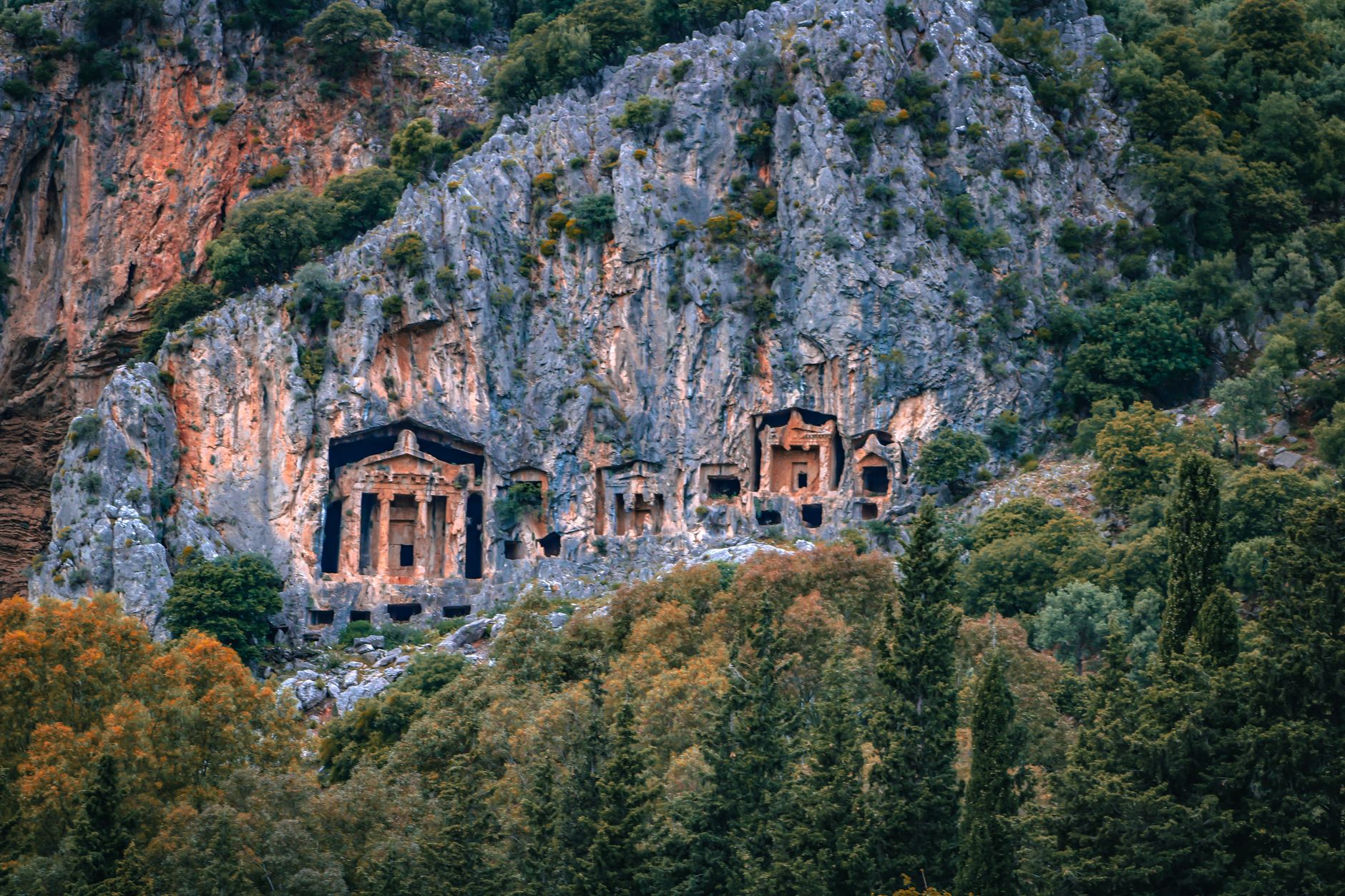
The Lycian Way, one of Turkey's most famous long-distance trails, stretches over 500 kilometers along the Mediterranean coast. Along this route, you'll find numerous fountains, but one of the most welcome is near the village of Karaöz. After a long, hot climb, the cold spring water here feels like a miracle. The fountain is well-maintained and provides a steady stream even in the height of summer. It's a perfect spot to rest, refill your bottles, and enjoy the stunning coastal views.
Kaçkar Mountains: High-Altitude Springs
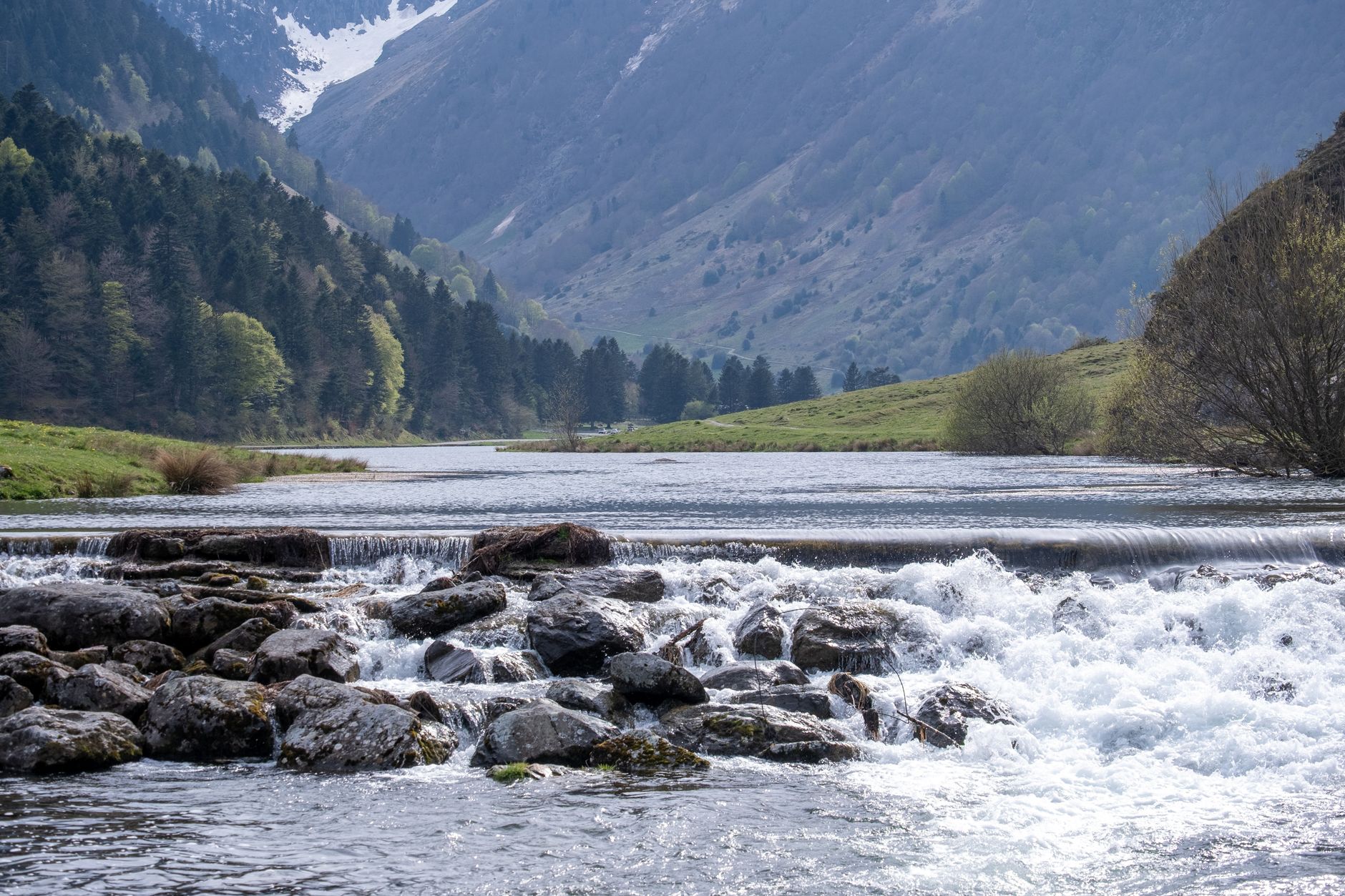
For those venturing into the lush Kaçkar Mountains in northeastern Turkey, the high-altitude springs are a highlight. Many hiking routes, such as the ascent to the Ayder Plateau, pass by natural springs where shepherds fill their bottles. The water here is incredibly pure and cold, straight from the snowmelt. Just be cautious: in remote areas, the water might not be treated, so filtering is advisable if you have a sensitive stomach. But the taste of that icy water after a steep climb is unforgettable.
Istanbul: Historic Fountains in the Old City
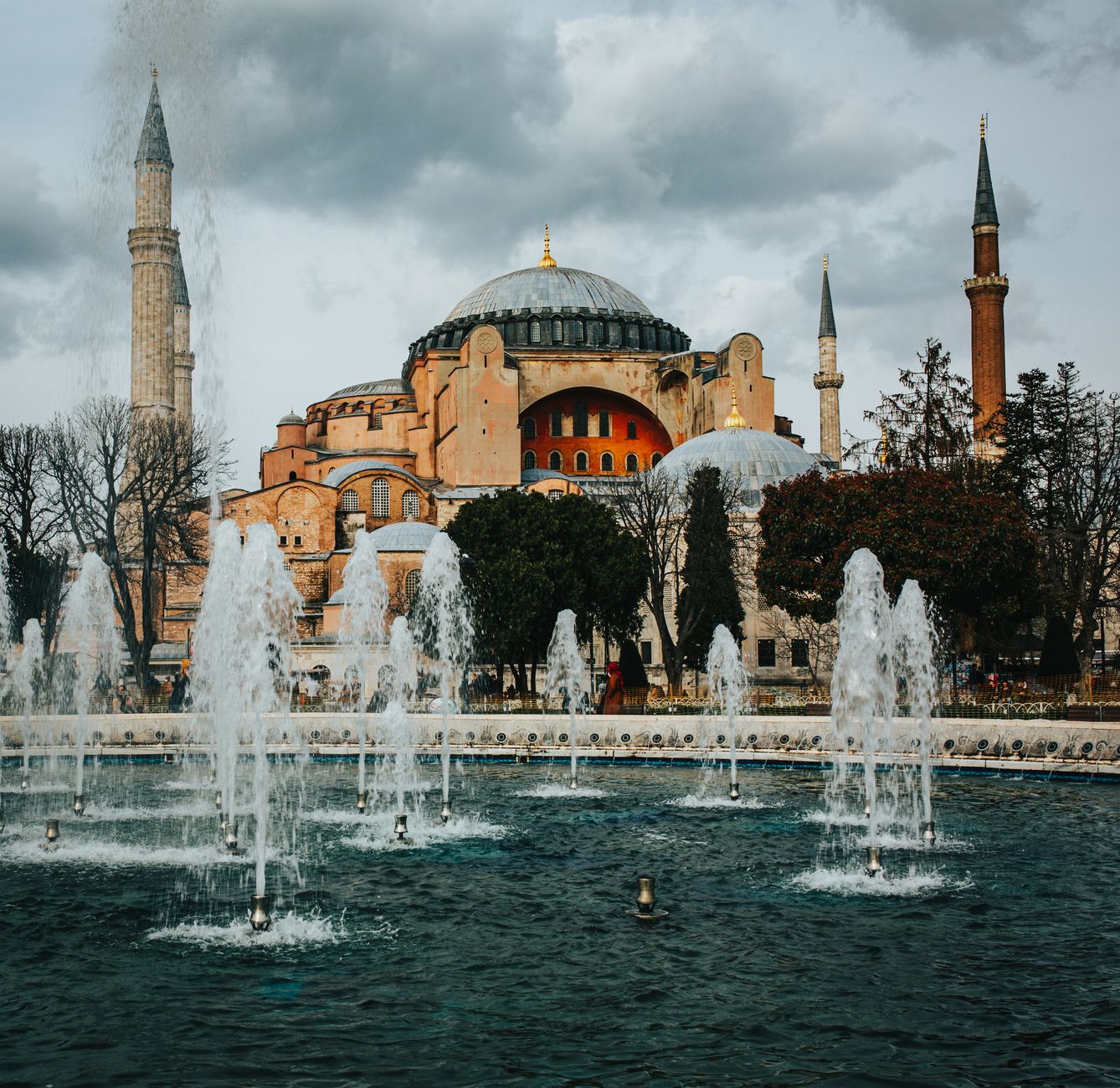
Even in a bustling metropolis like Istanbul, çeşme fountains are everywhere. In the historic Sultanahmet area, you'll find ornate Ottoman fountains, some dating back to the 16th century. The fountain in front of the Blue Mosque, for example, offers safe, refreshing water. It's a great place to refill while exploring the city's landmarks. For a more local experience, wander through the neighborhood of Balat, where small fountains tucked into walls provide a quick drink for passersby.
Cappadocia: Valleys and Villages
In Cappadocia, walking through the surreal valleys often leads to encounters with fountains. The Rose Valley and Red Valley trails have several çeşme where you can top up. In the village of Çavuşin, a fountain near the mosque is a popular stop for hikers. The water here is cool and clean, and the setting—with fairy chimneys in the background—is magical. Remember to carry a refillable bottle; you'll be grateful for it.
The Cultural Significance of Çeşme
Beyond their practical use, çeşme fountains hold deep cultural significance in Turkey. Many are built as acts of charity, often funded by wealthy individuals or religious foundations. Inscriptions on these fountains often include the name of the benefactor and a prayer, reflecting the Islamic tradition of sadaka (charity) and the importance of providing water to travelers and animals. Some fountains are centuries old, and their continued function is a testament to the enduring value placed on public welfare.
In villages, the çeşme is a social center. Women gather to wash clothes and exchange news, while men stop to fill containers and chat. For travelers, stopping at a fountain can be a chance to interact with locals—a smile and a "merhaba" (hello) can lead to a friendly conversation or even an invitation for tea. These spontaneous encounters are often the highlight of a trip.
Additionally, the çeşme is an integral part of Turkish hospitality. Offering water to a guest is a sign of welcome, and public fountains extend that hospitality to everyone, regardless of status. As a traveler, using these fountains is not just practical—it's a way to participate in a shared cultural tradition.
Practical Tips for Using Fountains and Springs
To make the most of Turkey's public water sources, here are some tips:
- Carry a refillable bottle: A durable water bottle is essential. Many fountains are clearly marked and easy to use, but having your own bottle reduces waste and ensures you can drink on the go.
- Learn the word "içilebilir": This means "drinkable" in Turkish. If you're unsure about a water source, ask a local "İçilebilir mi?" (Is it drinkable?).
- Use a filter if unsure: A portable water filter or purification tablets can give you peace of mind in rural areas.
- Respect the fountain: Don't wash your hands or face directly in the drinking stream; use the side taps or troughs if available. Keep the area clean.
- Check for signage: In tourist areas, fountains may have signs indicating potability. If not, observe locals—if they're drinking, it's likely safe.
- Carry a backup: Especially on long hikes, carry extra water in case a fountain is dry or not to your liking.
For more on staying healthy and hydrated on your travels, see our travel tools section, where you can find recommended gear.
Fountains as Part of Sustainable Travel
In an era of plastic pollution, Turkey's public fountains are a beacon of sustainability. By refilling your bottle at these sources, you can drastically reduce your plastic footprint. Many travelers report that using fountains not only saves money but also feels more integrated into local life. It's a small act that aligns with responsible travel principles.
Moreover, supporting the maintenance of these fountains—by using them and treating them with respect—helps ensure they remain for future generations. Some municipalities and NGOs are working to restore historic fountains, recognizing their cultural and practical value. As a visitor, you can contribute by simply using them and spreading the word.
Incorporating fountain stops into your walking itinerary also encourages you to explore off-the-beaten-path areas. Often, the most charming fountains are in small villages or along rural roads, leading you to discover hidden gems. For ideas on routes that include such stops, check our routes page and itineraries.
Final Sip: Embrace the Çeşme Experience
Turkey's public drinking fountains and cold springs are more than just a convenience—they are a window into the country's soul. They reflect a culture of generosity, community, and respect for nature. For walkers, they are indispensable allies, providing refreshment and a moment of pause in stunning surroundings. So next time you're hiking through a Turkish landscape, keep an eye out for that telltale stream of water and the glint of marble. Stop, drink deeply, and savor the simple joy of a cold drink shared with locals and travelers alike. And remember: in Turkey, water is never far away—just look for the çeşme.
For more practical advice on traveling in Turkey, explore our guides and FAQ.
Thinking about a trip to Turkey?
Share your contact details and a vetted local expert will follow up with a plan built around you — free, no obligation.