

The Historic Çeşme: A Tradition of Generosity
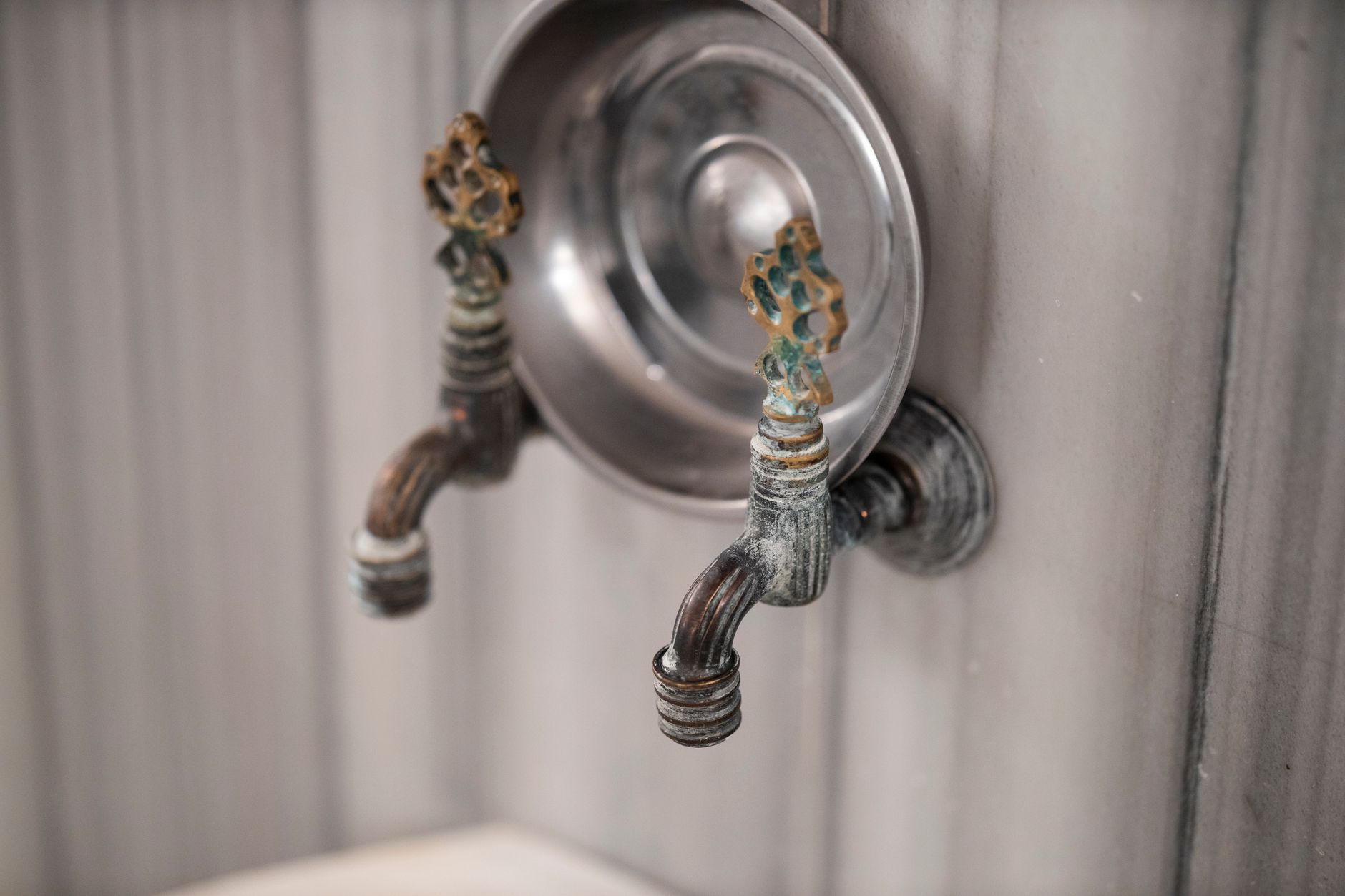
In Türkiye, public fountains, known as çeşme, are more than just water sources; they are enduring symbols of charity and community. For centuries, these fountains have been built by wealthy individuals, sultans, and ordinary citizens as acts of sadaka (voluntary charity), ensuring that travelers, pilgrims, and locals alike could quench their thirst. The tradition dates back to Ottoman times, when no mosque complex, caravanserai, or neighborhood was complete without a fountain. Many historic çeşme feature intricate stone carvings, marble arches, and inscriptions in Arabic script, blending functionality with artistic beauty.
Today, these fountains still dot the landscape, from the bustling streets of Istanbul to remote villages in Anatolia. Some are works of famous architects like Mimar Sinan, while others are humble taps built into a wall. Regardless of their size, they carry a legacy of hospitality that remains central to Turkish culture. When you drink from a çeşme, you're not just hydrating—you're participating in a centuries-old tradition of sharing life's most essential resource.
Many historic fountains have been restored and are still in use, offering clean, cool water. Look for them near mosques, in town squares, or along old trade routes. They often bear a plaque with the name of the benefactor and the date of construction, adding a touch of history to your sip.
Modern Water Stations: Convenience Meets Sustainability
In recent years, Türkiye has embraced modern public water stations, often called su istasyonu or damacana dolum points. These sleek, stainless-steel units are popping up in parks, bus terminals, ferry docks, and pedestrian zones across major cities like Istanbul, Izmir, and Ankara. They dispense purified water, sometimes chilled, and are designed to refill reusable bottles. This initiative is part of a broader push to reduce plastic waste and promote eco-friendly travel.
Municipalities such as Istanbul's Metropolitan Municipality have installed hundreds of these stations, and the trend is growing. They are typically free to use, though some may ask for a small coin donation. The water is regularly tested and safe to drink. Many stations also offer two options: still and sparkling, or room temperature and cold. Using them is a simple way to stay hydrated without contributing to plastic pollution.
For travelers, these stations are a blessing. They are often located near popular attractions, making it easy to refill on the go. Some even have built-in bottle rinsing features and digital displays showing water quality. Embrace this modern convenience while enjoying the ancient tradition of public water.
How to Spot Safe Public Taps and Fountains
Not all water sources are created equal, and knowing which taps are safe to drink from is crucial. In Türkiye, municipal tap water is generally chlorinated and safe, but many locals prefer bottled or filtered water due to taste and occasional infrastructure issues. Public fountains and stations, however, are usually maintained and safe. Here's how to identify a reliable source:
- Look for signage: Official water stations often have labels like "İçilebilir Su" (Drinkable Water) or a blue drop symbol. Historic çeşme may have a plaque indicating potability, but if in doubt, ask a local.
- Check the flow and cleanliness: A steady stream and a clean basin are good signs. Avoid fountains with stagnant water or visible debris.
- Observe locals: If residents are filling their bottles, it's likely safe. In villages, spring-fed çeşme are often prized for their purity.
- Use common sense: In major cities, stick to modern stations or busy public fountains. In rural areas, natural springs are generally safe but may contain minerals that could upset sensitive stomachs.
When in doubt, carry a portable water filter or purification tablets as a backup. But rest assured, Türkiye's public water infrastructure is robust, and you'll find plenty of safe options.
Refilling Your Bottle: Etiquette and Practical Tips
Refilling your water bottle in Türkiye is not only practical but also a chance to engage with local culture. Here are some tips to do it respectfully and efficiently:
- Carry a reusable bottle: A sturdy, wide-mouth bottle is ideal for filling from both taps and stations. Collapsible bottles save space when empty.
- Wait your turn: If there's a queue, wait patiently. Fountains are shared spaces, and courtesy is appreciated.
- Don't waste water: Turn off the tap tightly after use. In some historic fountains, the water flows continuously by design, but modern stations have push buttons or sensors.
- Offer a small donation: Some fountains, especially those maintained by charities, have a donation box. Contributing a few lira helps with upkeep.
- Ask if unsure: Locals are generally happy to help. A simple "Su içilebilir mi?" (Is the water drinkable?) goes a long way.
Remember that in some rural areas, fountains may be fed by natural springs and are not chlorinated. While usually safe, if you have a sensitive stomach, you might want to purify it. But for most travelers, these springs offer some of the tastiest water you'll ever drink.
Staying Hydrated on Hot Days: A Survival Guide
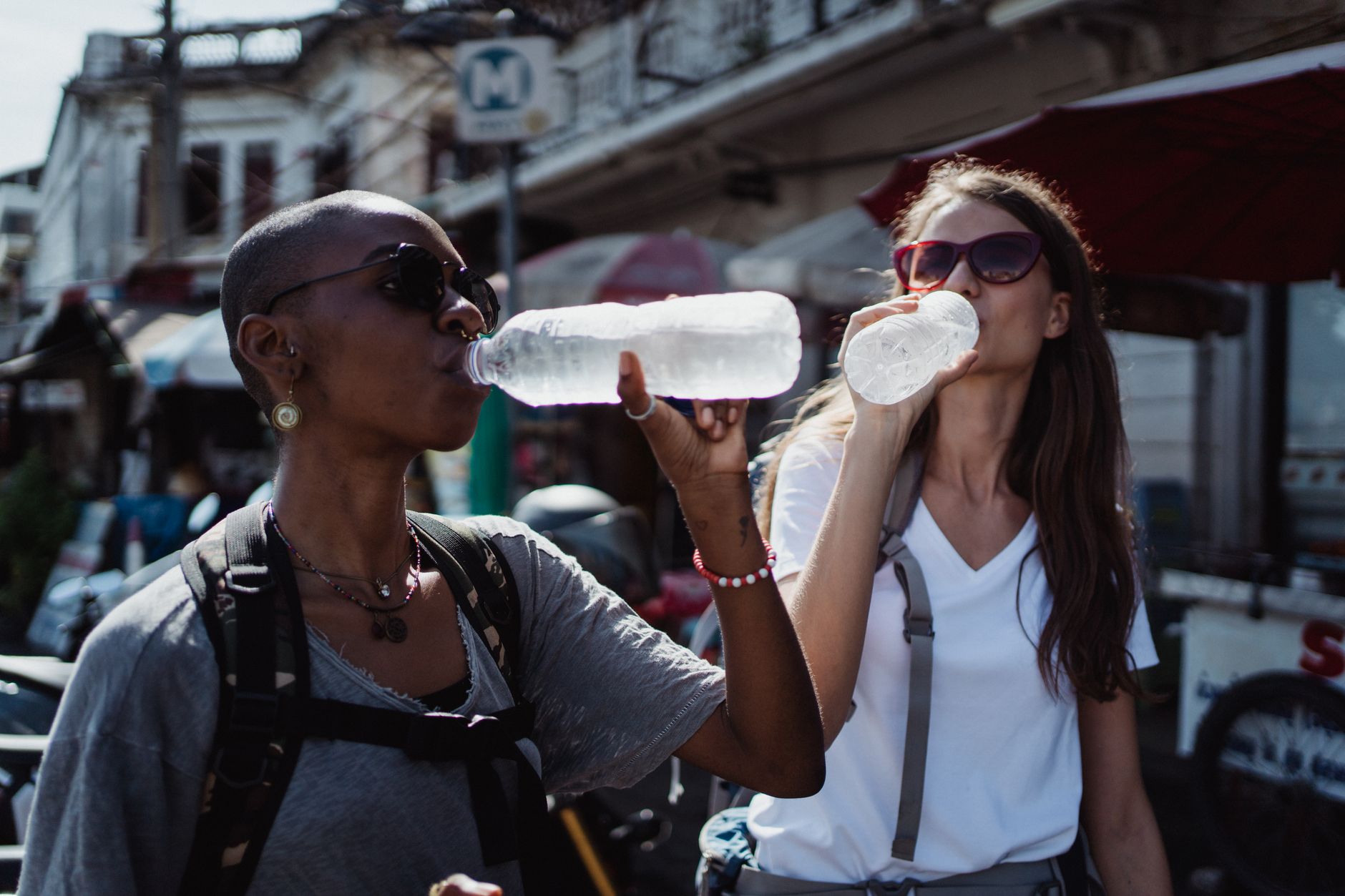
Türkiye's summers can be scorching, especially in the south and southeast. Temperatures often exceed 35°C (95°F), and dehydration is a real risk. Here's how to stay cool and hydrated while exploring:
- Start early: Do your sightseeing in the morning and evening, and seek shade during peak hours.
- Drink before you're thirsty: Thirst is a late sign of dehydration. Sip water regularly throughout the day.
- Use public fountains: They are your best friend. Plan your route around them, especially in cities like Istanbul, where you can find a çeşme or station every few blocks.
- Add electrolytes: If you're sweating a lot, consider adding electrolyte tablets or drinking ayran (a salty yogurt drink) to replenish salts.
- Eat water-rich foods: Watermelon, cucumber, and tomatoes are plentiful and hydrating.
- Carry a hat and sunscreen: Protect yourself from the sun to reduce water loss.
In coastal areas, the sea breeze can mask how much you're sweating, so keep drinking. And remember, çay (tea) is a national obsession, but it's a diuretic. Balance it with plenty of water.
Environmental Impact: Why Public Water Matters
Plastic pollution is a global crisis, and Türkiye is not immune. By using public fountains and water stations, you significantly reduce your plastic footprint. A single reusable bottle can replace hundreds of disposable ones over a trip. Many Turkish municipalities are actively promoting this shift, and some have installed water stations specifically to cut down on plastic waste.
Moreover, supporting public water infrastructure helps preserve the historic çeşme. These fountains are part of Türkiye's cultural heritage, and using them keeps the tradition alive. When you choose a fountain over a plastic bottle, you're saying yes to sustainability and no to unnecessary waste.
So next time you're thirsty in Türkiye, seek out a çeşme or a modern station. It's good for the planet, good for your wallet, and a wonderful way to connect with local life.
Conclusion: Drink Deeply from Turkish Culture
Türkiye's public fountains and water culture offer a unique window into the country's soul. From the ornate Ottoman çeşme to the sleek new water stations, they reflect a deep-seated tradition of hospitality and a modern commitment to sustainability. As a traveler, you can partake in this tradition simply by carrying a reusable bottle and refilling it at every opportunity.
So go ahead, drink deeply—not just water, but the stories and generosity that flow from every fountain. Your body and the planet will thank you.
Thinking about a trip to Turkey?
Share your contact details and a vetted local expert will follow up with a plan built around you — free, no obligation.