

Why Türkiye Is a Surprisingly Comfortable Country for a Comfort Stop
Here is a piece of good news that rarely makes it into glossy travel brochures: Türkiye is, by and large, an excellent country for a traveler who needs a restroom. Cleanliness is woven into Turkish culture in ways that go back centuries — to Ottoman hamam traditions, to the Islamic emphasis on ritual purity before prayer, and to a deeply ingrained sense of hospitality that treats a guest's comfort as a matter of honor. You will feel that heritage every time you push open the door of a tidy roadside facility or step into the ablution courtyard of a mosque.
Public toilets (often signposted as WC, Tuvalet, or Umumi Tuvalet) are everywhere: motorway service stations, museums, ferry terminals, parks, bazaars, restaurant rows, and historic sites. Many are free, many are staffed by an attendant, and a great number are sparklingly tiled — sometimes with more decorative flair than you might expect for a humble lavatory. Think of this guide as your friendly field manual: where to find them, how to spot them, what to carry, and exactly what to say.
This is a courtesy guide, not a warning list. Türkiye rewards travelers who arrive with a little preparation and a lot of good humor. Carry a few coins, learn three phrases, and you will glide through your days here with total confidence.
How to Spot a Public Toilet — Signs, Symbols, and Local Language
The universal male and female pictograms are widely used, but the written word matters just as much. Learn to recognize four terms and you will never be caught out: Tuvalet (toilet), WC (the most common sign of all), Bay (men) and Bayan (women). Older signs may use Erkekler for men and Kadınlar for women. In restaurants, a discreet arrow or the words Tuvalet near the back of the room point the way.
Mosques are one of the most reliable and welcoming options. Their şadırvan courtyards — the ablution fountains where worshippers wash before prayer — almost always include separate toilet blocks, usually free or with a small donation box. These facilities are maintained constantly because cleanliness is part of worship itself. When you visit a mosque, dress modestly, remove your shoes where indicated, and keep your voice low; the restroom is a practical service, not a tourist attraction, so a respectful attitude is appreciated.
Also watch for signage inside larger venues. Shopping malls (AVM), airports, bus terminals (otogar), and motorway service areas (dinlenme tesisi) have excellent facilities, often free, frequently attended, and sometimes with family or accessible cubicles. Museum grounds and archaeological sites typically provide toilets near the ticket gate or café. If you are unsure, simply ask — Turks are famously helpful, and being directed kindly to the nearest tuvalet is a small daily act of hospitality you will come to count on.
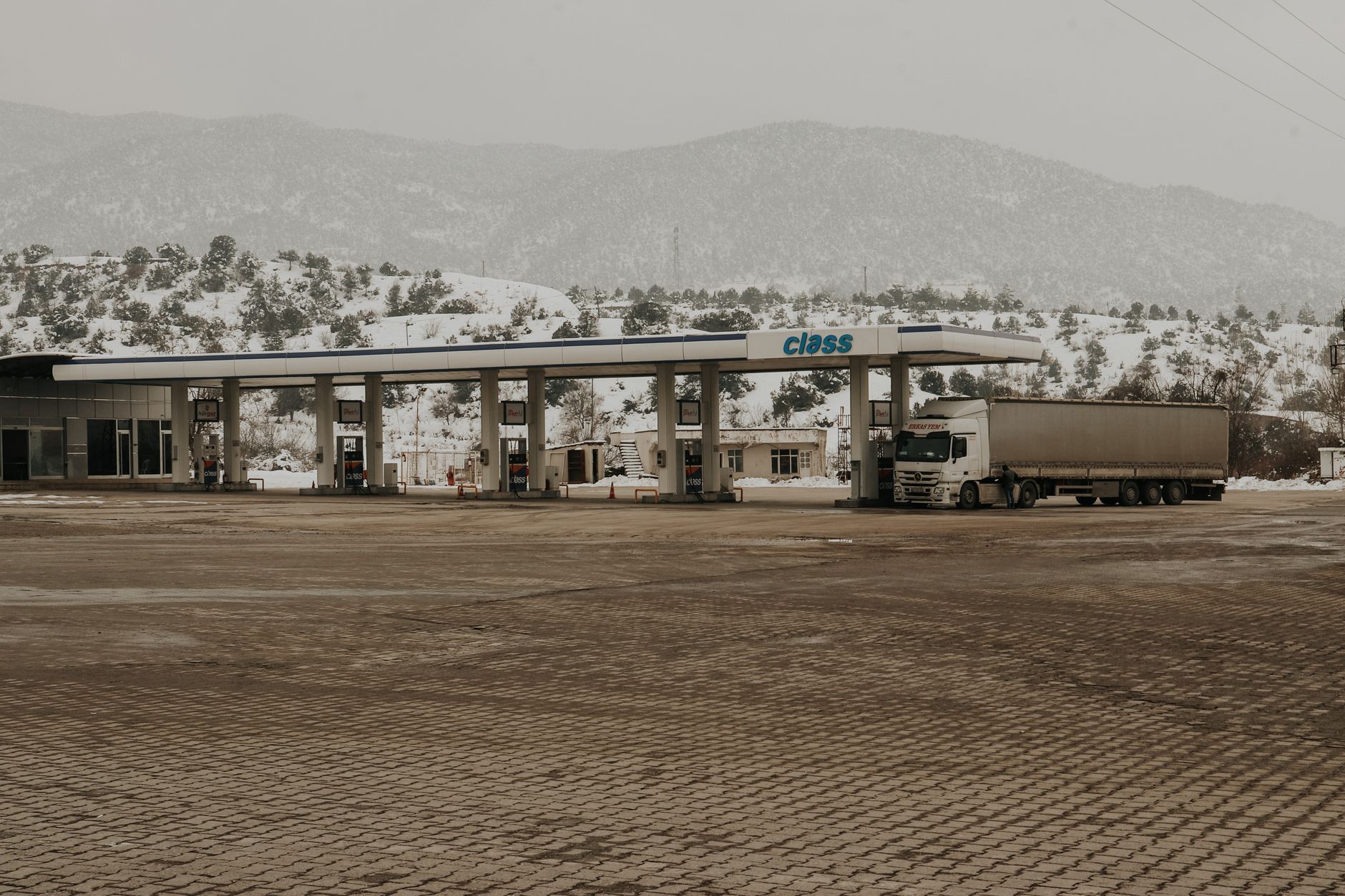
Highway Service Stations: Türkiye's Underrated Restroom Champions
Anyone who has driven or taken a long-distance bus across Türkiye knows the joy of a good dinlenme tesisi. These motorway service areas — family-run or chain-operated — are built around the needs of road travelers, and their restrooms are often genuinely impressive. Expect bright tile, running water, soap, paper towels or hand dryers, and a full-time attendant who keeps everything in order. Many facilities are separate from the small attached café or market, and the standard is consistently high.
Bus travel is where these stops shine. On an overnight journey between, say, Istanbul and Cappadocia, your coach will pull into a large service station every few hours for a 15-to-20 minute break. This is your moment. Use the restroom, wash your hands, and perhaps grab a çay or a simit for the road. The stops are well lit, staffed, and easy to navigate even if you do not speak Turkish — the WC sign is unmistakable.
A pleasant custom: many service-station restrooms are free, while others invite a small contribution of a few lira, either via a turnstile or a tip dish for the attendant. This is not a toll so much as a thank-you for a clean space. Having a handful of coins ready makes the whole exchange effortless and lets you get back to enjoying the view.
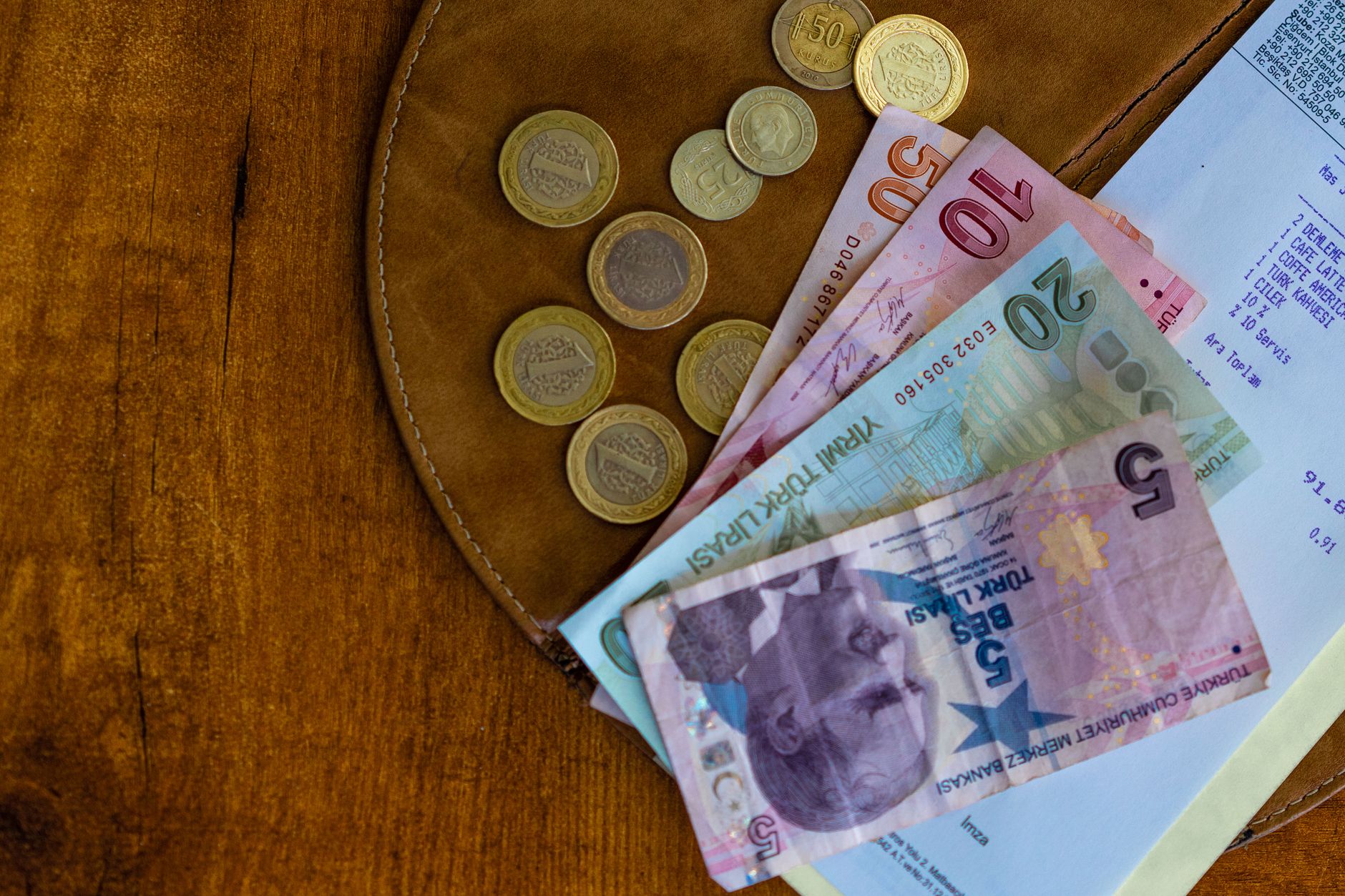
Free or Paid? Turning Turnstiles, Attendants, and the Small Change Habit
Türkiye's public restrooms come in three broad flavors. First, free facilities in malls, airports, museums, mosques, and many restaurants. Second, attended facilities where an attendant keeps the place spotless and a tip of perhaps 5–20 Turkish lira is customary — a small kindness that keeps standards high. Third, turnstile or kiosk facilities, especially in busy tourist areas, where you insert a coin or a card to pass through a gate.
The single most useful habit you can build is carrying coins. A few 5, 10, and 20 lira coins in a separate pocket — or a dedicated small pouch — will serve you again and again. Some modern turnstiles accept contactless payment or a transit-style card, but do not count on it in smaller towns or along rural routes. Cash in small denominations is your quiet superpower.
If a facility has an attendant, a friendly "Kolay gelsin" — a warm Turkish phrase meaning roughly "may it be easy for you" and said to people who are working — is a lovely greeting as you enter. Pair it with a small tip on the way out, and you will have made someone's day. If there is a box, drop your coins there. If there is a turnstile, simply pass through. Nobody expects more than that.
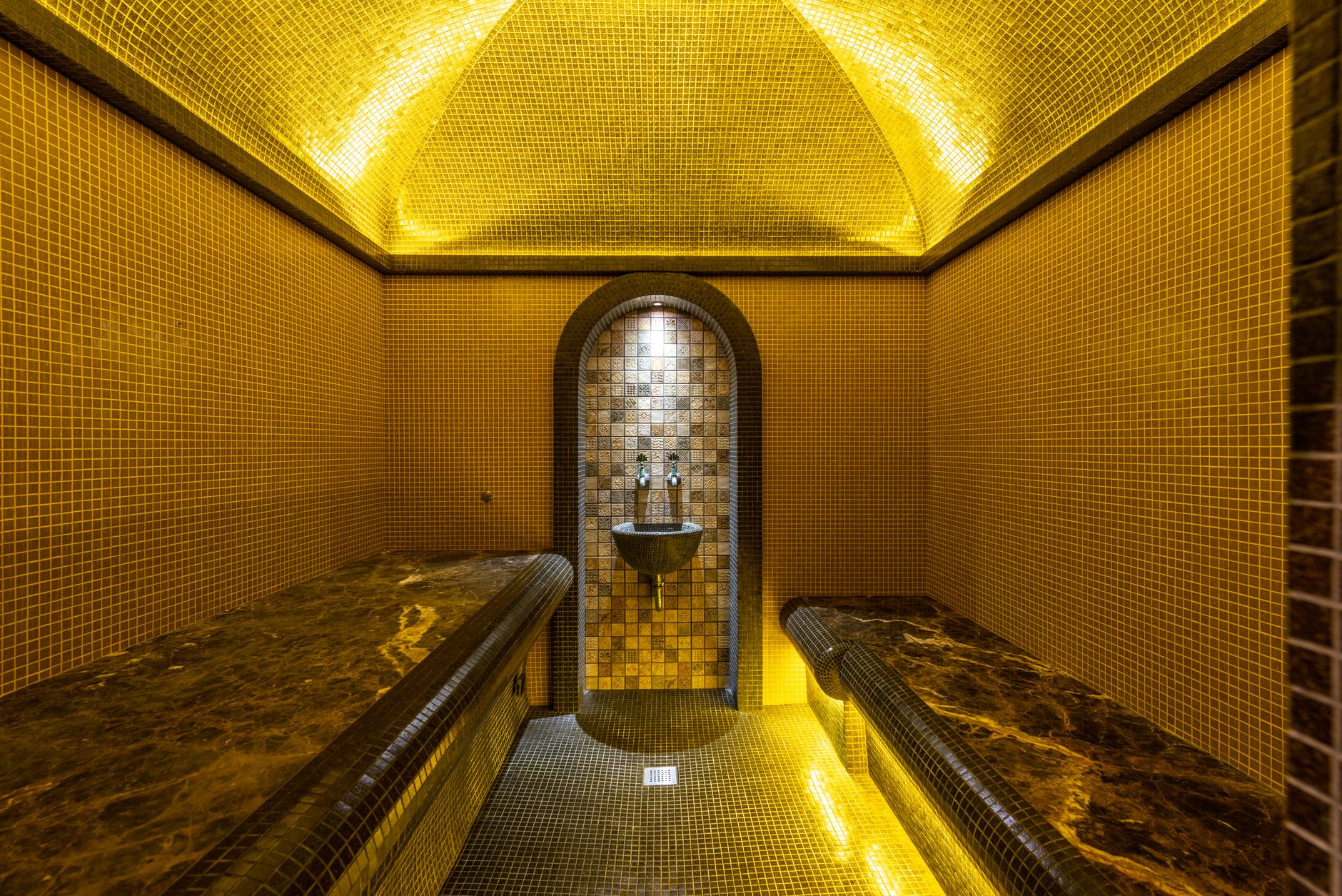
Squat, Sit, and the Small Rituals of a Turkish Restroom
You will encounter both Western-style seated toilets and traditional squat toilets, often in the same building — look for the pictogram on the door or cubicle. Squat toilets are common in older facilities, mosques, and some rural areas. They are perfectly hygienic when used correctly: stand facing the wall (the hooded end), position your feet on the raised footpads, and squat low. If you are new to them, take your time and use the handrail if one is provided.
Here is the most important local detail: in many Turkish restrooms, especially traditional ones, you will find a small handheld sprayer or a pitcher of water beside the toilet. This is the taharet — water for washing, a practice rooted in Islamic and Ottoman cleanliness traditions. Use it as you wish, then dry with your own tissue. This is also why you should carry your own toilet paper or tissues: many public facilities do not provide paper in the cubicle, and some ask you to place used paper in a small bin rather than flushing it, particularly where plumbing is older. Follow the local signage and you will be perfectly fine.
Hand-washing is a serious matter here, and soap and water are usually available. If a facility lacks soap, a small bottle of hand sanitizer in your bag is a wise backup. The overall vibe is one of quiet practicality: Turks value cleanliness and expect the space to be left tidy.
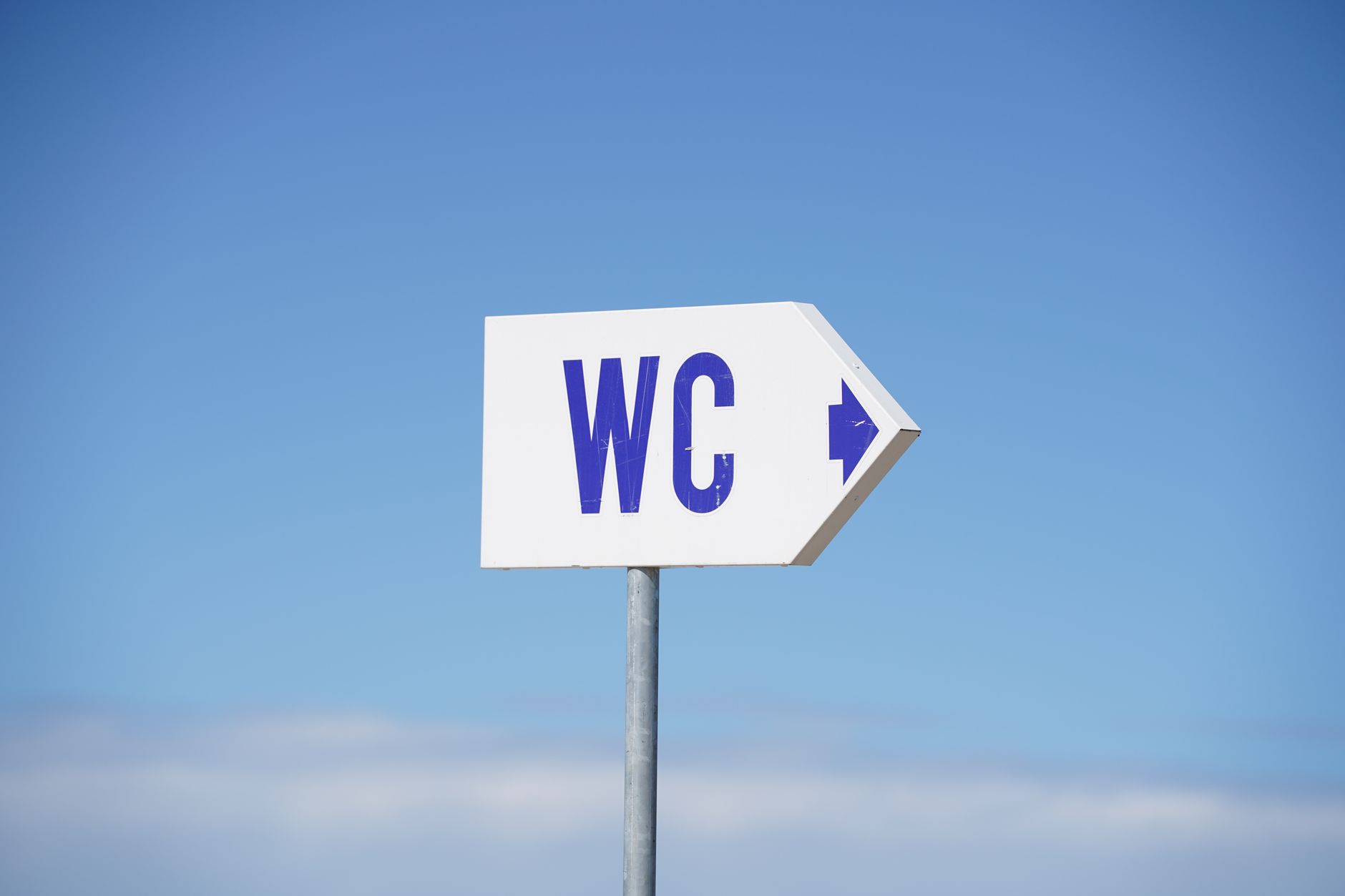
Polite Phrases and Etiquette for Asking, Entering, and Thanking
A few words of Turkish open doors — sometimes literally. Here are the phrases worth memorizing, written phonetically for easy use:
- "Tuvalet nerede?" (too-vah-LET neh-reh-DEH) — "Where is the toilet?" This is the phrase you will use most.
- "Affedersiniz, tuvalet var mı?" (af-feh-der-see-NEEZ, too-vah-LET var muh) — "Excuse me, is there a toilet?"
- "Bayan" / "Bay" — women's / men's, useful for confirming you are at the right door.
- "Teşekkür ederim" (teh-shek-KEWR eh-deh-reem) — "Thank you." Always welcome.
- "Kolay gelsin" (ko-LIE gel-SEEN) — a friendly greeting to staff and attendants.
- "Giriş ücretli mi?" (gee-REESH ewe-ret-LEE mee) — "Is there an entry fee?"
In restaurants, a simple raised eyebrow and "Tuvalet?" will get you pointed in the right direction with a smile. In mosques, wait for a quiet moment, remove your shoes if the area requires it, and enter respectfully. In small shops, it is polite to buy something — a bottle of water or a tea — if you intend to use the restroom, especially when it is not obviously public.
Etiquette is straightforward: queue patiently, keep the cubicle tidy, do not hog the sink, and leave the space as clean as you found it. If you are in a mosque courtyard, keep your voice low and your clothing modest. And when someone helps you — a shopkeeper, an attendant, a stranger on the street — a warm "Teşekkür ederim" goes a long way.
Accessibility, Families, and Planning Your Day Around Comfort Stops
Accessible facilities are increasingly common in modern malls, airports, museums, and major hotels, though older buildings and rural areas may not have them. If you need step-free access, plan around big venues and newer infrastructure, and do not hesitate to ask staff — they will often direct you to the best option. Families will find that many malls and service stations offer baby-changing areas, and restaurants are generally accommodating to parents traveling with small children.
The practical traveler's strategy is simple: use good facilities when you see them. Before a long bus ride or a day of sightseeing, make a stop at your hotel, a museum, or a mall. On road trips, plan around service stations. In historic quarters, mosques and cafés are your friends. Keep a small pouch of coins, a packet of tissues, and a bottle of hand sanitizer in your day bag, and you will rarely be caught short.
You can also fold comfort stops into a broader plan. Our travel guides and itineraries build in realistic pacing, and the travel tools section can help you map routes with sensible break points. If you are still deciding when to visit, best time to travel covers seasonal considerations that affect everything from crowds to road conditions.
A Final Word of Reassurance and Thanks
Türkiye's public restrooms are, on the whole, plentiful, well maintained, and often genuinely beautiful — tiled in jewel tones, scented with the same soap your grandmother might have used, watched over by attendants who take real pride in their work. The culture of cleanliness here is not a coincidence; it is a centuries-old value expressed in the smallest details of daily life.
Travel with a few coins, a packet of tissues, and the three phrases above, and you will move through the country with an ease that surprises you. Treat each facility and each attendant with courtesy, and you will be met with courtesy in return. That exchange — small, warm, and endlessly repeated — is one of the quiet pleasures of traveling in Türkiye. When you are ready to plan the rest of your journey, explore our destinations and routes, or let our local experts help you shape a trip where comfort is never an afterthought. Afiyet olsun, iyi yolculuklar — enjoy, and safe travels.
Thinking about a trip to Turkey?
Share your contact details and a vetted local expert will follow up with a plan built around you — free, no obligation.