

Why Look Beyond Istanbul, Cappadocia and the Coast?
Most travellers map out Türkiye along a well-worn trail: Istanbul's minarets, Cappadocia's balloons, the turquoise coast. But between those headline acts lie inland cities that quietly offer something increasingly precious — authenticity without the crowds, and prices that let you relax. Afyonkarahisar, Kütahya, Eskişehir and Amasya are not "undiscovered" in any romantic sense; they are real Turkish cities going about their business, and that is precisely their appeal.
Here you will find honest prices: a full meal for the cost of a coffee in a tourist hub, a clean hotel room for a fraction of coastal rates, museum entries that barely dent your budget. You will also find genuinely welcoming locals — not because you are a customer, but because hospitality is simply how things are done. A shopkeeper will walk you to the right bus stop. A tea house will refuse your money for the second glass. These encounters are the ones travellers remember longest.
These cities also fit neatly into existing itineraries. They sit on excellent rail and bus corridors, their centres are compact and walkable, and each has enough day trips to justify a night or two. This guide shows you how to slot one or two into your trip without derailing it — and why you will be glad you did.
Afyonkarahisar: Castle, Sucuk and Thermal Springs
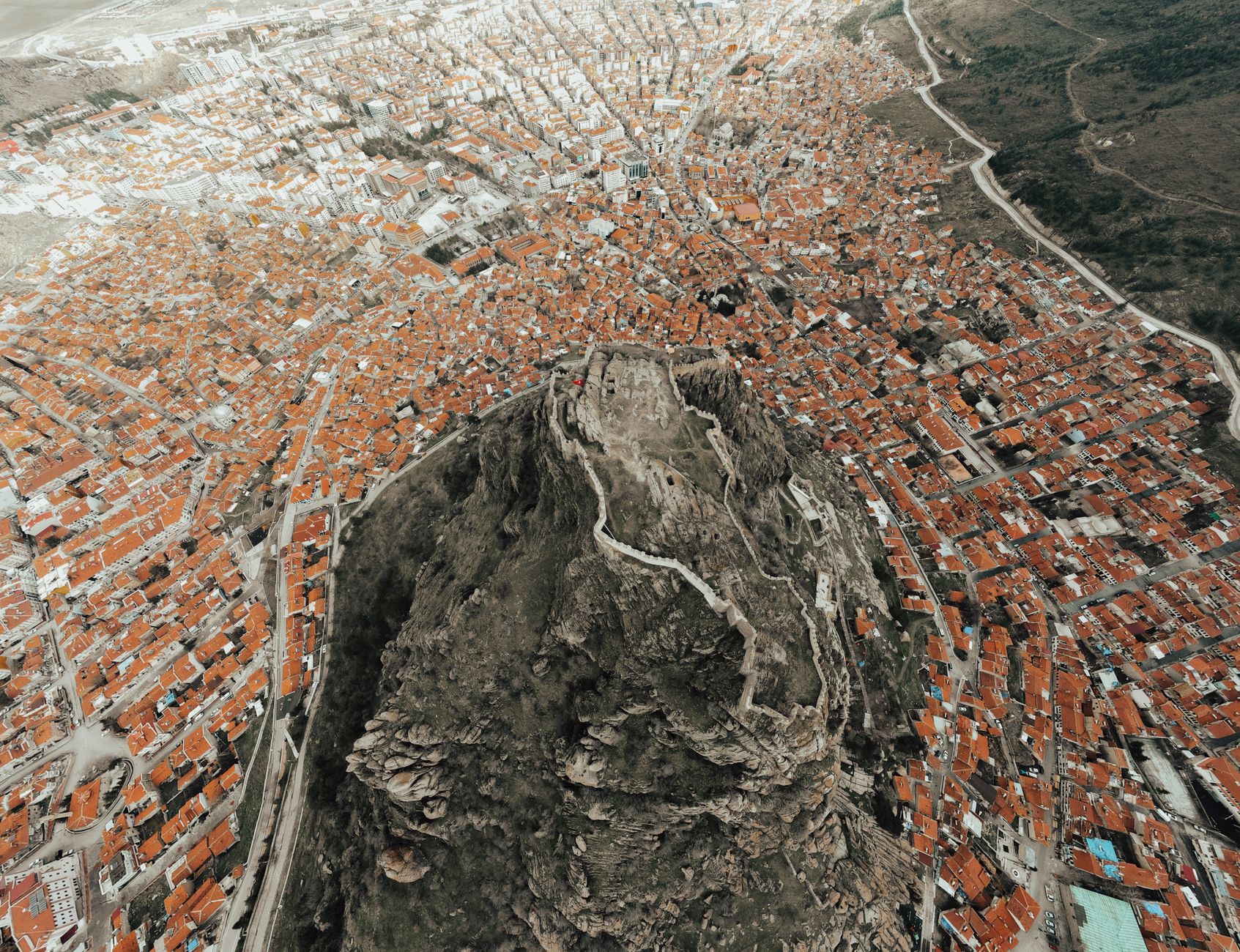
Afyonkarahisar — usually shortened to Afyon — announces itself from miles away. A dramatic rock outcrop rises from the plain, crowned by a fortress that has watched over the region for millennia. The climb to the top is steep but short, and the view over the city's rooftops and minarets is worth every step. Below, the old quarter clings to the slope with wooden houses and quiet lanes.
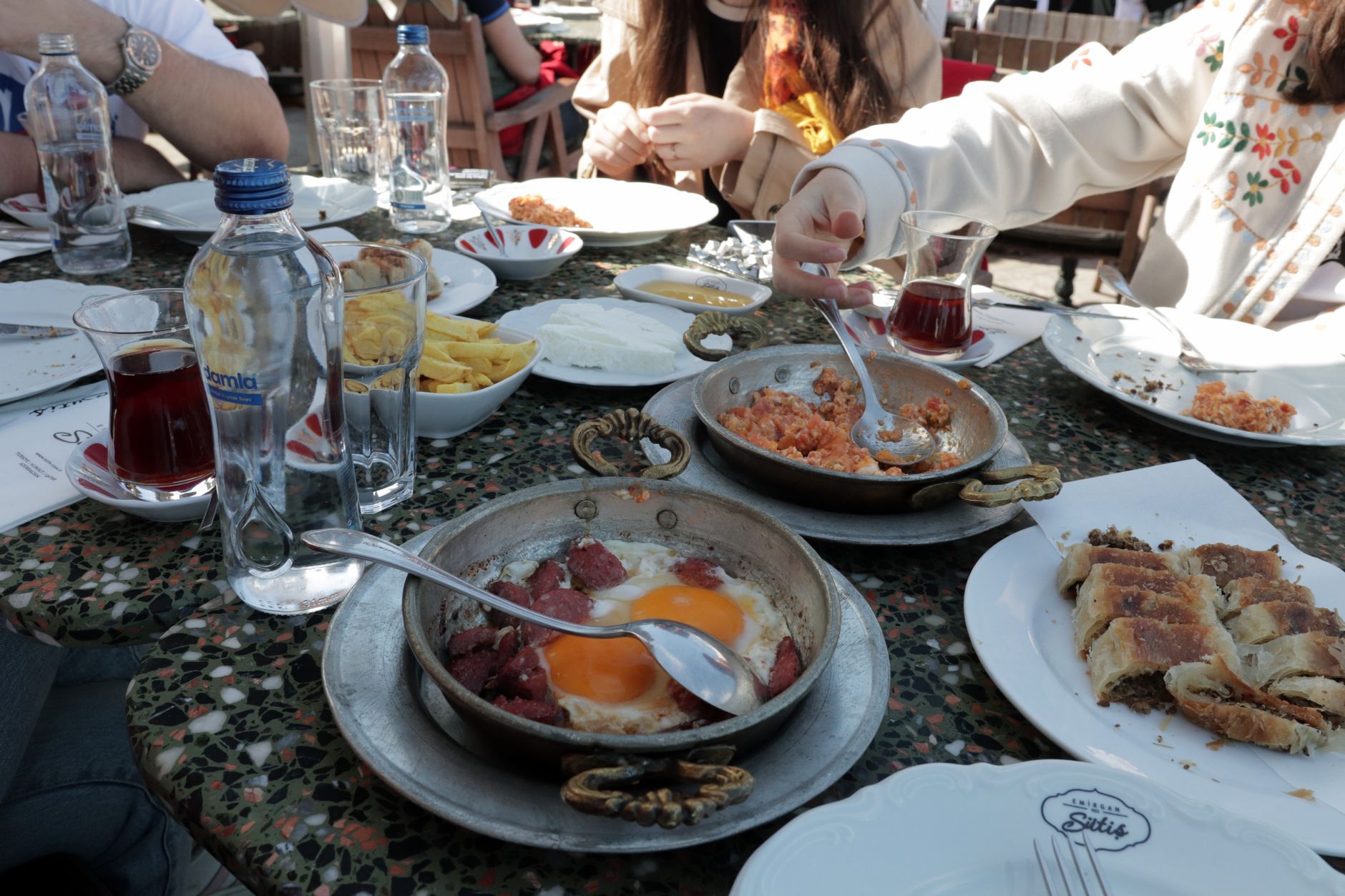
Afyon is famous across Türkiye for two things: sucuk (spiced, garlicky beef sausage) and kaymak (clotted cream). Try them together at breakfast — sucuk fried with eggs, kaymak spread on fresh bread with honey. This is one of the great Turkish breakfasts, and in Afyon it costs a fraction of what you would pay in a big-city hotel. The local lokum (Turkish delight) is also exceptional, made with the same cream.
The city is also a spa destination, with thermal springs that have been used since Roman times. Several hotels pipe the mineral-rich water directly into their rooms, so a soak in the evening is as easy as turning on the tap. For history lovers, the Afyon Museum and the nearby Phrygian rock monuments at Aslantaş and Arslankaya make rewarding half-day excursions.
"In Afyon, breakfast is not a meal — it is a ceremony, and you are an honoured guest."
Kütahya: The City of Tiles and Crafts
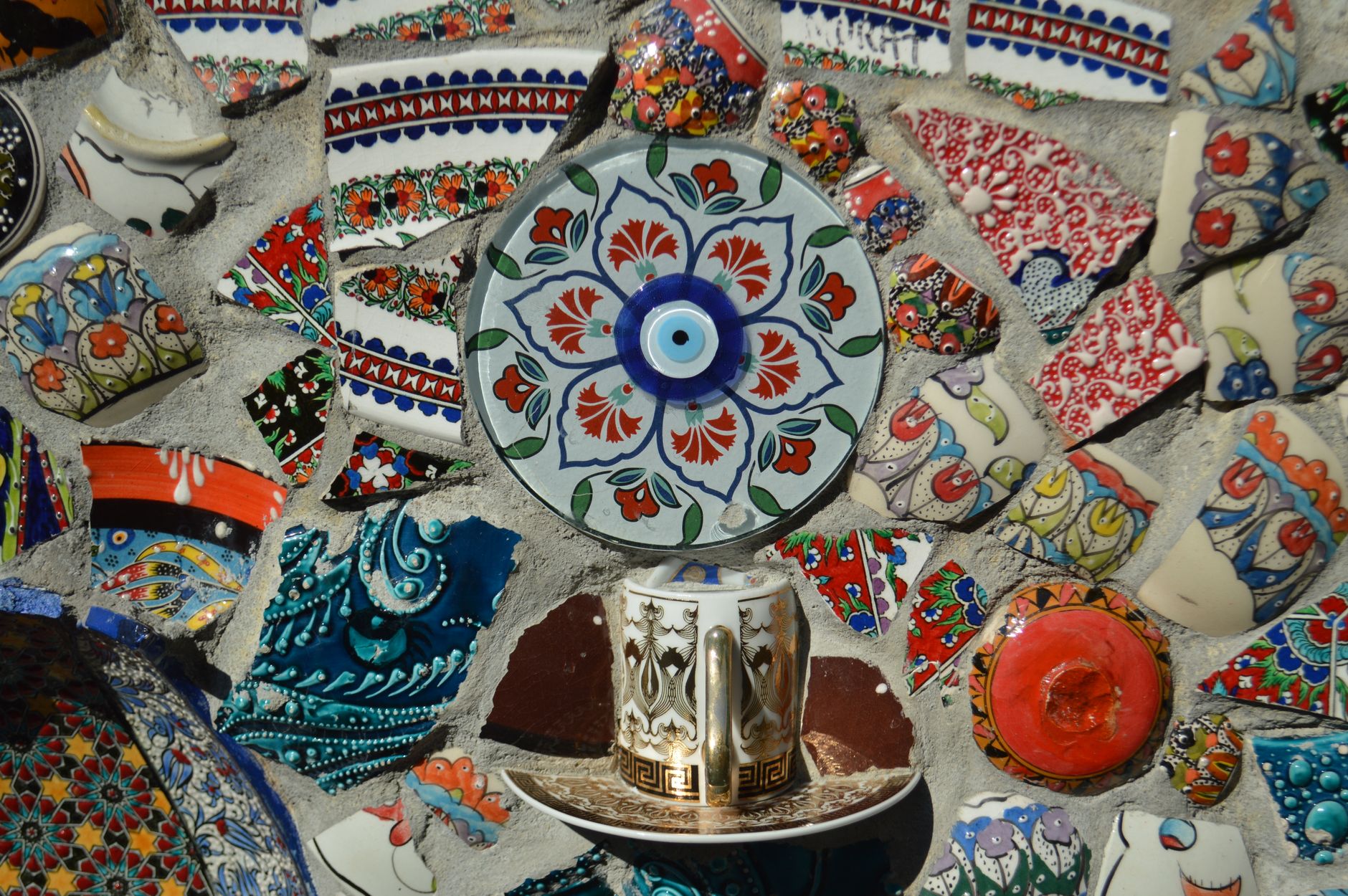
Kütahya is to ceramics what İznik is to tiles, though it wears its fame more lightly. The city has been a centre of pottery and tile-making for centuries, and today you can watch artisans at work in workshops scattered around the old town. The Kütahya Tile Museum, housed in a beautifully restored Ottoman mansion, explains the craft's history and displays pieces that rival anything in Istanbul's markets — at a fraction of the price.
The city itself is a pleasure to wander. The Germiyan Sokağı, a restored street of traditional houses, is lined with cafes and small shops selling ceramics, embroidery and çini (tiles). The hilltop castle offers panoramic views, and the Dönenler Mosque and Ulu Mosque are worth a look for their architecture and calm atmosphere.
Kütahya is also a great base for nature. The Murat Mountain area and the Dumlupınar memorial site are within easy reach, and the nearby Ilıca thermal springs make a soothing afternoon. Buses from Eskişehir and Afyon run frequently, and the city is connected by rail to Balıkesir and İzmir, making it a natural stop on a loop through the interior.
Eskişehir: Youthful, Artistic and Surprisingly Cosmopolitan
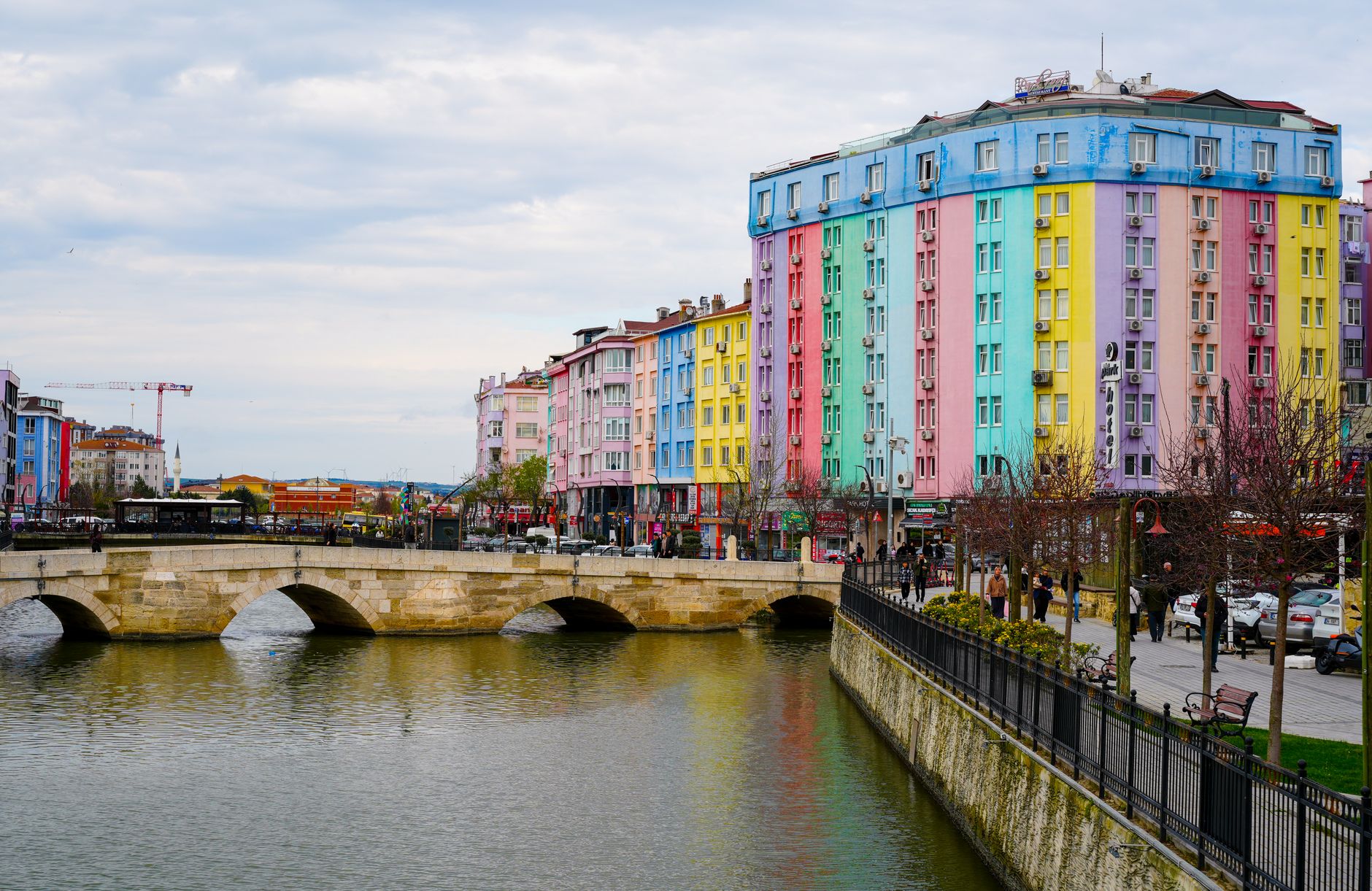
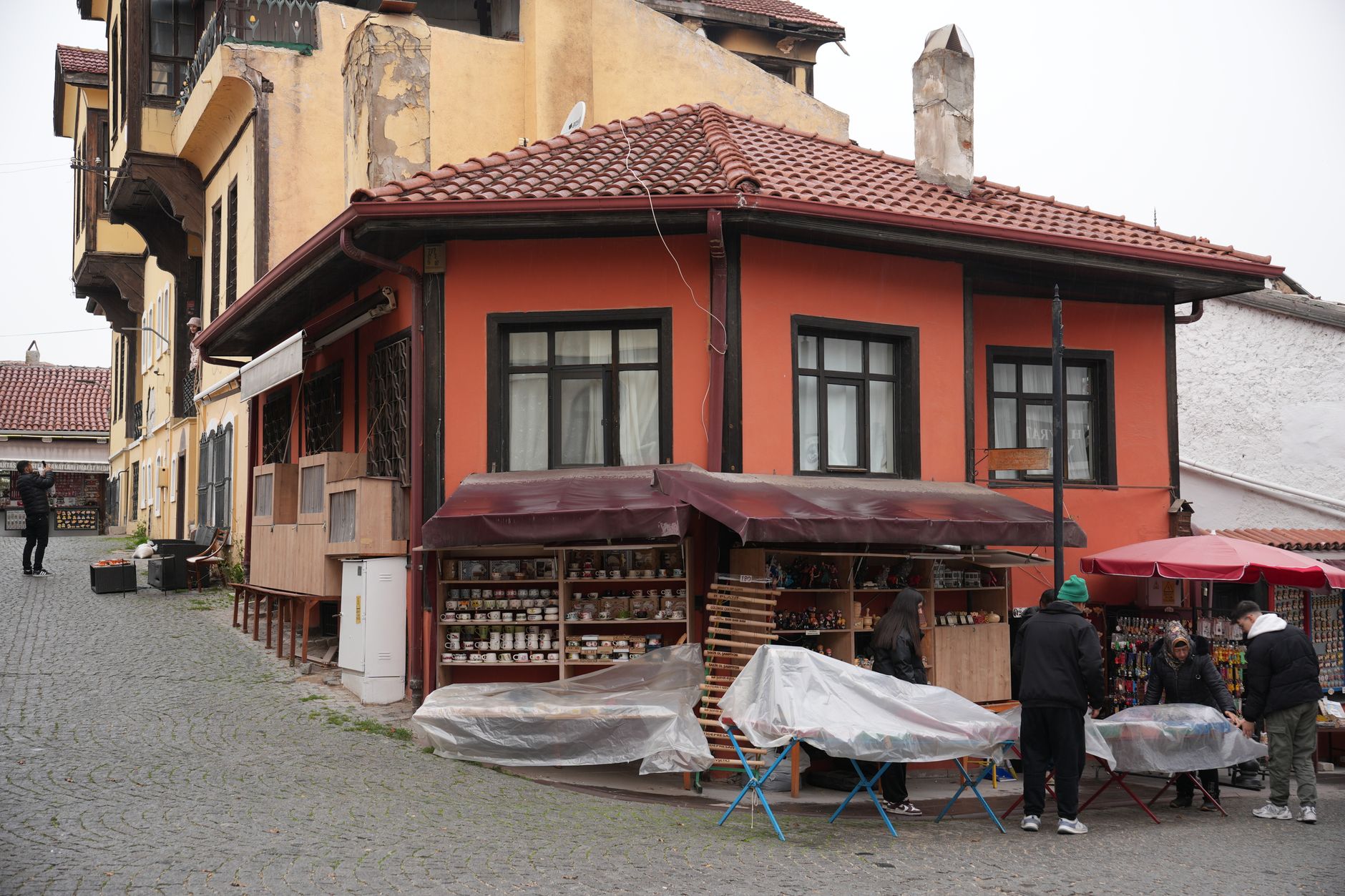
Eskişehir is the outlier: a city of 900,000 that feels younger and more creative than most European towns. Sitting on the Porsuk River, its centre is a pedestrian-friendly web of bridges, cafes and bookshops. The Odunpazarı district, with its colourful Ottoman houses and cobbled streets, has been lovingly restored and now buzzes with galleries, craft shops and restaurants.
Don't miss the Museum of Modern Glass Art, the Yılmaz Büyükerşen Wax Museum and the whimsical Yunus Emre Museum. The city is also famous for its meerschaum pipes (lületaşı), carved from a soft white mineral found only here. Watching a craftsman shape a pipe is a window into a dying art.
Food-wise, Eskişehir is a delight. The çibörek — a crispy, deep-fried pastry filled with minced meat and onion — is the local speciality, best eaten hot from a street stall. The city's student population keeps prices low and energy high, and the riverside Adalar district is perfect for an evening stroll with ice cream. Eskişehir is easily reached by high-speed train from Istanbul (about 3 hours) and Ankara (1.5 hours), making it the ideal first stop on an inland loop.
Amasya: The Fairy-Tale City on the Yeşilırmak
Amasya might be the most photogenic city in inland Türkiye. Ancient rock tombs carved into the cliffs above the Yeşilırmak River look down on Ottoman wooden houses that lean over the water. At night, the tombs are illuminated, and the whole scene feels like a storybook illustration.
The city was the capital of the Pontic Kingdom and later a favourite retreat of Ottoman princes. The Amasya Castle offers sweeping views, and the Borabay Lake and Yedikır Dam are pleasant day trips. The Amasya Museum holds important Hittite and Ottoman artefacts, including mummies that are eerily well preserved.
Amasya is also famous for its apples — Amasya elması — and for its traditional keşkek (a hearty meat and wheat dish) and baklava. The local çakıldak (a type of roasted chickpea) makes a great snack. Accommodation is affordable, and the riverside Yalıboyu houses offer atmospheric stays. Buses from Samsun, Ankara and Sivas are frequent, and the city is a natural stop between Cappadocia and the Black Sea coast.
Getting Around: Rail and Bus Links That Make It Easy
Türkiye's inland cities are well connected by a combination of high-speed rail and comfortable intercity buses. The Yüksek Hızlı Tren (YHT) high-speed train links Istanbul, Eskişehir, Ankara and Konya, with Eskişehir as a major hub. From Eskişehir, frequent buses run to Kütahya and Afyon. Amasya is served by buses from Ankara, Samsun and Sivas, and by a slower but scenic train line.
Buses in Türkiye are a pleasure: reclining seats, complimentary tea and snacks, and servis minibuses that drop you at the city centre or otogar. Booking online via apps like obilet is easy, but during holidays (especially Ramadan Bayramı and Kurban Bayramı) book a few days ahead.
Once in town, most centres are walkable. Eskişehir has a modern tram network; Afyon, Kütahya and Amasya are best explored on foot, with taxis and dolmuş (shared minibuses) filling the gaps. Walking is not just practical — it is how you stumble upon the tea gardens, markets and conversations that make these cities special.
Day Trips and Practical Tips for a Smooth Visit
Each city rewards a day trip or two. From Afyon, head to the Phrygian Valley for rock-cut monuments and hiking. From Kütahya, visit the Ilıca thermal springs or the Dumlupınar memorial. Eskişehir offers the Sazova Park and the Odunpazarı craft workshops. Amasya is close to the Borabay Lake and the historic Pontic tombs along the river.
Practical tips: carry cash (many small businesses prefer it), learn a few Turkish phrases ("teşekkürler" goes a long way), and dress modestly when visiting mosques. Tap water is generally safe in these cities, but bottled water is cheap and widely available. For the best value, travel in spring or autumn — summers can be hot inland, and winters cold.
Above all, slow down. These cities are not tick-box destinations; they are places to sit with a glass of tea, chat with a shopkeeper, and watch the evening light on the castle walls. That unhurried rhythm is the real luxury — and it costs almost nothing.
Thinking about a trip to Turkey?
Share your contact details and a vetted local expert will follow up with a plan built around you — free, no obligation.