

Rain in Türkiye is not an inconvenience; it is an invitation. The call to prayer mingles with the patter on cobblestones, tea glasses steam a little more dramatically, and the city wraps you in a blanket of woodsmoke, wet stone and the scent of fresh simit. Instead of cancelling plans, do as the locals do: head indoors, where hammams glow with candlelight, bazaars hum beneath painted vaults, and Ottoman libraries guard centuries of ink and gold. This guide turns a wet forecast into a gift, with indoor itineraries for Istanbul, Bursa and Trabzon, complete with practical timings, atmospheric highlights and the little rituals — çay, simit, a shared meyhane table — that make rainy days in Türkiye some of the most memorable.
Why Rain Makes Turkish Cities More Beautiful
There is a reason photographers chase the rain in Istanbul. Wet cobblestones on Divanyolu become a mirror, doubling the minarets and the red of the Turkish flag. The Bosphorus turns pewter and mysterious, ferries hooting through the mist like characters in a novel. In Bursa, rain glistens on the green tiles of the Yeşil Türbe; in Trabzon, mist clings to the Black Sea hills and the tea plantations shine like lacquer. Rain doesn't hide Türkiye — it softens the edges and deepens the colours.
Indoors, the payoff is even richer. Hammams are at their most seductive when steam blooms against cold air outside. Covered bazaars, built precisely to be weatherproof, become living rooms for the whole city. And the rituals of Turkish hospitality — a glass of çay pressed into your hand before you even ask, a shared plate of simit torn into pieces — feel more generous, more necessary, when the sky is grey.
"Yağmur yağarken çay içmek" — drinking tea while it rains — is not a cliché in Türkiye; it is a philosophy. Build your rainy day around it.
Istanbul: A Rainy Day Itinerary Under Vaults and Steam
Start your morning at the Grand Bazaar (Kapalıçarşı). Open Monday–Saturday from around 8:30 to 19:00 (closed Sundays), this 15th-century labyrinth of 4,000 shops is entirely covered, so the rain becomes a distant drum on the roof. Wander the İç Bedesten, the oldest core, where antique silver and carpets are traded, then sip çay at a hidden han café. Two hours here barely scratches the surface; give it three if you love browsing.
When you need a break, duck out to Sultanahmet for a simit from a street cart and a glass of tea, then move to the Hagia Sophia and the Basilica Cistern (Yerebatan Sarnıcı). The cistern, open daily from 9:00 to 18:30 (later in high season), is arguably better in the rain: the dripping water, the raised wooden walkways and the Medusa heads feel like a subterranean poem. Book tickets online to skip the queue, especially on weekends.
For lunch, head to Eminönü and grab a balık ekmek (grilled fish sandwich) by the water — there's a covered arcade near the ferry docks — or retreat to the Spice Bazaar (Mısır Çarşısı), open daily 8:00–19:30, where the aromas of saffron, sumac and Turkish delight are intensified by the damp air. A meyhane lunch in Kumkapı or Beyoğlu is another perfect rain plan: small plates, rakı if you like, and the happy noise of a full room while the windows stream.
Hammams, Libraries and Museum Afternoons in Istanbul
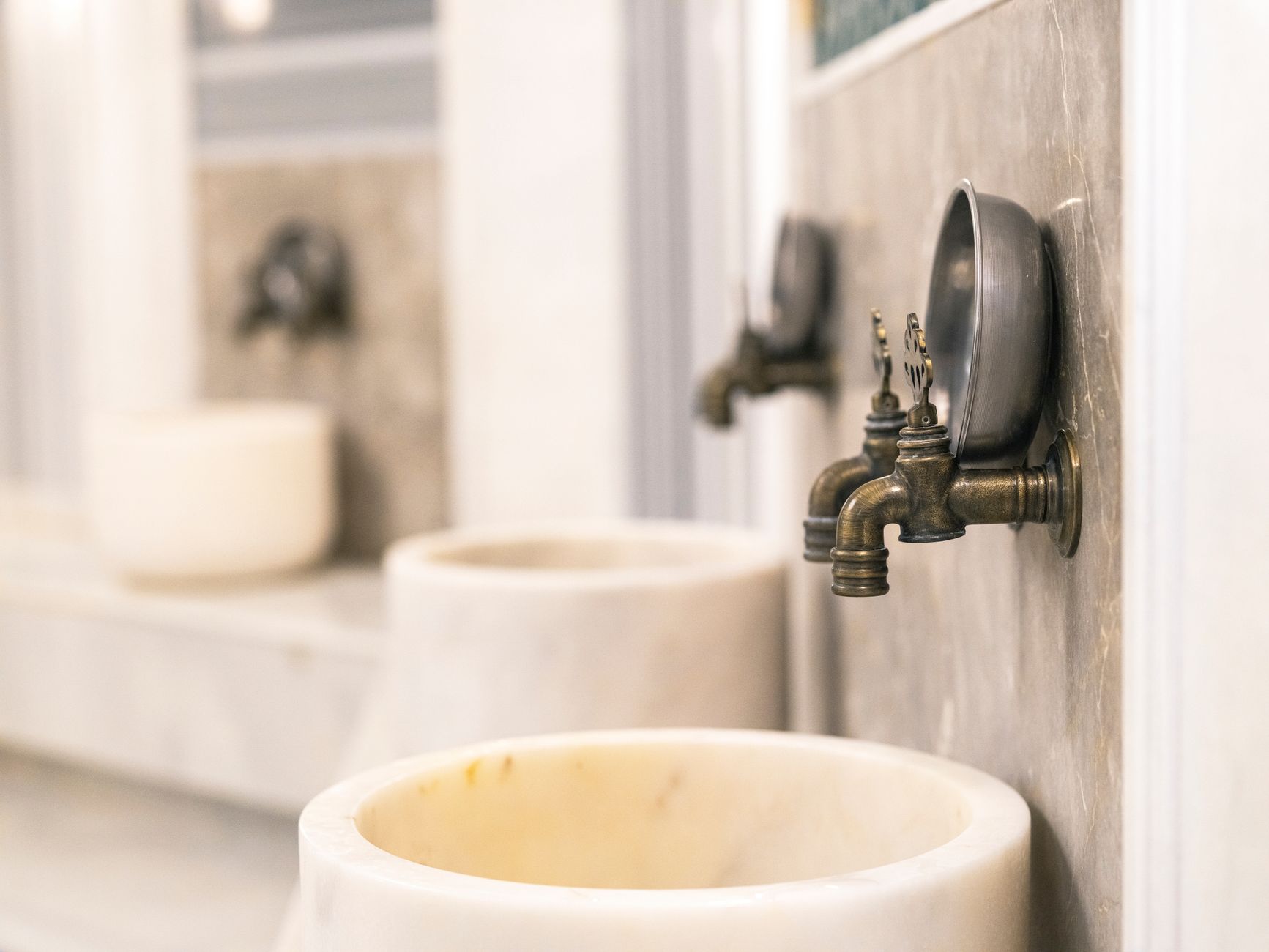
No rainy day in Istanbul is complete without a hammam. The Ayasofya Hürrem Sultan Hamamı (daily 8:00–22:00, mixed or separate sessions, reservations essential) offers a luxurious, marble-clad experience between Hagia Sophia and the Blue Mosque. For something more historic and affordable, try Çemberlitaş Hamamı (daily 6:00–24:00), built in 1584 by Mimar Sinan. The ritual — hot marble, vigorous scrub, clouds of steam, cold rinse — will reset your entire day. Allow 90 minutes including tea and rest.
Book lovers should spend the afternoon at the Museum of Turkish and Islamic Arts (daily 9:00–18:30, closed Mondays in low season) on Sultanahmet Square, home to stunning Ottoman manuscripts, calligraphy and carpets. Nearby, the Süleymaniye Mosque complex houses the Süleymaniye Manuscript Library, a serene Ottoman library where you can sense the scholarly hush of the empire. If you prefer modern art, the Istanbul Modern in Karaköy (Tuesday–Sunday 10:00–18:00, until 20:00 on Fridays) offers harbour views through rain-streaked glass.
End the day in Beyoğlu: browse the covered Çiçek Pasajı and Balık Pazarı, then settle into a meyhane on Nevizade Sokak. Order hamsi (anchovy) if it's winter, borek, and a plate of beyaz peynir. The rain outside makes the candlelight inside feel like a secret.
Bursa: Ottoman Time Capsules in the Rain
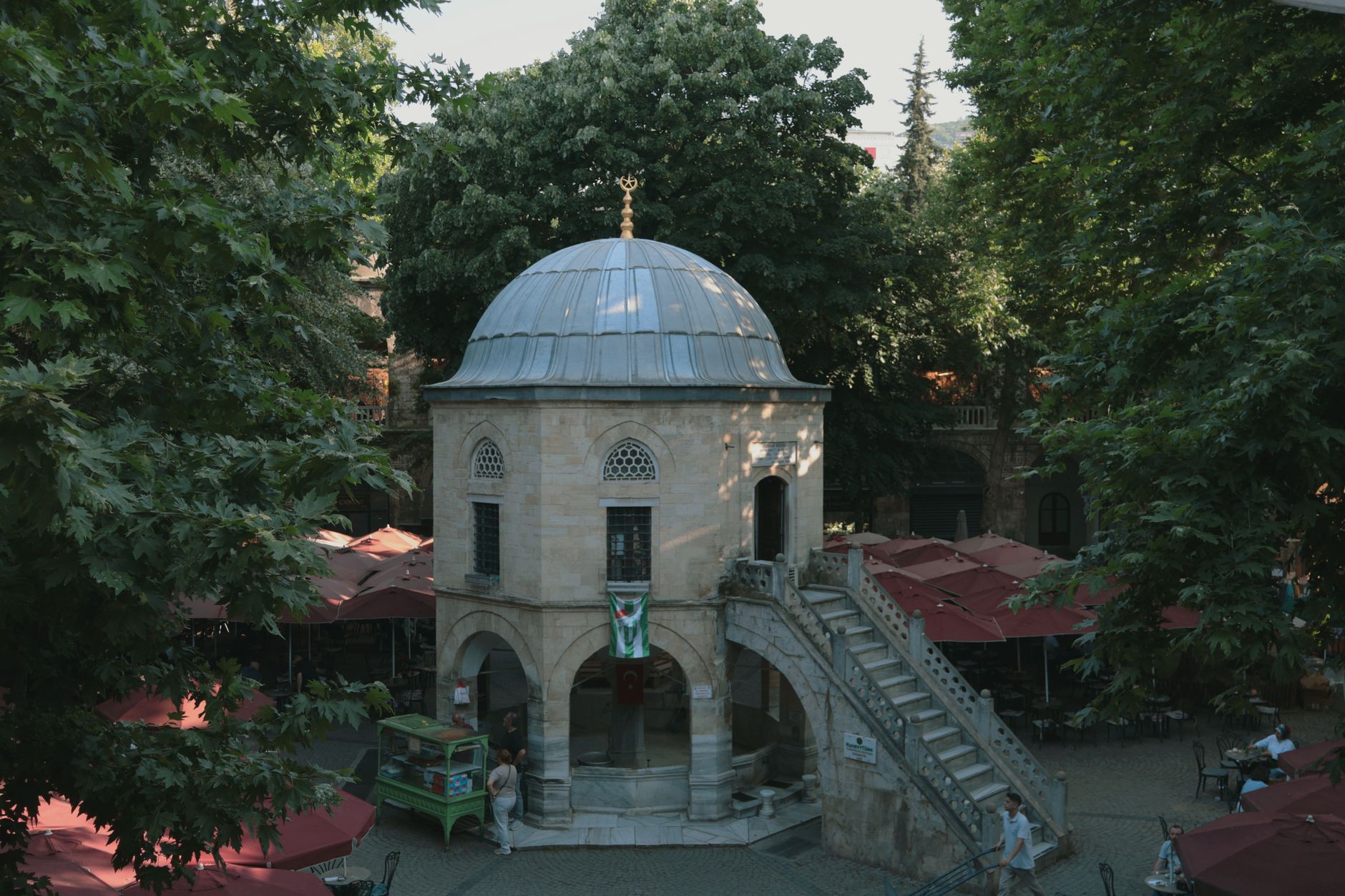
Bursa, the first Ottoman capital, is a city made for wet weather. Its covered bazaars are among the oldest in the world, and its hammams have been steaming since the 14th century. Begin at the Koza Han (daily 8:00–19:00, closed Sundays), the silk cocoon caravanserai built in 1491. Under its two-story courtyard, you can sip tea among silkworm cocoons and silk scarves while rain falls into the central fountain. Then walk through the adjoining Kapalı Çarşı (covered bazaar) and the Uzun Çarşı, where every lane connects, so you barely need to step outside.
For culture, visit the Bursa Museum of Turkish and Islamic Art (daily 9:00–17:00, closed Mondays) and the Yeşil Türbe and Yeşil Camii (Green Tomb and Mosque), where the Iznik tiles glow extra vividly against grey skies. The nearby Emir Sultan Mosque and its courtyard are lovely in the rain, with tea stalls at the entrance. If you have time, take a taxi to Cumalıkızık, a preserved Ottoman village of colourful houses; its narrow streets are atmospheric in drizzle, and the village kahvesi serves gözleme by the fire.
Bursa's Hammams and Kebab Lunches
Bursa is famous for its hammams, and the Keçeli Hamamı (separate sessions for men and women, daily approximately 7:00–22:00) is a local favourite, less touristy than Istanbul's. The Eski Kaplıca (Old Thermal Bath) at the Çekirge springs, dating to Byzantine and Ottoman times, offers thermal waters rich in minerals — perfect when you're chilled from the rain. Book ahead or arrive early; weekends are busy.
For lunch, Bursa means İskender kebap: thinly sliced döner over pide bread, drenched in tomato sauce and browned butter, with yogurt on the side. Try Kebapçı Hüseyin or İskender Tarihi, both near the bazaar. Follow with kestane şekeri (candied chestnuts), a Bursa specialty, and a glass of çay. The combination of rich food, steam and rain outside is pure comfort.
Trabzon: Black Sea Rain, Tea and Hidden Treasures
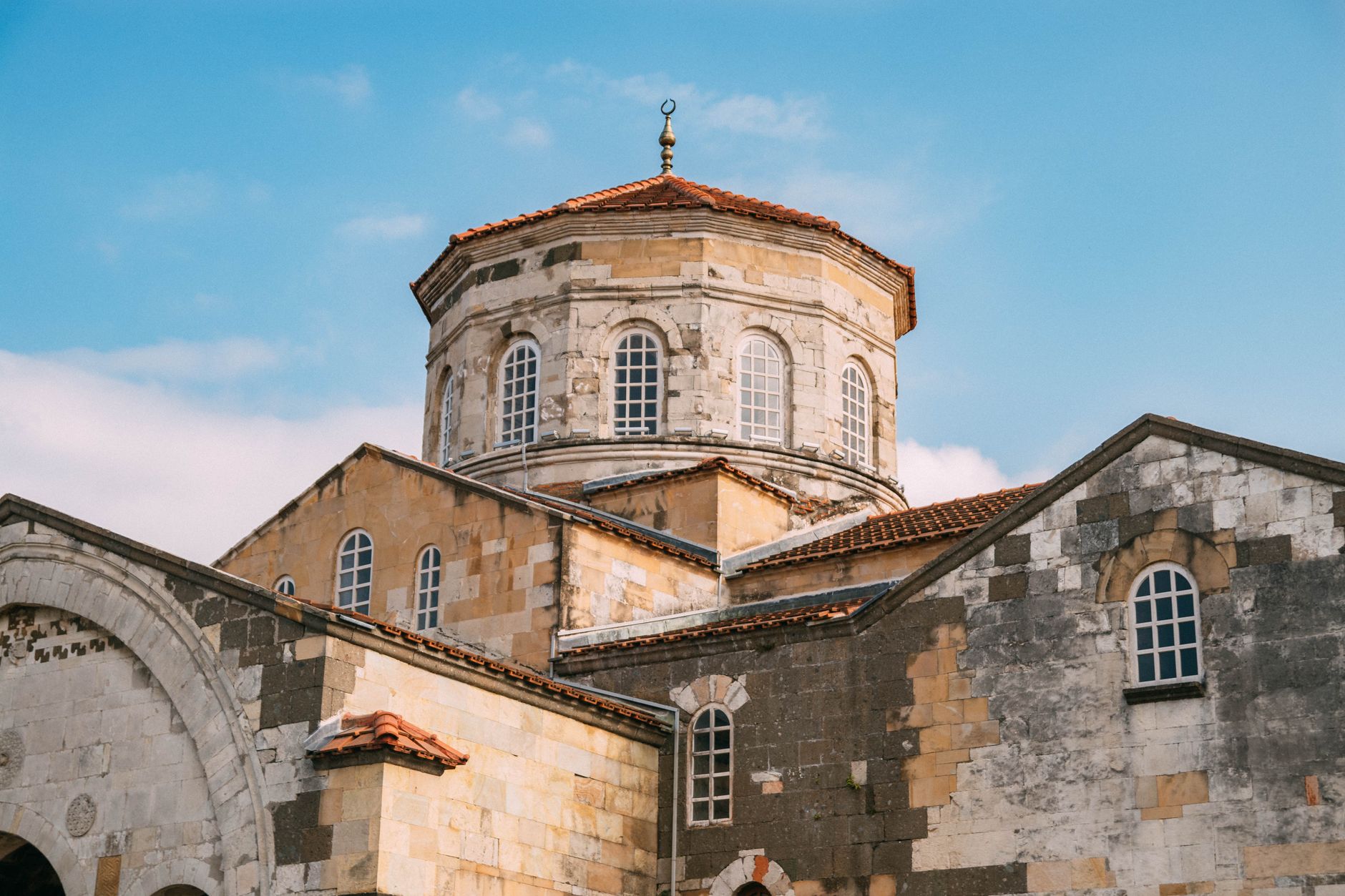
Trabzon is the rainiest of Türkiye's major cities, which means locals have mastered the art of indoor coziness. The Trabzon Museum (Kostaki Mansion), open daily 9:00–17:00 (closed Mondays), is a stunning 19th-century mansion filled with Byzantine and Ottoman artifacts — a perfect rainy-day stop. Nearby, the Hagia Sophia of Trabzon (Ayasofya Müzesi), a 13th-century church-turned-mosque-turned-museum, is worth a visit even in drizzle; its frescoes and sea views are hauntingly beautiful.
For a deep dive into the region's history, head to the Trabzon City Museum (daily 9:00–18:00) or the Şehir Müzesi in the Ortahisar district, where you can learn about the Silk Road, the Komnenos dynasty and the city's Greek, Armenian and Turkish layers. Then warm up with a kuymak (a gooey cornmeal and cheese dish) at a local lokanta, or a bowl of hamsi çorbası (anchovy soup) if you're feeling adventurous. Trabzon's tea gardens, like Boztepe (accessible by cable car, but check weather), offer views when skies clear; on rainy days, the covered tea houses along the harbour are just as satisfying.
Trabzon's Hammams and Covered Markets
Trabzon's historic Şehir Hamamı (City Hammam) and Yeni Hamam offer traditional scrub and steam at modest prices (men and women have separate hours; check locally). The Trabzon Kapalı Çarşı (Covered Bazaar) is smaller than Istanbul's but full of character, with shops selling local honey, butter, tea and handicrafts. It's the perfect place to stock up on souvenirs while staying dry.
Don't miss the Atatürk Pavilion (daily 8:00–17:00), a grand mansion where Atatürk stayed, with ornate rooms and a lovely garden — the rain makes the woodwork and carpets smell divine. For a final treat, visit a local pastane for Laz böreği (a custard-filled pastry) and a glass of Turkish tea, and watch the rain roll off the Black Sea.
Practical Tips for Rainy Days in Türkiye
Pack smart: A compact umbrella, a waterproof jacket and shoes with grip are essential. Many historic sites have uneven marble or cobblestone floors that get slippery. A scarf is useful for mosque visits and for warmth in air-conditioned museums.
Plan around opening hours: Most museums in Türkiye close one day a week (often Monday) and have reduced hours in winter. Always check the official website or call ahead. Hammams often have separate hours for men and women, and popular ones require reservations.
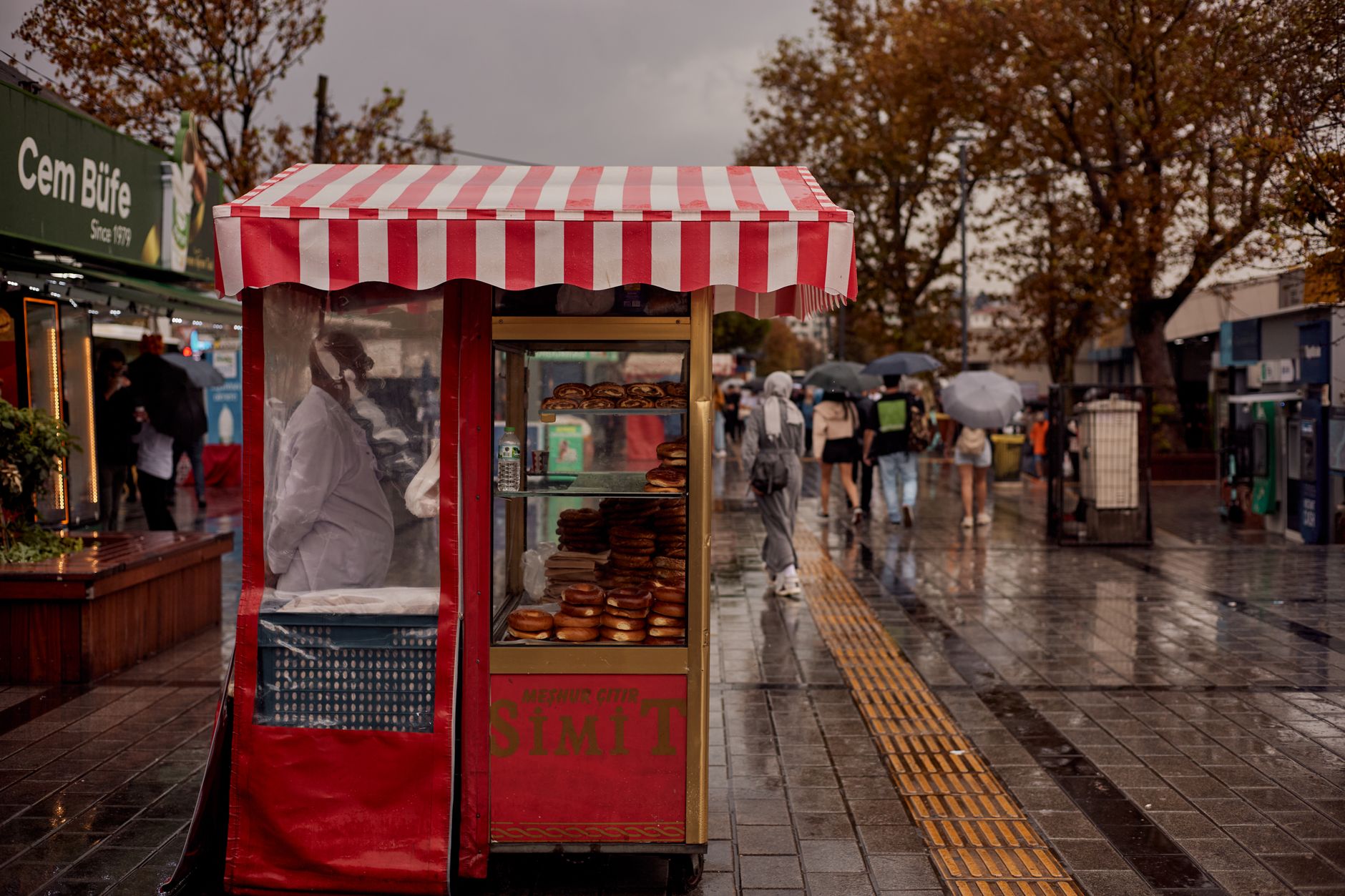
Embrace the tea ritual: When in doubt, find a çay bahçesi (tea garden) with covered seating or a kahve (coffeehouse). Order a çay and a simit; you'll immediately feel like a local. In Istanbul, the cafés under the Galata Bridge or in the courtyards of mosques are perfect.
Use public transport: Istanbul's metro, tram and ferries run regardless of weather. The tram from Bağcılar to Kabataş passes many covered attractions. In Bursa, the metro and light rail connect the bazaar area to the otogar. In Trabzon, dolmuş (minibuses) and taxis are your best bet; the city is hilly, so be prepared for wet walks.
Eat and drink well: Rainy days are for long lunches. Seek out meyhanes (taverns), lokantas (buffets) and esnaf lokantası (tradesmen's restaurants) where the food is fresh, cheap and comforting. Try soups like mercimek (lentil) or işkembe (tripe), and don't skip dessert: künefe, baklava or sütlaç.
Sample Rainy-Day Itineraries
Istanbul in one rainy day: 9:00 Grand Bazaar; 11:30 Spice Bazaar and Eminönü lunch; 13:30 Basilica Cistern; 15:00 Hagia Sophia; 16:30 Çemberlitaş Hamamı; 19:30 meyhane dinner in Beyoğlu.
Bursa in one rainy day: 9:00 Koza Han and covered bazaar; 11:00 Yeşil Camii and Türbe; 12:30 İskender kebap lunch; 14:00 Bursa Museum; 16:00 Keçeli Hamamı; 18:30 tea and candied chestnuts in Cumalıkızık or the city center.
Trabzon in one rainy day: 9:00 Trabzon Museum; 11:00 Hagia Sophia; 12:30 kuymak lunch; 14:00 Atatürk Pavilion; 16:00 covered bazaar shopping; 17:30 hammam; 19:00 hamsi dinner by the harbour.
Rain in Türkiye is not a washout — it's an invitation to go deeper. The steam of a hammam, the hush of a manuscript library, the clink of tea glasses in a covered bazaar: these are the experiences that stay with you long after the skies clear. So pack your umbrella, leave the itinerary flexible, and let the weather lead you indoors, where Türkiye's warmest welcomes await.
Thinking about a trip to Turkey?
Share your contact details and a vetted local expert will follow up with a plan built around you — free, no obligation.